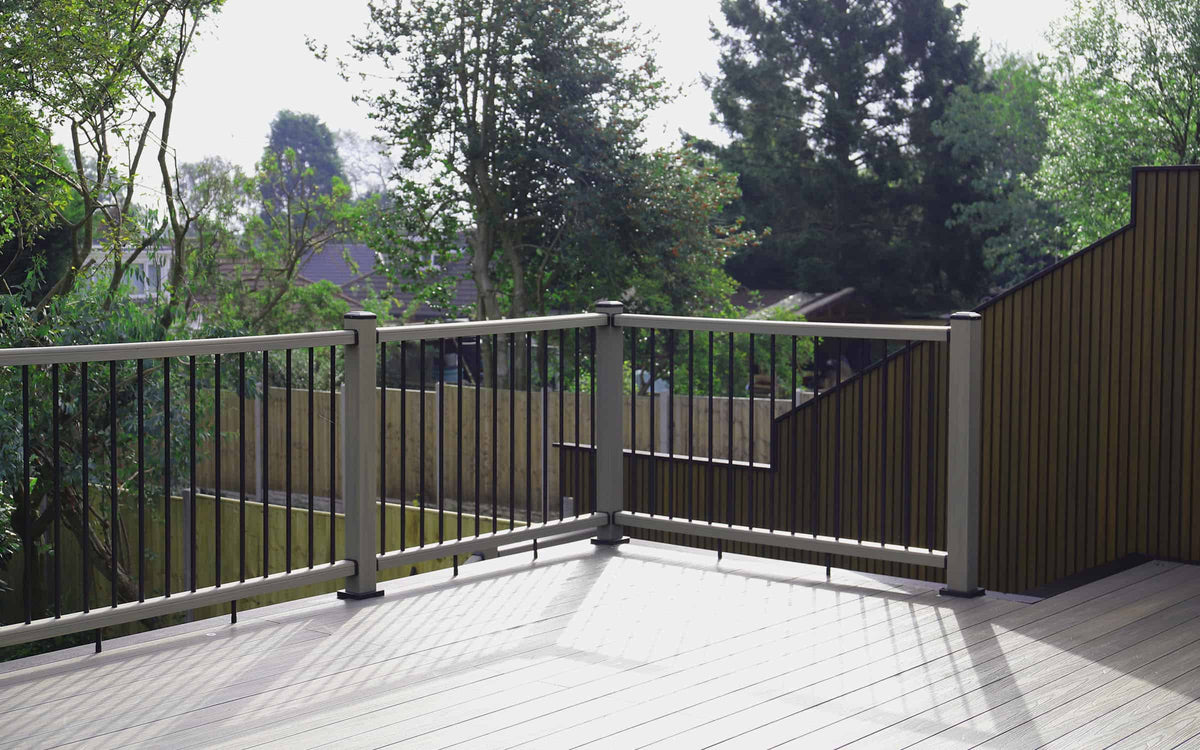
Choosing Between Timber and Composite Balustrades for Your Deck
Comparing composite vs timber balustrades means looking beyond the initial appearance. Both can provide a defined perimeter when correctly specified and installed, but they differ in construction, finish and ongoing care. The right choice depends on the project, the exposure conditions and how much maintenance you want to undertake.
Composite balustrades offer a manufactured finish with less routine painting or staining, while timber provides natural grain and scope for different painted or stained finishes. This guide explores the practical benefits of composite alongside the considerations for timber, helping you choose a system for your decking project.
Strength and Support: Compare the Complete System
Exterior timber balustrades can perform well when the timber specification, treatment, connections and maintenance suit the location. Exposure to moisture can cause deterioration, so inspect posts, rails and fixing points and maintain the finish as recommended. Timber should not be assumed unsafe simply because it is a natural material.
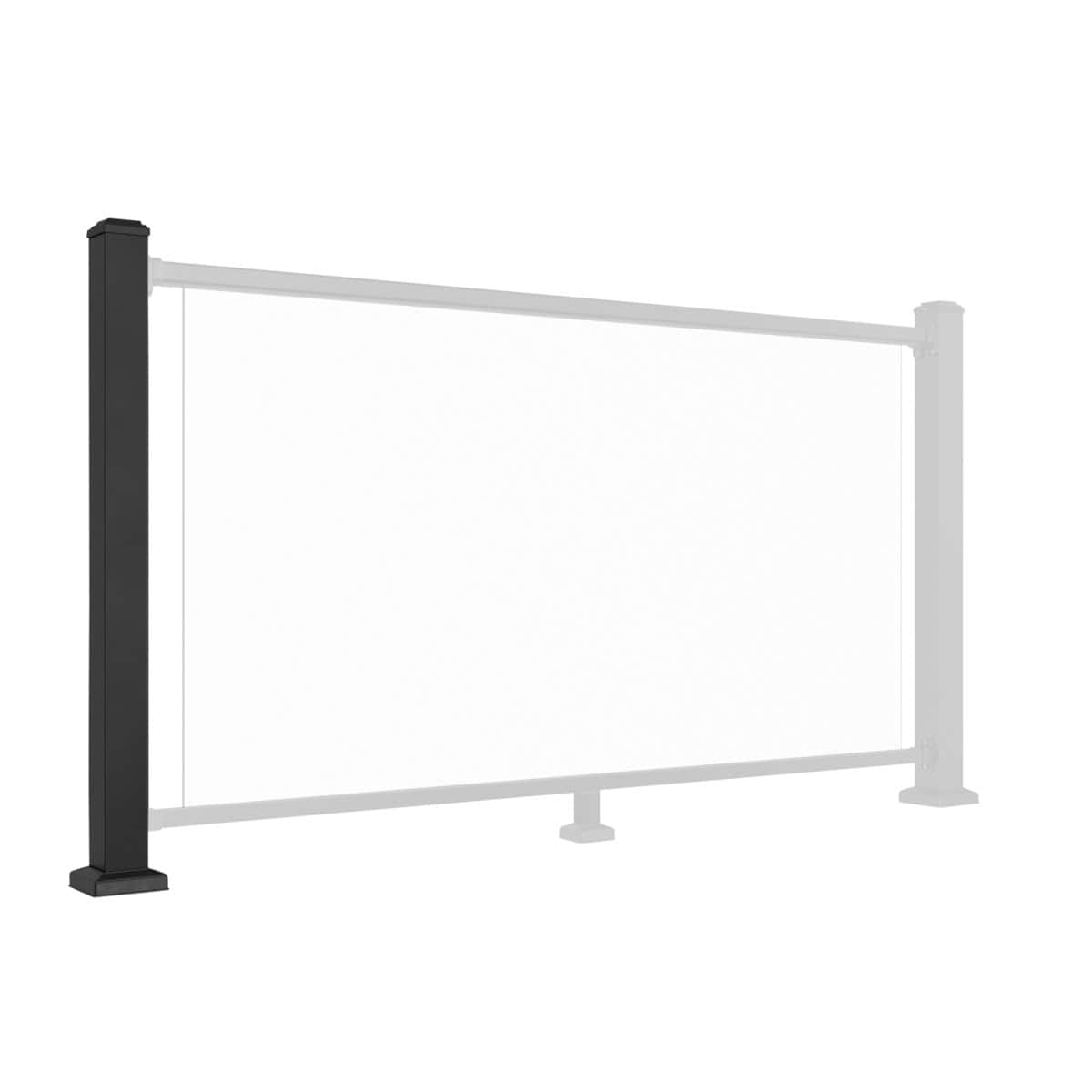
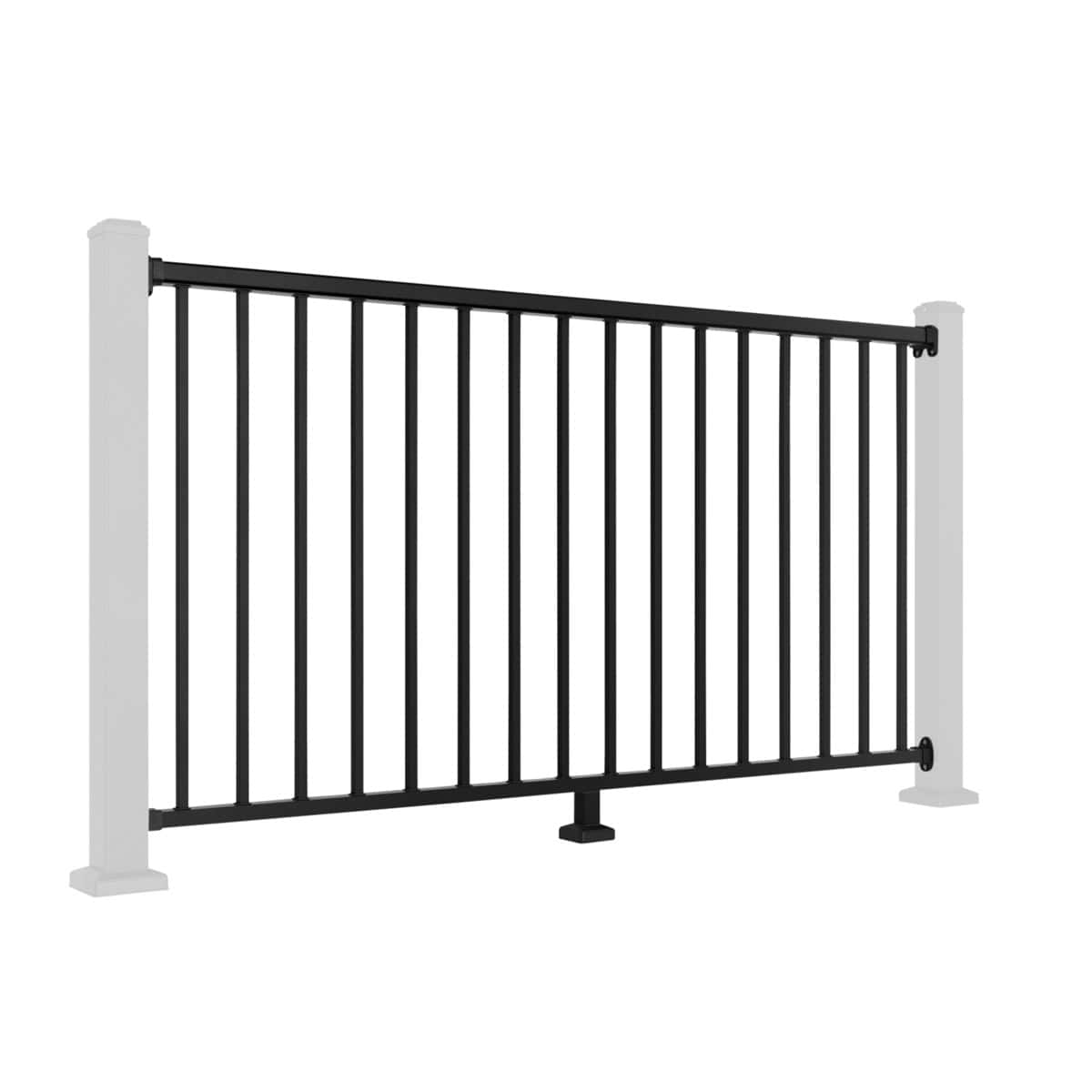
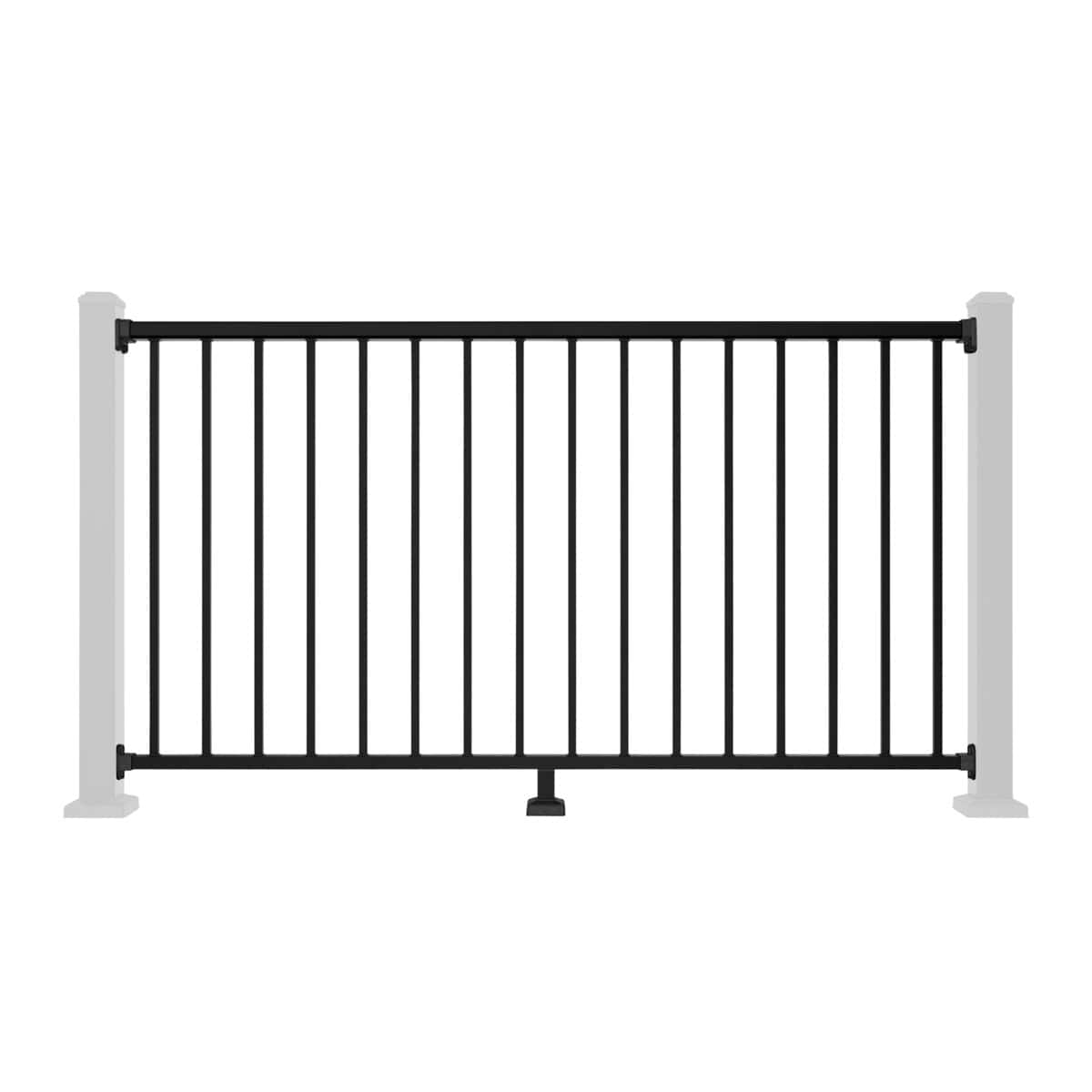
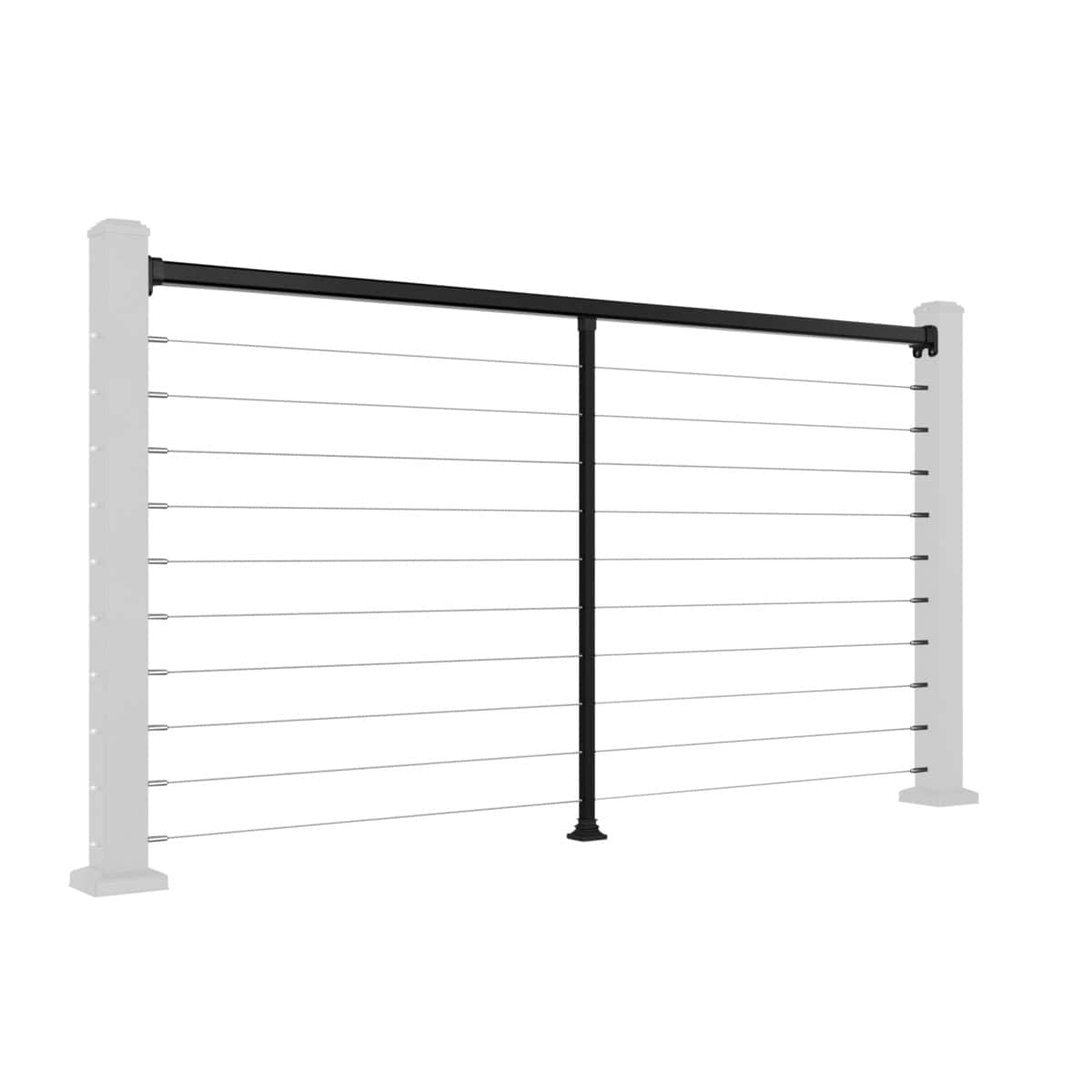
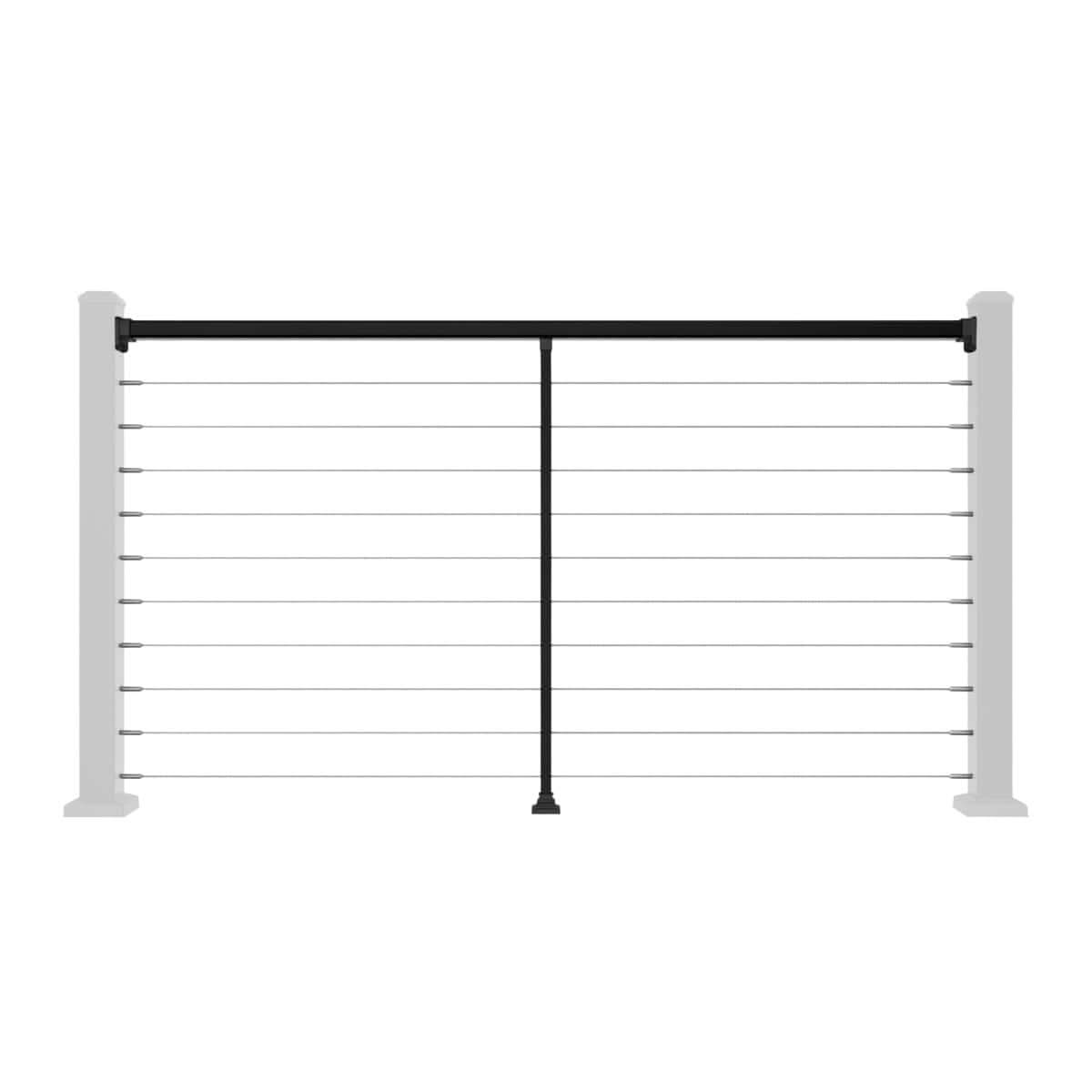
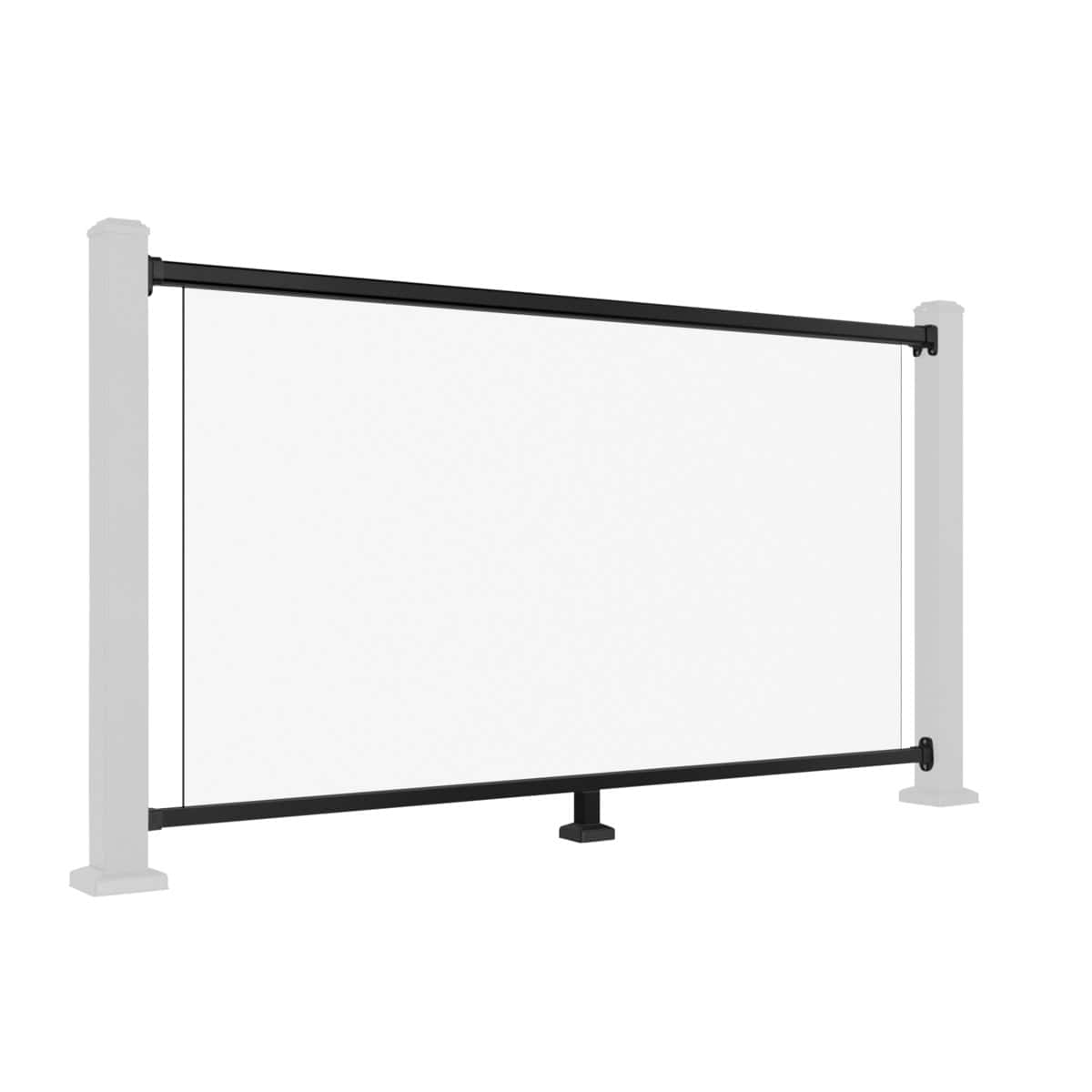
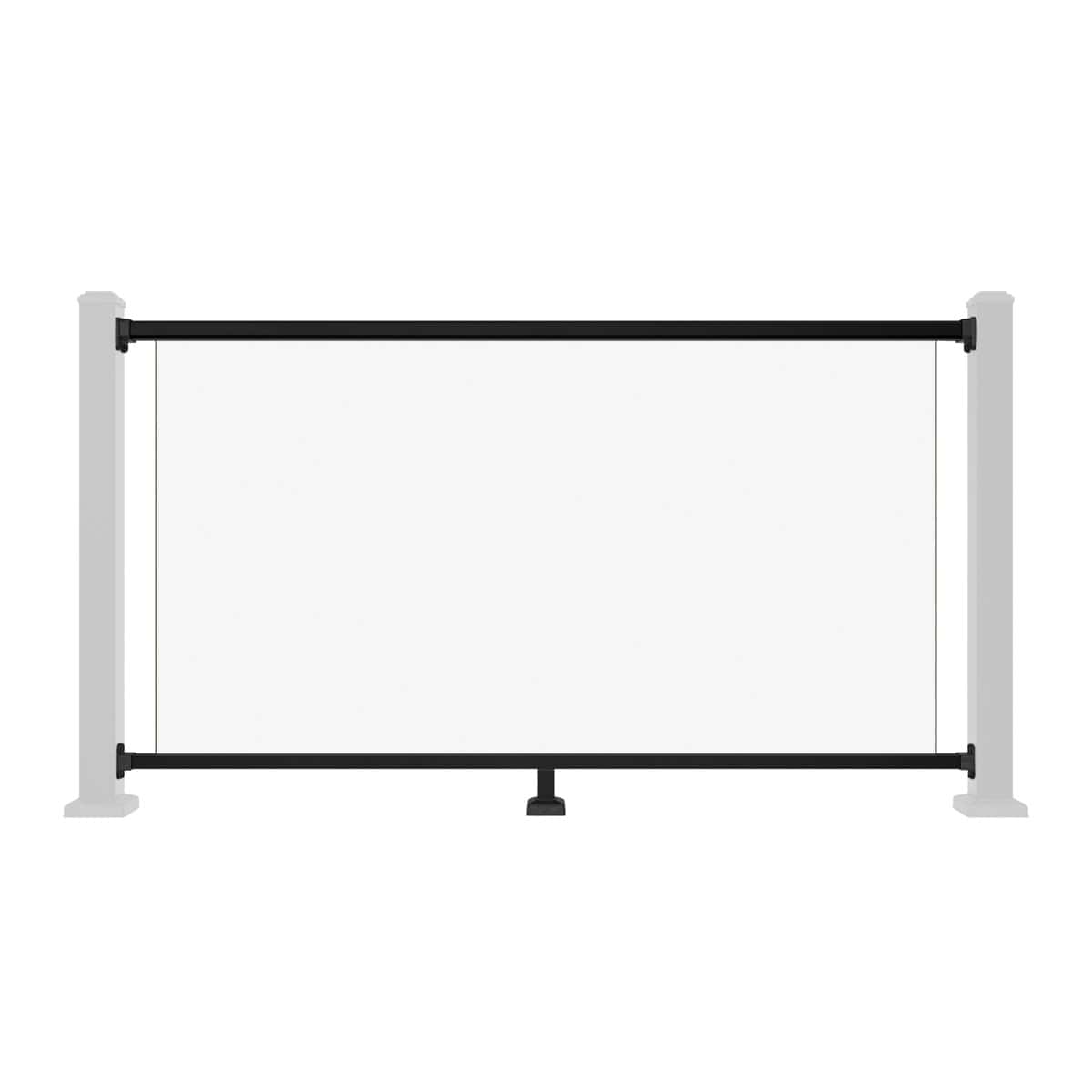
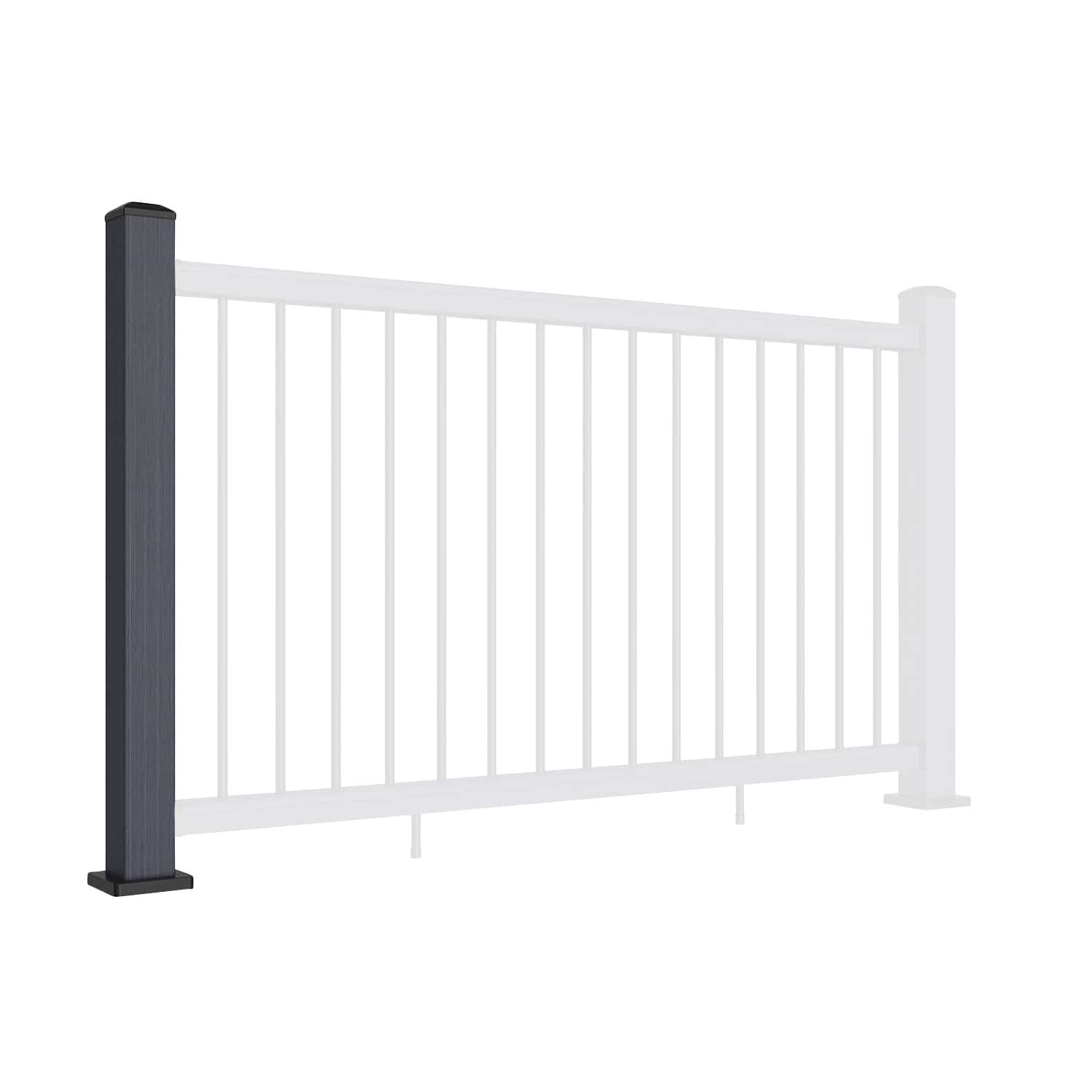
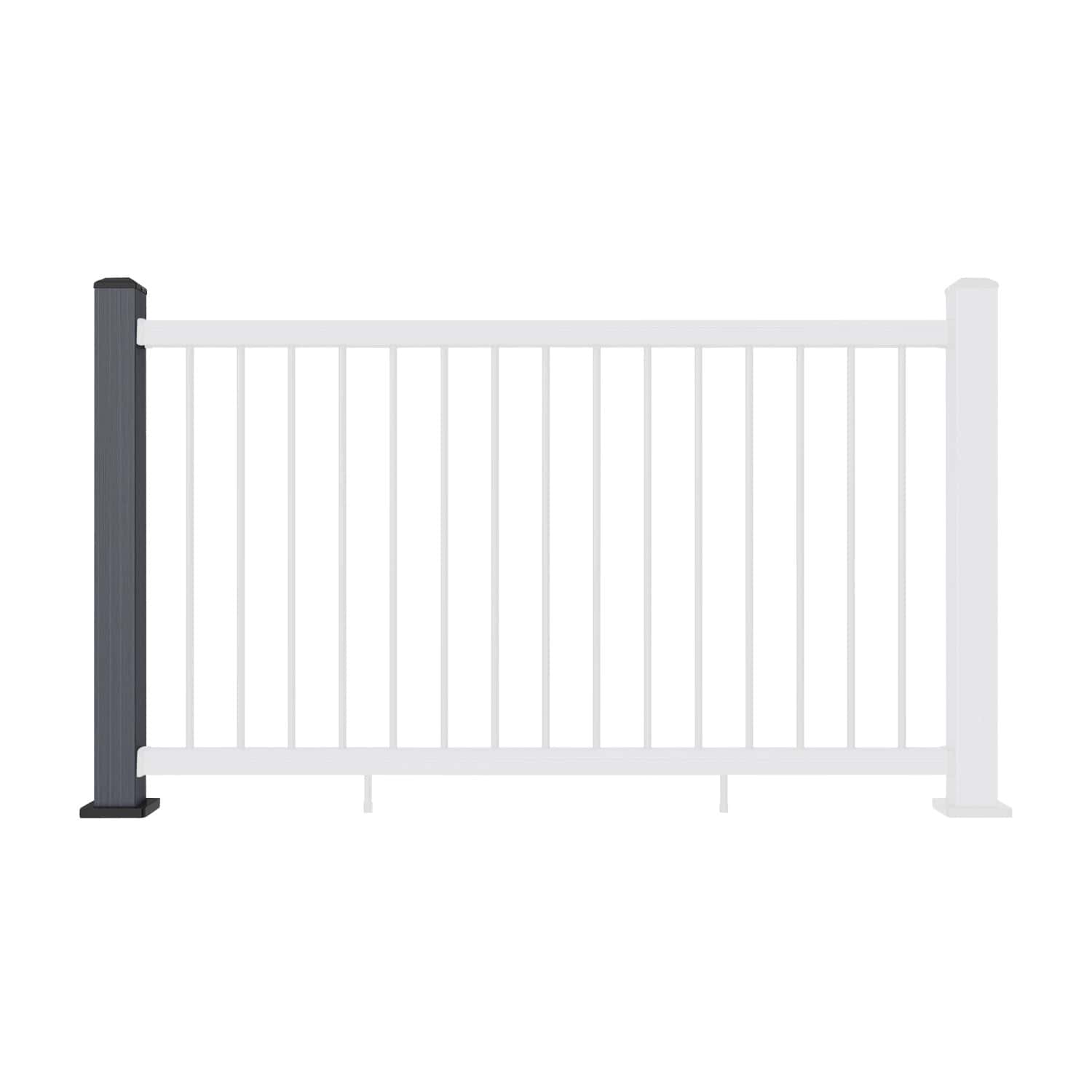
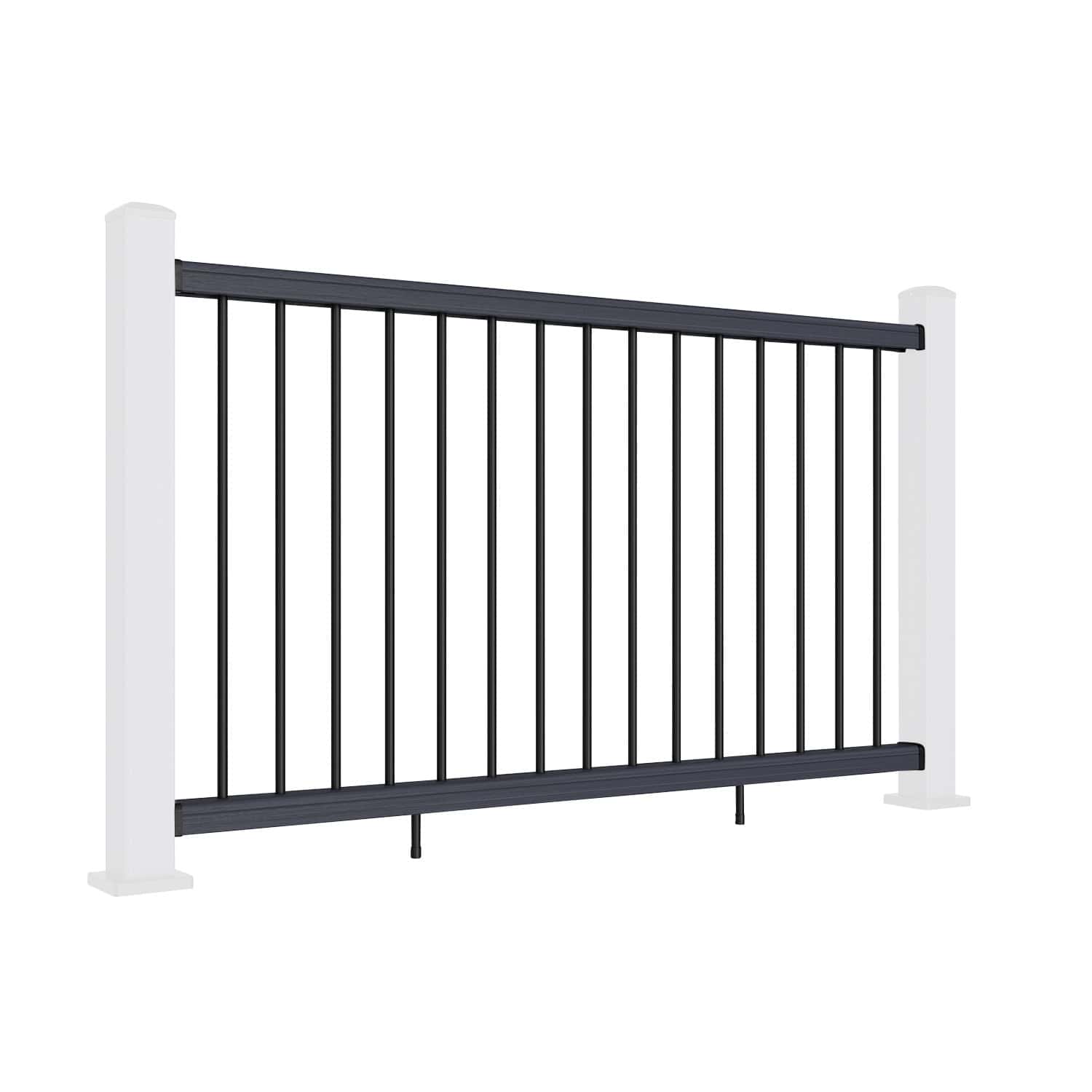
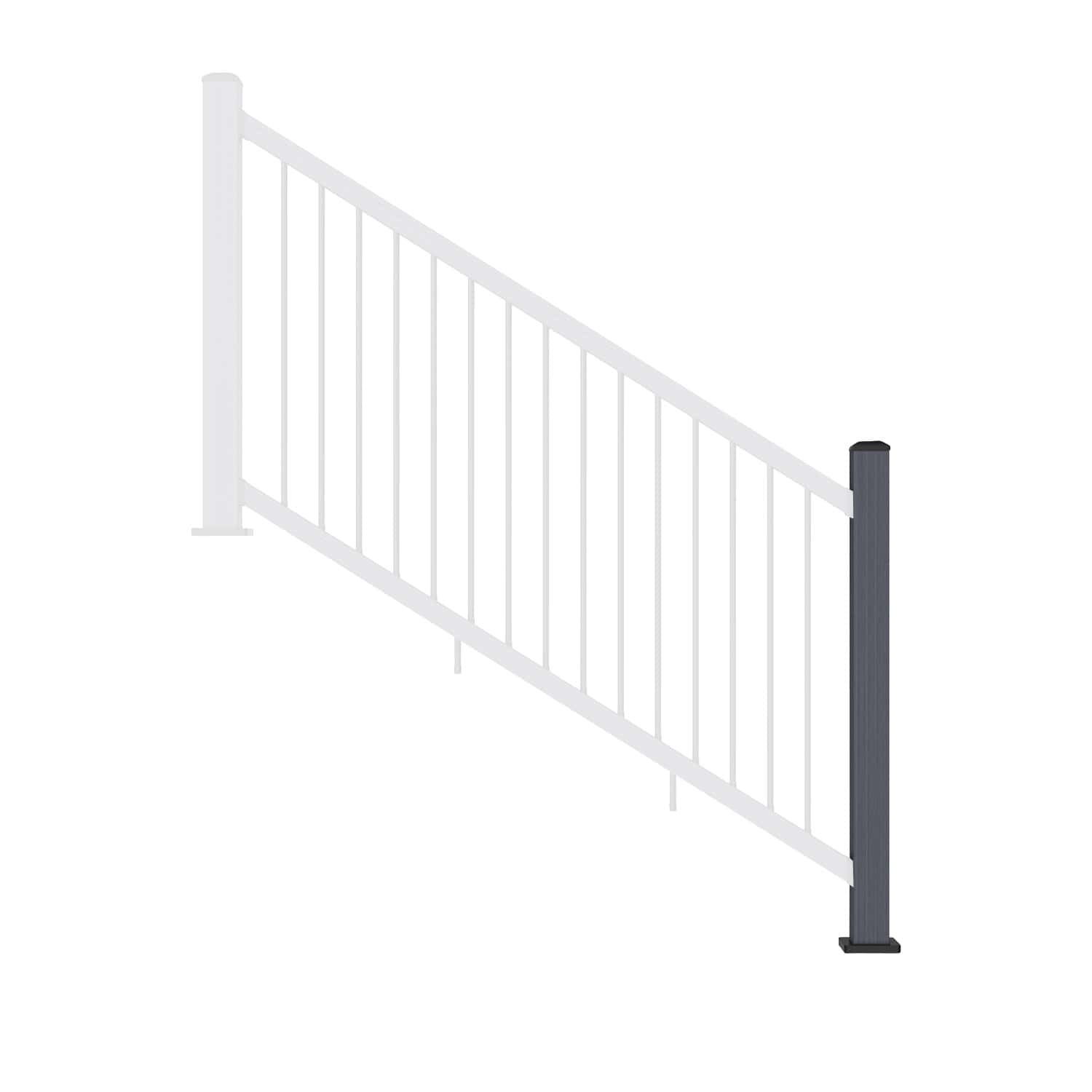
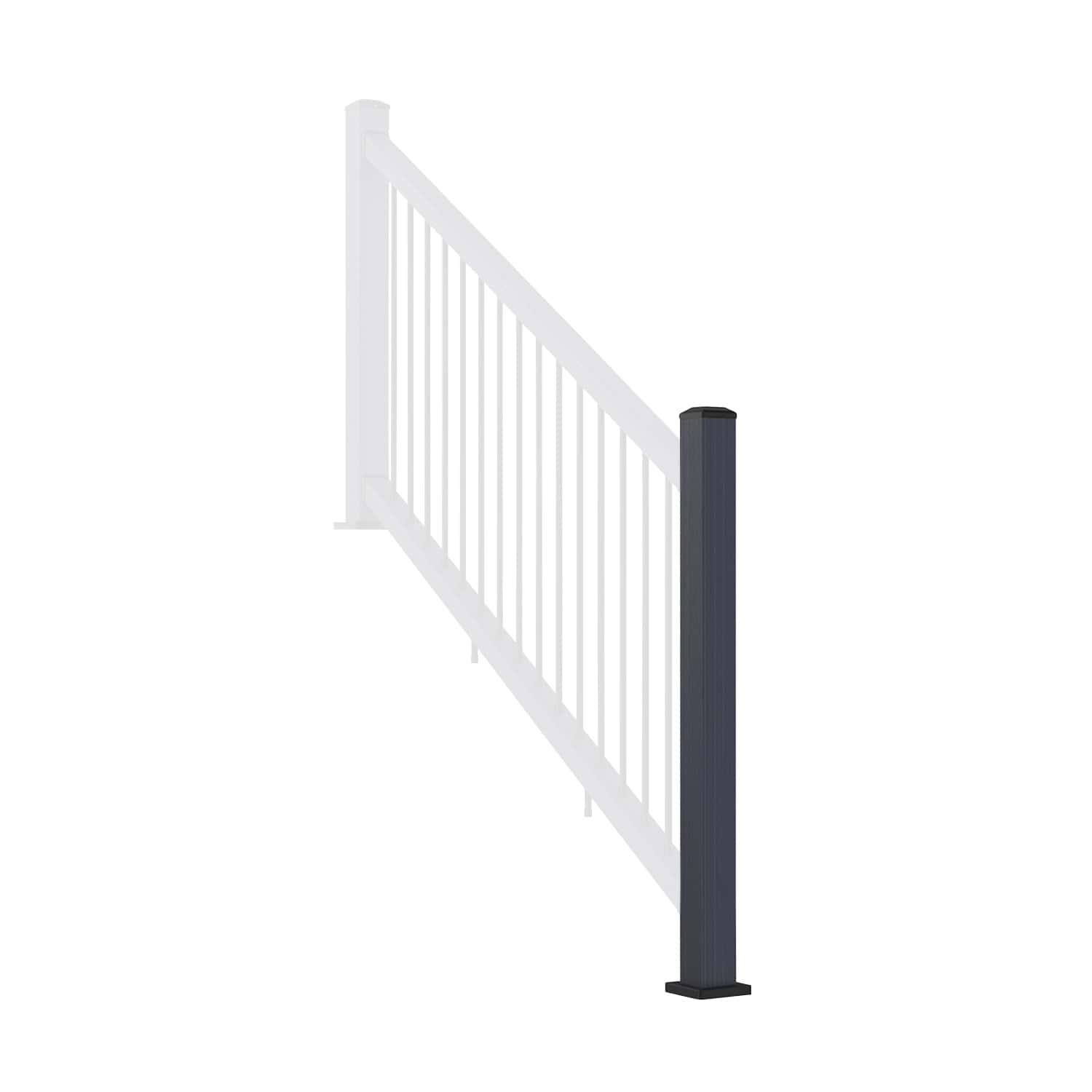
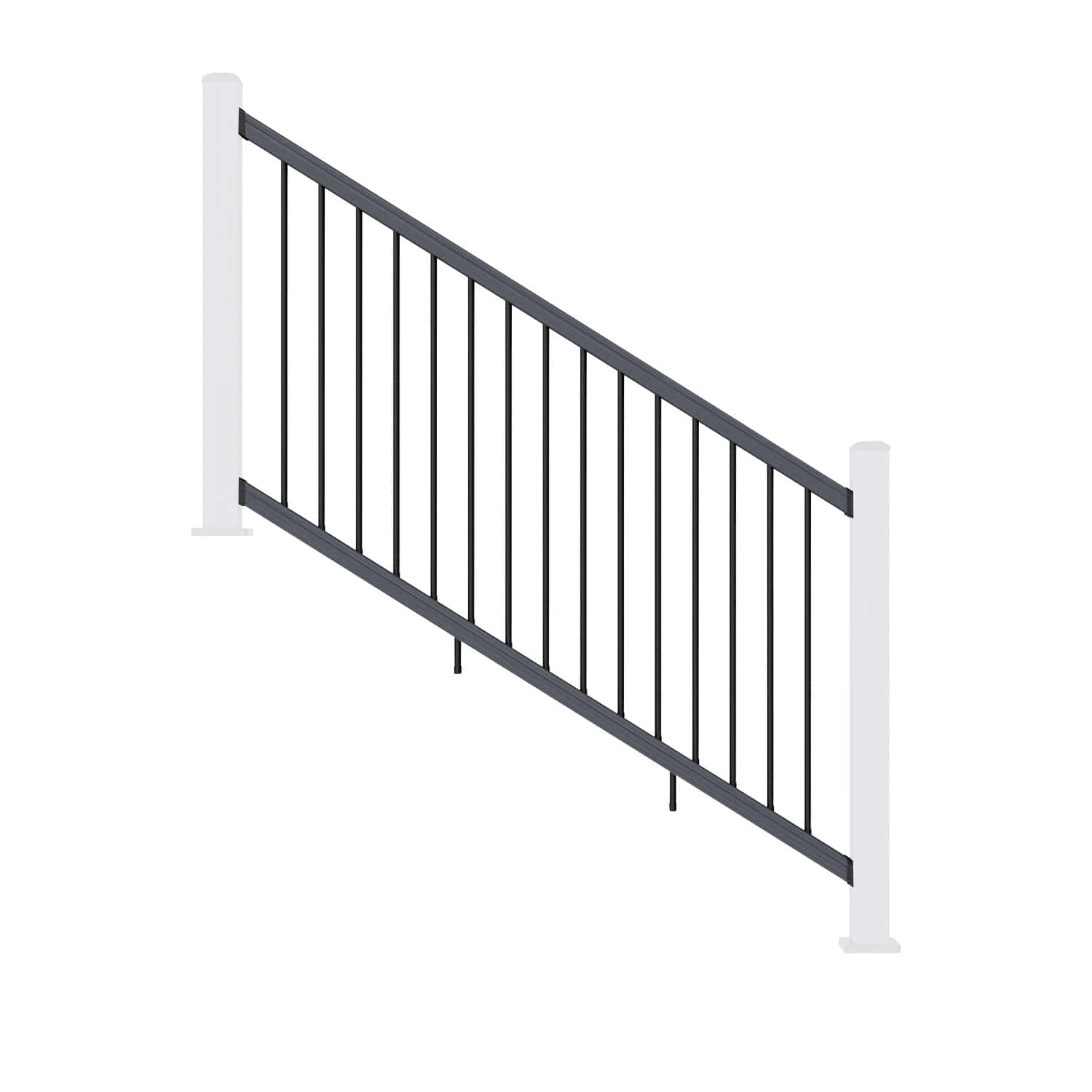
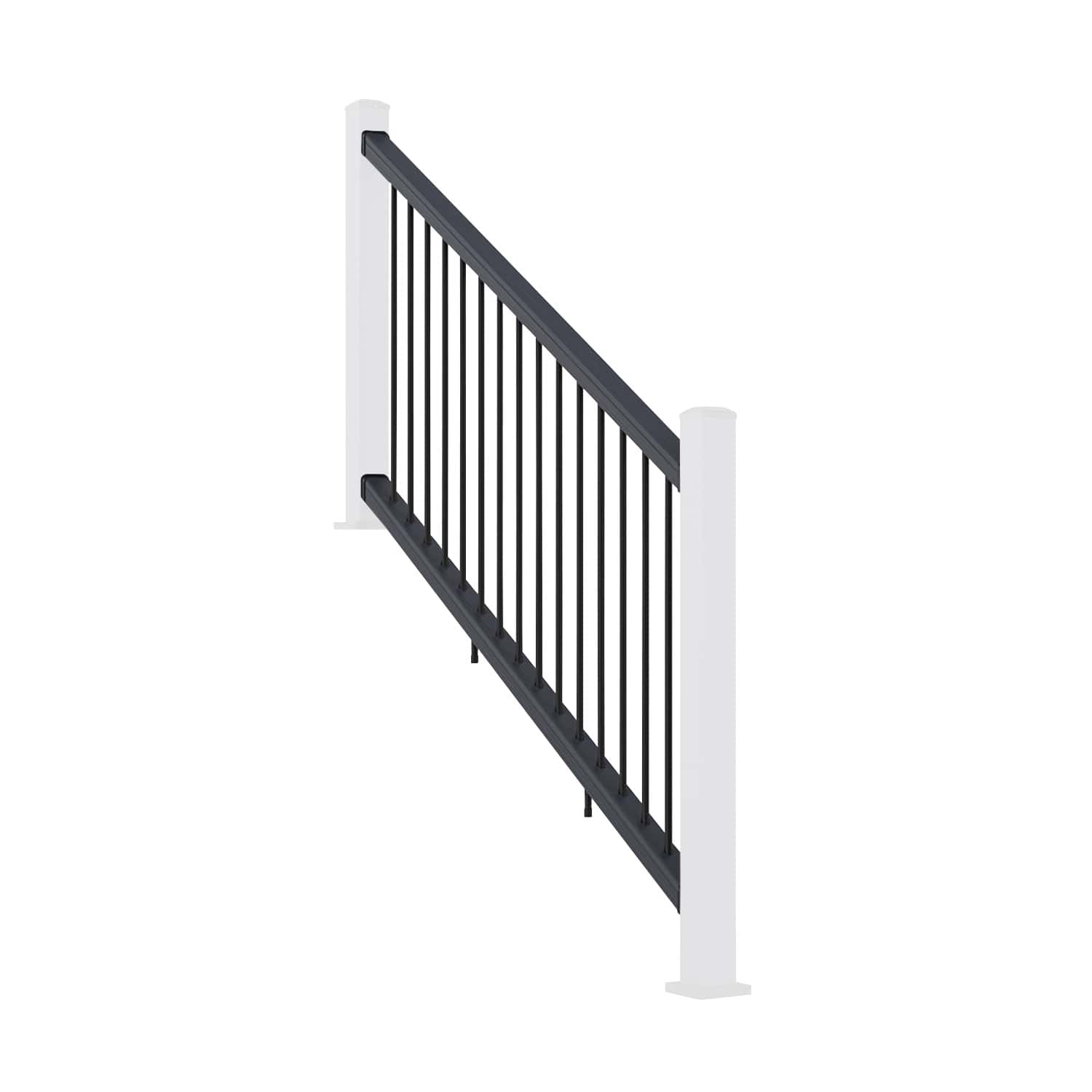
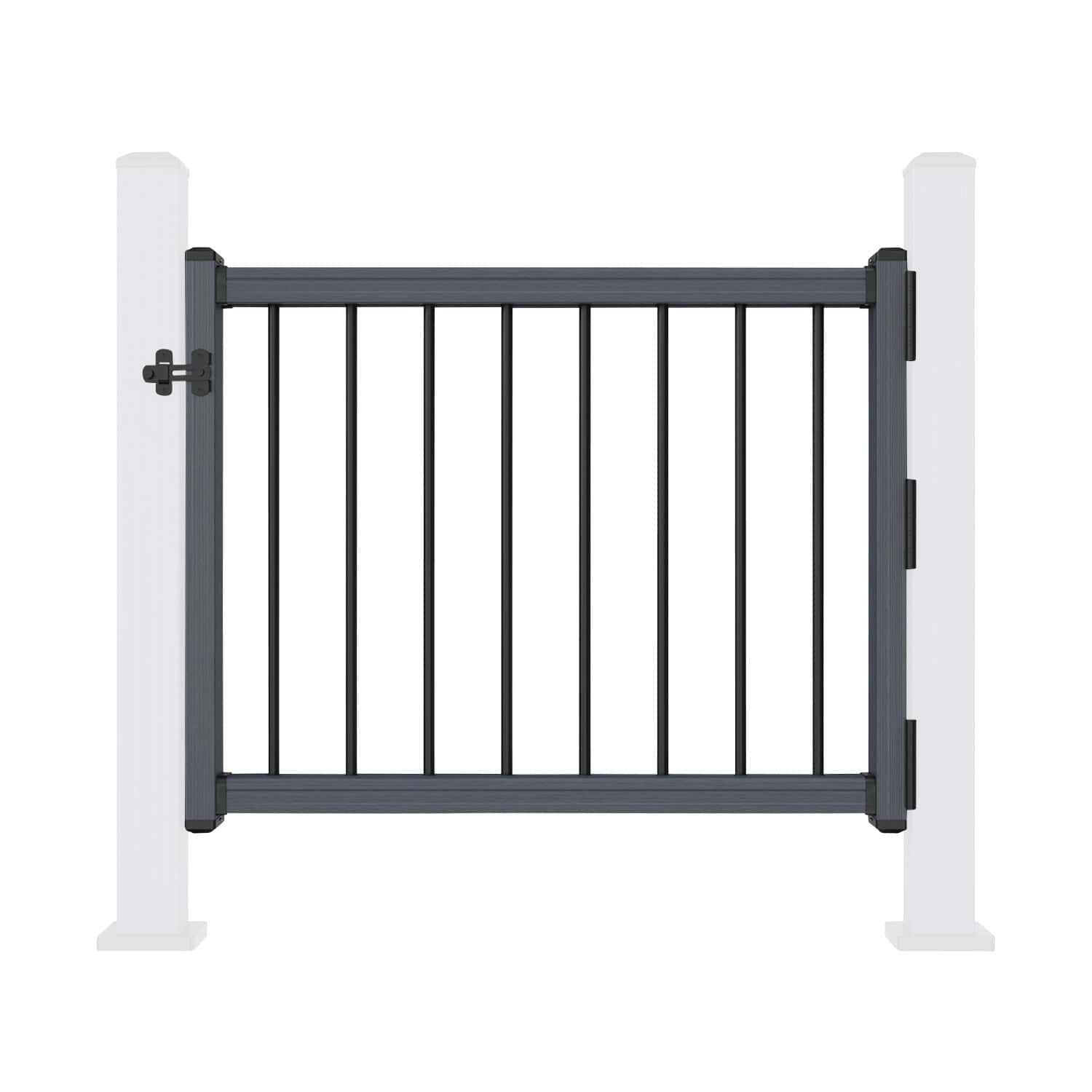
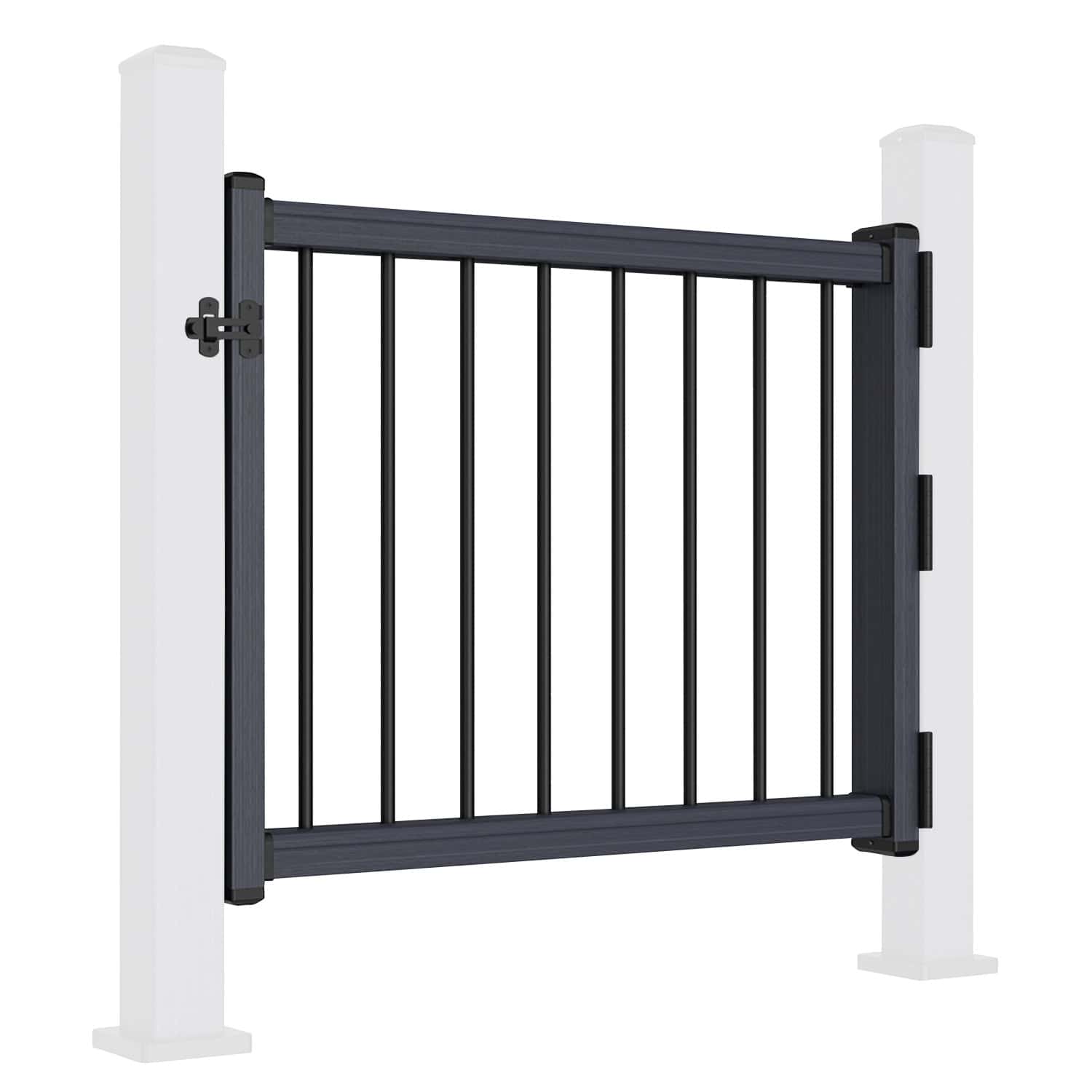
NeoTimber® composite balustrades use composite post sleeves over metal mounts, with supporting metal components within the assembly. The performance of the system depends on its posts, rails, infill, connections and supporting base.
For either material, check suitability for the intended use, particularly around stairs and raised edges. Review the NeoTimber® balustrade warranty for its cover and conditions; a warranty period is not a guarantee of service life or proof of suitability for every project.

Colour, Grain and Matching Your Outdoor Materials
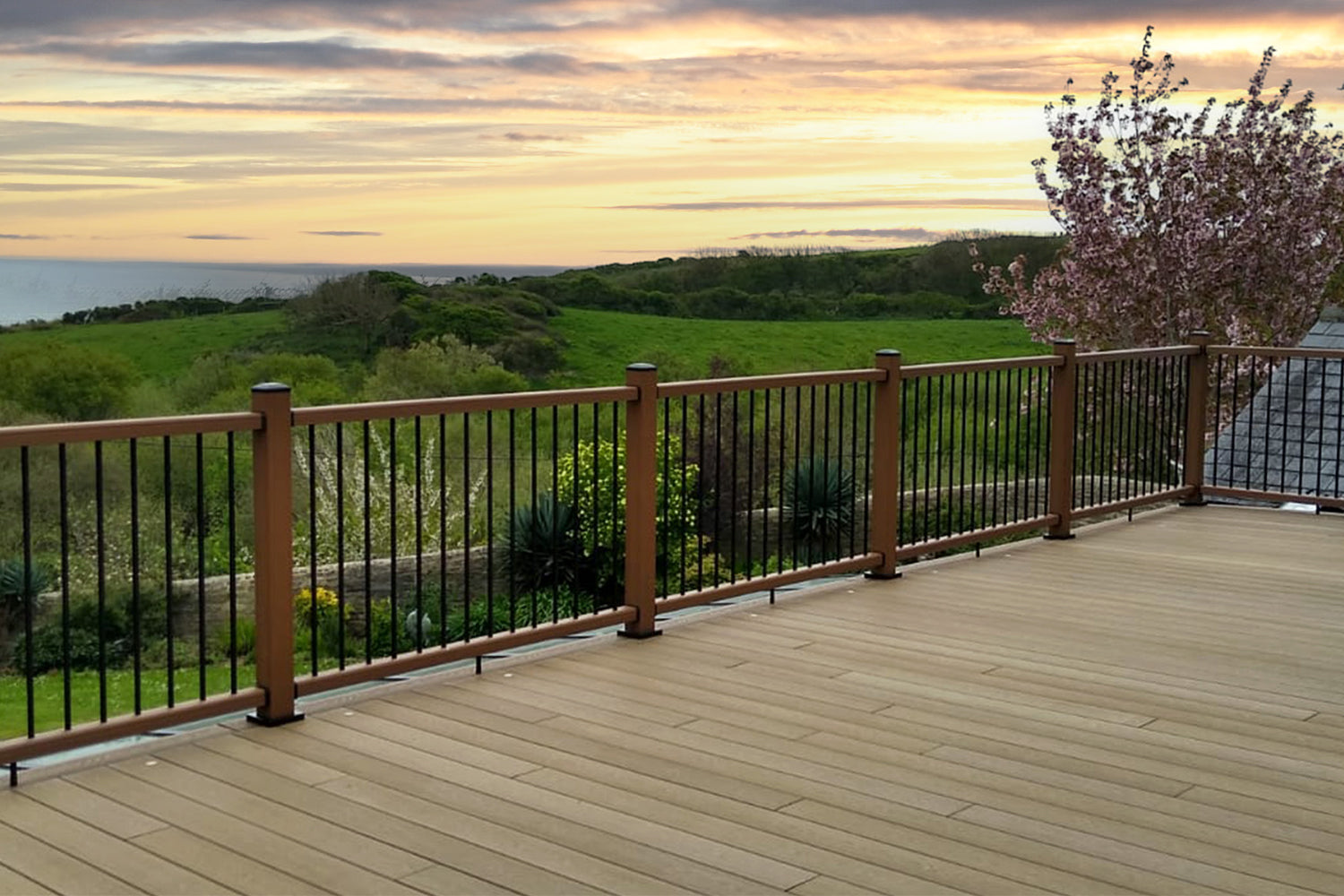
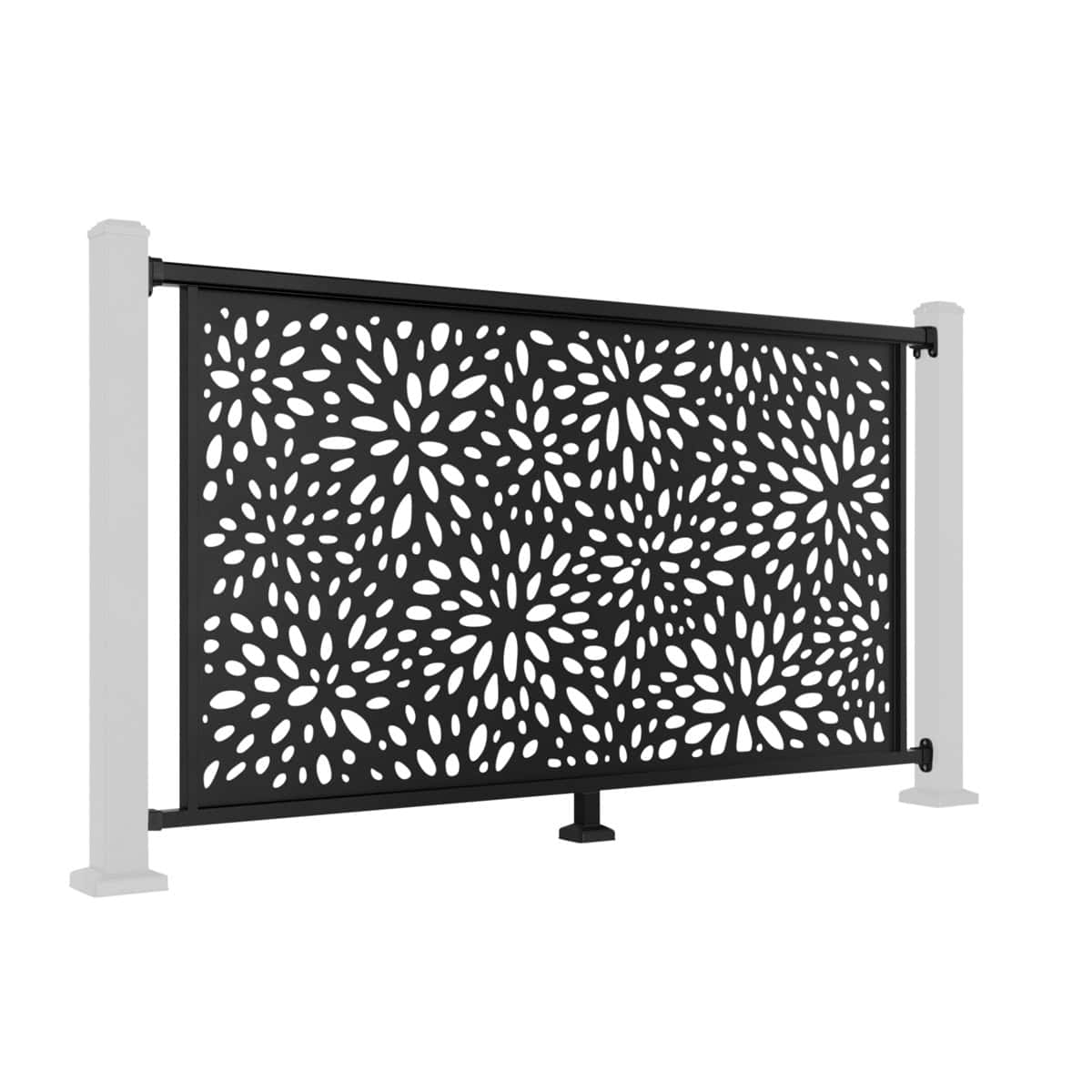
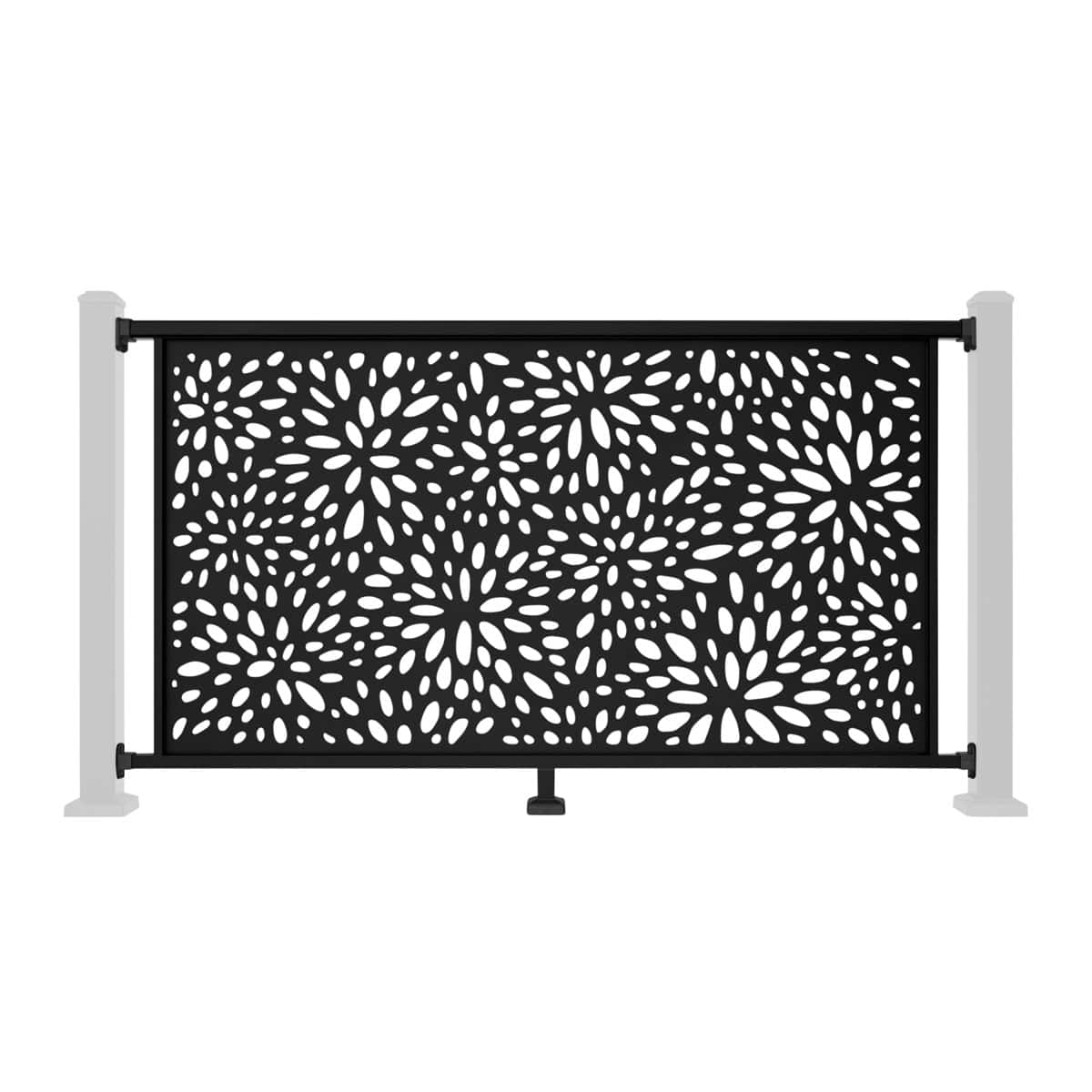
Timber balustrades for decking offer natural variation in grain and can be finished with appropriate paints or stains. Composite provides a different approach: choose from a coordinated product range and factory-finished colours without planning a routine painting schedule.
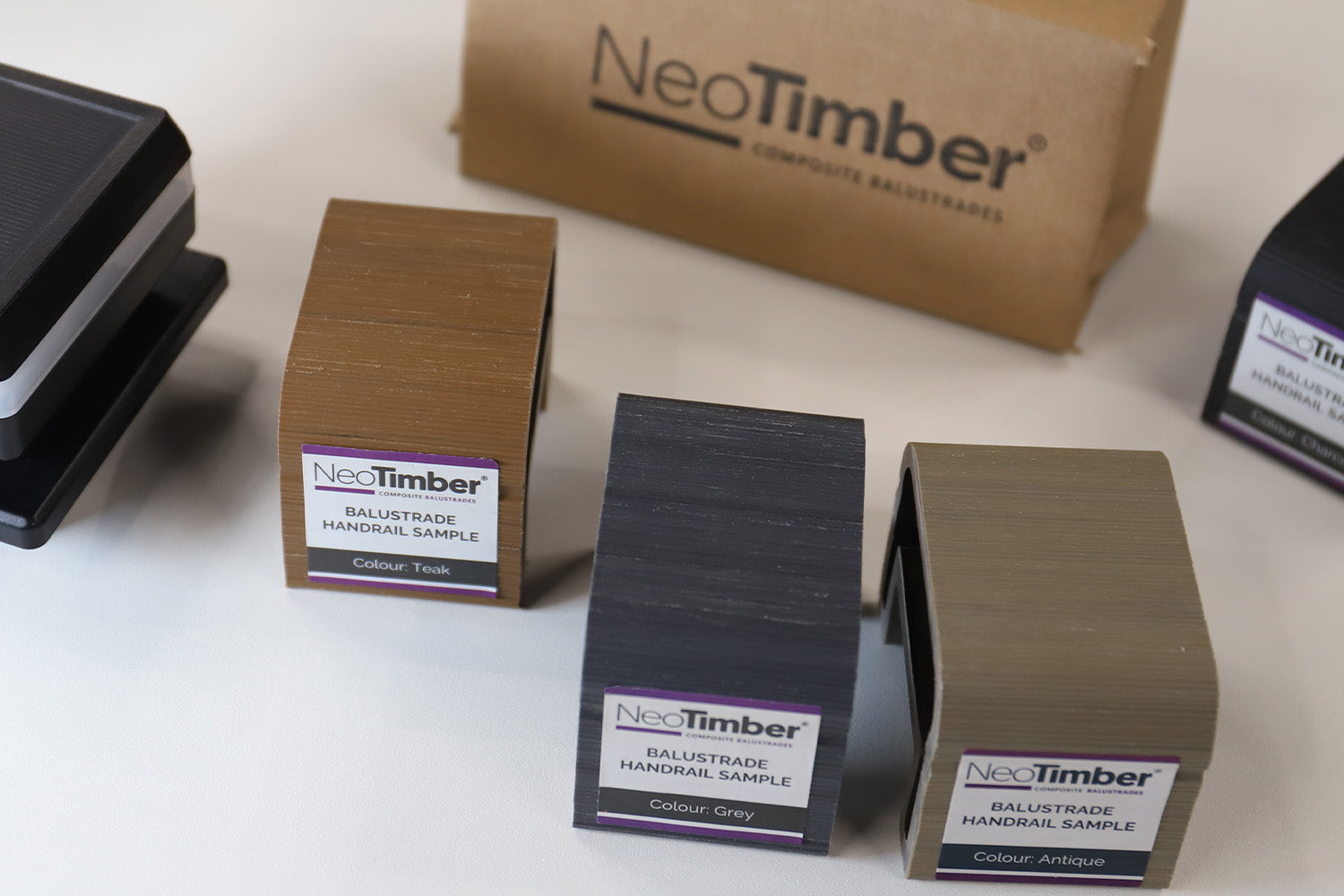
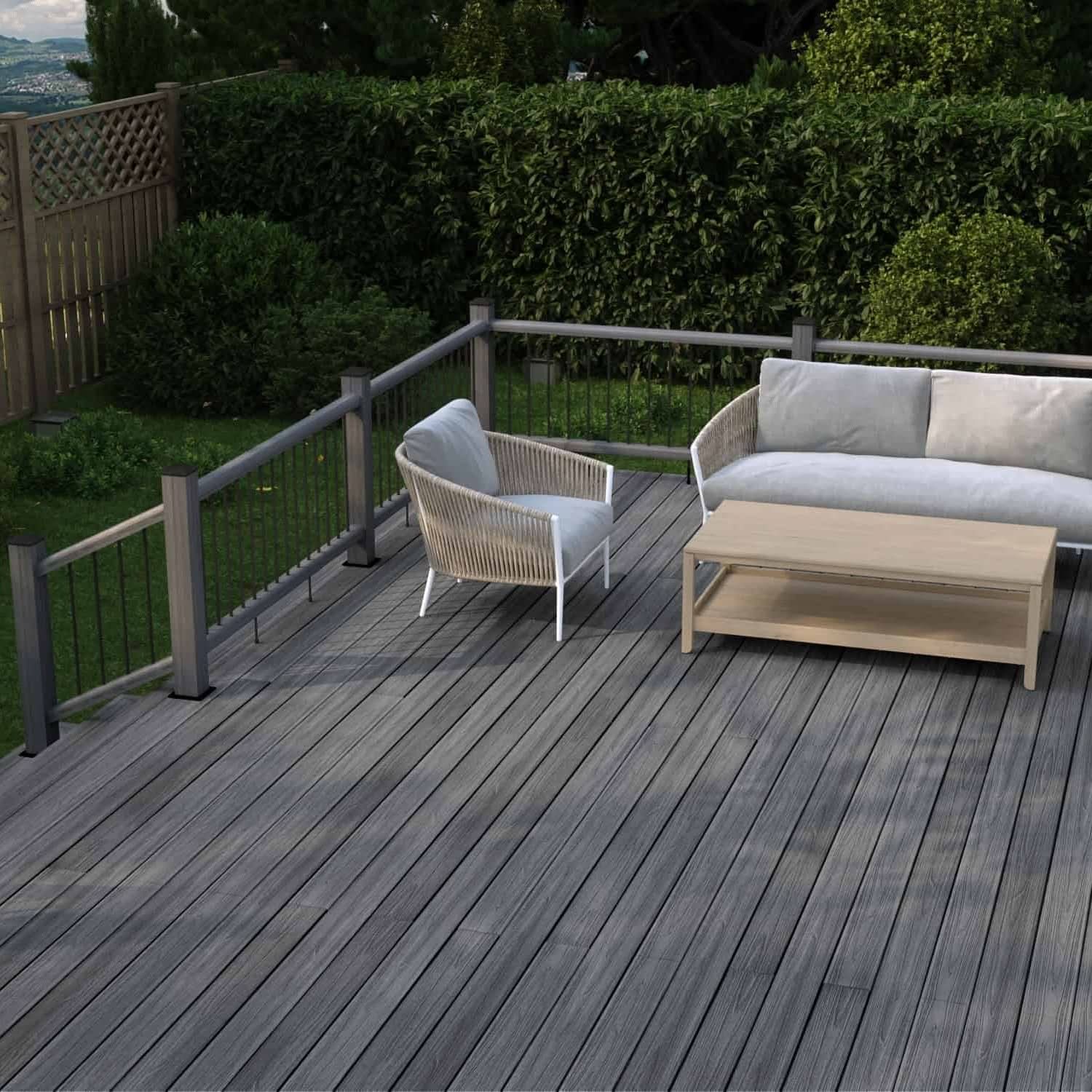
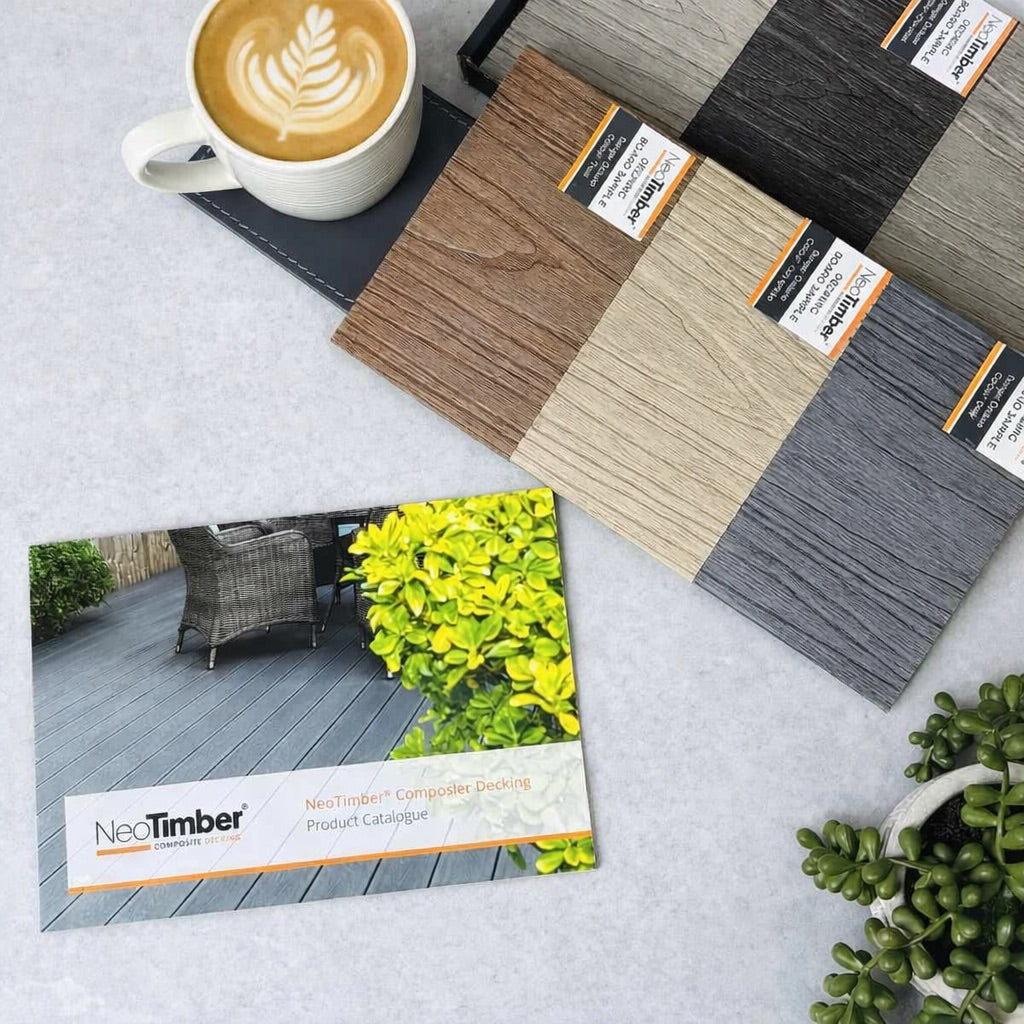
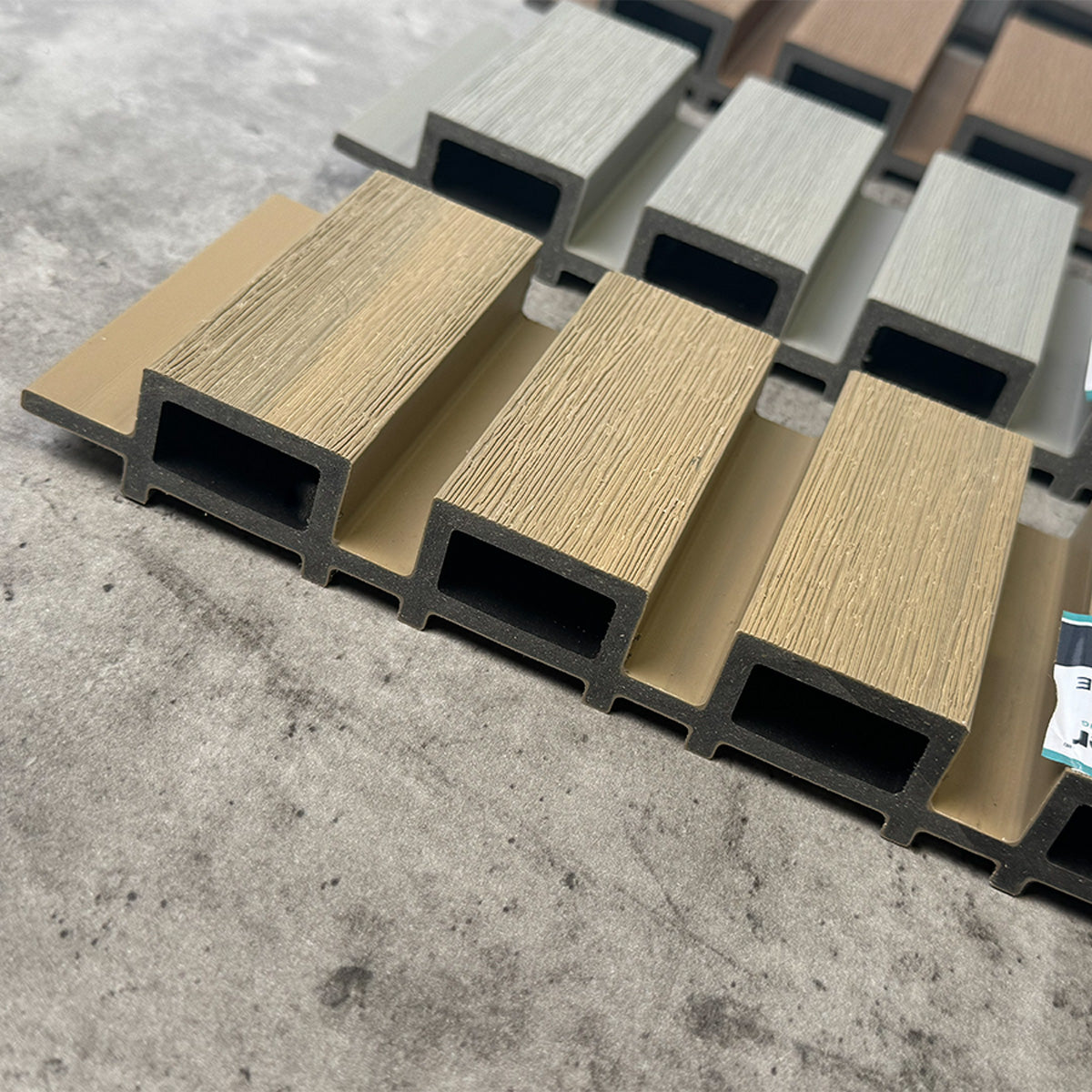
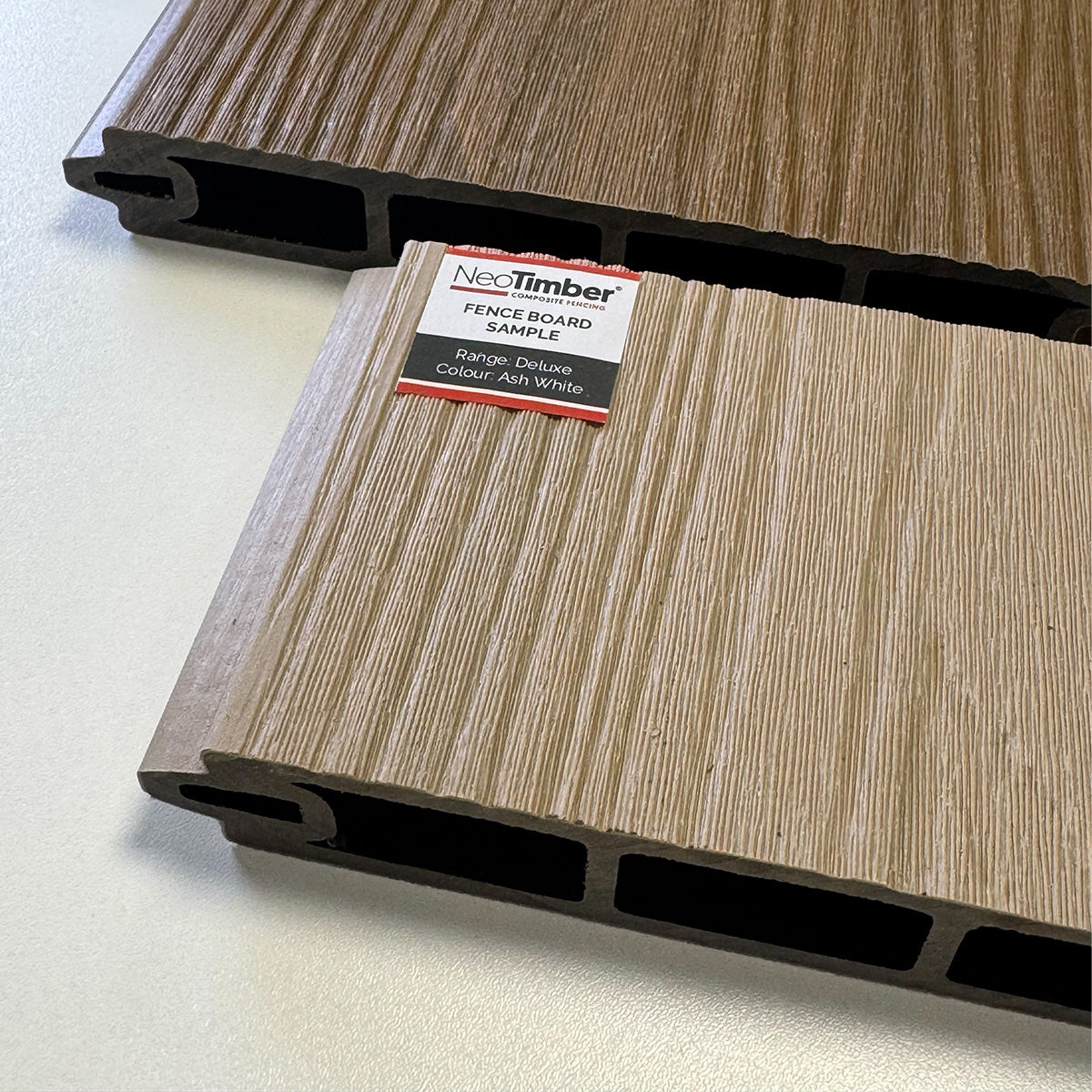
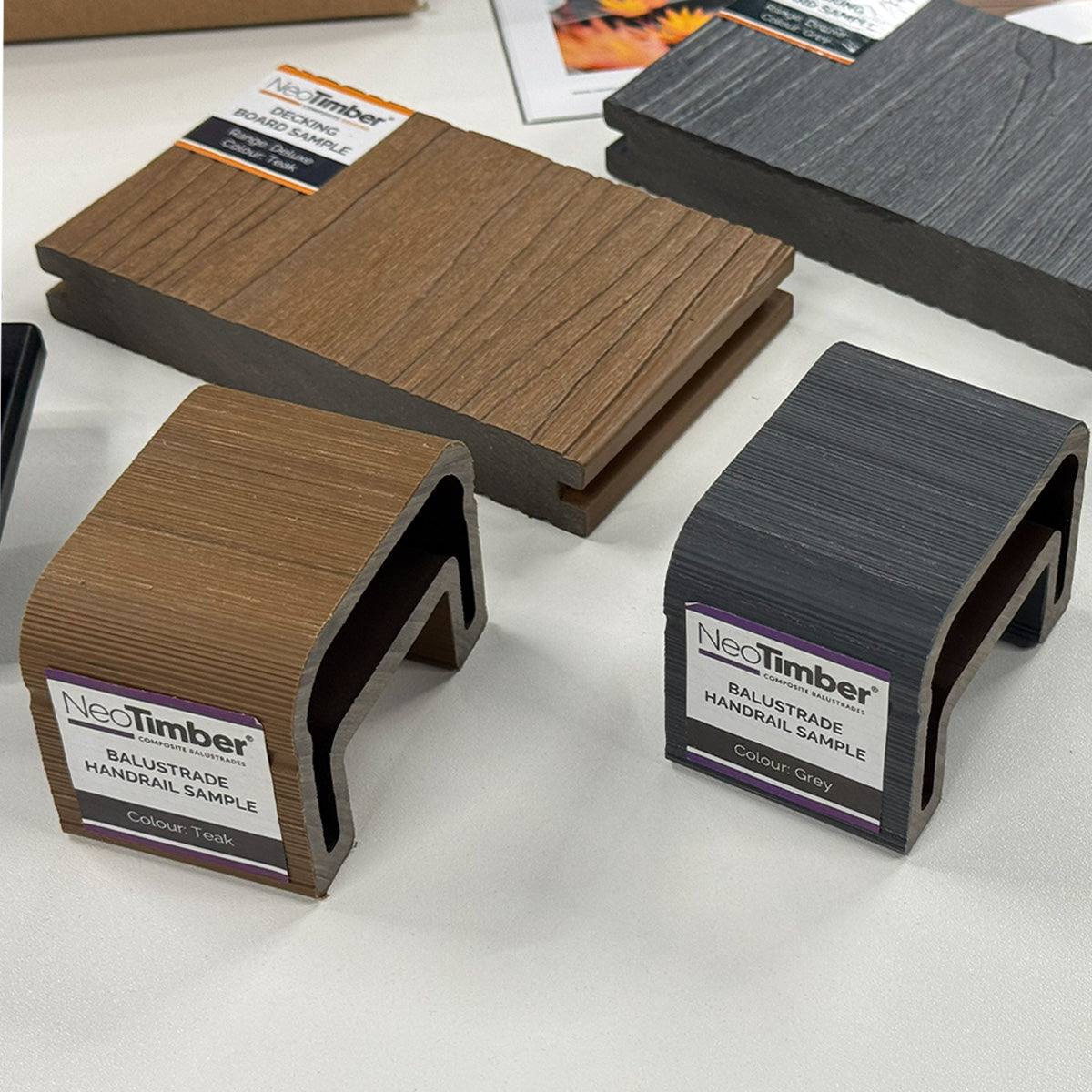
From charcoal and grey to antique, chocolate, and teak, the available finishes can coordinate with our fencing, decking, and cladding ranges. Matching tones can create continuity, while contrasting rails can define the edge of a deck. Colour can change with lighting and weathering, so avoid relying only on screen images. Order a free sample pack to compare finishes against your existing materials in daylight.

Layout and Installation: Straight Runs, Stairs and Fixings
When considering NeoTimber’s composite balustrades look at how the components fit your layout. To provide plenty of application options, the range uses a modular system. This enables use across straight surfaces and stairs alike – a process that can be further explored in our documents and downloads page. Read the installation instructions before fixing posts or cutting rails.
A timber balustrade deck design can be tailored to the project, while a modular composite system offers defined component combinations. Neither should be installed on an unsuitable base. Posts need a specified structural connection; decking boards alone are not a fixing foundation.
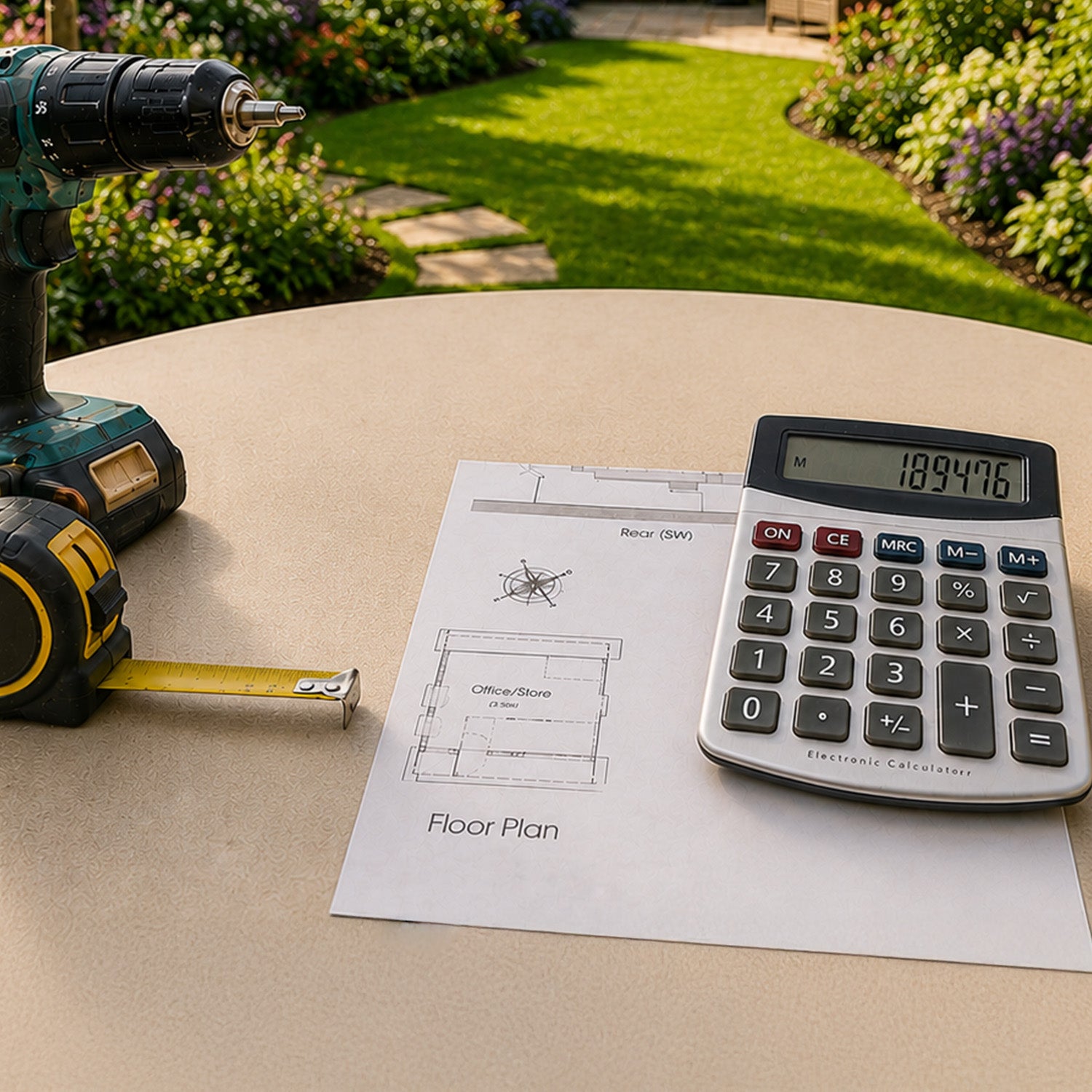
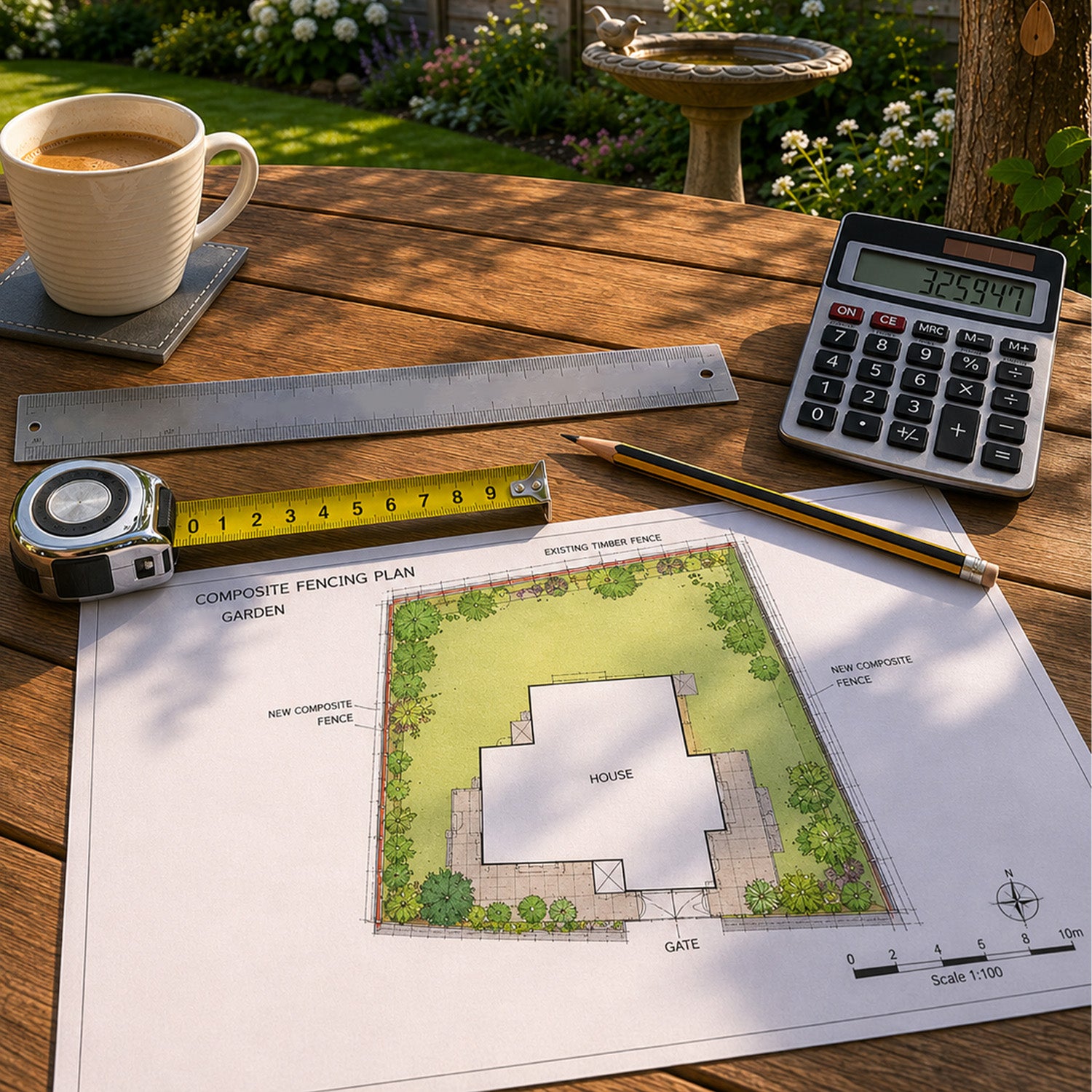
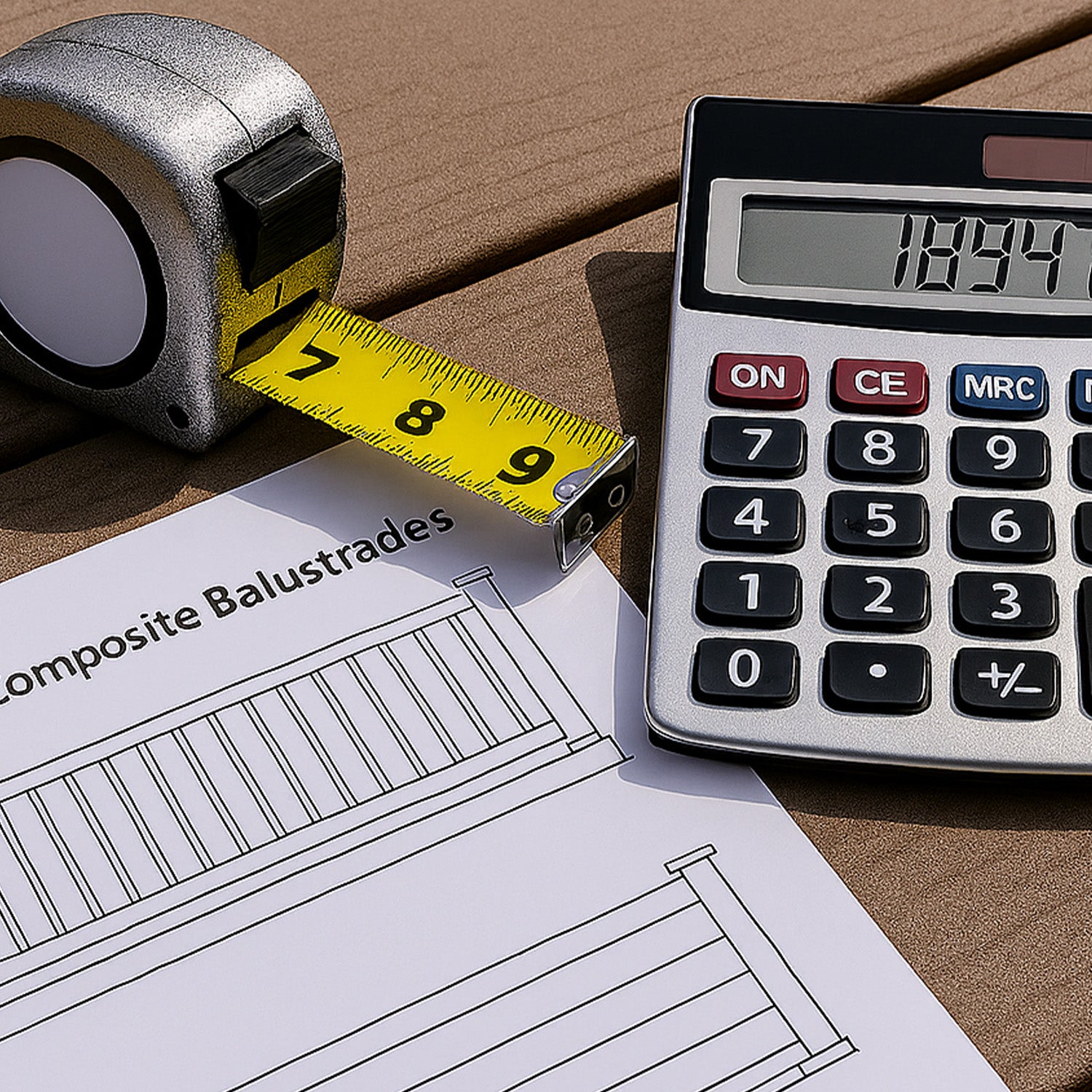
Use the balustrade range information and calculators to begin planning, then check the complete component list. Allow for posts, fixings, finishing pieces, delivery and installation. The NeoTimber® team can help clarify product requirements before you order.

Composite vs Timber Balustrades: Comparison at a Glance
| Consideration | Composite balustrades | Timber balustrades |
|---|---|---|
| Appearance | Manufactured profiles and coordinated colour finishes. | Natural grain and variation, with painted or stained options. |
| Routine treatment | No routine painting or staining for the NeoTimber® system. | Depends on the species, treatment, finish and exposure. |
| Cleaning and checks | Regular cleaning and inspection of components and connections. | Regular cleaning and inspection, including checks for deterioration. |
| Installation | Compatible system components fitted to the specified supporting base. | Suitably specified timber members, fixings and structural connections. |
| Long-term cost | Compare installed price, cleaning, repairs and warranty terms. | Compare installed price, treatment, repairs and replacement needs. |
| Suitability | Assess the complete system against the project requirements. | Assess the complete structure against the project requirements. |
Maintenance and the Cost of Ownership
When budgeting for decking, timber balustrades should be assessed alongside their likely treatment and repair requirements. For external timber balustrades, the appropriate care depends on the chosen wood and how exposed the installation is.
Composite reduces many routine finishing tasks, but it is not maintenance-free. Clean surfaces according to the care guidance and investigate movement, loose fixings or damaged components. Compare total installed costs and expected upkeep rather than assuming one material is always cheaper over its lifetime.
Composite vs Timber Balustrades FAQs
Are composite balustrades stronger than timber?
Material names alone do not establish strength. Compare the documented performance of the complete system or structure, including its connections and supporting base, for the intended use.
Do exterior timber balustrades always need painting?
Not always. The appropriate finish and maintenance depend on the timber species, treatment, exposure and desired appearance. Follow the guidance for the timber and coating you choose.
Are composite balustrades maintenance-free?
No. They avoid routine painting and staining but still require cleaning and condition checks. Low maintenance does not mean that damage or loose connections can be ignored.
Can timber balustrades be replaced with composite on an existing deck?
Possibly, but assess the existing supporting structure first. New posts need compatible fixings and suitable structural support. Do not assume the previous post positions or holes can be reused.
Can either material be used on stairs?
Both can form part of an appropriately designed stair arrangement. For a modular composite system, use the stair-specific components and instructions. Confirm the guarding and handrail requirements for the project.
Does a long warranty mean the balustrade will never need replacing?
No. Warranty cover has conditions and exclusions and does not guarantee an unlimited service life. Review the terms alongside installation, care and product-performance information.
Choose Around Your Project and Maintenance Preferences
Timber offers natural character and finishing flexibility. Composite offers coordinated profiles and a simpler treatment routine. Start with the required specification, then compare appearance, installation and ongoing care to select the right balustrade for your deck.