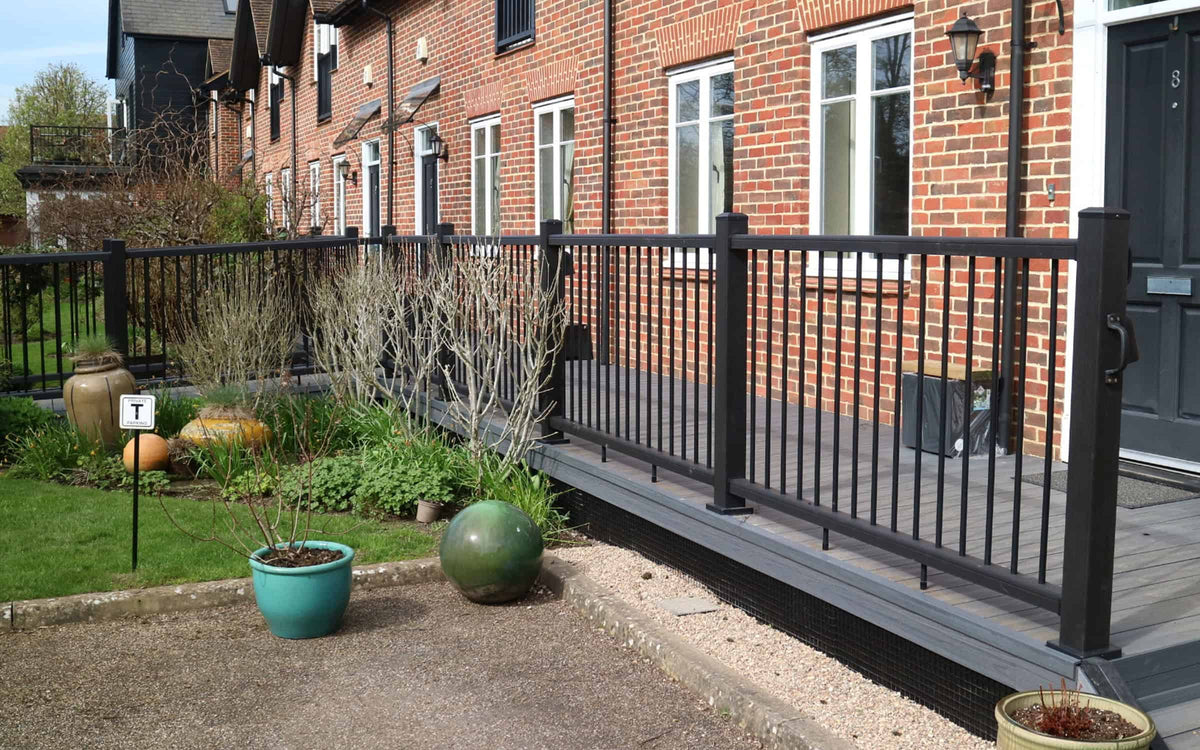
Choosing a Balustrade for Your Patio, Garden or Raised Deck
Comparing composite vs wooden balustrades starts with the location and intended use. When planning a balcony or raised decking space, compare the complete specification, appearance and maintenance requirements. Exterior wooden balustrades offer natural grain and finishing flexibility, while NeoTimber's composite balustrades provide a modular alternative, with coordinated finishes and less routine painting or staining. In this article, we will compare the advantages of composite material to external wooden balustrades in detail, to help you decide which product is right for your build.
Structural Support: Look Beyond the Surface Material
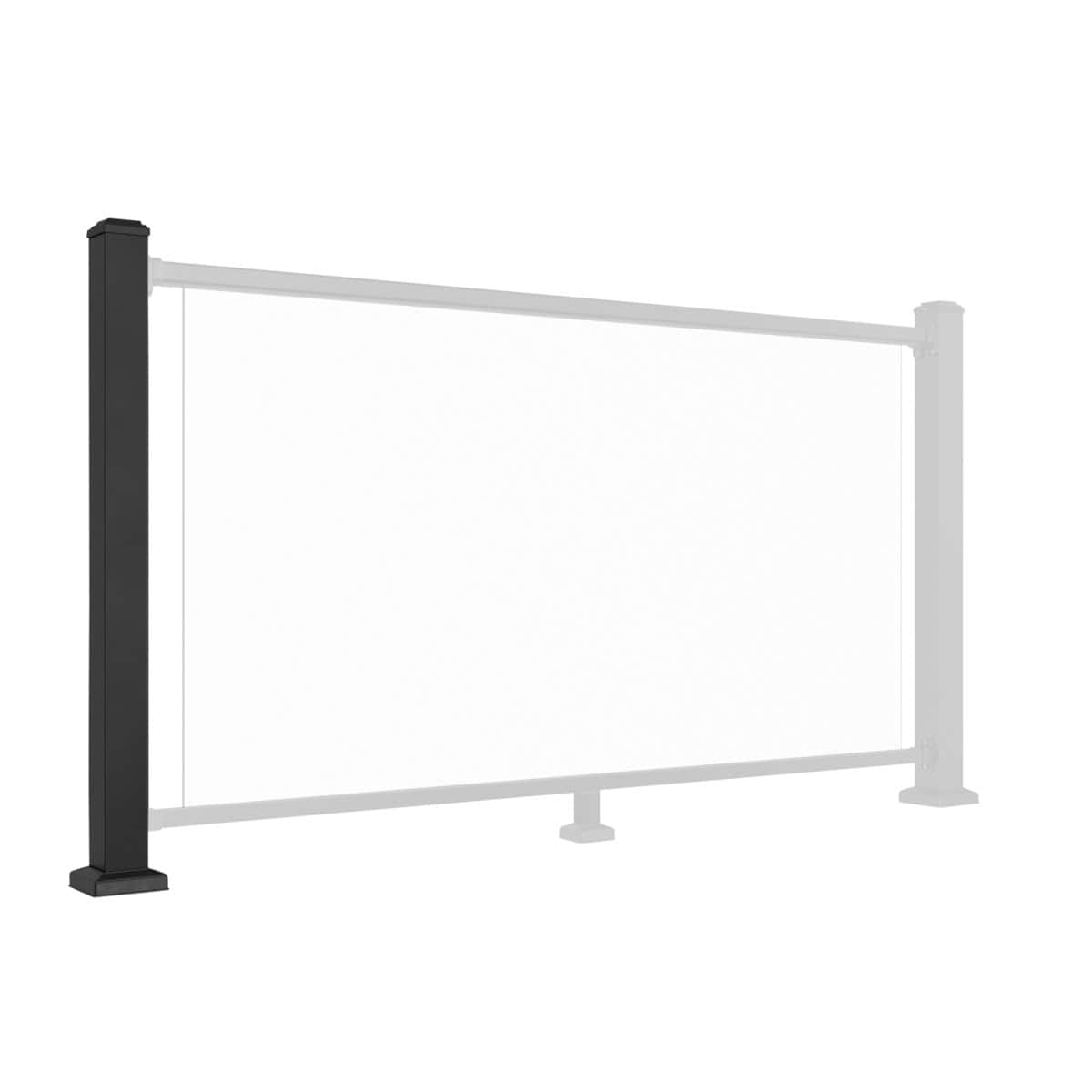
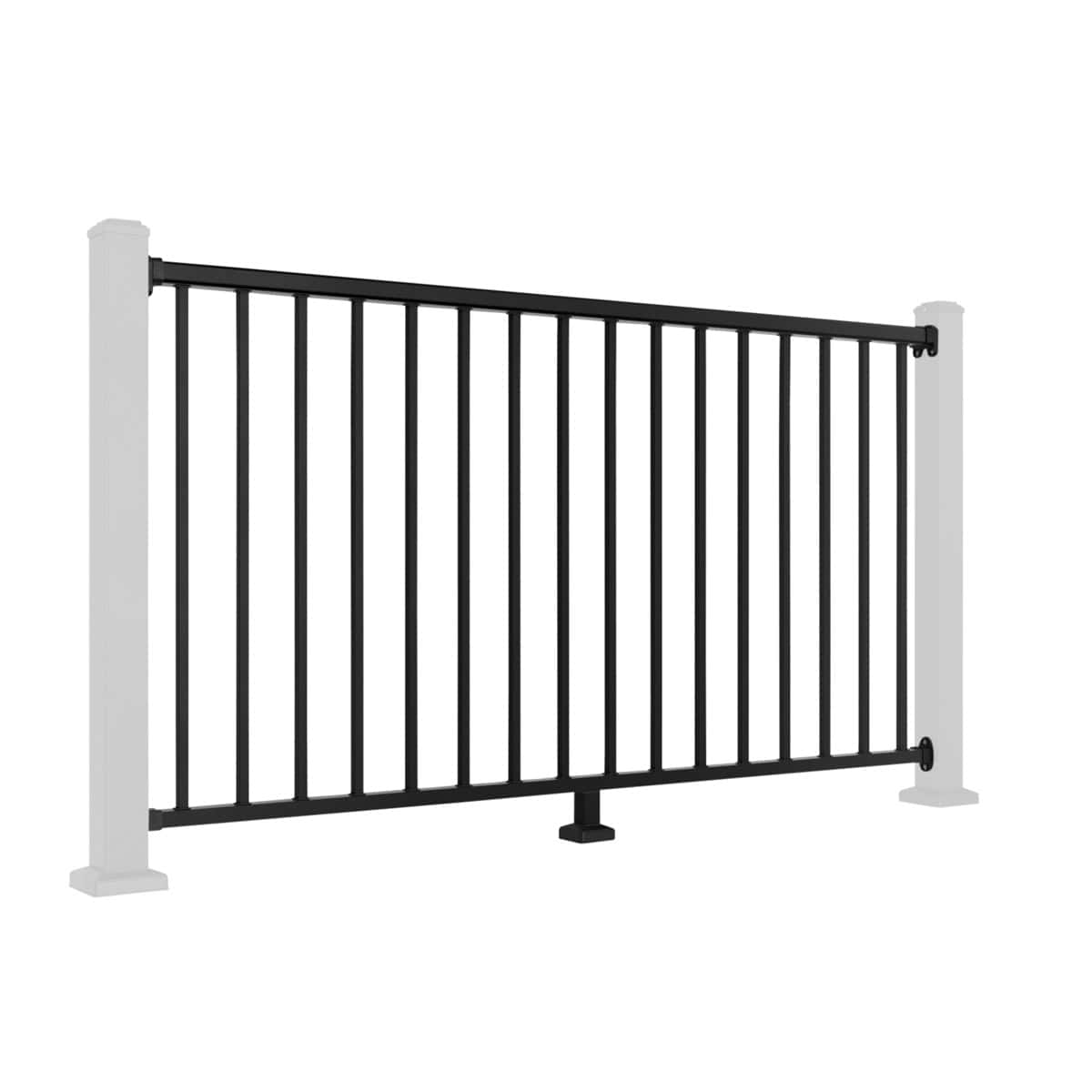
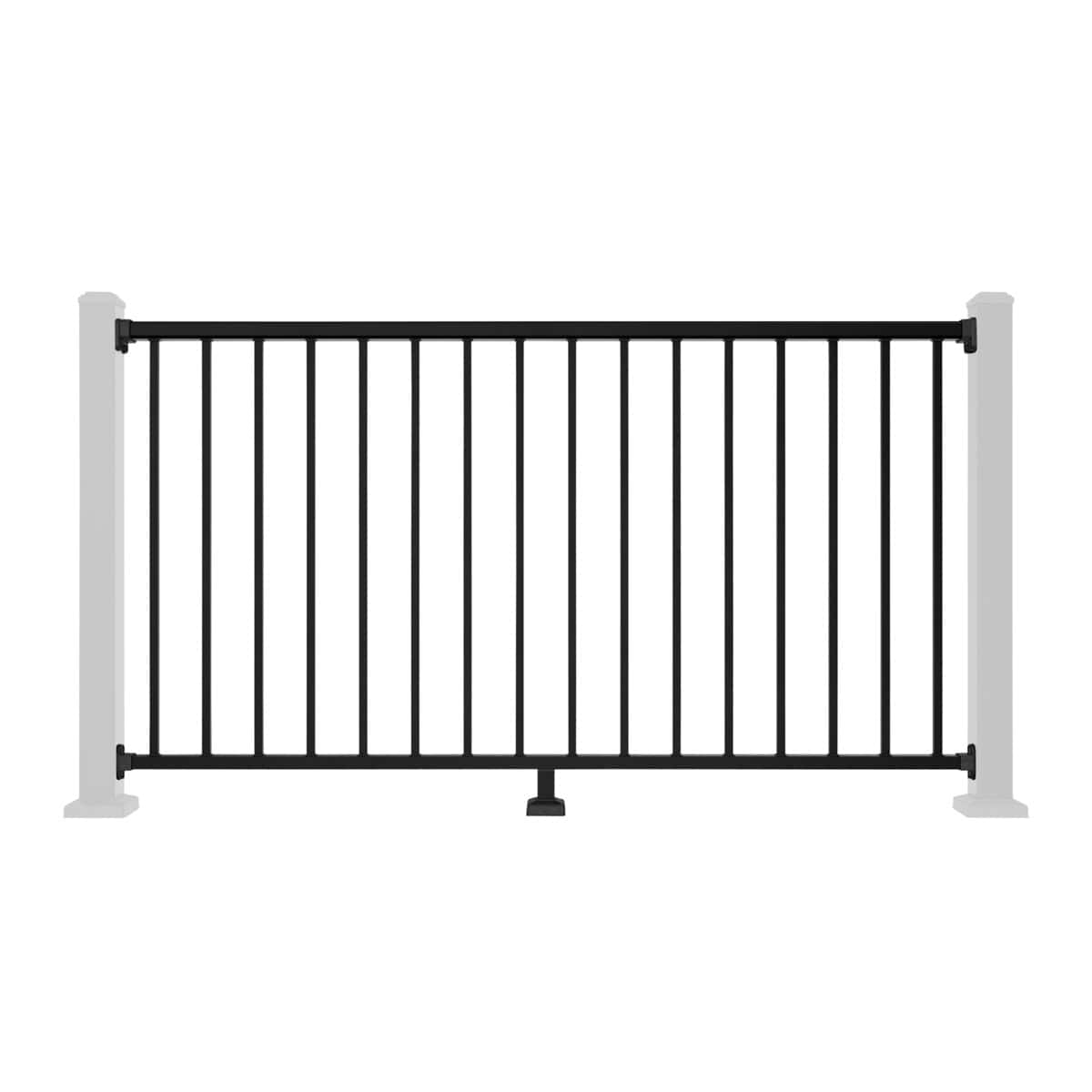
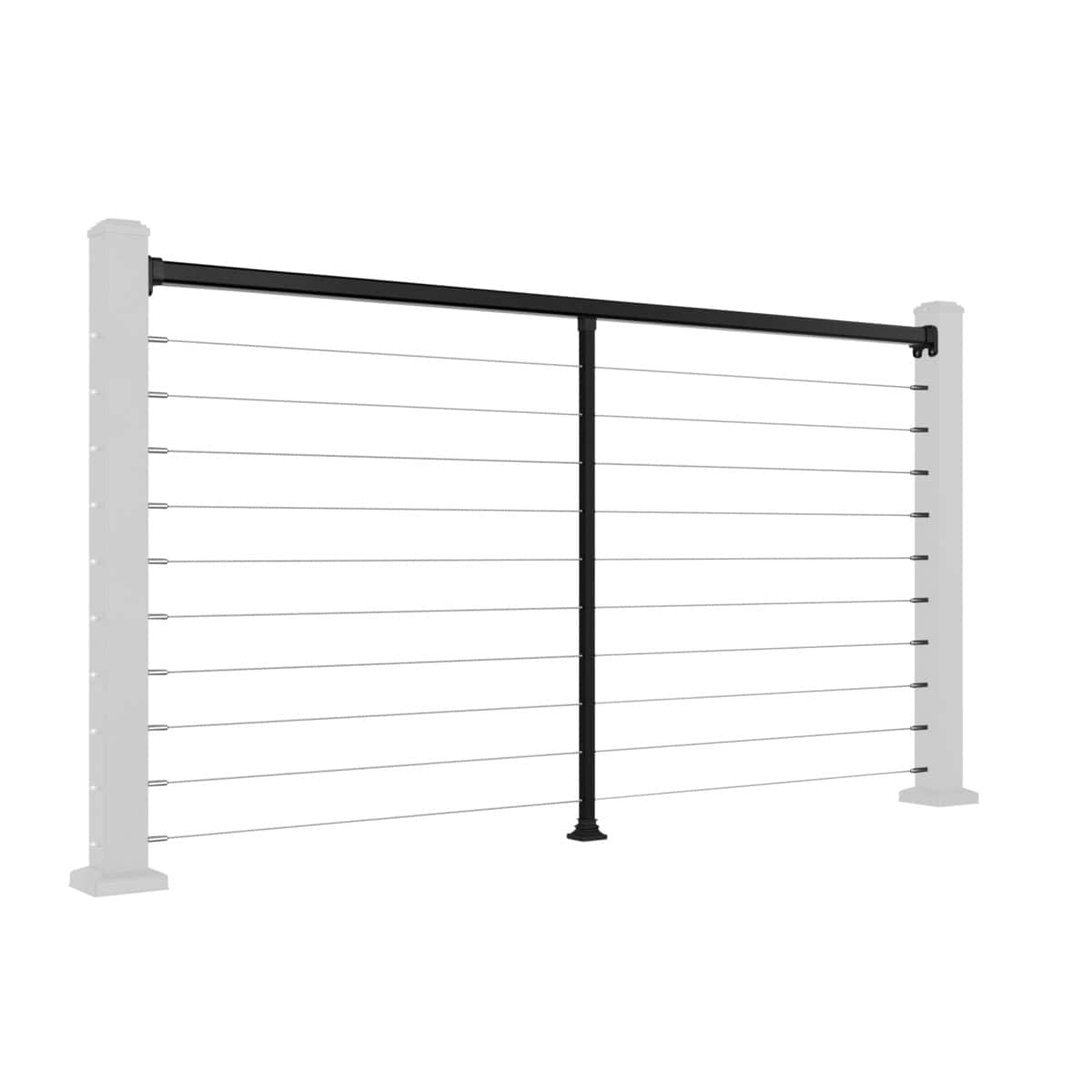
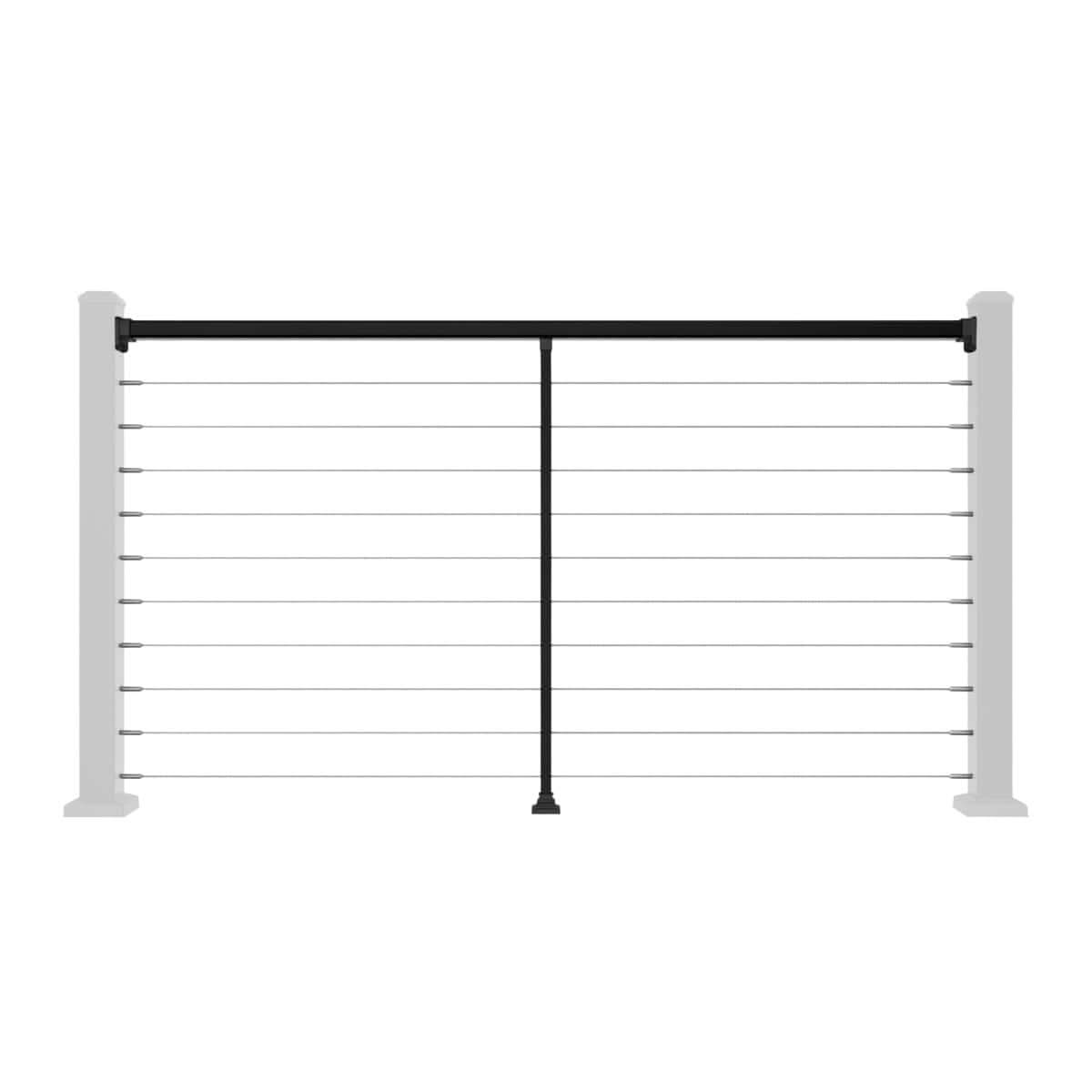
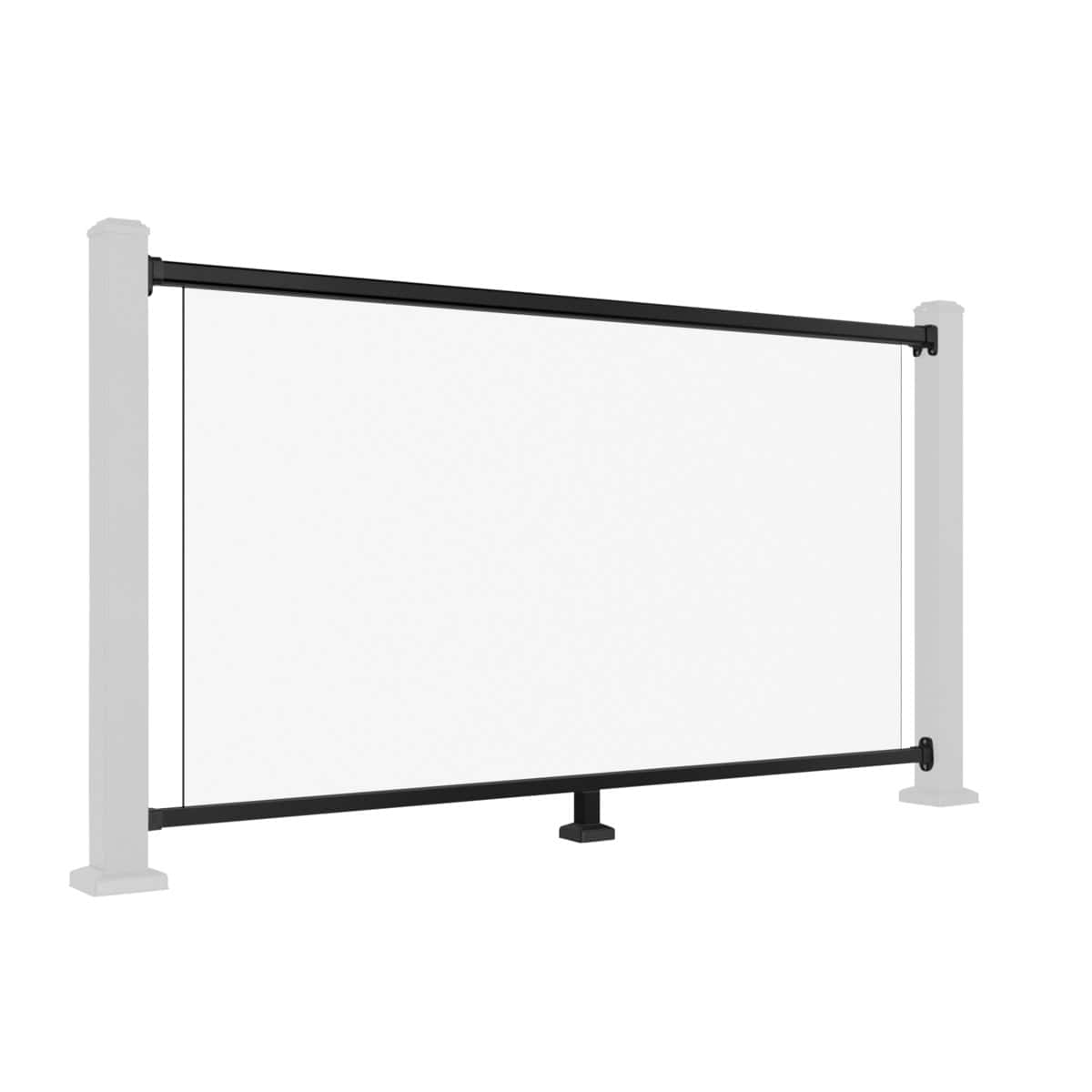
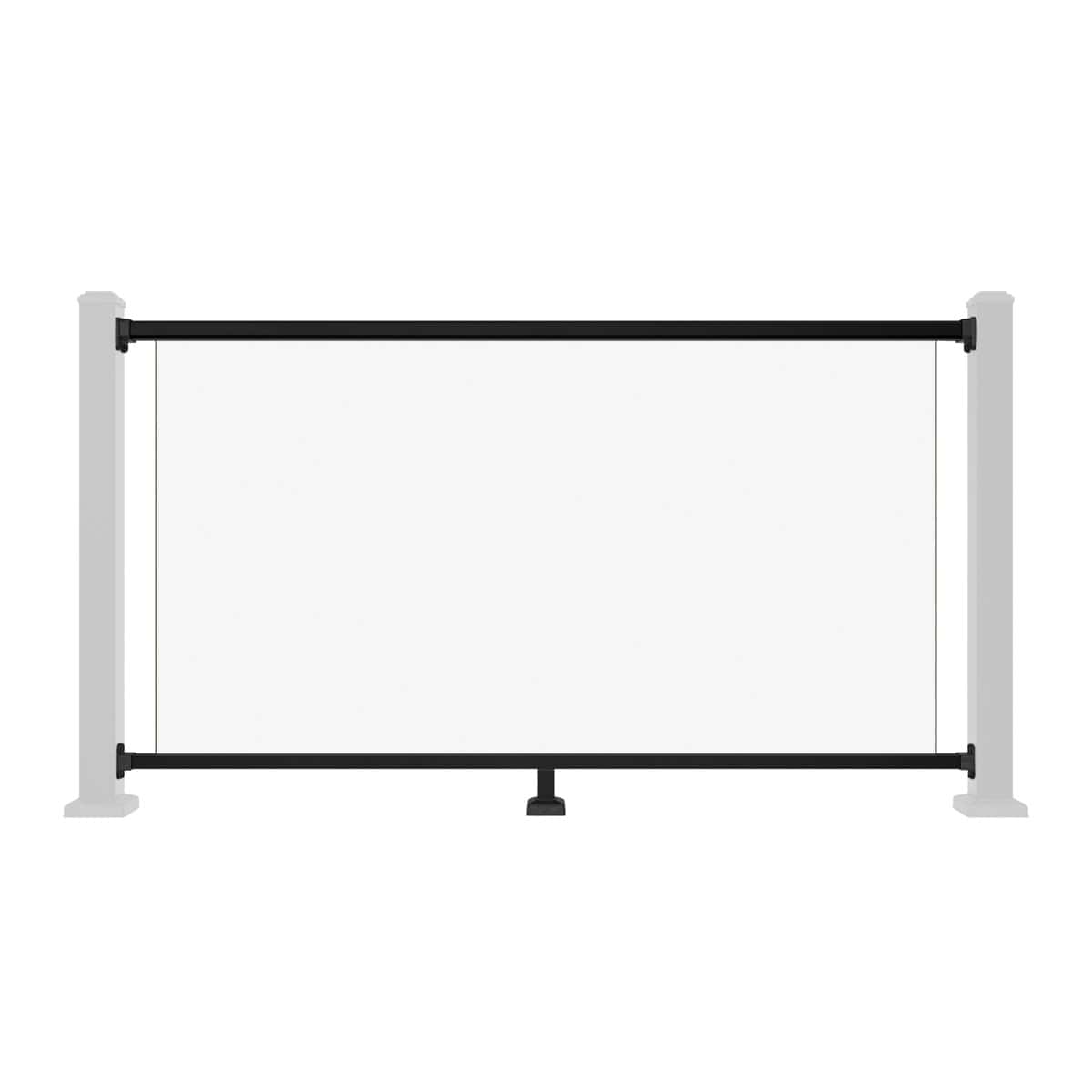
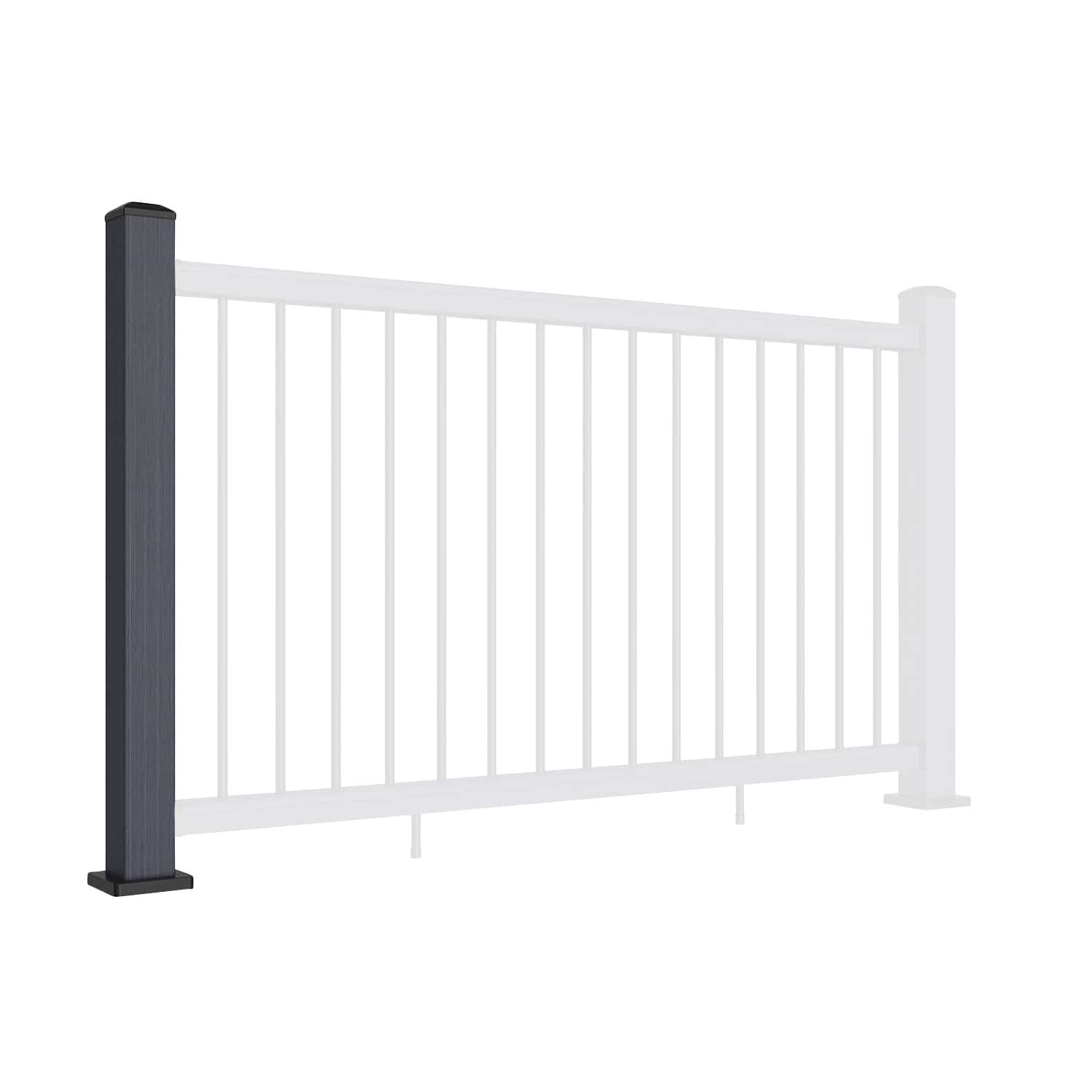
NeoTimber® composite balustrades combine composite finishes with metal supporting components. Timber systems use appropriately specified wood members and connections. Either option must be assessed as a complete installation, including the supporting base and fixings.
External wooden balustrades need care suited to the timber and exposure. The possibility of rot in timber posts, handrails and balusters makes inspection important, but timber is not automatically unsafe. Check rails, posts, connections and infill spindles for damage or movement, whichever material you choose.

A metal-reinforced composite system is not a blanket guarantee of greater strength than timber. Confirm the documented performance and intended application. The NeoTimber® composite balustrade system described here is not intended for high-rise developments such as rooftop terraces. Review the balustrade installation resources before specifying components.
Compare Maintenance and Long-Term Costs
When comparing outdoor balustrades, look at the complete installed cost and ongoing care. A wooden balustrade for patio use may offer an attractive initial price, but treatment and repair needs depend on the wood, finish and exposure.
Composite balustrades reduce routine painting and staining. They still need cleaning and condition checks, and damaged parts may need repair or replacement. Neither material has a universal lifespan or is always the cheaper choice over time.

Alongside our pre-existing decking, cladding, and fencing ranges, relevant products in our balustrades are supported by a 25-year residential warranty, or a 10-year warranty for commercial projects, subject to the applicable conditions and exclusions. Check the policy for the product you choose; warranty duration is not a promise of service life. Follow the care guidance for routine cleaning and inspect the assembly for damage or loose connections. For exterior wooden balustrades, follow the timber and coating guidance on treatment and refinishing. This may include renewing a protective finish when required.
Design Flexibility for Gardens, Decking and Stairs
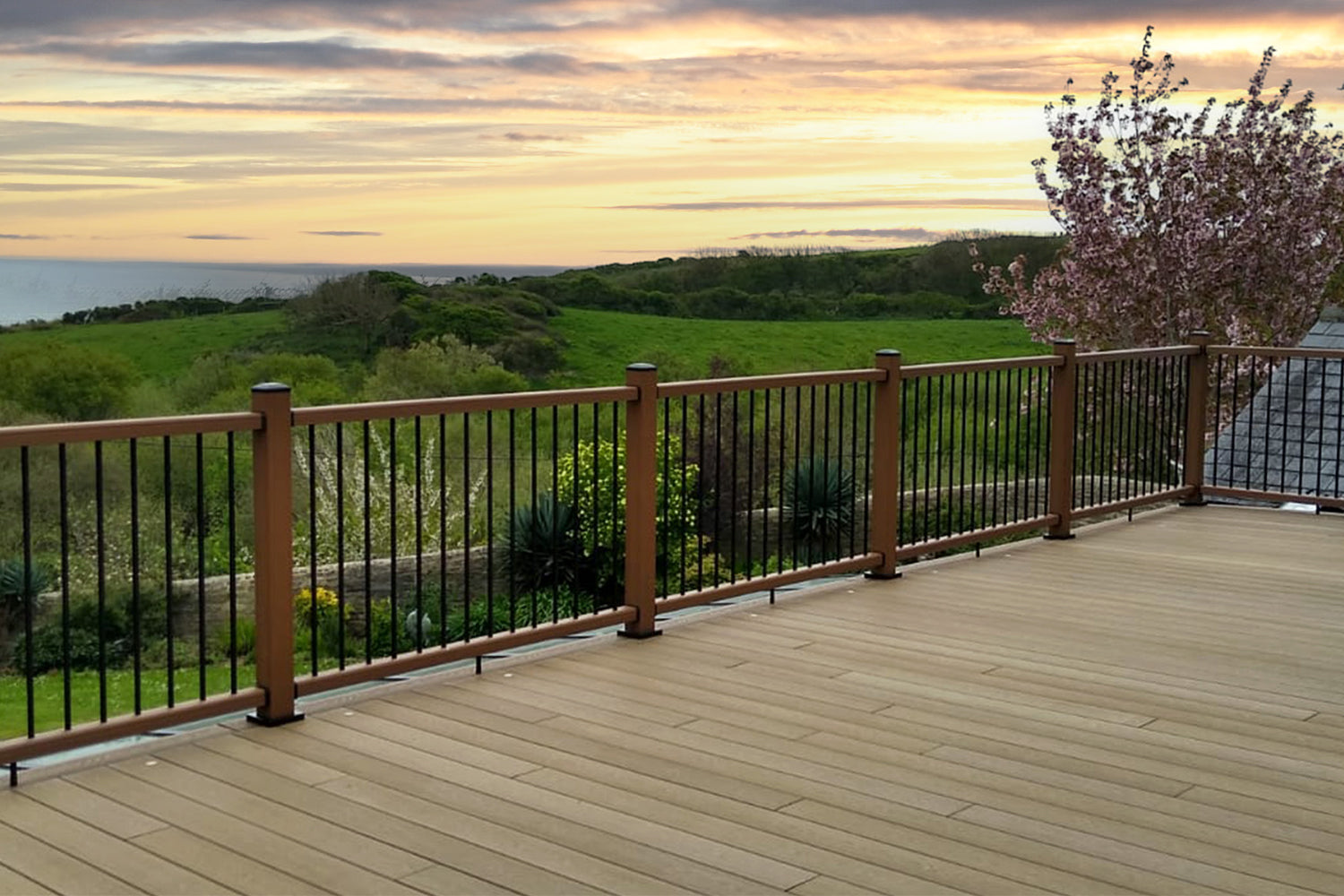
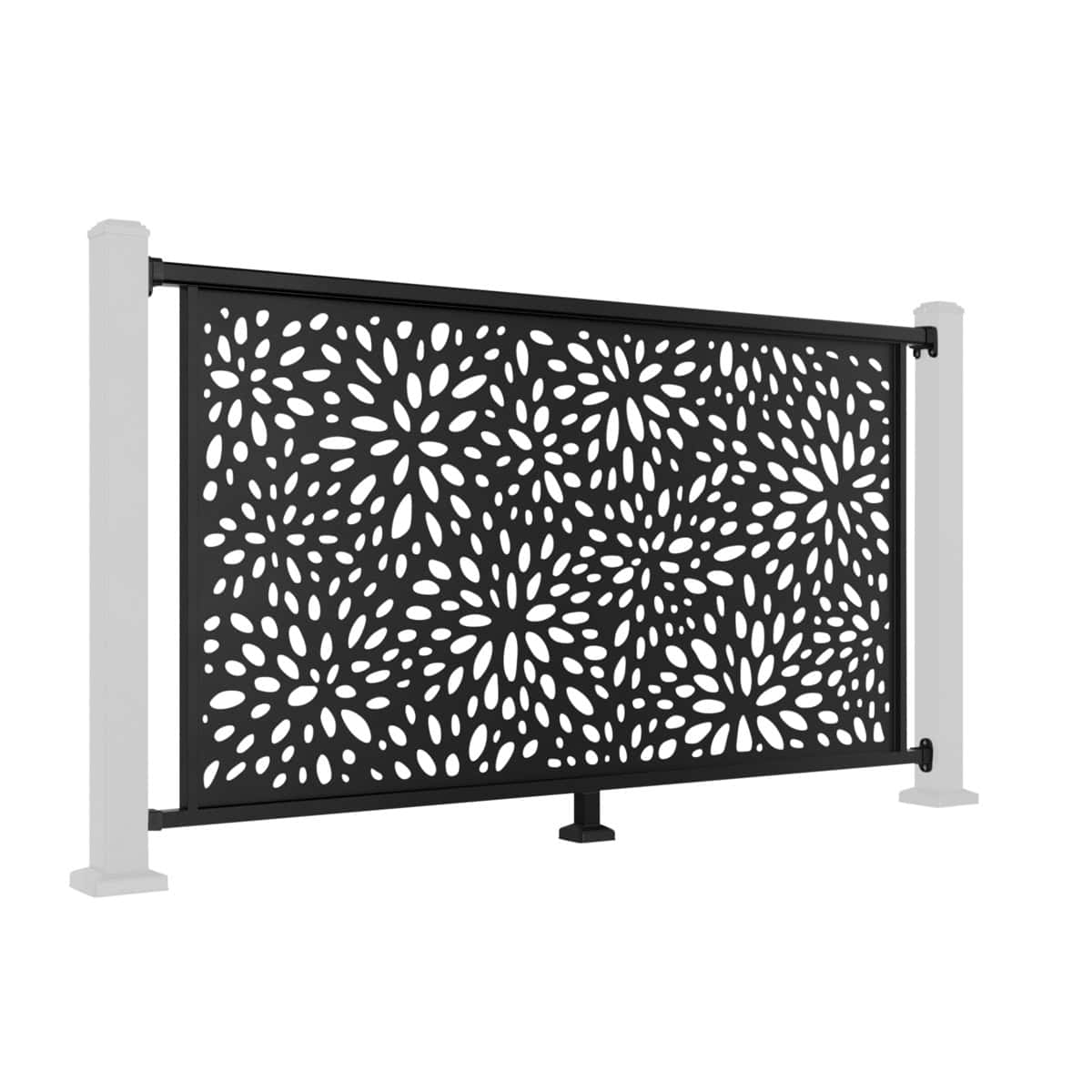
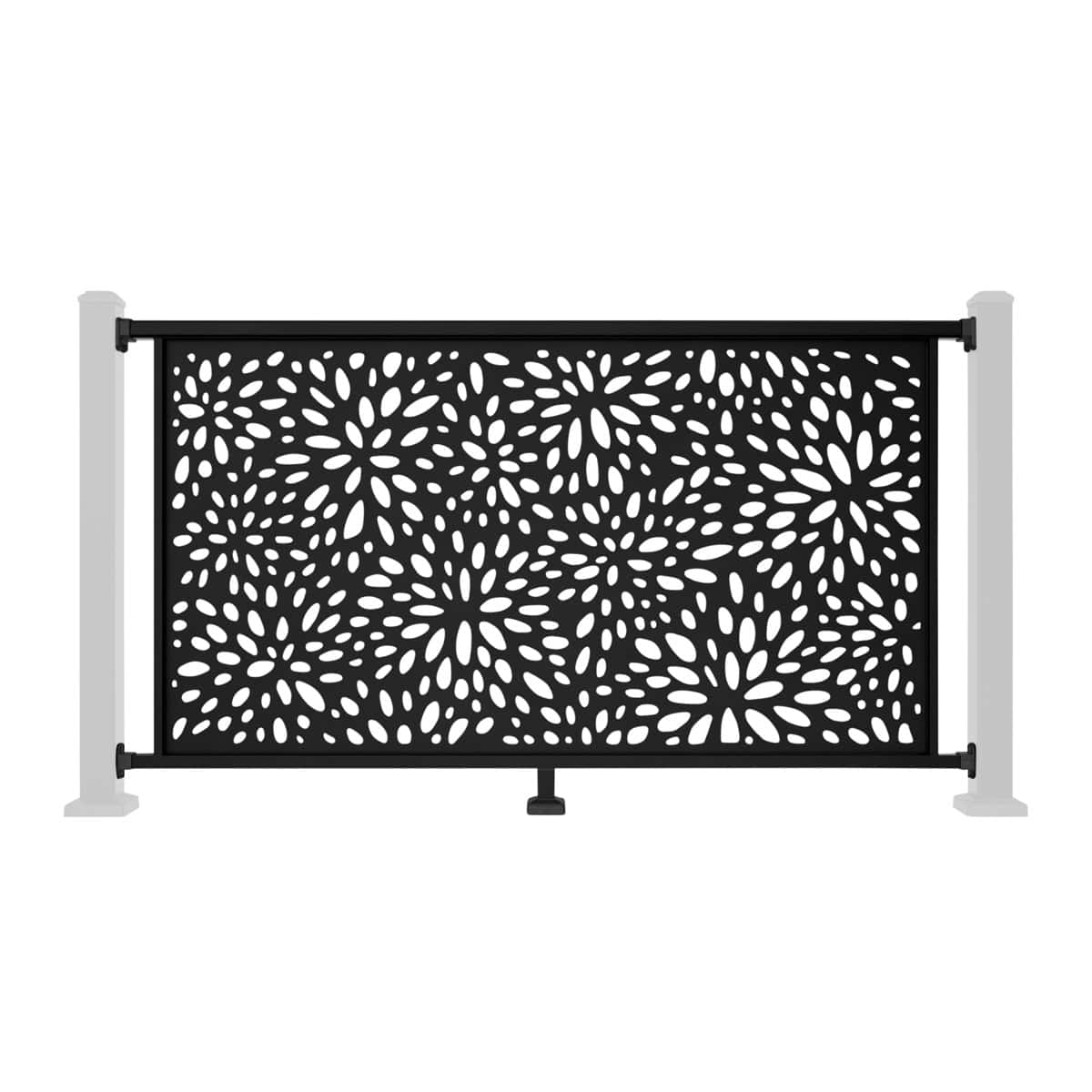
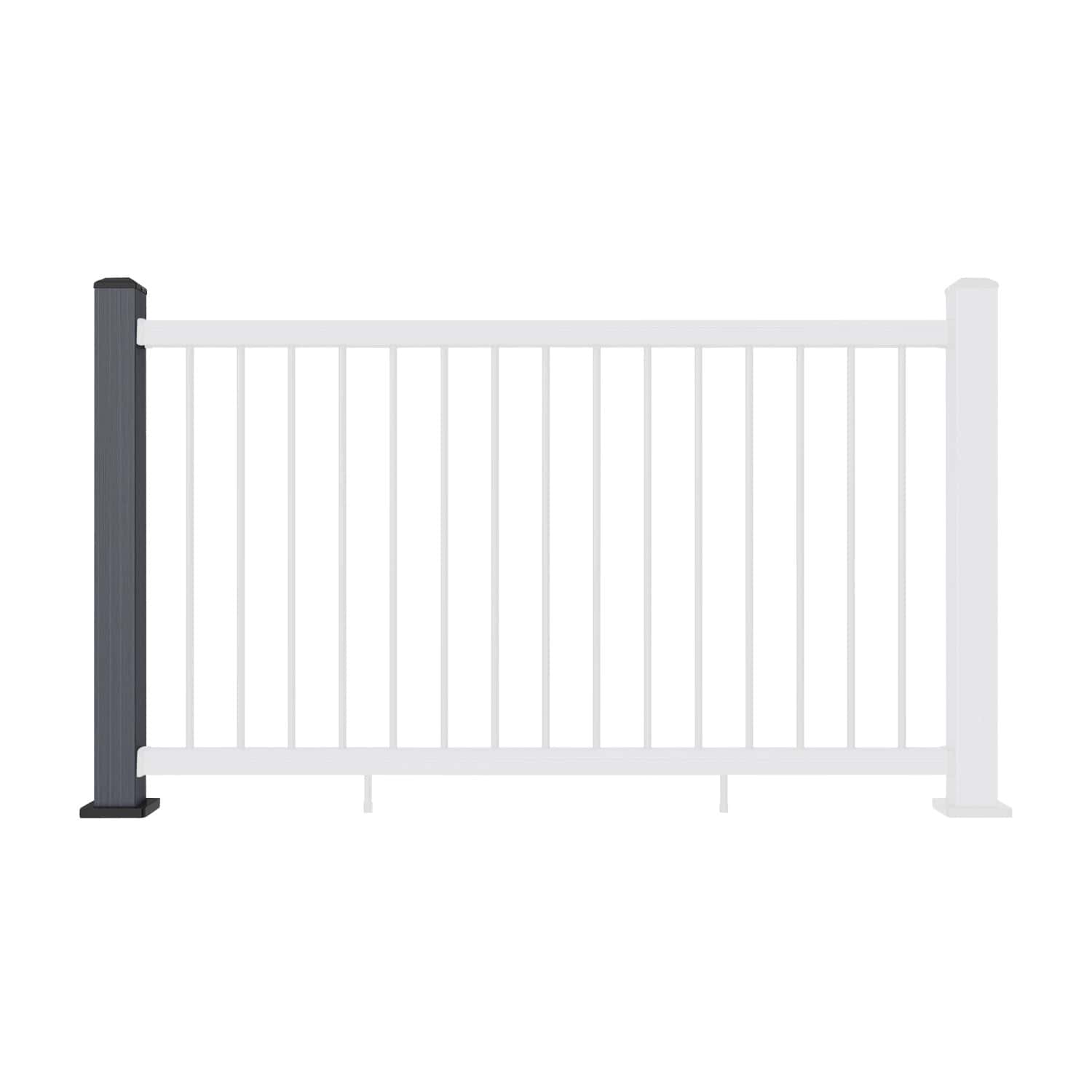
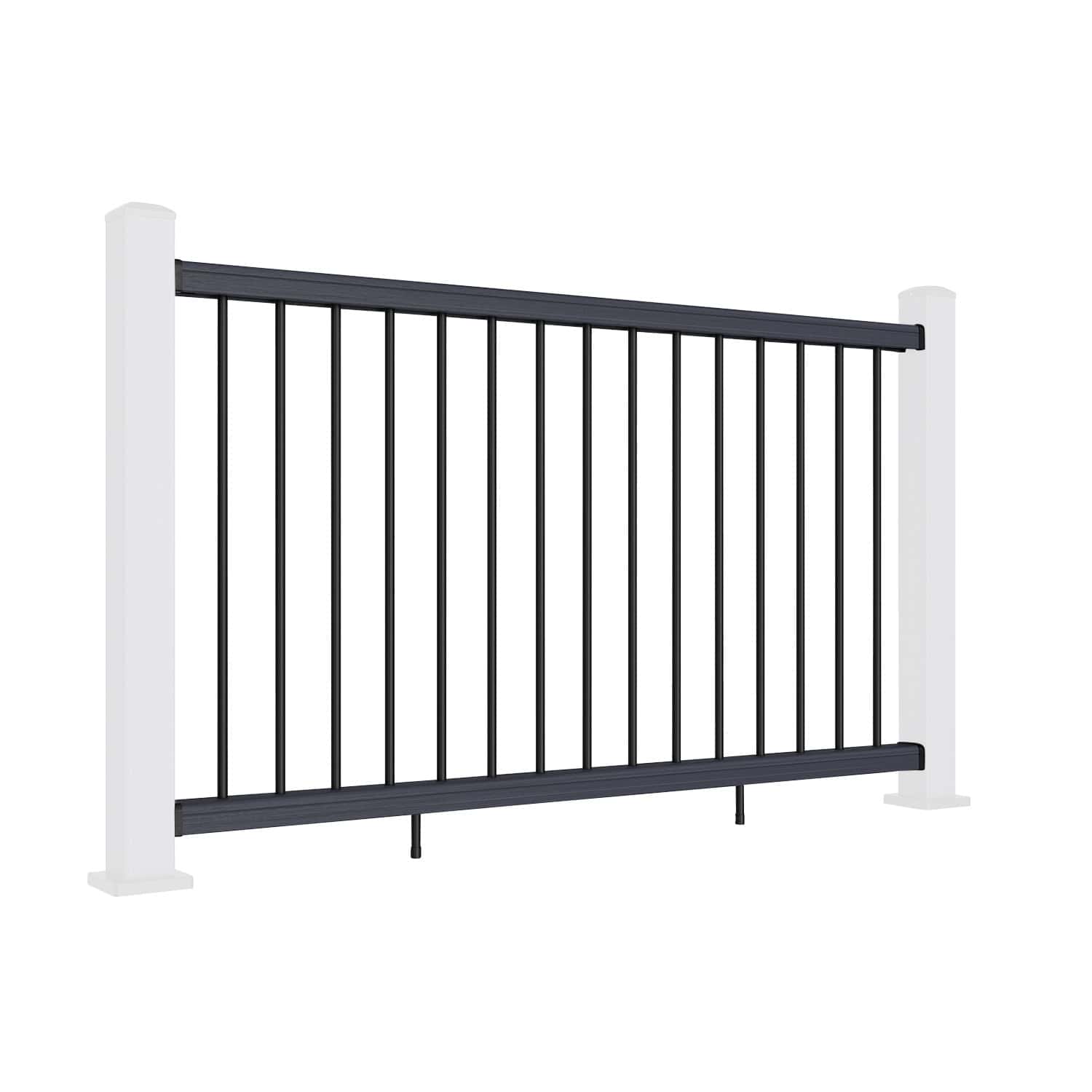
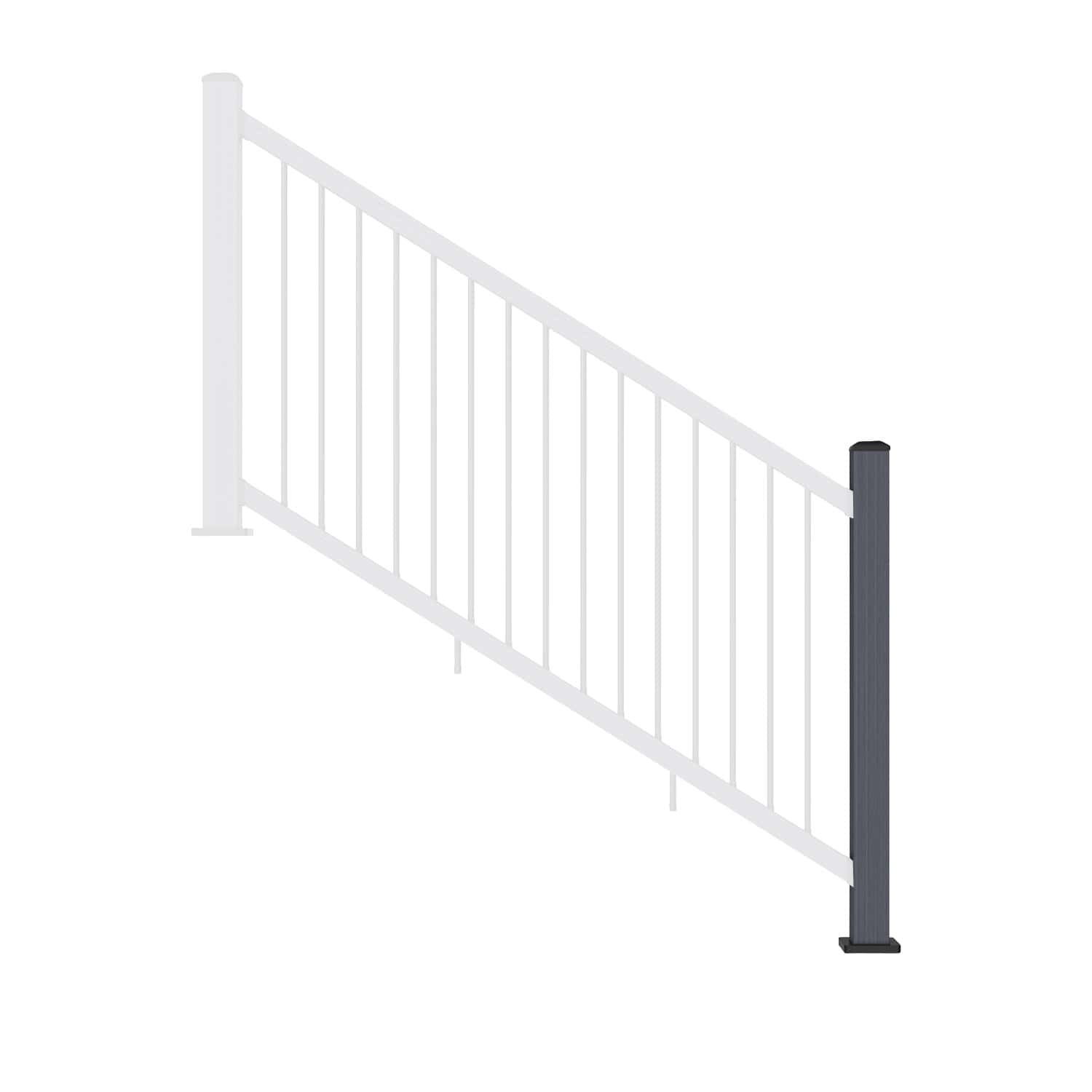
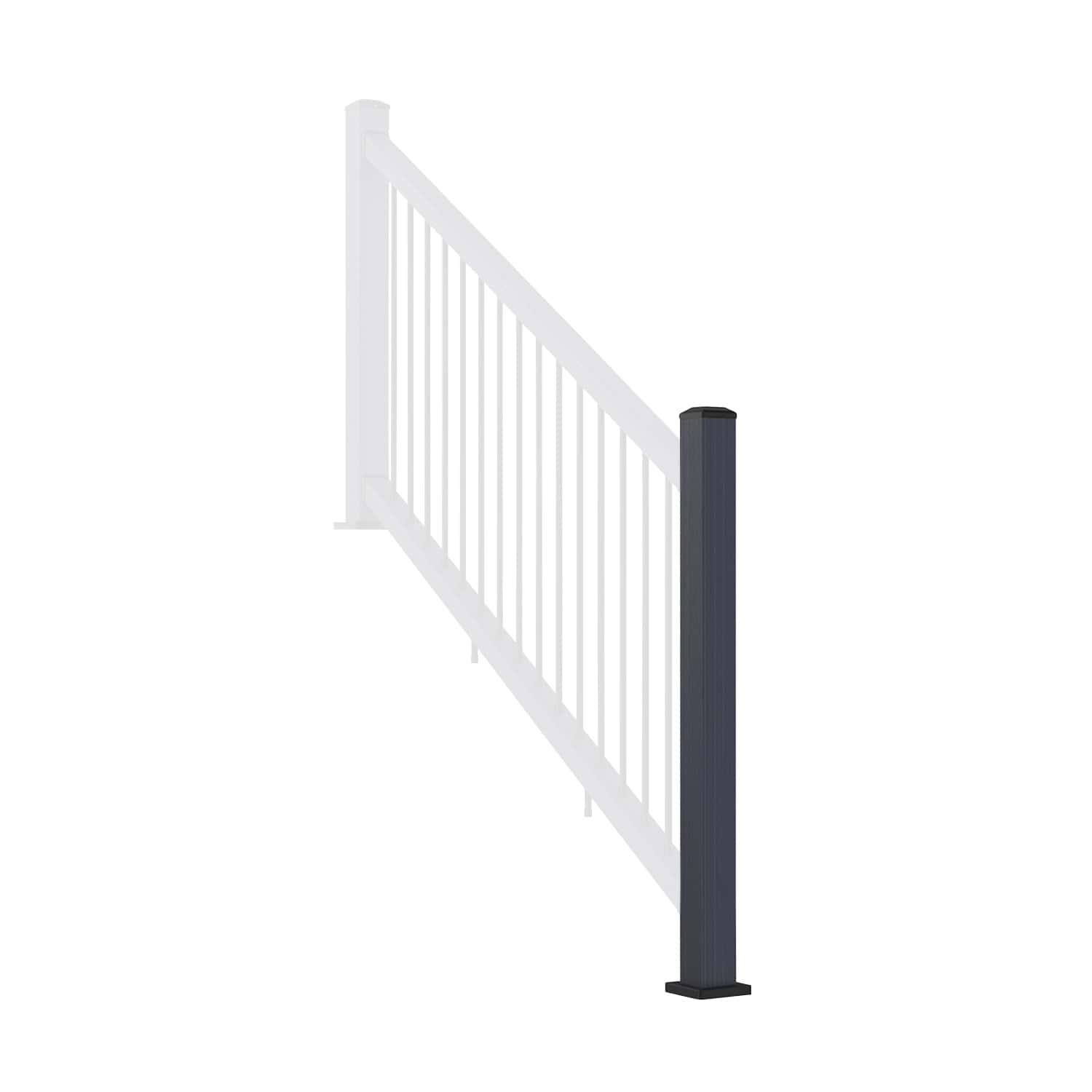
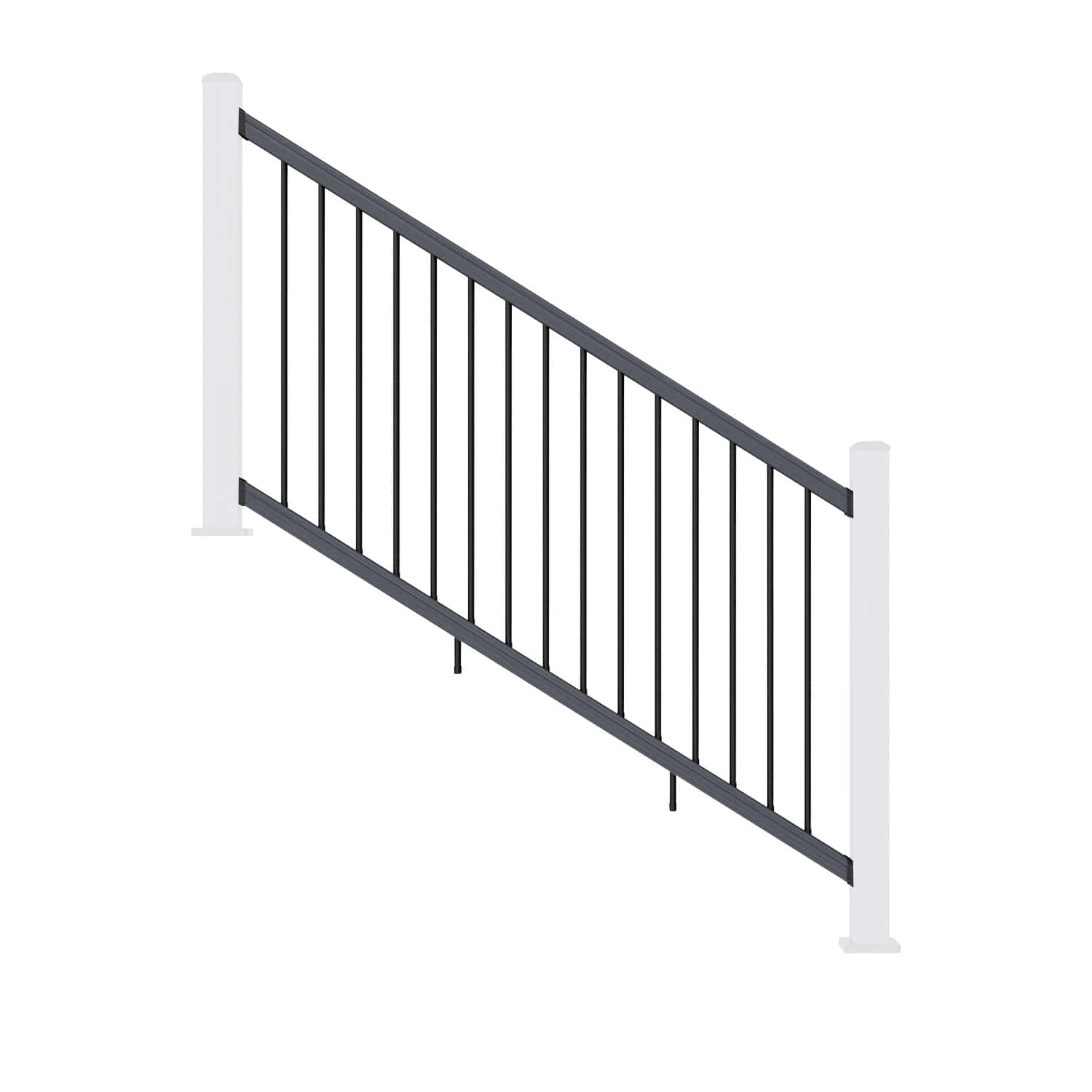
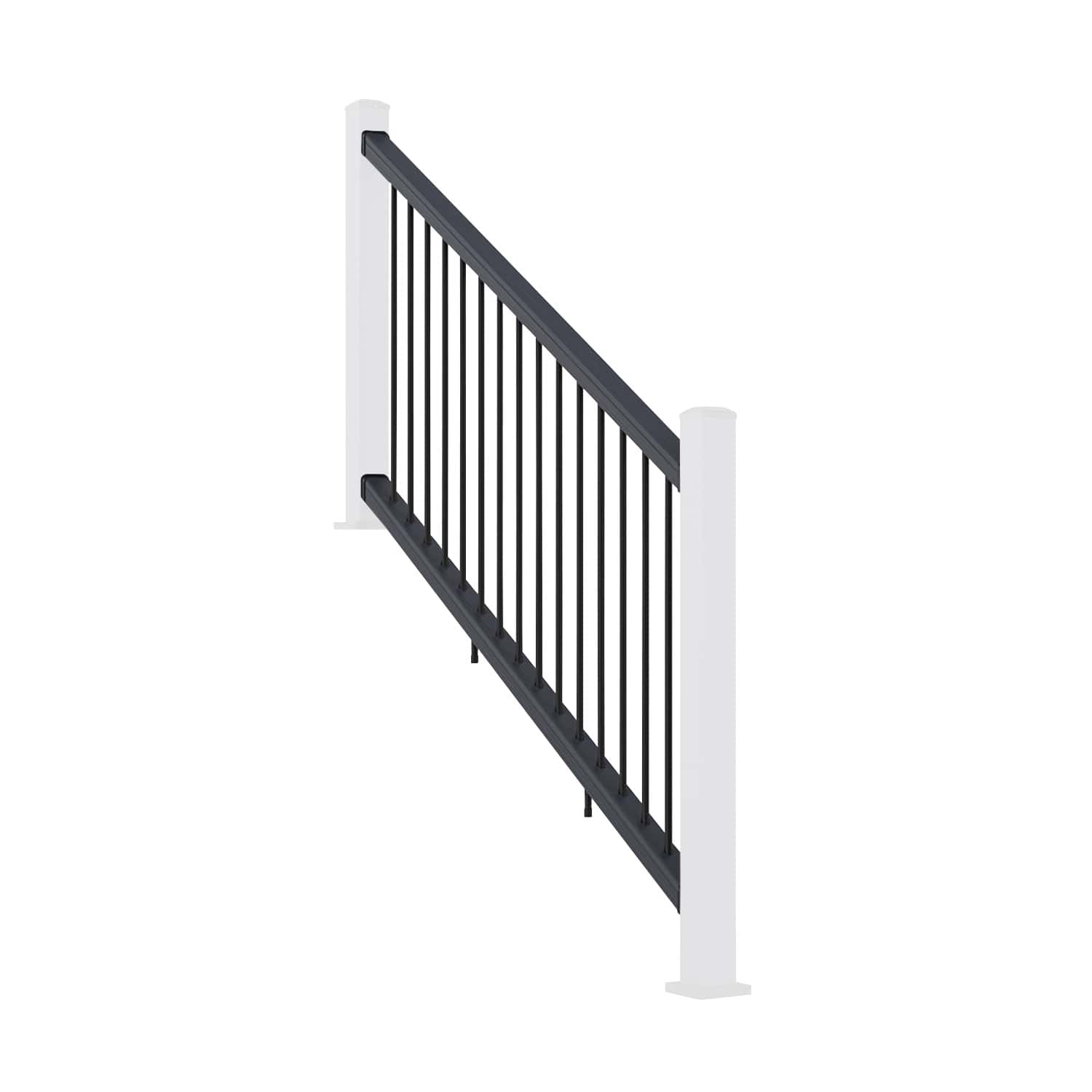
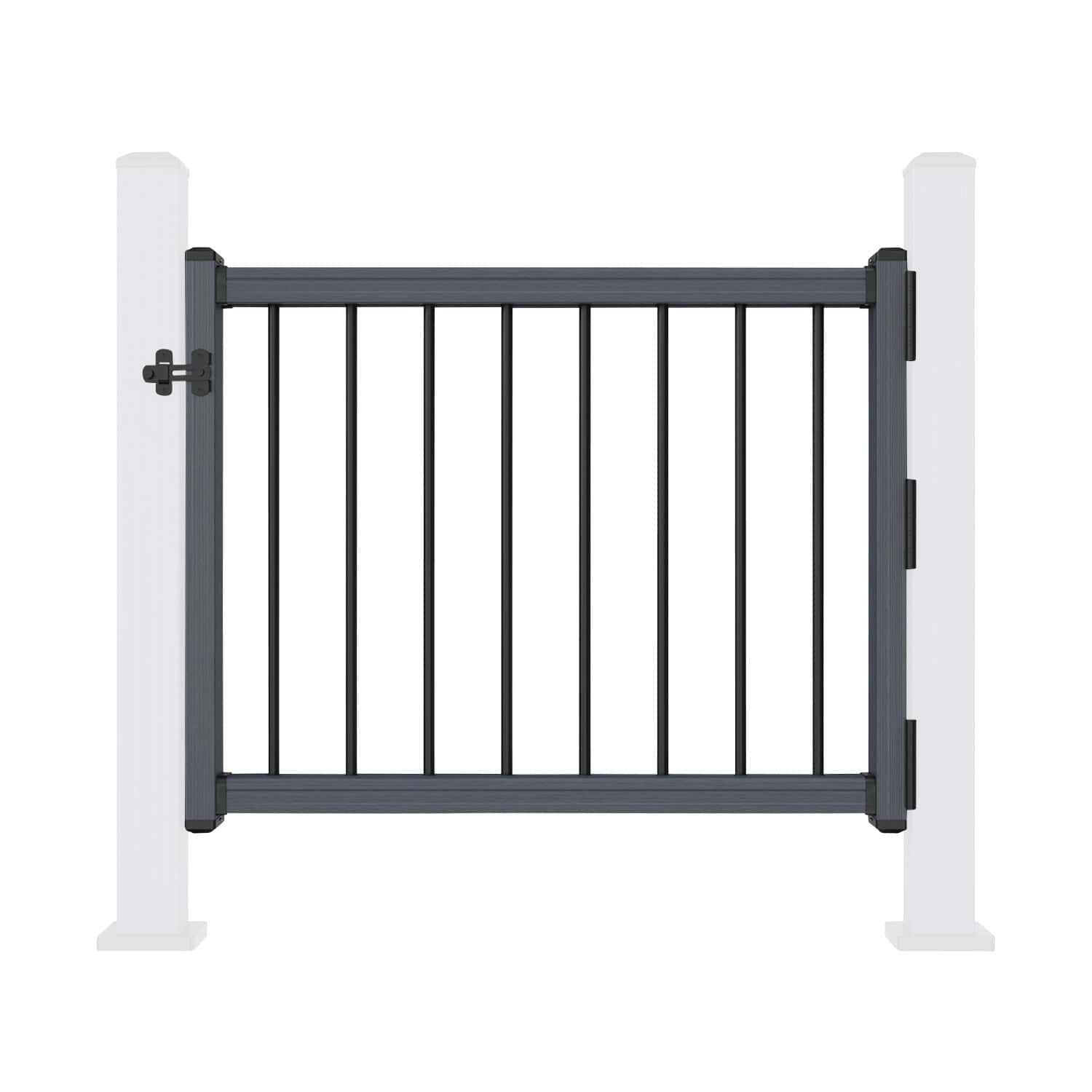
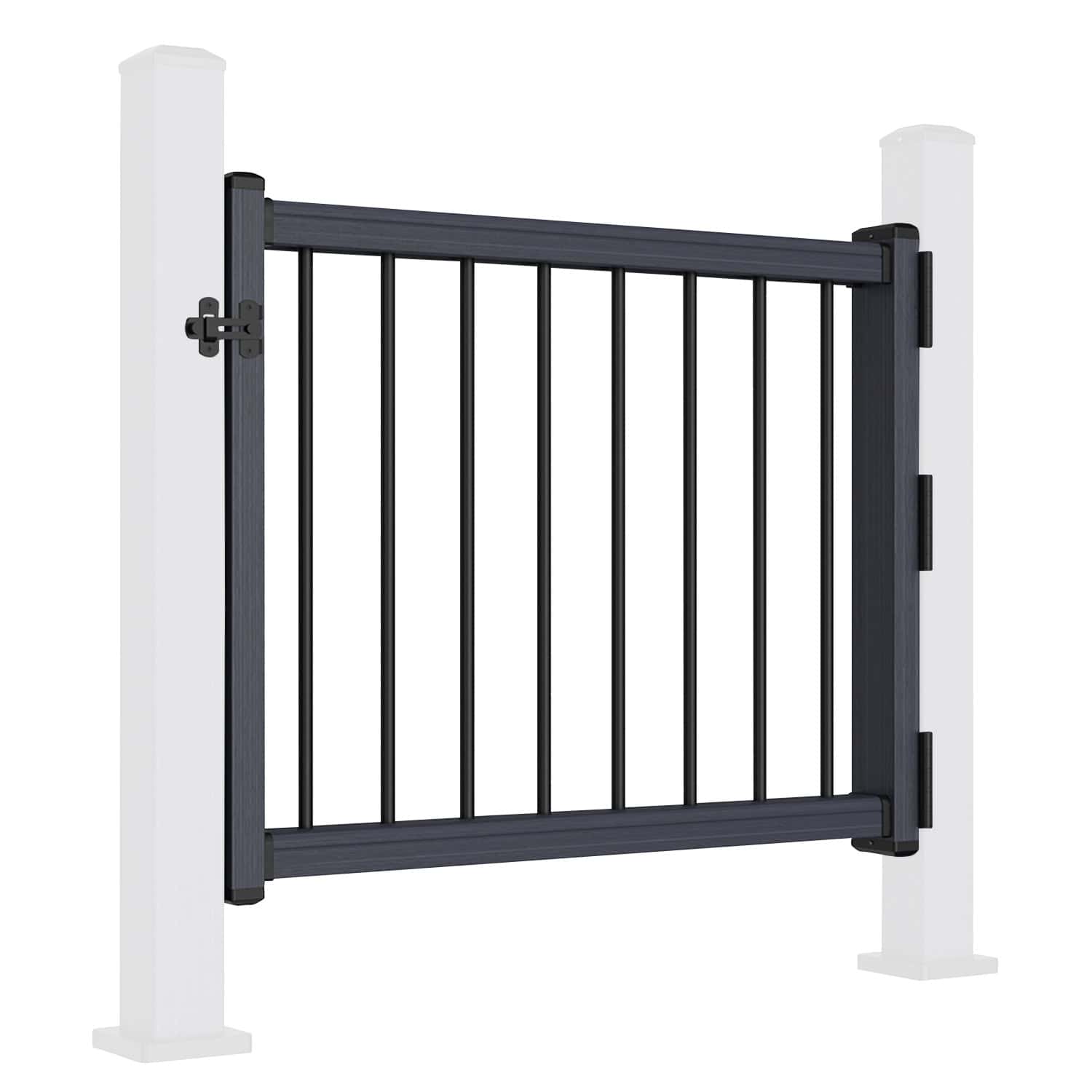
Garden wooden balustrades can be tailored with suitable timber profiles and finishes. For those seeking a modular alternative, our balustrades can be purchased as individual components. These all come together to create one modular, adaptable system, which can be fitted onto both straight and stair applications, using the parts specified for each configuration. Compare the design flexibility of both approaches against your actual layout.

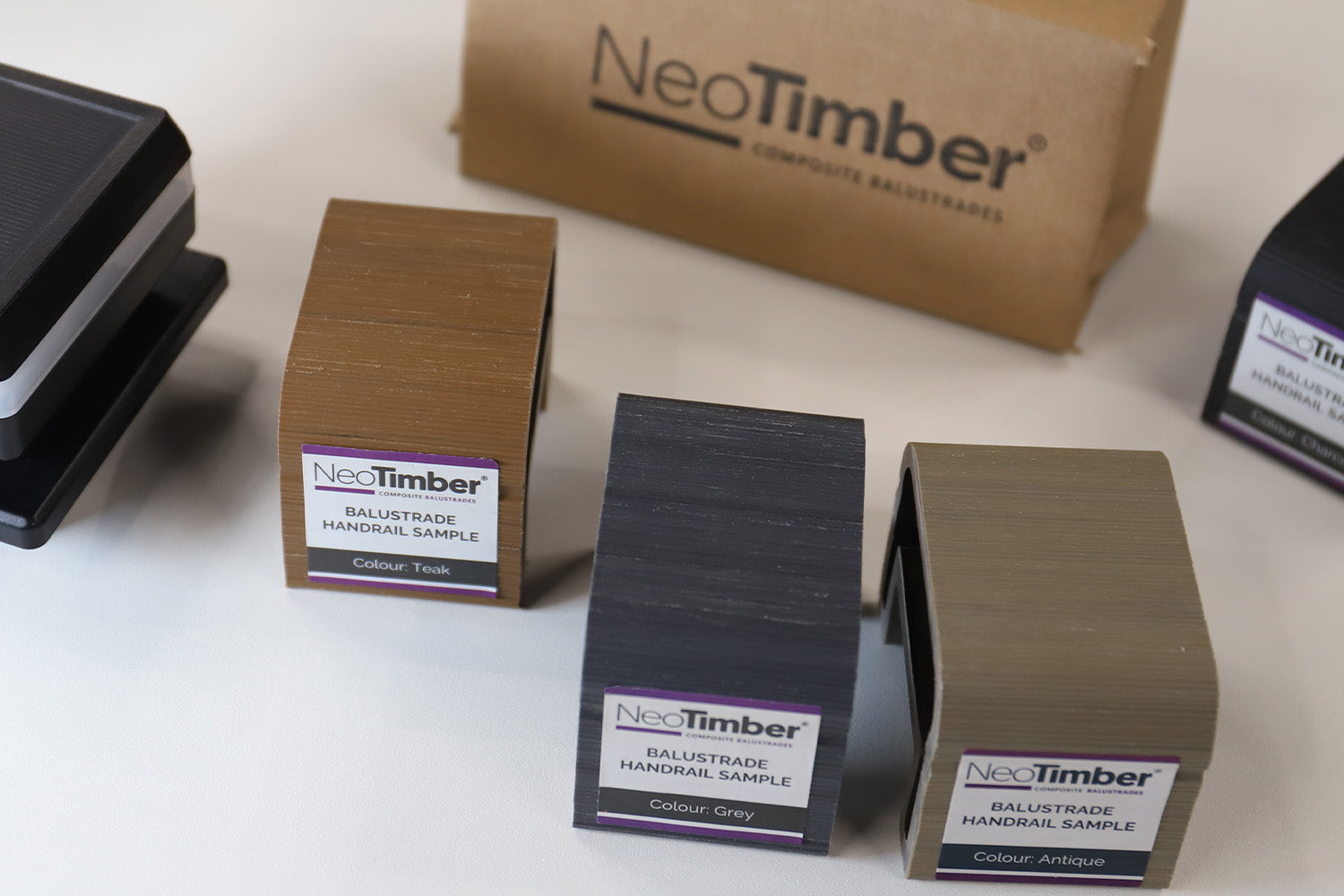
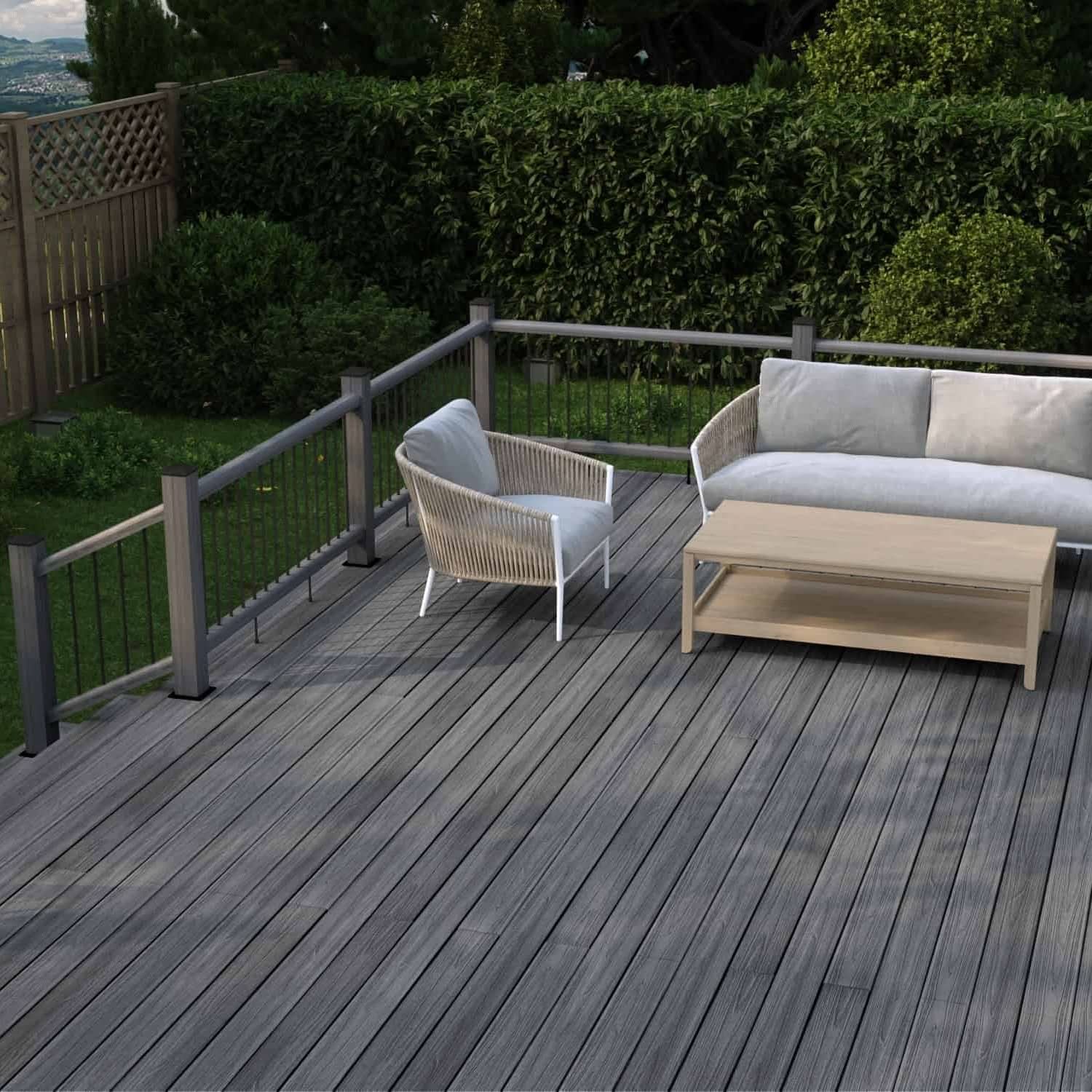
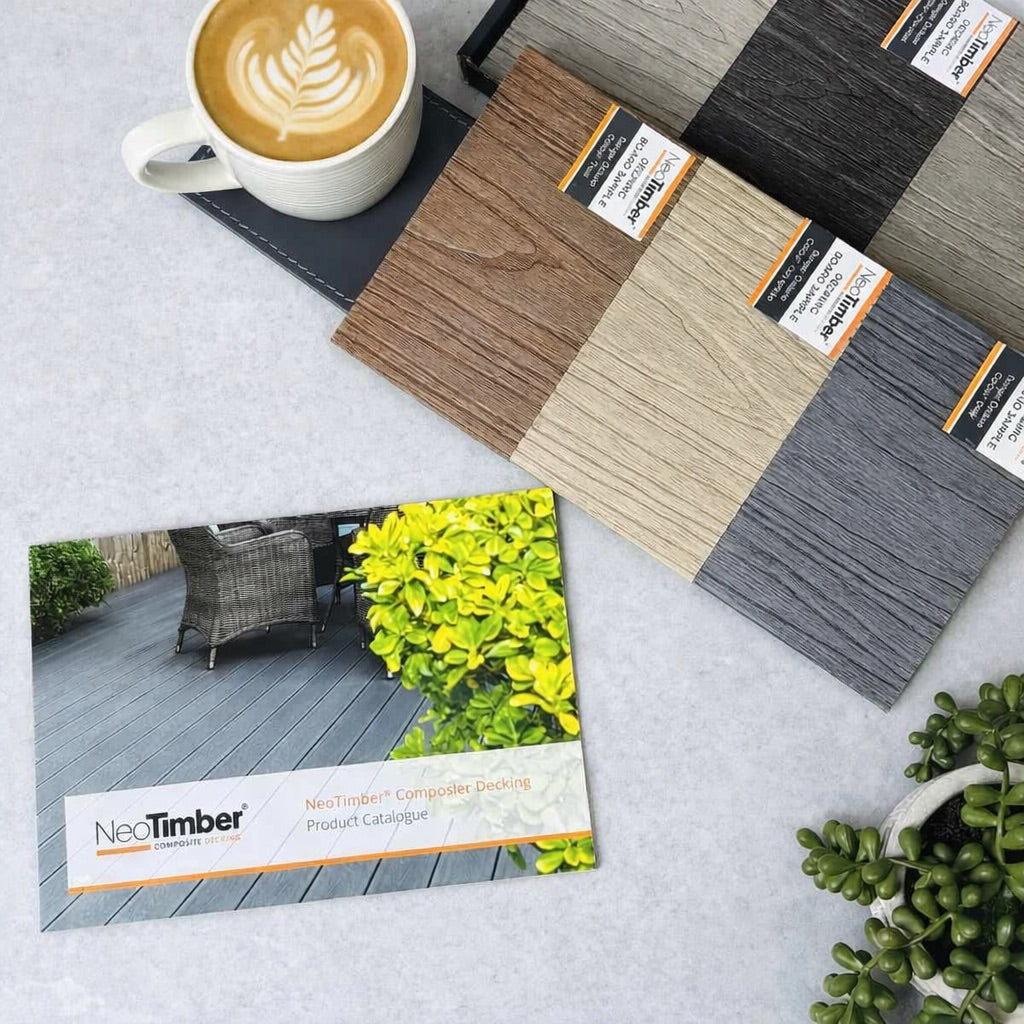
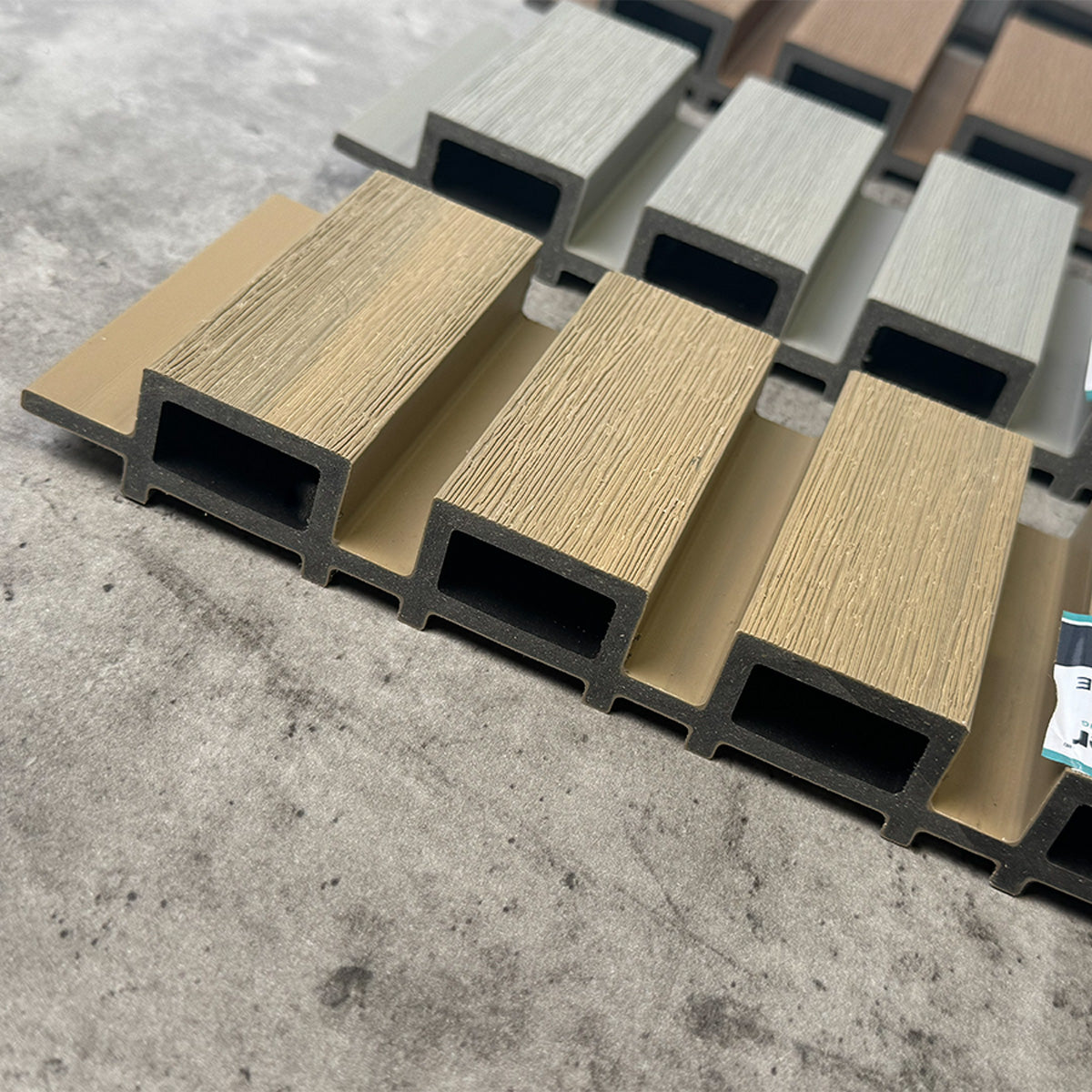
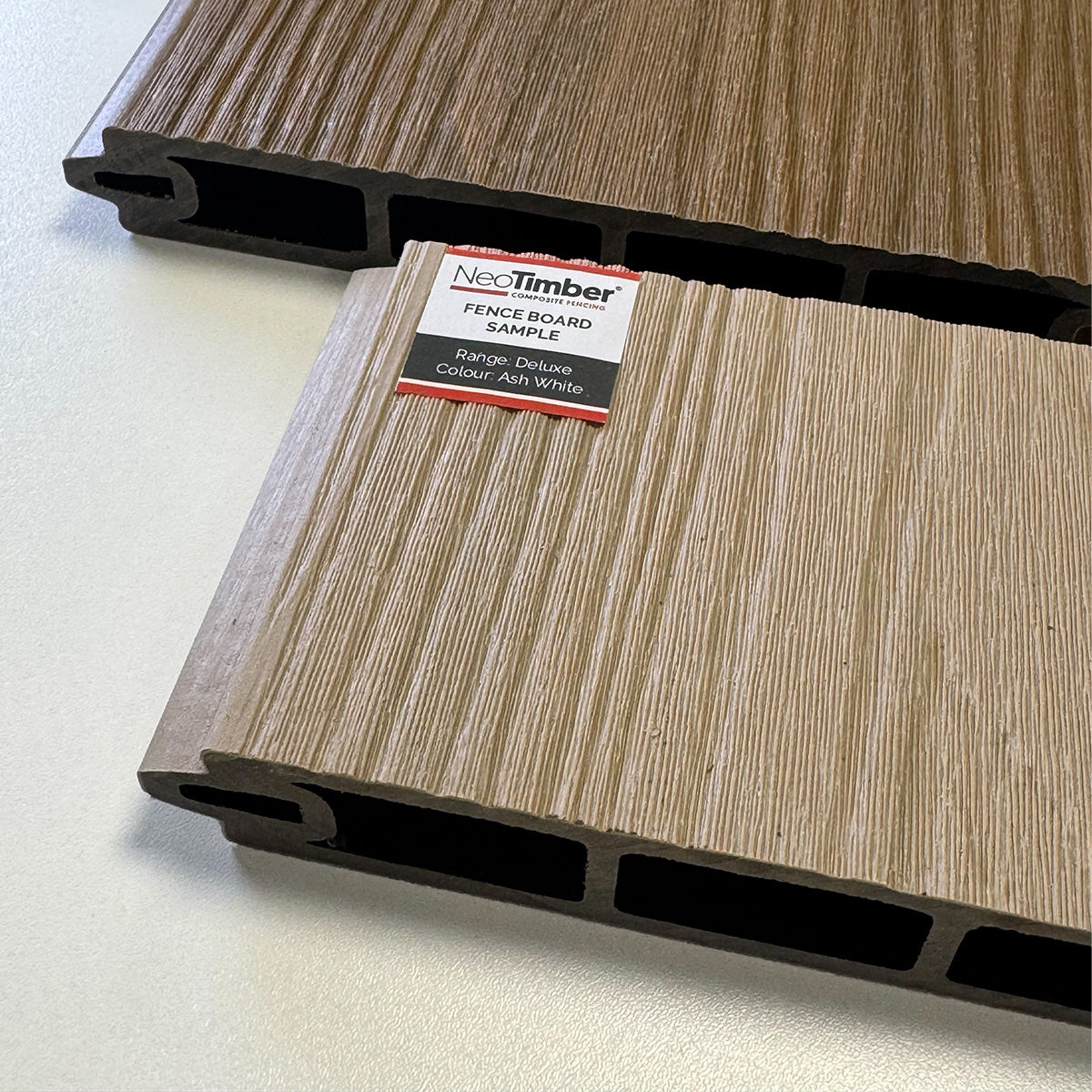
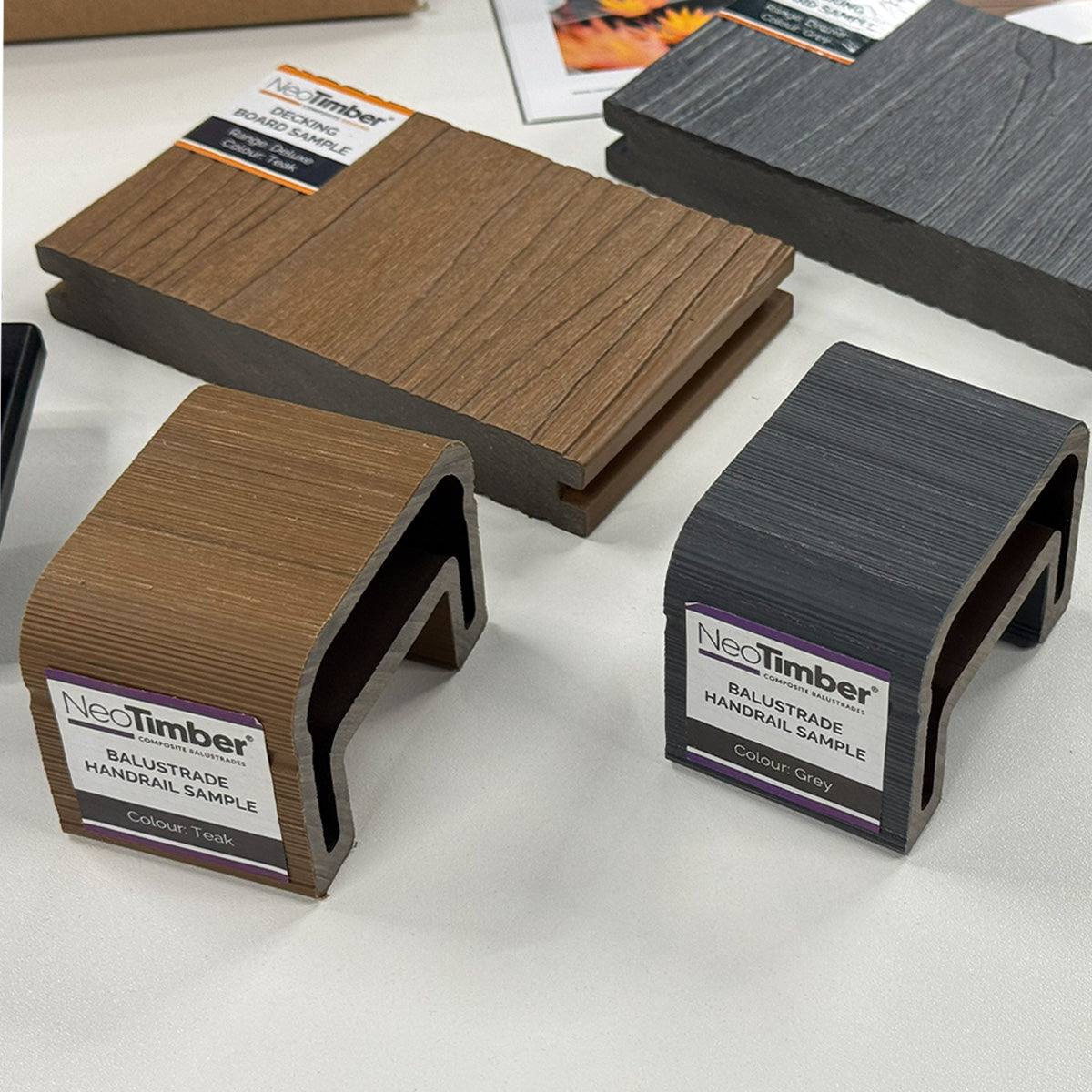
At NeoTimber®, we even offer more opportunities for customisation, with a range of coordinated colours to choose from, all of which are colour-matched to our decking, cladding, and fencing ranges. Choose from the soft, subtle antique, the earthy teak, the modern, neutral grey, or the dark, luxurious charcoal and chocolate. Should you so choose, you can even mix and match different contrasting colours by buying the individual components, to create a truly unique design. Alternatively, you can use our kit builder, to explore available configurations. Confirm the contents against your layout, including any separately required post fixings.
Composite vs Wooden Balustrades: A Practical Comparison
| Consideration | Wooden balustrades | Composite balustrades |
|---|---|---|
| Appearance | Natural grain with suitable paint, stain or other finish options. | Manufactured profiles with coordinated colour choices. |
| Routine treatment | Depends on timber specification, coating and exposure. | No routine painting or staining for the NeoTimber® system. |
| Condition checks | Inspect for deterioration, damage and loose connections. | Inspect components, coatings and connections for damage or movement. |
| Installation | Requires suitably specified members, fixings and supporting structure. | Requires compatible components and the specified connection to the base. |
| Budget | Include construction, finishes and expected upkeep. | Include the full component set, supporting work and ongoing care. |
Planning Wooden Balustrade Decking or a Composite Alternative
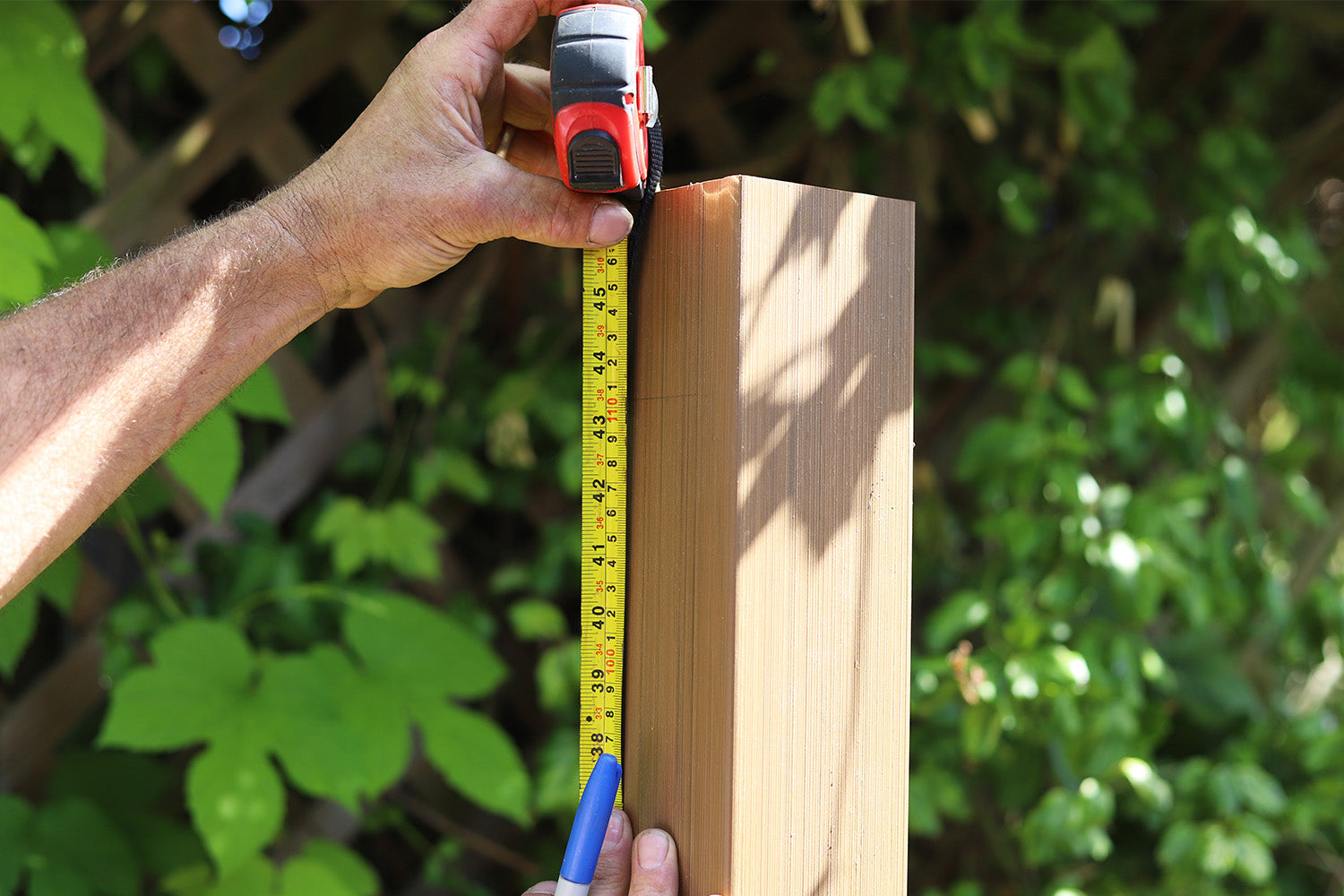
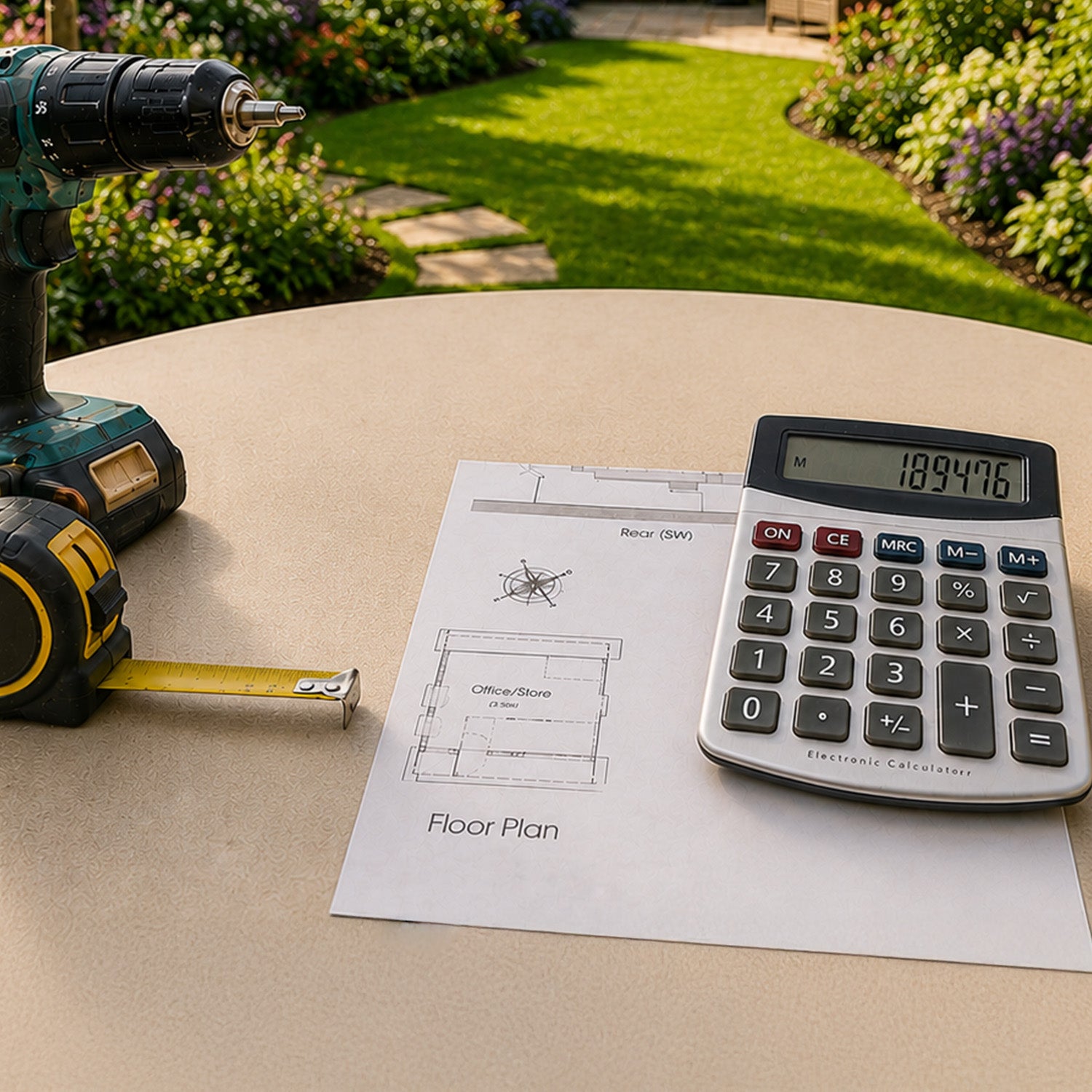
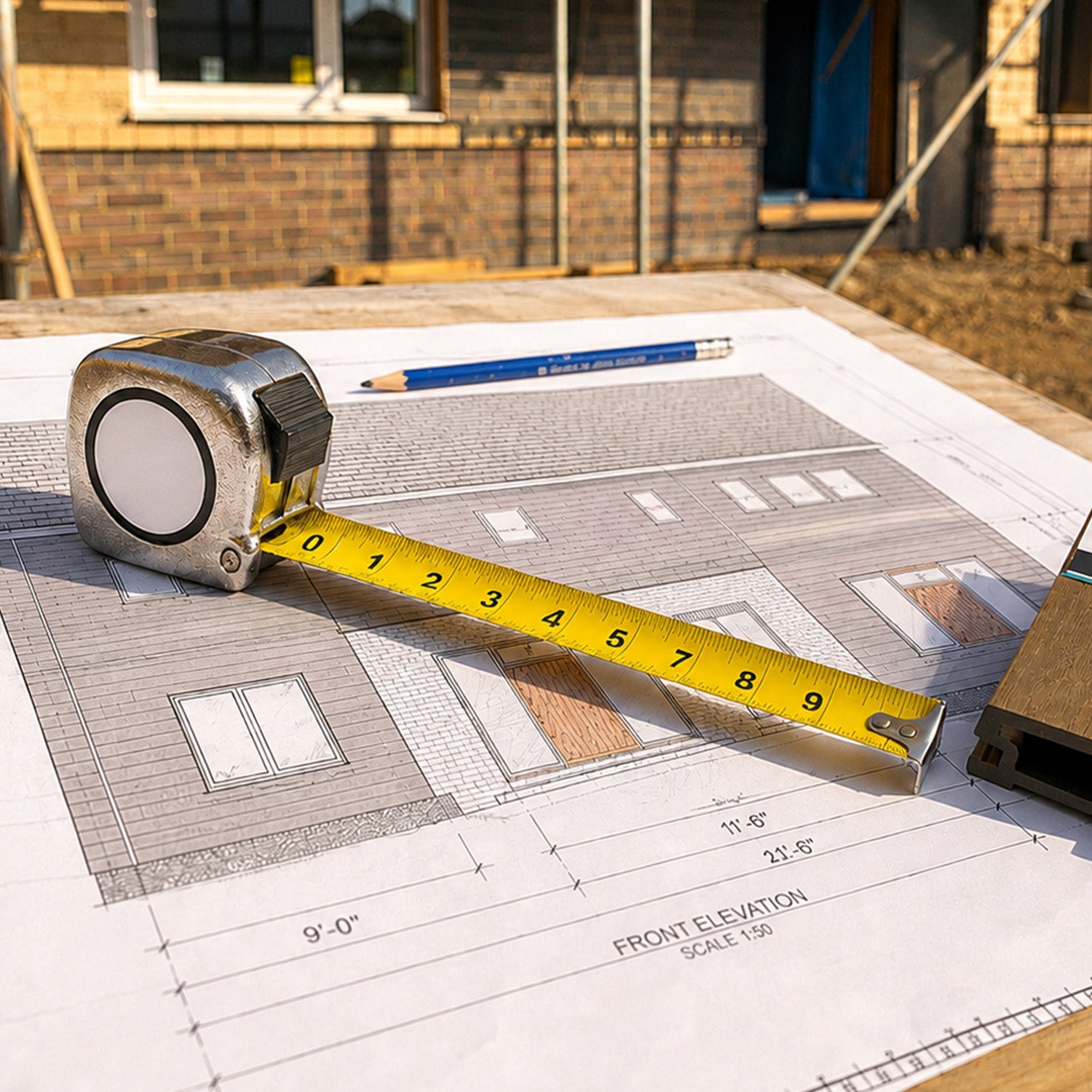
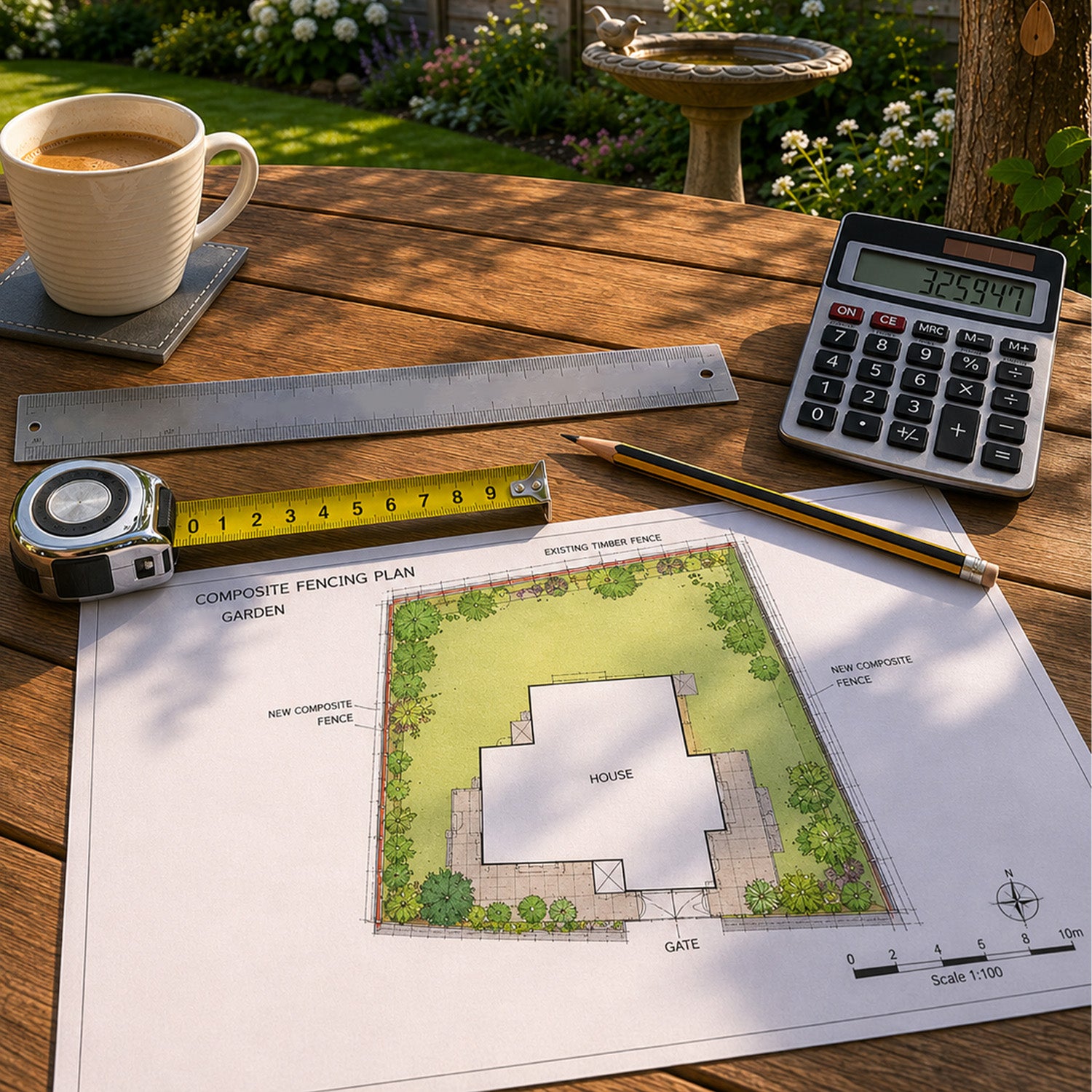
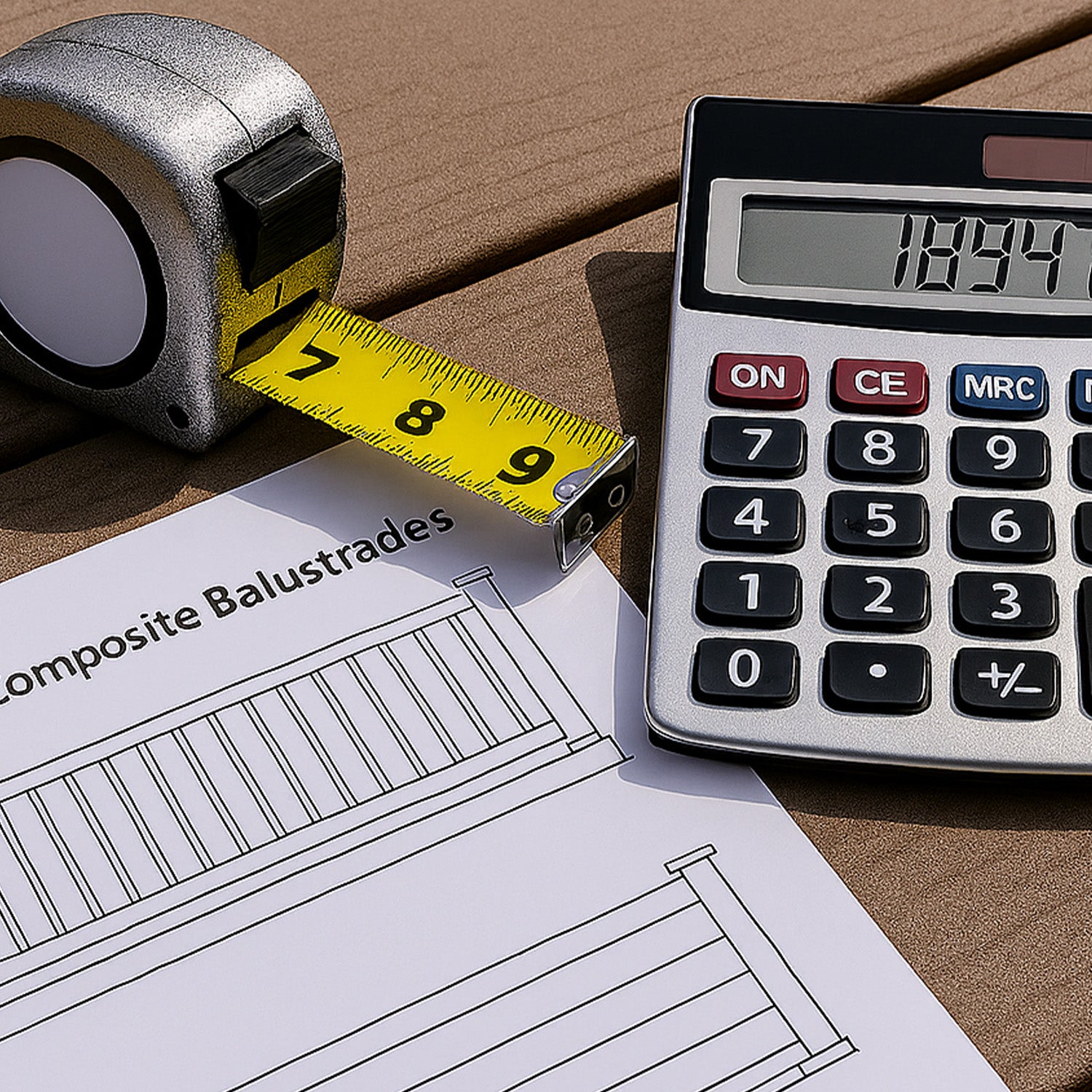
Start with a measured plan showing deck edges, steps, corners and access openings. For a decking balustrade, wood and composite both need suitable structural connections. Do not assume that an existing timber post base or fixing pattern will accept a replacement composite system.
If you are replacing a decking wooden balustrade, assess the supporting framework first. Confirm the new system's post positions, fixing method and requirements for guarding or handrail support before ordering.
Composite vs Wooden Balustrades FAQs
Are wooden balustrades suitable outdoors?
Yes, when the timber, design, treatment and installation suit the location. External wooden balustrades need inspection and maintenance appropriate to their exposure.
Is composite always stronger than wood?
No general material comparison establishes that. Assess the documented performance of the complete assembly, its connections and supporting structure for the intended use.
Can I replace a wooden balustrade for patio use with composite?
Possibly, but check the base, post layout and required fixings first. Paving slabs or decking boards alone should not automatically be treated as a suitable structural fixing foundation.
Do composite balustrades need maintenance?
Yes. They avoid routine painting and staining but still need cleaning and condition checks. Follow the manufacturer's care instructions.
Can either option be used on stairs?
Both can form part of a suitably designed stair arrangement. A modular composite system needs the correct stair components and installation method. Confirm guarding and supporting handrail requirements separately.
Which is better for a traditional garden?
Wood offers natural grain, while warmer composite tones can also complement brick, stone and planting. Compare samples and maintenance expectations rather than choosing on style labels alone.
Choose Around Your Space and Care Preferences
Choose between timber and NeoTimber® balustrades by comparing the whole specification, installation and care routine. Whether you are planning decking or an appropriate balcony installation, establish the practical requirements first, then choose colours and finishes that complement the space.