Find the Right Man Made Decking for Your Garden
Artificial decking offers an alternative to traditional timber, but the term covers different materials. Some boards are made from plastic, while others combine wood fibres and plastic in a composite formulation. Knowing the difference helps you compare appearance, maintenance and installation requirements before choosing.
You may also see descriptions such as artificial timber decking, artificial wood decking and synthetic decking. These are useful search terms, but they do not identify one standard product. The specification of the actual board matters more than the label.
In this guide, we explain the options and how NeoTimber's composite boards fit into the picture. Explore our decking guide for an introduction to the wider collection.

Artificial Decking: Plastic and Composite Explained
“Man made decking” describes manufactured boards rather than a deck surface made from sawn timber. Within that broad category, all-plastic and wood-plastic composite products have different compositions. Neither name alone tells you how a particular board will perform.
What Is Plastic Decking?
All-plastic decking uses a polymer-based formulation rather than a wood-fibre composite core. Products can use different plastics, additives and profiles, so there is no single specification that applies to every plastic deck board. Ask the supplier for composition, support requirements and performance information.
What Is Composite Decking?
Wood-plastic composite decking, often called WPC, combines wood fibres, plastic and additives. NeoTimber® supplies this type of composite decking, with different board profiles and finishes available. The material is manufactured to provide an outdoor surface with a timber-inspired appearance and reduced routine refinishing.
Our WPC decking guide explains the material in more detail. Composite contains plastic, but it should not be described as an entirely plastic board.
Understanding common manufactured decking descriptions:
| Description | What it usually means | What to verify |
|---|---|---|
| Plastic decking | A polymer-based deck board | Exact composition, profile and fitting requirements |
| Wood-plastic composite | A blend of wood fibres, plastic and additives | Core type, surface protection and intended applications |
| Artificial timber or wood decking | Manufactured decking with a timber-inspired appearance | The actual material beneath the finish |
| Synthetic decking | A broad description of manufactured decking | Product-specific performance and care information |
Artificial Timber Decking With a Wood-Inspired Finish
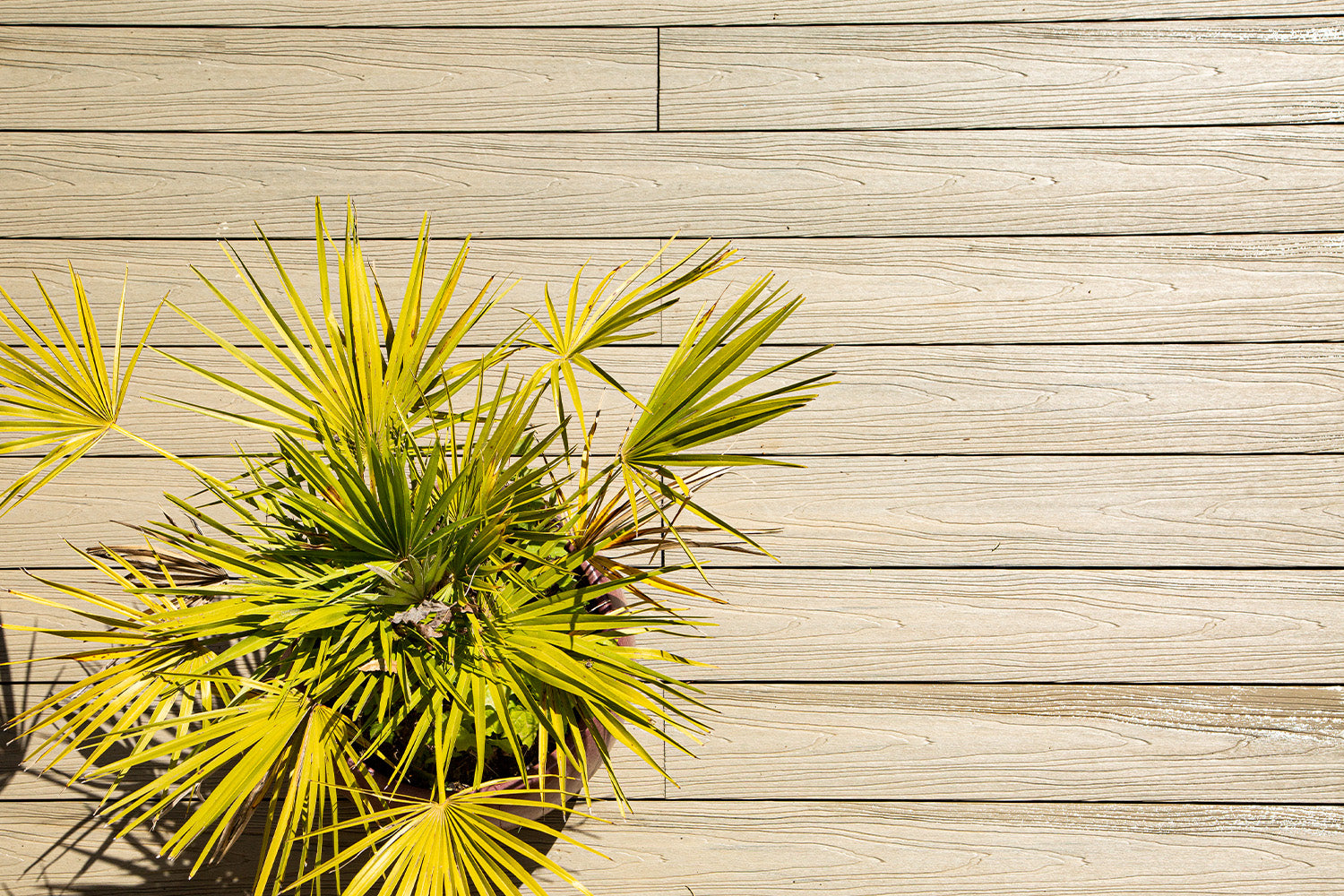
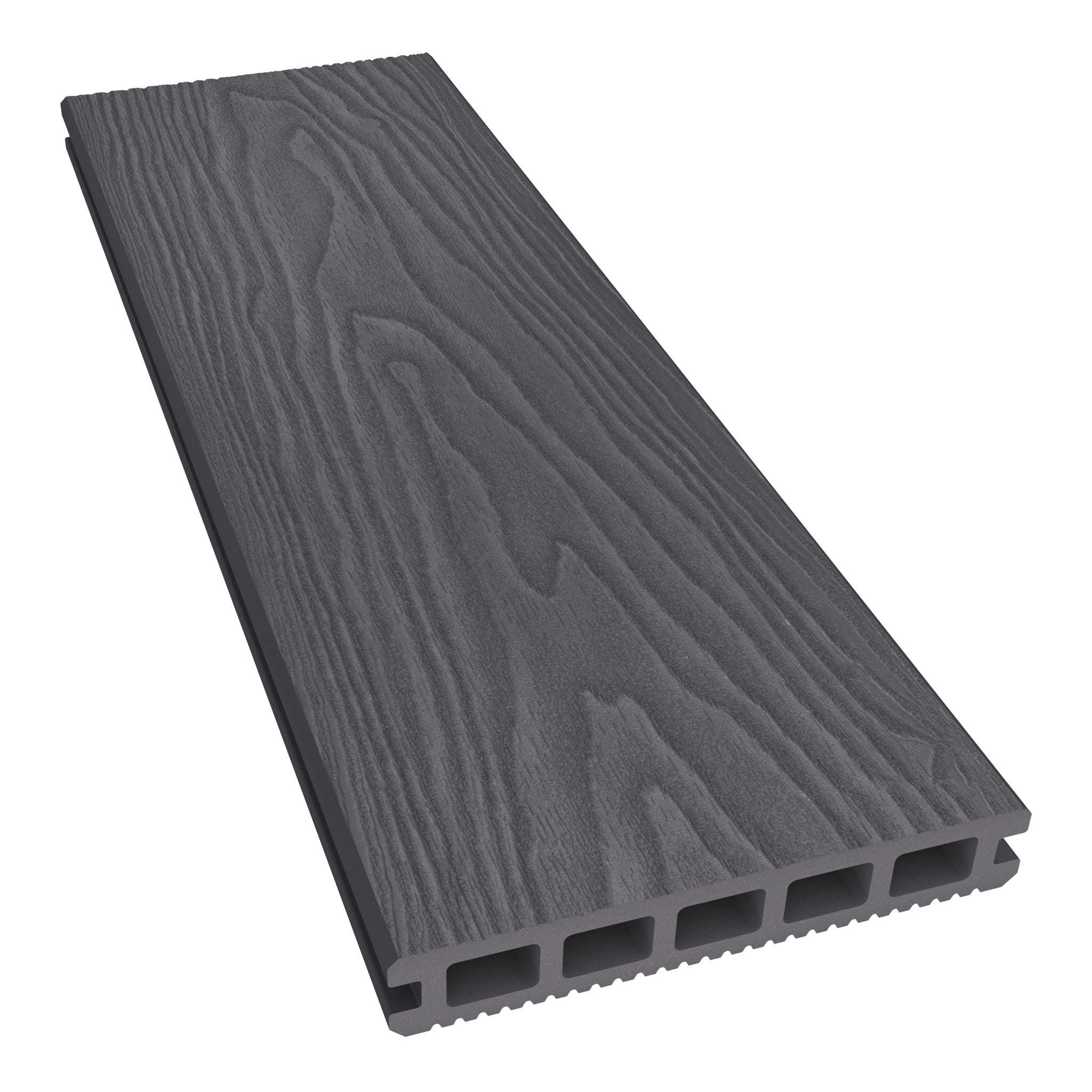
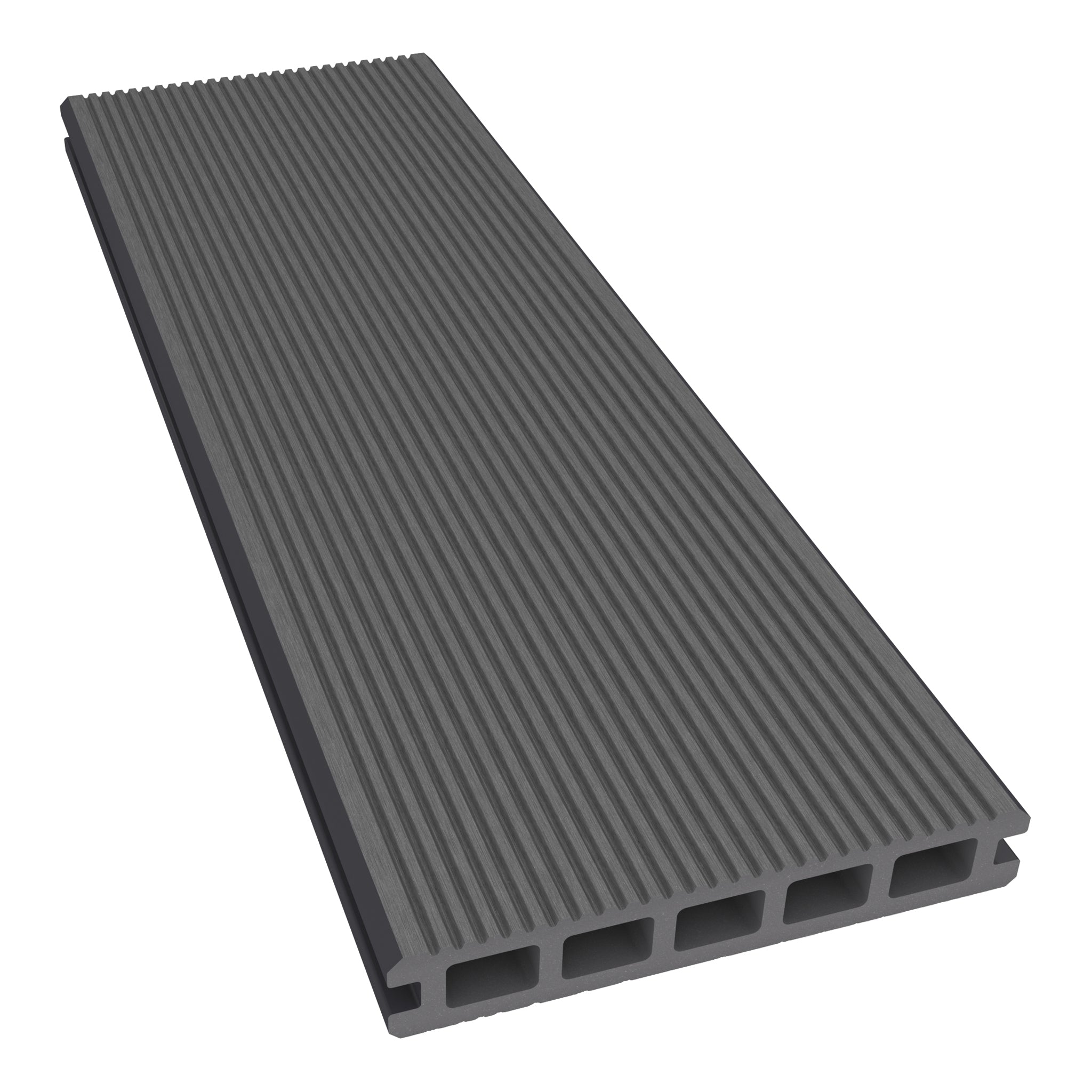
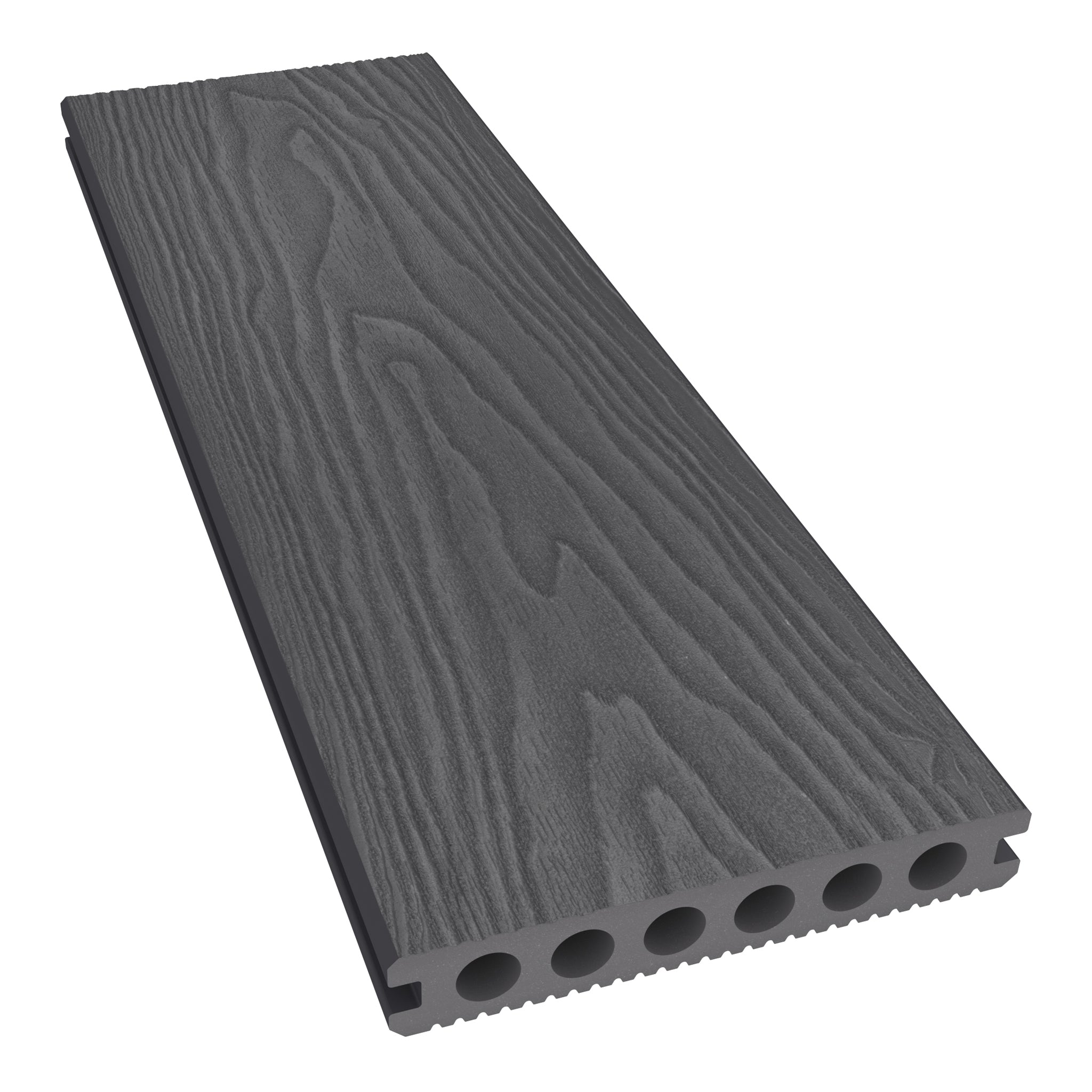
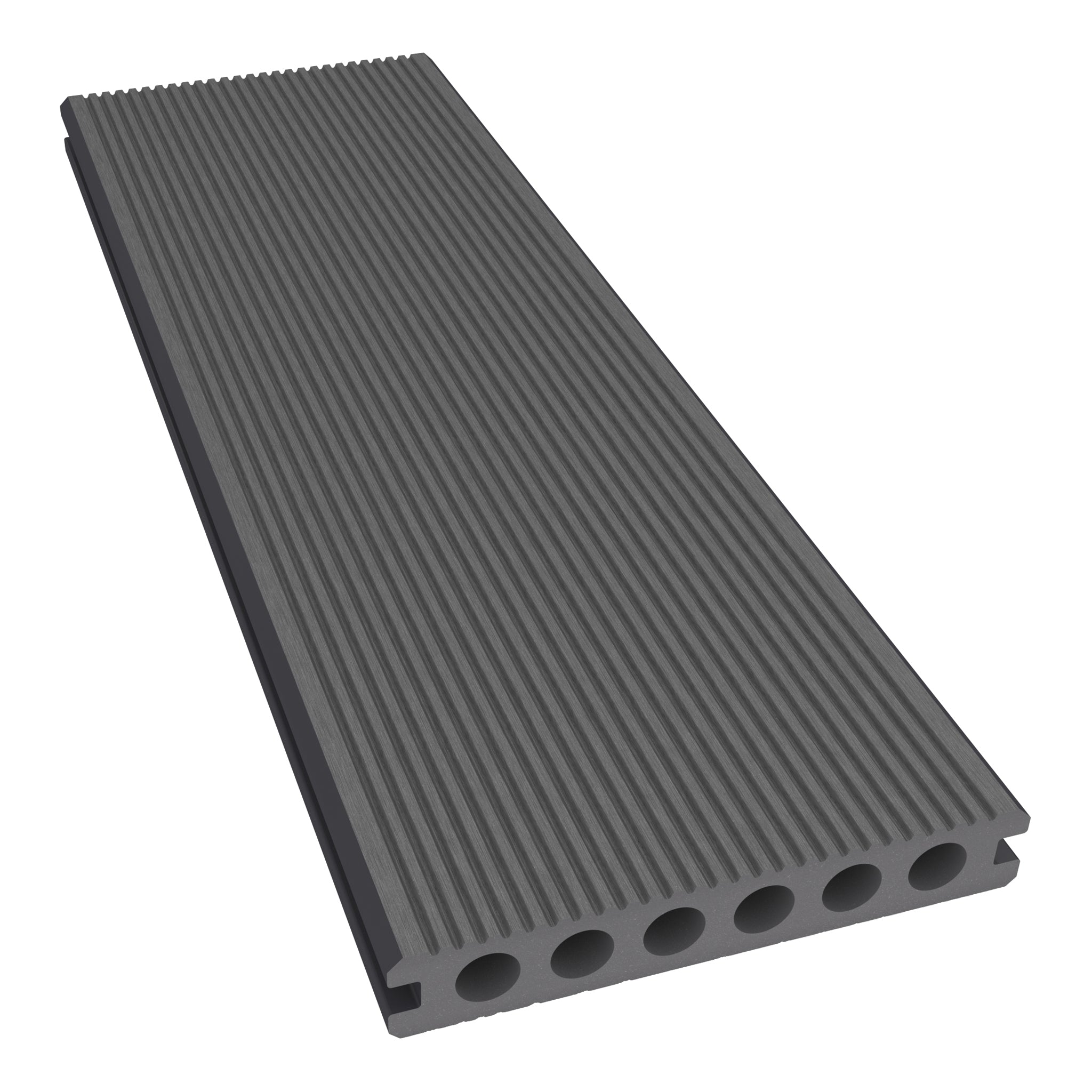
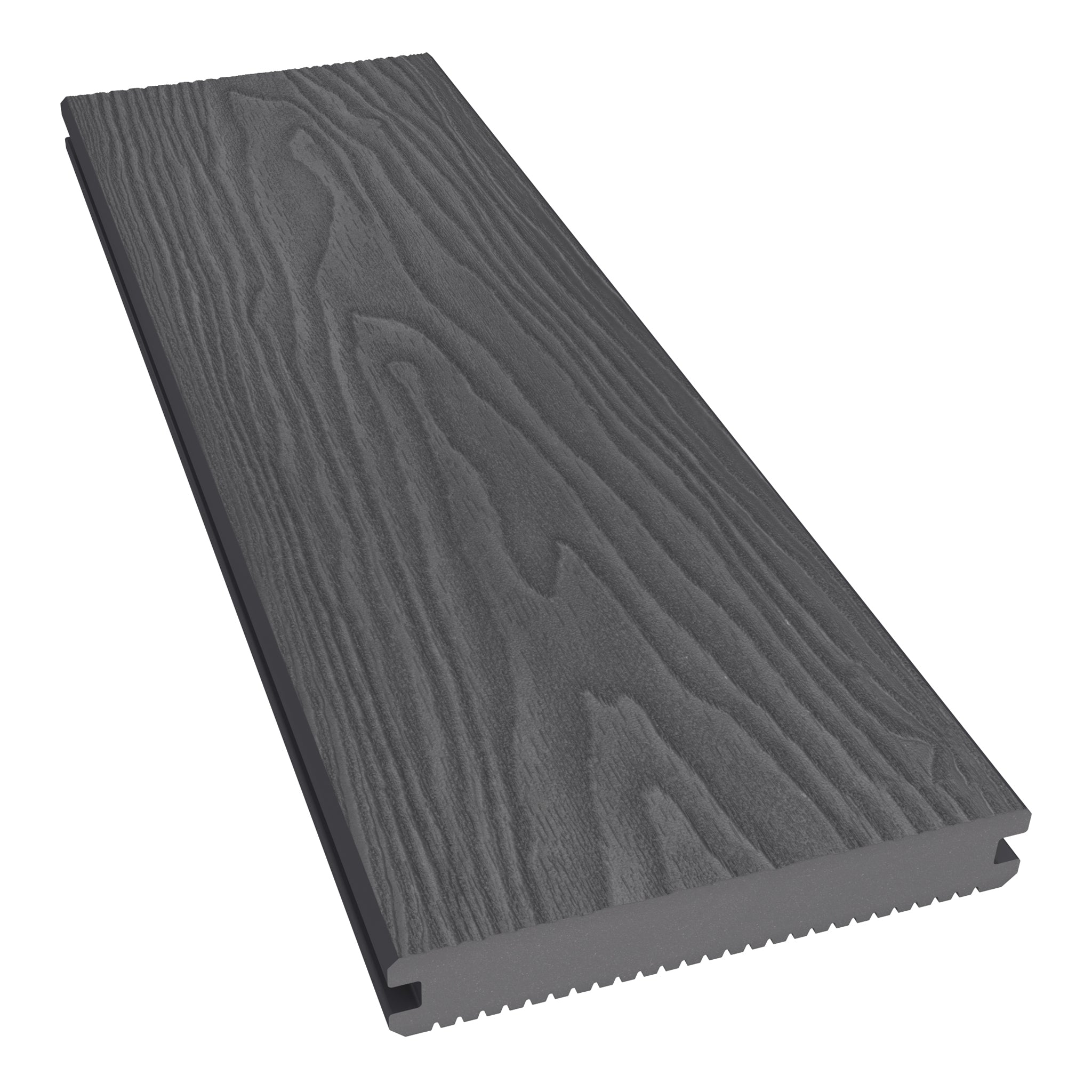
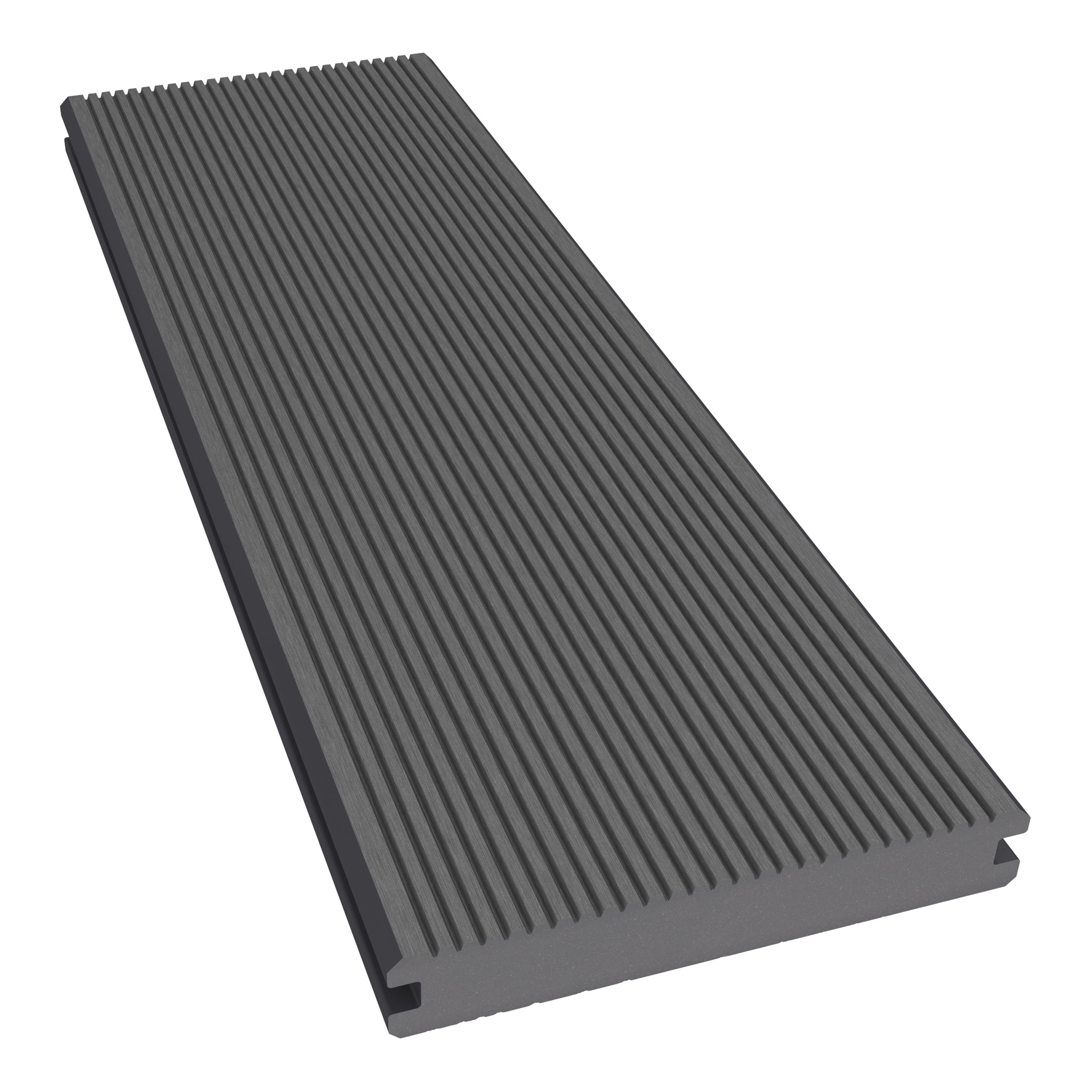
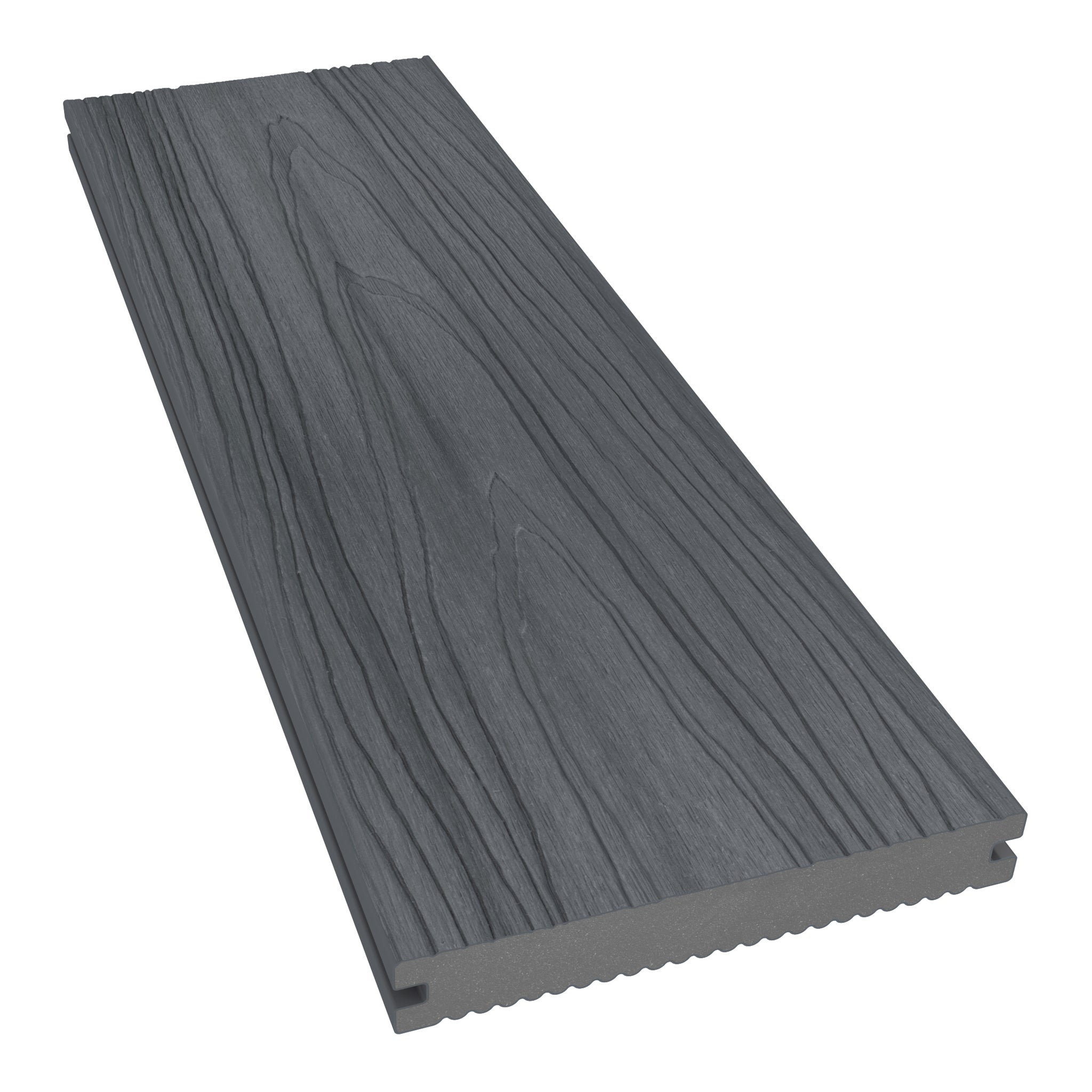
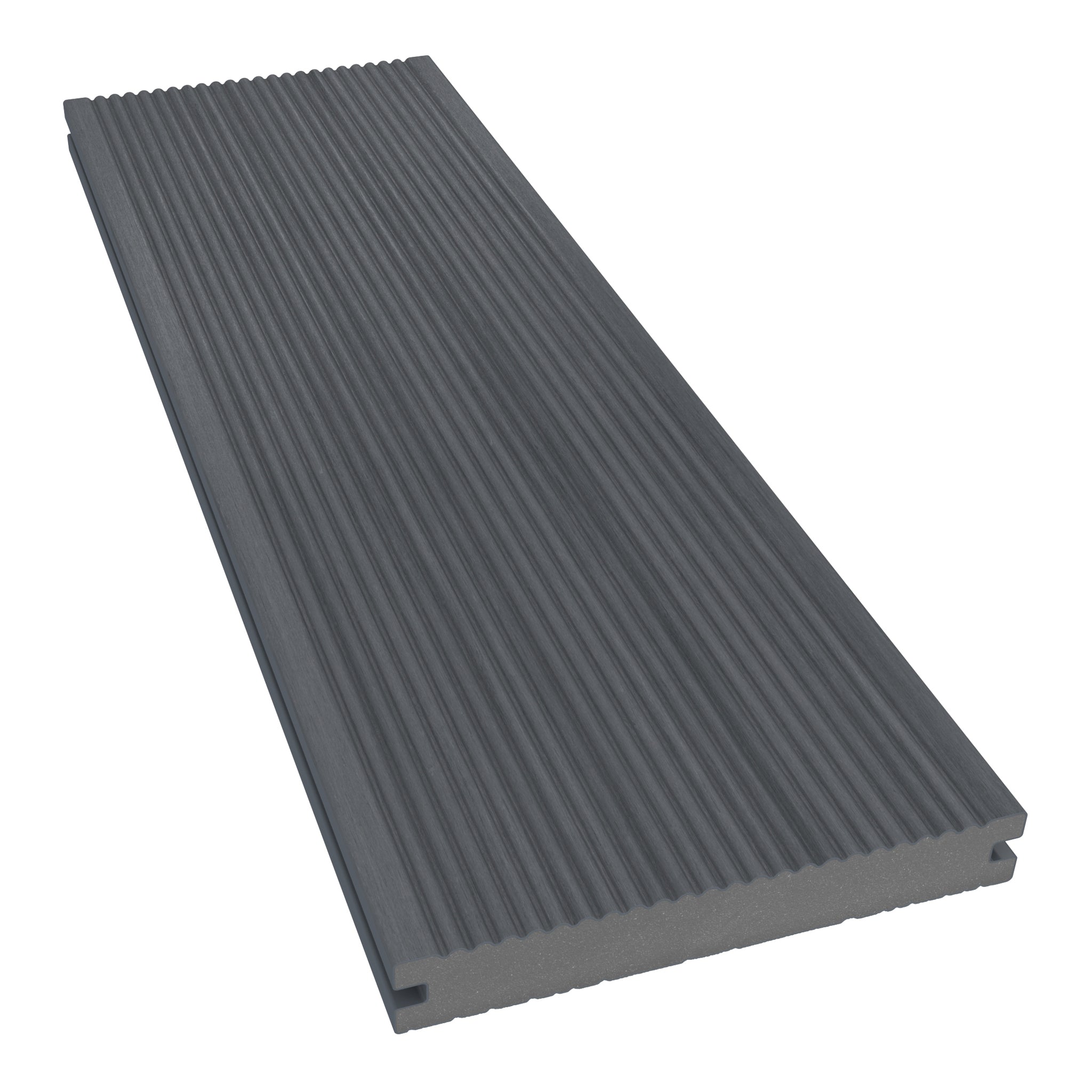
Choosing artificial timber decking does not have to mean choosing a plain-looking surface. Woodgrain textures and carefully selected colours can bring warmth and detail to a garden, while grooved finishes offer a different visual rhythm.
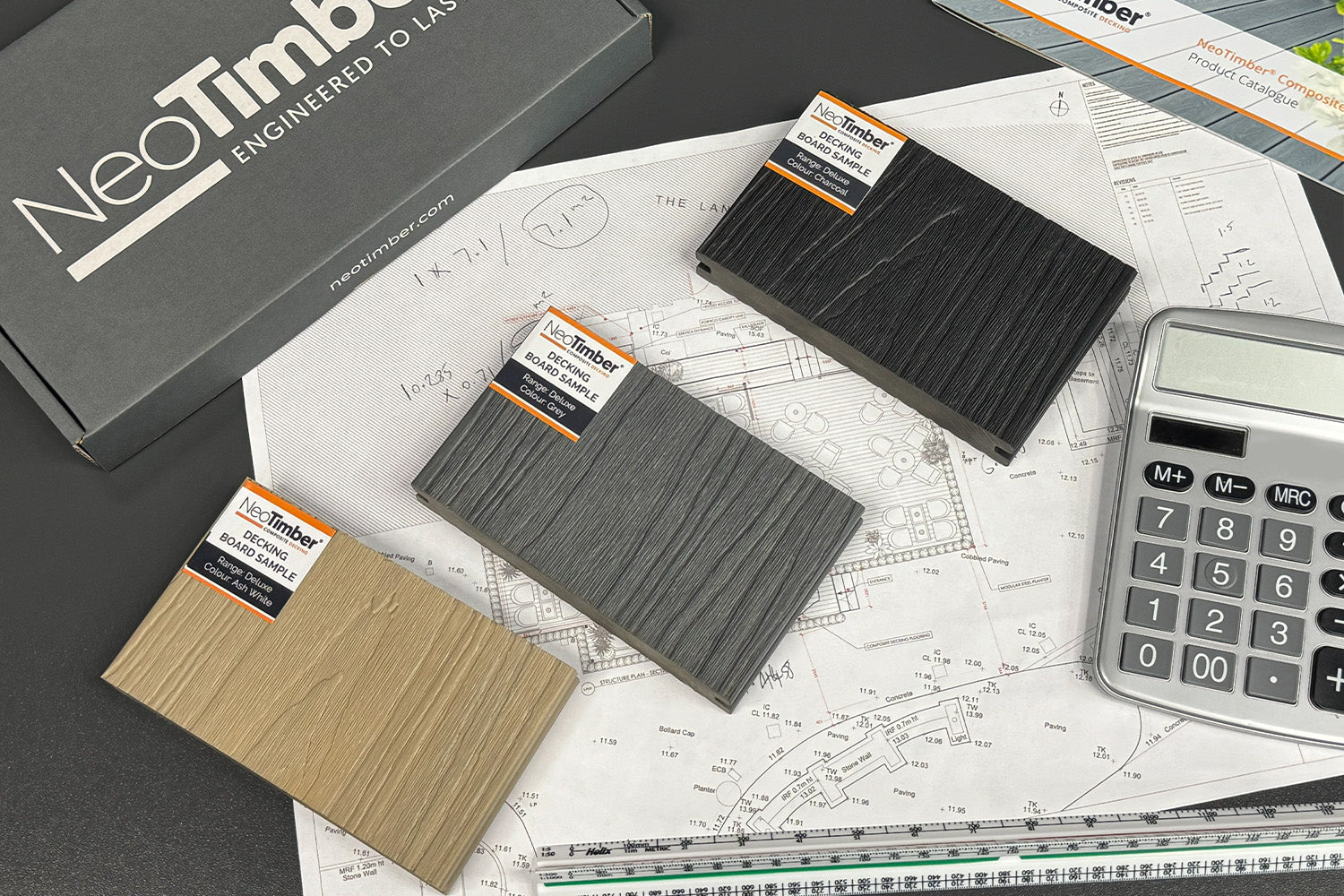
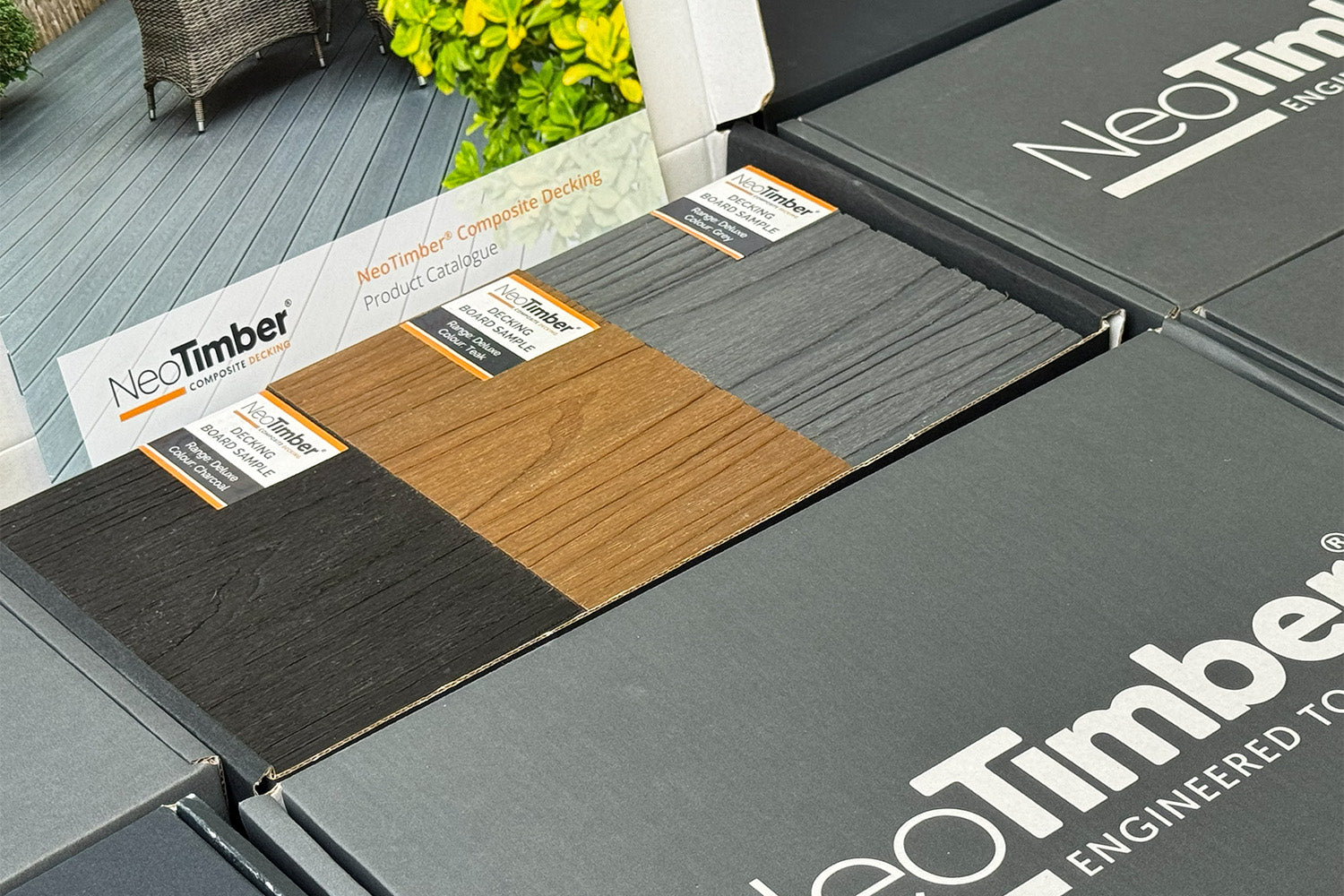
NeoTimber's wood-effect composite decking provides an alternative to maintaining a natural timber finish. Compare physical samples to judge the texture, colour and overall character. The aim is to find a board that works with your home, rather than expecting manufactured grain to reproduce every variation in natural wood.
Look at the samples alongside your paving, brickwork and furniture. A warm shade can soften a contemporary garden, while grey or charcoal can connect with stone and dark window frames. View the same board in sun and shade before deciding.

Choosing Artificial Wood Decking: Core and Surface Matter
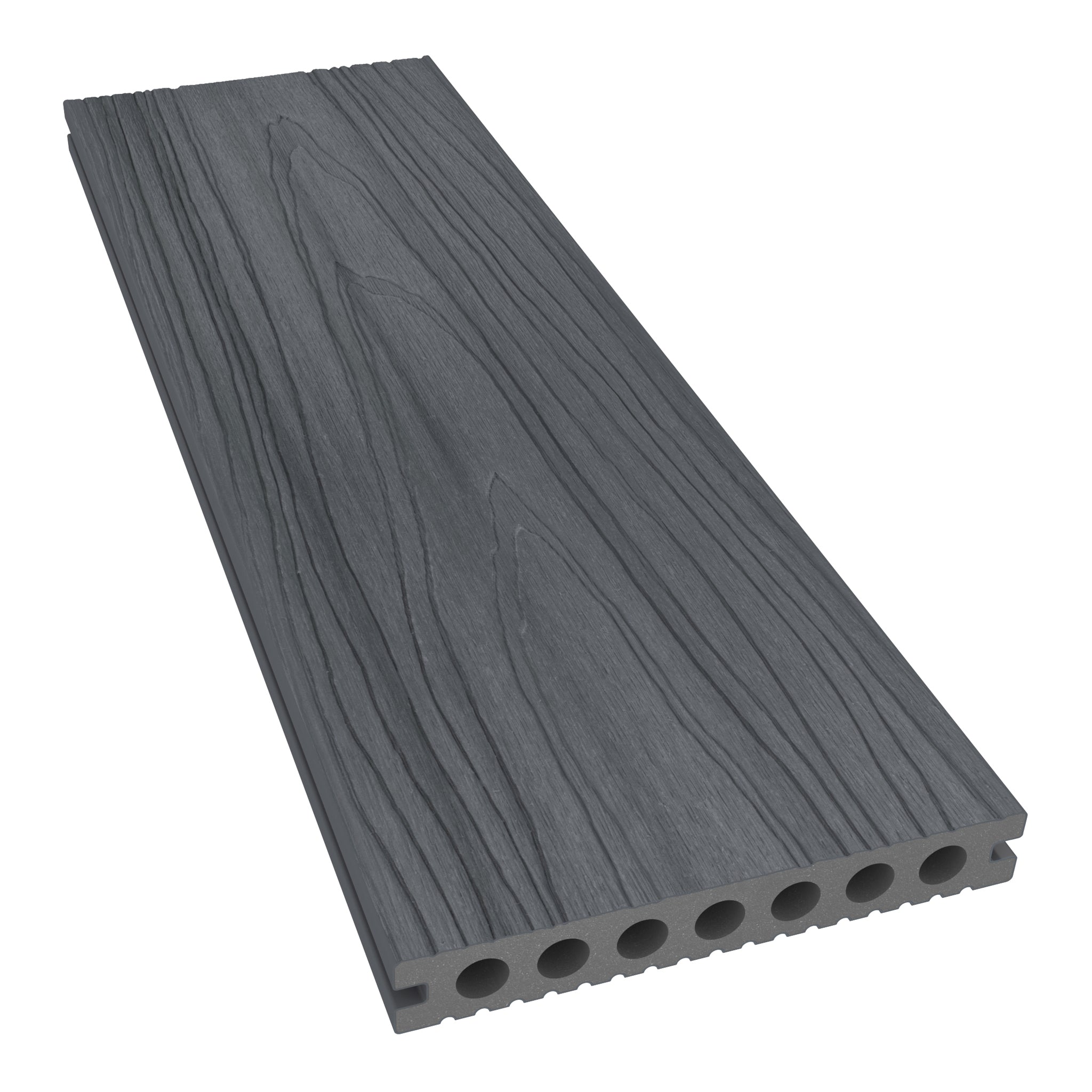
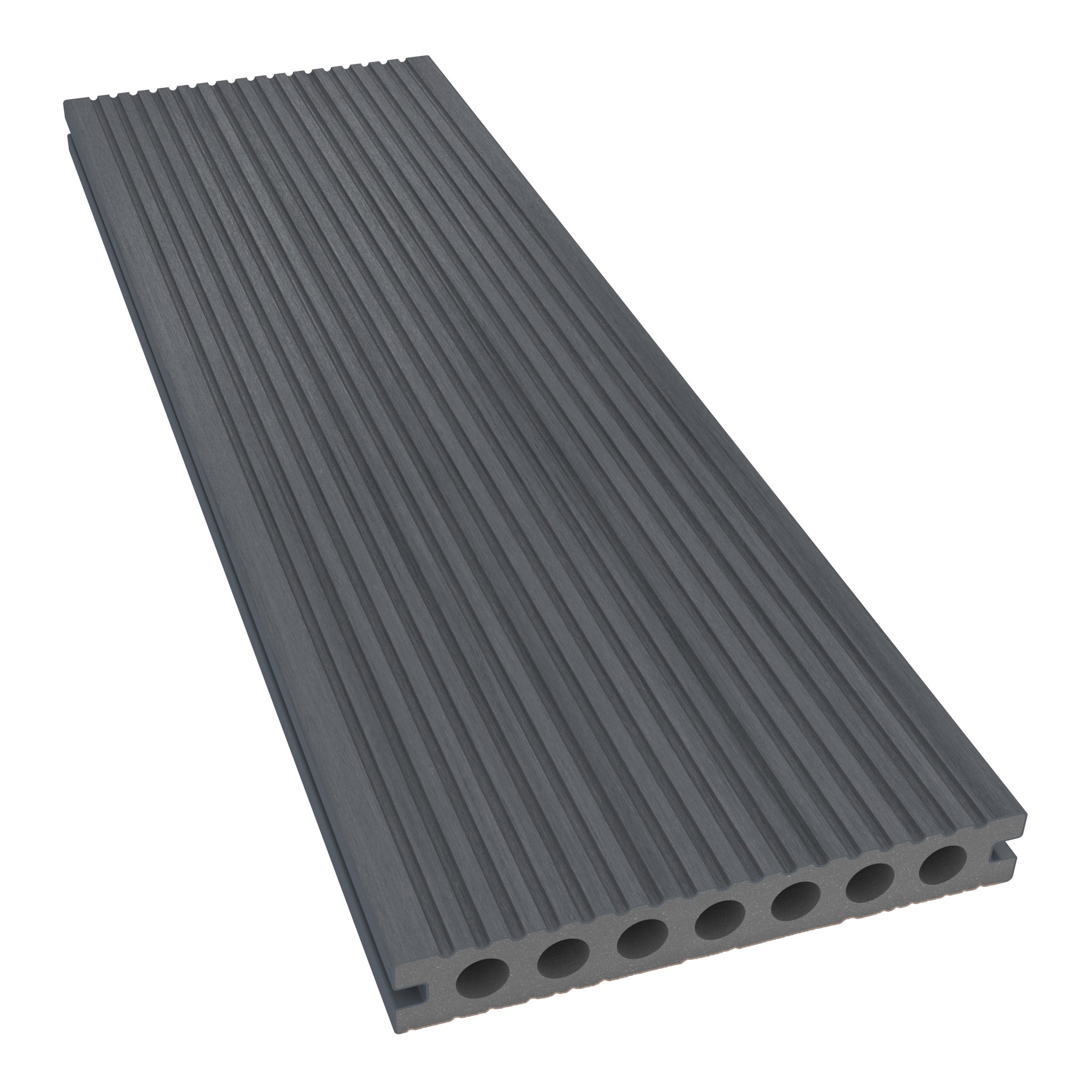
Two boards with similar colours can have different constructions. Compare hollow and solid profiles separately from capped and uncapped finishes. A hollow core can have a protective cap, so these features should not be treated as interchangeable descriptions.
Uncapped Composite Boards
NeoTimber's Classic collection includes uncapped options. For example, Classic Hollow boards have a hollow profile and reversible woodgrain and grooved surfaces. Check the product specification against your intended use and budget.
Capped Composite Boards
The Deluxe collection incorporates protective capping. Deluxe Hollow boards, for example, combine a hollow core with a capped finish designed for enhanced stain and fade resistance.
Capping does not make artificial wood decking immune to scratches, spills or colour change. It is a feature to weigh alongside appearance, care requirements and the installation specification.
What Are the Practical Benefits of Synthetic Decking?
For many homeowners, the appeal of a composite synthetic deck is a simpler maintenance routine. It generally avoids the regular sanding, staining and sealing involved in preserving a particular timber finish. That can leave more time for using the garden.
Other useful features include a choice of manufactured colours, compatible finishing components and a range of board profiles. Together, these can help you plan a coordinated deck surface, steps and perimeter.
Compare the full picture using our composite versus wood guide. Timber remains a valid option, with natural variation and different refinishing possibilities. The best material depends on your priorities, rather than a claim that one category wins in every setting.
A Synthetic Deck Still Needs Cleaning and Correct Installation
No outdoor deck is maintenance-free. Leaves, dirt and organic growth can collect on manufactured boards, particularly in shaded or damp areas. Sweep regularly, keep gaps clear and follow the care guidance for the selected product. Check before using specialist cleaners or a pressure washer.
No decking is slip-proof either. Wet debris and algae can affect footing, regardless of the texture. Consider cleaning access, drainage and lighting as part of your design. Boards can also become warm in direct sunlight, so shade may be useful in an exposed seating area.
A synthetic deck needs a suitable supporting structure. Follow the installation instructions for joist spacing, fixings, ventilation and movement gaps. Do not assume a board can be fitted using the same details as timber or another manufacturer's product.
Compare Complete Project Costs and Warranty Terms
When comparing man made decking, calculate the whole installation rather than the board price alone. Include the frame, supports, clips, screws, trims, delivery and labour. A clear cutting plan also helps you estimate waste and order appropriate quantities.
Review the warranty for the chosen range. Cover varies by product and application, so avoid applying one headline warranty to every board. Keep purchase records and follow installation and care requirements.
For environmental comparisons, ask what materials are used and what claims apply to the exact product. Recycled content, responsible wood sourcing and end-of-life options are separate considerations; a manufactured board is not automatically the greener choice in every project.
Artificial Decking FAQs
Are artificial decking and synthetic decking the same?
They are overlapping terms for manufactured alternatives to timber. Neither identifies an exact formulation, so check whether the board is all-plastic, wood-plastic composite or another material.
Does artificial wood decking contain real wood?
It can. Wood-plastic composite contains wood fibres as part of its formulation. Other wood-effect products may use different materials, so the appearance alone does not tell you the composition.
Can synthetic decking look like timber?
Manufactured woodgrain textures and timber-inspired shades can create a wood-effect appearance. Request samples to compare the finish with your preferred natural timber look.
Which artificial decking should I choose?
Start with the intended use, then compare construction, finish, support requirements, care and complete project cost. Confirm product suitability for any commercial or specialist application.
Explore NeoTimber® Man Made Decking
The right artificial decking combines the appearance you enjoy with a specification that suits your project. Compare actual products, plan the supporting structure and choose a care routine you can maintain.
Browse NeoTimber® decking, explore our composite board collection and request free samples to compare at home. For help choosing boards and compatible accessories, contact our team.