Build Your Decking Shortlist Around the Way You Use Your Garden
The best composite decking is the product that suits your project, budget and expectations. A board chosen for a private seating area may not be the right specification for a busy commercial terrace. Equally, an attractive colour should be considered alongside the frame, fixings and care needed to support it.
If you are searching for the best composite deck, start by comparing complete solutions rather than individual claims. This guide explains the main board types, the features worth checking and how to assess descriptions such as top rated composite decking before buying.
Explore the NeoTimber® decking guide for an introduction, then compare the current composite decking collection against your own requirements.
What Does “Best Composite Decking” Mean for Your Project?
Begin with a short brief. Identify the planned use, size, exposure and preferred appearance of the deck. Decide which features matter most: reducing routine refinishing, enhancing stain resistance, achieving a particular colour or keeping the complete installation within budget.
- Application: private garden, commercial space or a specialist setting.
- Site: ground conditions, drainage, shade, sunlight and access.
- Appearance: colour, texture, board proportions and edge details.
- Performance: product-specific evidence relevant to the intended use.
- Value: the complete installation cost and expected care routine.
These priorities give you a useful basis for comparing boards. They also help a supplier or installer explain why a particular specification may suit the project.
Compare Hollow and Solid Composite Deck Boards
Hollow Composite Decking
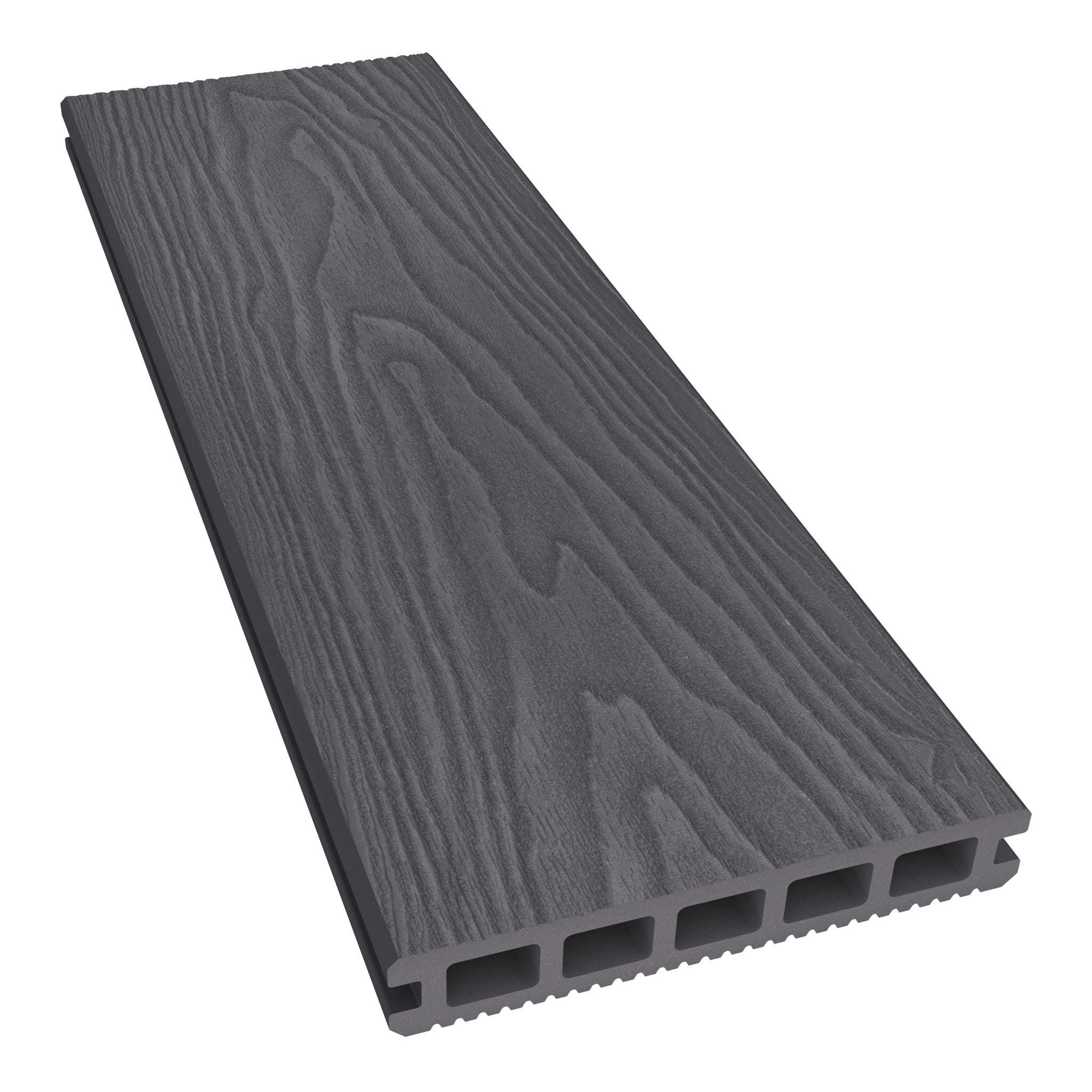
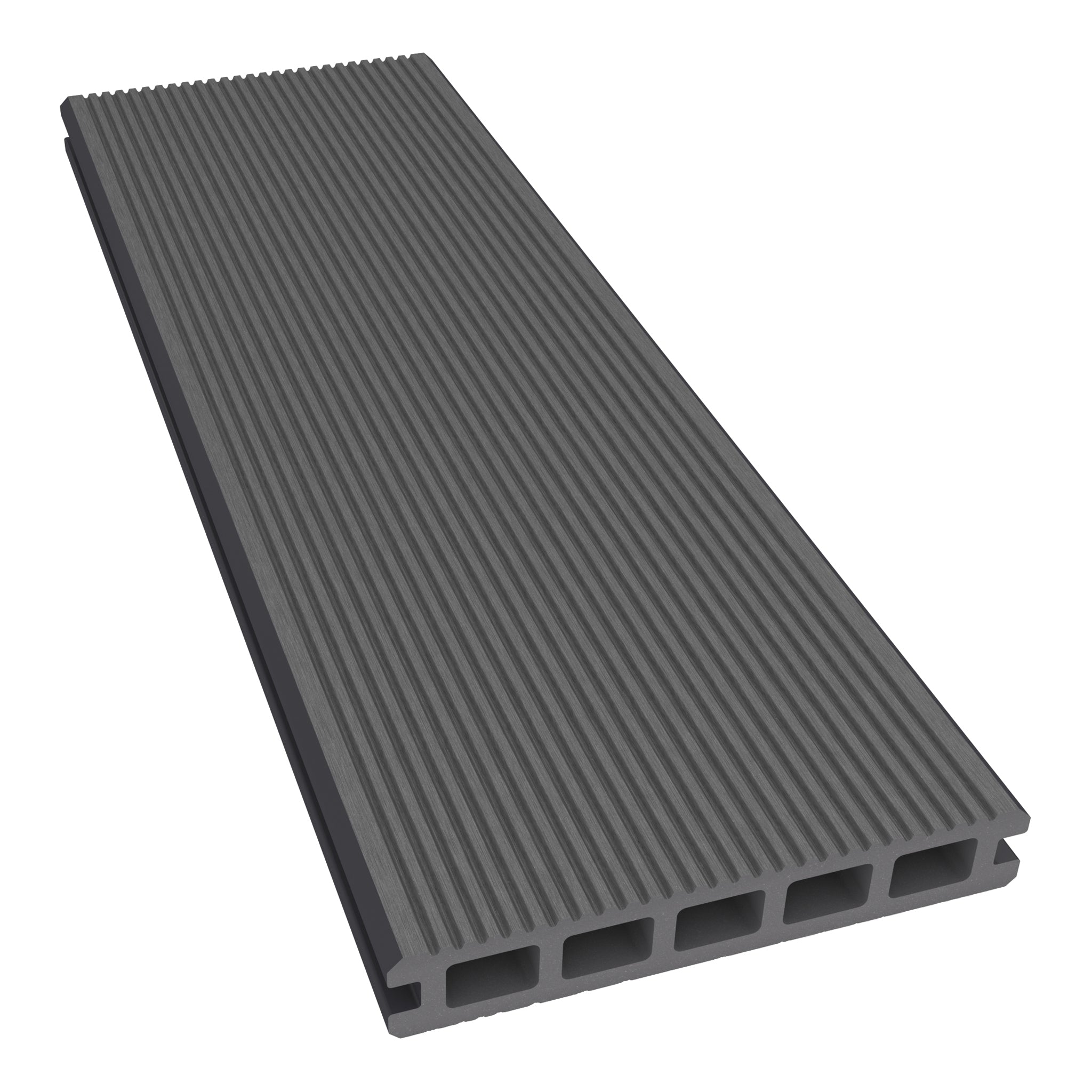
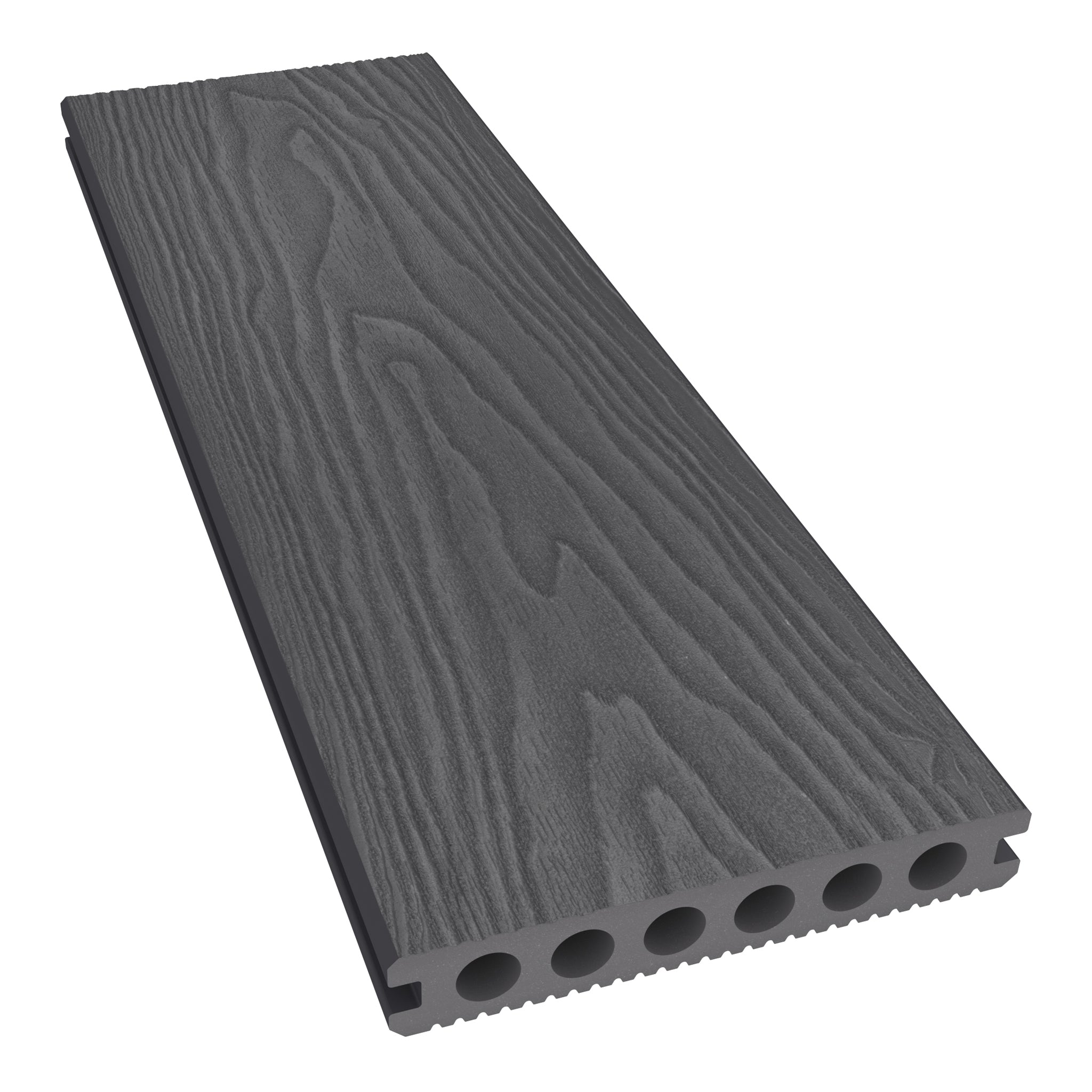
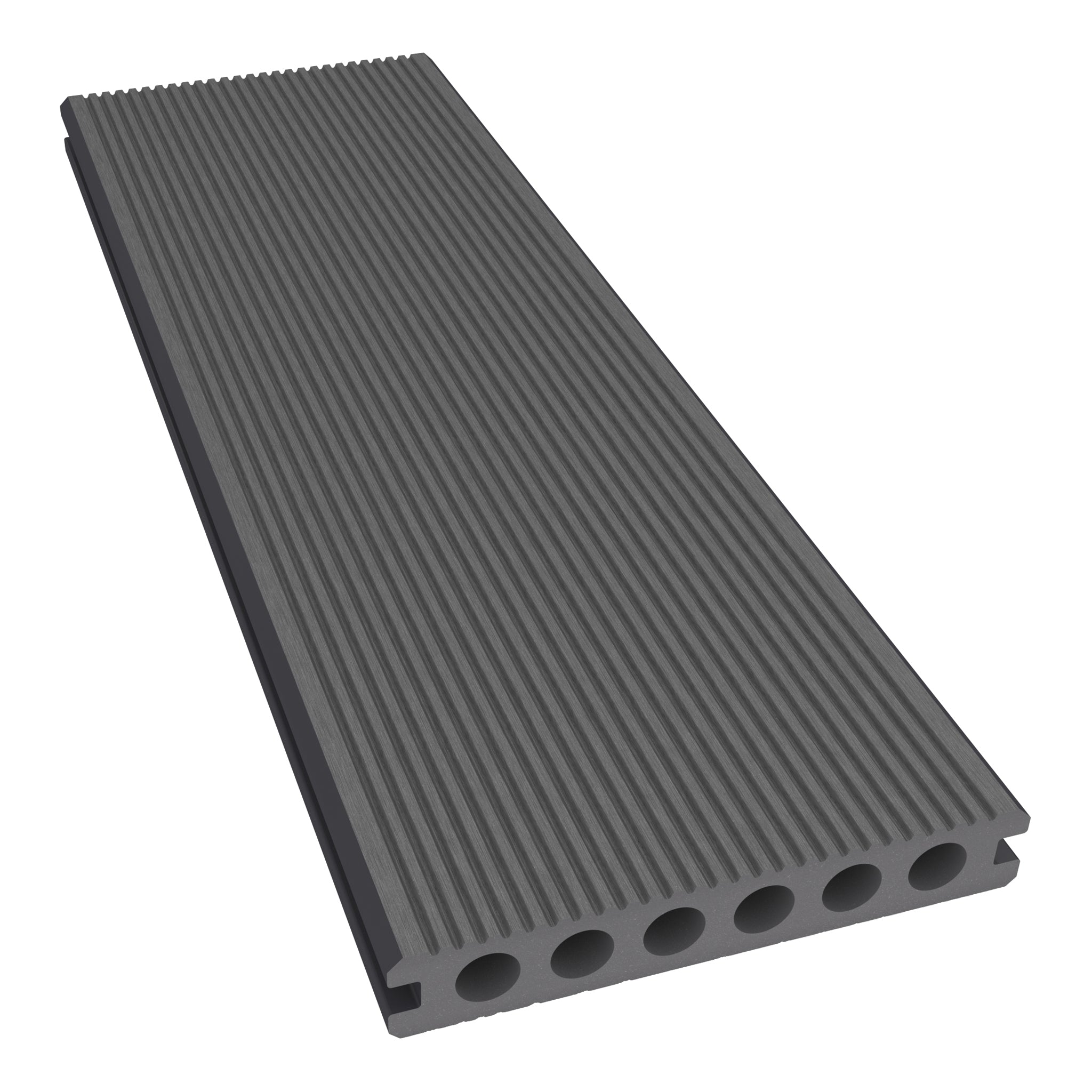
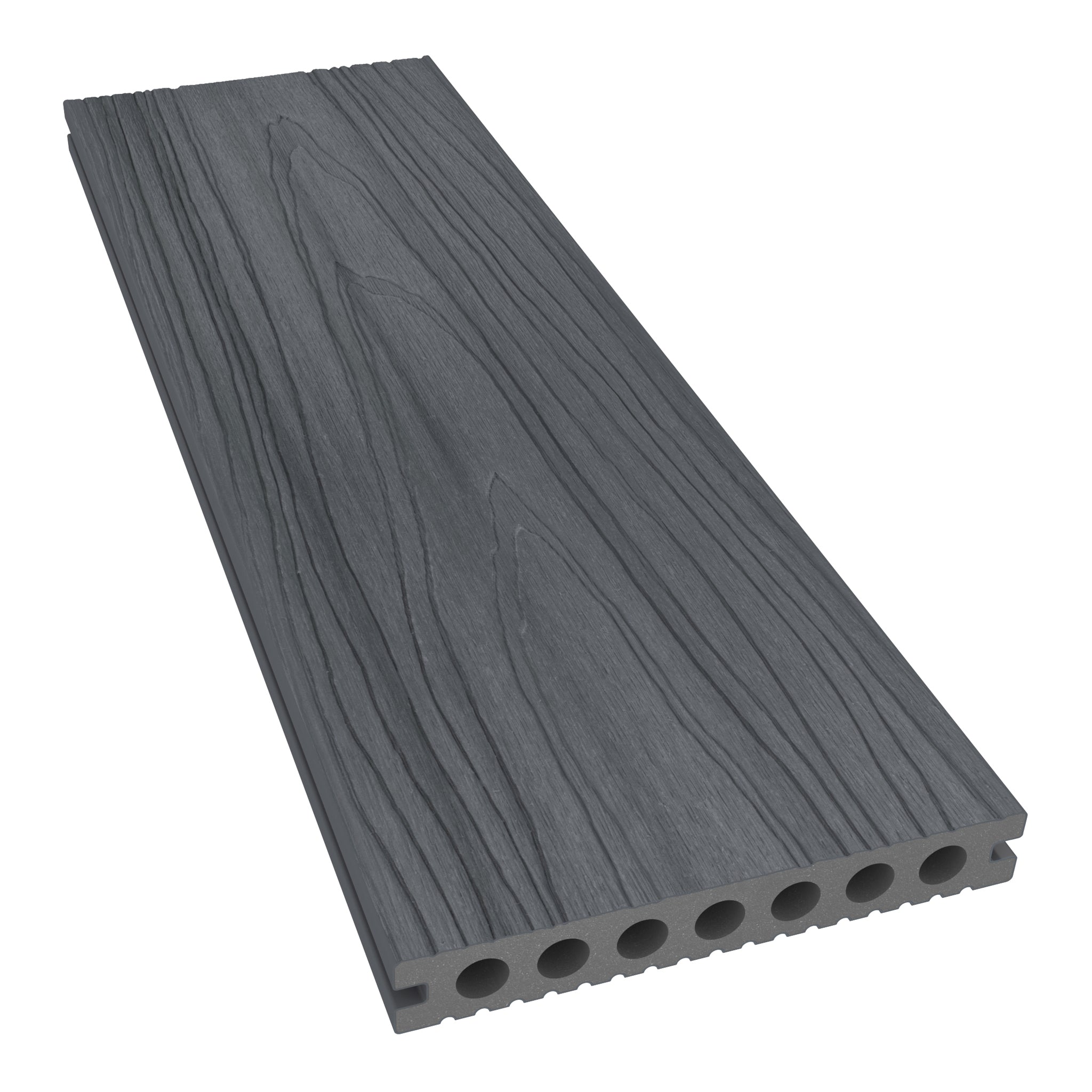
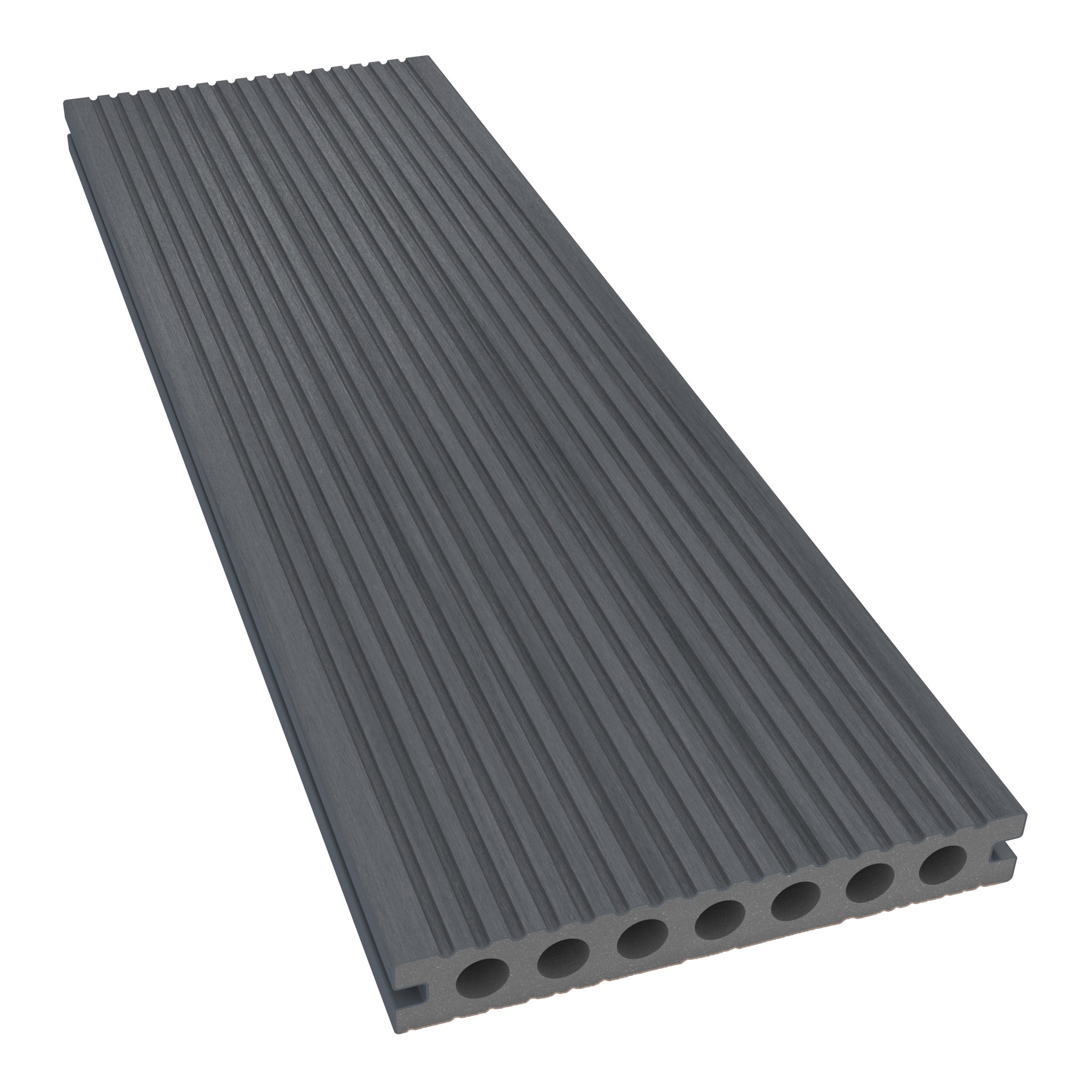
Hollow boards have internal voids within their profile. They can offer a lighter-weight option, but performance depends on the exact construction and installation requirements. Do not judge strength or suitability from weight alone.
Compare hollow products for permitted applications, support spacing and end details. Within the NeoTimber® collection, Classic Lite is a distinct entry-level residential option, while other hollow boards have their own specifications. Check the selected product rather than applying one claim to every hollow board.

Solid Composite Decking
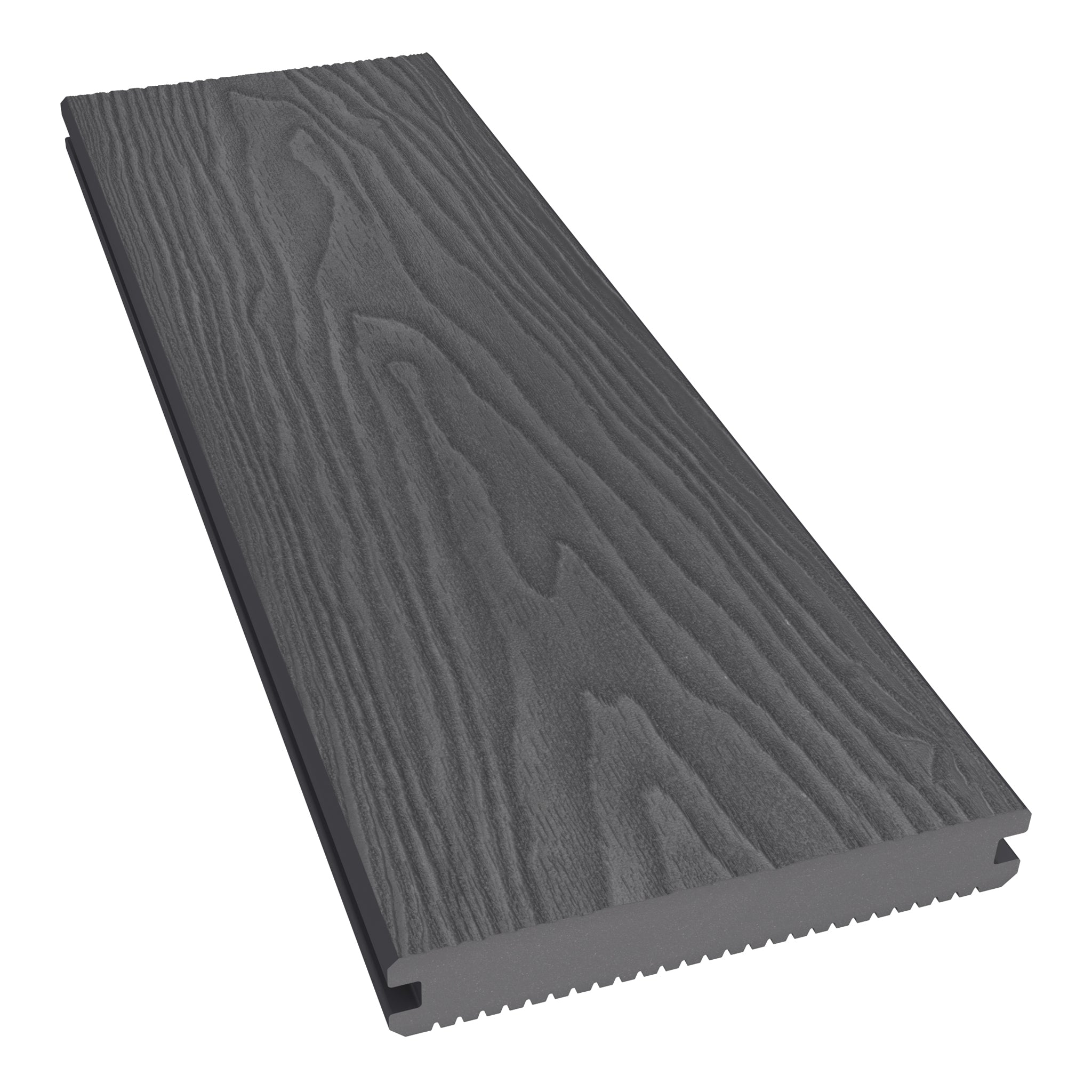
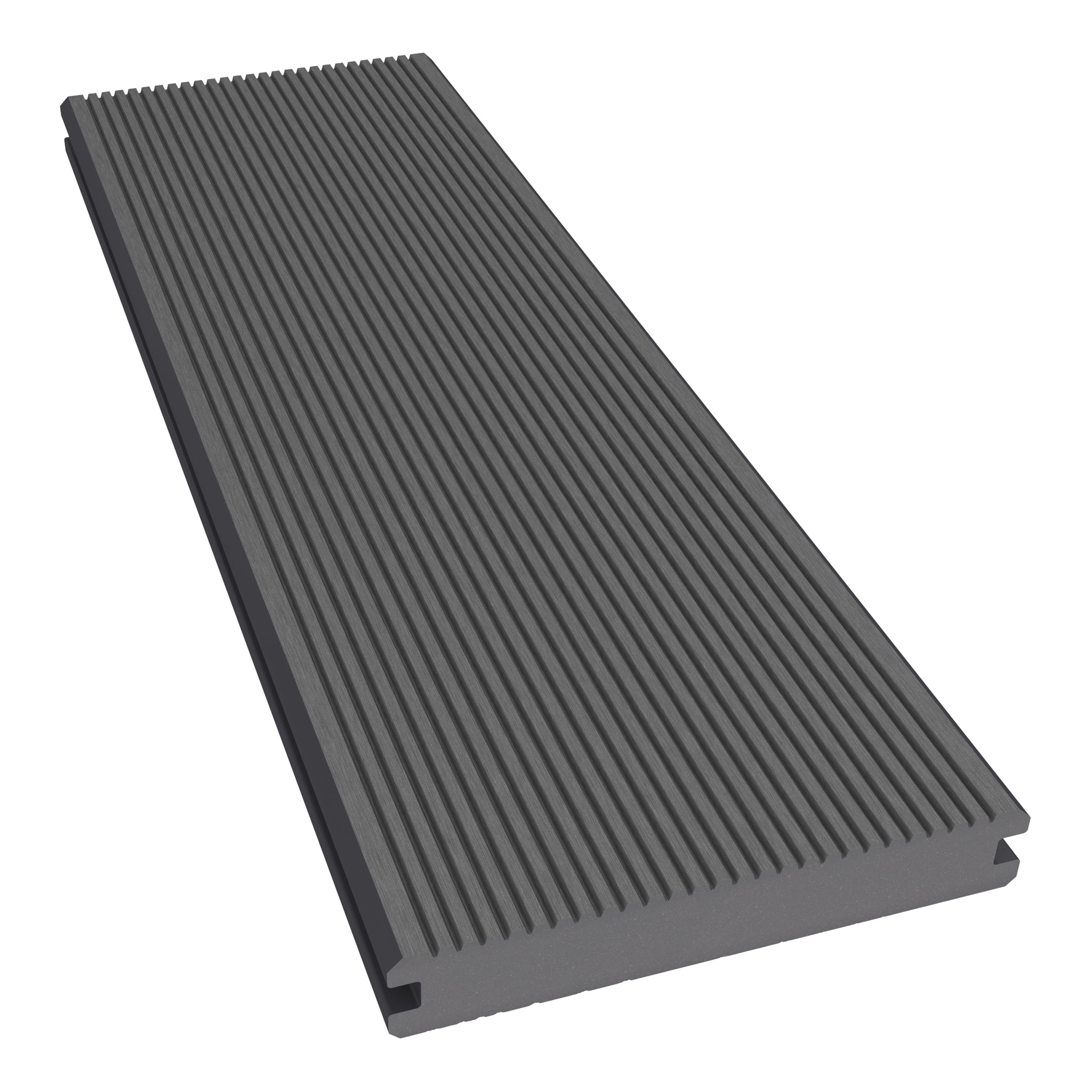
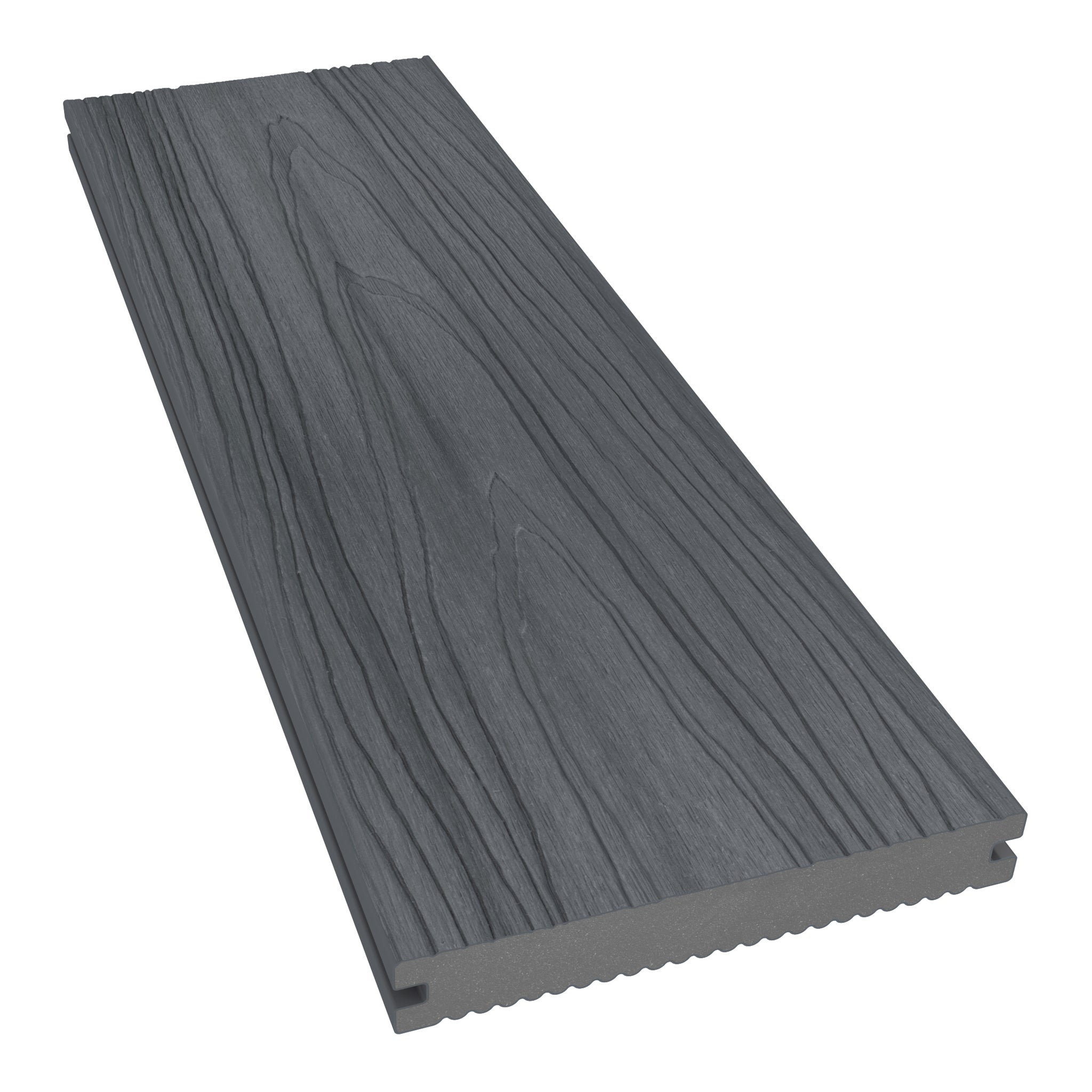
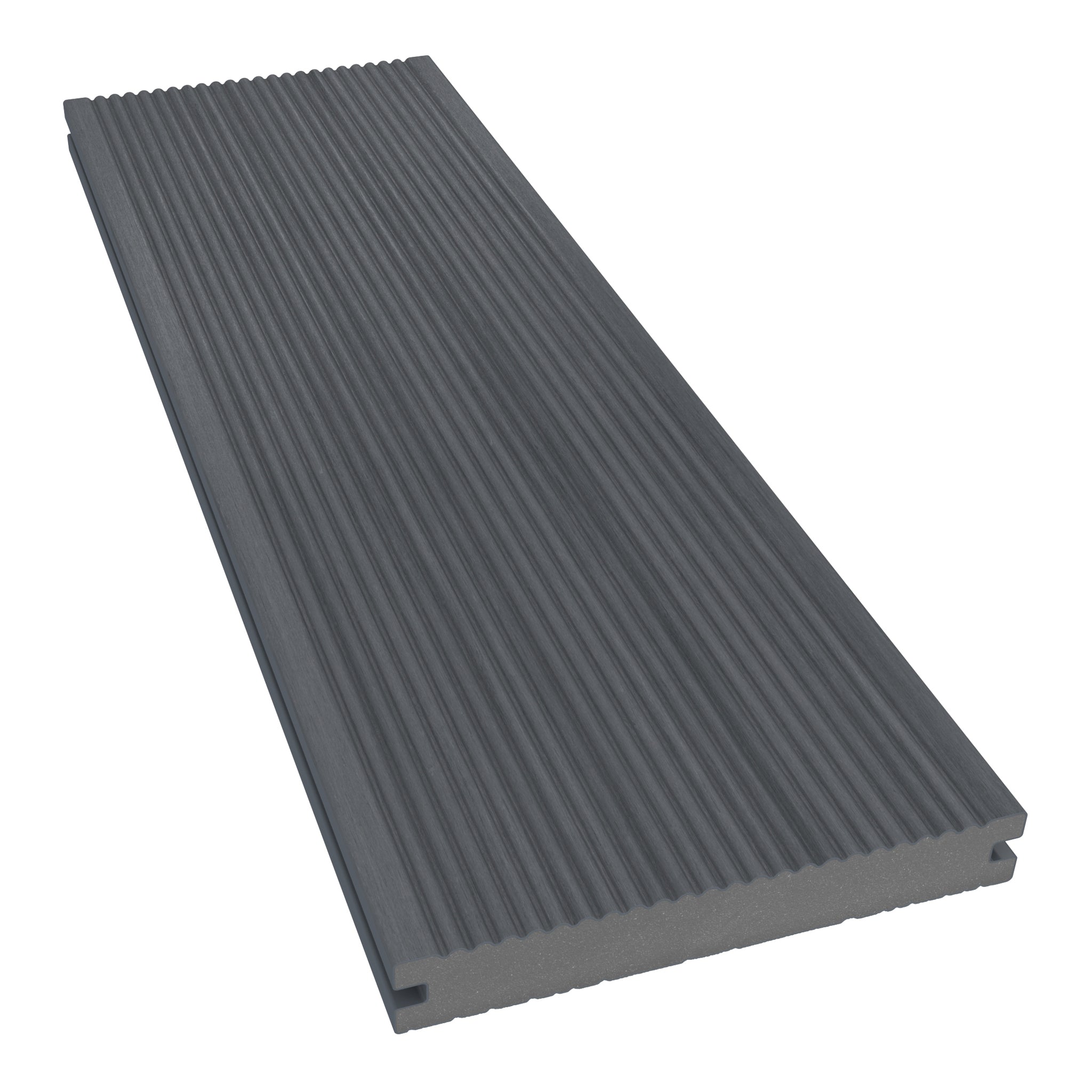
Solid boards have a continuous composite core. They may suit projects where that profile or particular accessory compatibility is important. Their suitability still depends on the board specification, loading and supporting structure.
Commercial use needs confirmation for the actual product. A solid board does not automatically make any frame suitable for heavy loads, nor does a hollow profile automatically rule out every commercial application.

Compare Uncapped and Capped Surfaces Separately
Core type and surface construction are different choices. A hollow board can be capped, and a solid board can be uncapped. Comparing them separately makes it easier to understand what you are paying for.
Traditional Uncapped Composite
Uncapped composite decking exposes the composite material at its surface. It can provide a timber-inspired finish without the protective shell used on capped products. Consider its care information, colour behaviour and price against your priorities.

Capped Composite
Capped boards incorporate an outer protective layer designed to improve resistance to staining and fading. This can be worth prioritising where preserving appearance is particularly important, such as a frequently used outdoor dining area.
Capping does not make decking scratch-proof, stain-proof or immune to colour change. Prompt cleaning and suitable handling still matter. Compare range-specific information rather than treating a protective cap as a guarantee of maintenance-free ownership.

How to Assess Top Rated Composite Decking
When researching top rated composite decking, check what the rating actually measures. A customer service review, a product review and a laboratory test answer different questions. A high overall score does not establish that every board suits your site.
Read reviews for the exact product where possible. Look for useful detail about installation, cleaning and longer-term use, and distinguish comments about delivery from comments about the boards themselves. Check the date and number of reviews behind any headline score.
Technical evidence should identify the product and test conditions. Slip-resistance results, for example, can vary by surface, direction and wet or dry conditions. Ask for relevant documentation rather than relying solely on a “best” label or an unexplained comparison.
Keep a shortlist that balances evidence, physical samples and support. That is a stronger buying method than assuming the most expensive or most frequently recommended product will be right for every deck.
Which Features Should You Prioritise?
A practical way to compare your decking shortlist:
| Priority | What to compare |
|---|---|
| Reduced routine upkeep | Cleaning instructions and refinishing requirements |
| Colour retention | Surface construction, fade information and warranty scope |
| Outdoor dining | Stain resistance, spill care and furniture layout |
| Footing | Relevant slip-test information, drainage and maintenance |
| Value | Total material, preparation and installation costs |
| Project suitability | Permitted applications, structural design and required performance |

Maintenance and Surface Care
Composite generally avoids routine sanding, staining and sealing, but it still needs cleaning. Follow the low-maintenance guidance for your board. Leaves, spills and organic growth can affect both appearance and use.
Texture and Slip Resistance
Compare slip-resistance information for the exact finish. Grooves do not automatically perform best in every direction or condition. No deck is slip-proof, and keeping contamination under control remains important.
Reversible Finishes
Where a board is reversible, compare both permitted faces before fitting. A woodgrain side and a grooved side offer different looks; choose with the product guidance and intended use in mind.
Choose a Colour You Enjoy in Your Own Garden
The best composite decking colour depends on its surroundings. Compare the board against brickwork, paving, frames and planting. Warm tones can soften a scheme, while grey or charcoal can provide a different relationship with stone and darker details.
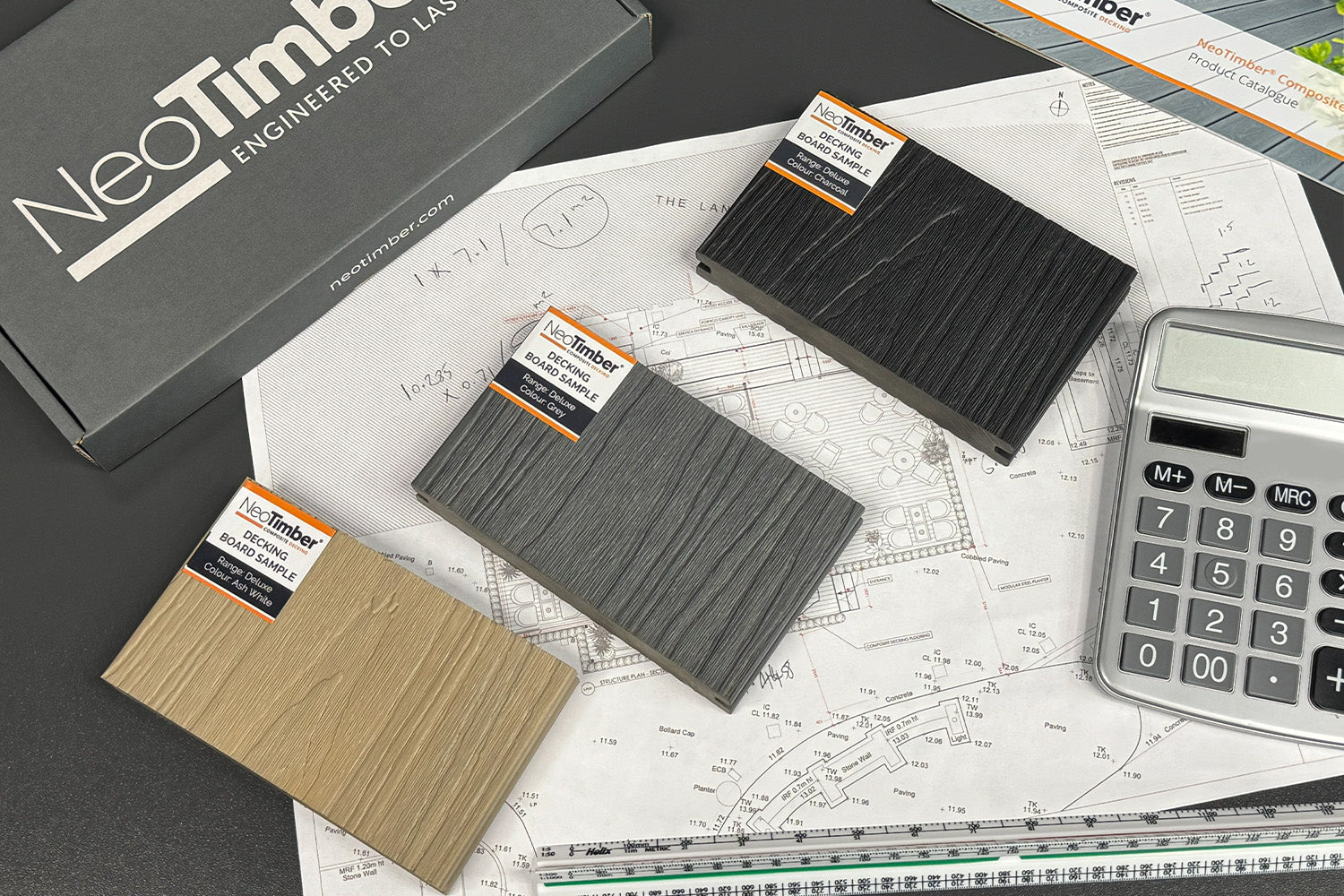
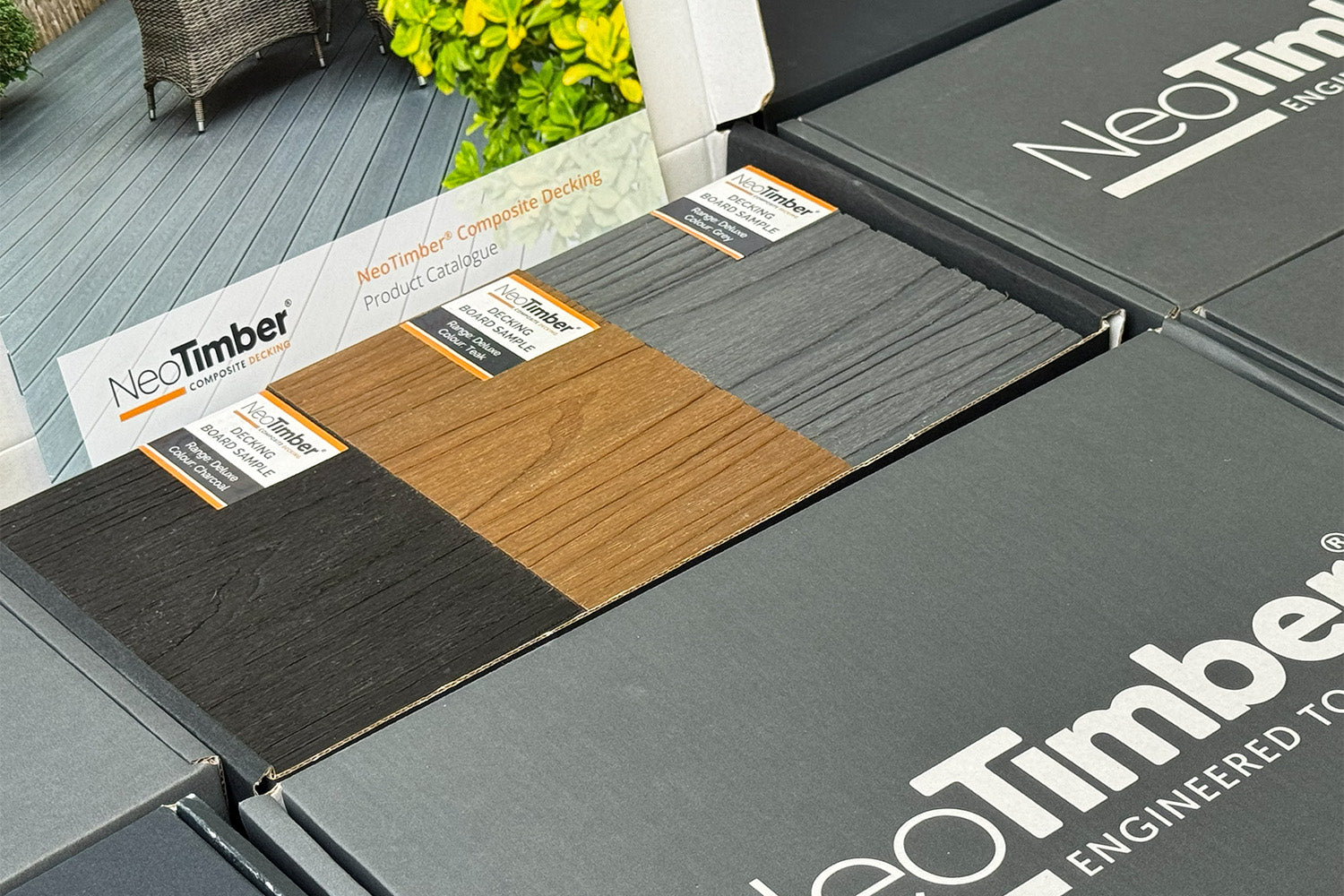
Explore the colour guide, then request physical samples. View them outside at different times of day. Screens and photographs cannot fully show the texture or how surrounding materials affect your impression of the shade.

Match the Specification to the Environment
For a family garden, consider furniture, cleaning access and the most-used routes. For commercial decking, establish the intended loading, foot traffic and maintenance responsibilities before specifying the board.
A hot tub needs a properly designed load-bearing arrangement that accounts for the filled tub and users. Simply changing from hollow to solid boards is not a structural solution. Around swimming pools, confirm suitability for wet use and relevant cleaning products.
For balconies and roof terraces, establish fire, structural, drainage and waterproofing requirements first. Composite is not automatically suitable for every elevated application. Exposed sites also need consideration of the complete system and accessories.
Shade can encourage persistent dampness, while direct sunlight can make boards warm. Site planning, drainage and care remain part of the decision whatever board you choose.
The Best Composite Deck Needs the Right Supporting Components
Edges and Finishing Details
Plan edging, steps and borders before ordering. Check compatible profiles and support requirements so the visible finish works with the underlying structure.

Compatible Fixings
Use the specified clips and screws for the chosen board and frame. Starter clips and intermediate clips serve different roles, while some edge details may require face fixing. Follow the installation instructions for gaps and fastening rather than assuming all clips are interchangeable.

A Suitable Subframe
The subframe supports the entire installation. Select joists, supports and fixings against the site and loading requirements. Assess any existing timber frame before reusing it; a new surface cannot remedy damaged or inadequate supports.
Where specified, joist tape can form part of the moisture-management detail for timber joists. It does not replace suitable timber, drainage or sound construction.

Compare Complete Costs and Warranty Terms
Calculate boards, subframe, fixings, trims, delivery, preparation and labour. A low board price may not produce the lowest complete cost, particularly where a layout creates substantial cutting waste or extra support requirements.
Read the warranty for the exact range and intended application. Classic Lite has its own residential terms; do not apply another product's headline warranty to it. Check coverage, exclusions and installation requirements, and keep purchase records.
Best Composite Decking FAQs
Is capped decking always the best choice?
It offers enhanced surface protection, but the best choice depends on your budget, preferred finish and application. Compare the exact products and their requirements.
Do top ratings prove a board is suitable for my project?
No. Reviews are useful context, but product specifications and project requirements determine suitability. Check what the rating measures and which product it concerns.
Is solid composite decking necessary for a hot tub?
A filled hot tub needs an appropriately designed supporting arrangement. Board core type alone cannot establish whether the structure can carry the load.
Choose Your Deck With a Clear Brief
Finding the best composite decking is easier when you know your priorities. Compare construction, finish and relevant evidence, then plan the frame and accessories as carefully as the boards.
Explore NeoTimber® decking, browse the current composite decking range and order free samples. For help with your shortlist, contact our team or call 01530 382 180.