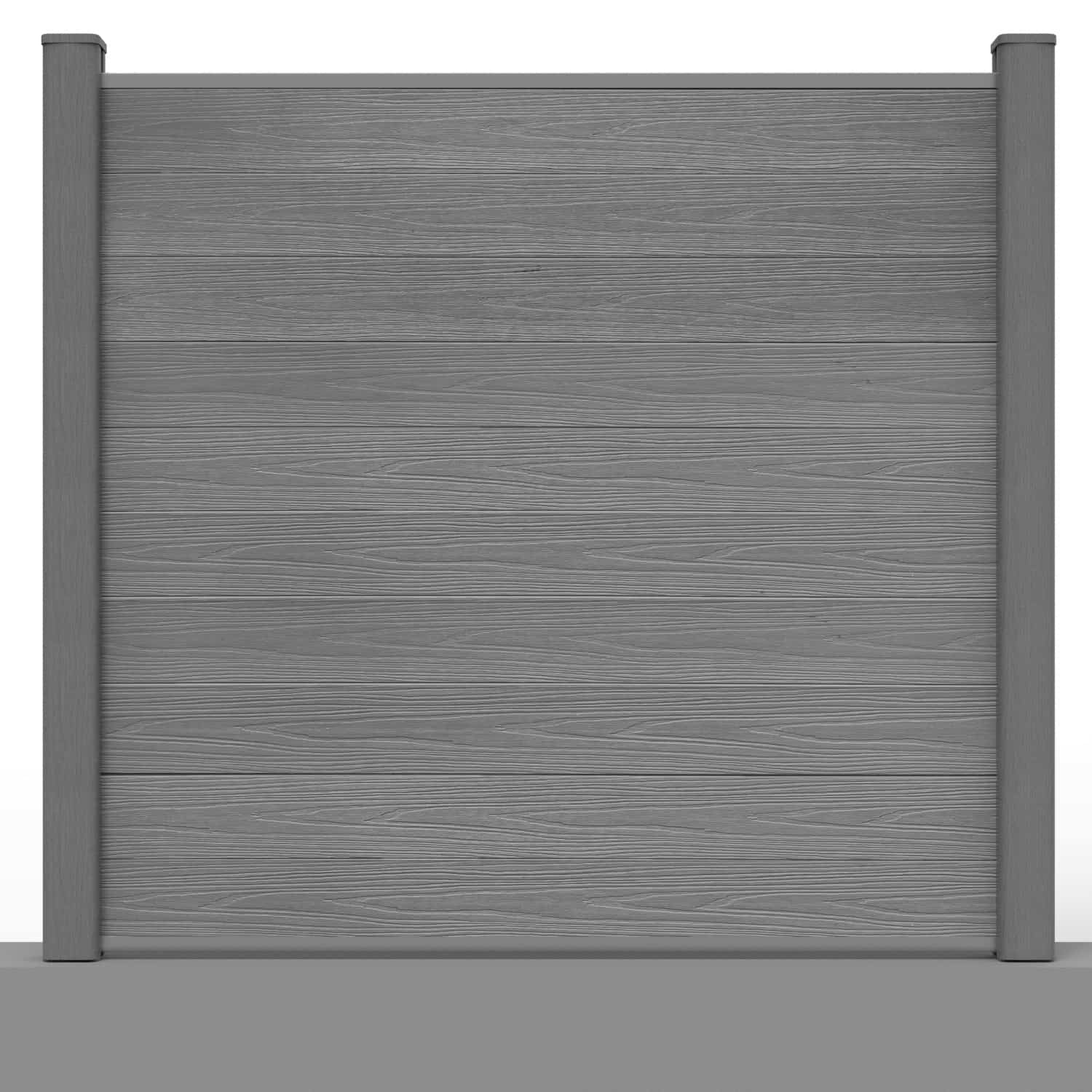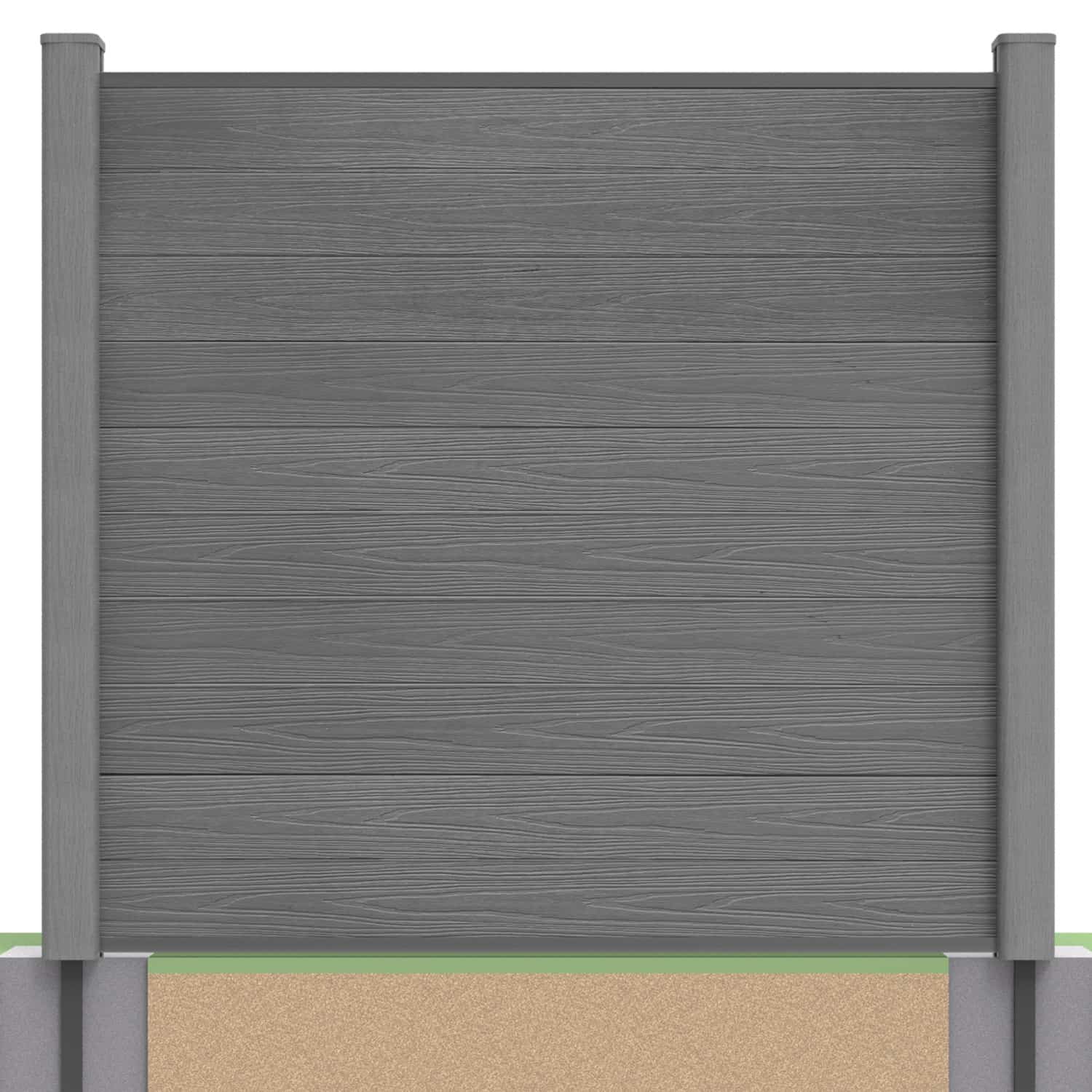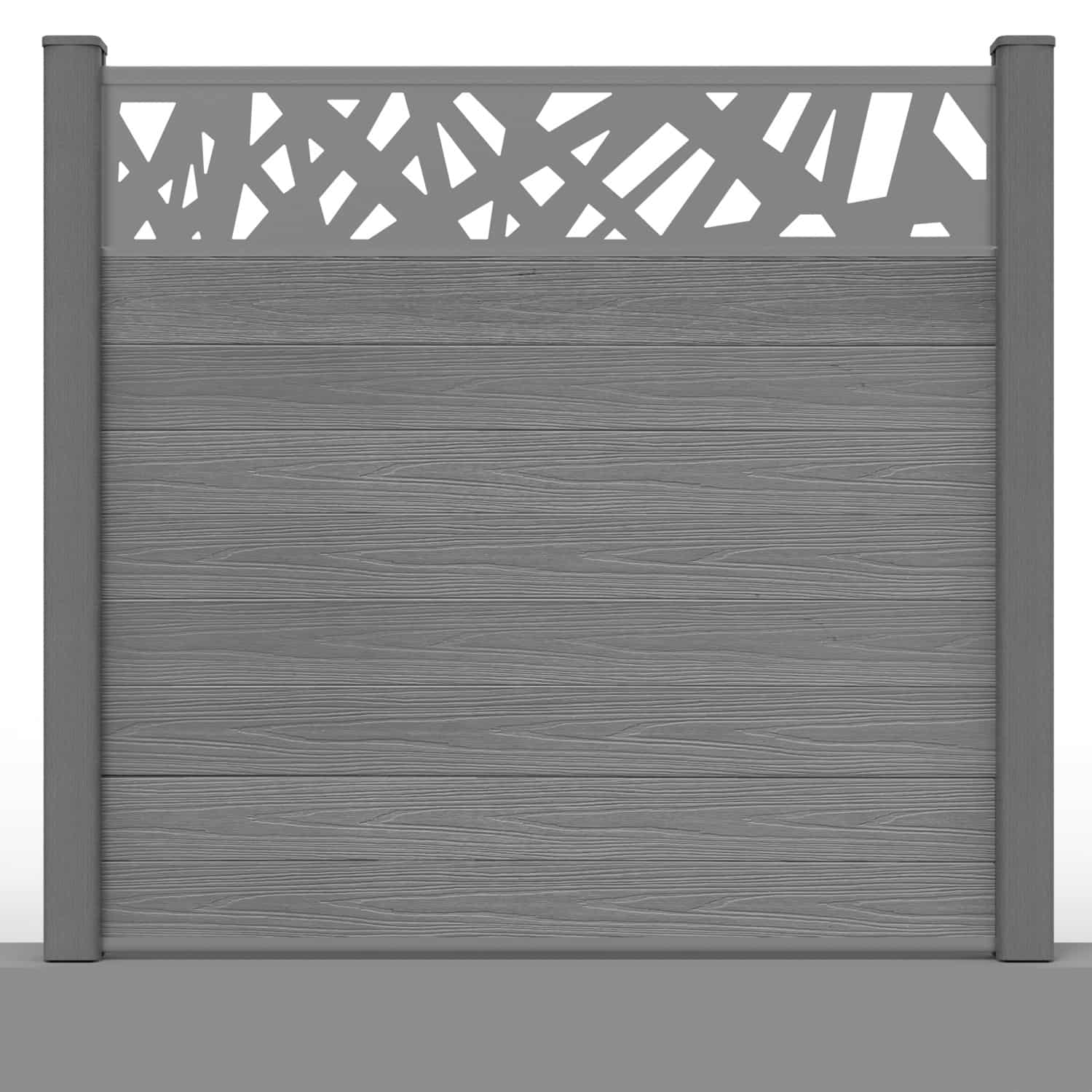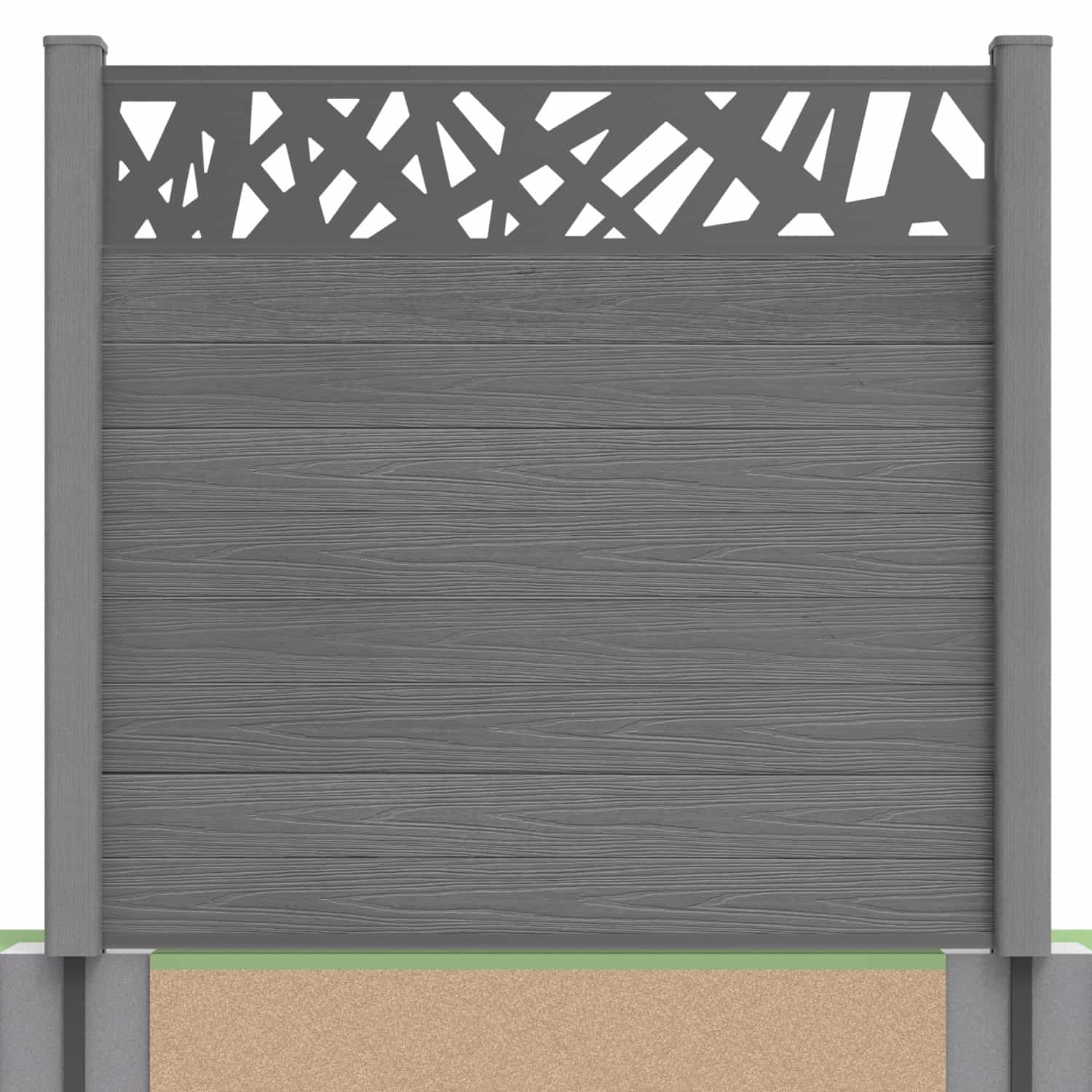





Choose the Right Post Support Method for Your Fence
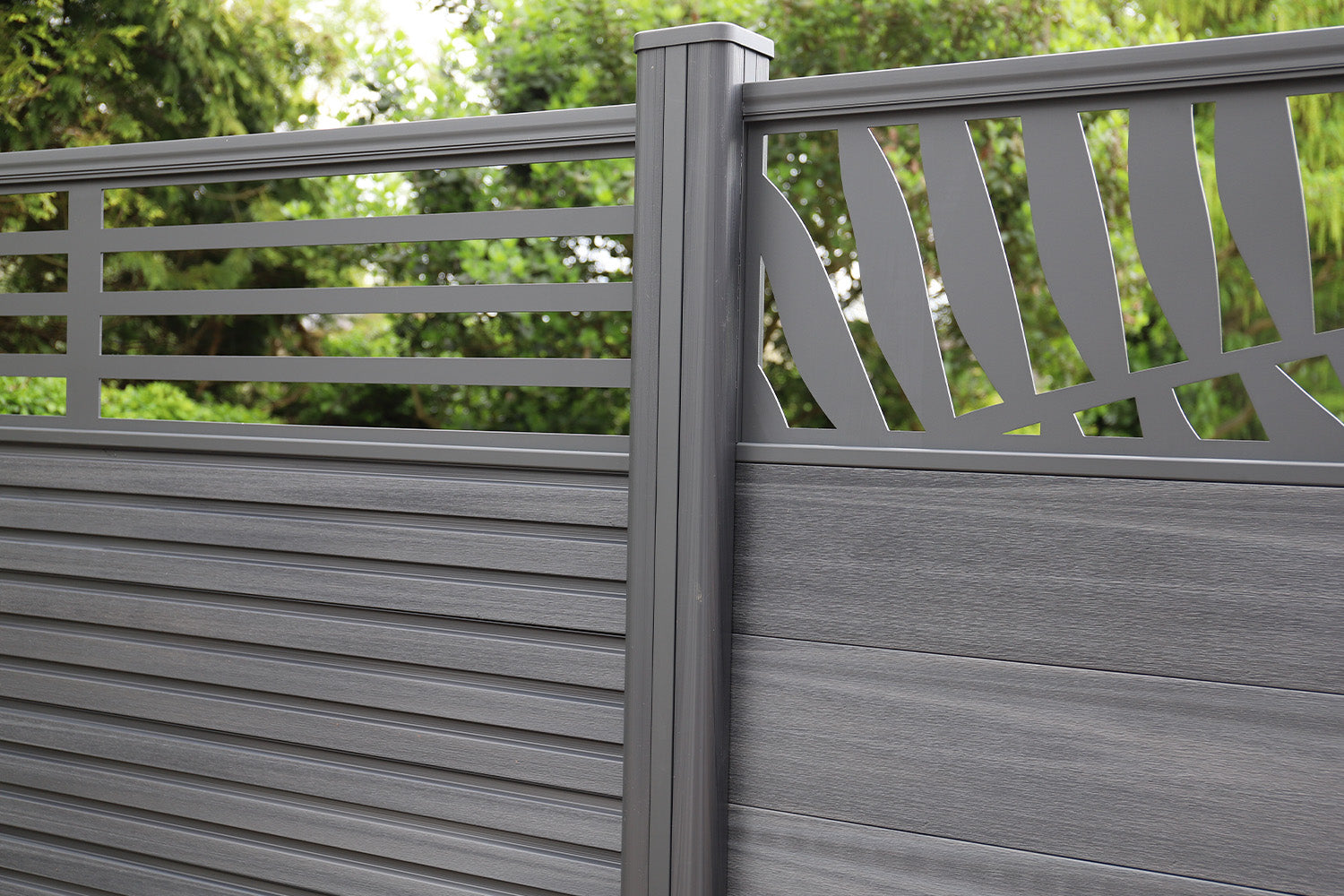
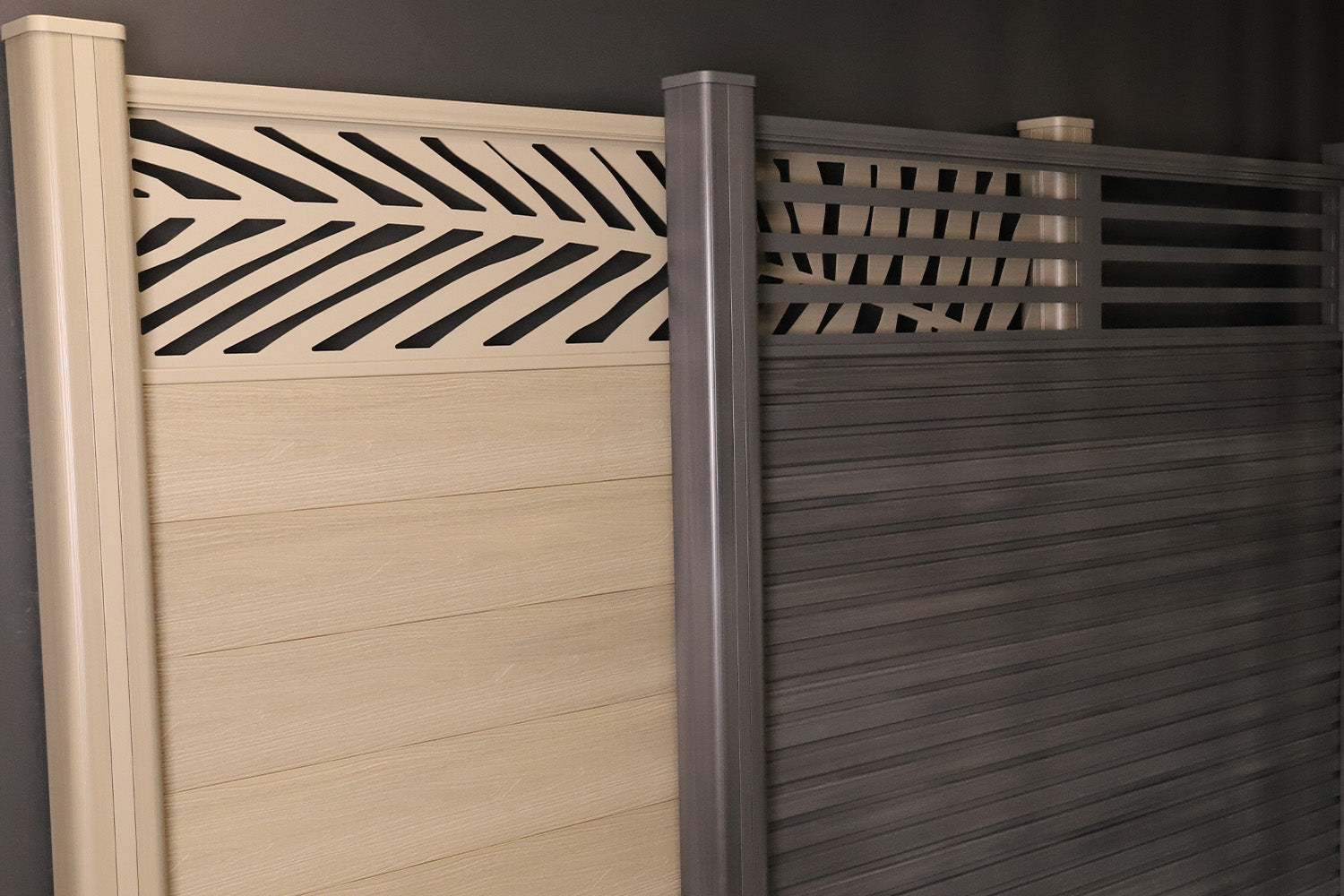
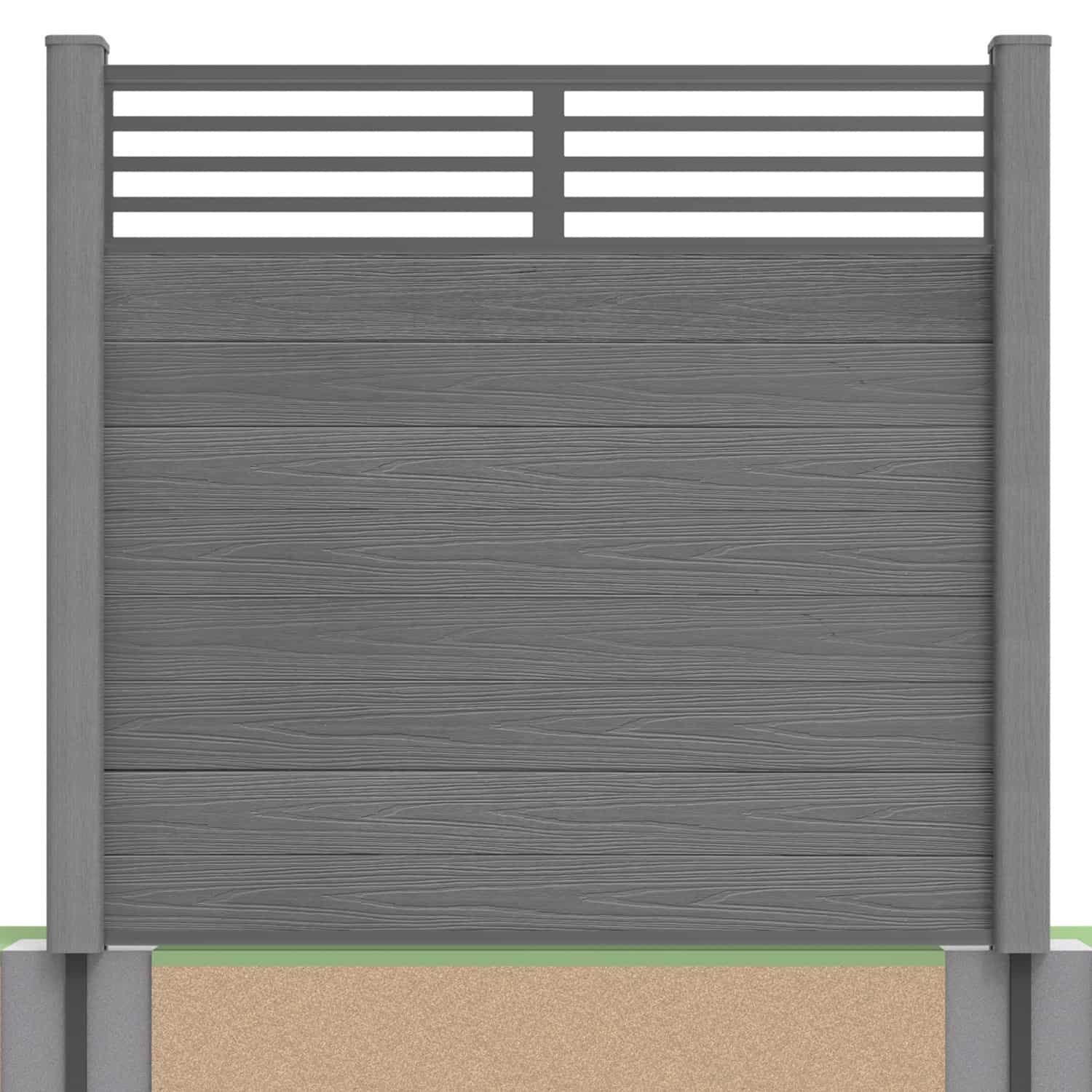
There are four main composite fence post installation options to consider with NeoTimber’s system: new posts on a suitable structural base, new supports set into foundations, or compatible inserts fitted to existing timber or concrete posts.
The choice depends on what supports your fence, not simply how the ground looks. A paved surface is not automatically a structural base, and an existing post is not automatically suitable for reuse. Start with the site conditions, intended height and selected system, then choose the corresponding components.
Visit our fencing guide for an introduction, or browse NeoTimber® composite fencing to explore the available boards and accessories.
Compare the methods: Overview · Hard ground · Soft ground · Timber posts · Concrete posts · Planning checks · FAQs
Four Installation Routes at a Glance
The first two methods create new post arrangements. The other two adapt suitable existing supports to receive the boards. They are alternative starting points, rather than interchangeable fixing methods.
| Site or existing support | Possible route | Essential check |
|---|---|---|
| Suitable structural concrete base | Hard-ground post support fixed to the base | Concrete condition, dimensions and suitability for the specified anchoring |
| Soil or a location needing new foundations | Soft-ground support set into a concrete foundation | Ground conditions, foundation requirements and intended fence height |
| Existing timber posts | Compatible aluminium inserts fixed to the posts | Timber condition, foundations, spacing and alignment |
| Existing concrete posts | Compatible inserts fitted to suitable post channels | Post condition, channel dimensions, foundations and fixing details |
This overview helps identify a starting point. Use the current fencing installation instructions for the selected product and seek advice if the site falls outside the standard details.
1. Install New Posts on a Suitable Hard Base
The hard-ground post set uses a galvanised steel support fixed to a suitable structural base. The composite post assembly fits over its specified support to form part of the fencing system.
This route can suit a location where an appropriate concrete foundation already exists. However, compacted soil, loose paving, a thin slab or rocky ground should not be treated as equivalent to a suitable structural concrete base.

Before fixing, check the base condition, thickness, dimensions and available space around each support. Use the anchoring requirements for the system, including any specified embedment and edge distances. Confirm the approach if existing concrete is cracked, its construction is unknown or the proposed position is close to an edge.
For more detail, read our guide to installing composite fence posts into hard ground. Do not assume that a bolt-down arrangement removes the need to assess the foundation.
2. Set New Supports Into Foundations
The soft-ground post set uses a longer support intended to be concreted into an appropriate foundation. This is a route for new fence positions where the site needs foundations rather than surface-mounted anchors.
Foundation dimensions and the support arrangement need to suit the product, ground conditions, fence height and exposure. A generic hole size is not a substitute for checking those requirements.

Set out the post positions and levels before excavation. Identify underground services and nearby constraints, then follow the installation sequence and concrete curing requirements before loading the supports with panels.
The support does not make weak or unstable ground suitable by itself. Seek project-specific advice where the soil, slope or exposure raises questions. Our soft-ground installation guide provides further context alongside the current product instructions.
3. Fit Composite Boards to Existing Timber Posts
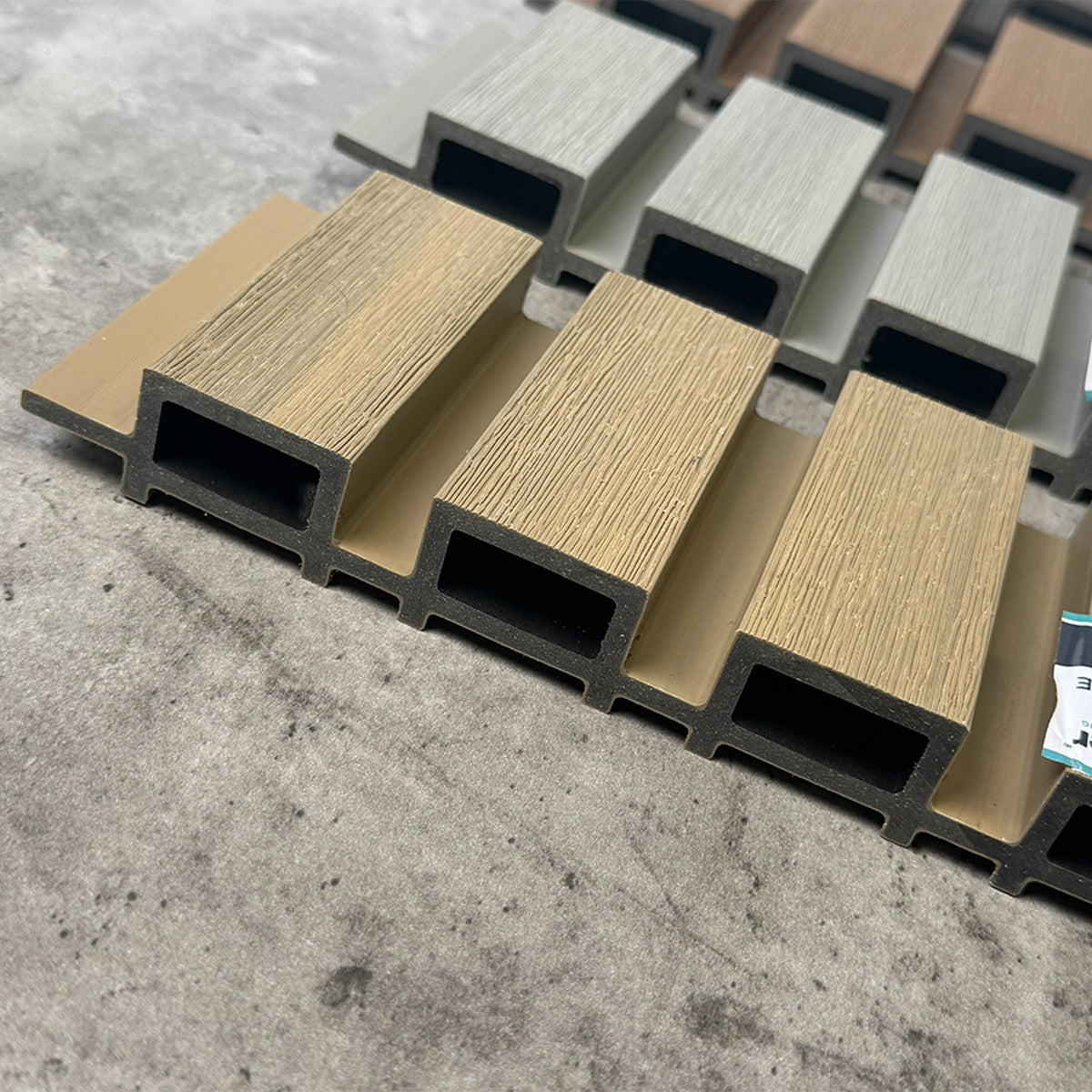
Where timber posts and their foundations remain suitable, wooden fence post inserts can provide compatible channels for the composite board system. The inserts are attached to the posts; they do not slide inside the timber or repair it.
Check for decay, splitting, movement and inadequate fixing material, including around the base of the posts. Also measure the clear opening and confirm alignment before deciding whether the chosen panels can fit.

Reuse can reduce replacement work, but only where the supports can carry the proposed system. Aluminium inserts do not strengthen a decayed post or extend its life by repairing underlying damage.
Follow our guide to fixing composite fencing to wooden posts and confirm the required fixings, board dimensions and clearances before ordering.
4. Adapt Suitable Existing Concrete Posts
Concrete fence post inserts can adapt compatible existing post channels to receive the composite fencing system. This may allow an older boundary to be refreshed while retaining suitable supports.
Assess cracking, exposed reinforcement, movement, foundations and alignment first. Measure the channel and opening dimensions rather than assuming that every slotted concrete post will accept the same insert.

Use the approved fixing details for the selected insert and post. Do not drill into reinforcement or improvise the anchoring method where the post construction is uncertain. Ask the supplier or installer to confirm the approach before making alterations.
See our guide to attaching composite fencing to concrete posts for further planning advice.
Checks That Apply to Every Method
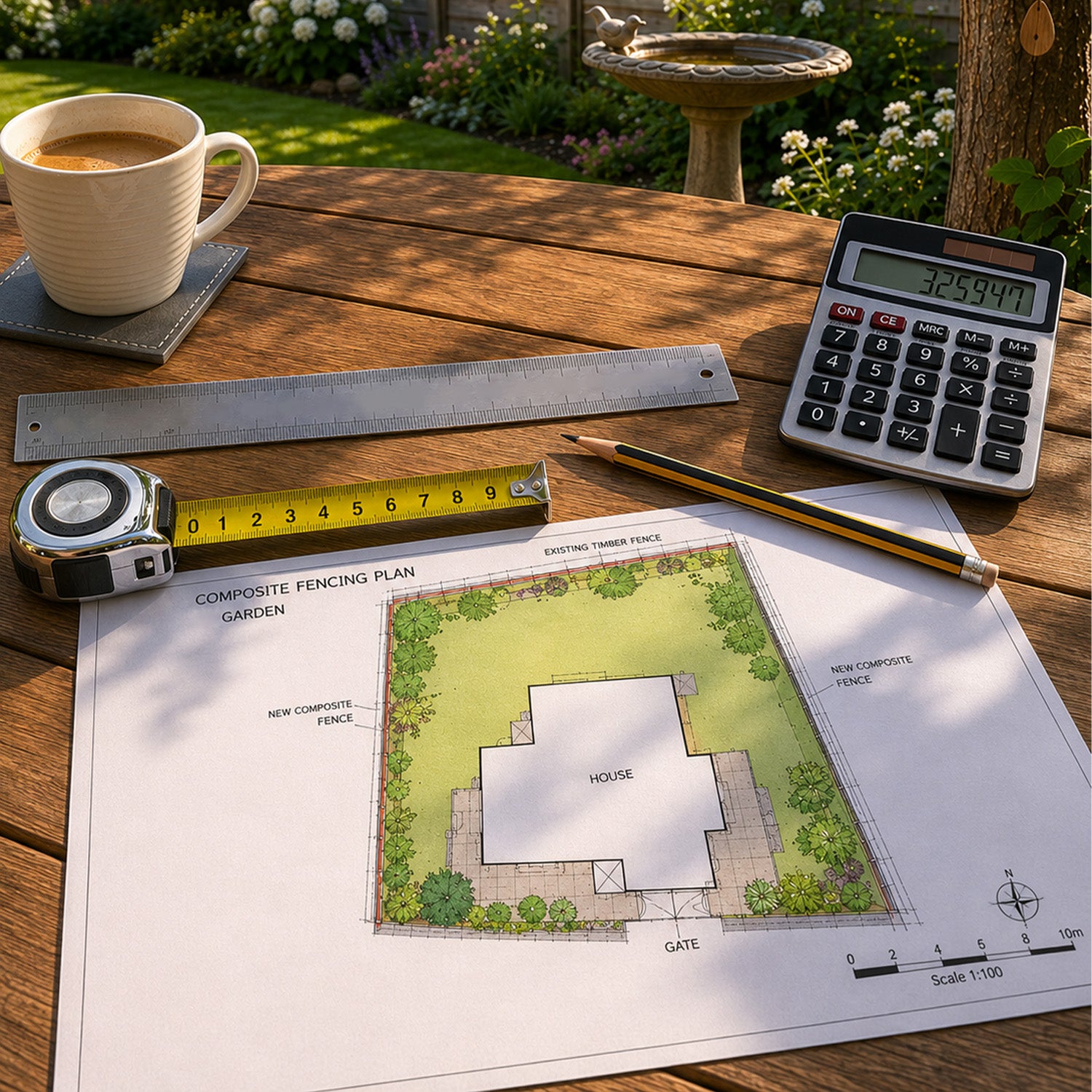
- Define the layout: mark fence runs, ends, corners, levels and gate openings.
- Confirm the height and exposure: assess suitability of the complete system, not just the board material.
- Use installation dimensions: board length is not automatically the overall bay width once posts and channels are included.
- Check clearances: follow specified allowances for movement and assembly.
- Plan gates separately: moving gates have their own post and support requirements.
- Order compatible components: confirm the exact post, support, insert, rail, cap and fixing arrangement.
Measure carefully before buying and avoid increasing spans, changing supports or mixing systems without confirmation. Post selection affects the whole boundary; it is easier to resolve an uncertain detail before foundations are installed.
Compare the Full Cost of Each Route
Include assessment, foundations, fixings, labour, removal and disposal when comparing methods. Retaining existing posts is not automatically the least expensive route if significant remedial work is needed. Likewise, a hard-ground set is not a saving if a new suitable structural base must first be constructed.
Post Installation FAQs
Which composite fence post installation option should I use?
Choose according to the supporting ground or existing posts, the proposed height and exposure, and the system instructions. Have uncertain bases or foundations assessed before ordering components.
Can hard-ground supports be fixed directly to paving slabs?
Do not assume paving is a suitable structural foundation. Check the base construction and the anchoring requirements for the selected system.
Are soft-ground supports driven straight into soil?
The NeoTimber® route described here uses supports set into suitable concrete foundations. Follow the product’s installation details rather than treating it as a drive-in system.
Can aluminium inserts repair old timber posts?
No. They provide compatible channels for the boards, but do not repair rot, splitting or inadequate foundations. Replace or otherwise address unsuitable supports before proceeding.
Will inserts fit any concrete fence post?
No universal fit should be assumed. Confirm channel dimensions, post condition, spacing and the specified fixing arrangement against the chosen insert.
Can I use ordinary fence posts to support a gate?
Do not assume so. Gates need supports suited to their weight and movement. Follow the selected gate’s post, foundation and fitting requirements.
Plan the Supports Before Building the Panels
The right method starts with a suitable base or existing support, then uses the specified components consistently. Explore NeoTimber’s composite fencing system or contact our team with your layout, photographs and site details for help identifying the appropriate installation route.