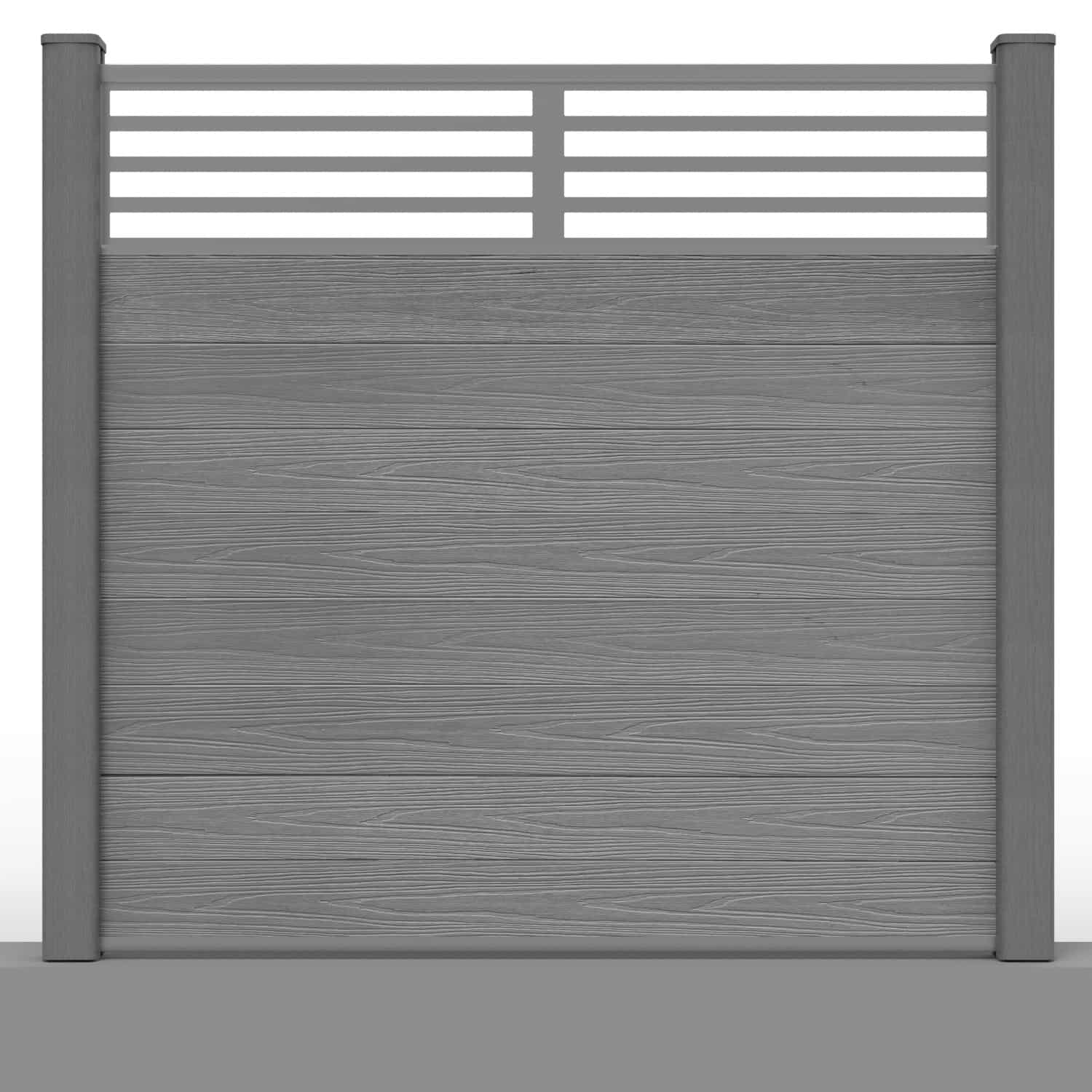
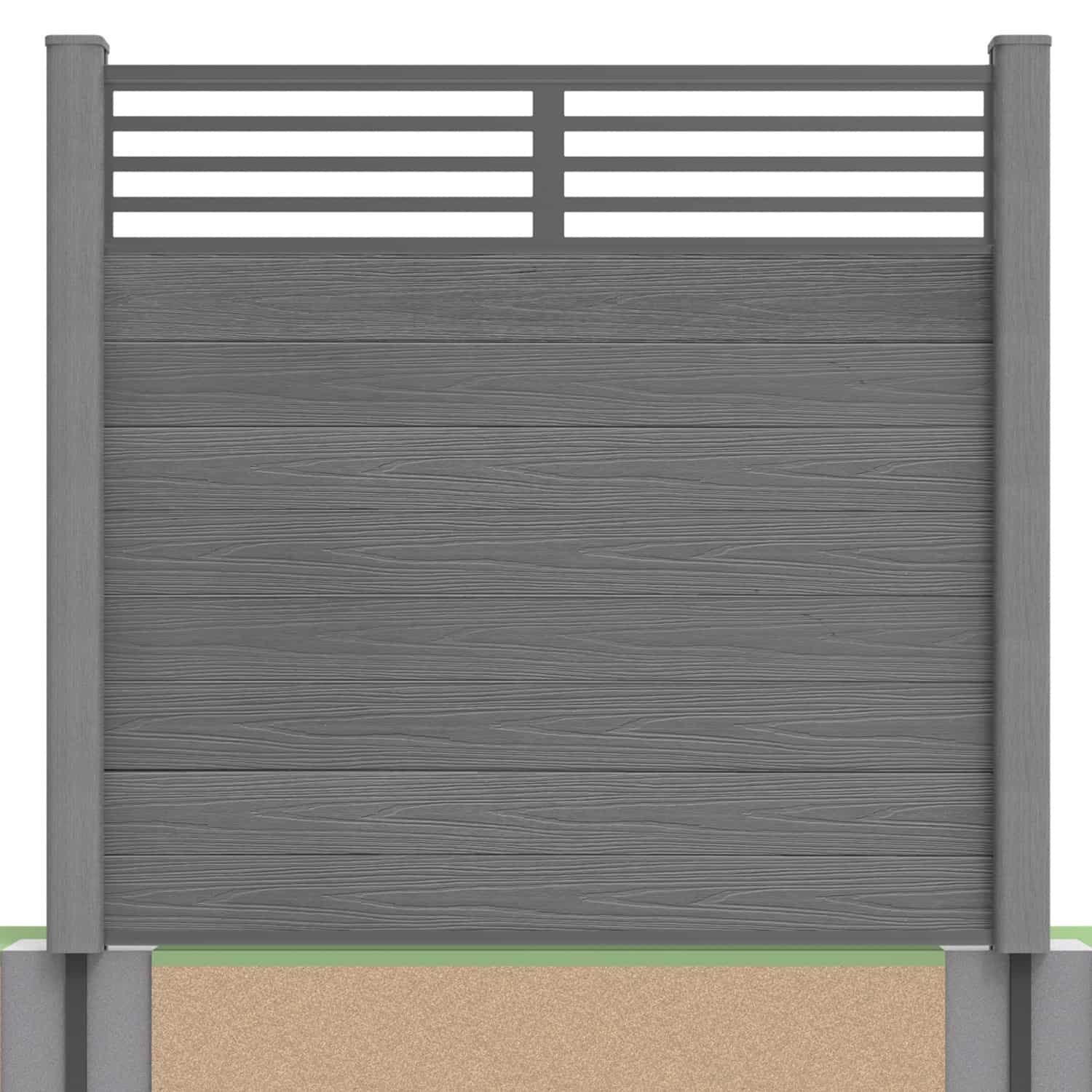
Find the Right Role for Composite Fencing in Your Outdoor Space
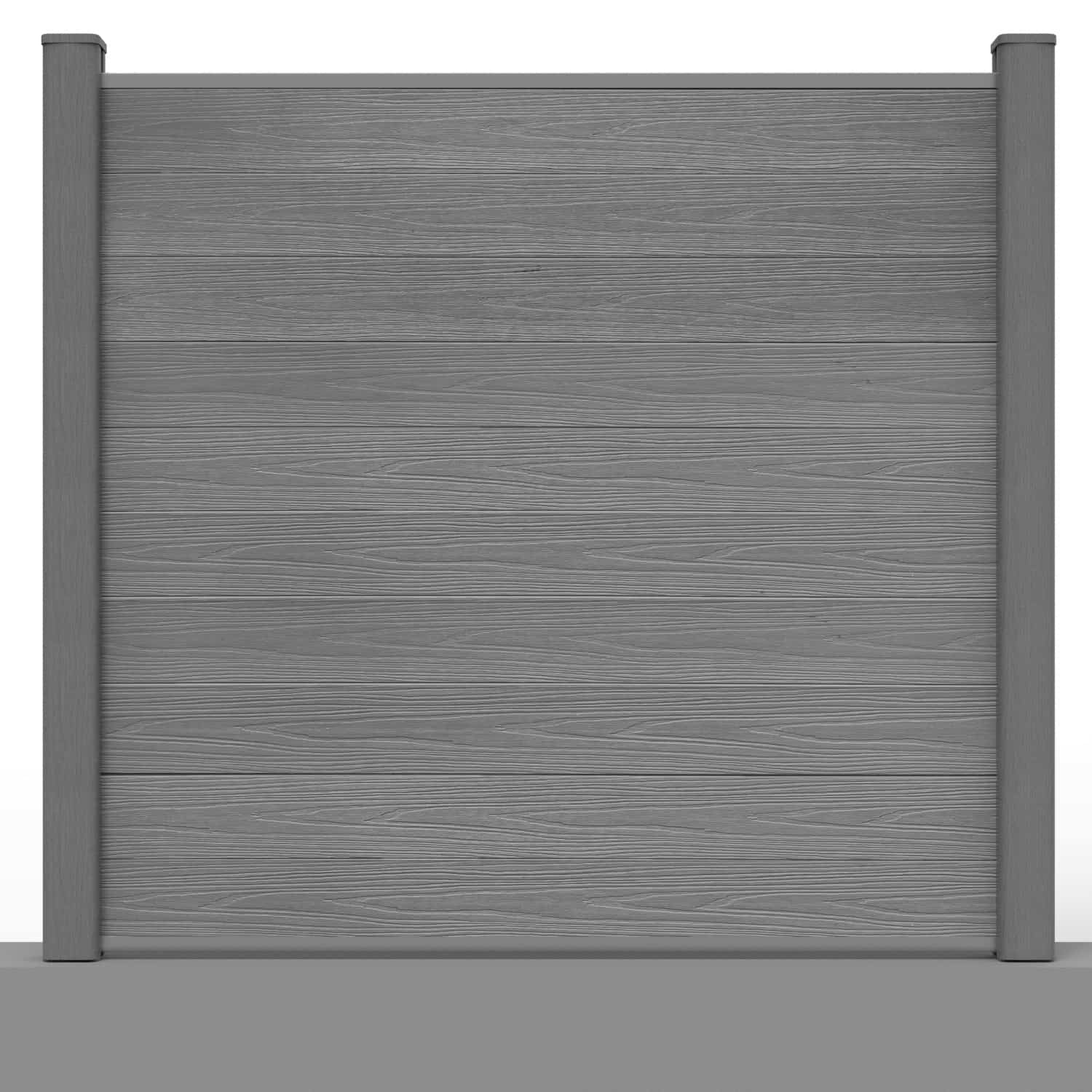
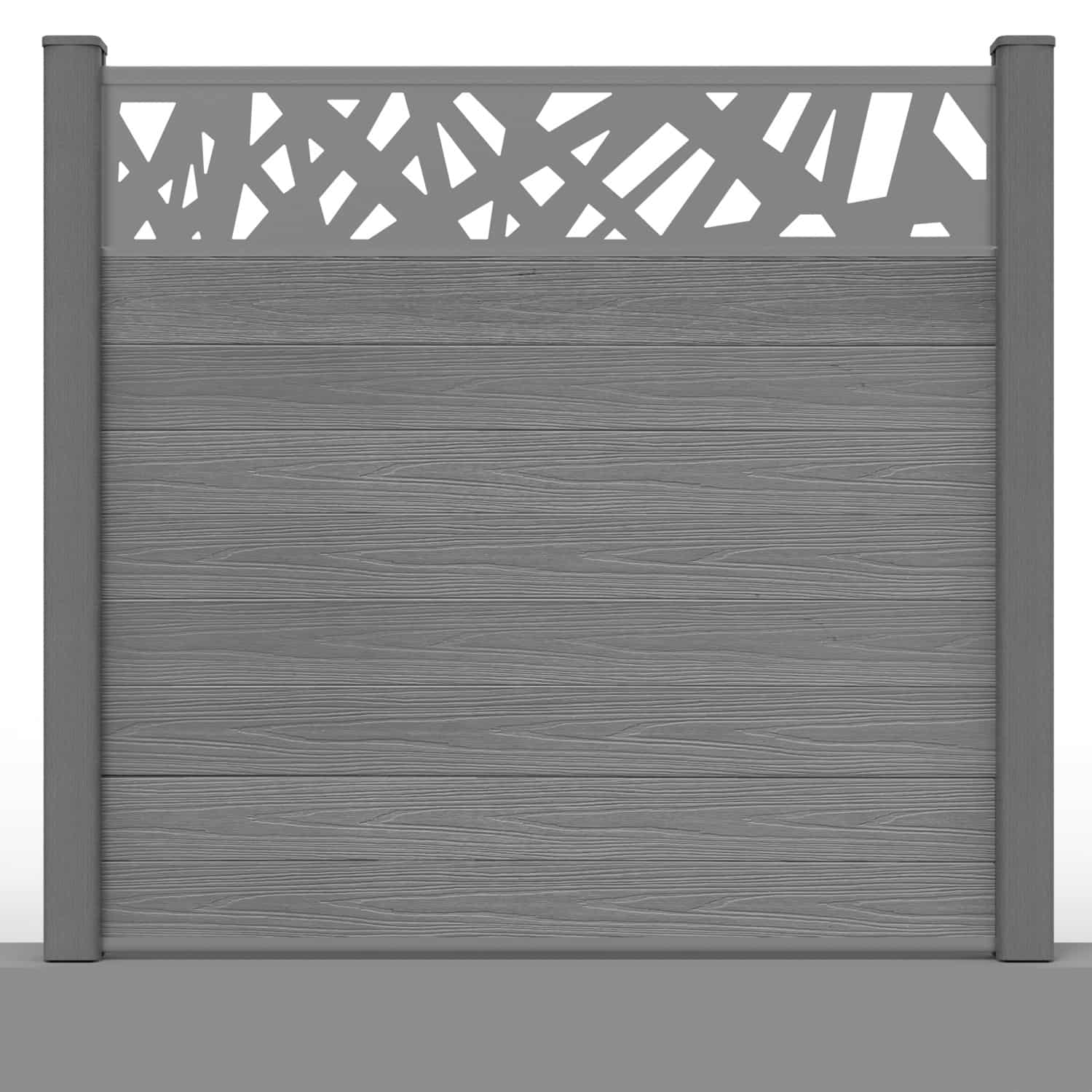
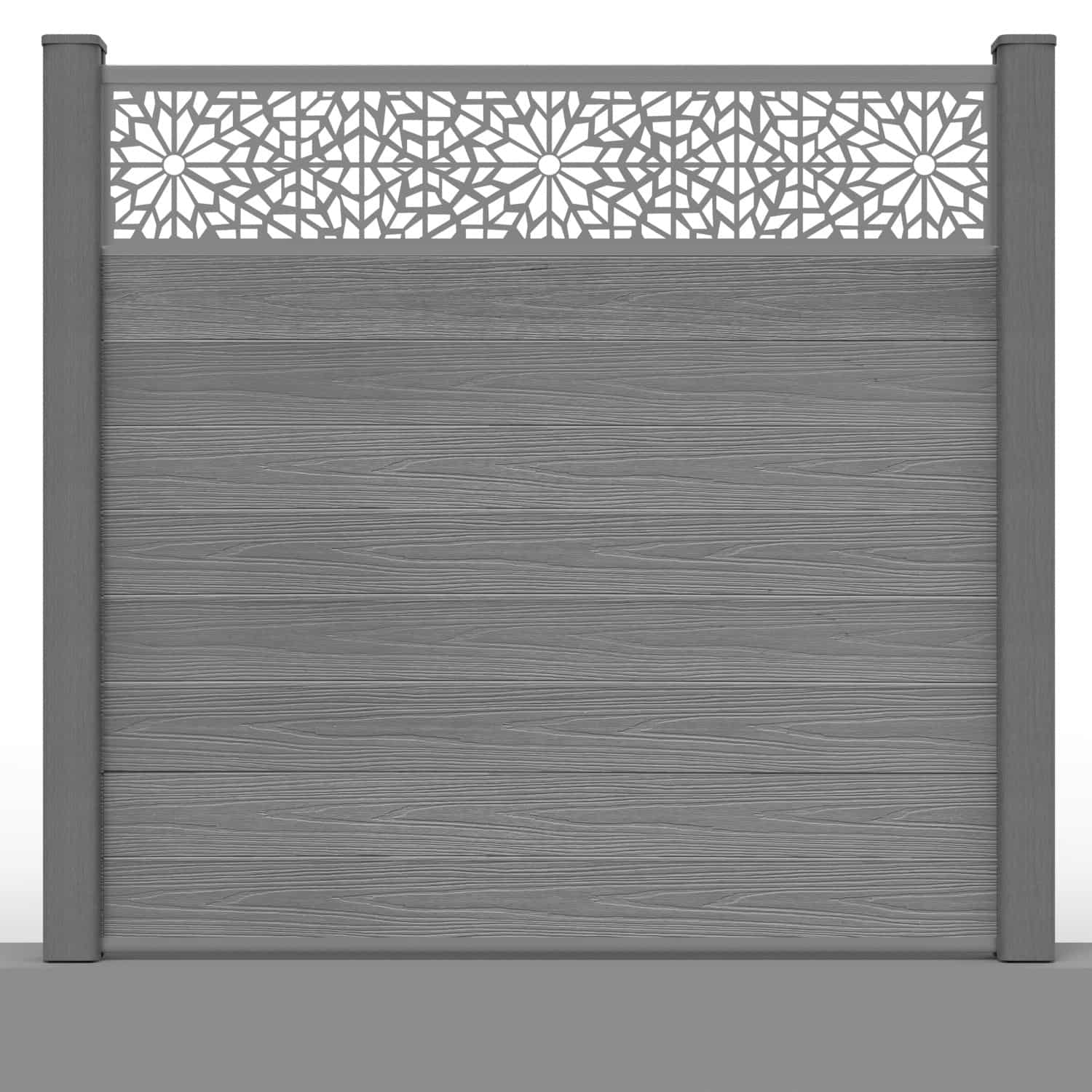
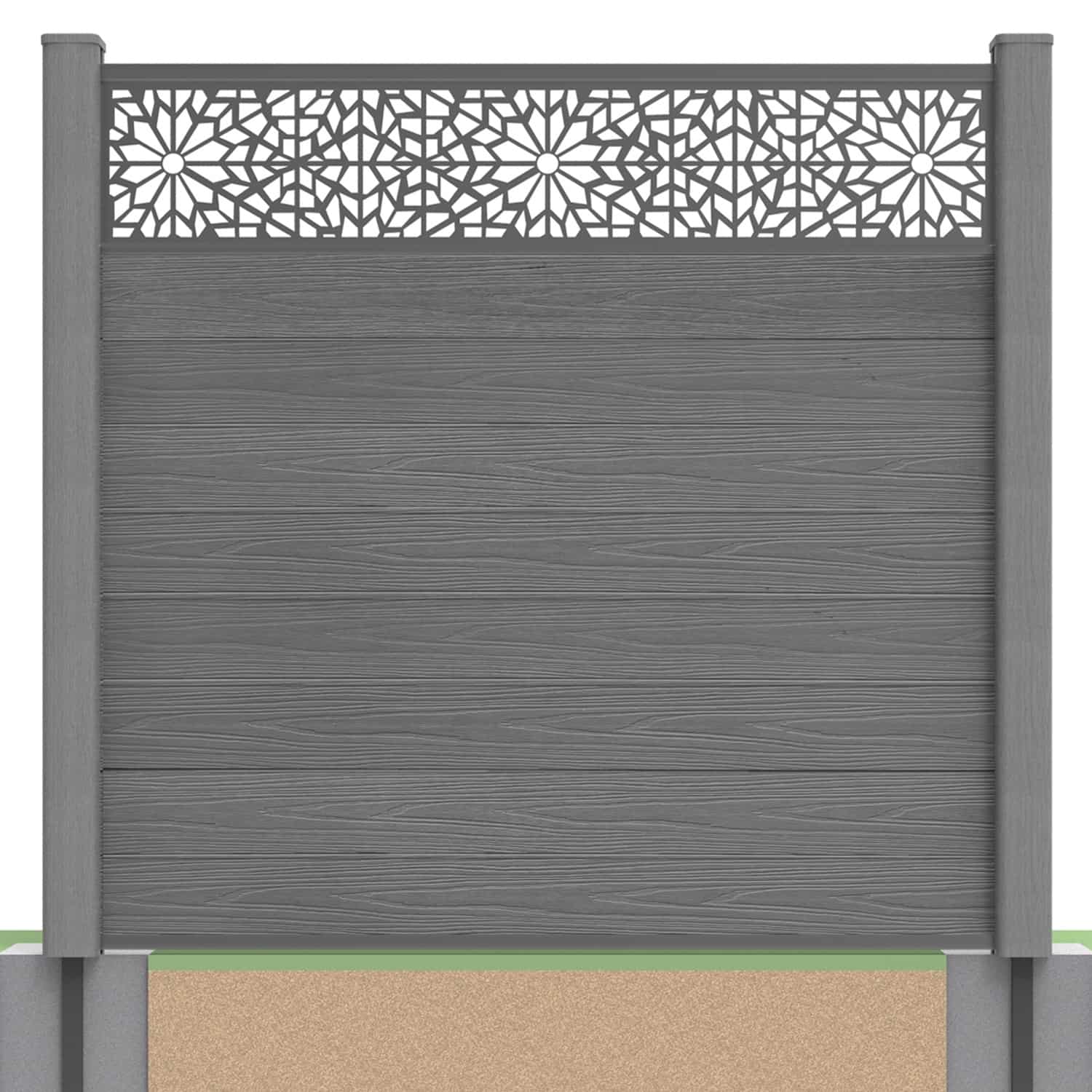
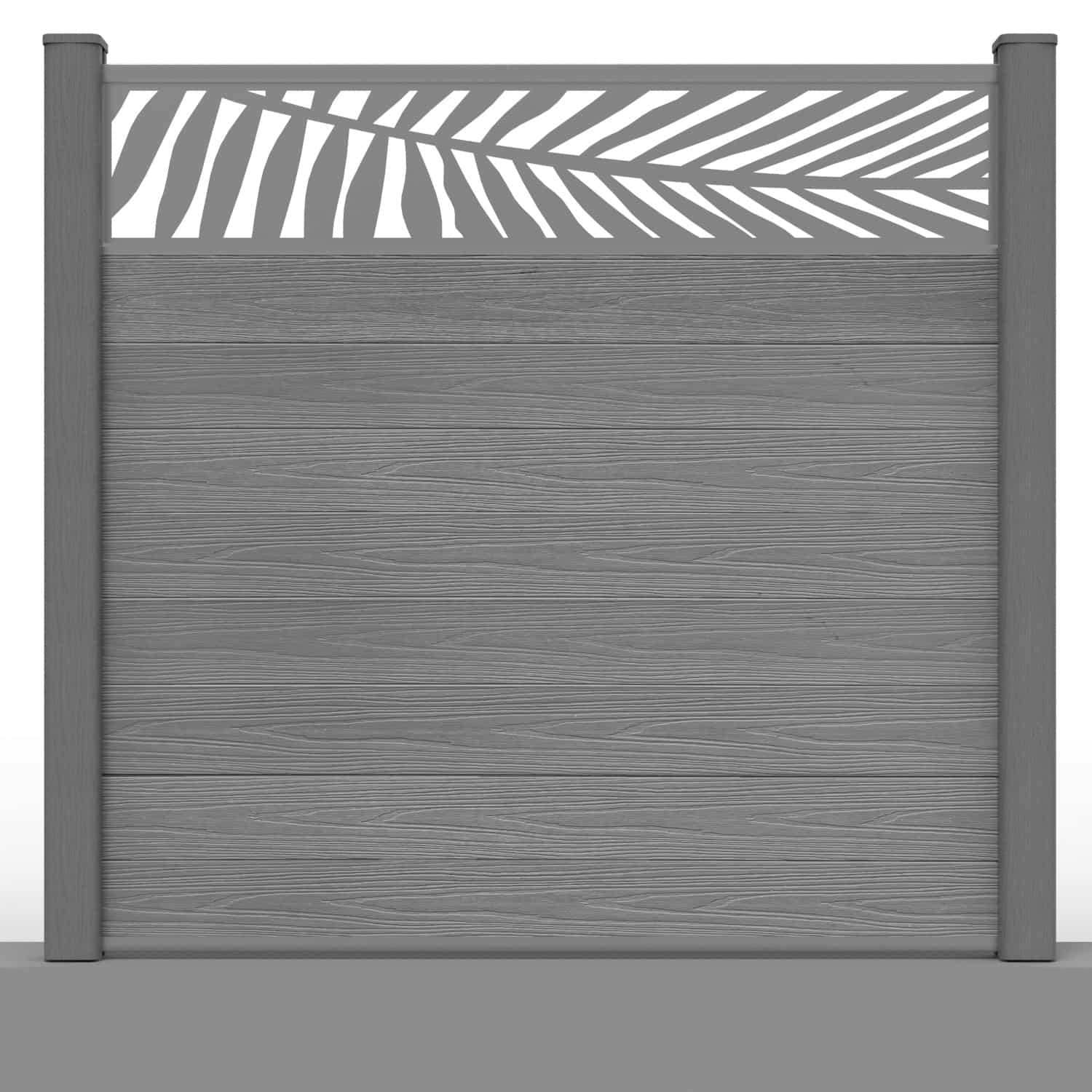
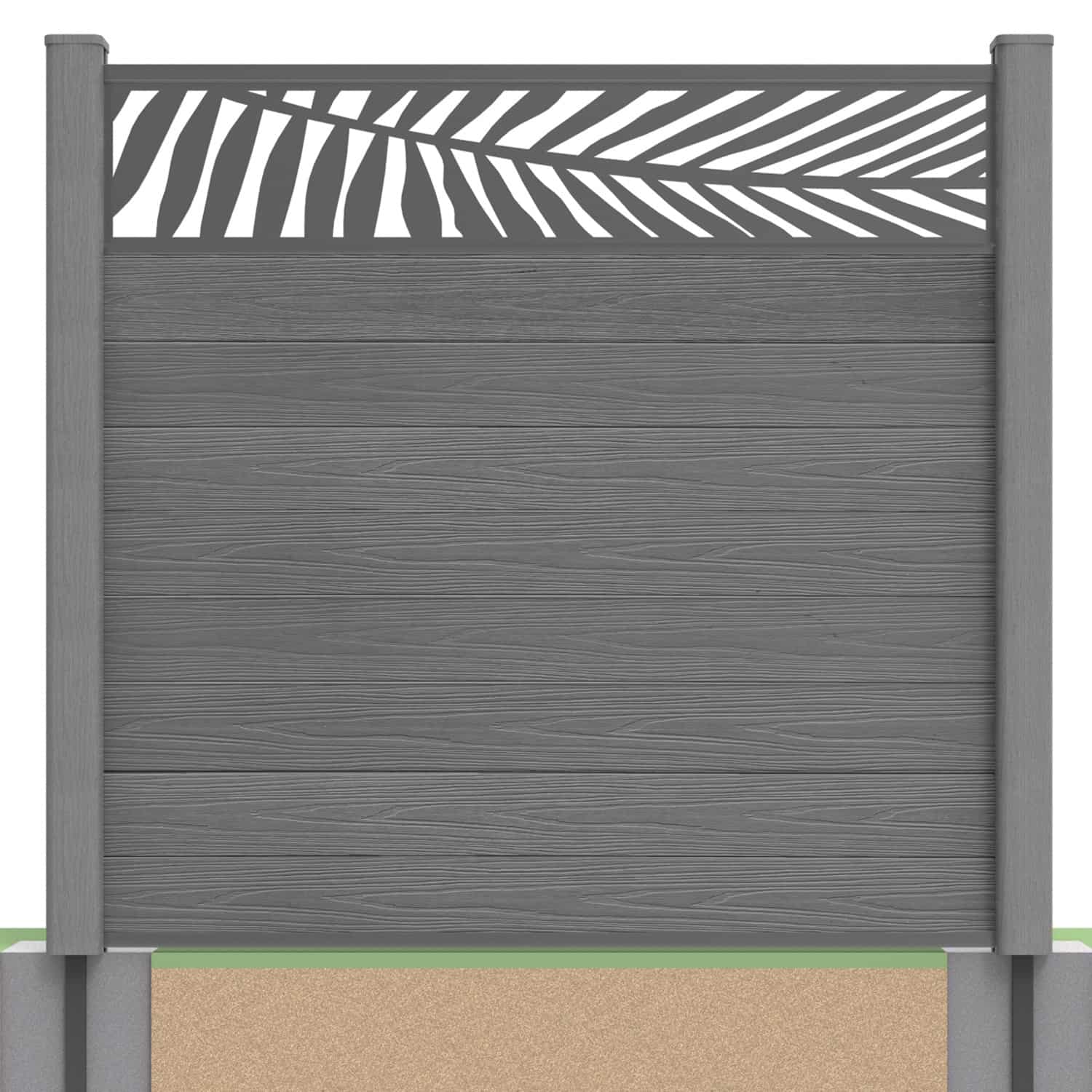
The most common composite fencing applications include garden boundaries, screening beside decks and patios, and defining landscaped areas at business premises. The right layout can bring privacy, visual structure and a coordinated finish to an outdoor space.
NeoTimber’s modular system uses individual boards assembled between compatible posts or inserts. This provides several ways to plan a new boundary or update suitable existing supports. Each application still needs a specification that suits its purpose, height and site conditions.
Explore our fencing guide for an introduction, or browse the composite fencing collection to compare the available components.
Explore the applications: Gardens · Decks and patios · Commercial spaces · Choosing a layout · Installation and care · FAQs
1. Garden Boundaries and Privacy
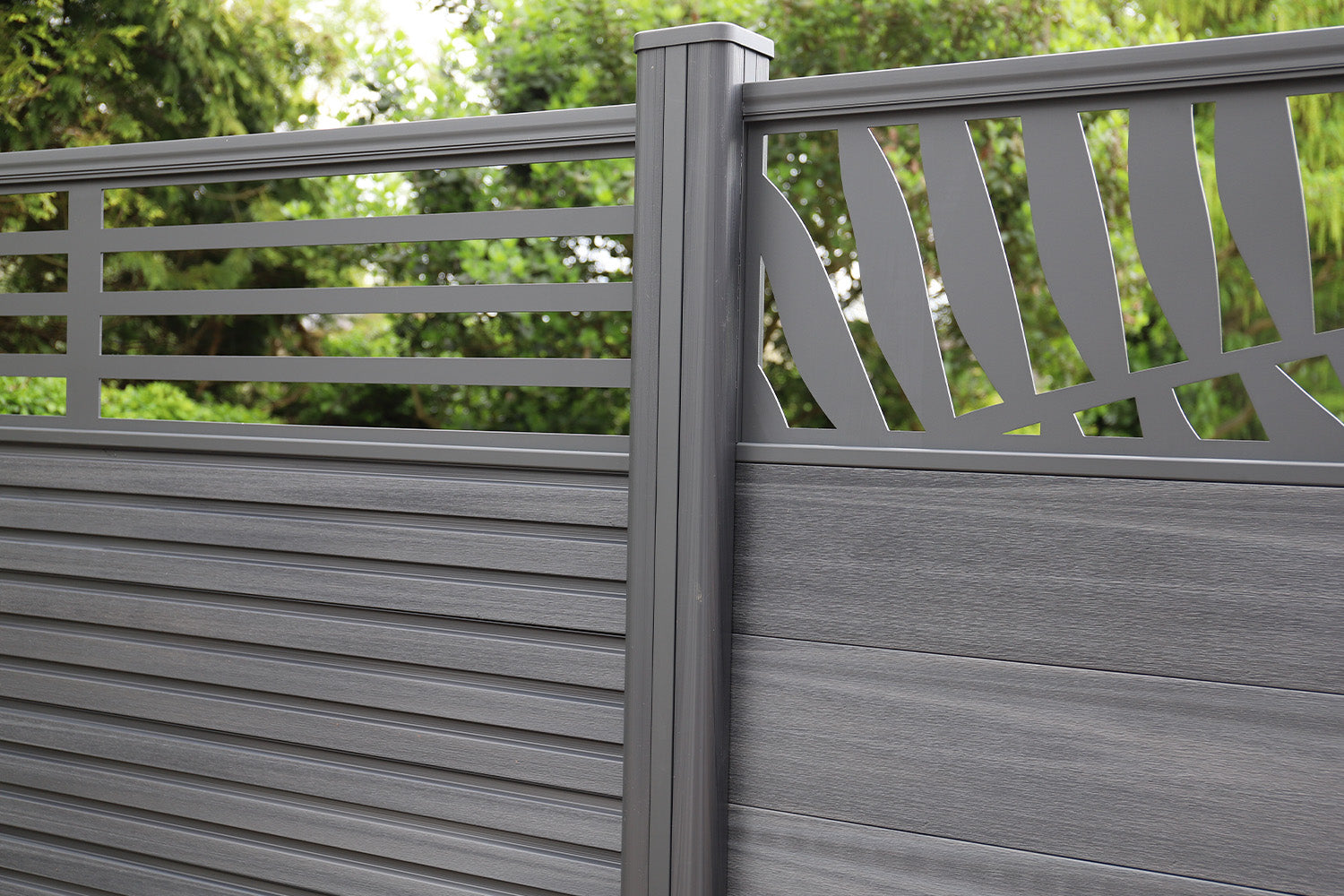
A garden fence can define the plot, provide a backdrop for planting and help create a more private place to relax. Composite boards offer a supplied colour and texture without routine painting or staining, making them an option for homeowners who want to reduce refinishing work.
Start with the views that matter. Consider what you see from the house and seating area, as well as how the reverse of the fence will appear. A continuous boundary and a short screen beside a bench have different visual effects, so choose the layout around the garden’s use.

Match the Finish to the Landscape
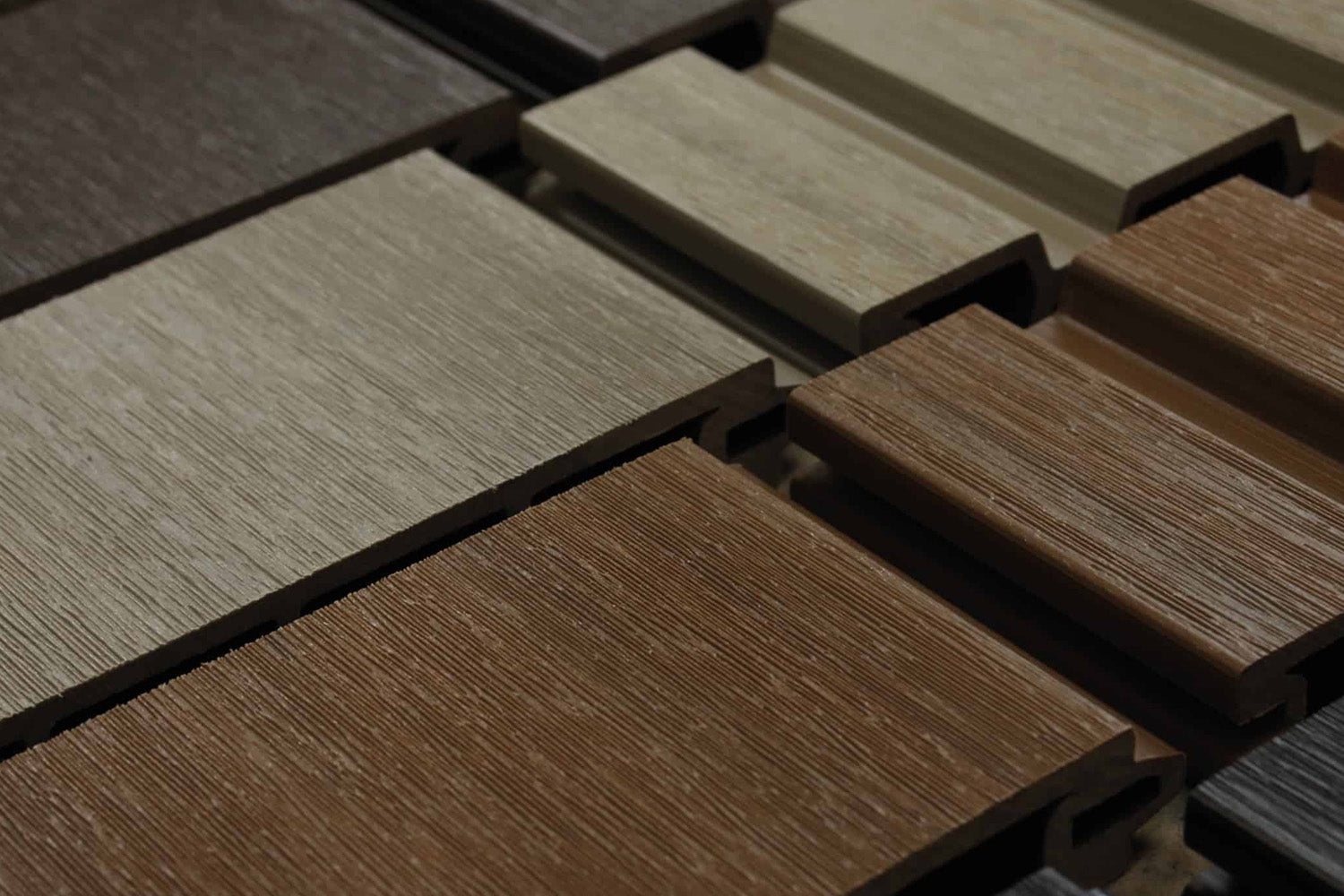
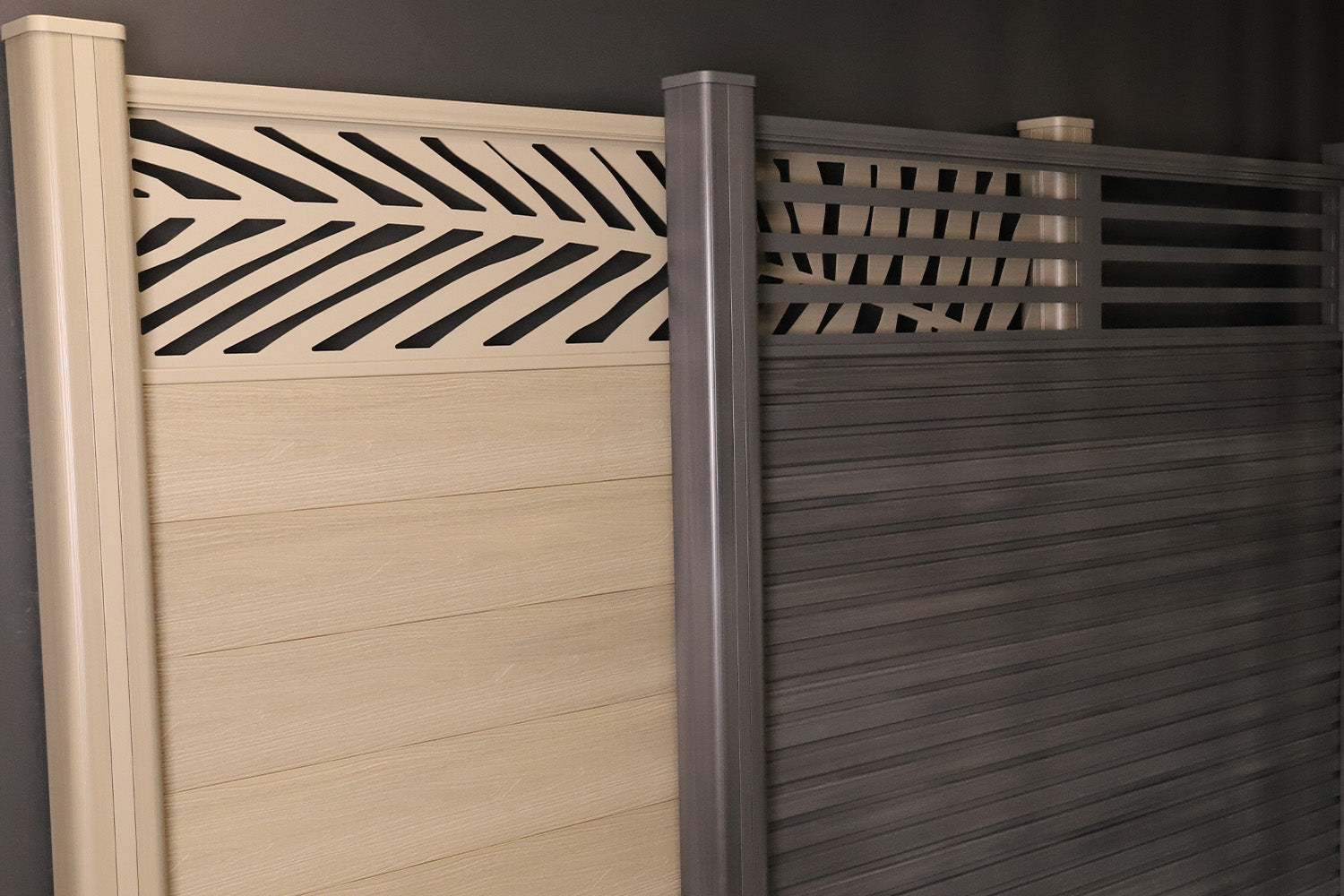
The Deluxe range offers woodgrain and brushed faces, while the Slatted range creates a pronounced linear profile. Use the fencing colours guide to shortlist shades, then compare samples beside your planting, paving and brickwork.
The system described here uses horizontal boards stacked between supports. Do not assume that the assembly can be rotated into a vertical arrangement without a separately approved design. Likewise, a slatted-style appearance does not automatically mean an open screen.
For more planning ideas, read our composite garden fencing guide.
2. Screening Around Decks and Patios
Fencing beside a deck or patio can create a defined outdoor room, screen a seating area and bring a stronger background to dining or planting. A shorter, carefully positioned run may provide the privacy you want without enclosing every side of the space.
Check the relationship between panel height, furniture and sightlines from nearby properties. Also consider the gate opening, the route from the house and the space needed to move chairs or garden equipment.

Keep Screening and Guarding Separate
A privacy fence should not automatically be treated as guarding against a fall from a raised deck. Fall protection requires a suitable design and verified performance for that purpose. Similarly, do not fix fence posts to deck boards alone or assume a normal deck frame can support them without assessment.
Coordinate the finish through our decking guide and composite decking collection. If you need a separate balustrade system, explore the balustrades guide and confirm the specification for the project.
See our fencing for decks and patios guide for further design considerations.
3. Business Premises and Landscaped Commercial Areas
At offices, hospitality venues and managed properties, composite fencing can help define outdoor zones or provide visual screening. Its supplied finish may simplify maintenance planning where repeated painting would be inconvenient.
Define the function before selecting the fence. Screening a staff seating area is different from protecting a restricted perimeter, controlling access or providing an acoustic barrier. Specialist requirements need evidence for the selected system, rather than an assumption based on the board material.

Plan deliveries, installation access and maintenance responsibilities alongside the design. Include gate positions and clear circulation routes from the outset, and check that the layout works with how the premises operate.
Read our commercial composite fencing guide for a closer look at specification, project costs and handover considerations.
Compare the Application Before Choosing the Components
| Application | Main design aim | Essential check |
|---|---|---|
| Garden boundary | Define the space and provide privacy | Height, sightlines, exposure and suitable post foundations |
| Deck or patio screening | Frame a seating or dining area | Independent support requirements and any separate guarding needs |
| Commercial landscaping | Coordinate outdoor zones and visual screening | Operational access, intended function and maintenance ownership |
| Replacement between existing posts | Refresh a suitable established boundary | Post condition, foundations, spacing and insert compatibility |
Composite fencing is not a retaining wall, a vehicle barrier or verified high-security fencing simply because it forms a solid-looking boundary. Keep any specialist performance requirements in the specification from the start.
Plan the Supports and Ongoing Care
New Installations or Suitable Existing Posts
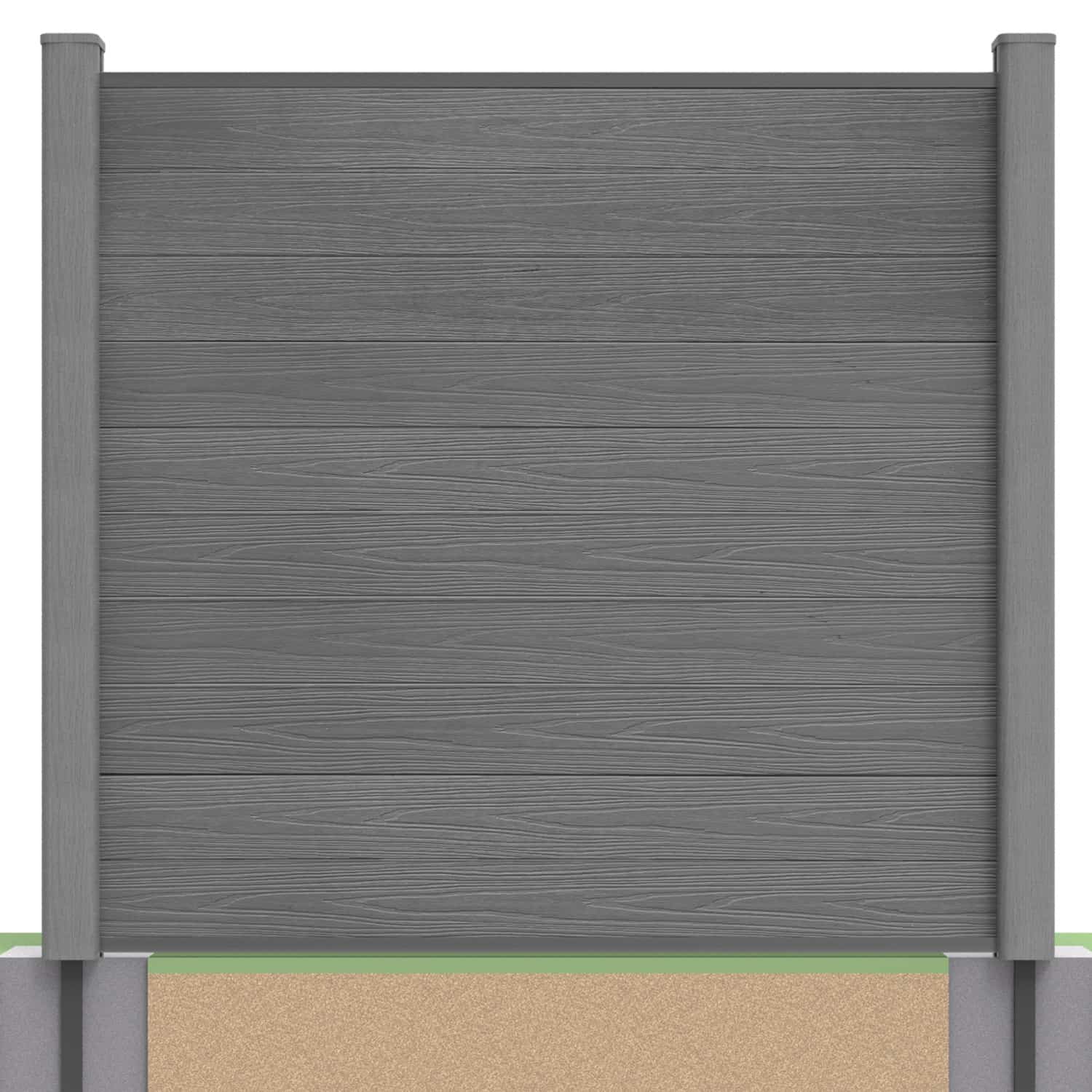
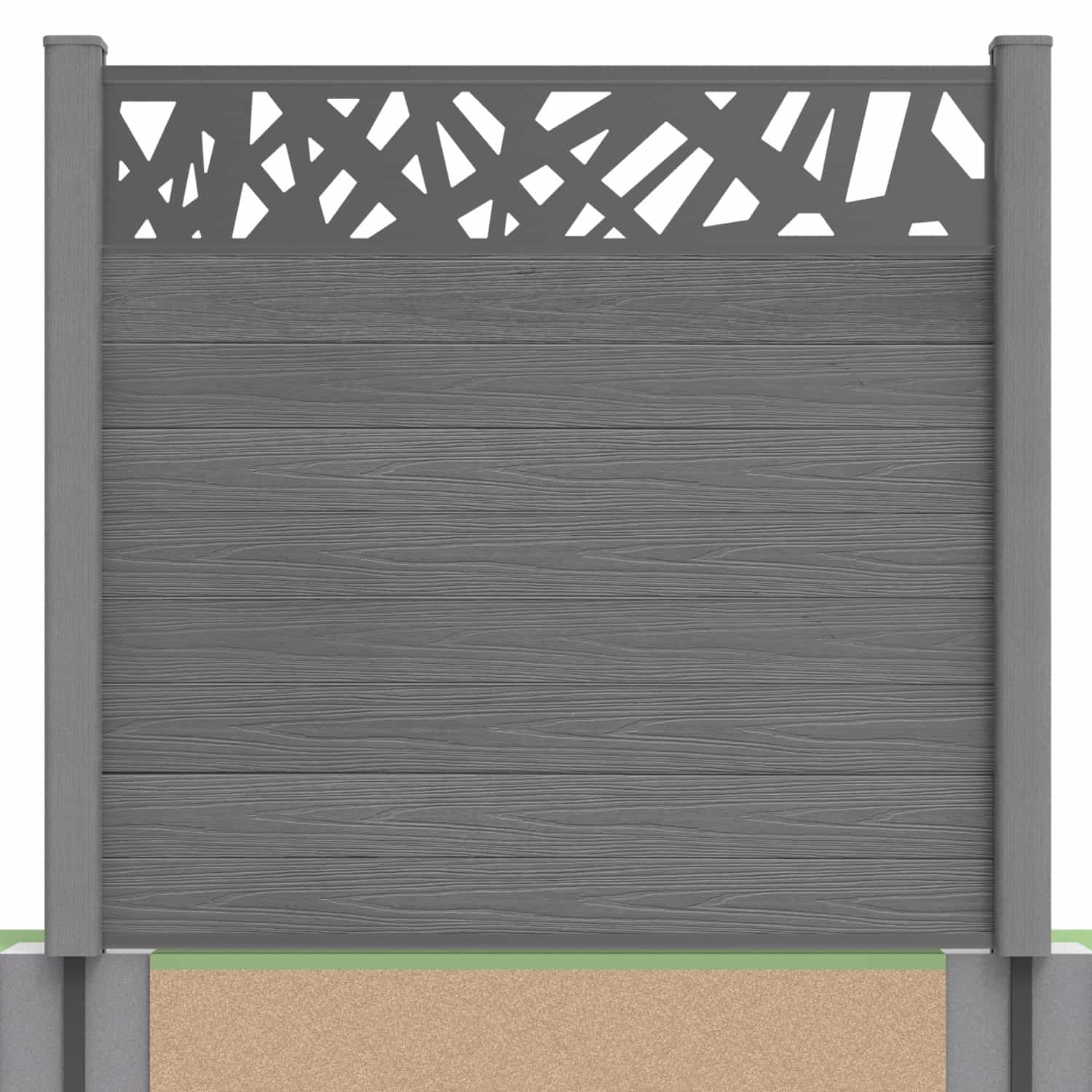
NeoTimber® offers hard-ground and soft-ground post arrangements alongside timber post inserts and concrete post inserts for compatible retrofit projects.
Existing supports need assessment before reuse. Check condition, foundations, alignment and spacing; inserts do not repair decay or structural damage. For a new installation, follow the fencing installation guidance and confirm that the base, support method and height suit the exposure.
- Measure each run, including corners, level changes and gate openings.
- Confirm the permitted height, bay dimensions and assembly details.
- Check the complete component list and panel set contents.
- Allow for delivery, groundwork, removal and installation labour.
- Ask for advice where the layout or ground conditions fall outside standard guidance.
Low Maintenance, With Realistic Expectations
The capped surface is designed to improve fade and stain resistance while avoiding routine painting. It still needs suitable cleaning, and the fence assembly needs periodic inspection.
Follow the maintenance guide and read the applicable warranty terms for the intended use. Normal weathering and colour variation should not be confused with a promise of an unchanged appearance throughout a warranty period.
Composite Fencing Applications FAQs
Where can composite fencing be used?
Common uses include garden boundaries, privacy screening beside patios and defining landscaped areas at business premises. Confirm suitability for the particular height, exposure and intended function.
Can it be used around raised decking?
It may provide screening where properly supported, but should not automatically be used as guarding against falls. Assess support arrangements and any separate guarding requirements.
Can panels fit between existing posts?
Potentially, with compatible inserts and suitable supports. Check condition, foundations, dimensions and spacing before ordering.
Can I install the boards vertically?
The NeoTimber® system described here uses horizontal boards stacked between compatible supports. Do not rotate the assembly without an approved specification for that arrangement.
Is composite fencing suitable for commercial security?
Decorative screening and a security-rated boundary are different requirements. Confirm any specialist performance through appropriate evidence for the complete system.
How can I choose the right finish?
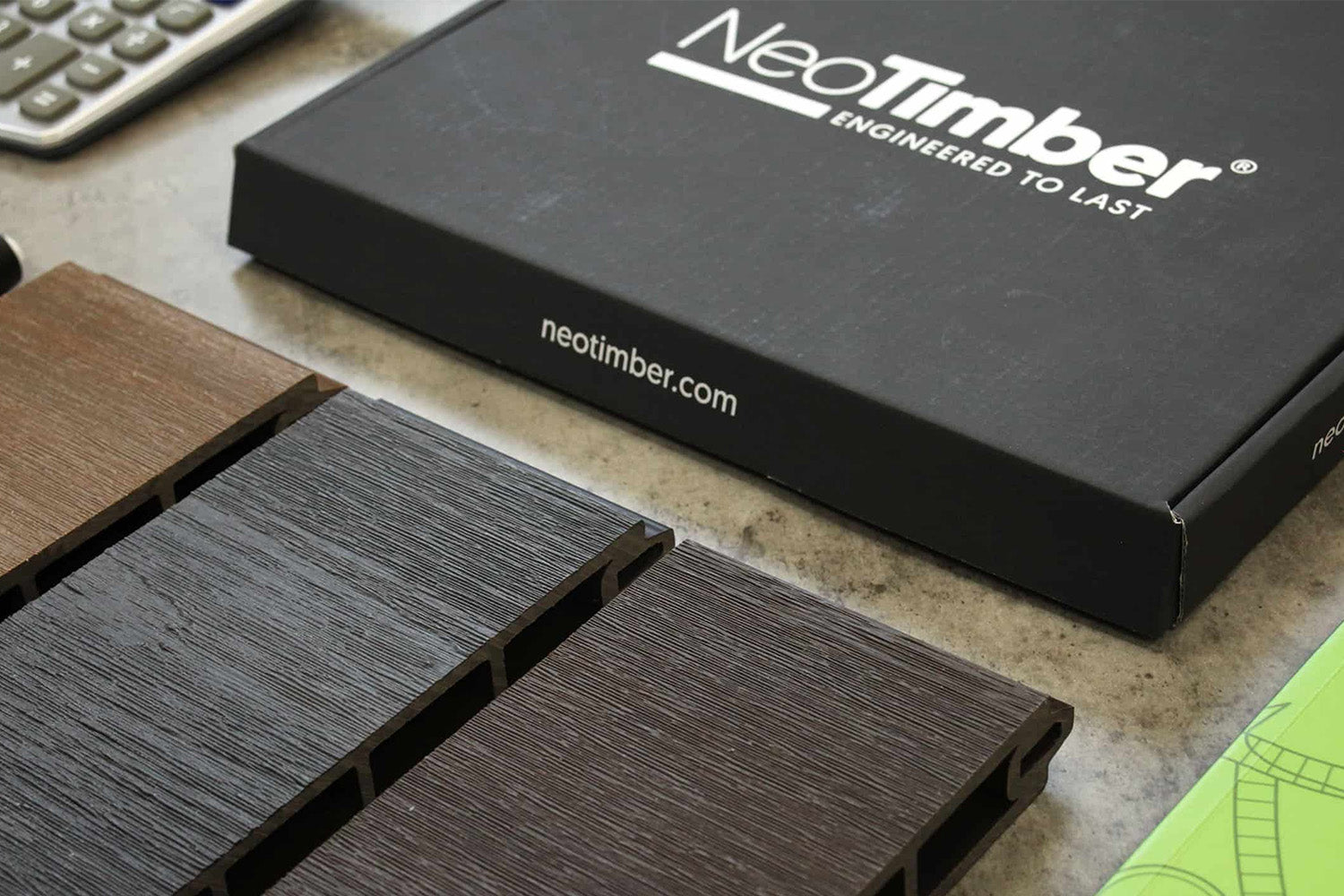
Use project photographs for inspiration, then compare physical samples outdoors beside your existing materials. Consider texture, colour and the appearance from both sides.
Match the Fence to the Way You Use the Space
Start with the application, then choose the finish and confirm the complete installation plan. Explore NeoTimber® composite fencing products or contact our team with your layout and site details for help selecting compatible components.