


Understand the Labels Before Choosing Your Fence
Composite fencing types can describe several different things: the board surface, the way components connect, the direction of the layout or the purpose of the finished boundary. These labels often overlap, so a single fence can be capped, horizontal, tongue-and-groove and modular at the same time.
Understanding those distinctions makes comparisons clearer. Rather than treating every term as a separate product range, look at the complete specification and the appearance you want.
Explore our fencing guide for an introduction, or browse NeoTimber® composite fencing to compare the available styles and components.
Explore: Type overview · Horizontal · Capped · Solid-panel descriptions · Tongue-and-groove · Privacy · Modular · Choosing a range · FAQs
What Does Each Fencing Description Mean?
| Description | What it refers to | What to check |
|---|---|---|
| Horizontal | Board direction across the boundary | Approved layout and support spacing |
| Capped | An additional protective surface layer | Care requirements and expected weathering |
| Solid | May describe visual coverage or the board core | Exactly which meaning the supplier intends |
| Tongue-and-groove | Interlocking board edges | Rails, channels and movement clearances |
| Privacy | The intended screening function | Height, openings and actual sightlines |
| Modular | Assembly from compatible components | Permitted configurations and complete quantities |
Horizontal Composite Fencing
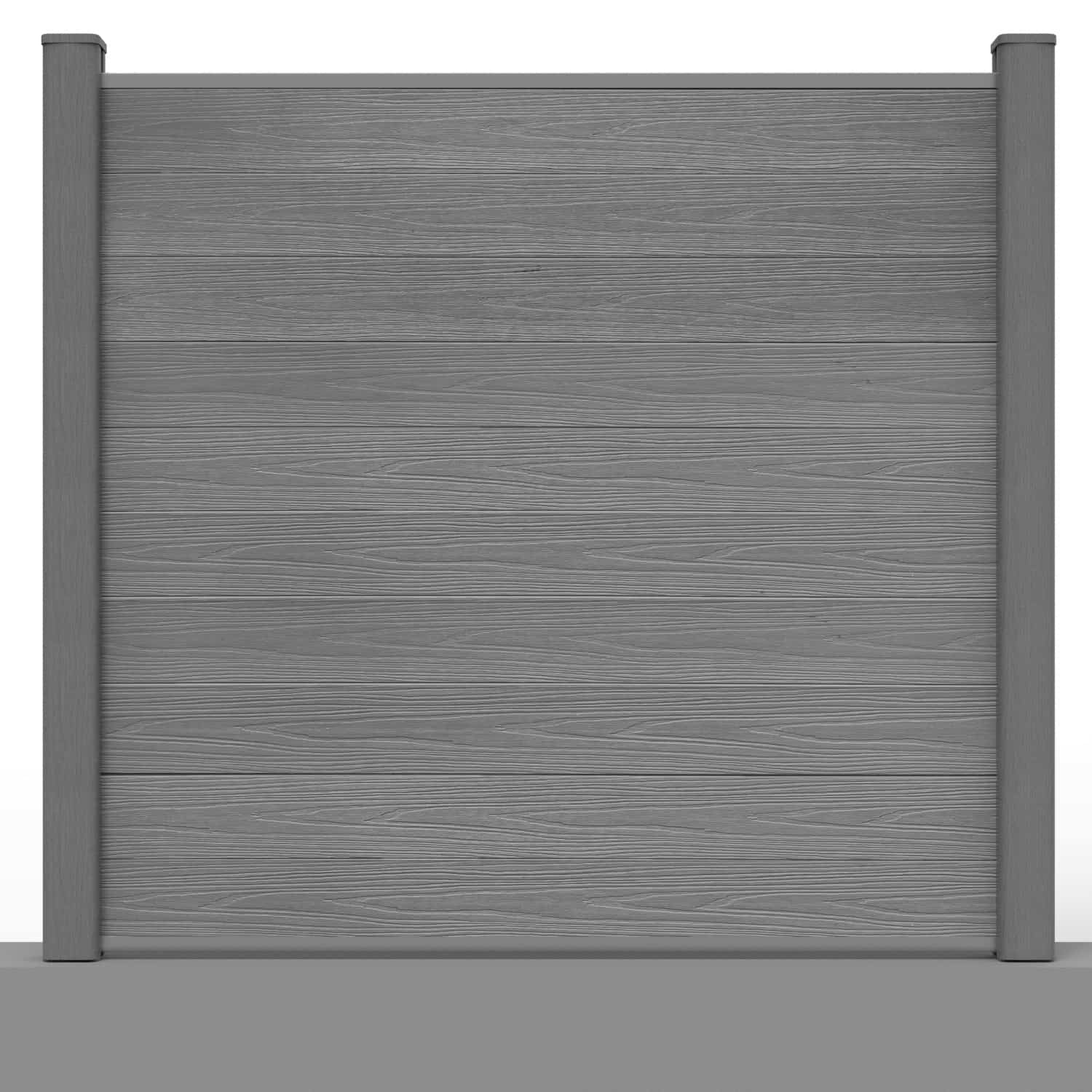
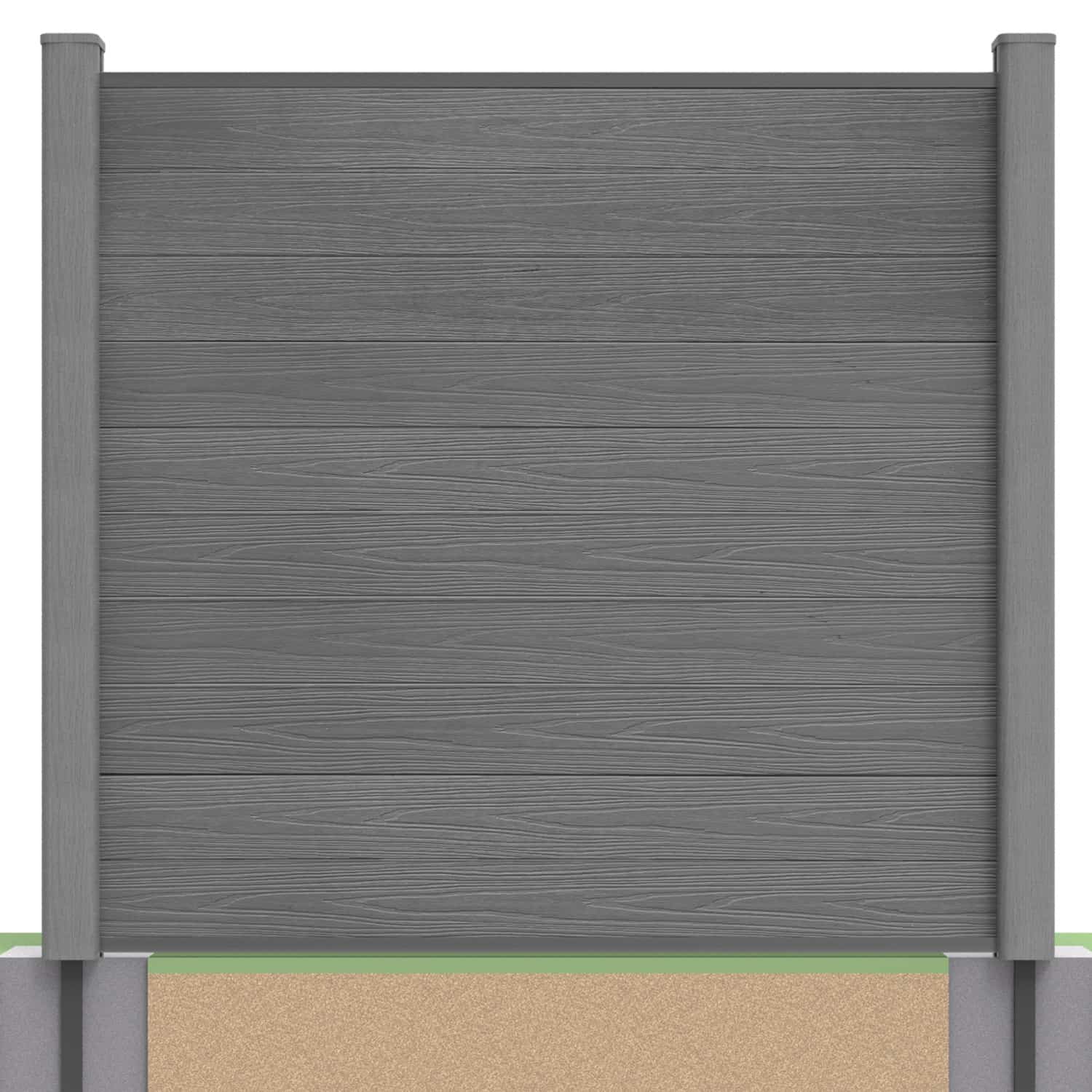
Horizontal boards create repeated lines along the boundary. They can frame planting, define a seating area or connect the fence visually with paving and garden furniture.
NeoTimber’s system uses horizontal boards stacked between compatible post channels or inserts. The Slatted profile adds a pronounced linear appearance, while other board textures create a different effect within the same orientation.

Direction is part of the installation design. Do not assume that rotating the assembly into a vertical arrangement is permitted without a separately approved specification. Use the system’s installed dimensions rather than board length alone to position posts.
Capped and Uncapped Composite
Capped boards have an additional polymer outer layer over the composite core. NeoTimber’s capped surface is designed to improve resistance to fading, staining and moisture while providing the finished texture.
Uncapped composite exposes a different surface construction. Compare information for the actual products rather than assuming that all boards within either category perform alike.

Capping does not make a fence waterproof, scratch-proof or immune to colour change. It also does not establish the structural suitability of the supports or foundations. Follow the care instructions and allow for normal outdoor weathering.
Solid Panels Versus Solid-Core Boards
“Solid fencing” needs clarification. It may mean a panel that provides continuous-looking visual coverage, or it may refer to a board with a fully filled core. These are different characteristics.
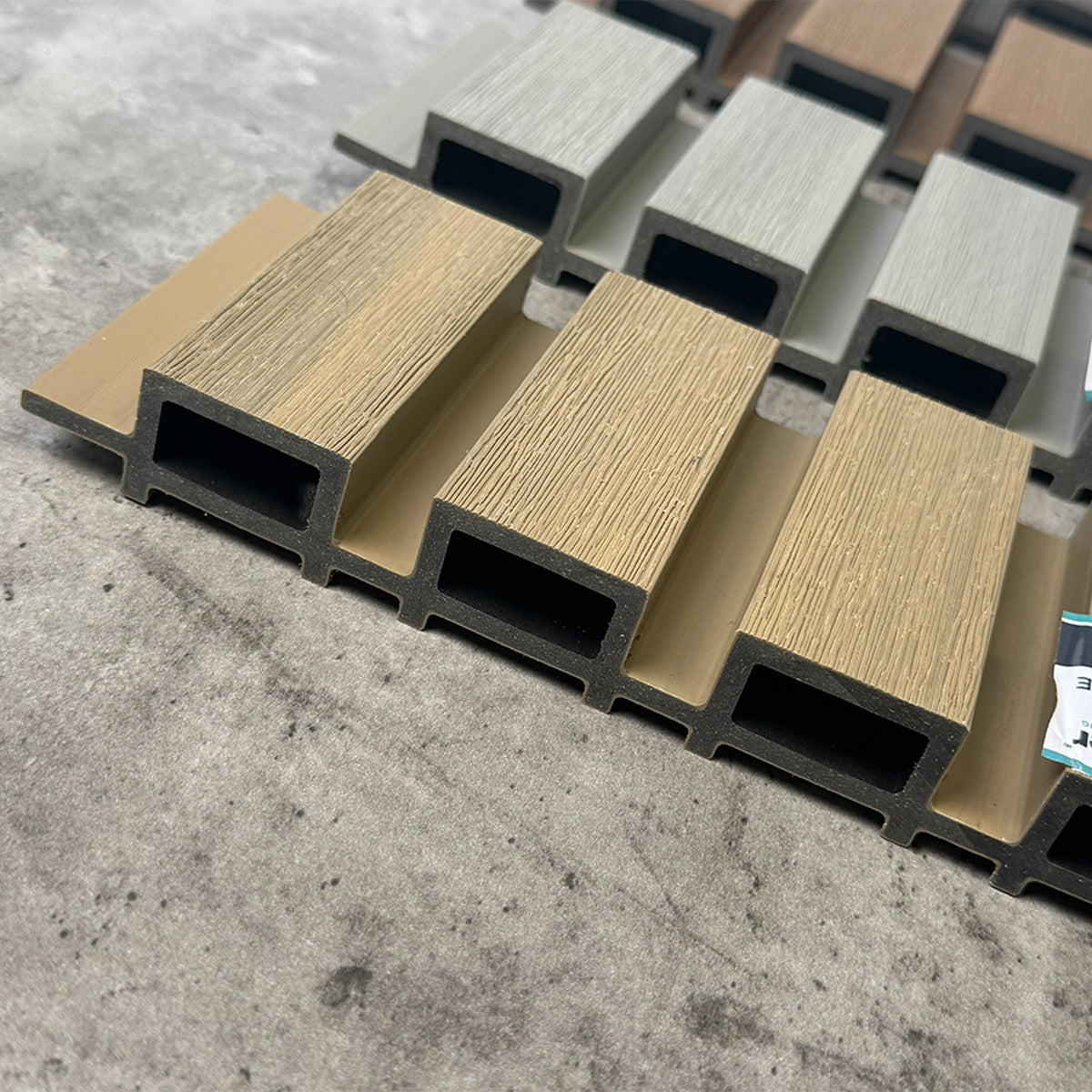
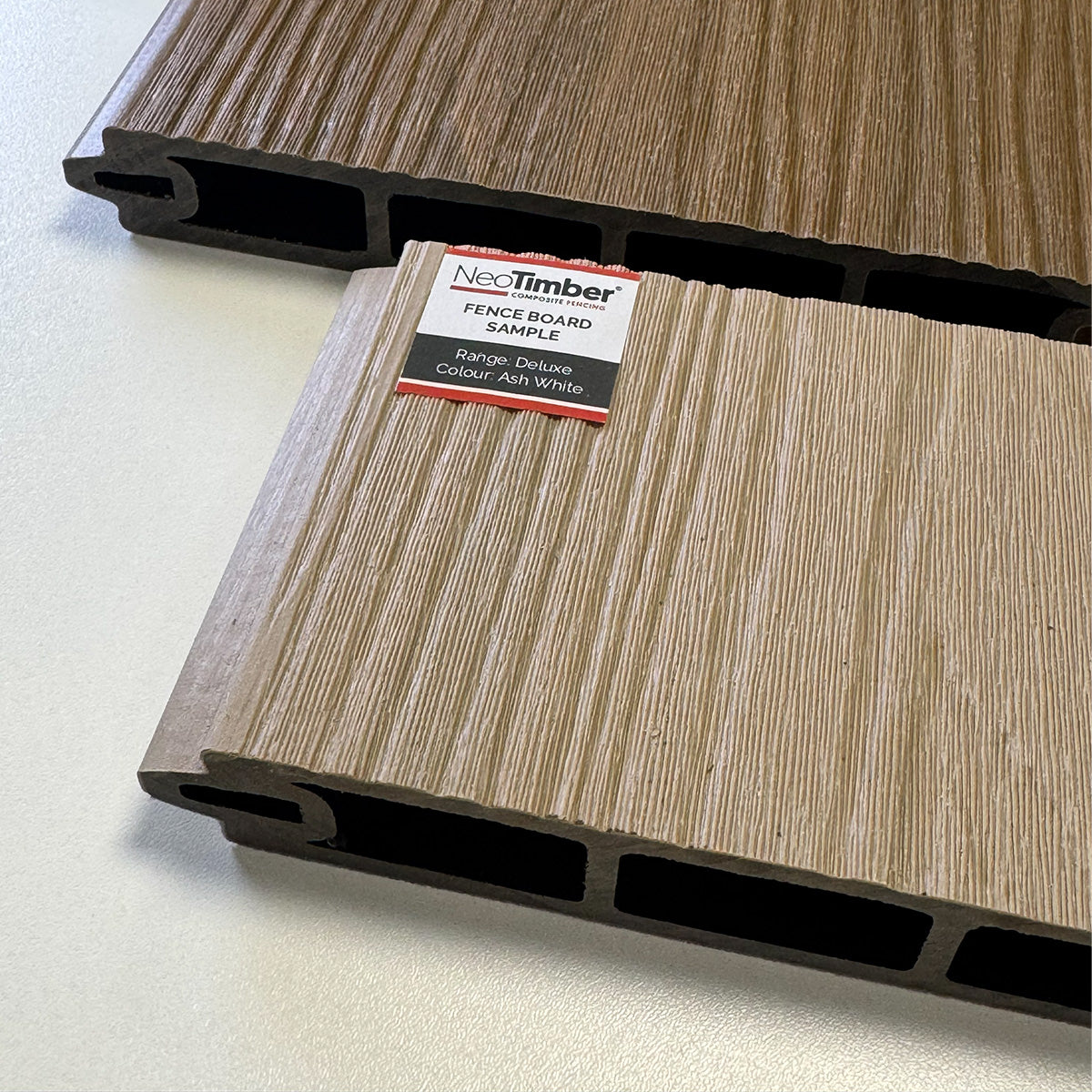
A hollow-profile board can still form a panel that provides visual screening. Conversely, a solid-core component does not automatically establish privacy if the panel design includes openings. Ask for a cross-section or technical specification if the core construction matters to your comparison.

Do not infer a security rating, wind rating or acoustic performance from the word solid. Those require information about the complete system and its installation.
Tongue-and-Groove Fencing
Tongue-and-groove boards have edges that connect as the panel is assembled. In NeoTimber’s system, the boards stack between compatible channels and work with the specified rails and posts.

The joint helps create a consistent panel appearance, but does not remove the need for movement clearances, suitable foundations or the correct support arrangement. An interlocking edge alone is not proof of wind resistance.
Read the current installation instructions before planning cutting, height changes or connections to an existing boundary.
Privacy Fencing
Privacy describes the intended use of the boundary. Assess what can be seen from the places that matter, including seating areas, neighbouring windows and paths. The appropriate screening height depends on those sight lines and the permitted installation.
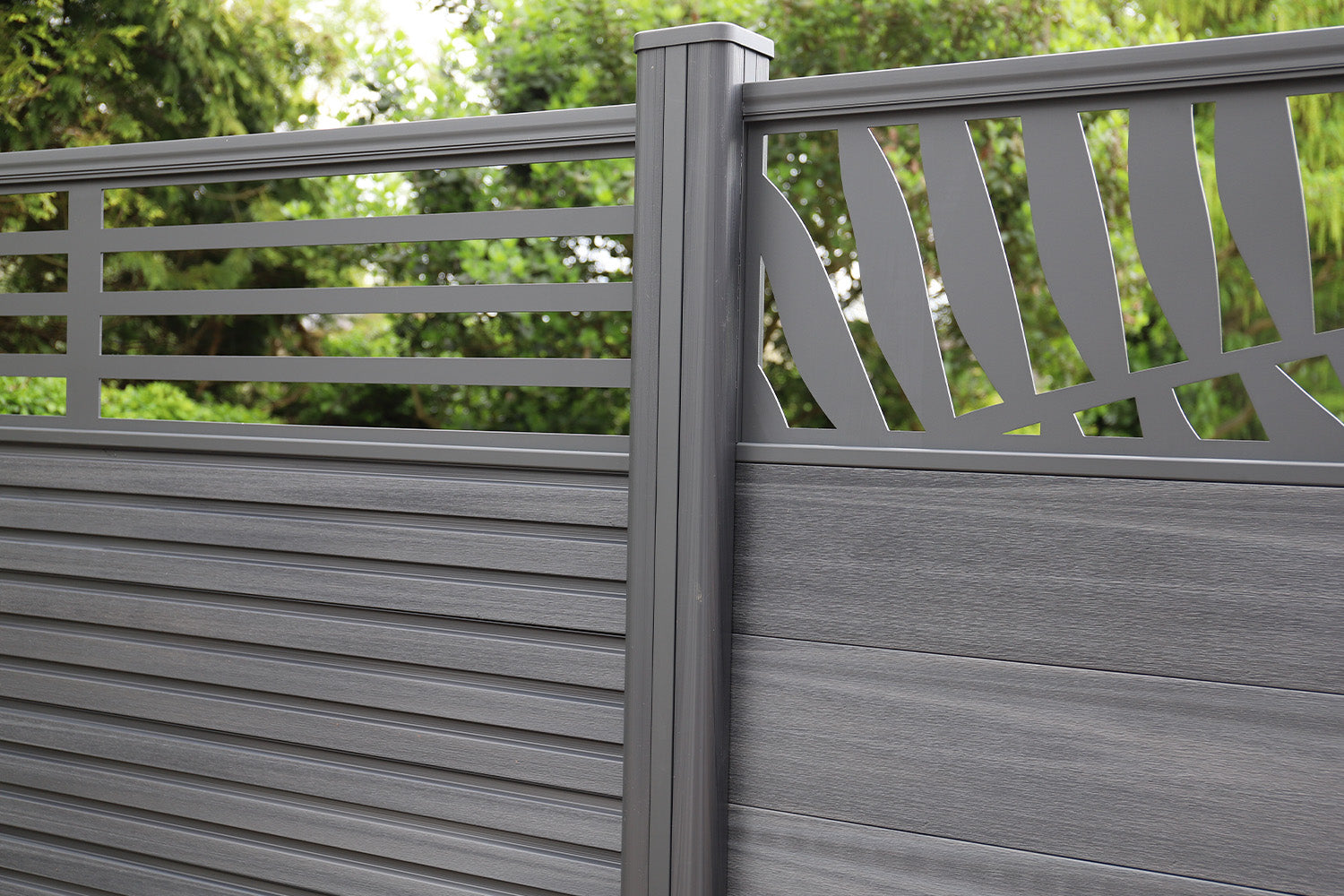
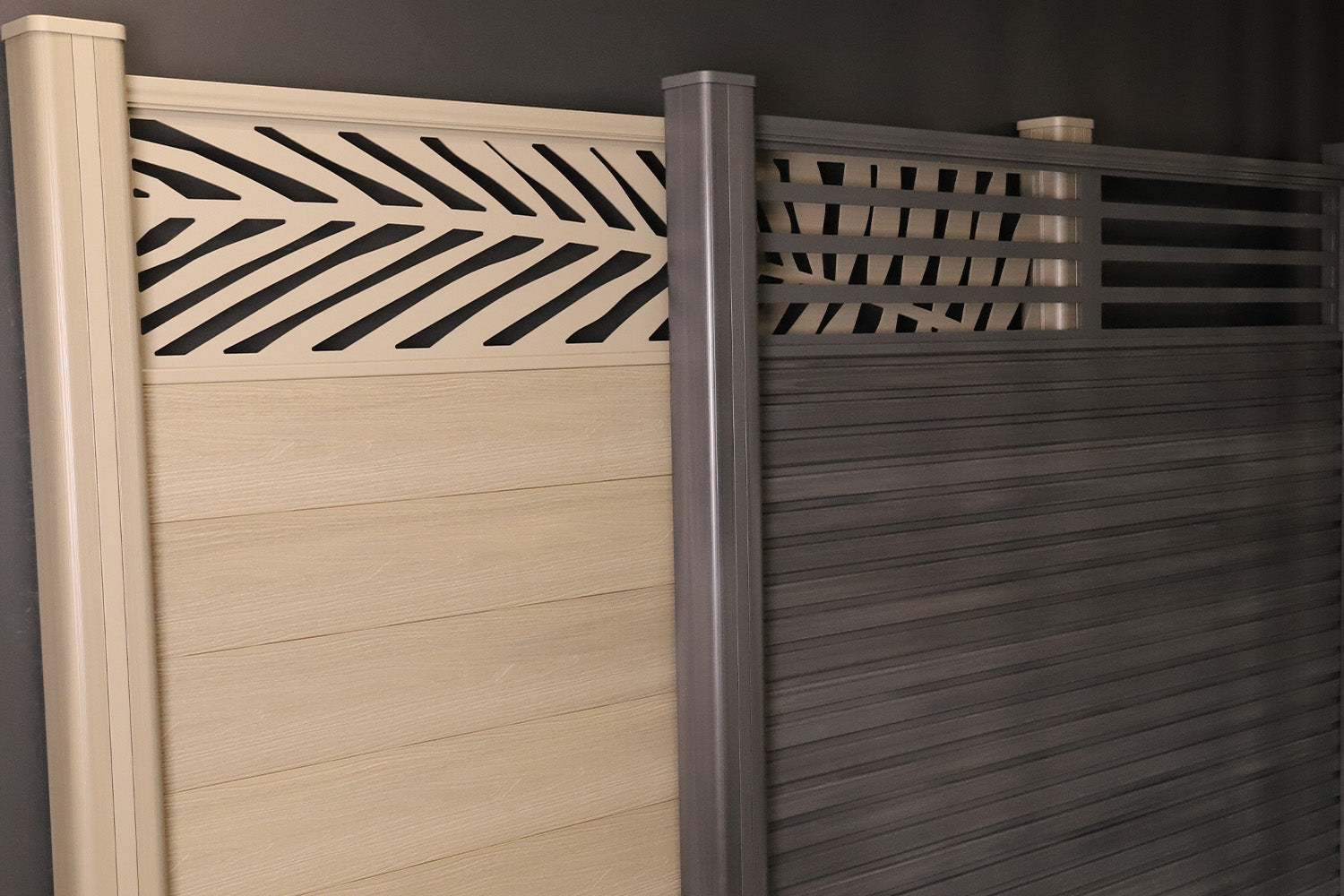
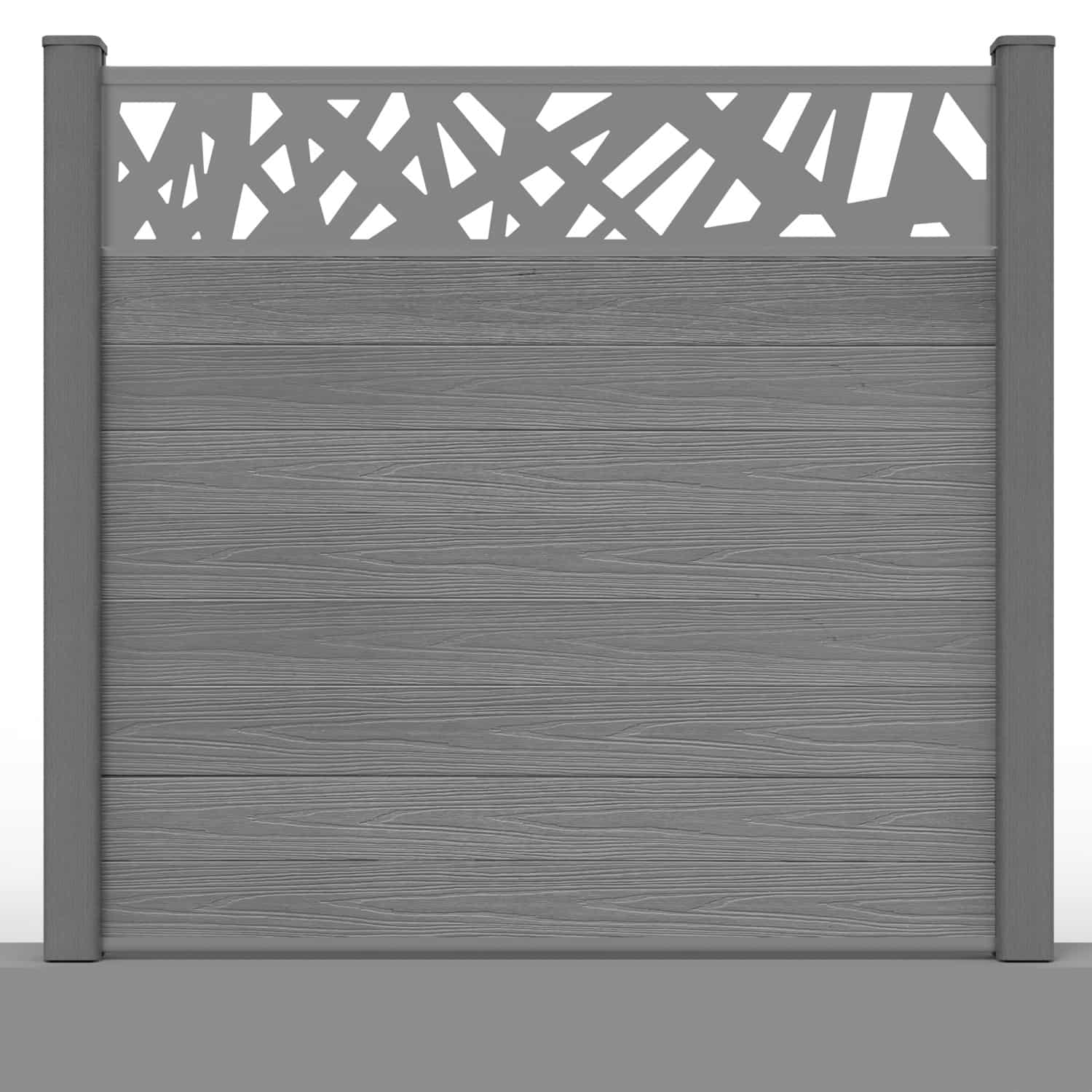
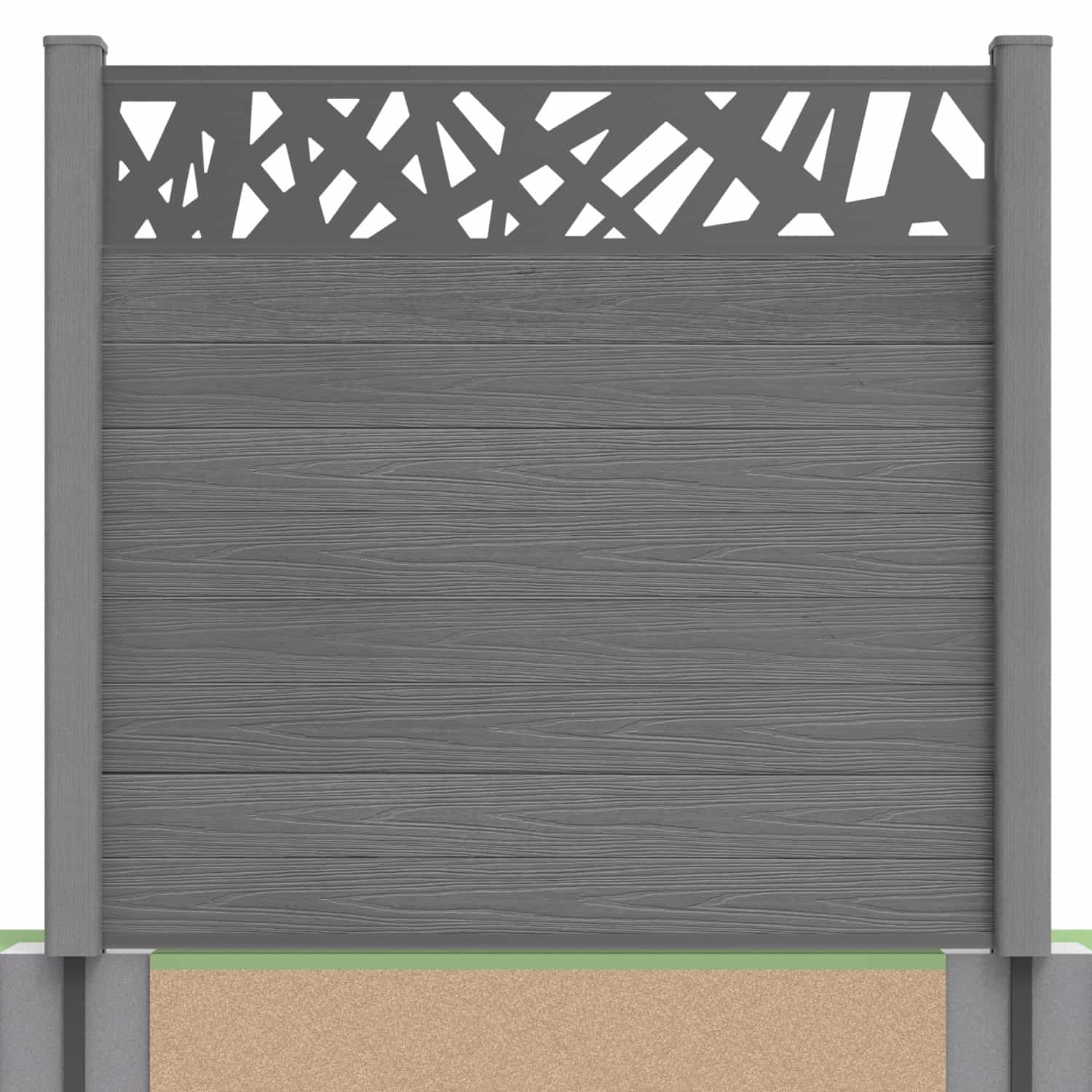
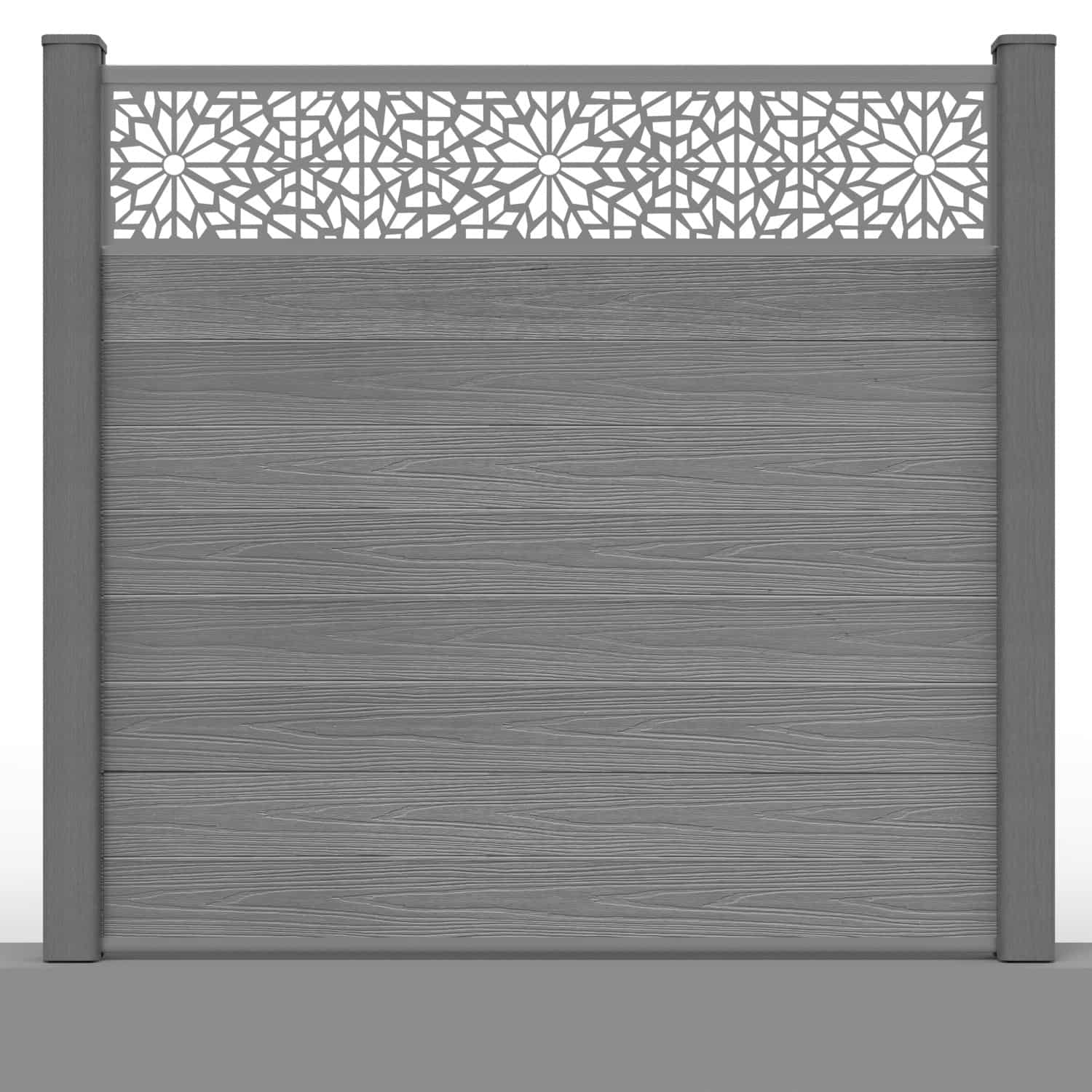
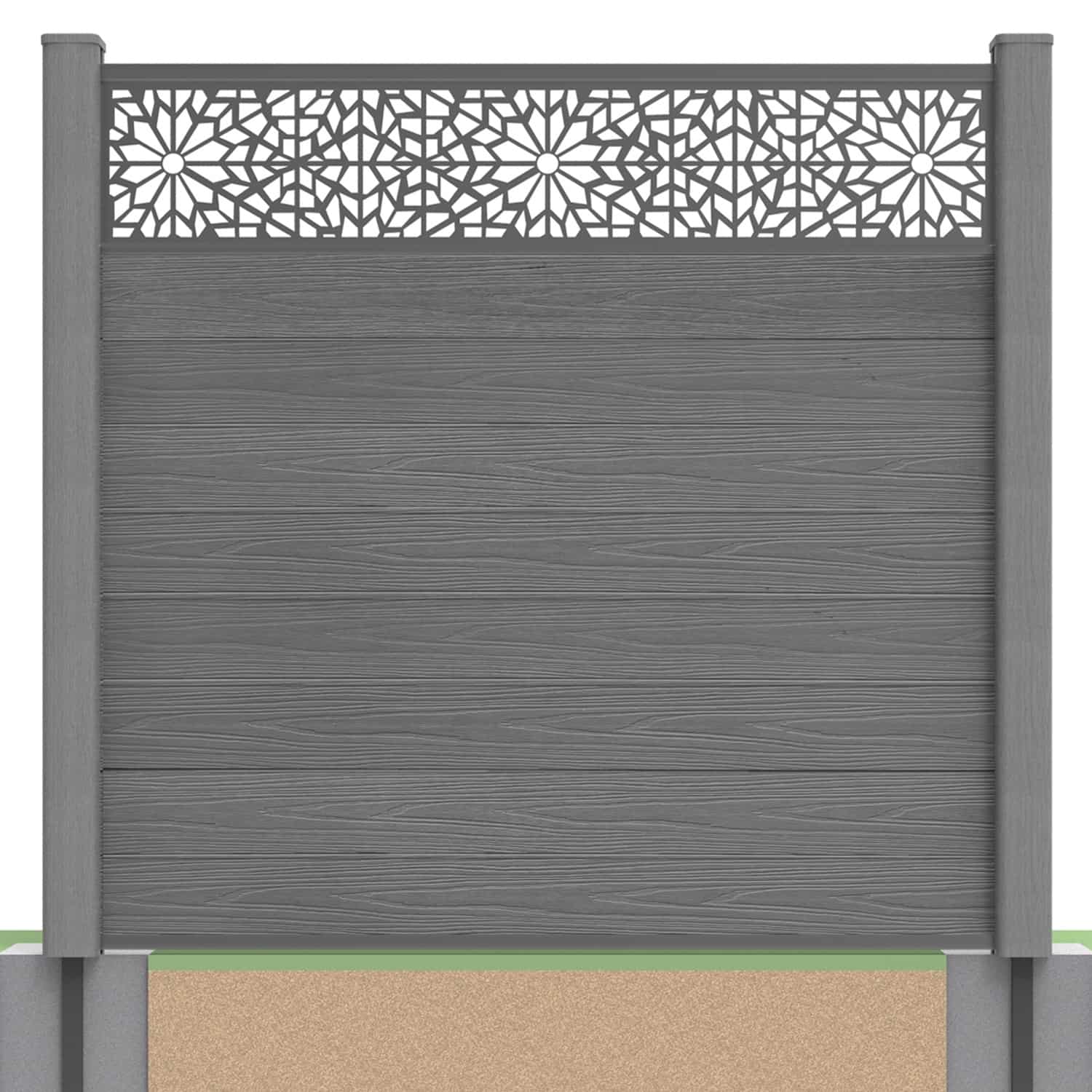
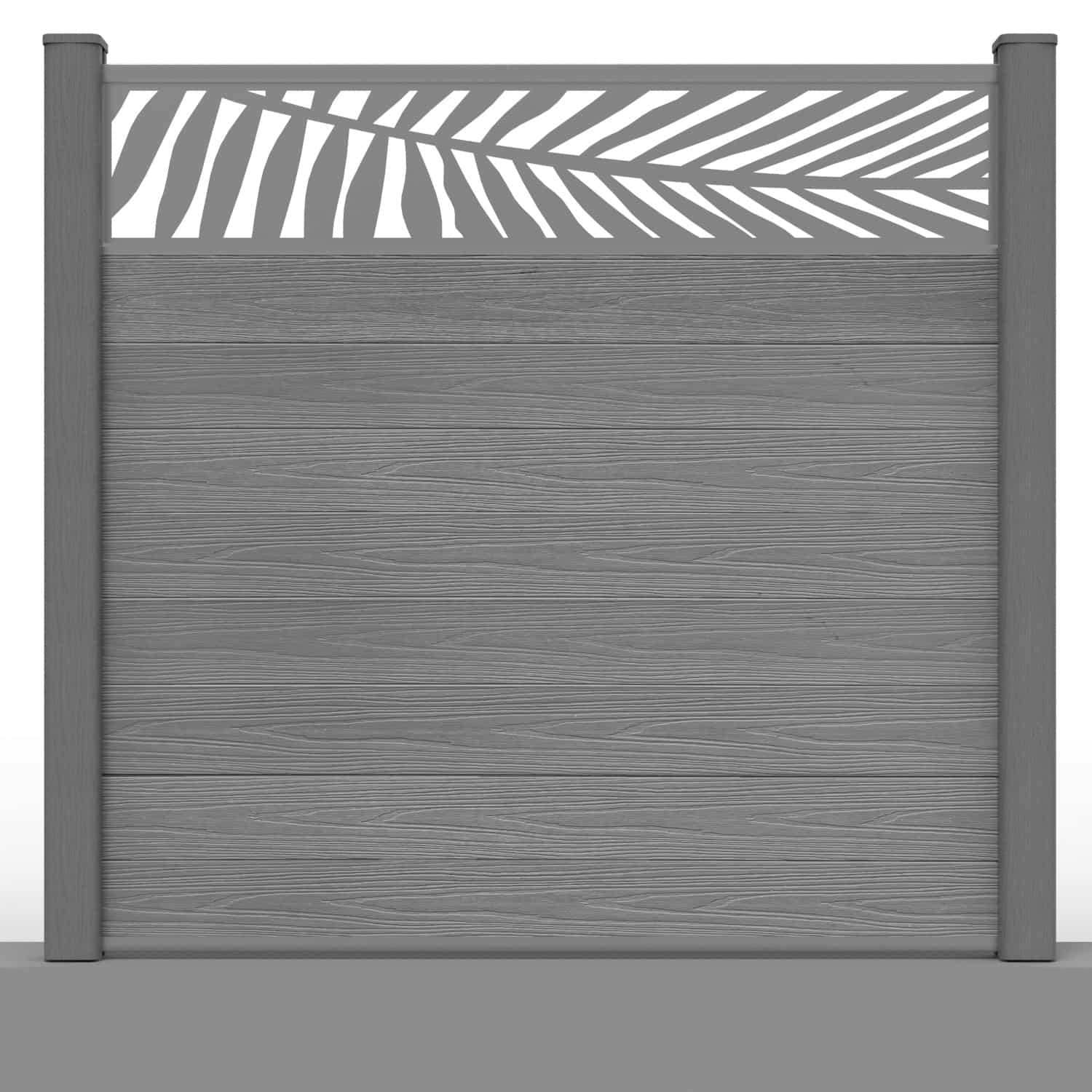
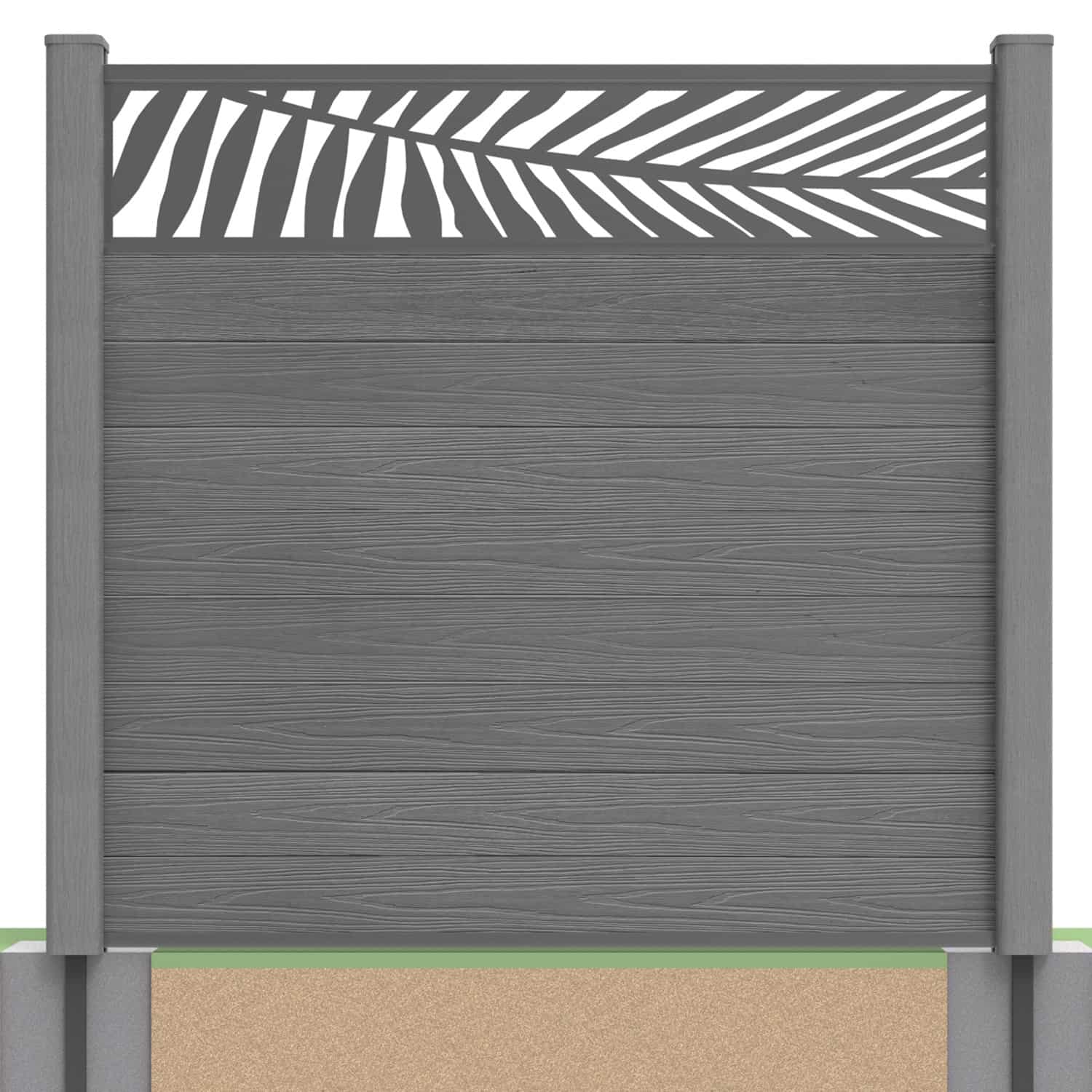
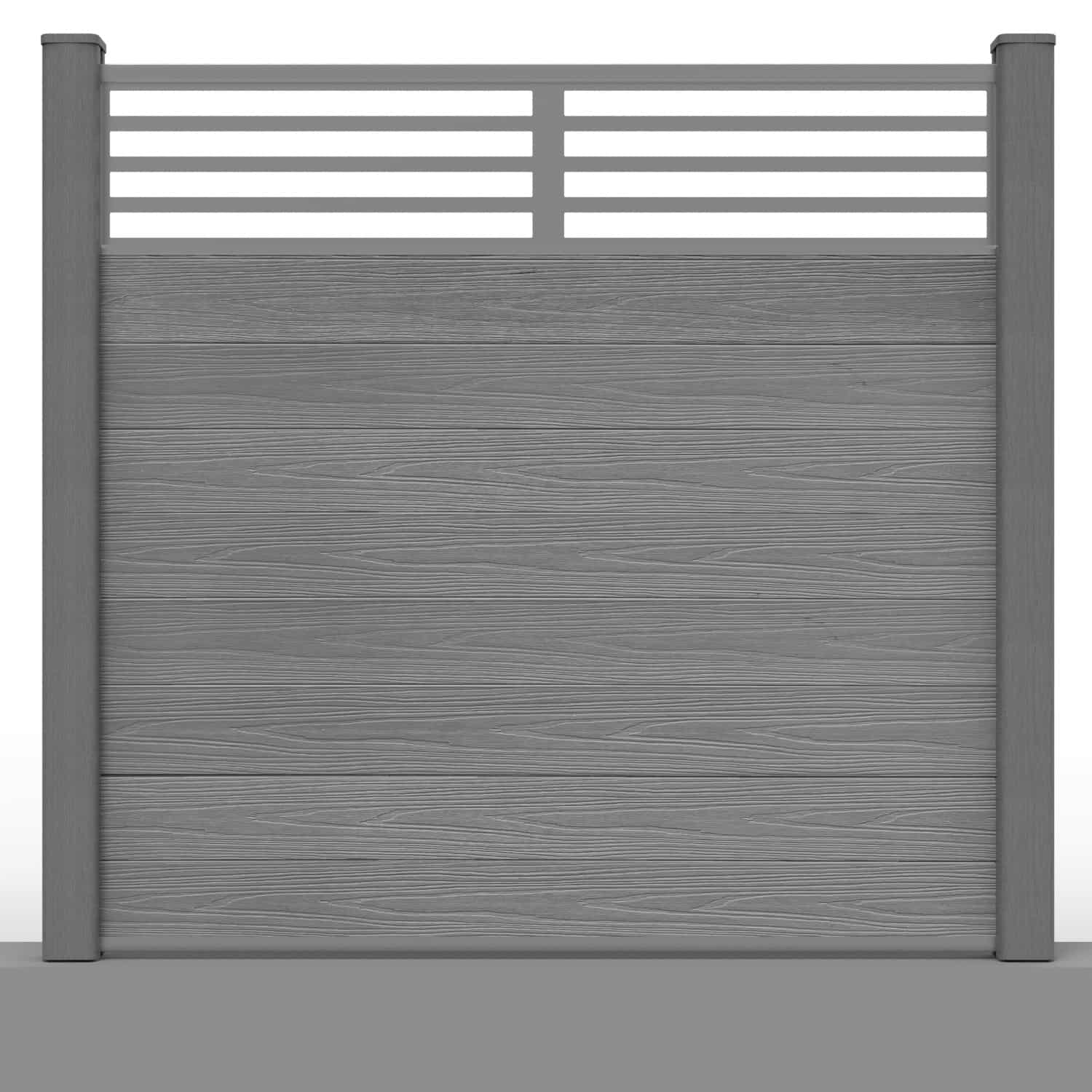
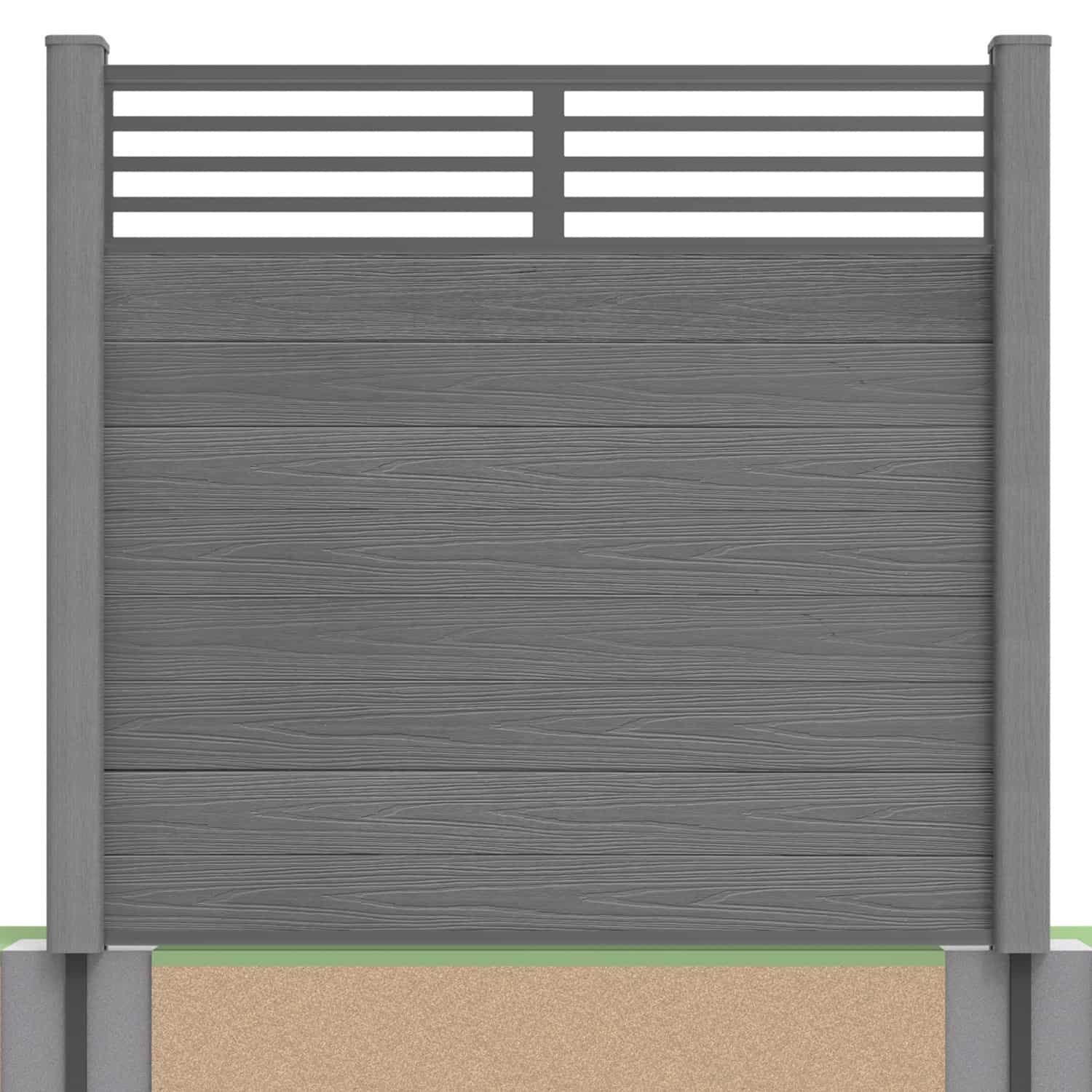
Decorative cut-out screens can add pattern but also allow views through part of the panel. Likewise, a slatted-style profile should not automatically be treated as an open screen: check the actual construction.

Privacy does not establish verified security or noise reduction. If the project needs specialist acoustic performance, ask for evidence for the complete assembly rather than assuming there is a separate acoustic board range. For fall protection near raised areas, confirm a suitable guarding specification separately.
Modular Fencing Systems
A modular fence is built from compatible parts such as boards, posts, inserts, rails and finishing components. It can be ordered through selected panel sets or individual components, depending on the layout.
NeoTimber® offers new-post support arrangements and inserts for compatible existing timber or concrete posts. Retaining supports requires a condition and compatibility assessment; inserts cannot repair damage or inadequate foundations.

Modular does not mean every component is interchangeable or every height is possible. Check the selected configuration, quantities and support requirements before mixing parts or altering a panel.
Choose the Board Style Within the System
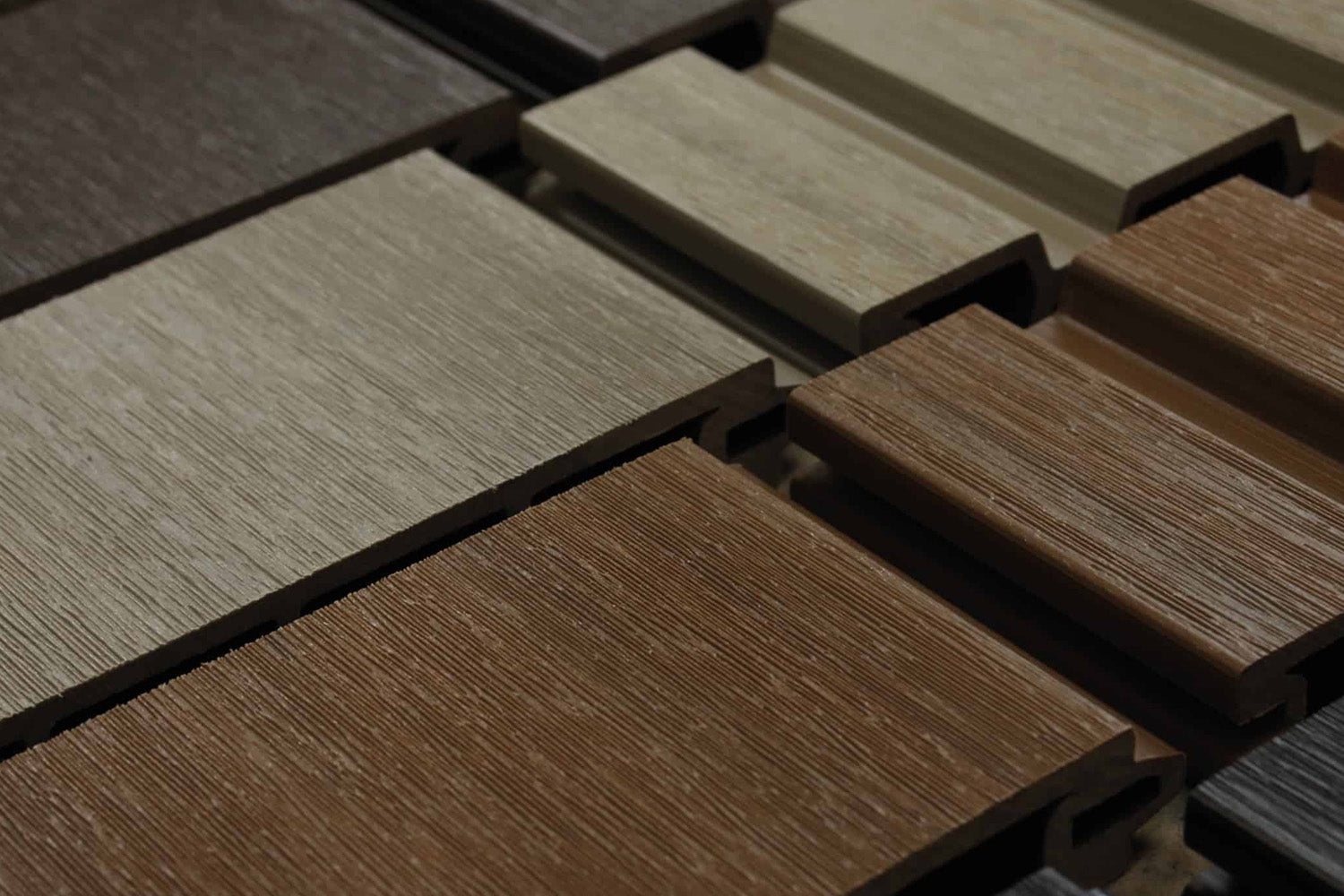
Once the terminology is clear, compare the appearance of the actual ranges. NeoTimber’s Deluxe panels offer woodgrain and brushed face options. The Slatted panels provide a pronounced linear profile.
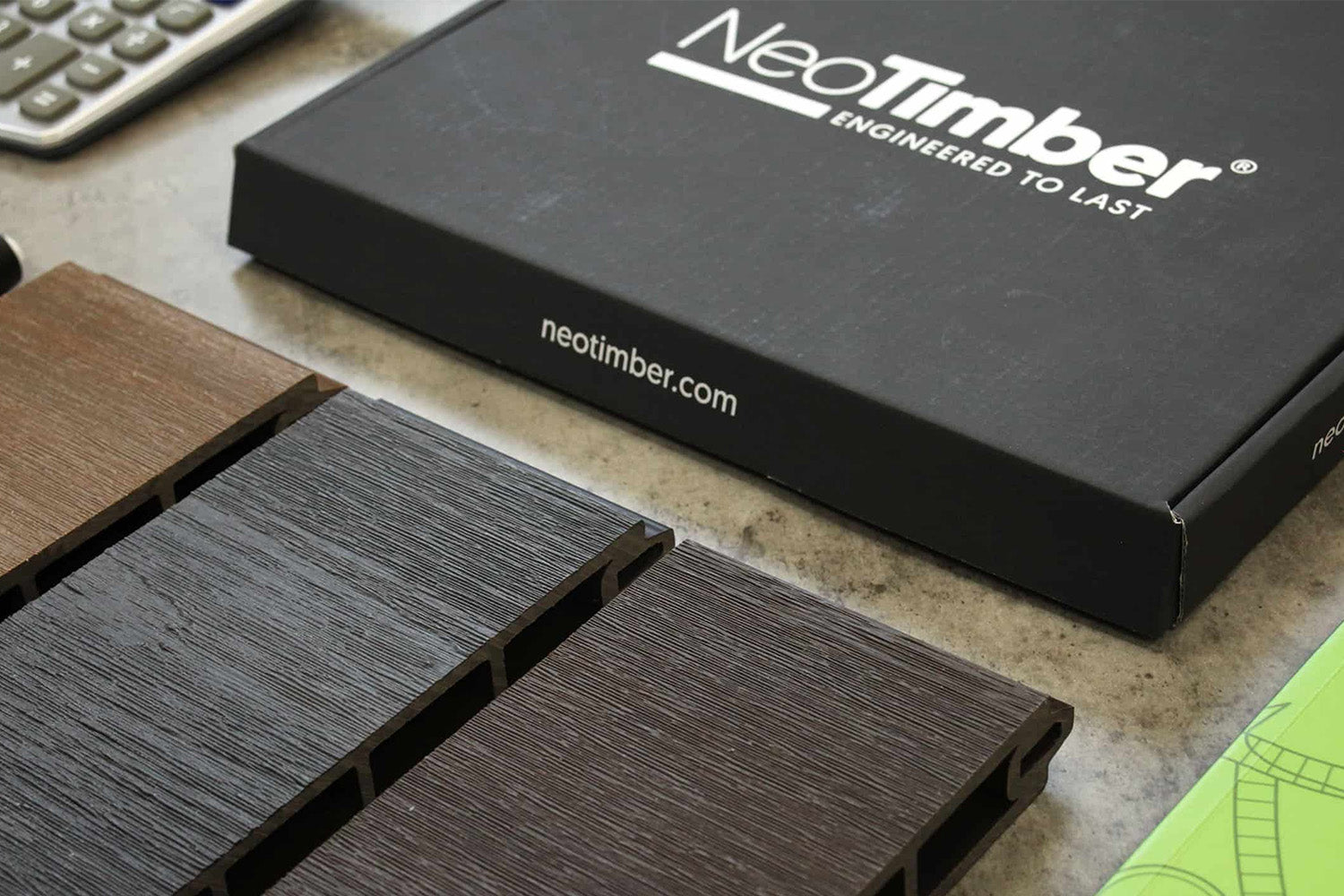
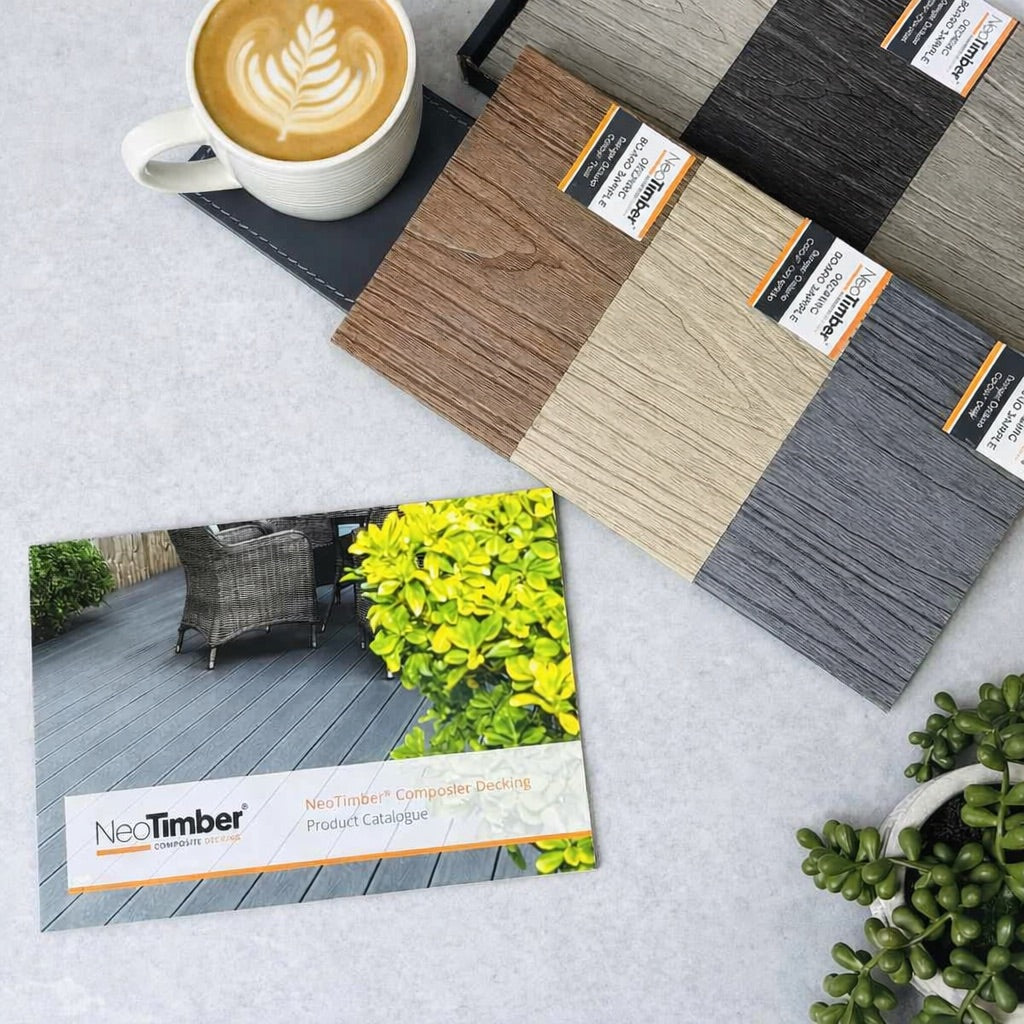
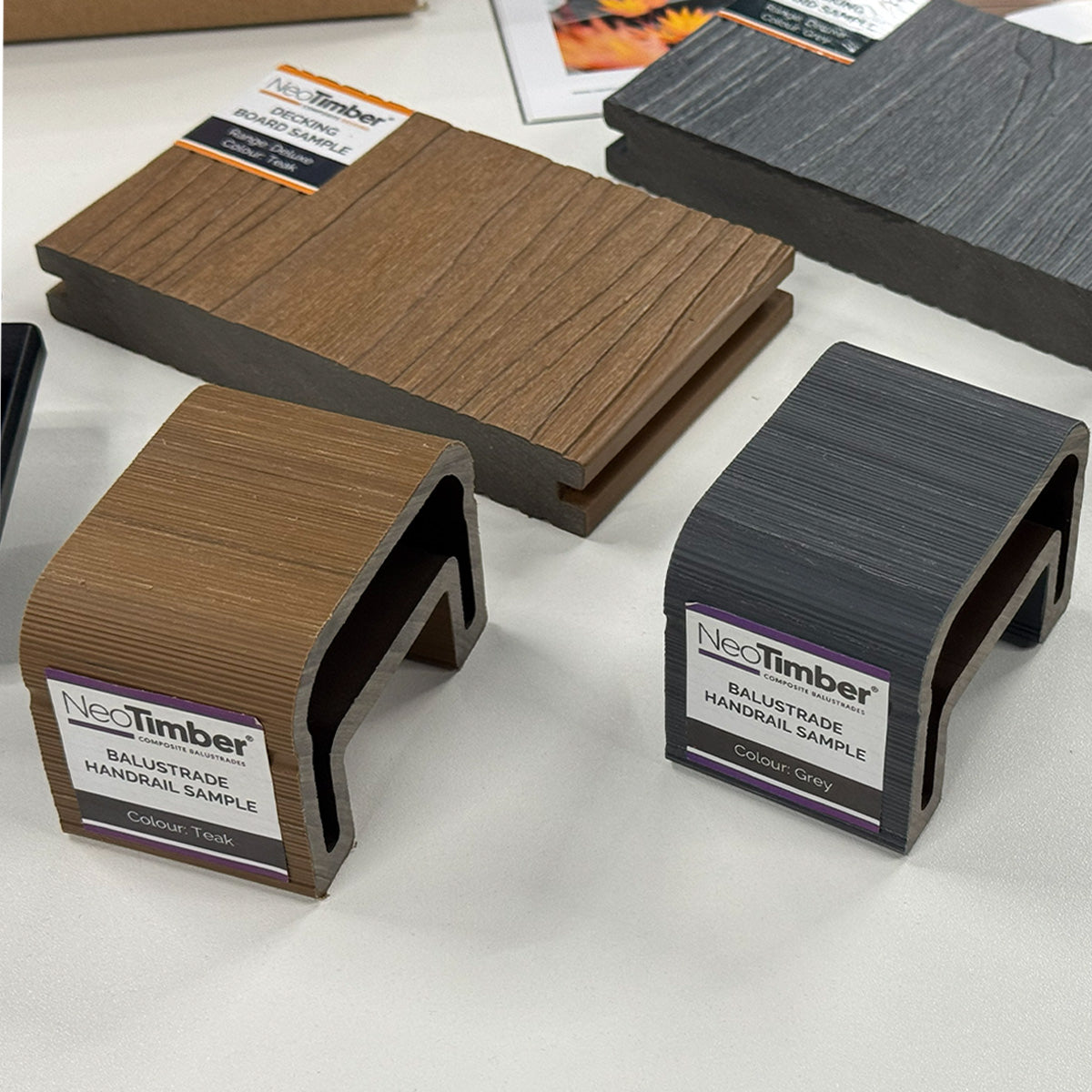
Both can be described using several of the terms above. Choose the texture you prefer, then compare colours and physical samples beside your existing materials.
- Define the fence’s purpose and the privacy needed.
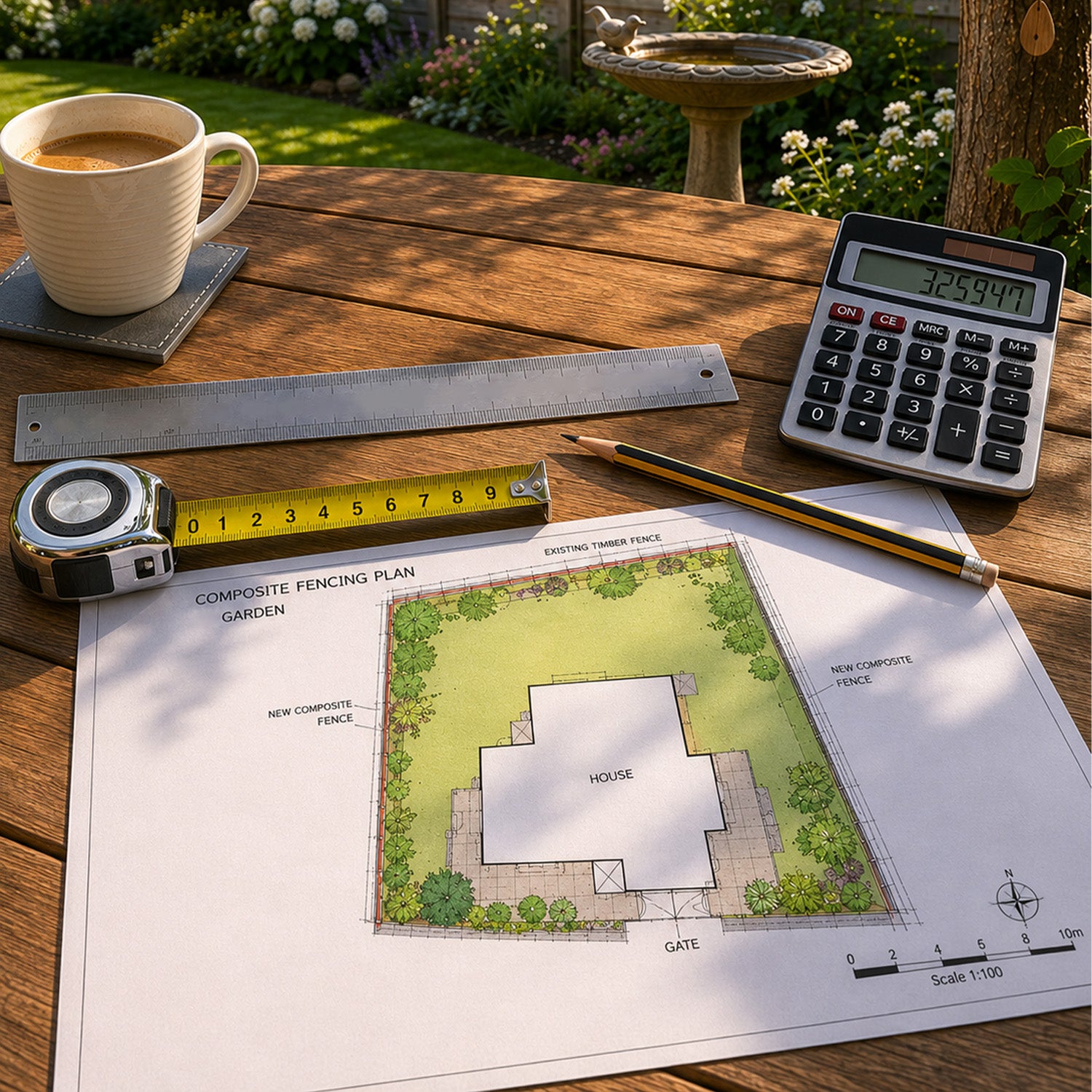
- Measure the height, runs, corners, levels and gate openings.
- Confirm the surface construction and board profile.
- Assess the posts, foundations and site exposure.
- Compare the complete delivered and installed cost.
- Read the care guidance and applicable warranty terms.
Composite Fencing Types FAQs
Are capped and horizontal fencing different products?
Not necessarily. Capped describes the surface construction, while horizontal describes the board direction. One system can have both features.
Does solid fencing always have a solid core?
No. The word may describe continuous-looking panel coverage rather than internal board construction. Confirm the technical profile with the supplier.
Is Slatted fencing an open screen?
Do not assume so from the range name. Check the assembled panel details where airflow, visibility or screening matters.
Which type is best for privacy?
Compare the panel’s visual coverage, proposed height and relevant sightlines. Decorative openings can change the result, regardless of the material label.
Can I mix components from different systems?
Only where compatibility and the installation specification have been confirmed. Profiles, dimensions and support requirements may differ.
Does capped fencing need maintenance?
Yes. It avoids routine painting and staining, but still needs suitable cleaning and periodic checks of supports, rails, fixings and gates.
Compare the Whole Specification
Use the labels to understand the features, then choose a complete system suited to your site. Explore NeoTimber® composite fencing options or contact our team with your measurements and requirements for help planning compatible components.