Is a Composite Fence the Right Alternative to Timber for Your Garden?
Man made fencing covers a wide range of manufactured boundary products, including composite, PVC, metal and concrete systems. If you like the appearance of timber but want to reduce routine painting and staining, composite boards are one option worth comparing.
NeoTimber’s composite system combines factory-finished boards with compatible posts, supports and rails. It offers a different approach to building a boundary, but choosing the right fence still means weighing up appearance, installation, upkeep and the needs of your site. This guide explains those choices without assuming that one material is best for every garden.
Explore our fencing resources for wider planning advice, or browse the composite fencing range to compare products.
In this guide: What the term means · Composite versus timber · Modular construction · Design options · Reusing existing posts · Planning checklist · FAQs
What Is a Man Made Fence?
A man made fence is a broad description rather than a technical specification. Products sold under the term can have very different materials, finishes and installation requirements. A PVC panel, a powder-coated metal screen and a wood–plastic composite board should not be treated as interchangeable.
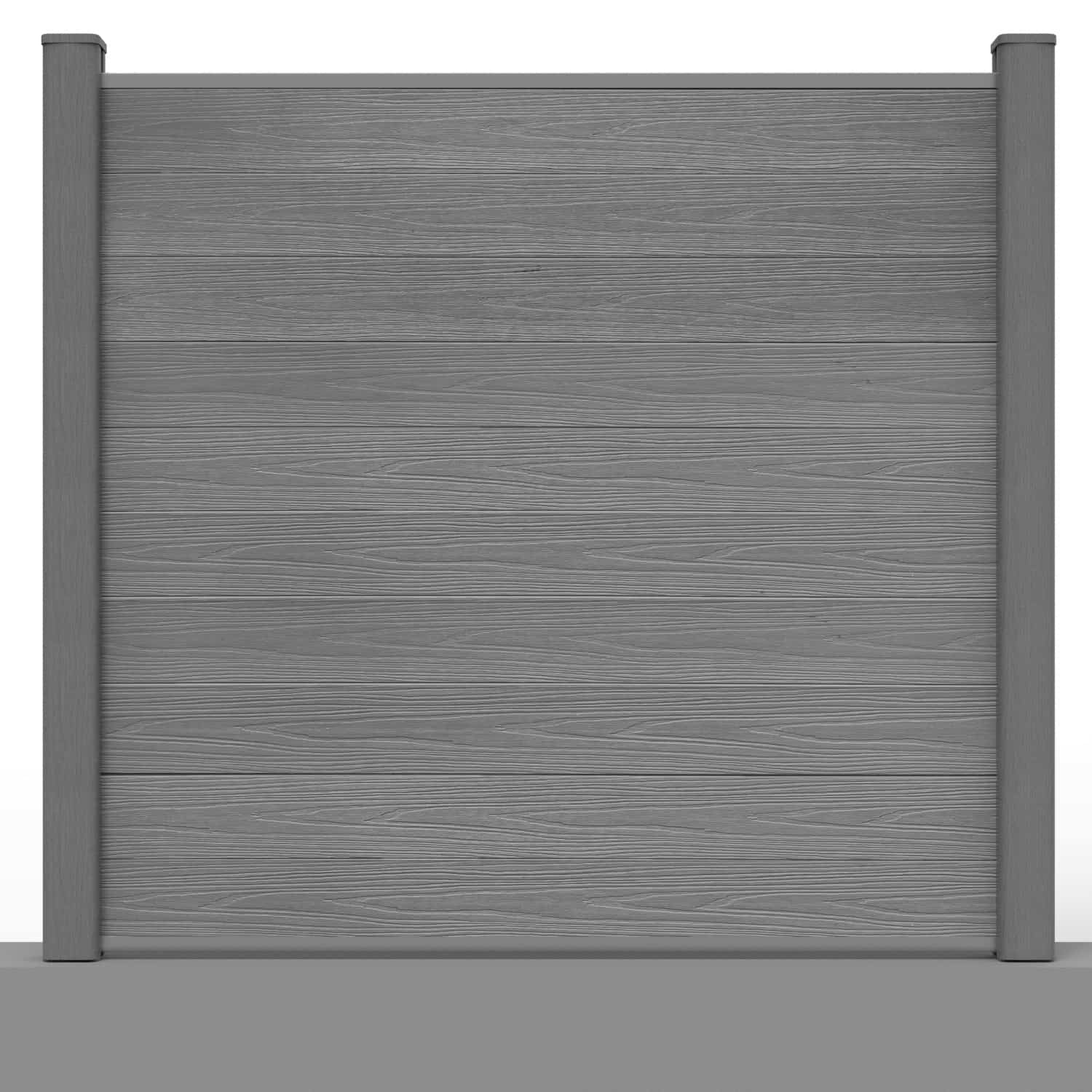
Composite fencing combines wood fibres with plastic and other ingredients to create a manufactured board. NeoTimber’s capped boards add a protective outer layer around the composite core. For a buyer, the important questions are how the particular product is constructed, what care it needs and how the complete system is supported.
Do not assume that “manufactured” means wood-free, entirely recycled or maintenance-free. Check the specific product information and any evidence behind environmental or performance claims.
How Does Composite Fencing Compare With Timber?
Timber provides natural grain and can suit a wide range of traditional garden styles. Composite offers a factory-finished alternative where reducing repeated decorative treatments is a priority. Compare actual products, because timber treatment, composite construction and installation quality all affect performance.
Practical differences to consider before choosing your fence:
| Consideration | Timber fencing | Capped composite fencing |
|---|---|---|
| Appearance | Natural grain and variation; appearance changes with weathering and treatments. | Manufactured colours and textures, including wood-inspired finishes. |
| Surface upkeep | Treatment or coating renewal depends on the product and desired finish. | No routine painting or staining of the factory-finished boards; suitable cleaning remains necessary. |
| Construction | Available as complete panels or individual components. | Boards assembled with compatible posts, inserts and rails. |
| Repairs | Individual parts may be replaceable, depending on the construction. | Component replacement may be possible, depending on access and the assembly. |
| Project cost | Varies with species, treatment, style and installation. | Varies with the board range, post system, foundations and installation. |
Neither material removes the need for suitable foundations, correct connections or periodic checks. Wind performance depends on the complete fence and its exposure, not simply whether the boards are timber or composite.

A Modular System Built From Compatible Components
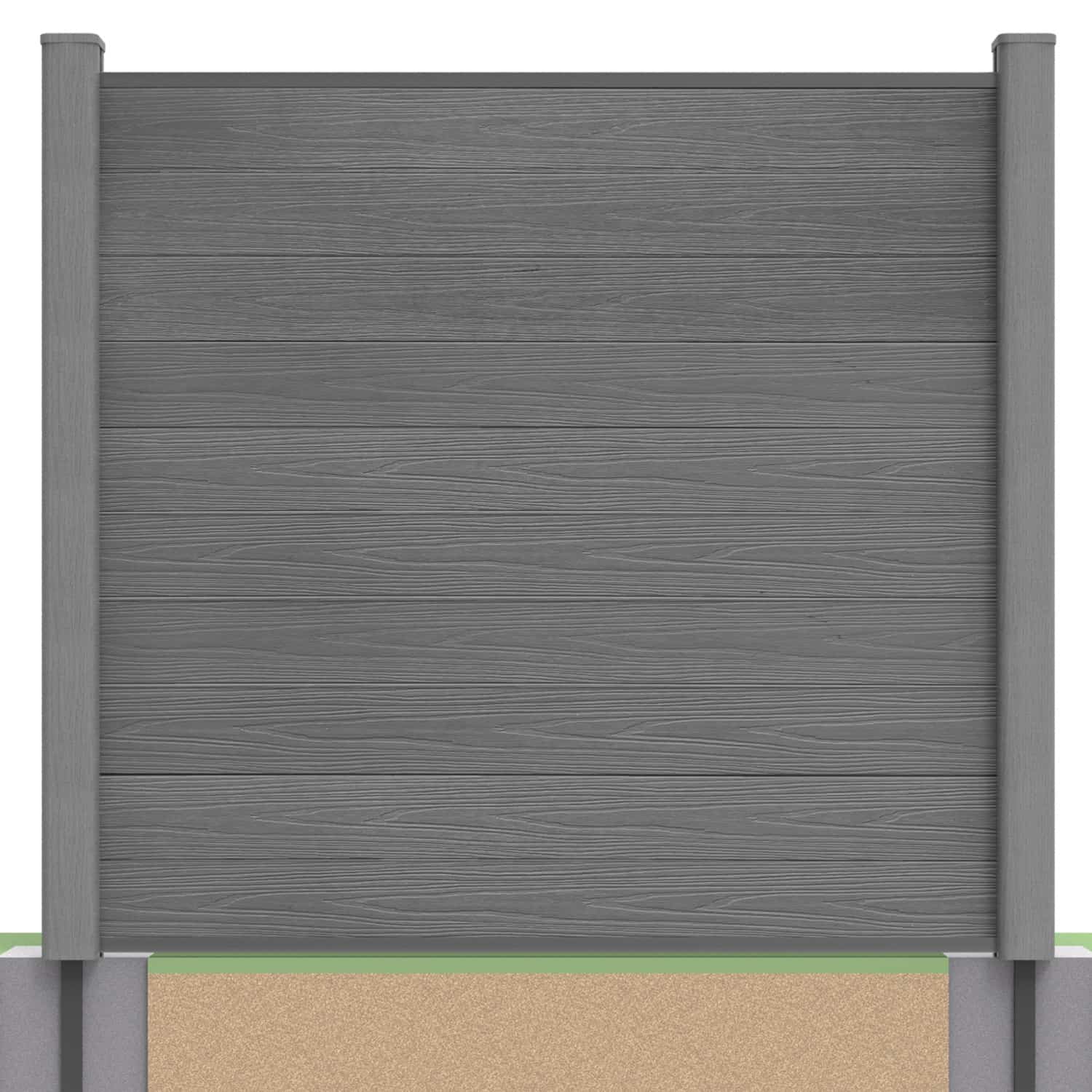
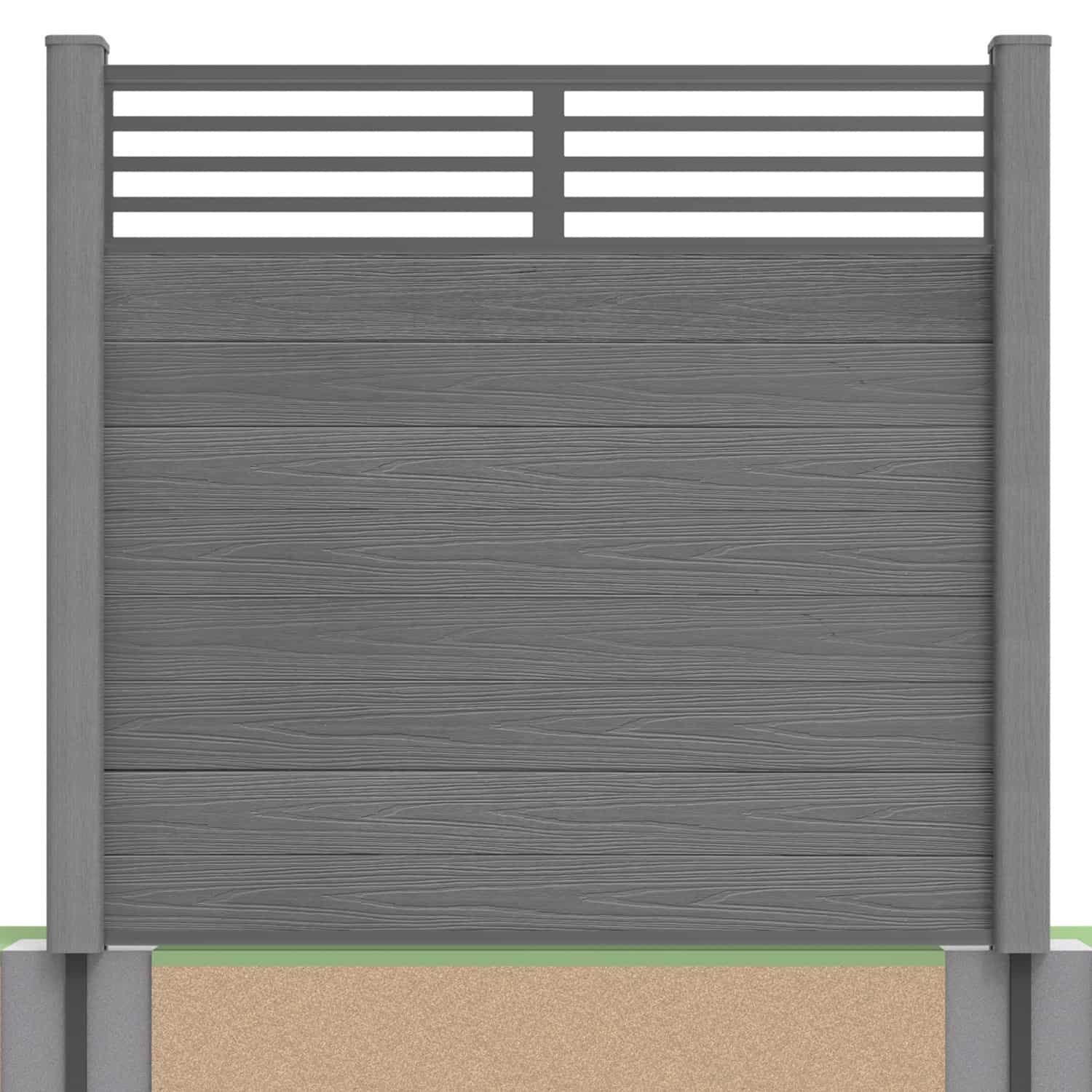
NeoTimber’s fencing components allow boards, posts and rails to be planned as a complete assembly. The boards stack between the post channels or compatible inserts, with capping rails forming part of the specified installation.
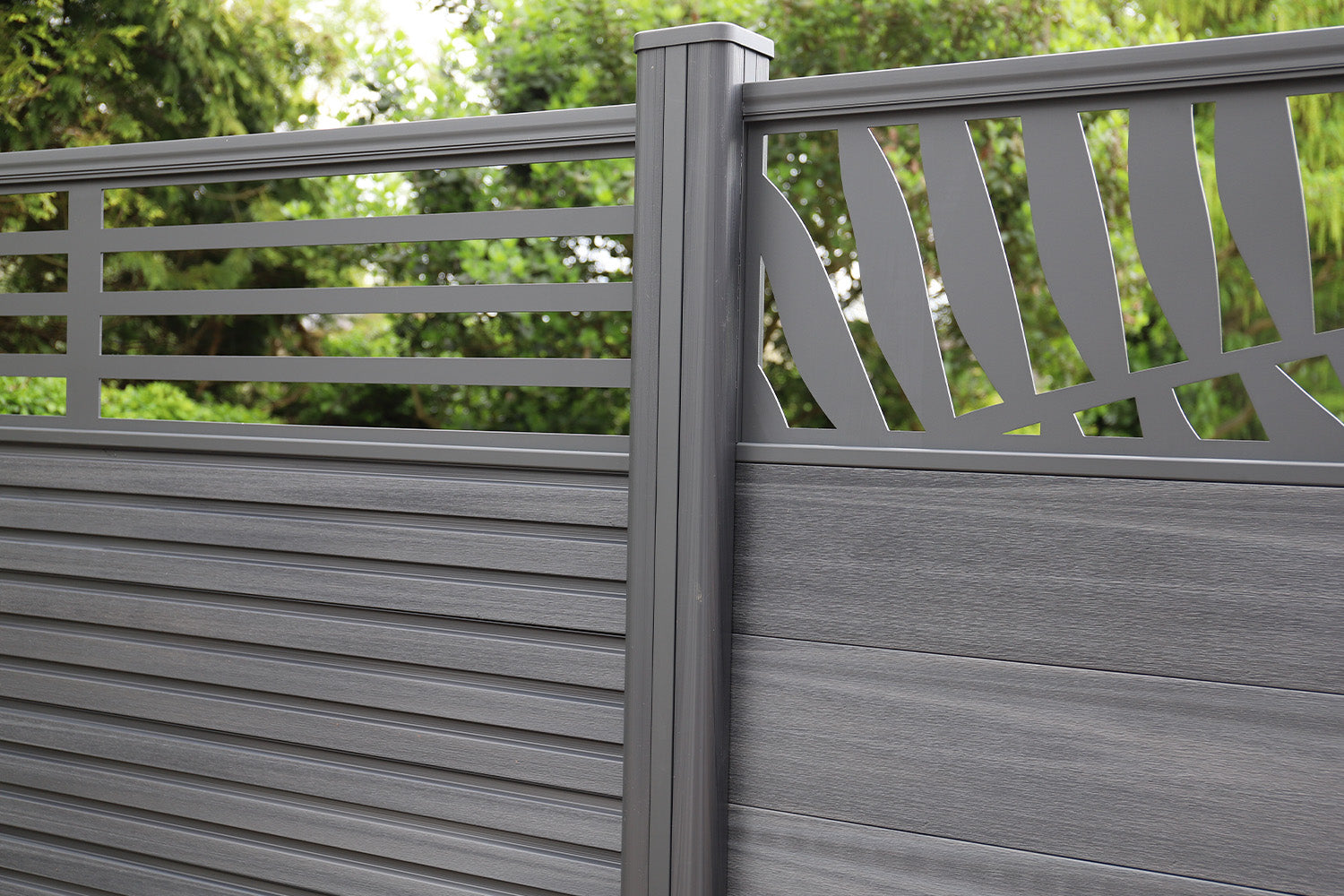
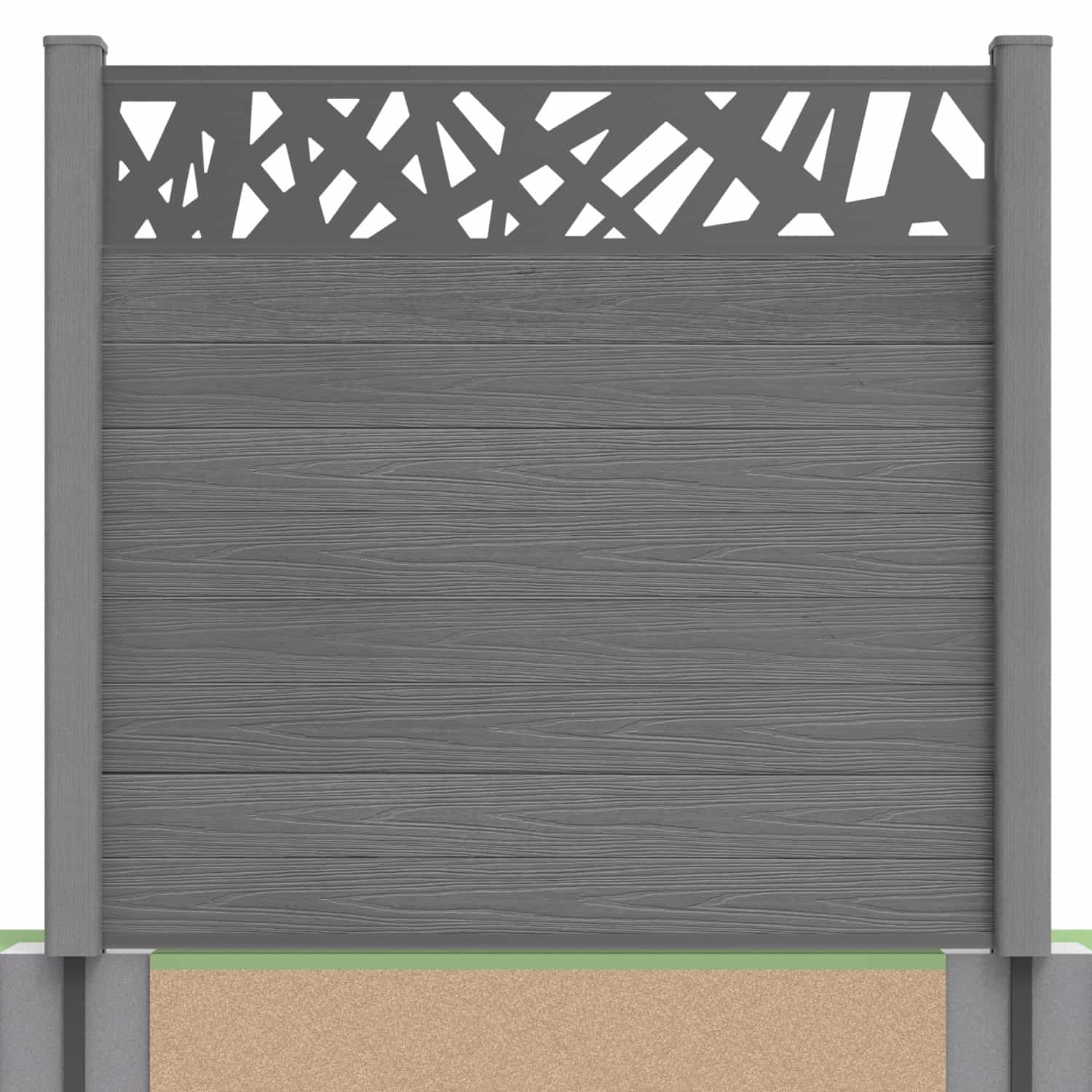
In the composite-post arrangement, a galvanised steel support provides the structural anchorage and the outer composite post provides the visible finish and channels. The aluminium capping rails are separate components. Describing the whole framework as metal overlooks these different roles.
This modular approach can help when planning shorter bays or replacing a damaged component later. Replacement still depends on access and may involve removing rails or boards above the affected part. It should not be assumed to be an instant swap in every installation.
Use the composite fence panel calculator as a starting estimate, then confirm quantities against the actual layout. Corners, end posts, changes in height and gates can affect what you need.
Choose Colours and Textures Around Your Garden
One reason to consider composite man made fencing is the ability to select a finished appearance before installation. Compare the boards with your paving, planting and nearby buildings rather than choosing a colour from a small screen image alone.
Wood-inspired and contemporary finishes
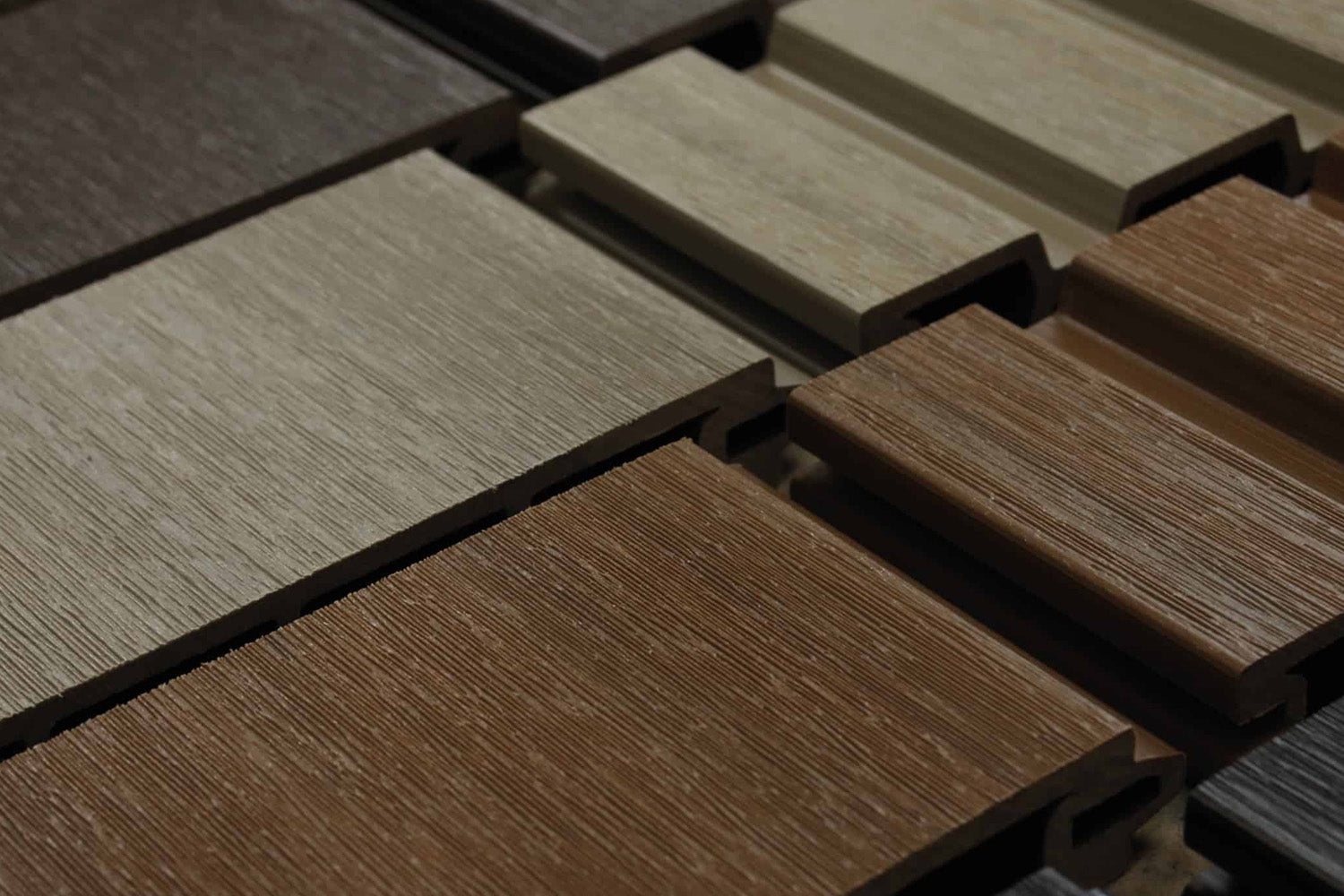
Warm tones such as teak and chocolate can complement timber furniture and planting. Grey, charcoal and antique offer different ways to frame a contemporary garden. View the current composite fencing colour guide for available options.
Finish varies by range. Deluxe boards offer woodgrain and brushed faces, while Slatted boards create a different surface pattern. Check the selected product rather than assuming that every profile has the same reversible finish.
Factory colour removes the need to paint the boards to establish their intended look. It does not mean the surface is immune to weathering, staining or damage. Follow the care guidance and compare physical samples in your garden’s light.

Decorative screens and privacy
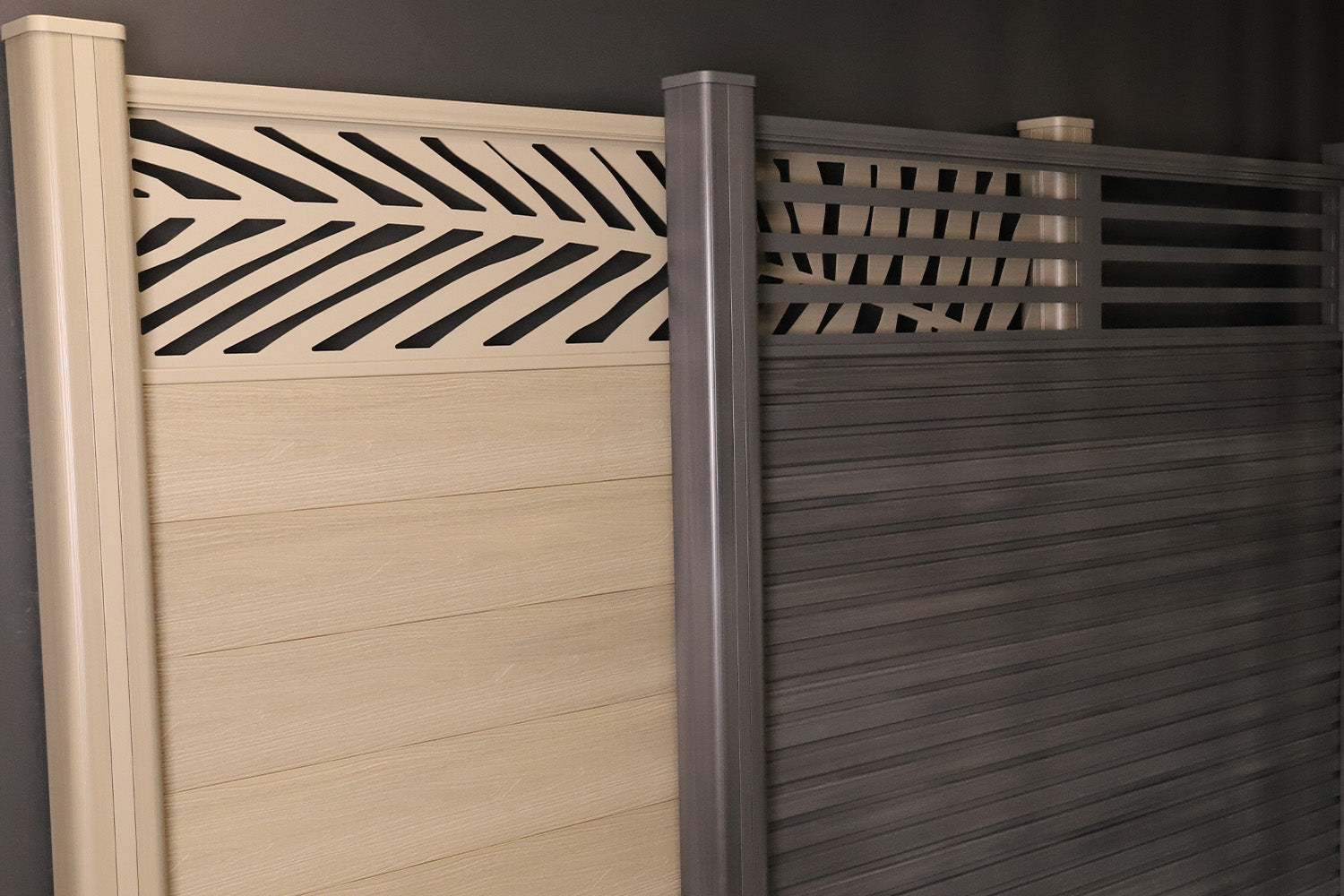
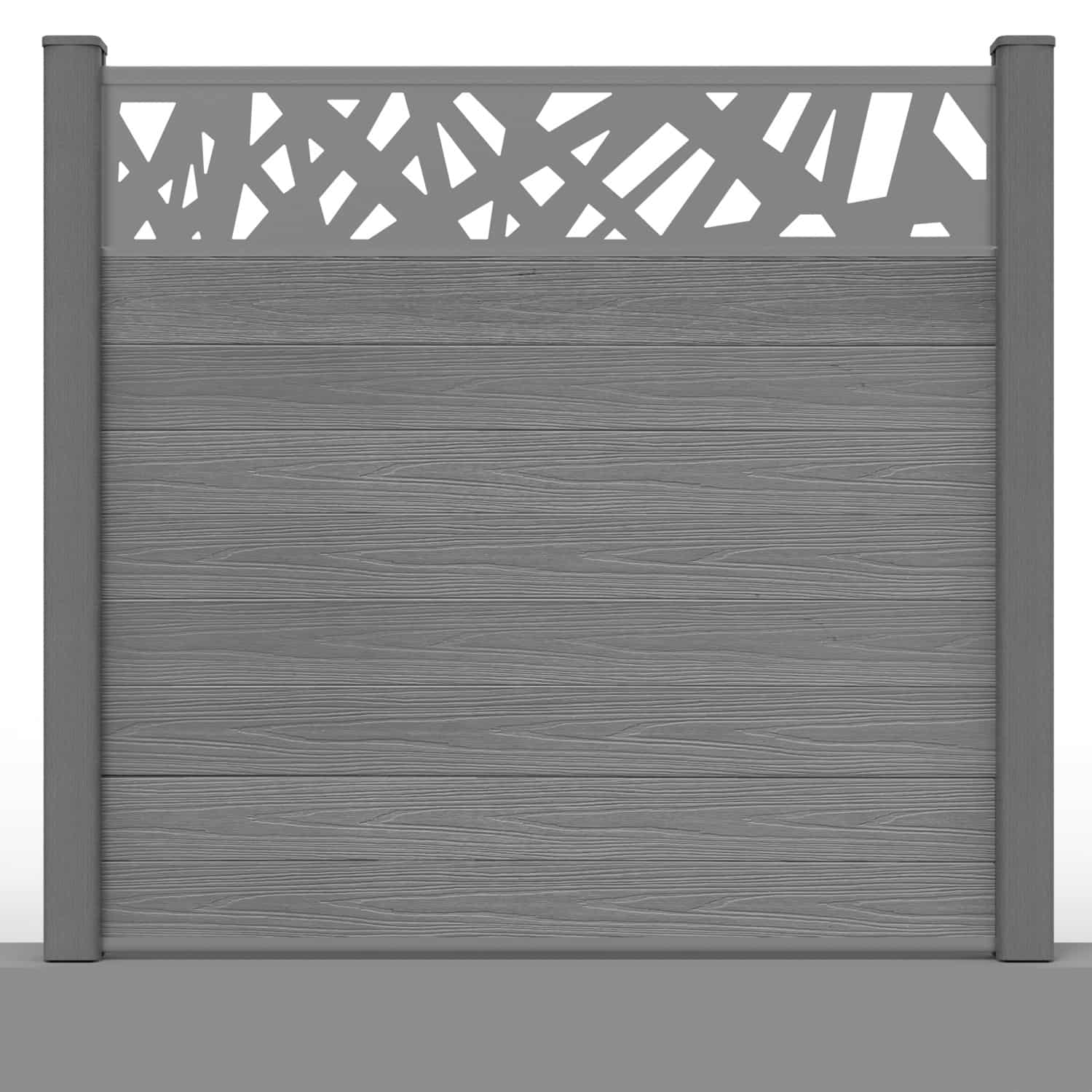
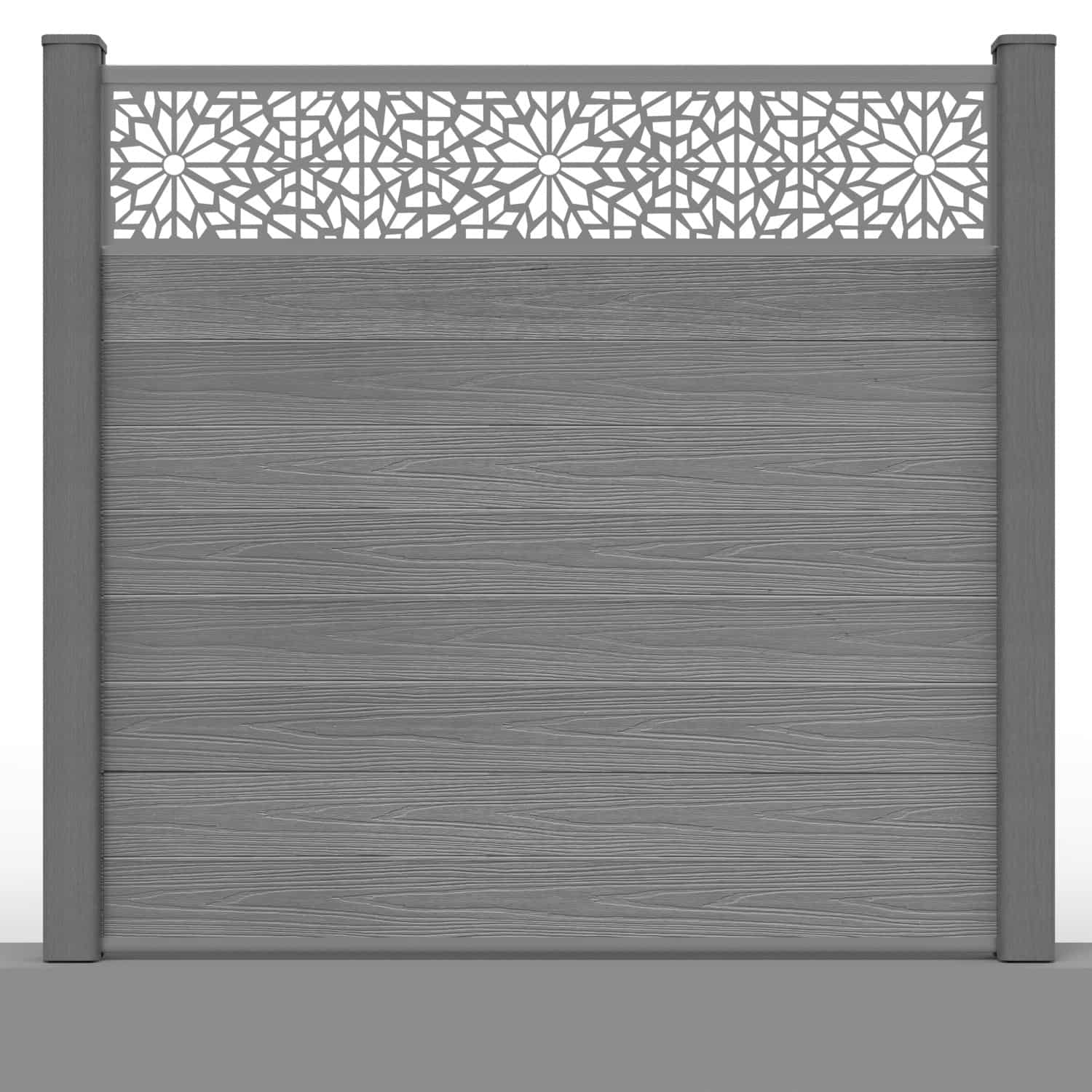
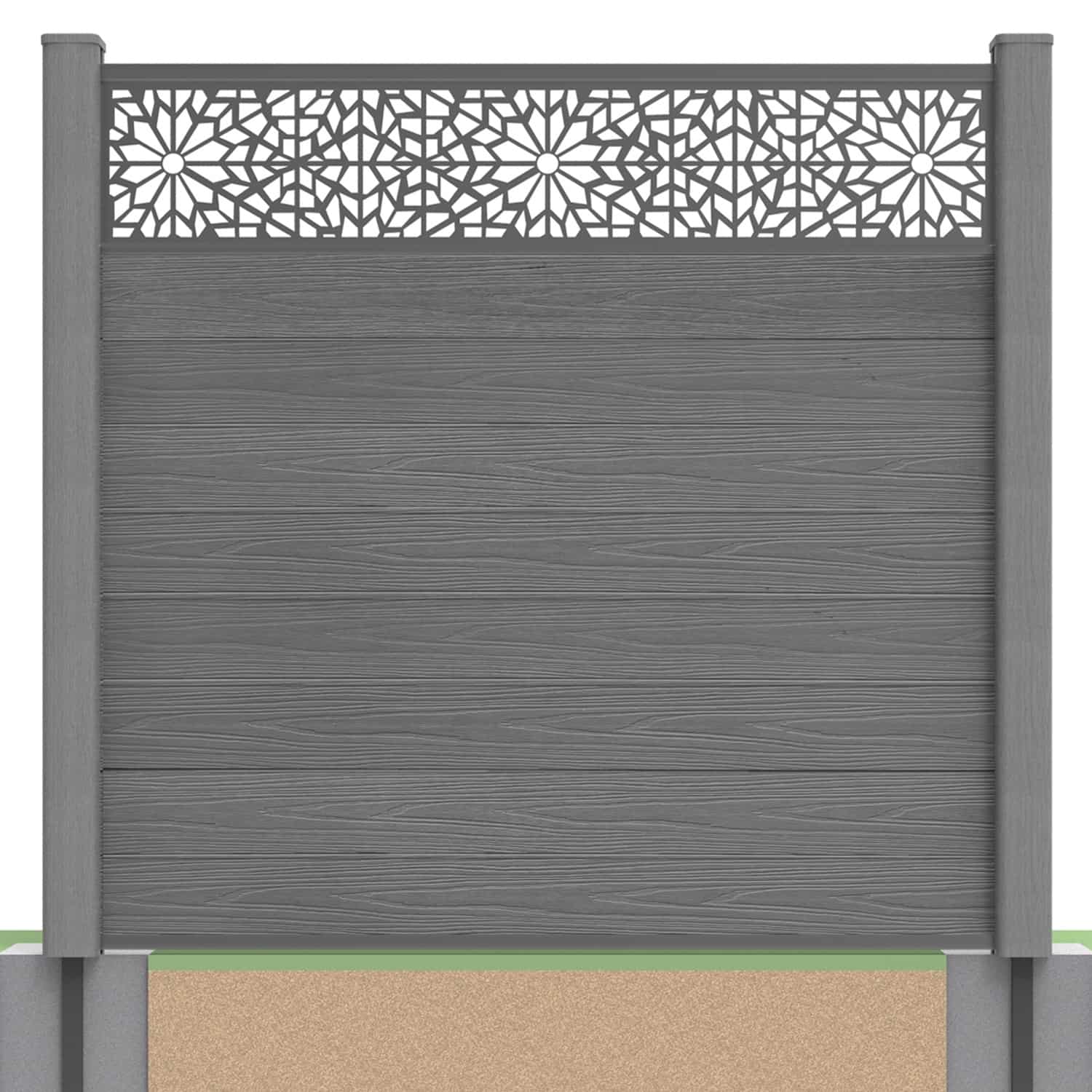
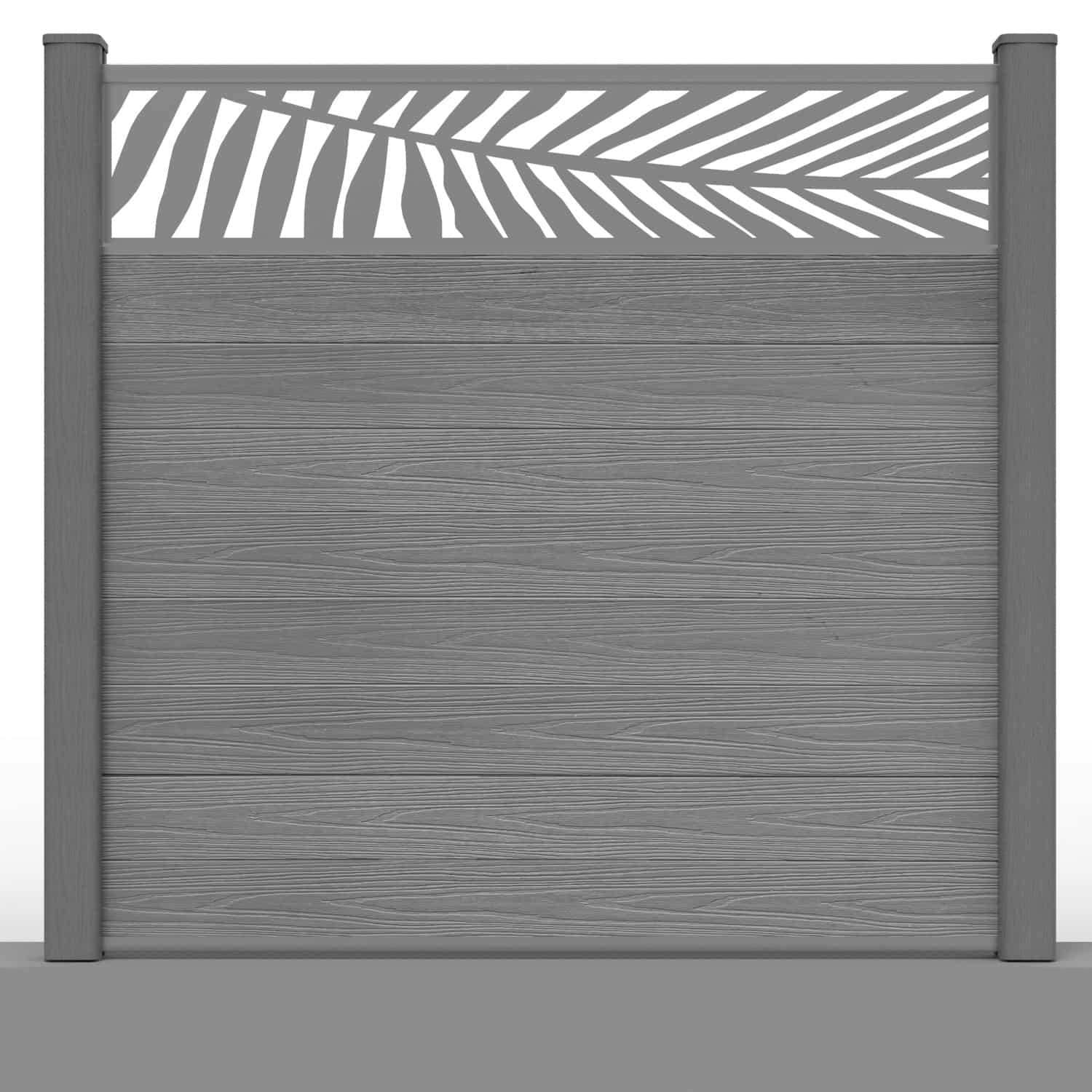
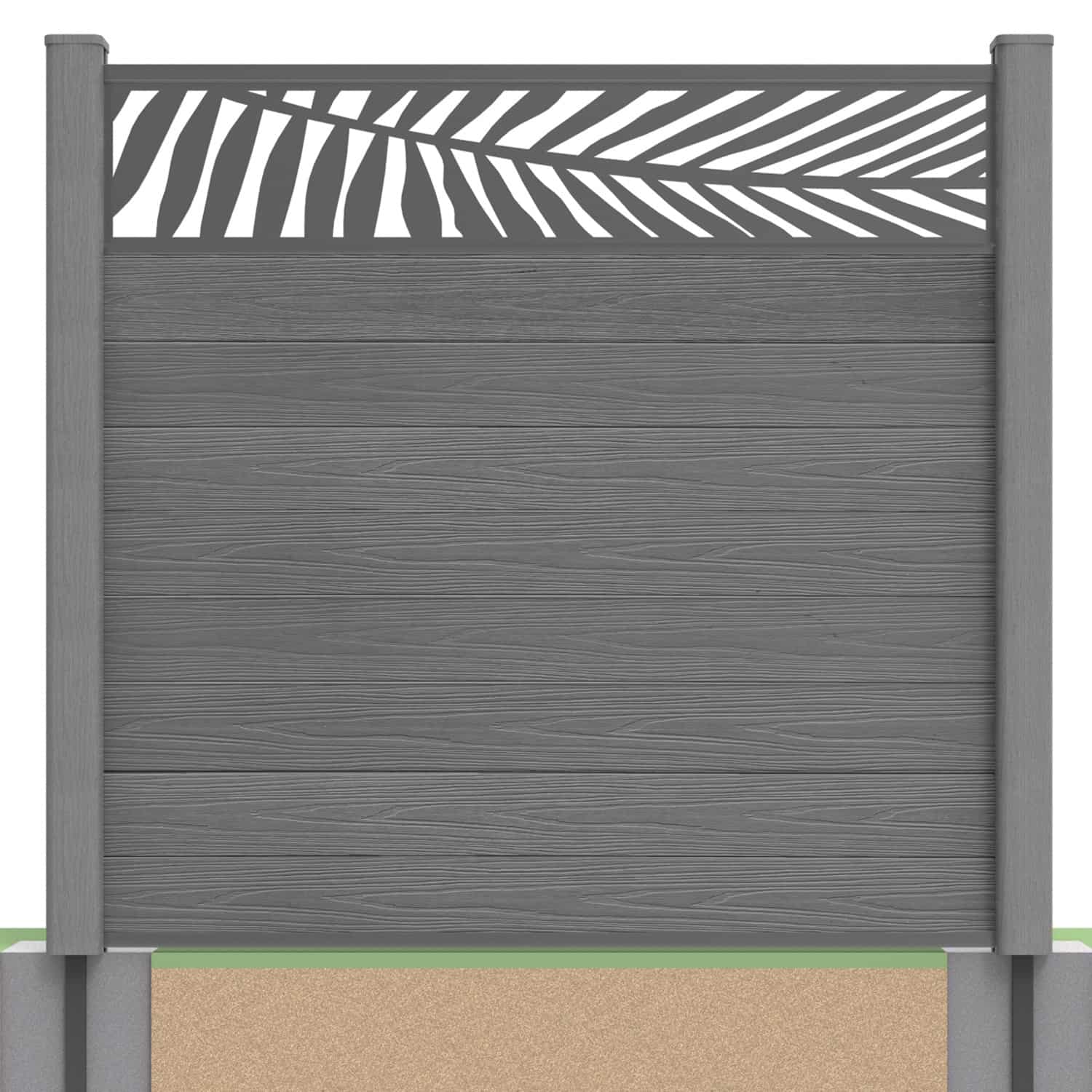
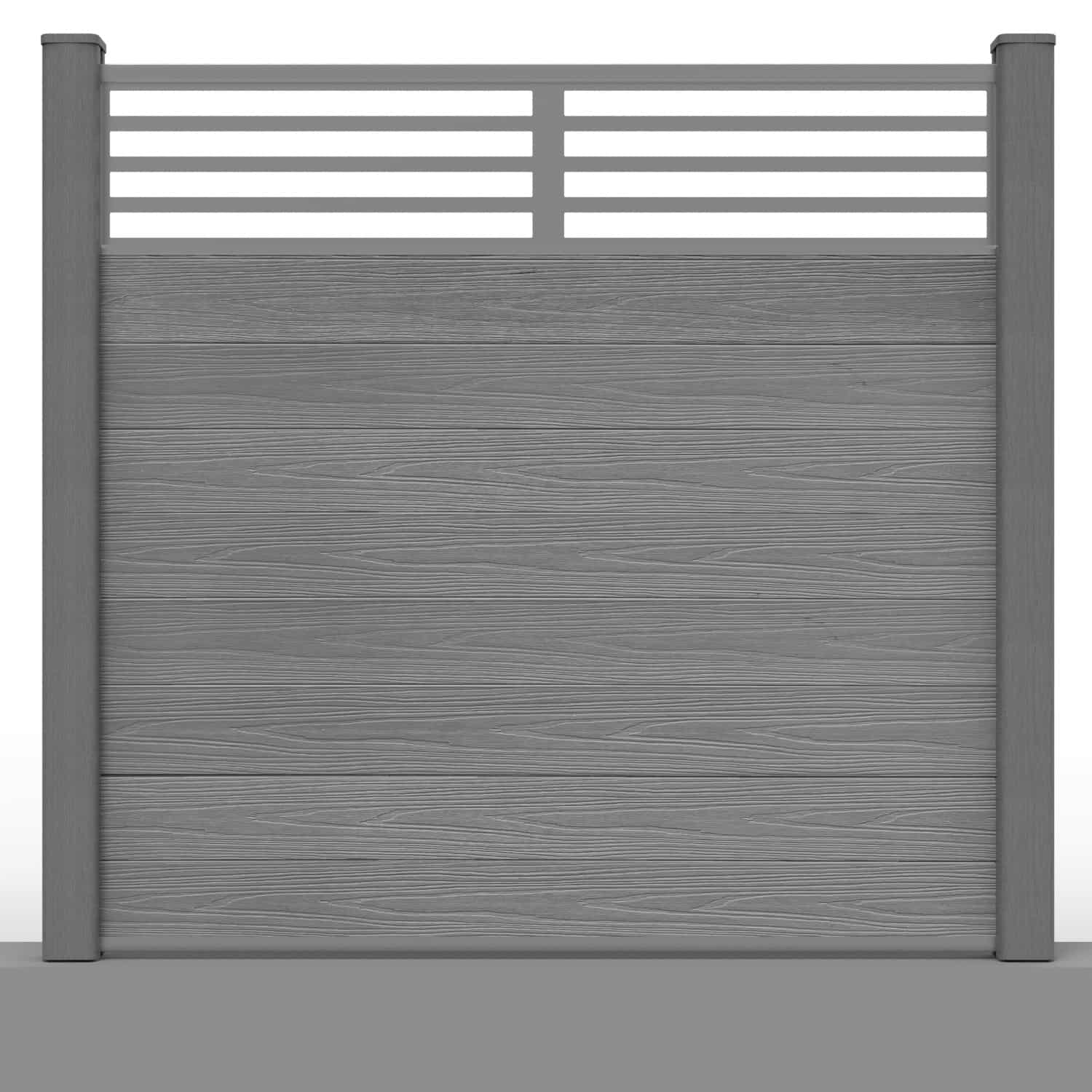
Compatible decorative fence screens can add a feature to the upper part of a panel. NeoTimber’s screen options use aluminium rather than composite board material, with designs that create different patterns and sightlines.
Openings in a screen allow views through the upper section, so they reduce visual coverage compared with a board-only panel. Consider the position of neighbouring windows and seating areas before choosing a pattern. Confirm the screen’s dimensions, retaining rails and board quantities using the relevant installation instructions.

Can You Reuse Existing Timber or Concrete Posts?
Potentially, but the condition and dimensions of the existing structure come first. Compatible inserts provide a connection for the new boards; they do not repair rotten timber, cracked concrete or inadequate foundations.
- Timber posts: check condition, stability and spacing, then follow the timber post fixing guide for the compatible insert arrangement.
- Concrete posts: check the channels, post condition and foundations, then review the concrete post insert guide.
- Shortened bays: confirm permitted cutting methods, minimum dimensions and movement clearances before trimming boards or rails.
Reusing suitable posts may reduce the scope of a project, but it is not always the right choice. Have uncertain posts assessed before buying infill components.
Compare the Complete Fence Before You Buy
A useful comparison goes beyond the price of a board or panel. Include the materials and work needed to complete the boundary:
- Boards, posts, supports, inserts, rails and fixings.
- Foundations, removal of the old fence and disposal.
- Delivery, installation and any specialist cutting.
- Gate components and their separate support requirements.
- Cleaning, inspections and likely decorative treatments over time.
Compare written care instructions and the current fencing warranty terms. A warranty period is not a guaranteed service life, and reduced upkeep does not mean that cleaning or repairs can never be needed.
For NeoTimber® boards, use the recommended cleaning method and inspect the complete installation periodically. Avoid attaching loads such as heavy planters unless the system is approved for them. Follow the installation guidance for the chosen configuration.
Frequently Asked Questions
Is man made fencing the same as composite fencing?
No. The term can describe several manufactured materials. Composite is one category, so check the exact construction and specification before comparing products.
Does a man made fence contain wood?
It can. Wood–plastic composite boards contain a wood component, while other manufactured products may use PVC, metal or concrete. The name alone does not establish the material content.
Is composite fencing stronger than timber?
There is no universal answer. Strength depends on the particular boards, supports, connections, foundations and loads. Compare technical information for the complete proposed system.
Does composite fencing need painting?
NeoTimber’s capped boards are supplied with their intended finish and do not need routine painting or staining. Suitable cleaning and checks remain necessary.
Can composite boards fit between existing posts?
Compatible inserts may make this possible where post condition, foundations, spacing and dimensions are suitable. Check the relevant retrofit instructions before ordering.
Is composite always the more environmentally friendly choice?
No single material is automatically preferable in every project. Assess documented sourcing, recycled content, durability, transport and end-of-life arrangements rather than relying on a broad label.
Find the Right Boundary for Your Outdoor Space
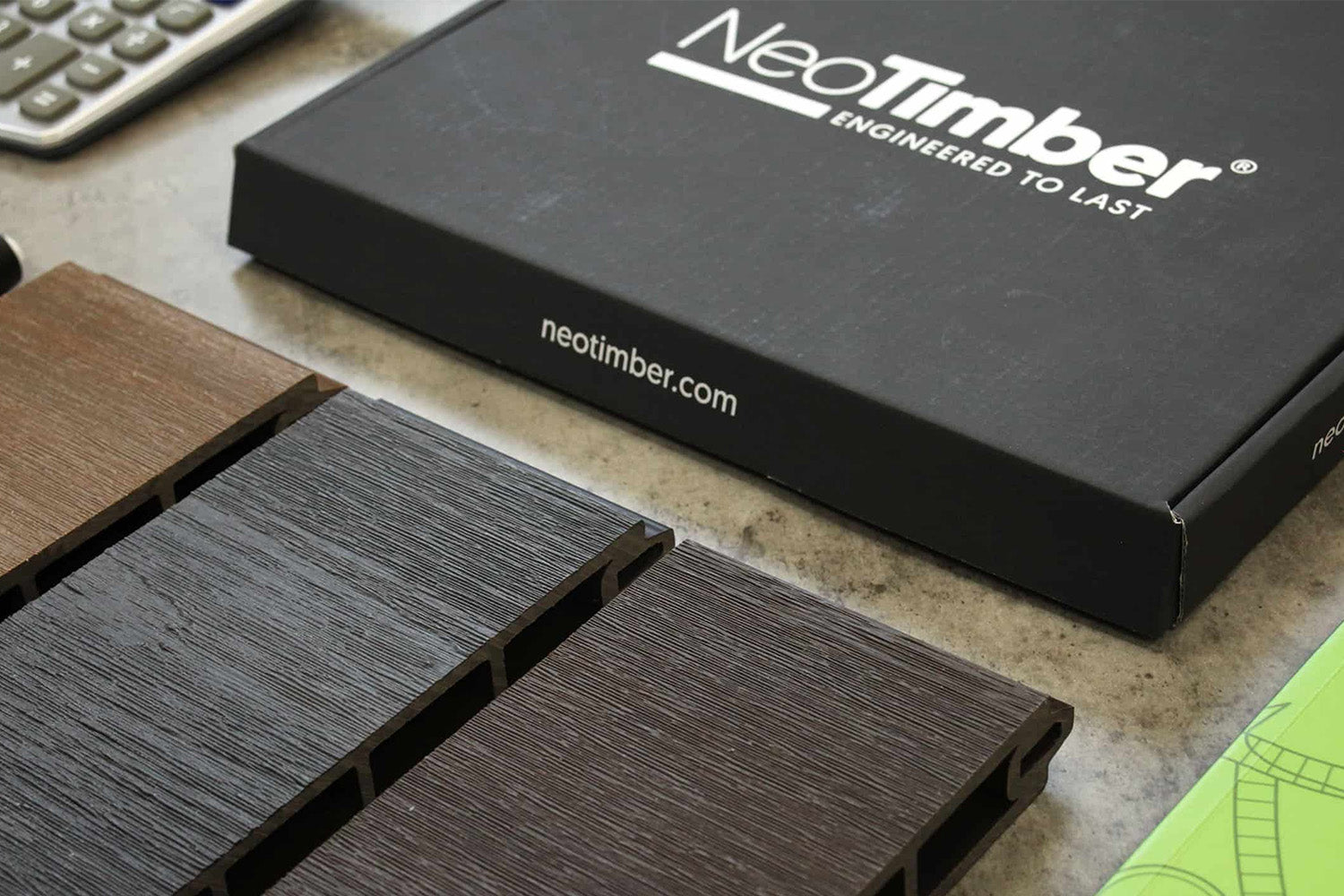
A well-chosen fence balances design, upkeep and a suitable installation. Compare the NeoTimber® composite fencing range, request fencing samples or contact the team to discuss the components for your garden.