Bring Classic Timber-Inspired Character to Your Exterior
Traditional composite cladding offers a timber-effect finish with reduced routine decorative upkeep. For homeowners refreshing an existing elevation or planning a garden building, it provides a way to introduce texture and character without scheduling regular painting or staining.
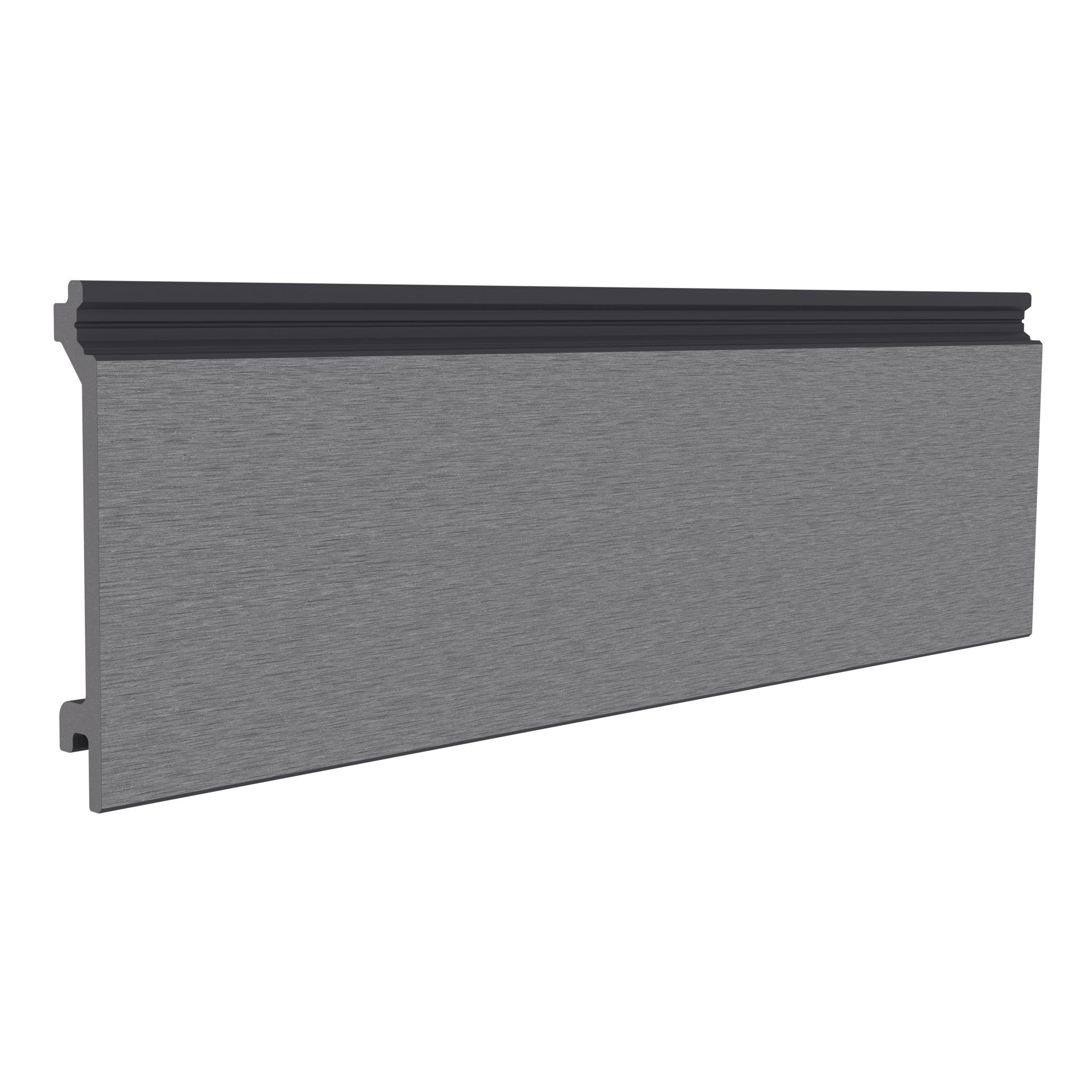
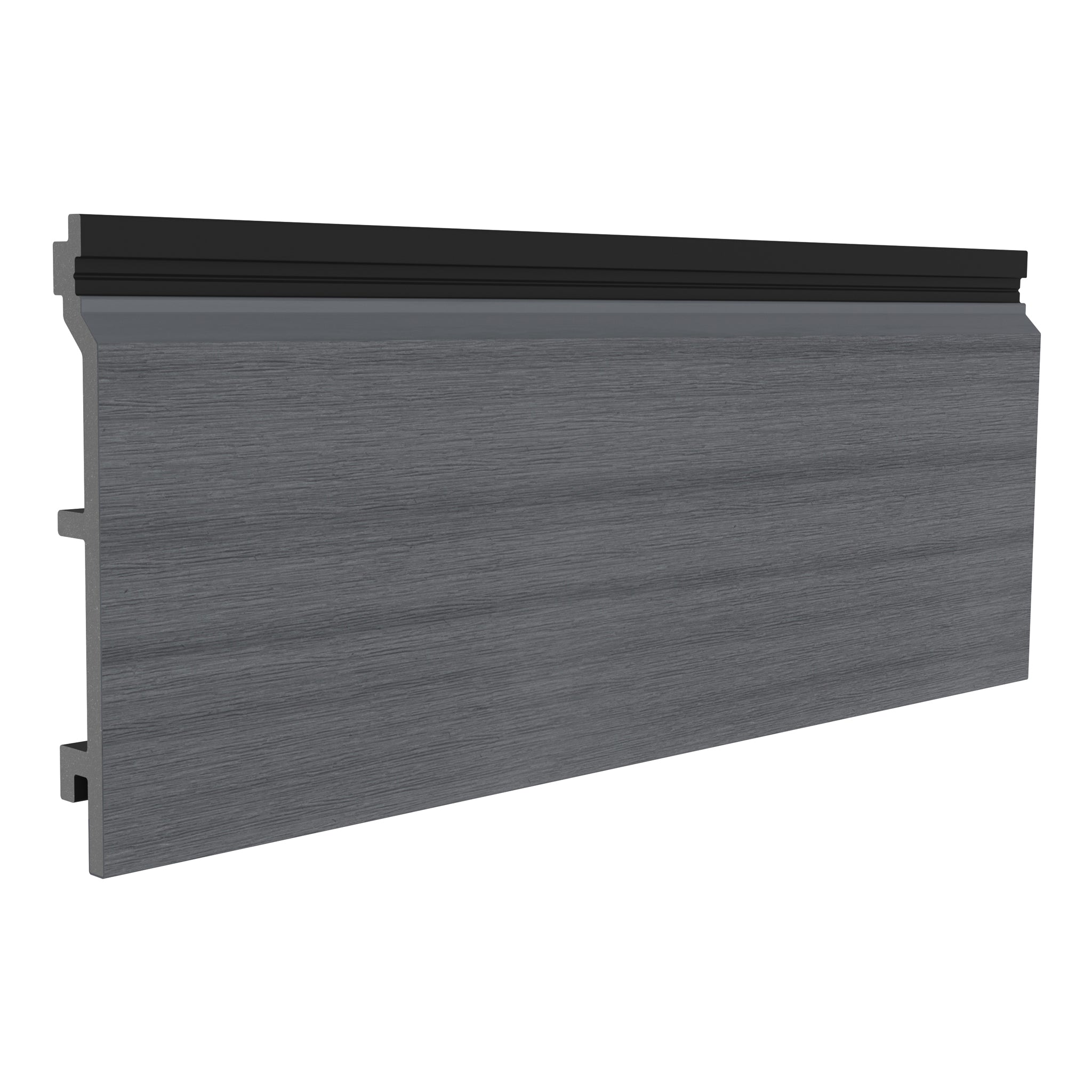
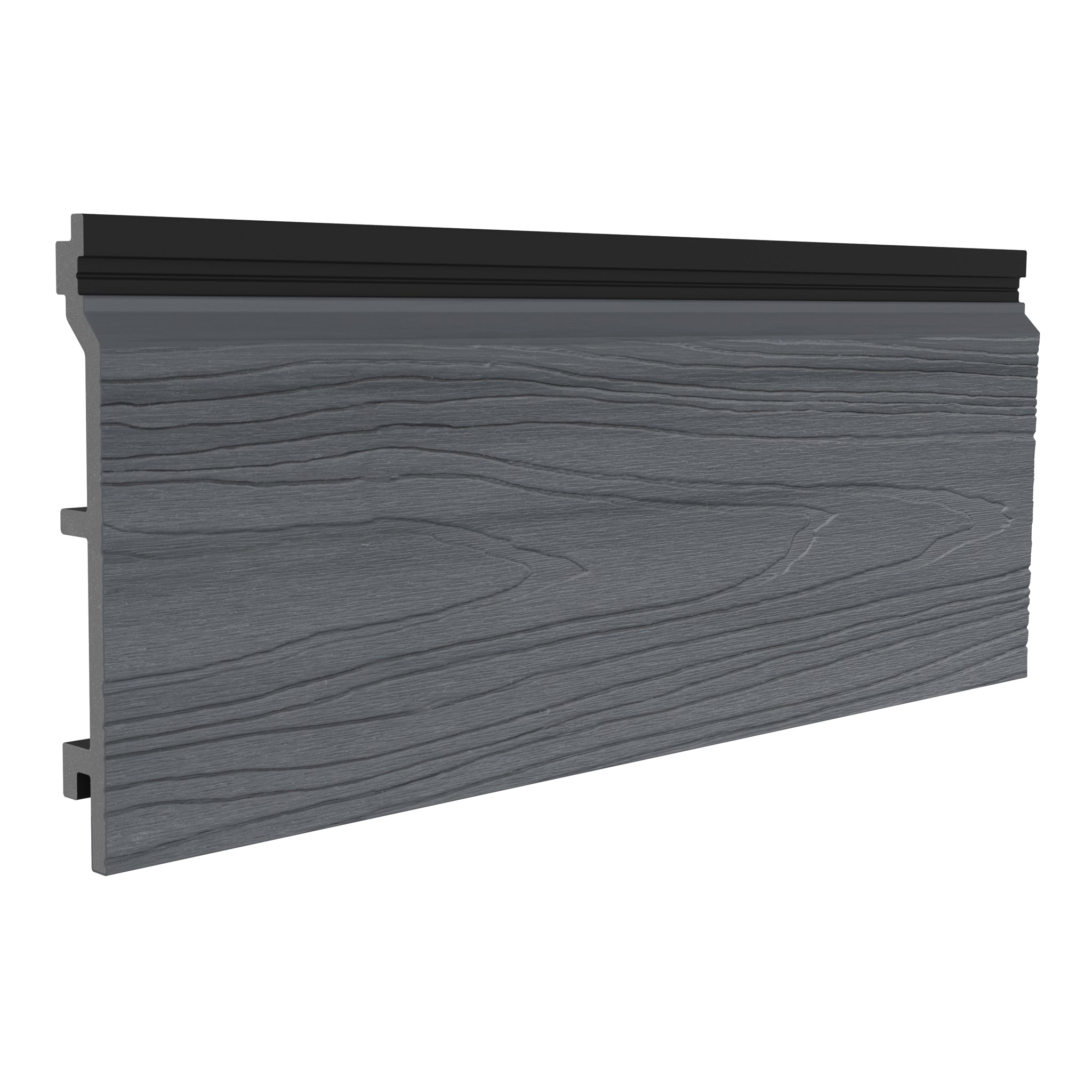
Within NeoTimber’s collection, the Classic range is our traditional, uncapped wood-polymer composite option. Its sanded surface and four-colour palette offer a more understated appearance than a strongly embossed grain or decorative slatted profile.
This guide explains the construction, benefits and care considerations of traditional composite cladding. Explore our general cladding page if you are still comparing the wider range of finishes.
What Is Traditional Composite Cladding?
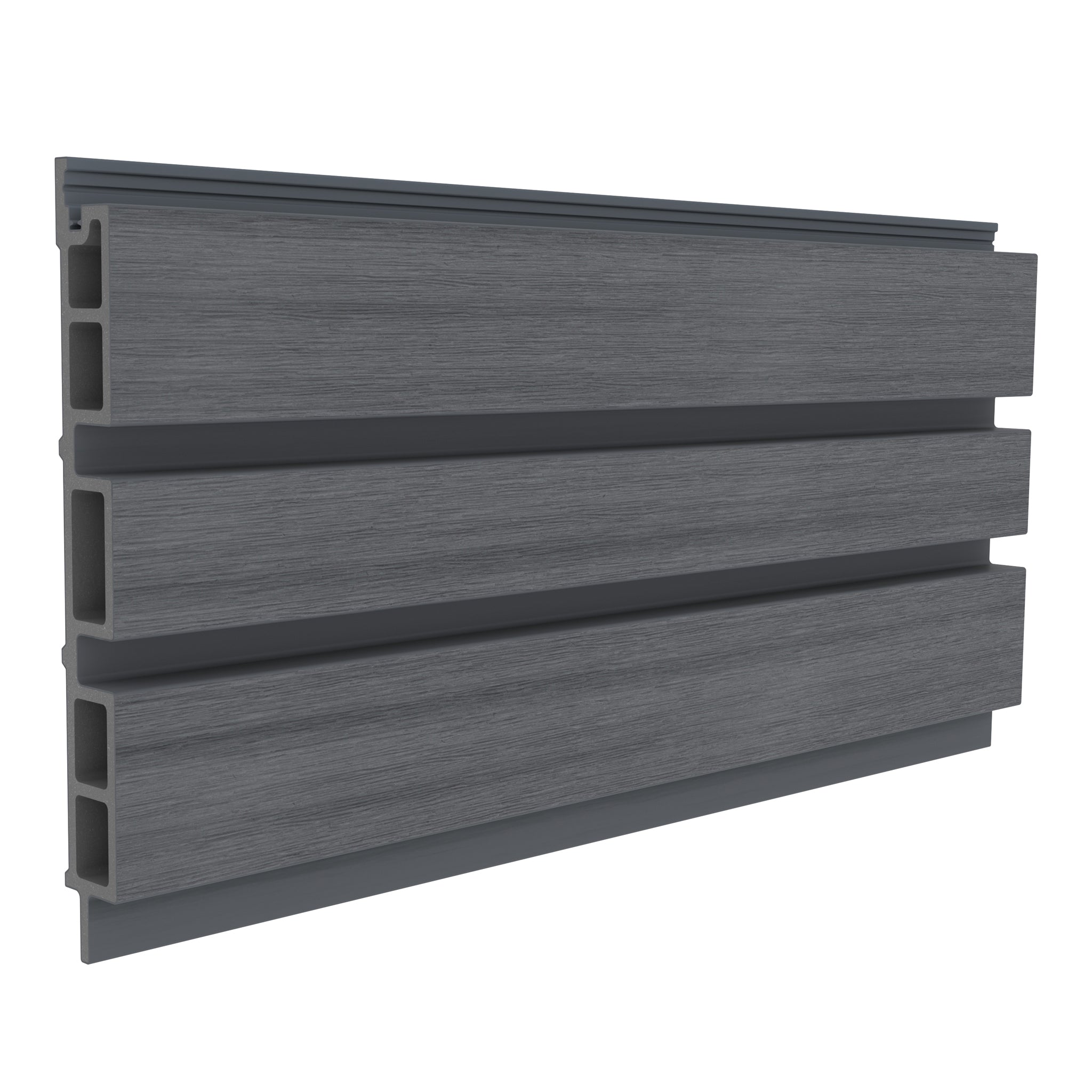
Here, “traditional” describes uncapped composite construction rather than a single architectural style. Classic boards combine wood fibres and plastic polymers without the separate protective outer cap found on NeoTimber’s Deluxe and Slatted products.
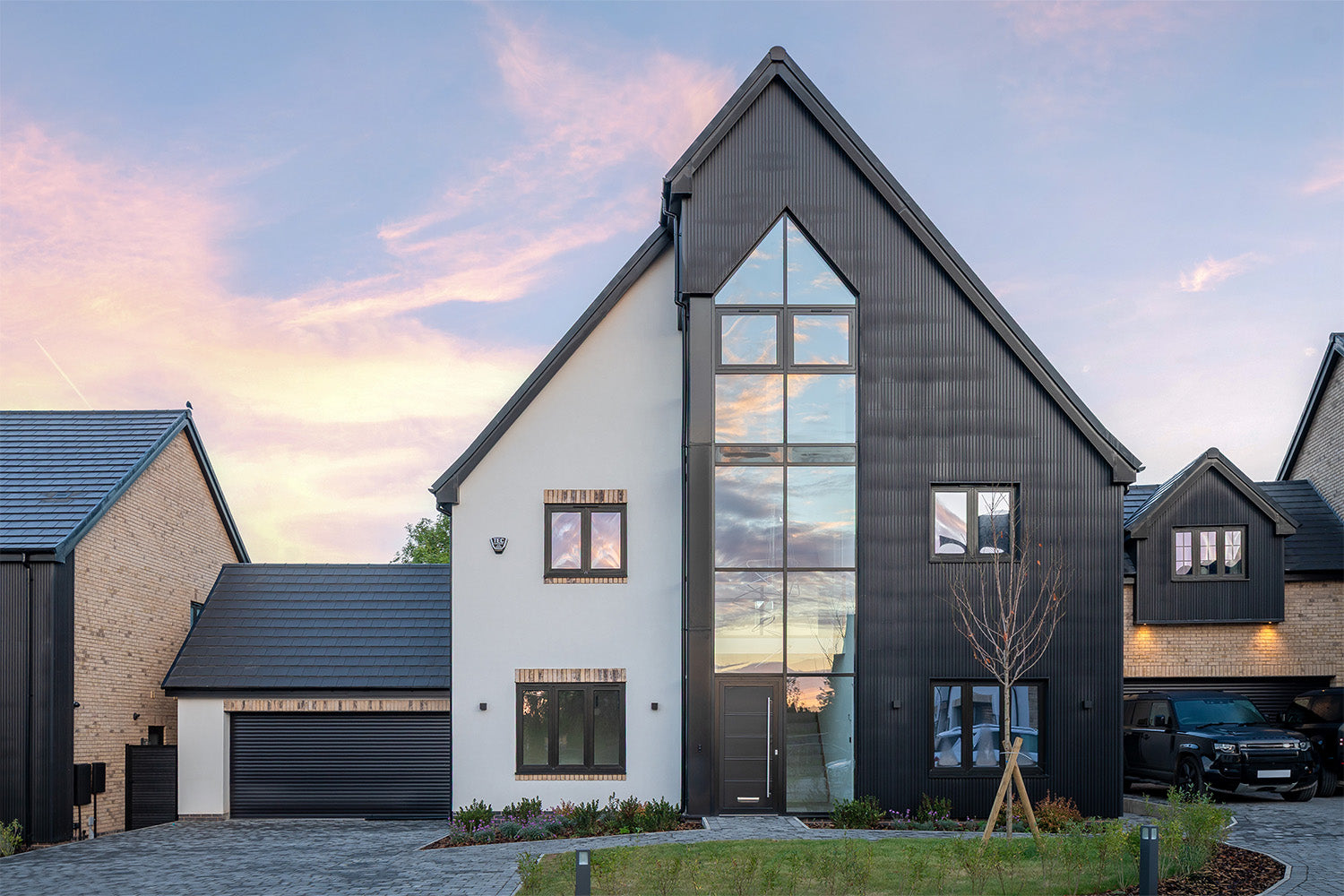
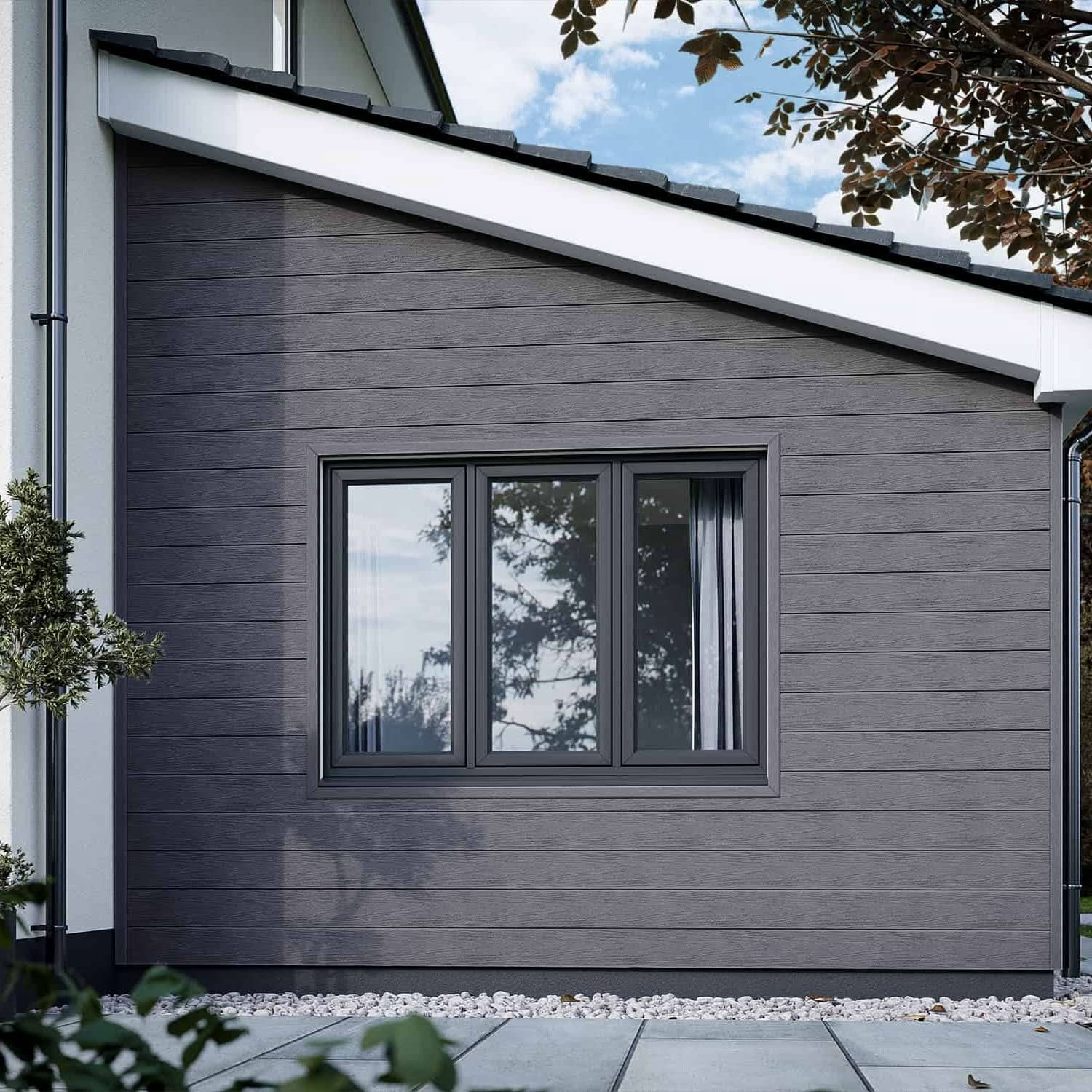
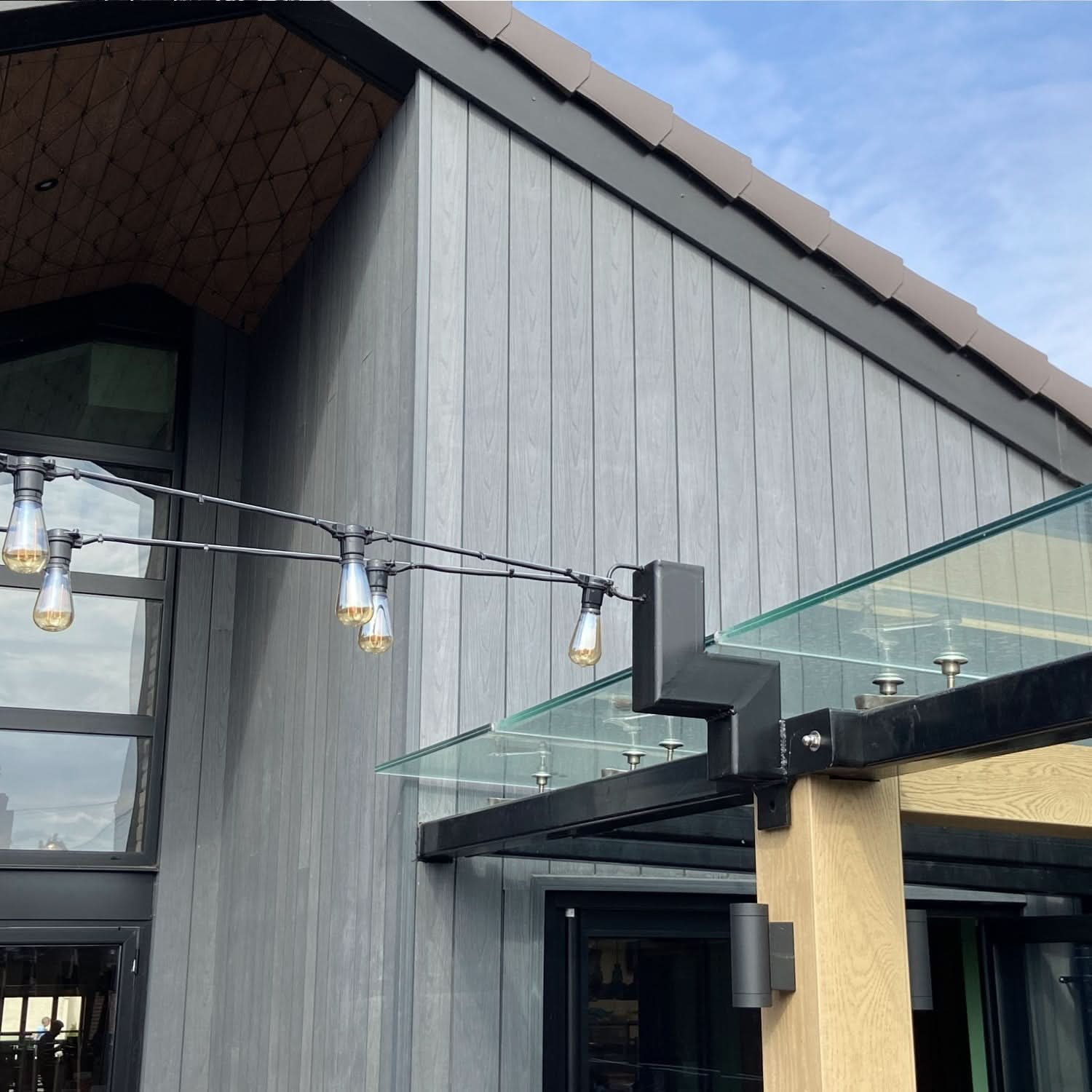
The finish can suit both contemporary and more traditional designs. Whether you prefer warm Teak, darker Chocolate or a grey palette, the important question is how the boards work with your property’s existing materials.
Compare the specifications of the exact products you are considering. Traditional composite cladding and capped alternatives differ in construction, surface appearance and care requirements; they should not be treated as interchangeable.
A Subtle Surface With Timber-Inspired Texture
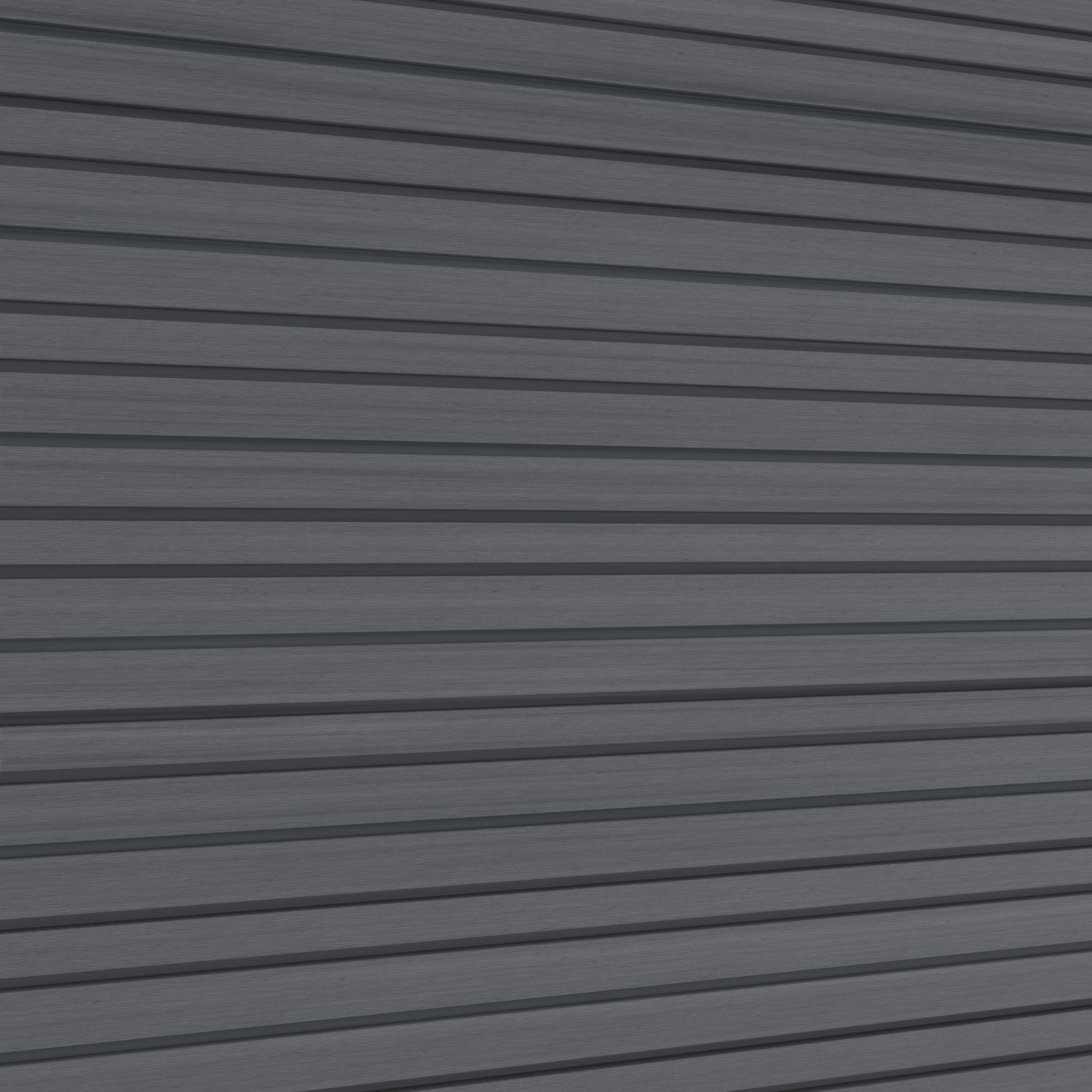
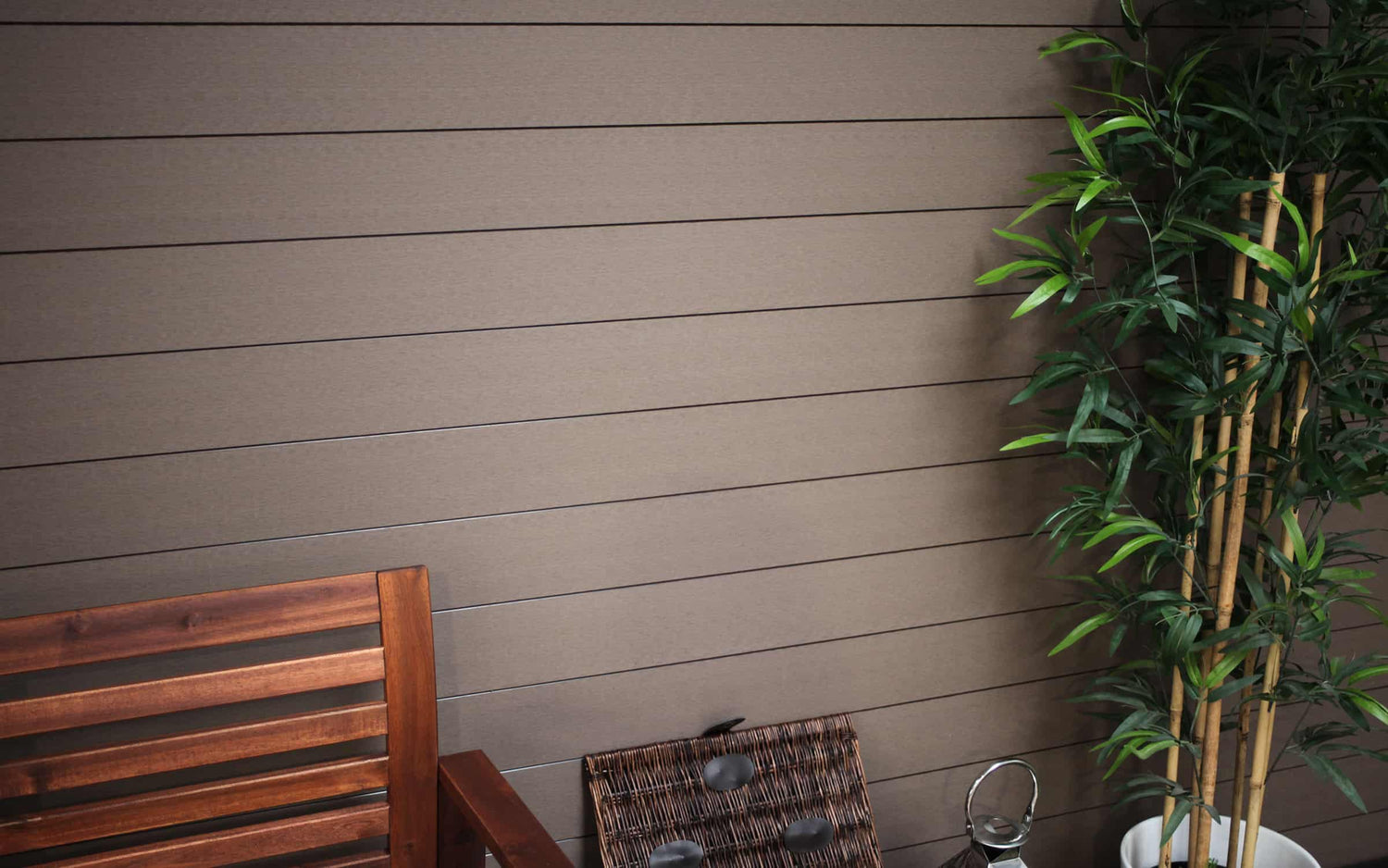
Classic boards have a sanded finish that introduces texture without the more pronounced pattern of a slatted surface. This can be useful where brickwork, stone or roofing already gives the building a strong visual character.
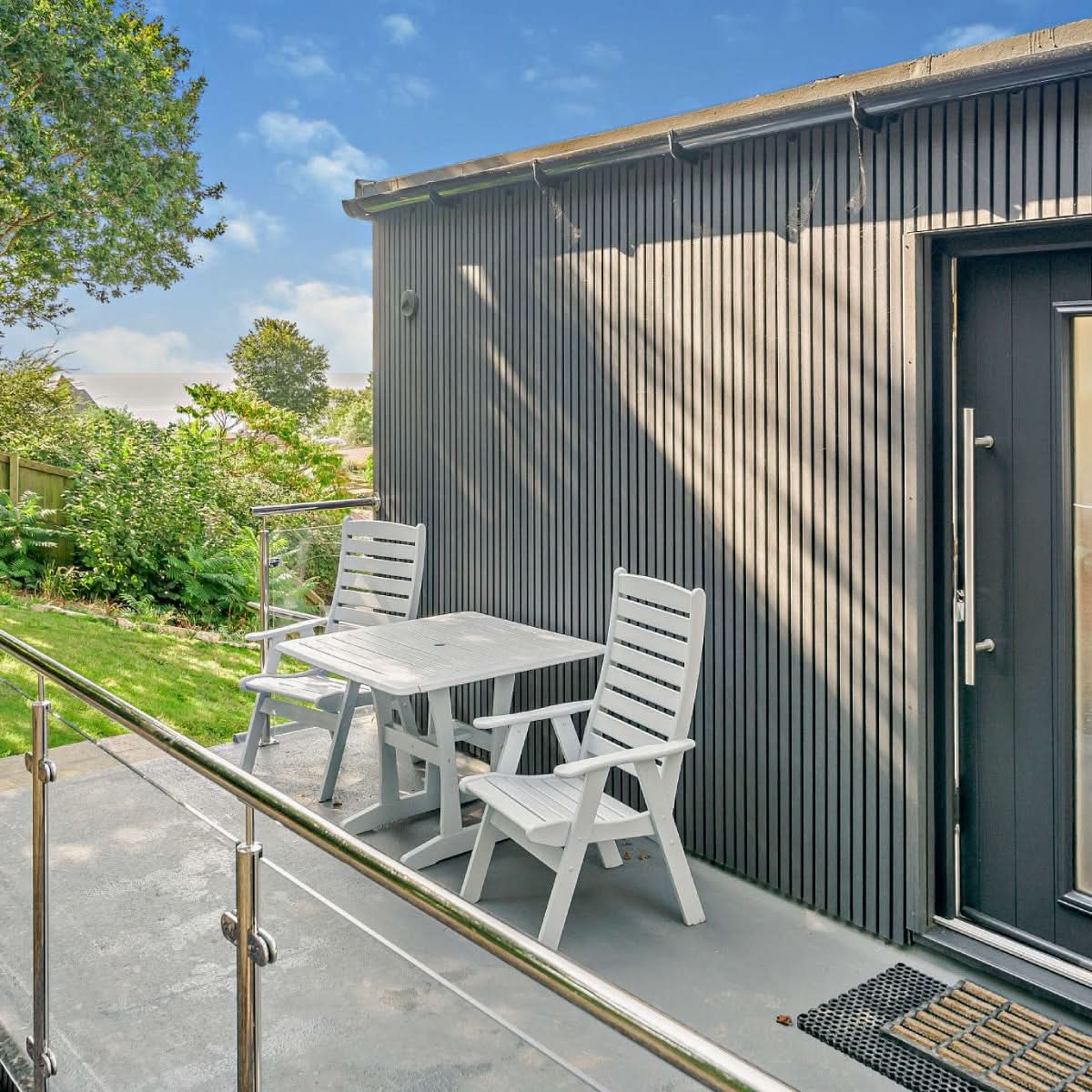
A quieter cladding surface can help connect different parts of an exterior. Use it to define a feature area, refresh an existing clad elevation or distinguish an extension, subject to the relevant planning and technical checks.
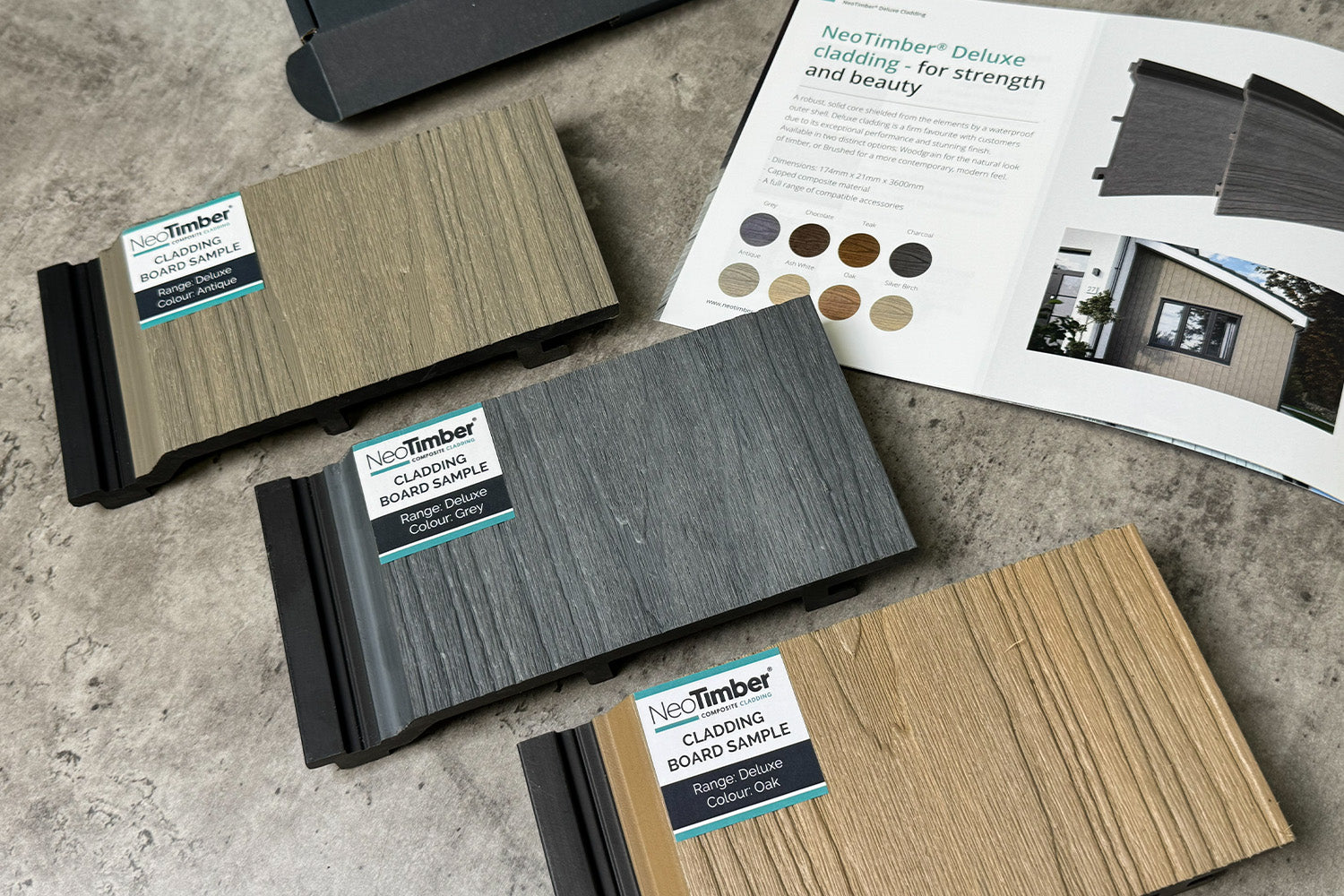
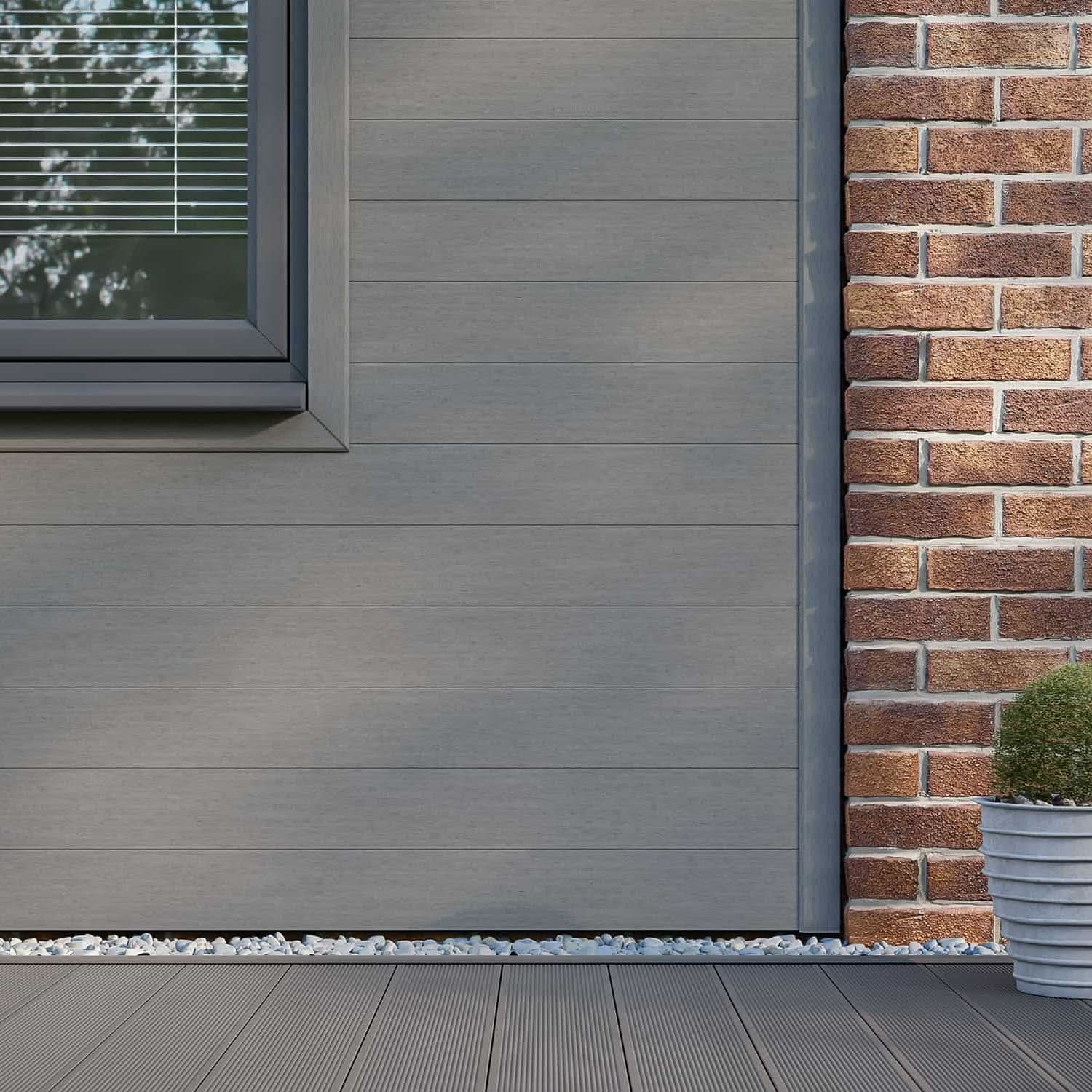
Assess samples outdoors beside the existing finishes. The same colour can look different alongside warm brick, pale render or dark window frames, so the whole palette deserves attention.

Weathering and Colour: Set Realistic Expectations
Uncapped composite can change appearance during outdoor exposure. NeoTimber® describes Classic colours as mellowing over time, so view the initial sample alongside the product’s weathering guidance.
Do not assume the shade will remain identical from installation onward, or that every site will weather at the same rate. Exposure, orientation and surrounding conditions can influence the appearance.
If enhanced surface protection against fading and staining is a priority, compare the capped ranges using our fade-resistance guide. Improved resistance still should not be interpreted as a promise that a finish will never change.
Four Classic Colour Options
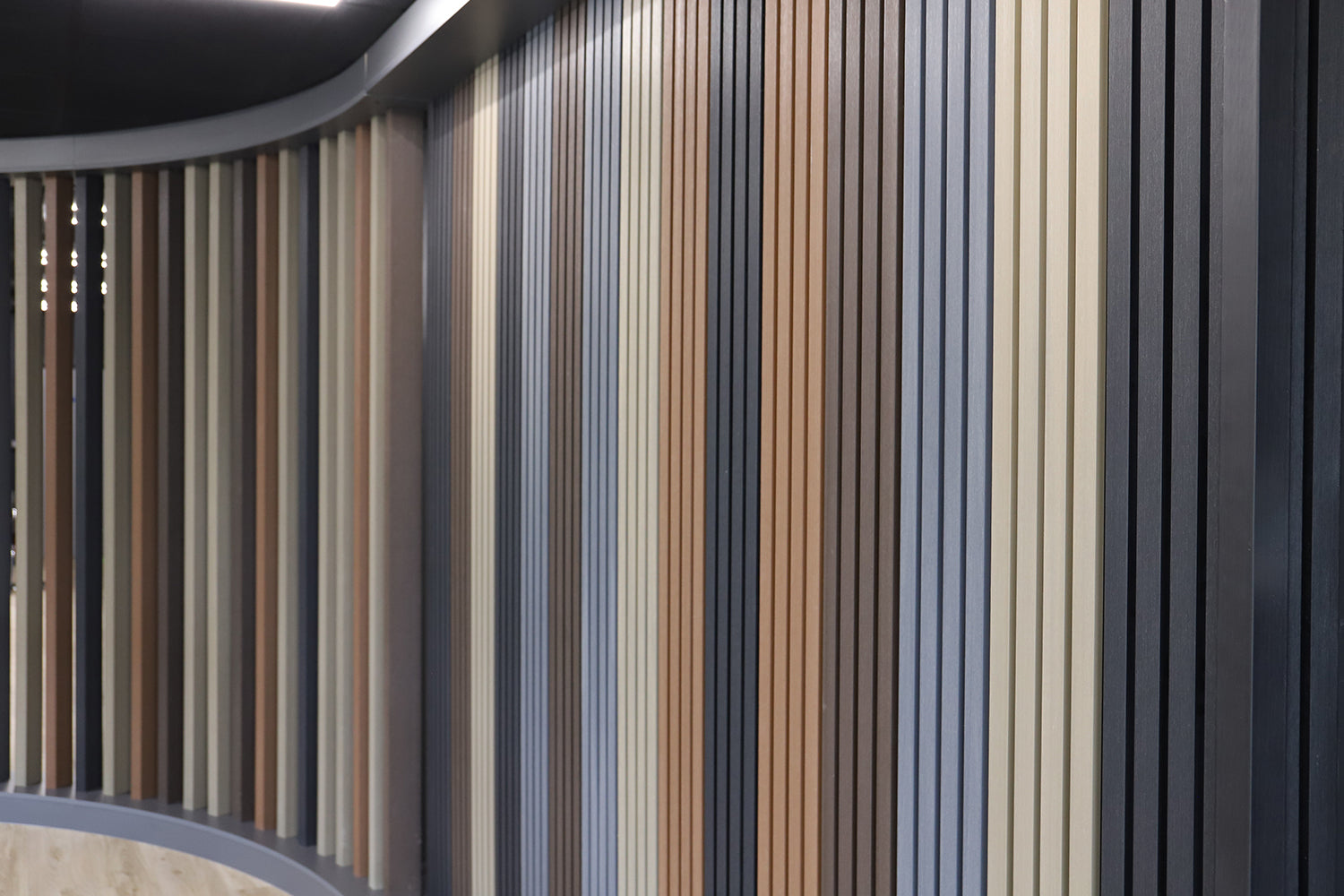
Classic traditional composite cladding is available in Grey, Teak, Chocolate and Charcoal. These colours offer different ways to coordinate the façade with windows, masonry and landscaping.
- Teak introduces a warmer, golden-brown palette.
- Chocolate provides a darker timber-inspired tone.
- Grey can support a cooler exterior scheme.
- Charcoal creates a more pronounced dark feature.
Compare the colours using samples and the cladding colour guide. For a period property, check any restrictions before changing the exterior finish.

Reduced Decorative Upkeep
Traditional composite cladding is designed to provide its finish without routine painting or staining. That can reduce the time and cost of preserving a coated appearance, especially on elevations where access is more involved.
Low maintenance still includes cleaning and checks. Follow the care guide for Classic boards, and obtain advice before using specialist stain treatments or abrasive methods.
Compare timber fairly when weighing your options. Its maintenance depends on species, coating and intended appearance. A timber selected to weather naturally has different care priorities from a painted façade. Our composite versus wood guide explains the broader decision.

Moisture Resistance Is Part of the Specification
Wood-polymer composite has different moisture behaviour from solid timber. However, a moisture-resistant board should not be described as a waterproof wall or assumed to be immune to every outdoor deposit.
The complete installation needs appropriate drainage, ventilation and details around openings. Surface growth can also develop where dirt and organic debris accumulate, making routine care relevant even on a composite façade.
Check the product information and planned wall construction together. The supporting design matters as much as the visible finish.
Cutting and Fitting Classic Boards
Classic boards are supplied in 3.6 m lengths and can be cut to suit the layout using suitable tools and the recommended working methods. Plan the cut list before ordering so that joints and waste allowances are considered together.
Follow the installation instructions for the chosen product. Establish the batten arrangement, fixings, movement allowances and finishing details before fitting begins.
Confirm suitability for the intended building and application, including any relevant fire or building requirements. A board’s classification alone does not approve the complete installation for every project.

Traditional or Capped Composite Cladding?
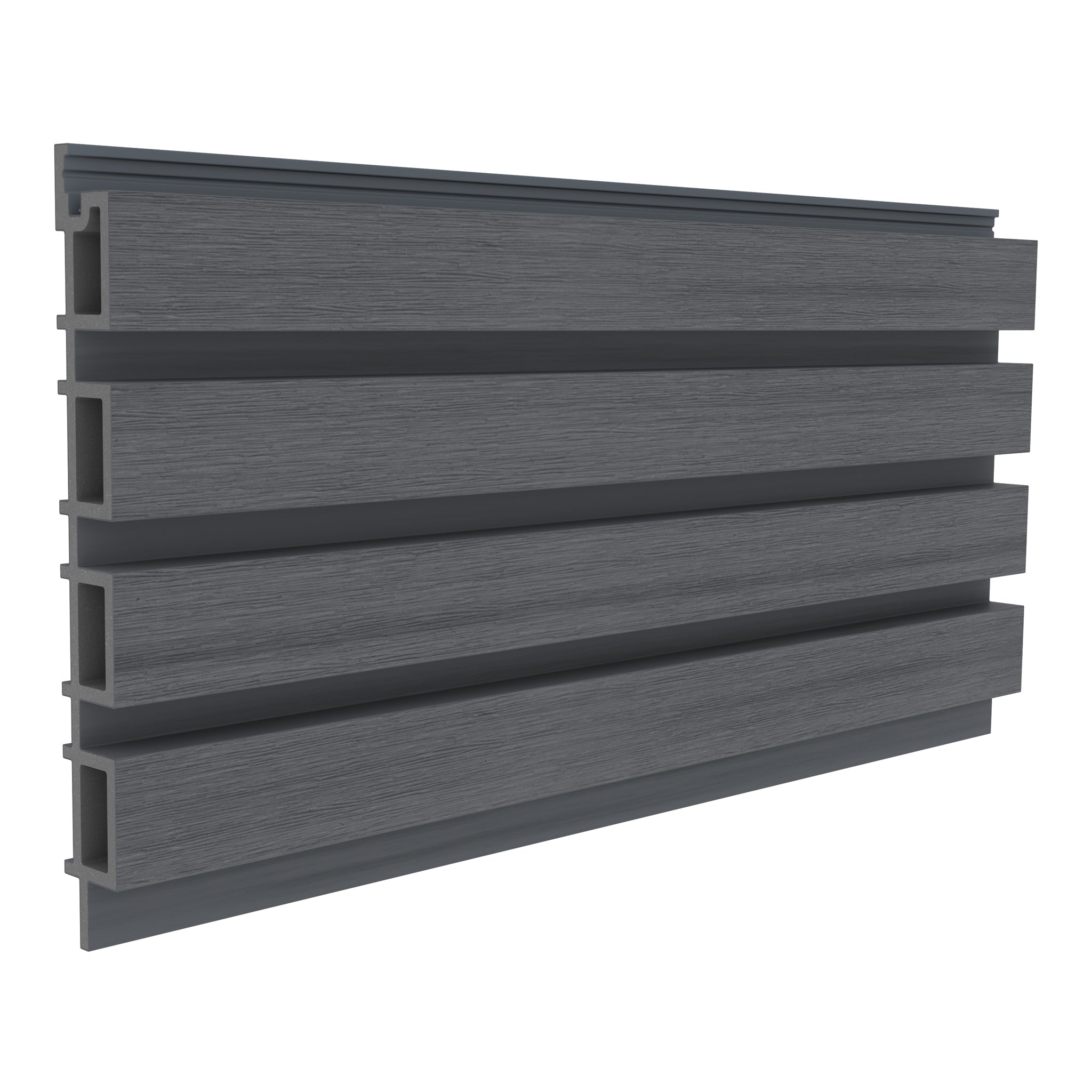
Choose Classic where its uncapped construction, sanded finish and available colours fit the specification. Compare Deluxe and Slatted products if you prefer a different texture or capped surface.
Price the complete system, including accessories, support, delivery and installation. Read the warranty terms alongside the product information before making your decision.
Frequently Asked Questions
Is traditional composite cladding the same as timber?
No. Classic boards are wood-polymer composite products with a timber-inspired finish.
Will Classic cladding weather?
Its appearance can mellow during outdoor exposure. Review current product guidance rather than expecting a permanently unchanged shade.
Does it need regular painting?
NeoTimber® Classic boards are designed to provide their finish without routine painting or staining. Cleaning and inspection remain part of their care.
Explore the Classic Finish for Your Project
Traditional composite cladding can bring understated texture and a familiar timber-effect palette to your exterior. Choose the colour alongside the existing materials, then confirm the installation and care requirements.
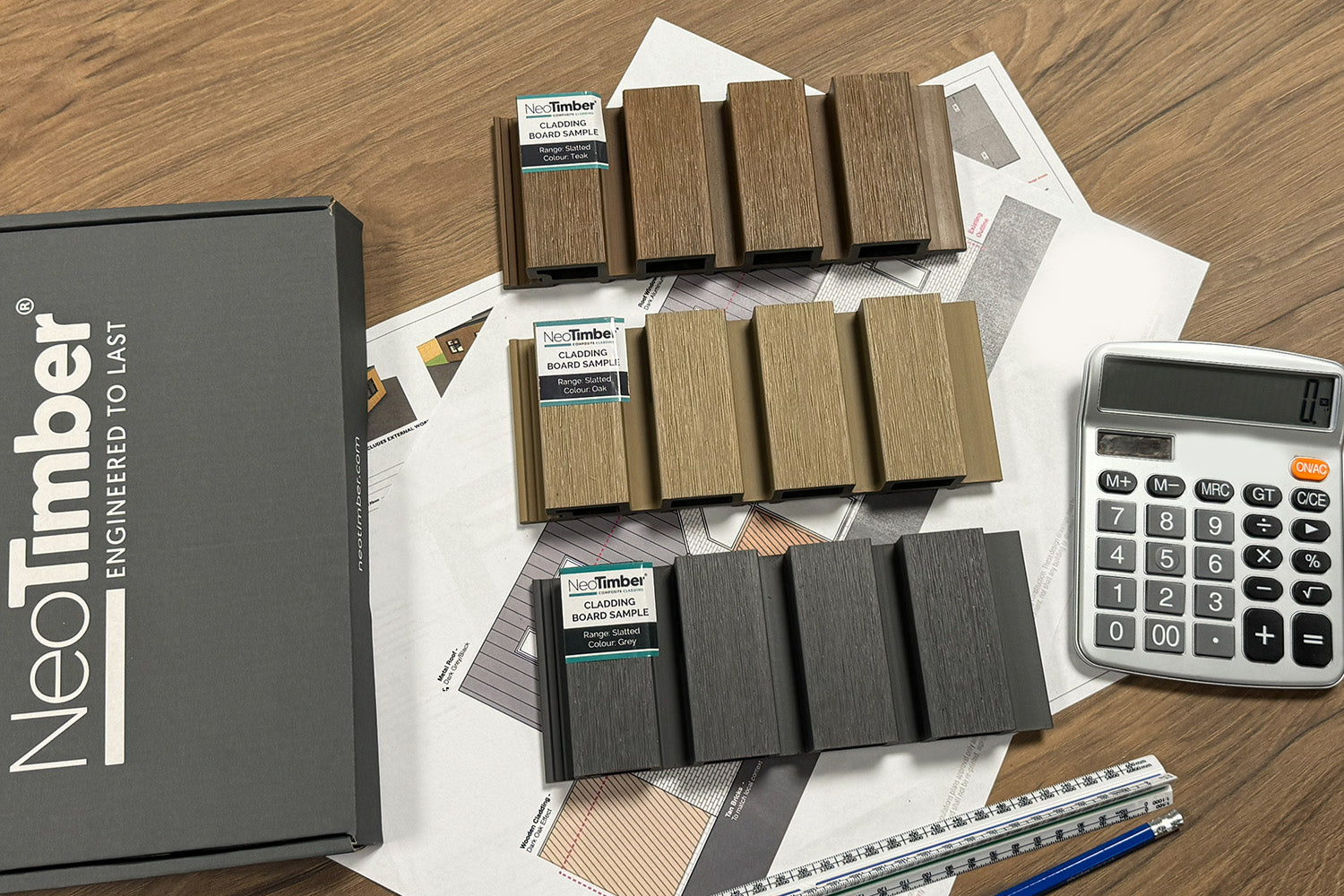
Browse NeoTimber® composite cladding, explore the gallery and request free samples to compare the finish at your property.