
Understand Reconstituted Timber Boards Before Planning Your Deck
Reconstituted decking is a description you may encounter when comparing manufactured alternatives to solid timber. In the context of NeoTimber® products, it refers to wood-plastic composite boards made with wood fibres, polymers and additives.
The phrase “reconstituted timber decking” does not, by itself, establish a precise composition, recycled-content percentage or performance level. Check the specification of the actual board rather than assuming every product sold under the name is identical.
This guide explains the material, the main board choices and the questions to ask before buying. Explore our decking options for an overview, or browse the composite decking range.
In this guide: Materials explained · Practical benefits · Board construction · Sourcing · Appearance · Installation and care · Buying checklist · FAQs
What Is Reconstituted Timber Decking Made From?
Wood-plastic composite, often shortened to WPC, combines wood fibres with a polymer binder and other ingredients. The result is a manufactured board rather than a plank cut directly from a tree.
Formulations vary. As a specific example, NeoTimber’s Classic Hollow specification lists 60% wood powder, 30% HDPE and 10% additives. This should not be treated as a universal formula for every composite product.
“Reconstituted” also should not be confused with reclaimed solid timber. A reused timber plank and a manufactured composite have different construction and care requirements. Our WPC decking guide explains the composite category in more detail.
Why Consider a Manufactured Timber Alternative?
Reduced routine treatment
NeoTimber® composite boards do not require routine staining or oiling to preserve their intended finish. This can appeal where you want a timber-inspired appearance with fewer treatment tasks.
They still need cleaning and inspection. Low maintenance does not mean that dirt, spills or blocked drainage can be ignored.
Choice of finishes and profiles
Different colours, grain patterns and core profiles let you compare the visual and practical requirements together. Choose the product for its intended application rather than assuming every board suits every site.
Product-specific outdoor performance
Composite formulations can offer resistance to moisture-related deterioration, but no board should be described as immune to damage. Correct support, movement allowance and suitable loading remain essential.
For a balanced comparison, read our composite decking vs wood guide. Suitably specified timber also has valid uses; the choice depends on the project and preferred care routine.
Compare Capped, Uncapped, Hollow and Solid Boards
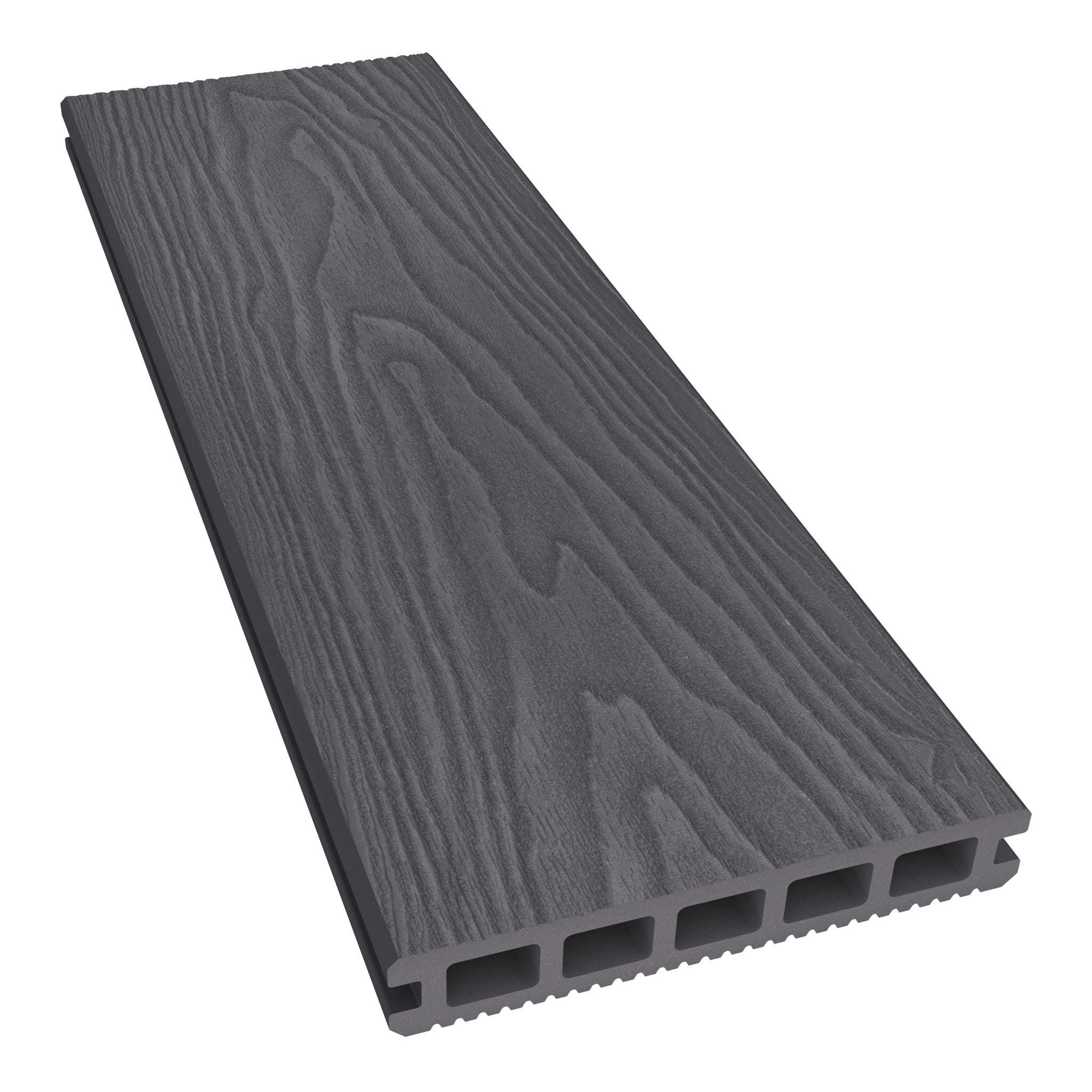
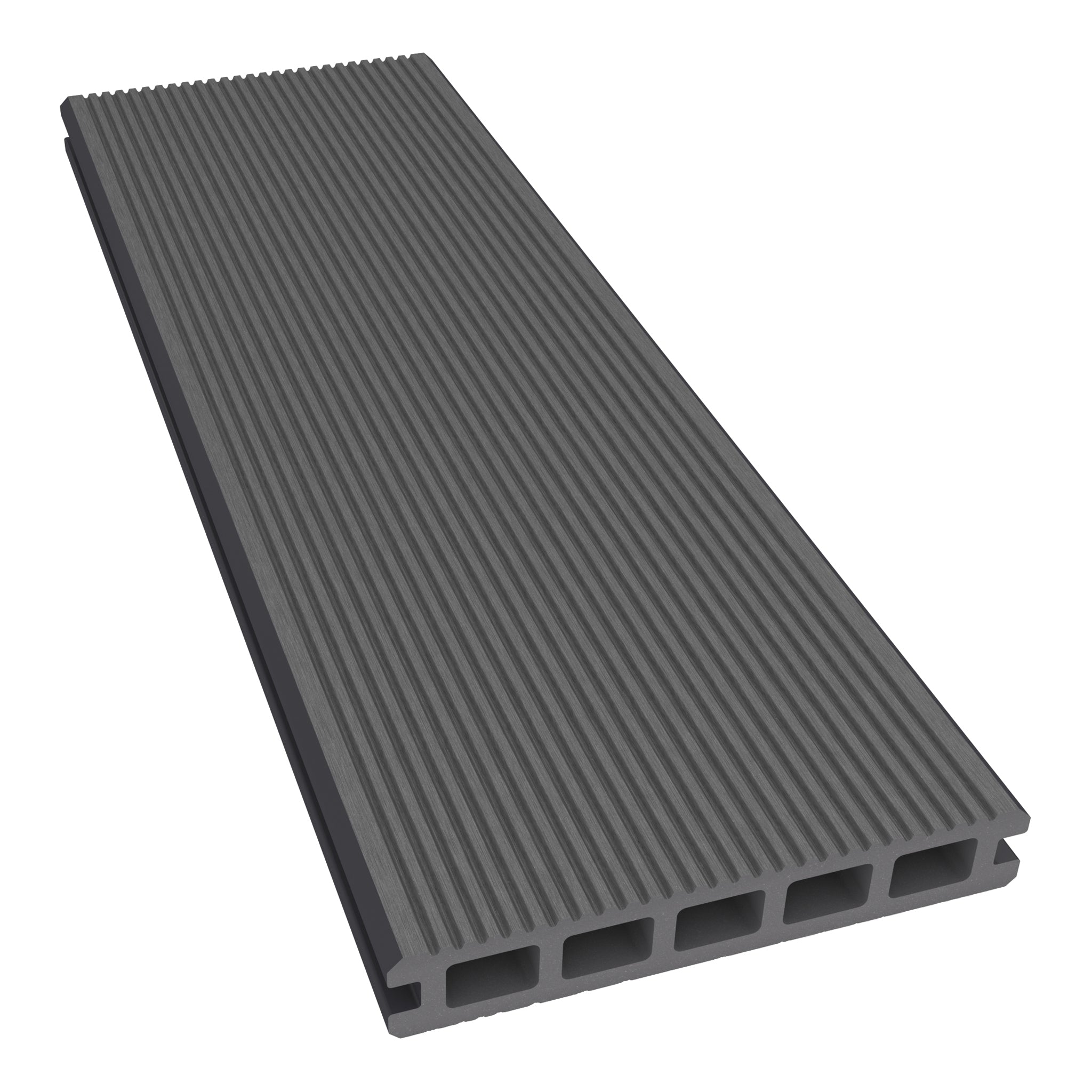
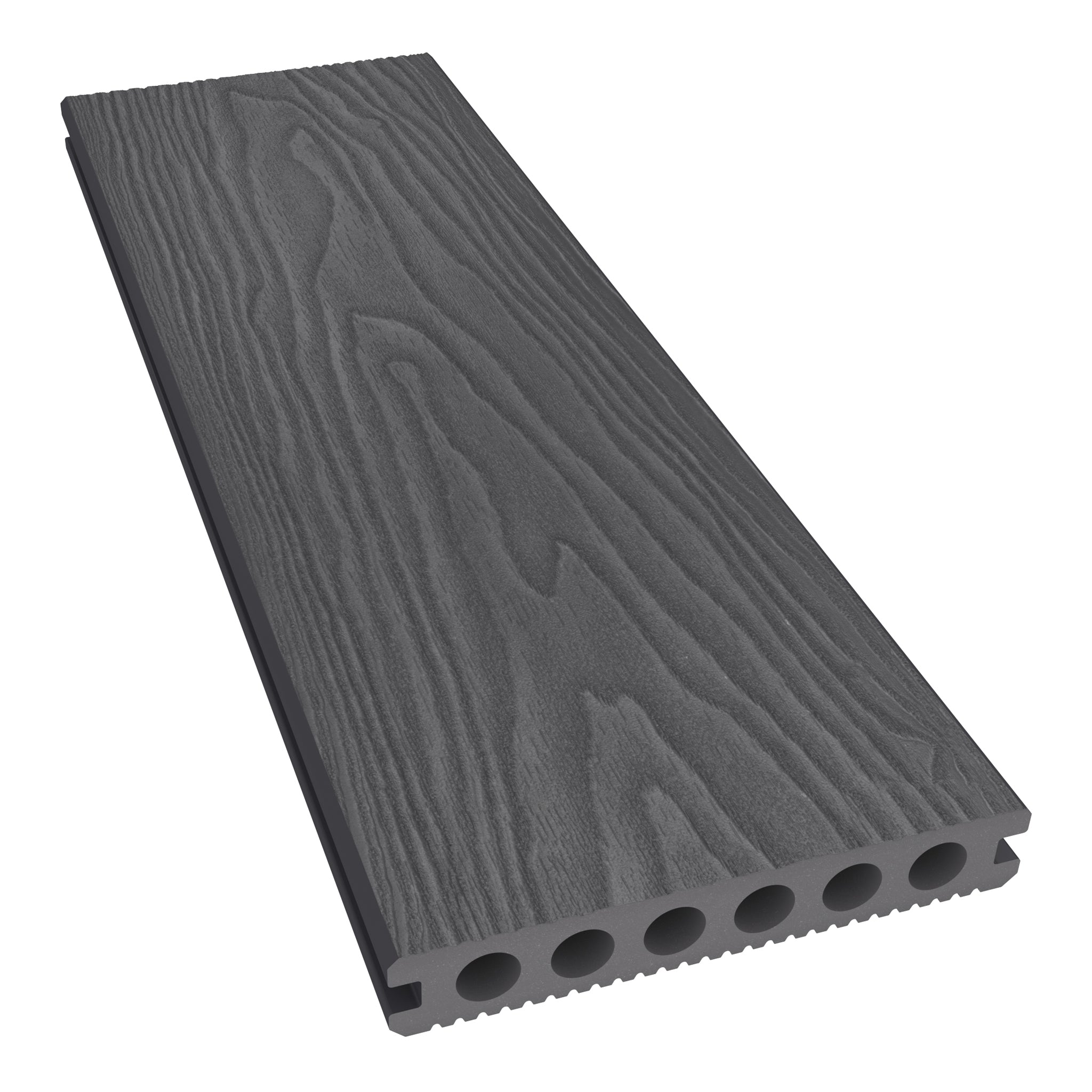
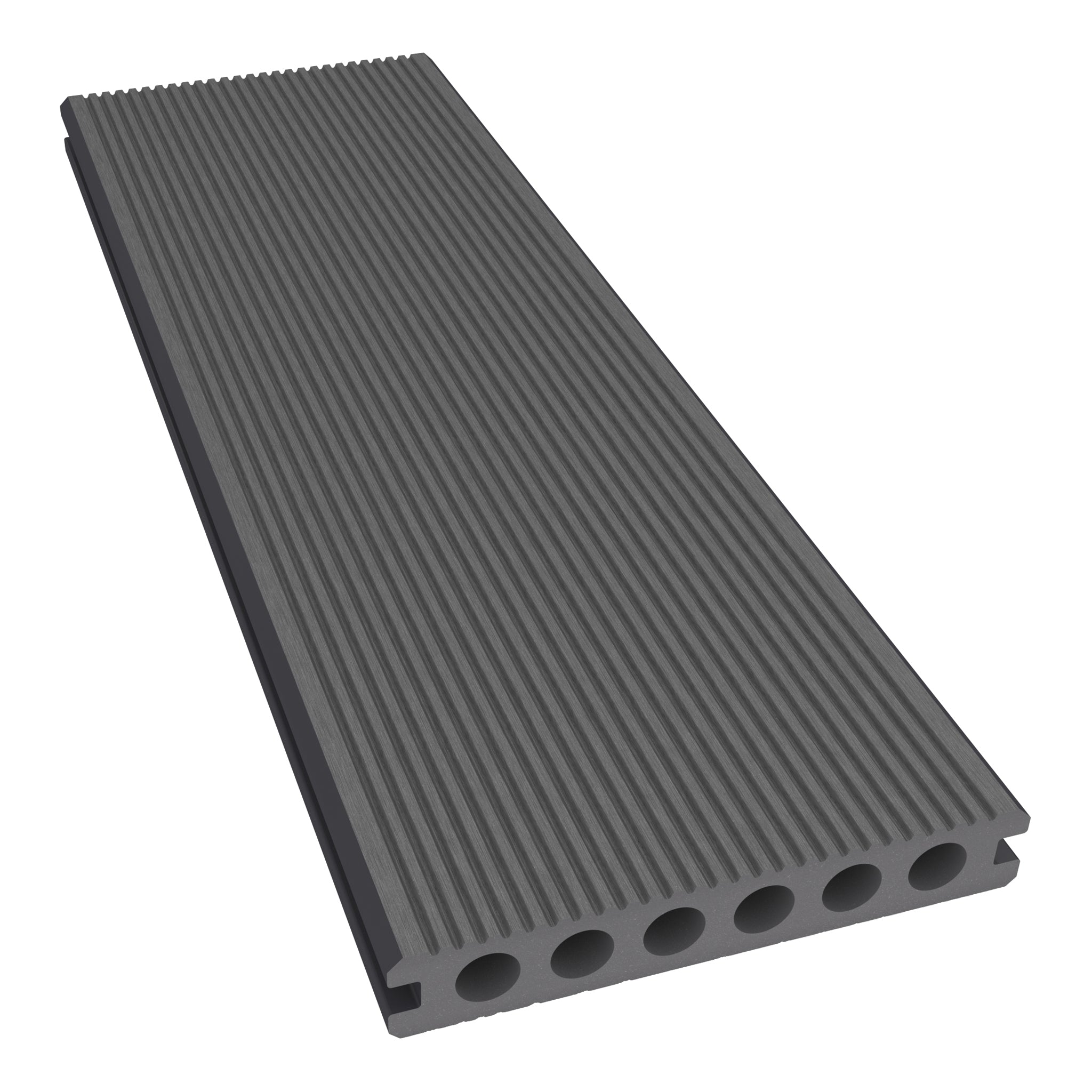
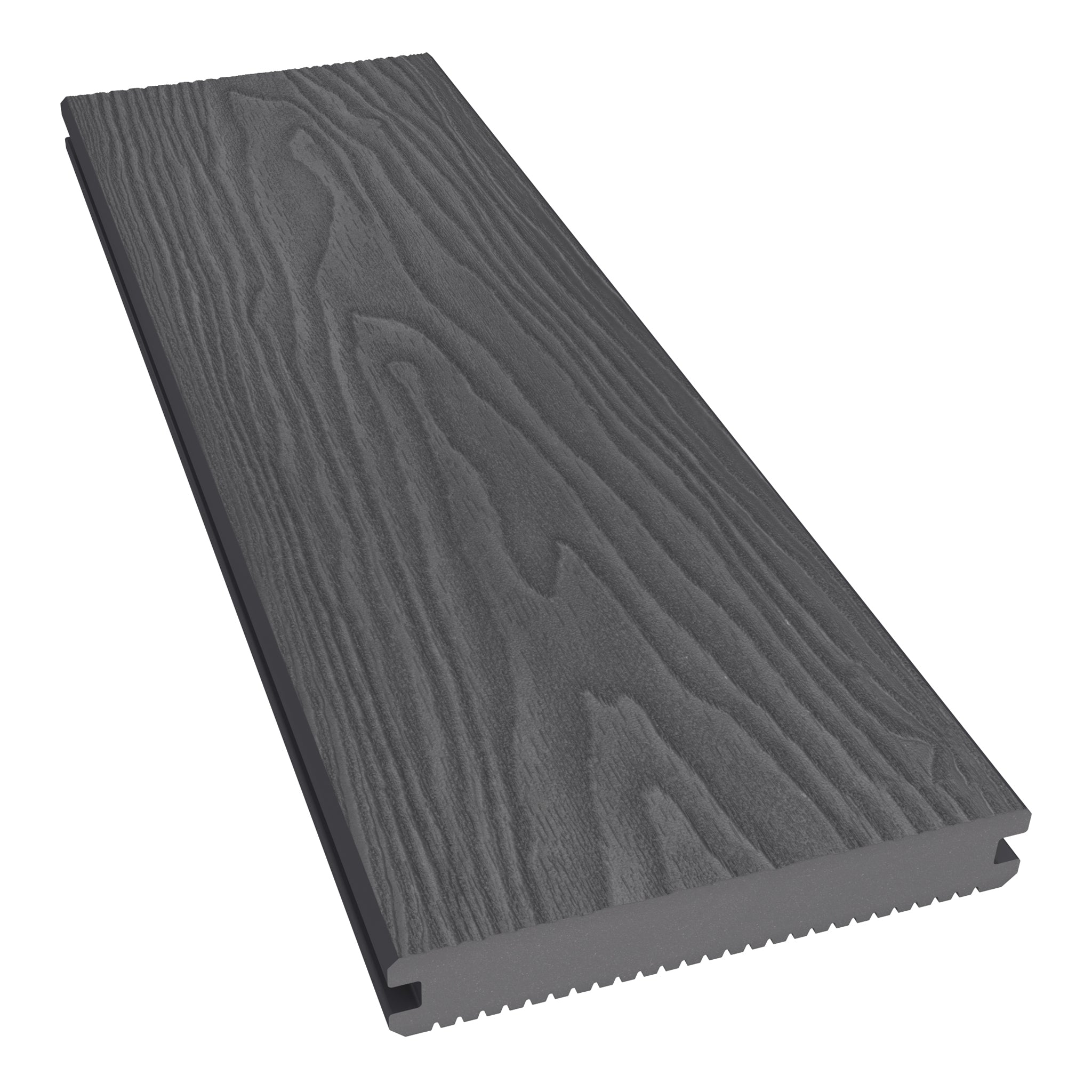
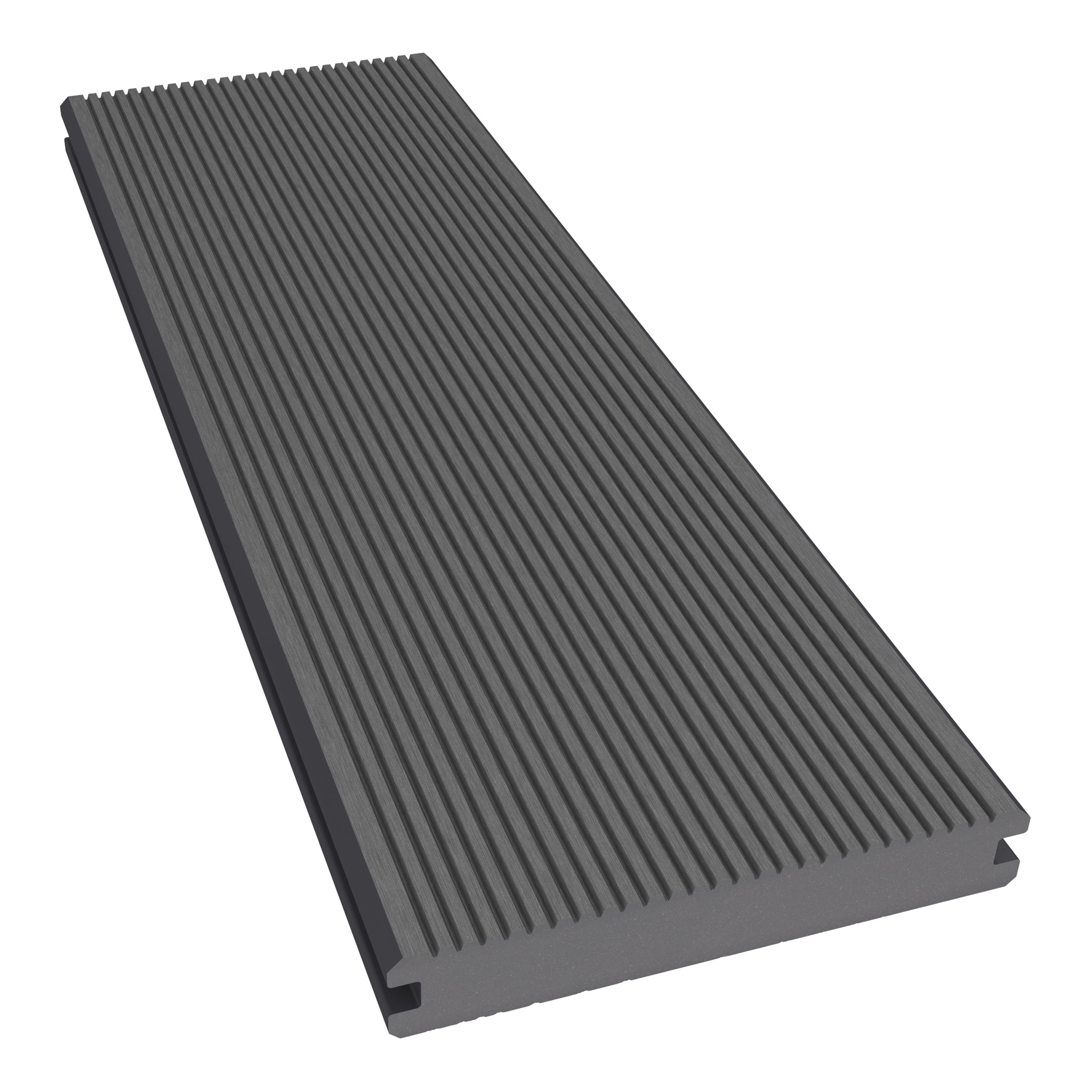
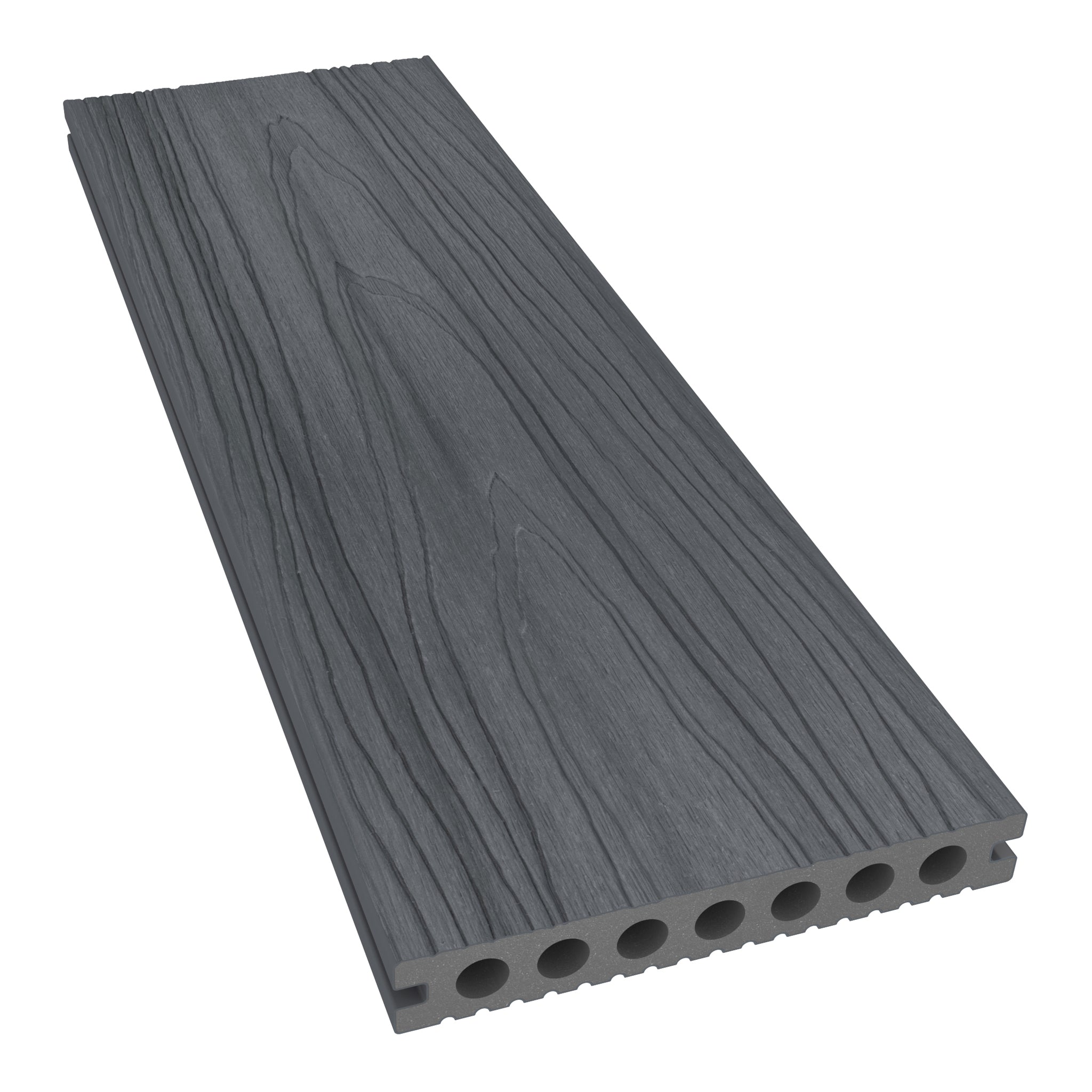
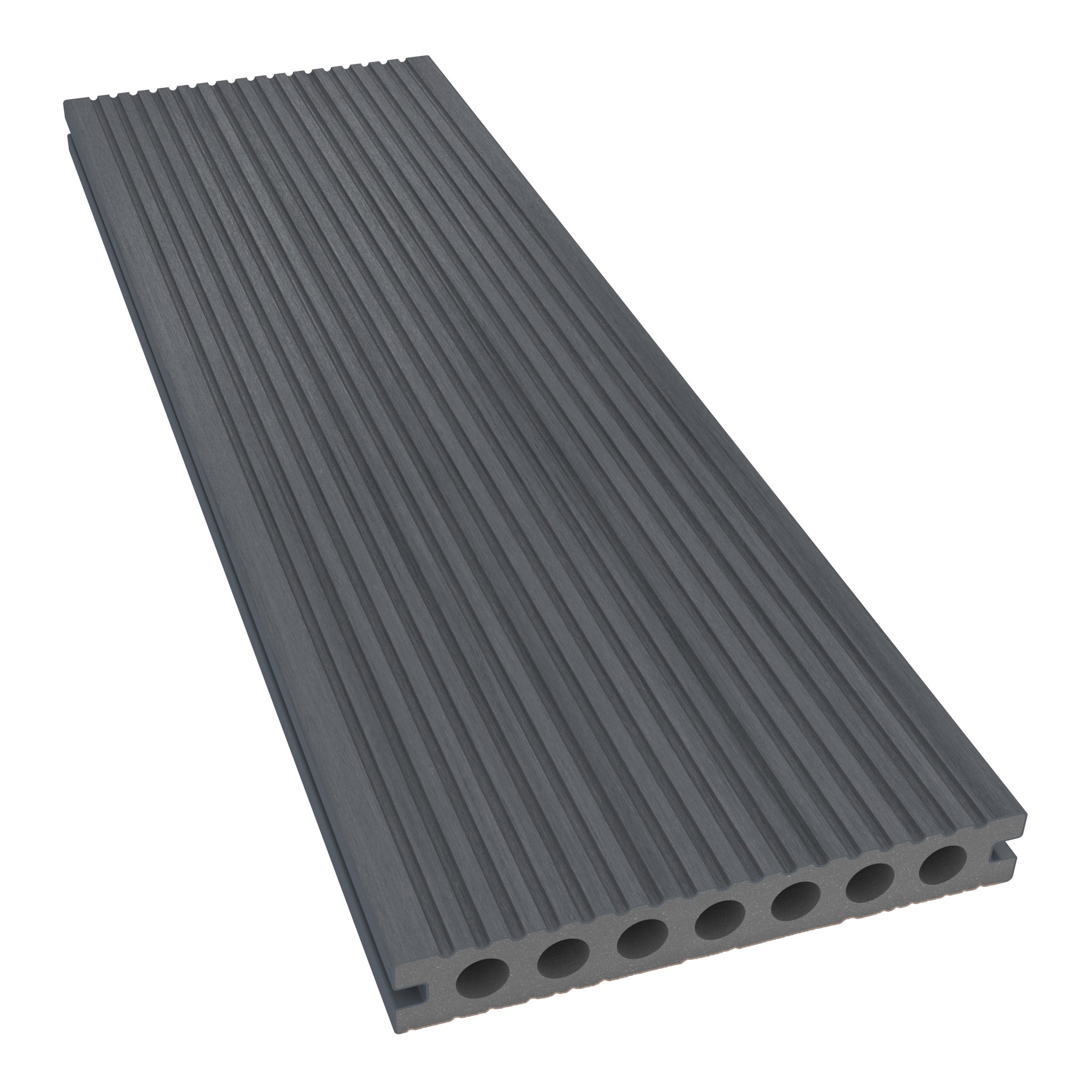
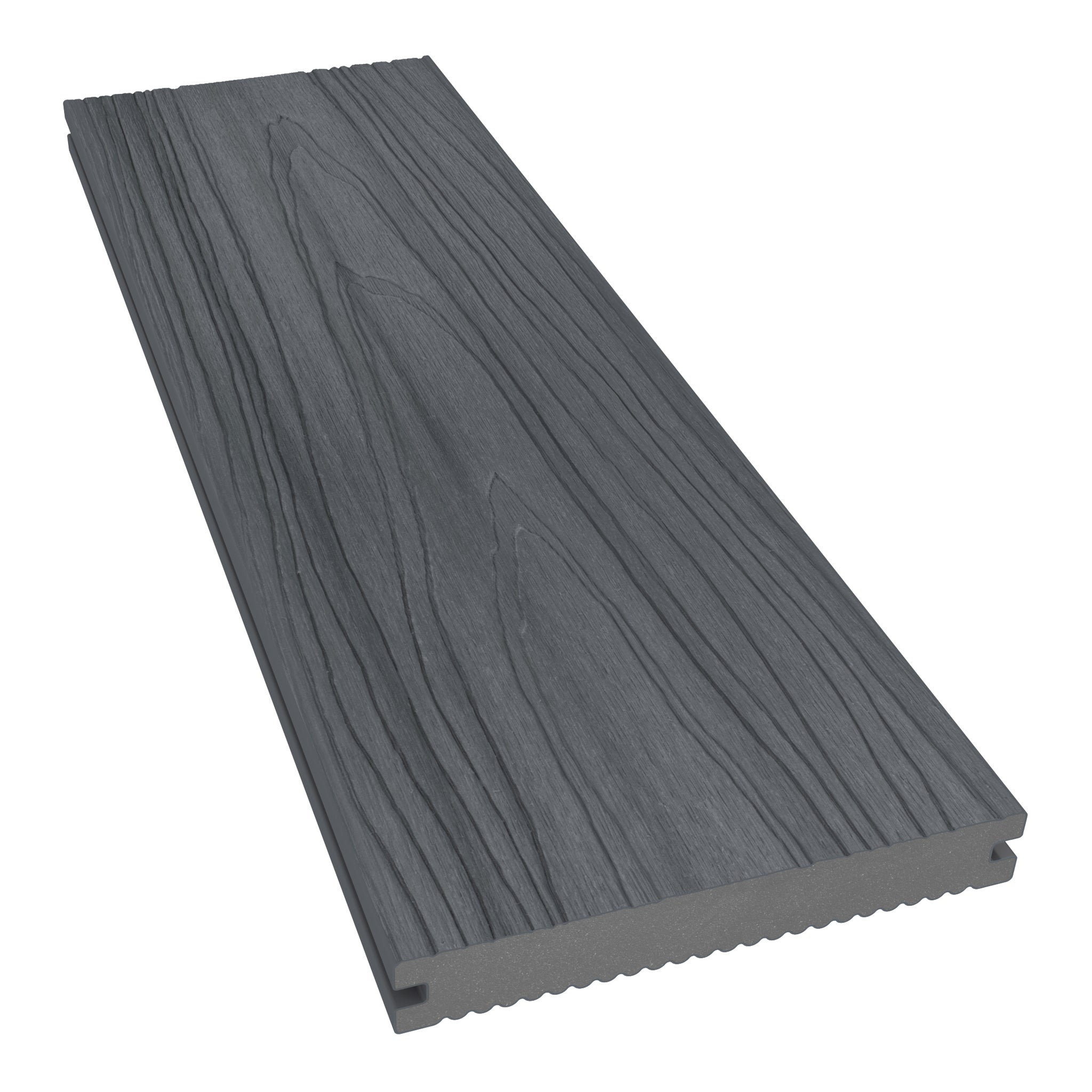
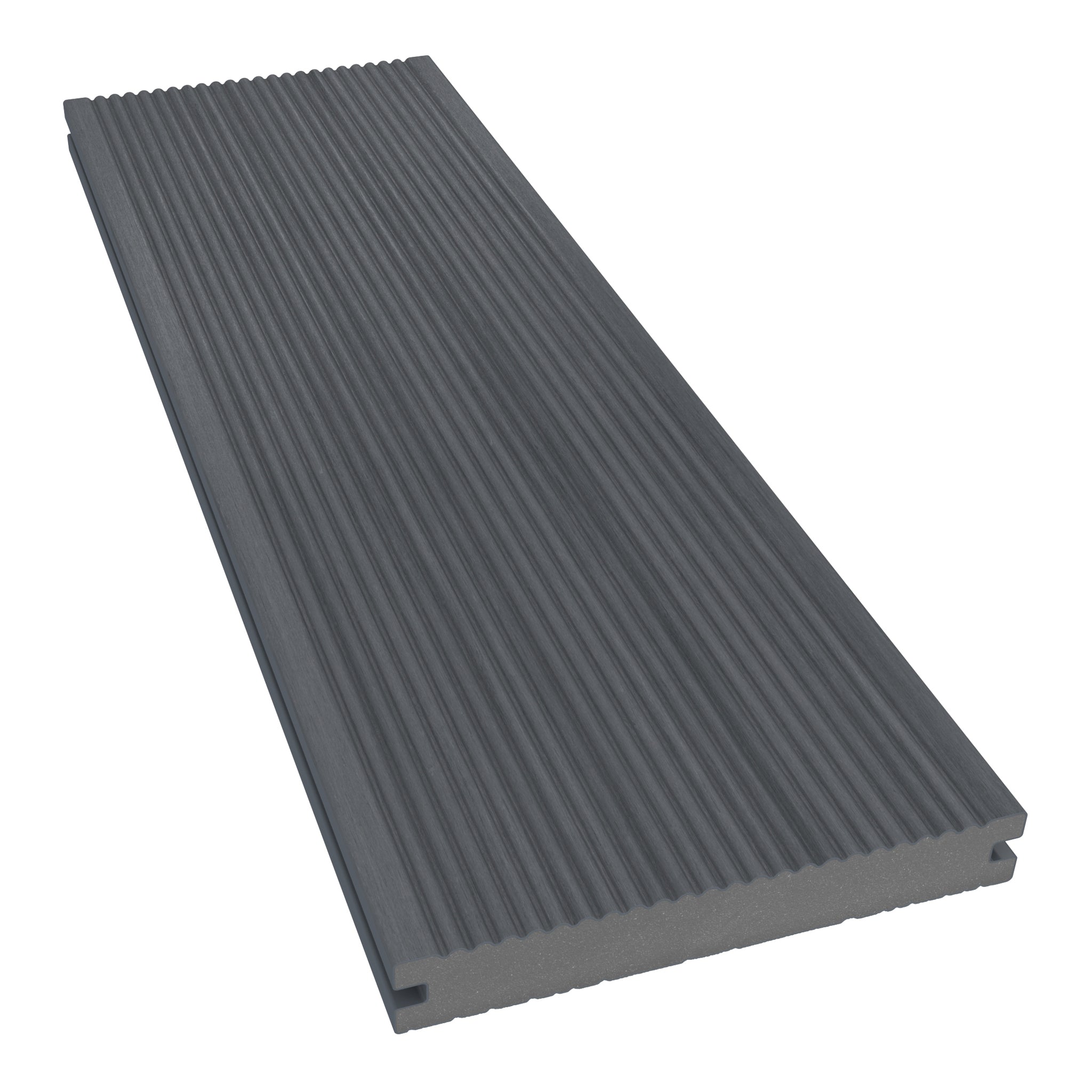
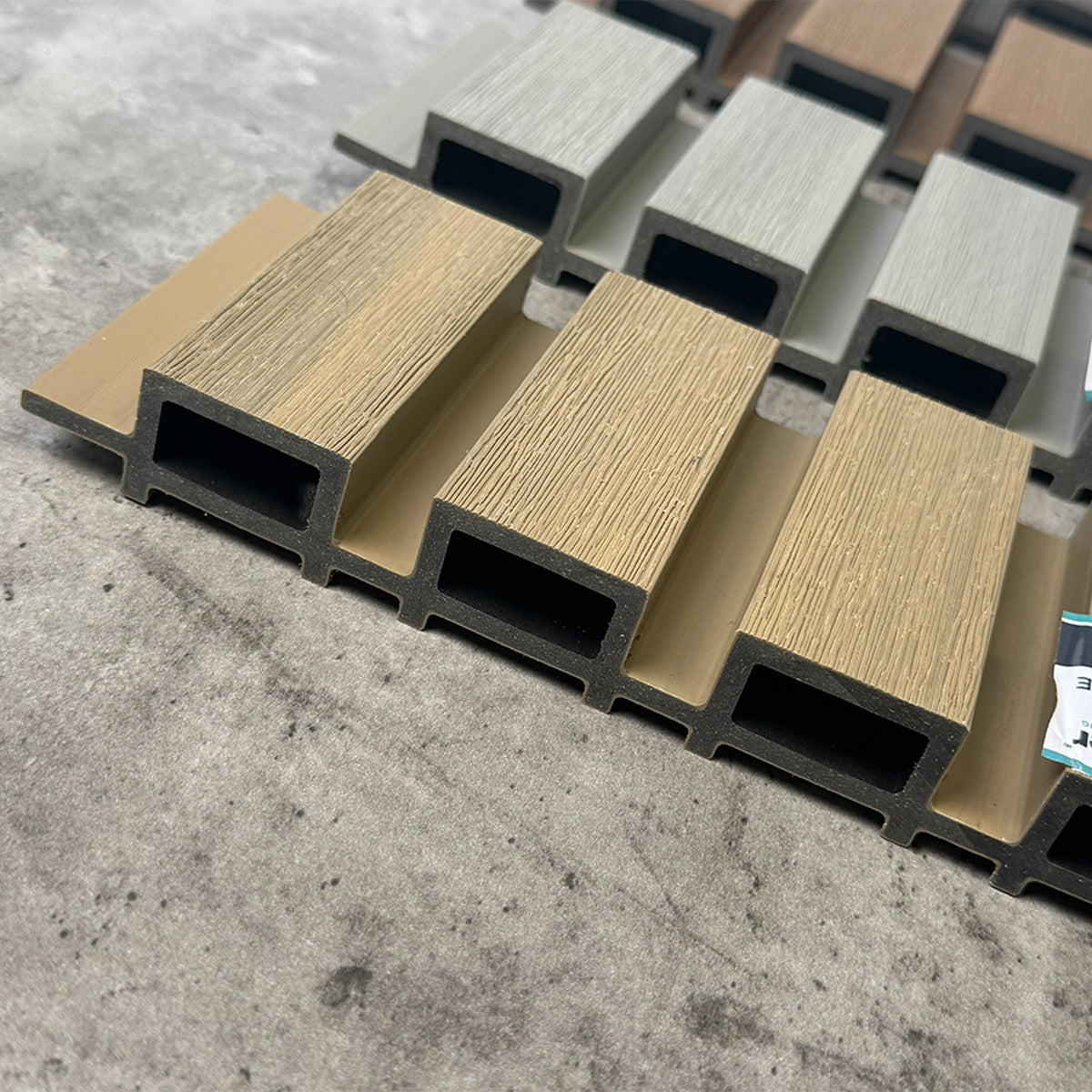
The surface construction and core profile are separate choices. A capped board can be hollow or solid, and an uncapped board can also use either core type.
Understand the main construction choices:
| Feature | What it describes | What to check |
|---|---|---|
| Uncapped surface | Composite without a separate protective outer cap. | Expected weathering, finish and stain-care requirements. |
| Capped surface | A protective layer over the composite core. | Cap coverage, cleaning guidance and product-specific resistance claims. |
| Hollow core | Voids within the board profile. | Weight, support requirements and permitted use. |
| Solid core | A profile without those internal hollow channels. | Performance evidence, support and installation requirements. |
Compare the current Classic and Deluxe options rather than relying on older range names. Our capped composite guide explains how a protective layer changes the product comparison without making it stain-proof or maintenance-free.
Check Recycled Content and Responsible Sourcing
NeoTimber® uses recycled plastics and responsibly sourced wood fibres in its composite products. The wood component within applicable products is covered by the stated FSC® claim.
This does not mean that all wood fibres are reclaimed, every ingredient is recycled or the complete product has no environmental impact. Ask for evidence relevant to the exact claim being made.

Consider the wider project too: efficient cutting, transport, maintenance and end-of-life handling all matter. Check specialist collection options rather than assuming a composite board can go into household recycling because it contains recycled plastic.
Choose Texture and Colour for the Whole Space
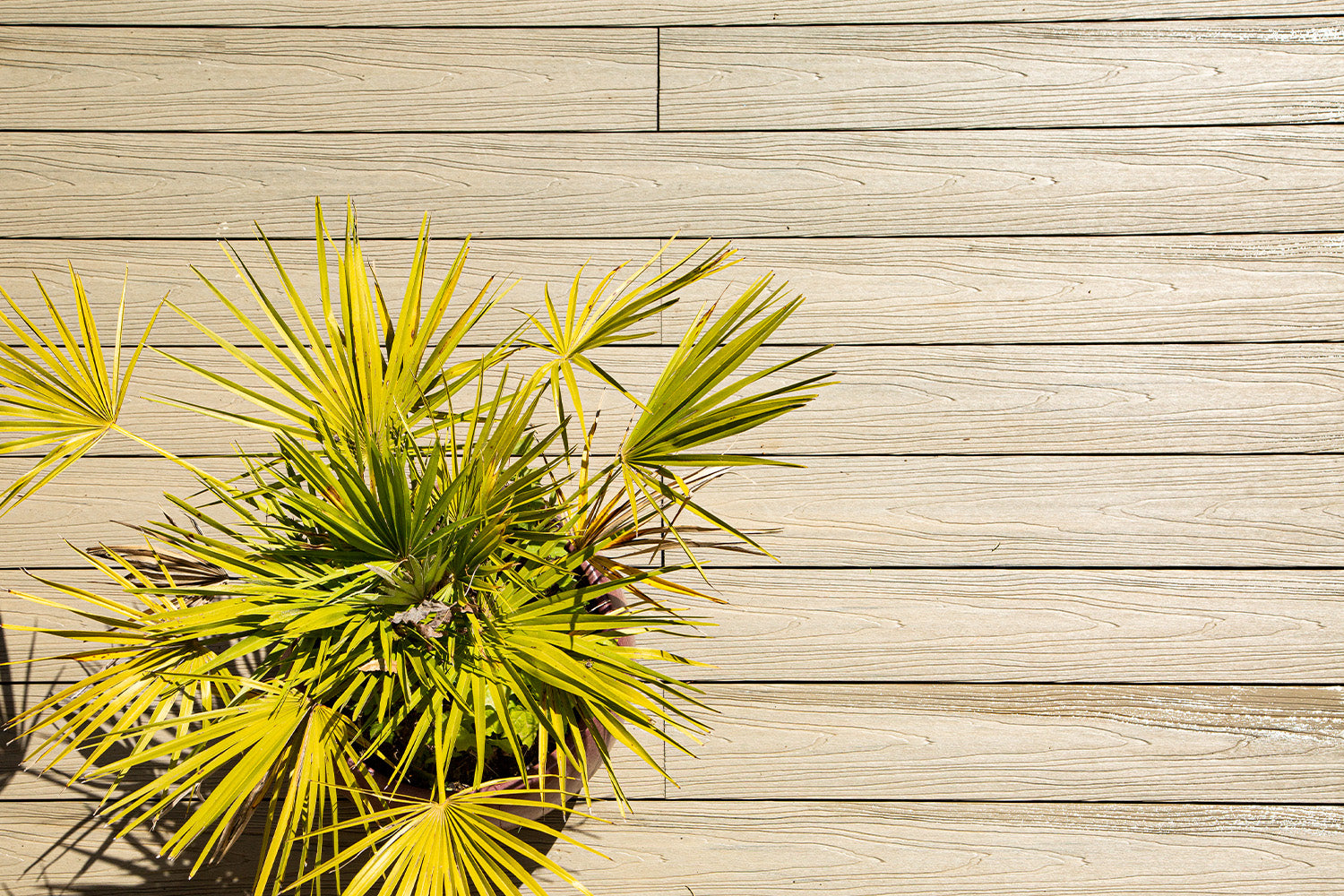
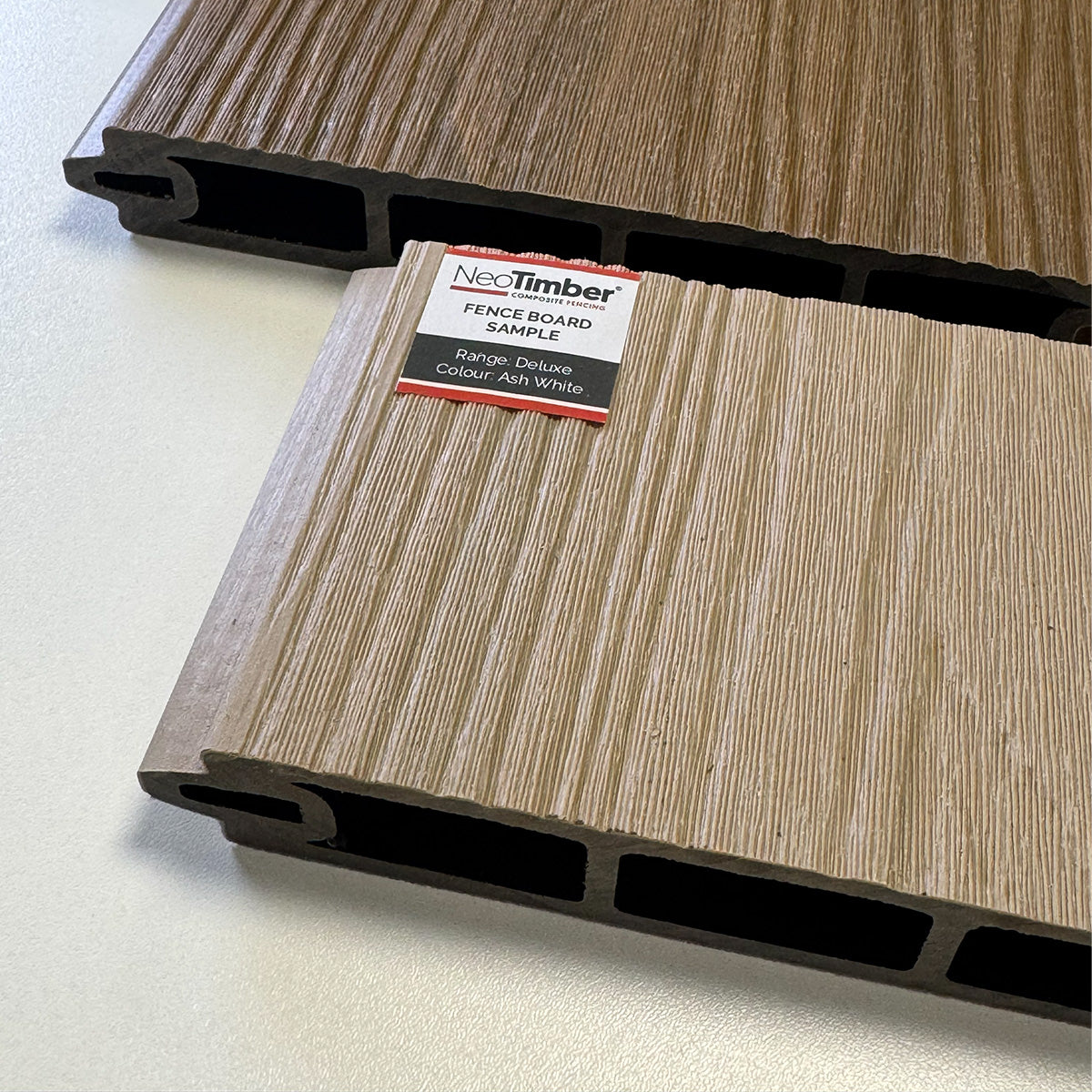
An embossed grain can suggest the character of timber without making the board a particular hardwood species. Colour names such as Oak or Teak describe the appearance, not necessarily the wood species used in manufacture.
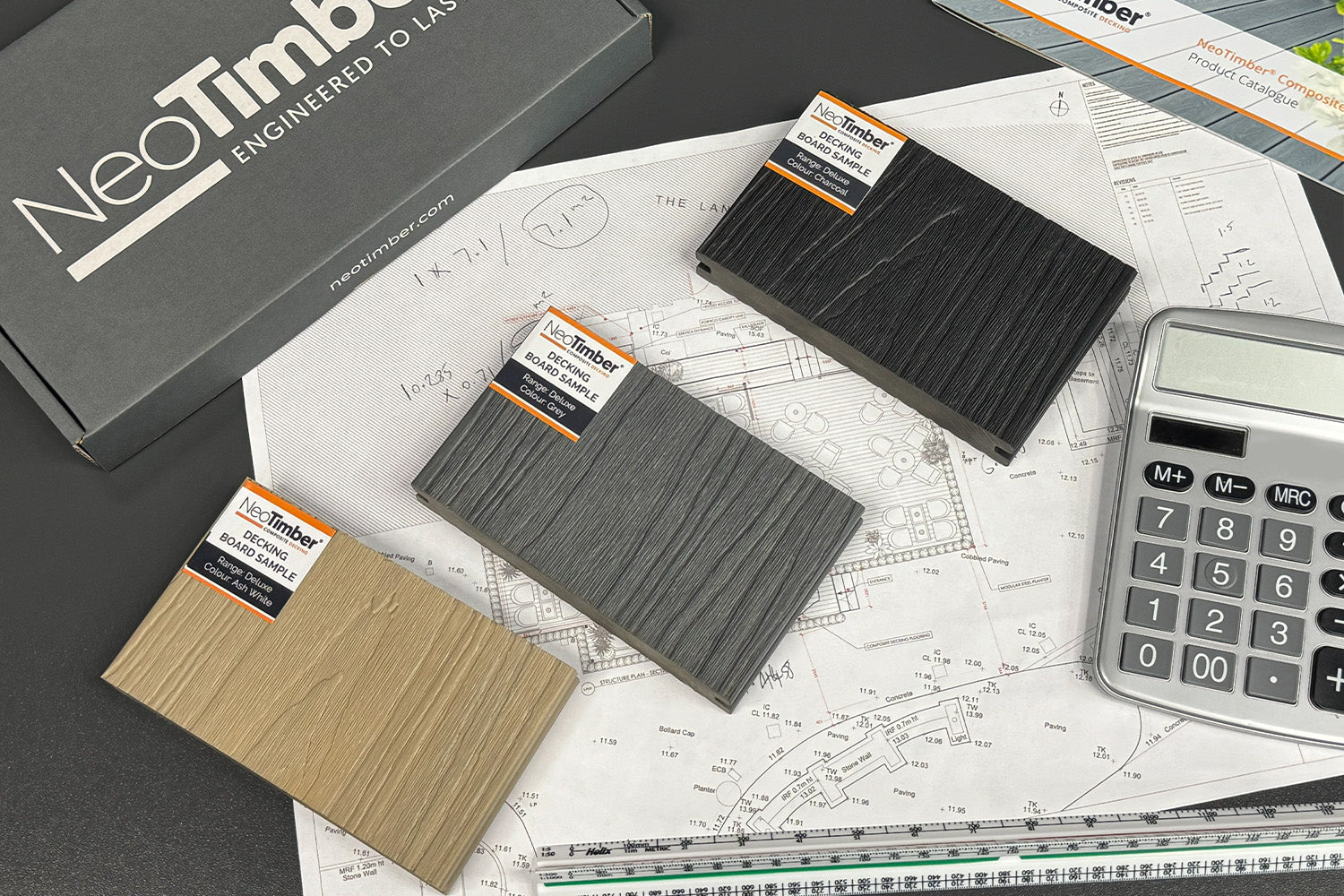
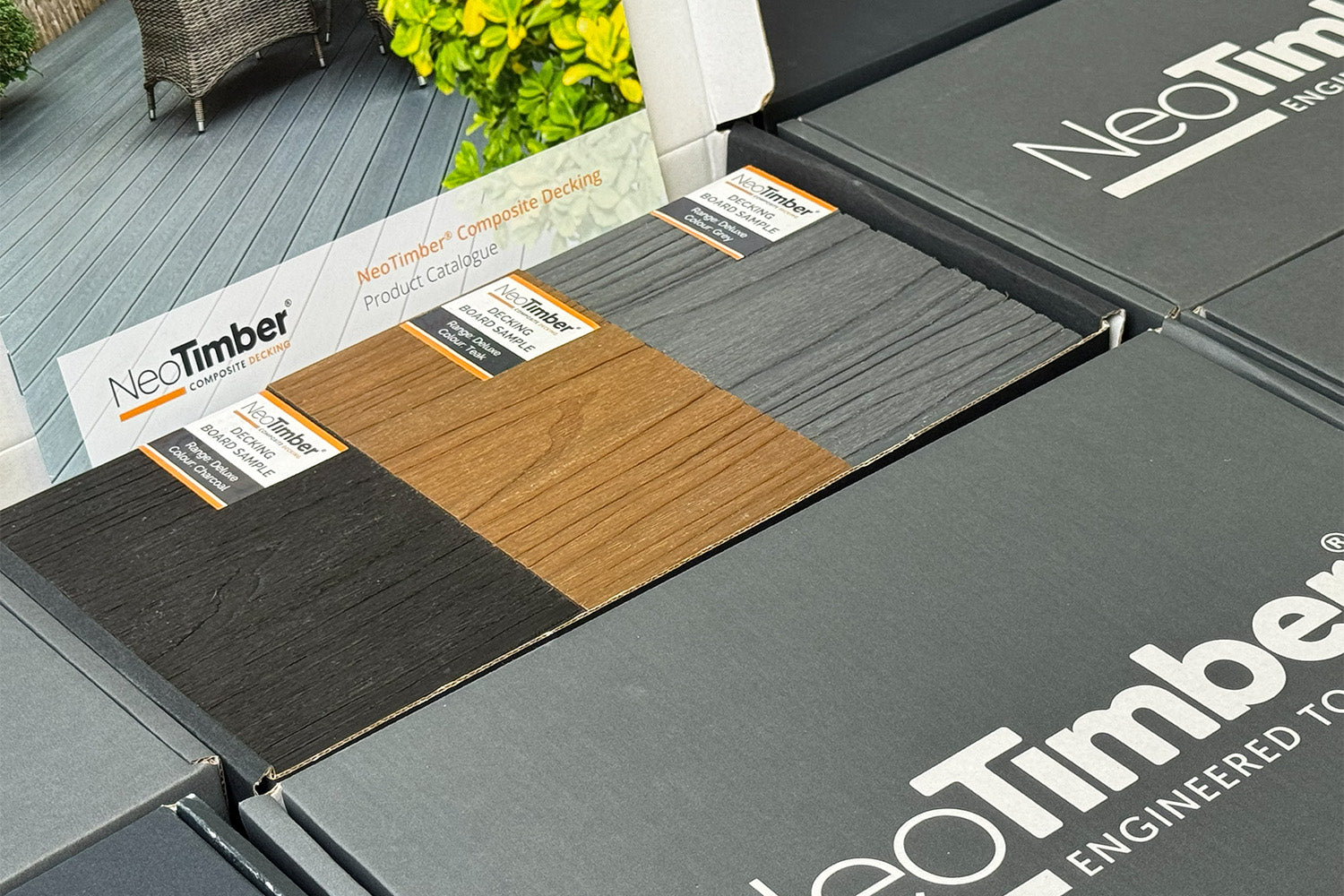
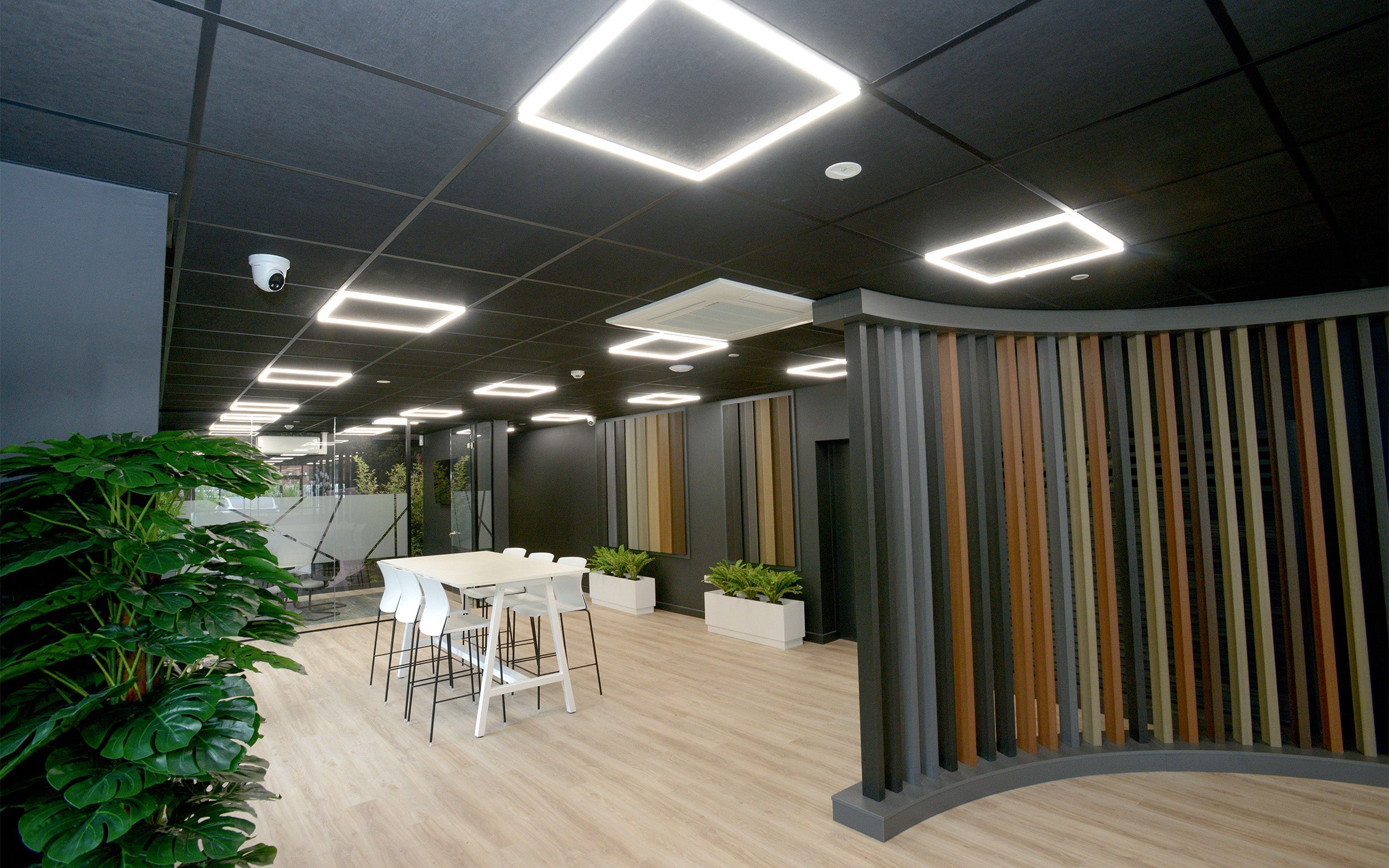
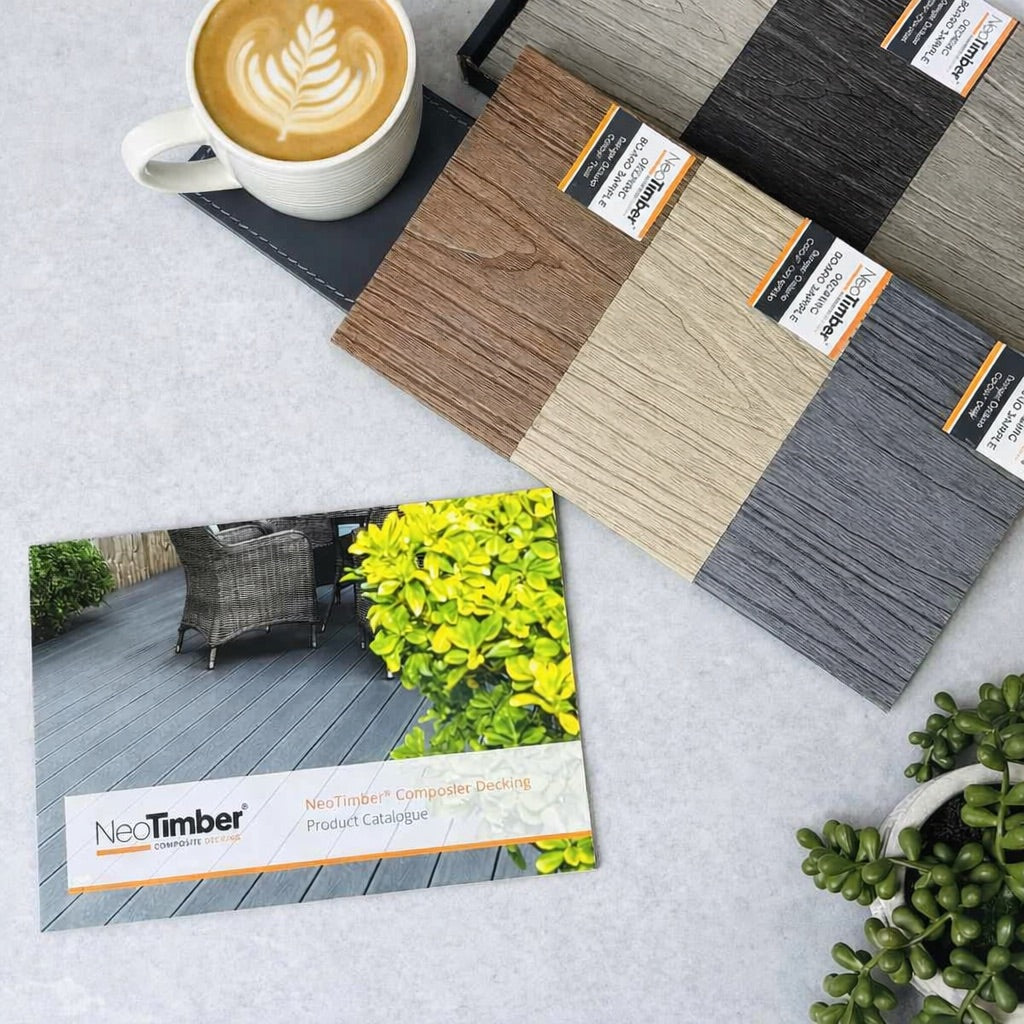
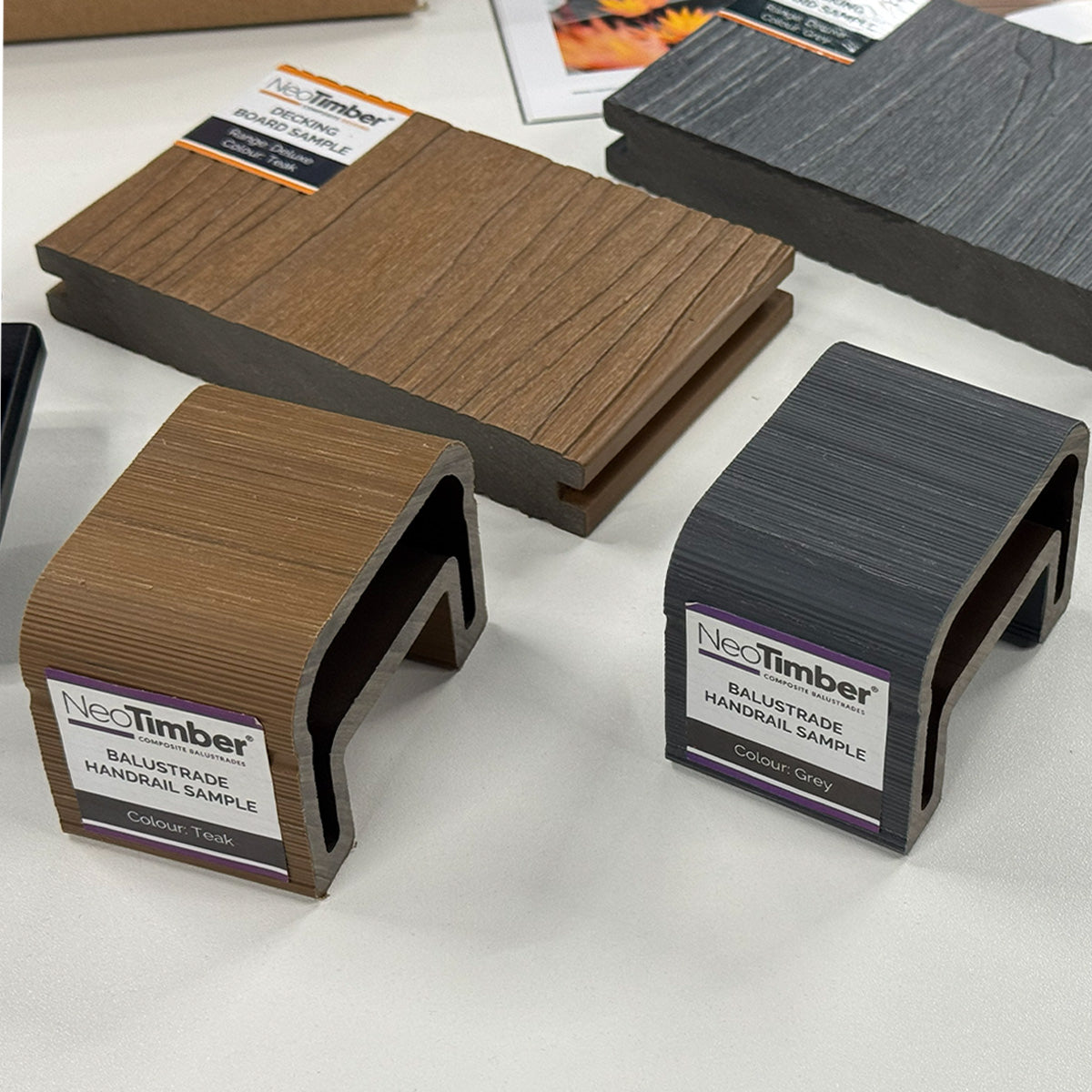
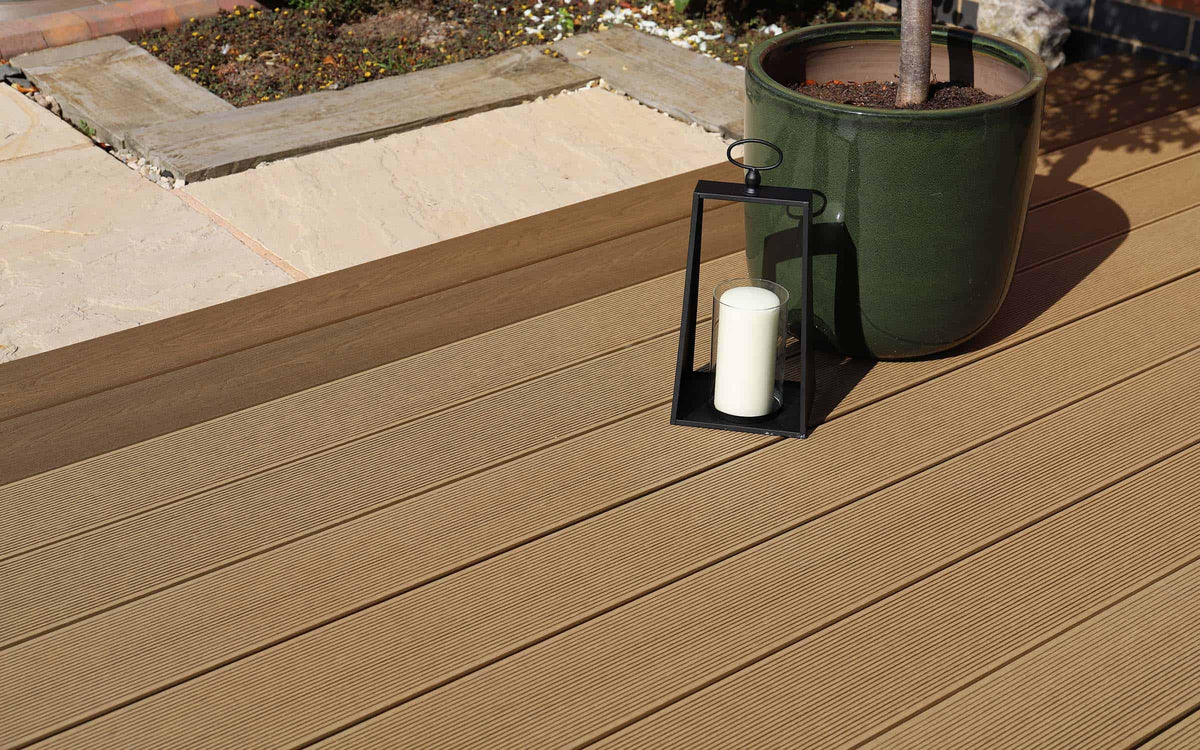
Compare the finish beside your house, paving and furniture. View larger installation photographs to understand the overall pattern, then examine samples outdoors in different light.

Use the decking colour guide and wood-effect finish ideas to develop a shortlist. Check colour availability and expected weathering for the chosen range.
Plan the Structure and Care Alongside the Boards
A manufactured board is only one component of the finished deck. The frame, foundations and connections must suit the site, loading and chosen profile.
- Confirm joist centres and structural spans separately.
- Provide the specified support beneath board ends and borders.
- Use compatible clips, screws and finishing components.
- Allow movement gaps, drainage and ventilation.
- Assess heavy features and specialist applications independently.
Follow the installation instructions and care guidance. A timber-inspired texture does not make a surface slip-proof, especially where water, algae or debris is present.

Read the applicable warranty terms. Classic Lite carries 10-year residential cover, while the other named Classic and Deluxe board ranges have 25-year residential cover, subject to conditions. Warranty duration is not a guaranteed lifespan or a promise of unchanged appearance.
Your Reconstituted Decking Buying Checklist
- Identify the composition and exact board range.
- Compare the surface construction and core profile.
- Review performance evidence relevant to the intended use.
- Confirm the supporting system and complete installation cost.
- Check sourcing claims, maintenance and warranty terms.
- Review samples before committing to the finish.
Request free composite decking samples or contact NeoTimber® with your plans. You can also call 01530 382 180 for product guidance.
Frequently Asked Questions
Is reconstituted timber decking the same as composite?
In this context, the phrase describes wood-plastic composite boards. Check the actual composition because the wording alone is not a full specification.
Is it made entirely from recycled material?
Do not assume so. Check the product’s stated recycled content and sourcing information. Responsibly sourced wood is not necessarily reclaimed wood.
Is it the same as reclaimed timber?
No. Reclaimed timber is reused solid wood, while a composite is manufactured from combined ingredients.
Do capped boards need cleaning?
Yes. A protective cap can improve resistance to marks and weathering, but deposits and spills still require appropriate care.
Does every range have the same warranty?
No. Cover varies by product and application. Read the current terms for the exact board before purchase.
How do I choose the right board?
Match the product specification, appearance and care requirements to the site, intended use and supporting structure.