
Understand the Upfront Price and Compare the Cost of Ownership
Why composite decking costs more than timber often comes down to the products being compared. Against basic treated softwood, composite boards can have a higher purchase price because they combine processed ingredients, manufactured profiles and, in some ranges, an additional protective cap.
The comparison changes with the timber species, composite range and installation design. Premium hardwood can cost more than some composite options, so a fixed claim that every composite deck costs two or three times as much is not a reliable budgeting rule.
This guide explains the main cost factors and how to compare value for your project. Explore our decking options or browse composite decking alongside your shortlist.
In this guide: Materials and manufacture · Installation costs · Ongoing care · Worked comparison · Service life and warranty · Compare quotes · FAQs
Materials and Manufacturing Influence the Board Price
Wood-plastic composite combines wood fibres, polymers and additives in a manufactured profile. Preparing and blending those ingredients, forming the board and controlling the finish all contribute to the product supplied.
Recycled material is not cost-free: collection, preparation and processing are still needed. A recycled-content claim alone does not tell you the manufacturing cost or establish the retail price.
Surface protection and finishing
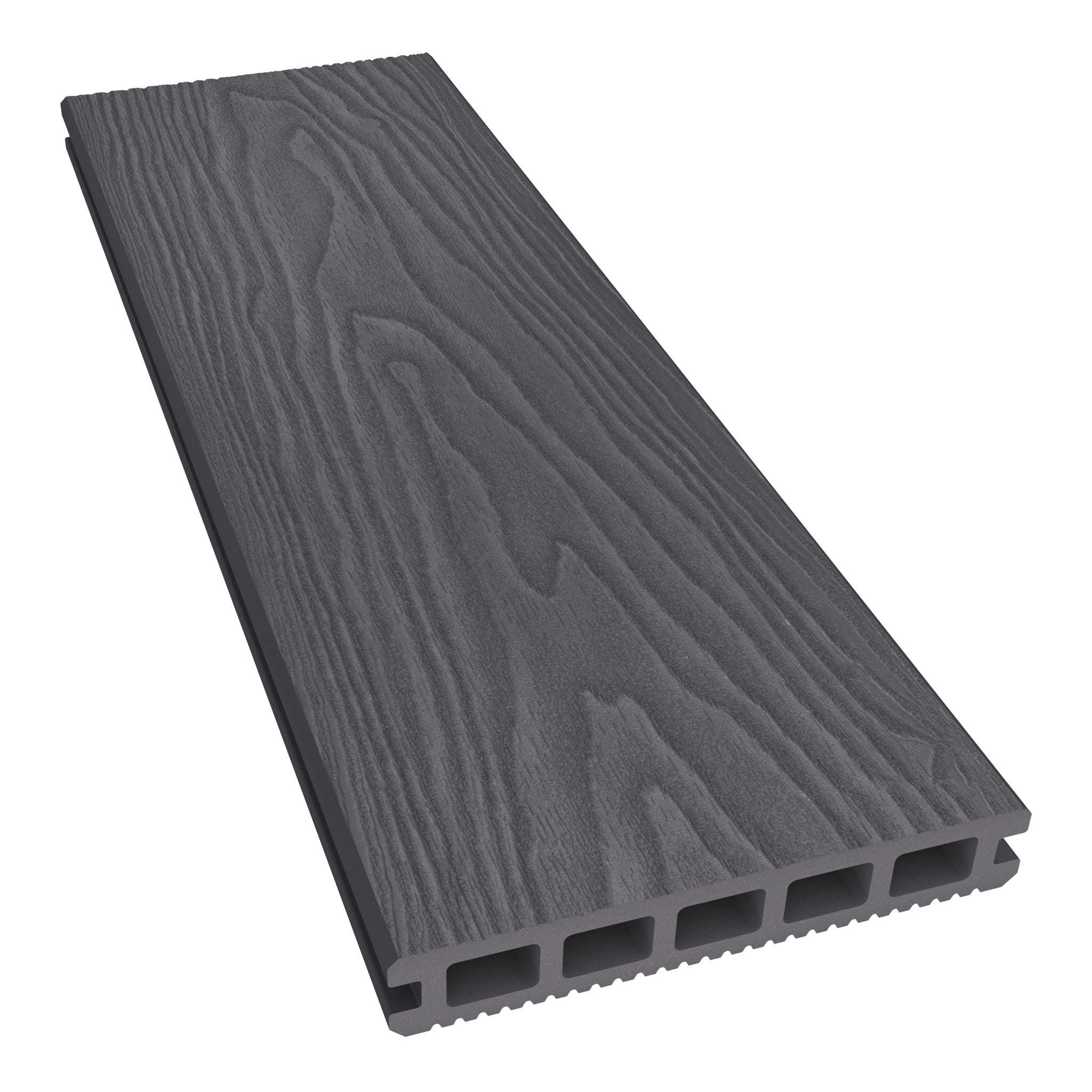
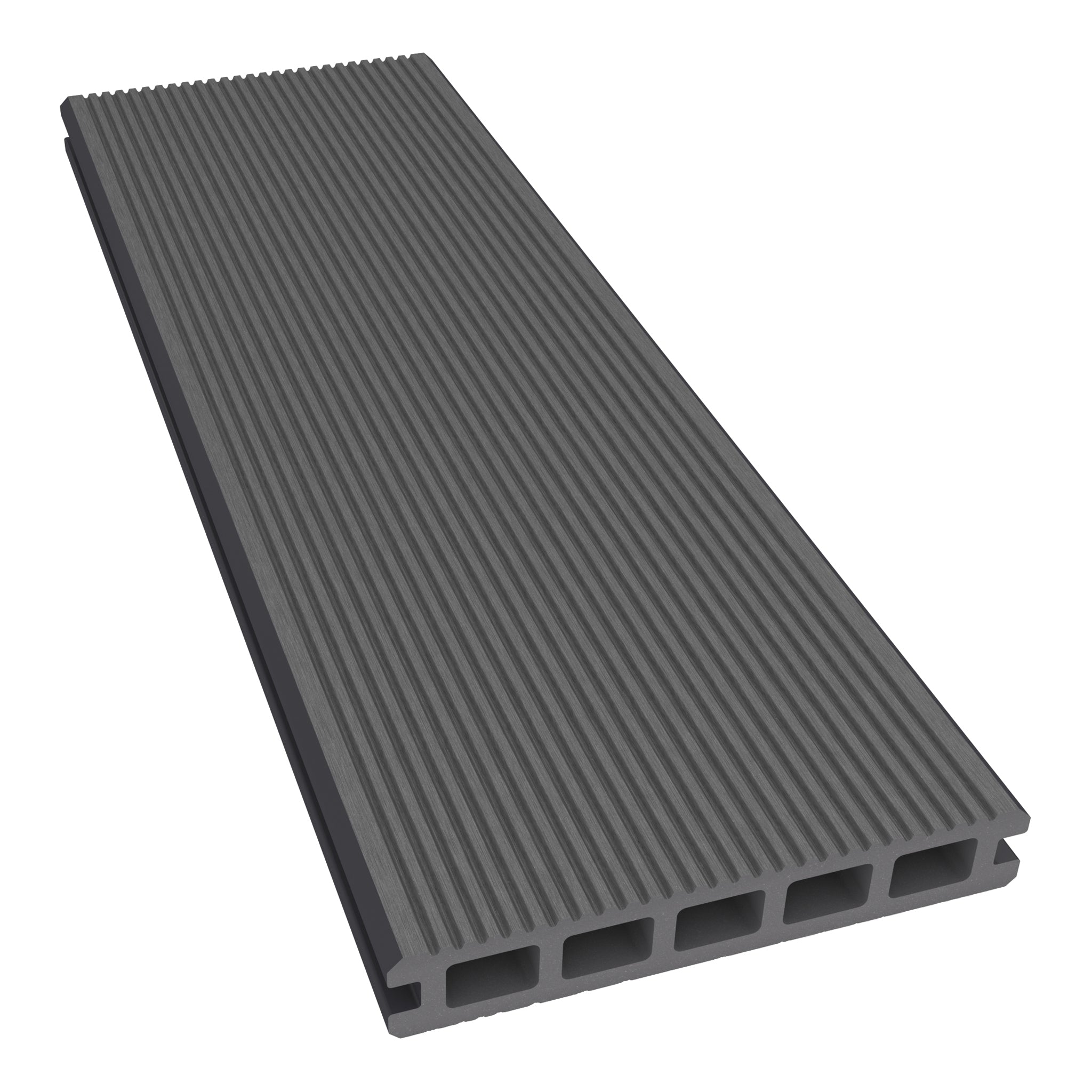
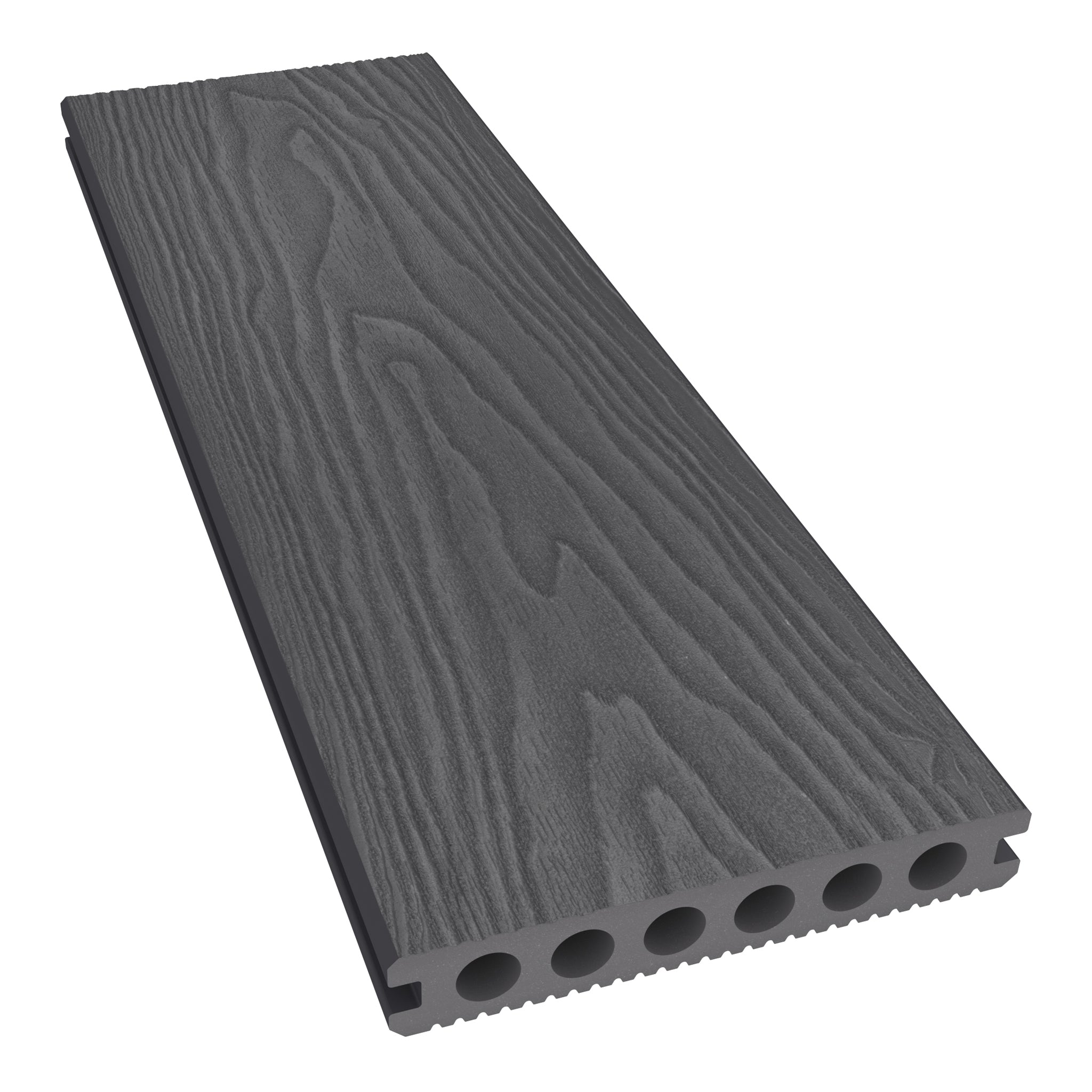
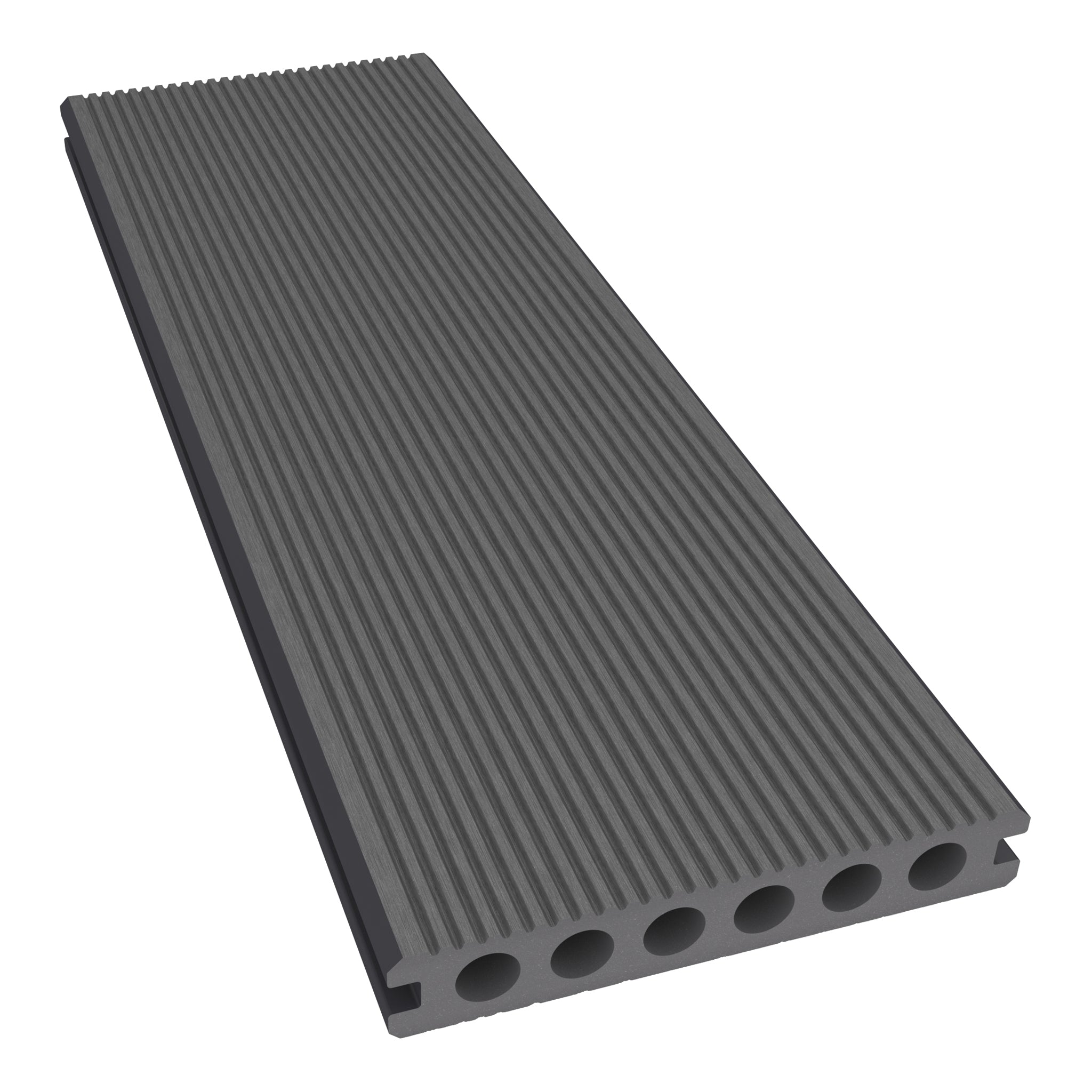
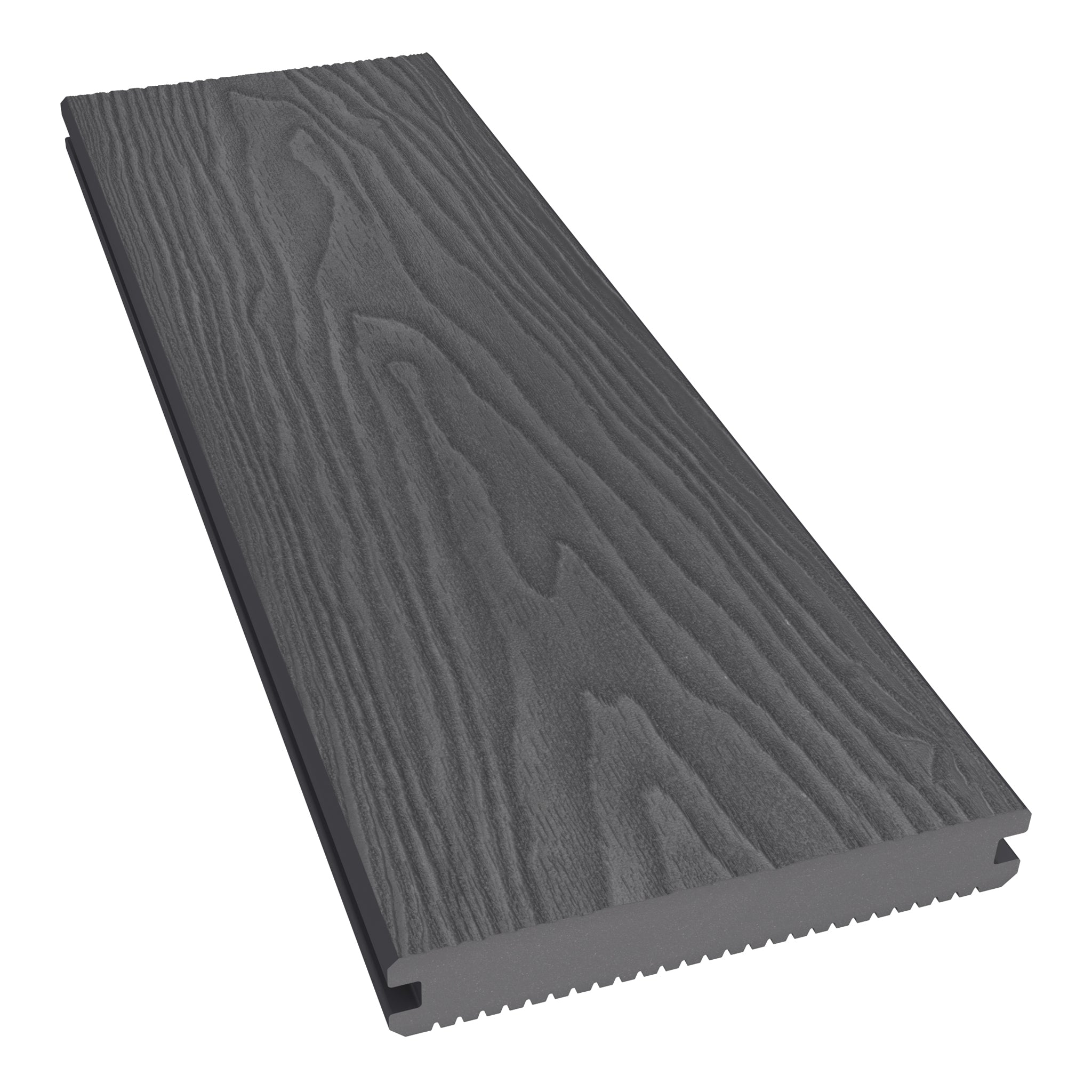
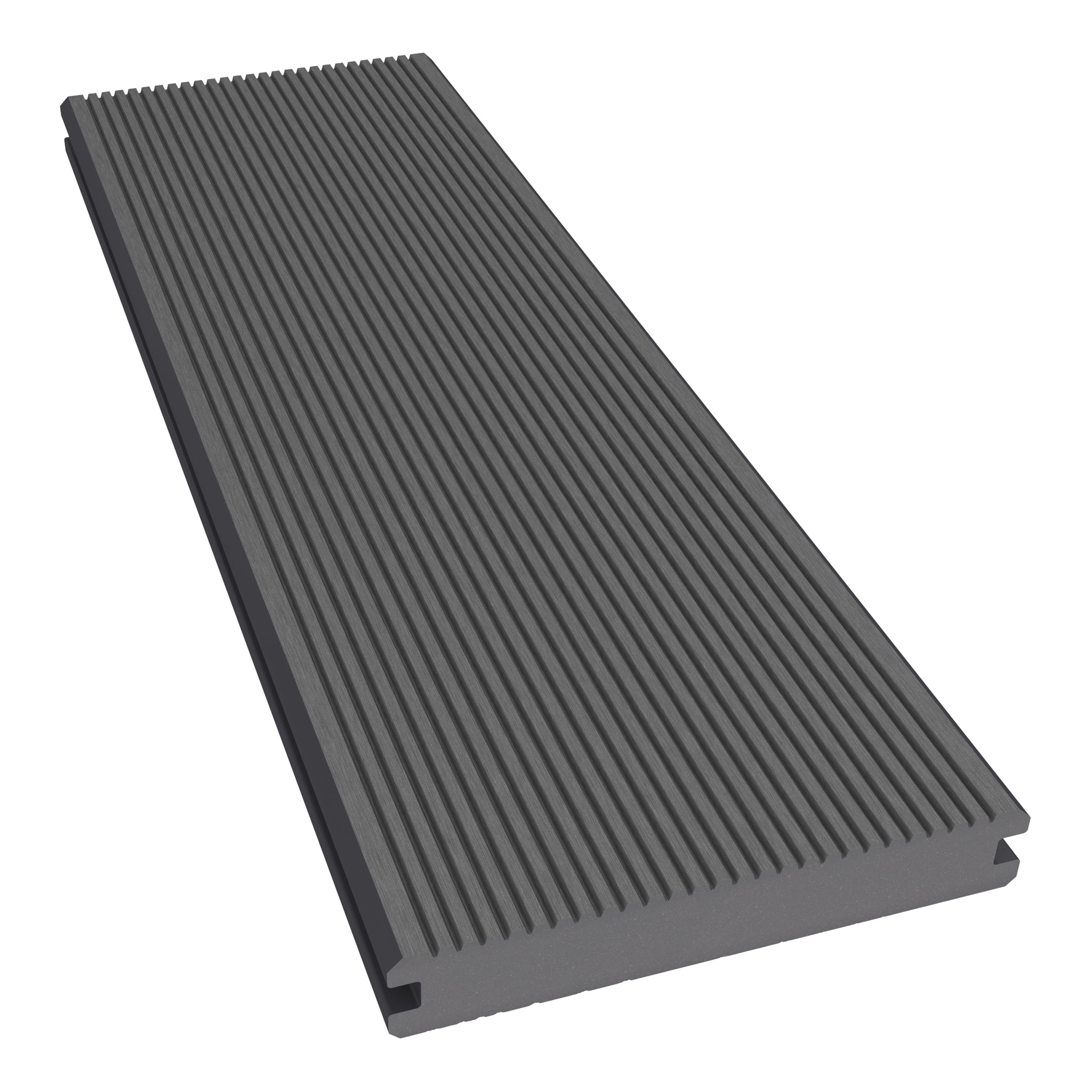
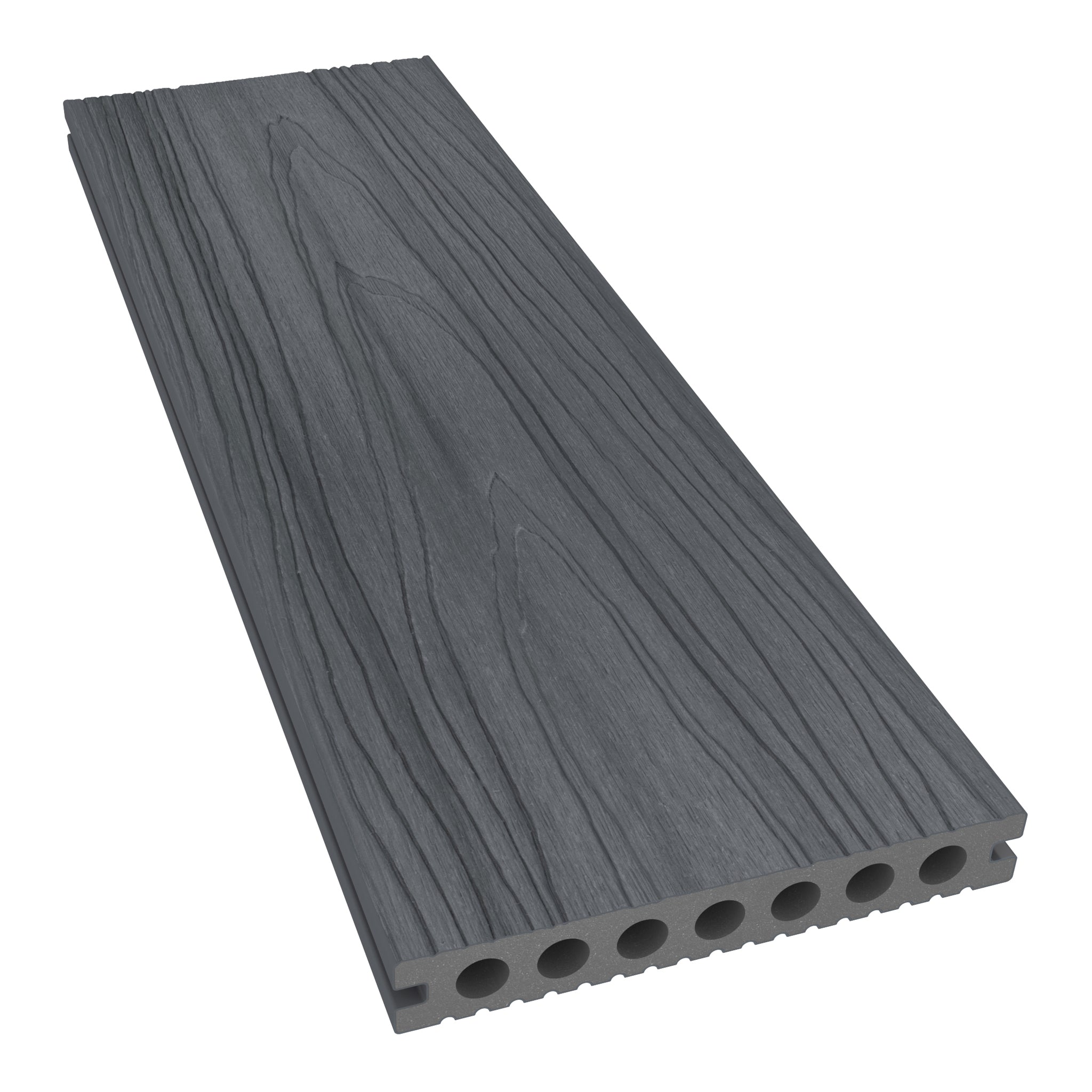
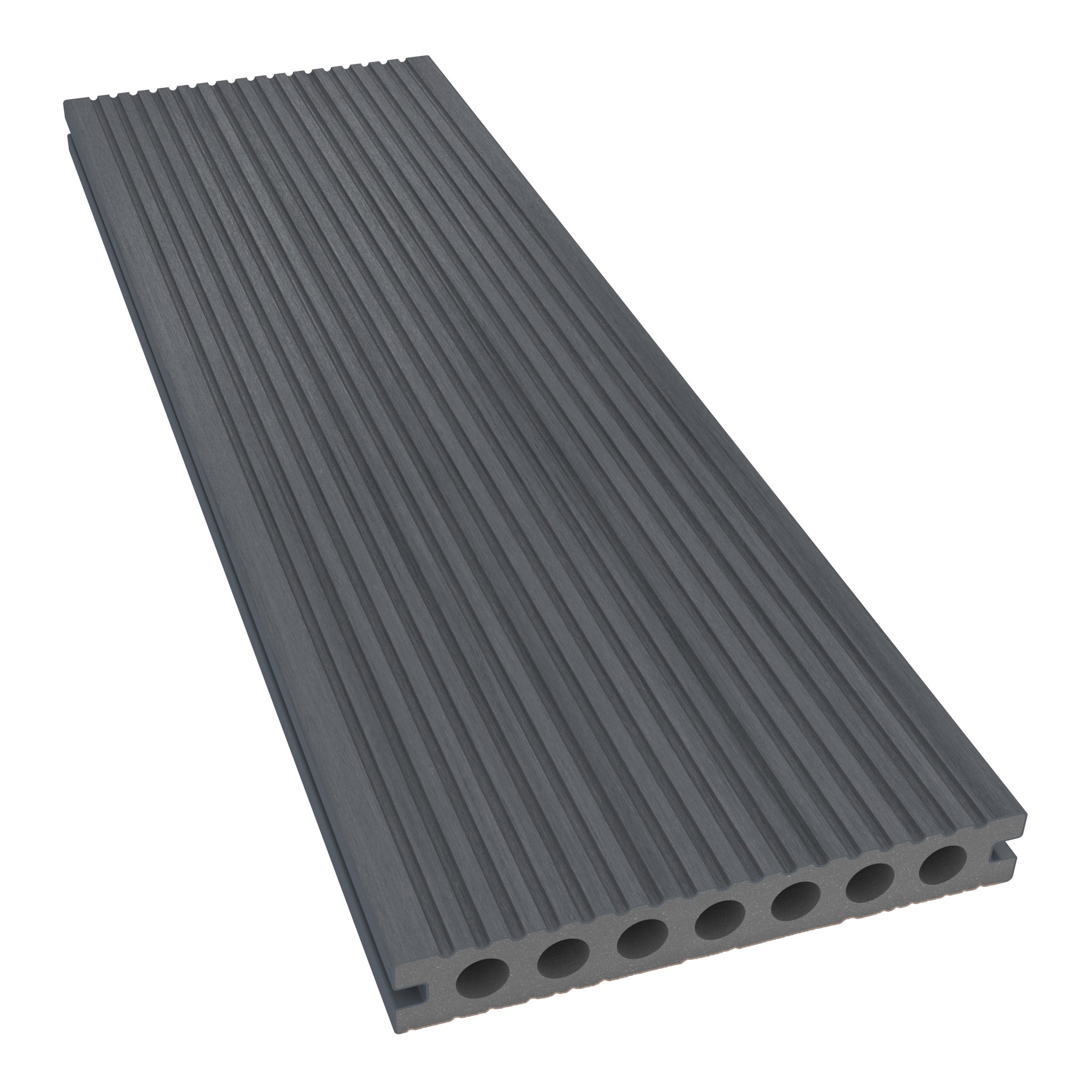
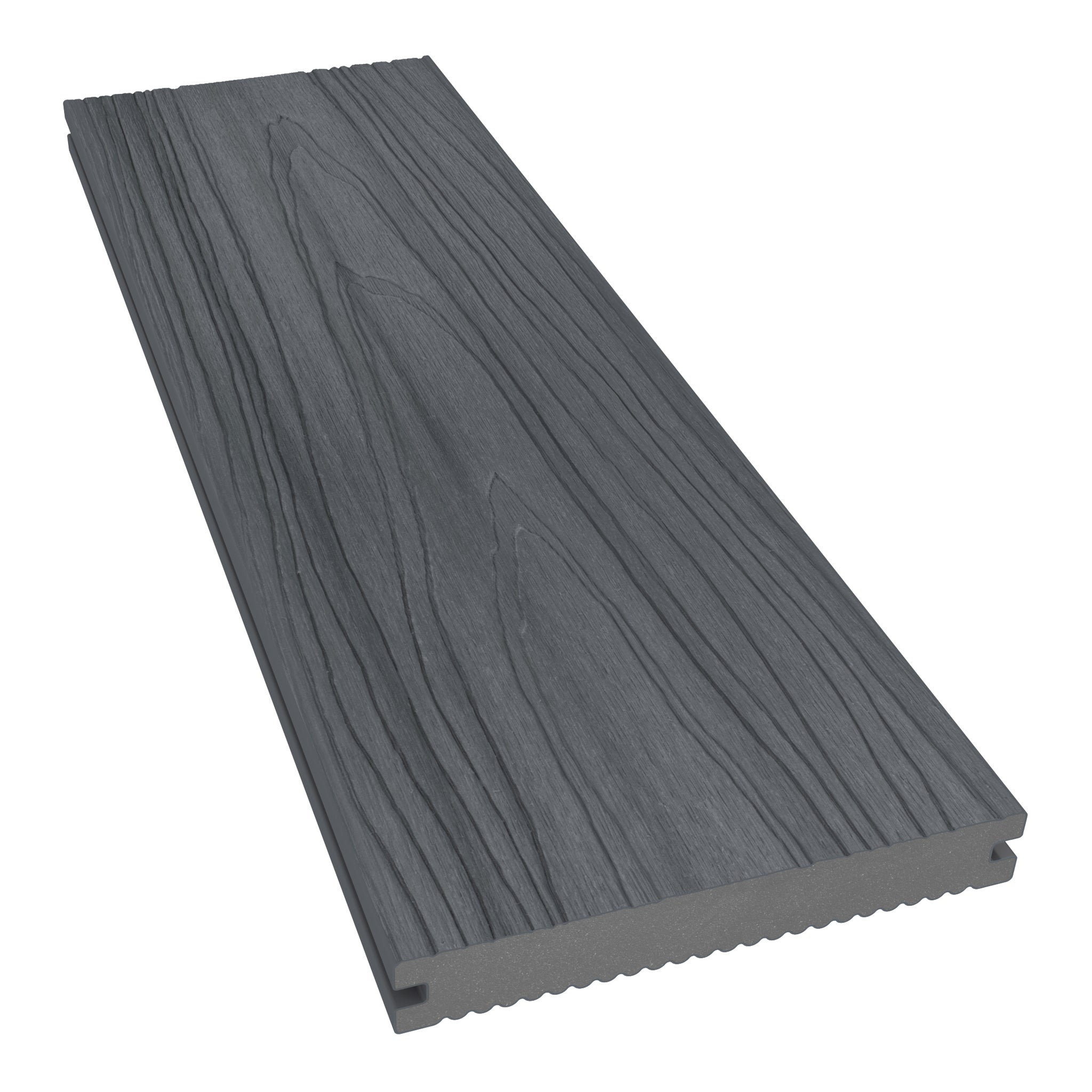
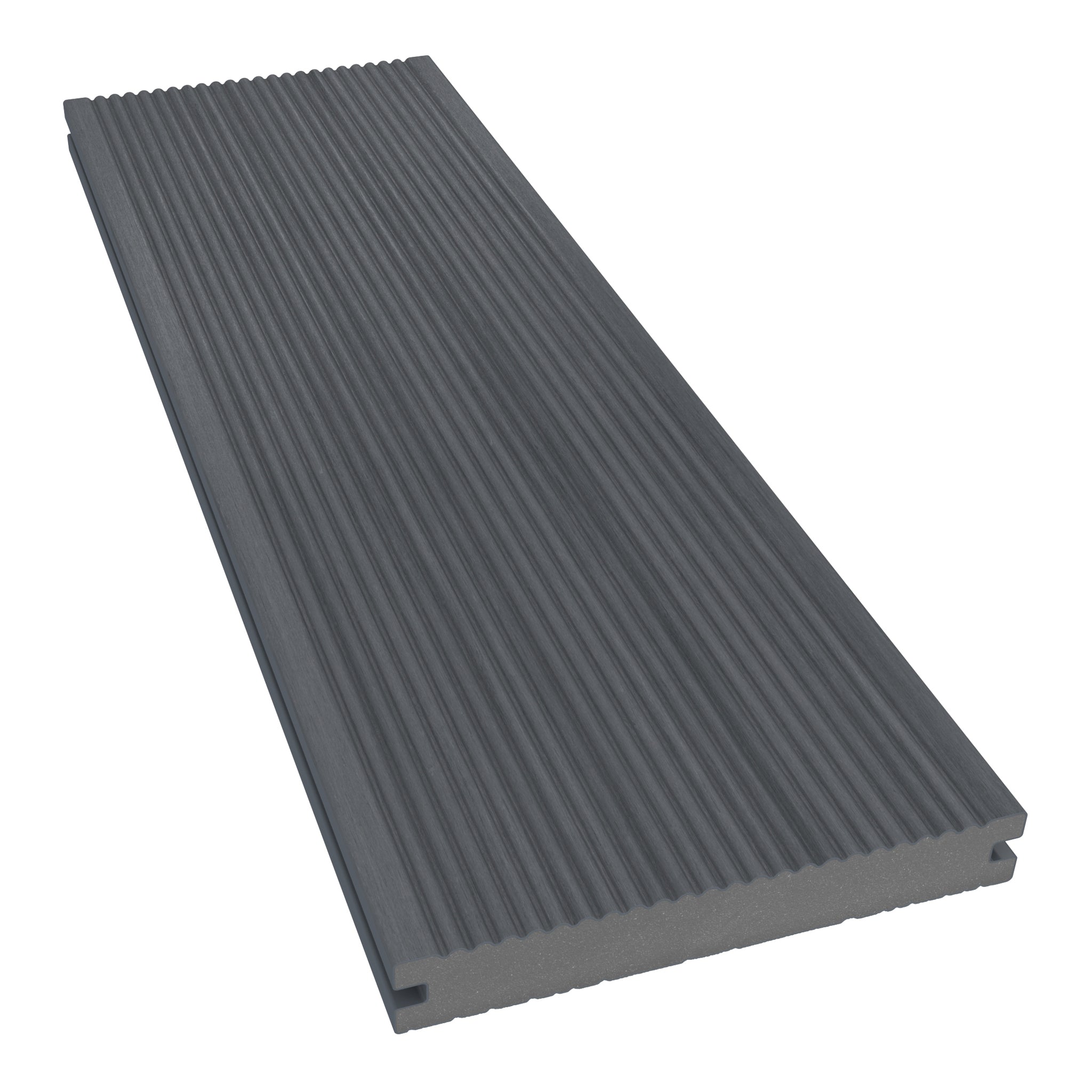
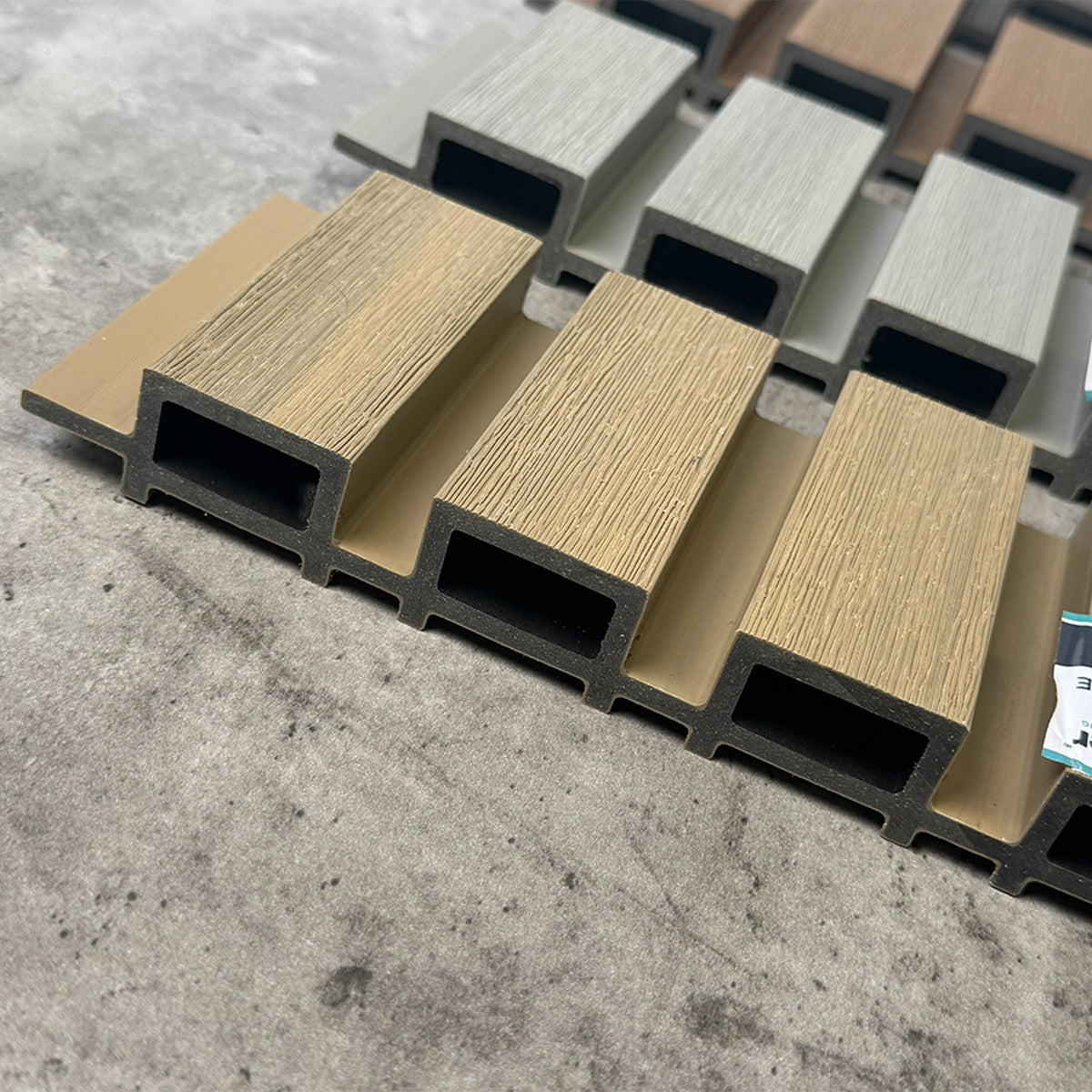
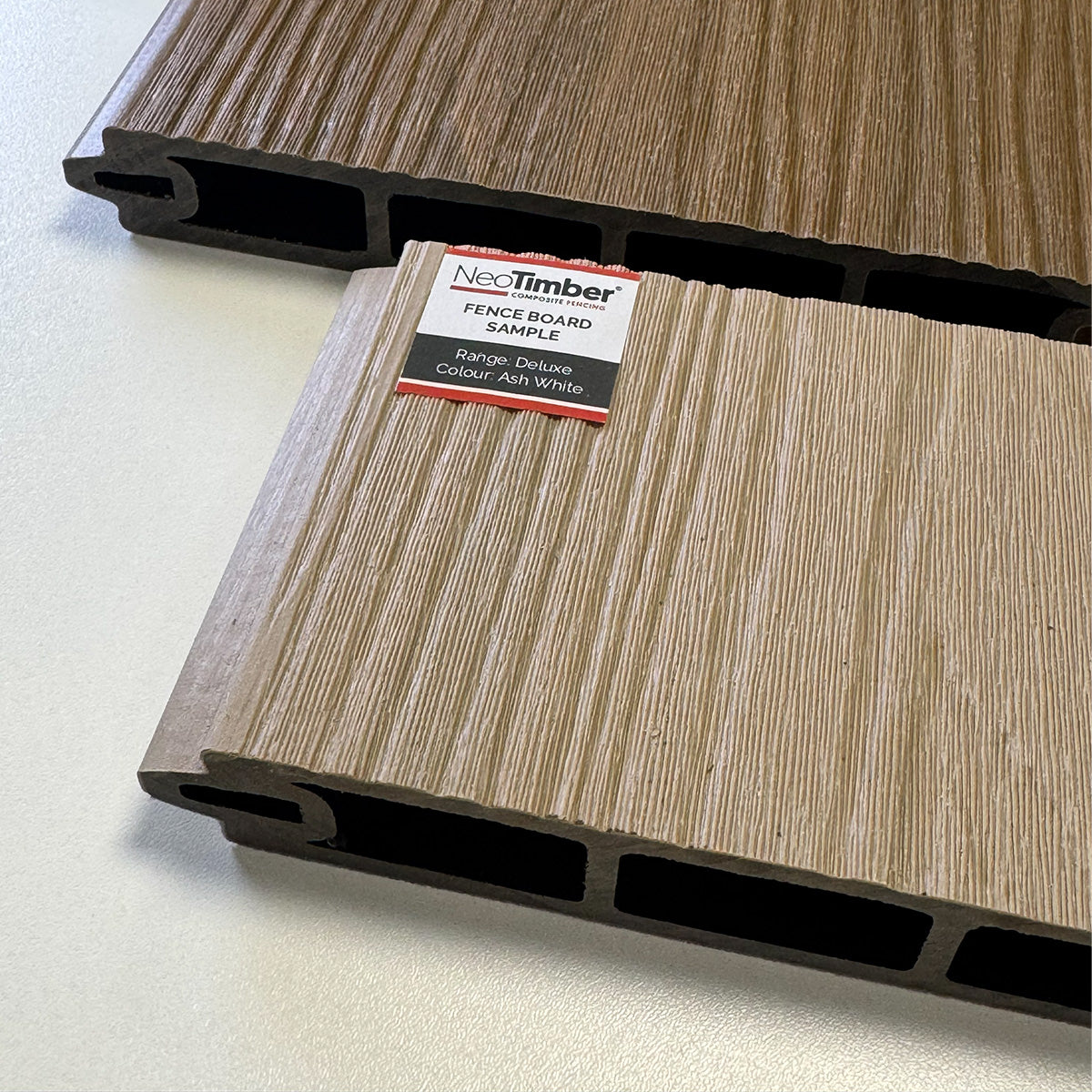
Capped composite boards include a protective outer layer designed to improve characteristics such as stain and fade resistance. Embossed textures, colour blends and different profiles also distinguish products.
These are features to assess against your priorities, rather than proof that the most expensive board is always the best choice. Compare the specification and intended use as well as the price.

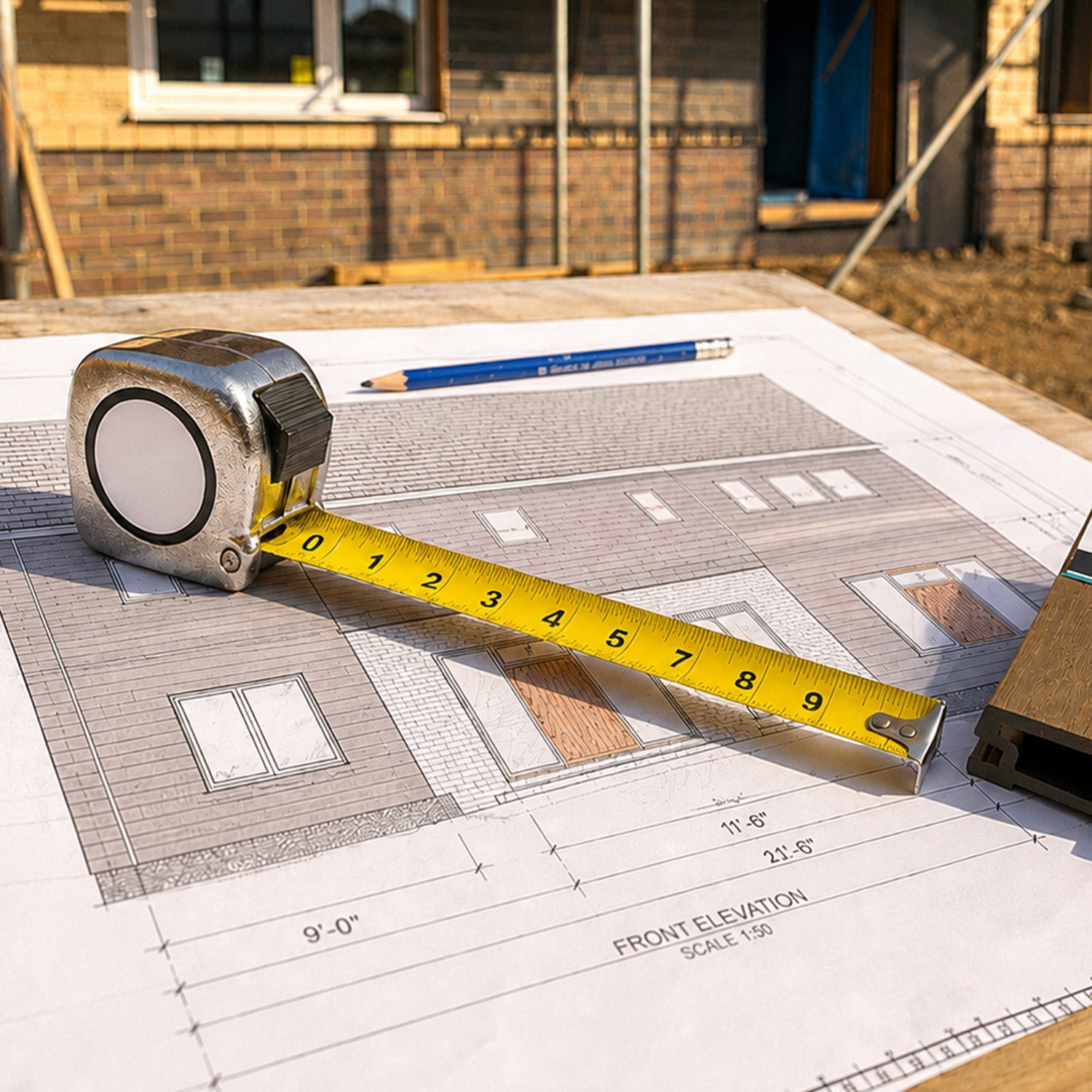
The Installed Cost Includes More Than Boards
Different boards can require different support centres, fixing systems and finishing details. The selected laying pattern also affects labour, cuts and supporting components.
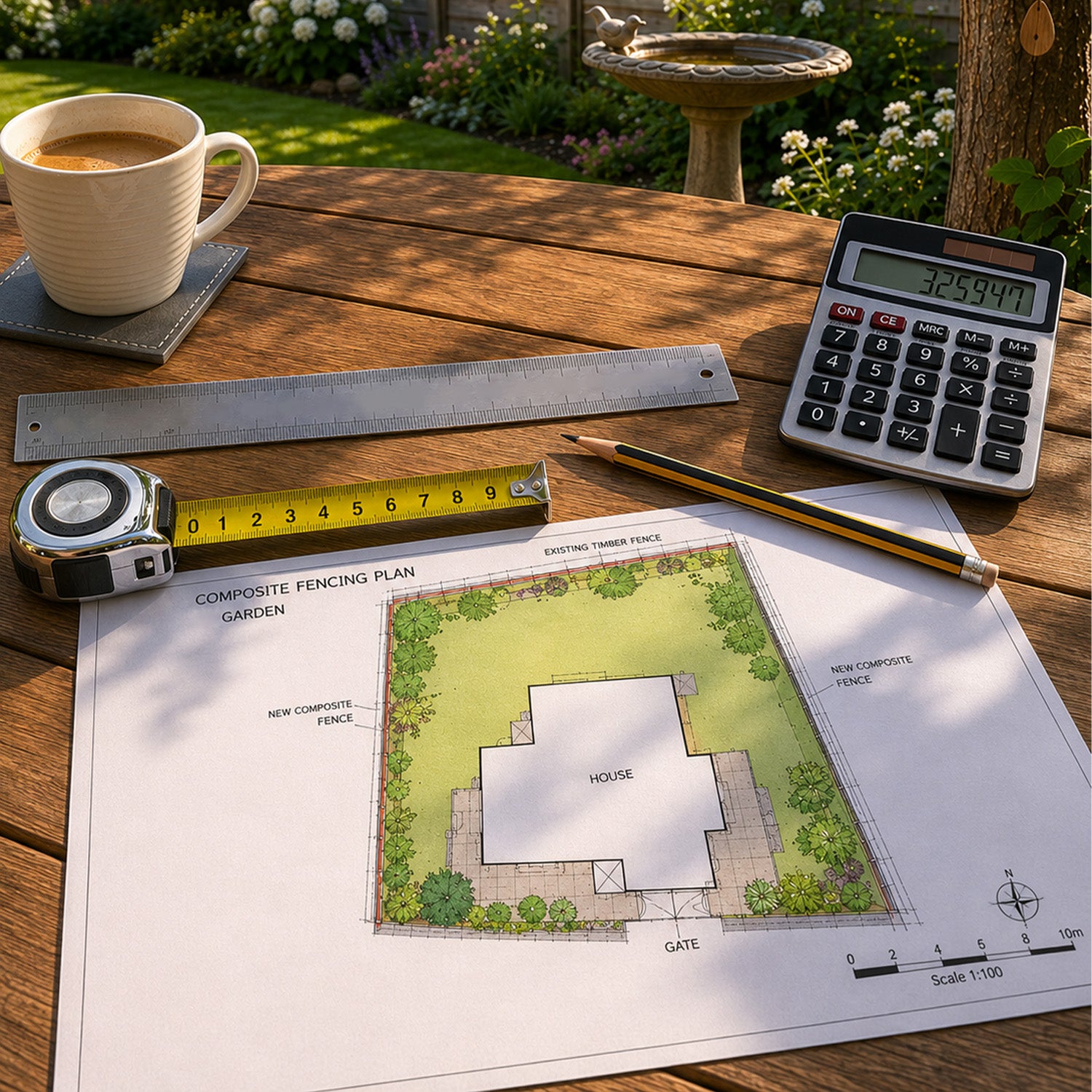
Compare the same footprint, height and features when requesting quotes. A ground-level timber rectangle and an elevated composite deck with steps and guarding do not provide a fair material-price comparison.
- Include foundations, joists, connectors and required restraint.
- Count compatible clips, screws and edge components.
- Allow for board joints, borders and the cutting plan.
- Include preparation, delivery, disposal and installation labour.
- List steps, lighting and guarding separately.
Review the installation guidance before ordering. A lower board price can be offset by other components, while a higher board price does not automatically mean the whole installation costs more.
Compare Maintenance Realistically
NeoTimber® composite boards do not need routine timber staining or oiling. They still require cleaning, inspections and attention to spills, debris and drainage.
Timber care depends on the species, treatment, exposure and appearance you want to maintain. Do not assume every timber deck needs the same annual coating, or that all timber must be discarded after a fixed number of years.
When comparing the options, estimate the care routine you would actually follow. Include products, equipment and any paid labour. If you maintain the deck yourself, you can record your time separately rather than presenting it as an unavoidable cash expense.

Use our composite maintenance guidance and composite vs wood comparison to identify the tasks relevant to each option.
A Simple Way to Compare Ownership Costs
Use your actual quotes and realistic care assumptions. The following figures are invented solely to show the method; they are not current prices or predicted costs for your deck.
Illustrative ten-year comparison, assuming no replacement work:
| Cost | Timber example | Composite example |
|---|---|---|
| Initial installed quote | £2,000 | £3,000 |
| Average annual care allowance | £100 | £30 |
| Care allowance over ten years | £1,000 | £300 |
| Illustrative total | £3,000 | £3,300 |
In this example, lower care costs narrow the initial gap but do not eliminate it within ten years. Different quotes or maintenance assumptions would change the result. Add any expected repairs and consider inflation or finance costs where relevant.
Comparison total = installed cost + expected care + anticipated repairs or replacements. Use a sensible assessment period and avoid assigning a guaranteed replacement date to either material.
Service Life and Warranty Are Different
The completed deck depends on its foundations, frame, connections and boards. Product selection, site conditions, loading, installation and care all influence the outcome.
NeoTimber’s published warranty terms give Classic Lite 10-year residential cover, while the other named Classic and Deluxe board ranges have 25-year residential cover, subject to conditions. The terms include exclusions and do not cover labour or removal costs.
A warranty period is not a guaranteed lifespan, a promise of unchanged appearance or evidence that a timber alternative will fail sooner. Compare the coverage relevant to the product and use.

How to Compare Quotes Before Choosing
- Use one measured design: keep the dimensions, height, board direction and features consistent.
- Identify exact products: record board size, core profile, surface construction and accessories.
- Check the complete scope: confirm groundworks, frame, delivery, waste removal and labour.
- Compare ongoing care: use the recommended routine for each shortlisted option.
- Review performance and terms: check suitability, documentation and warranty conditions.
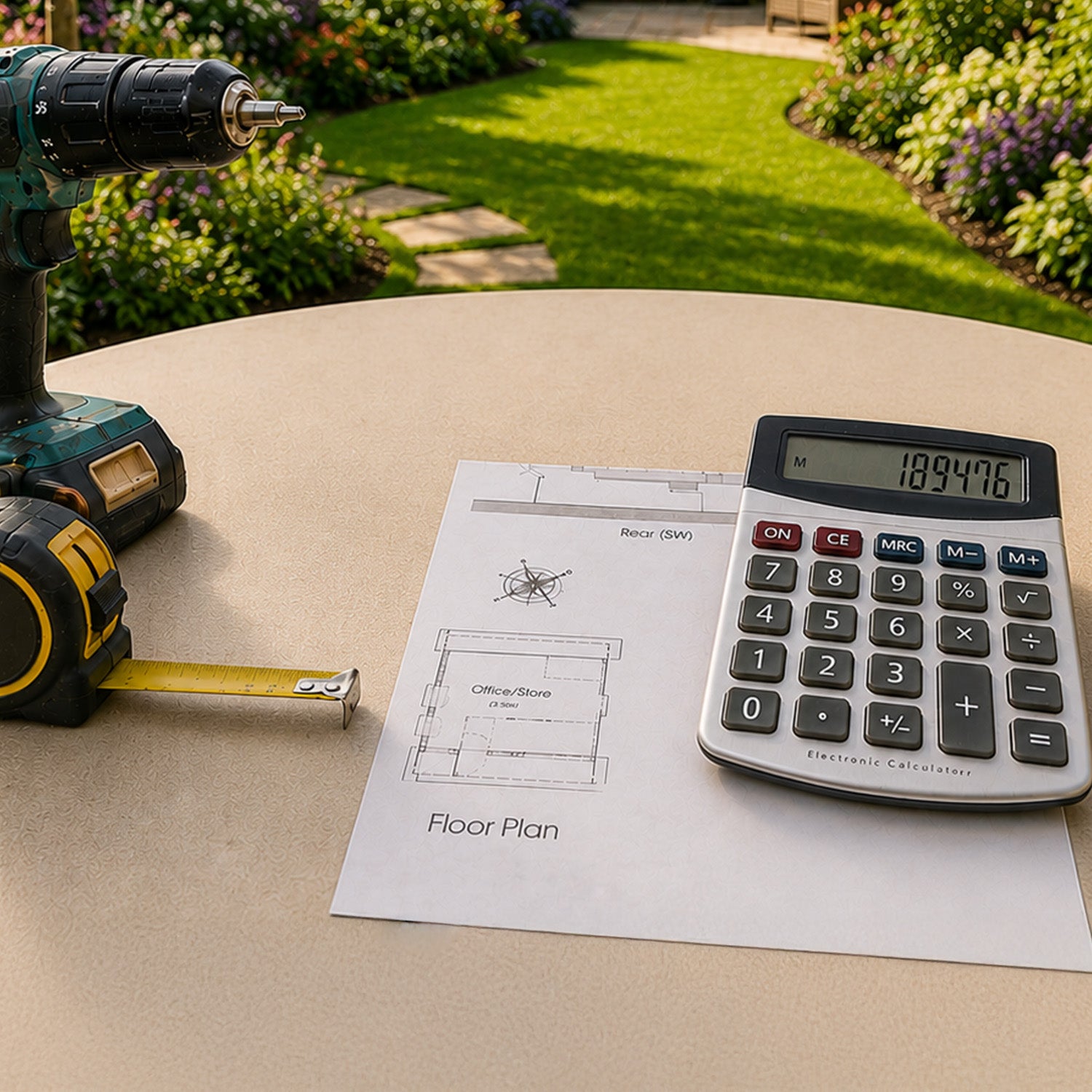
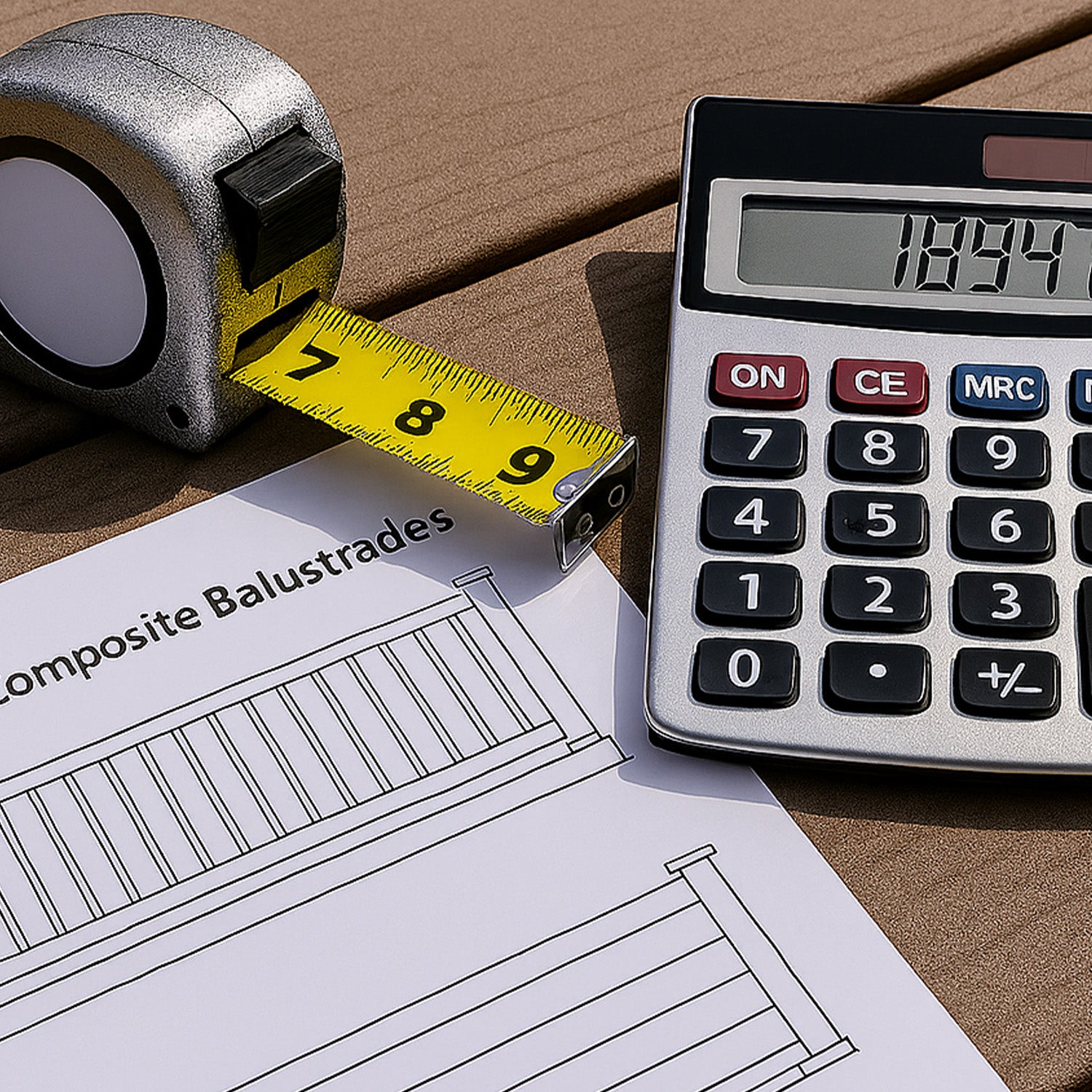
The decking calculator can help organise a materials estimate. Confirm what it includes and add costs outside its scope. For more detail, see the composite decking price guide.

Decide What Represents Value for You
A higher initial price may be worthwhile if you value the finish and reduced routine treatment. It does not guarantee a financial saving or an increase in your property’s value.
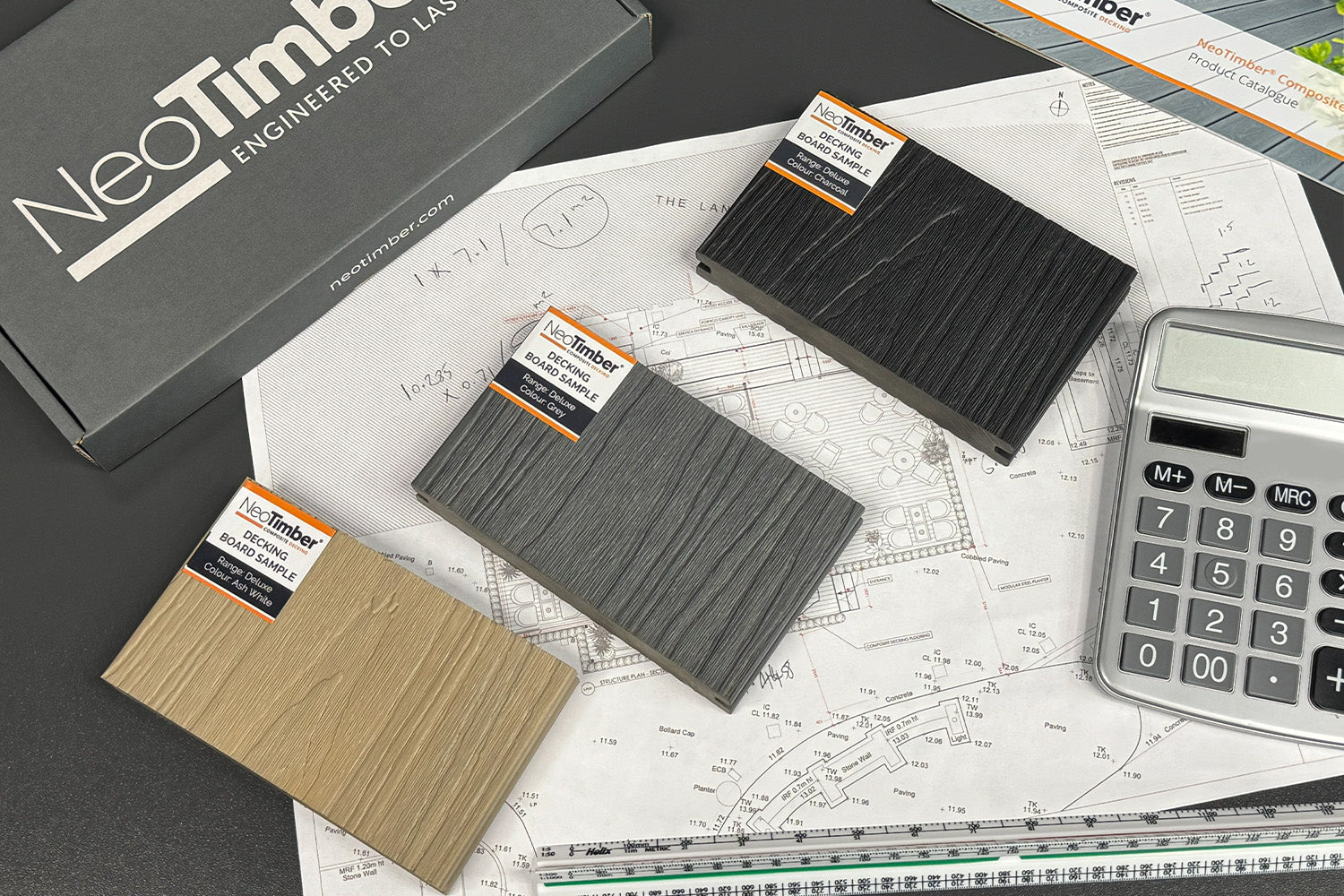
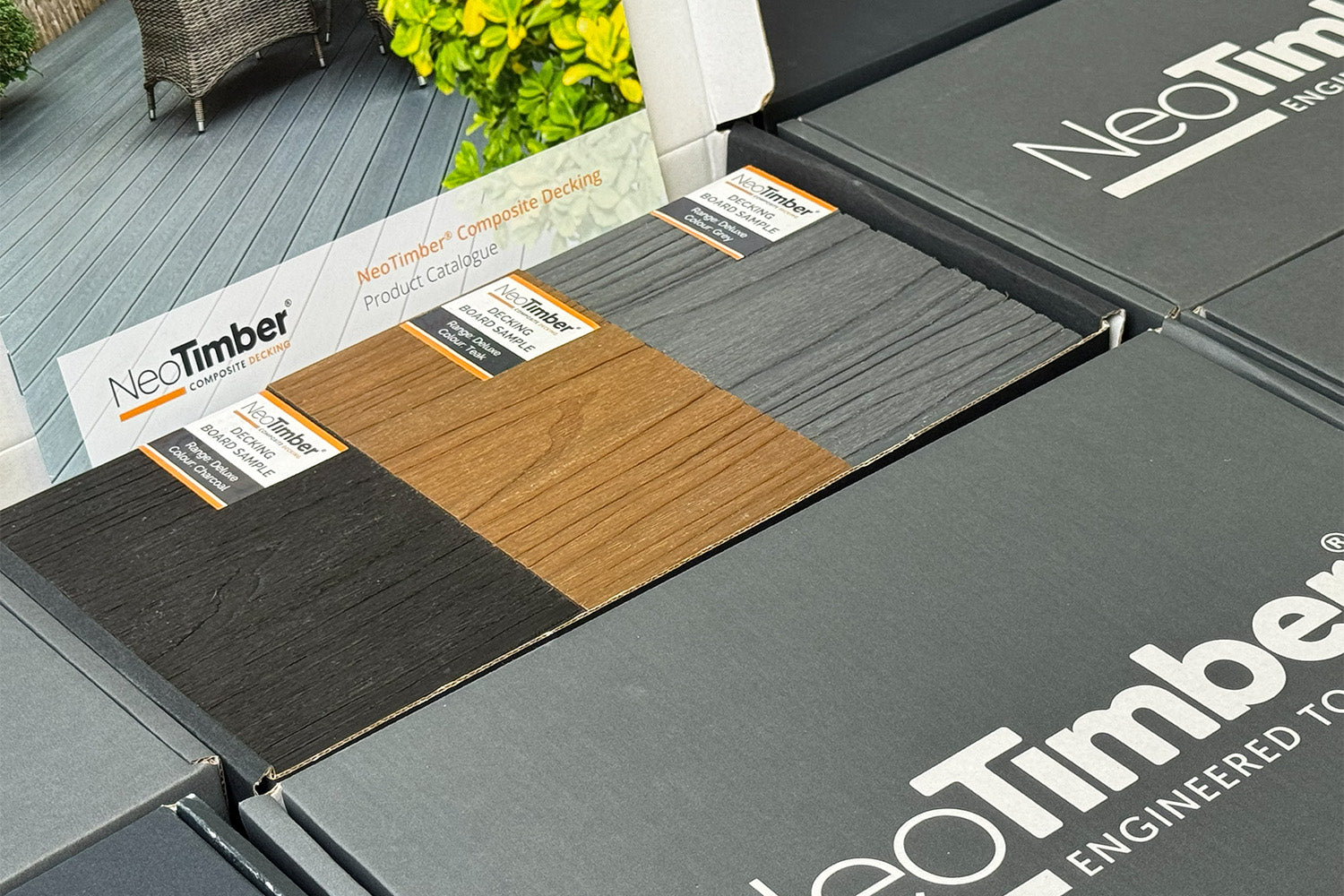
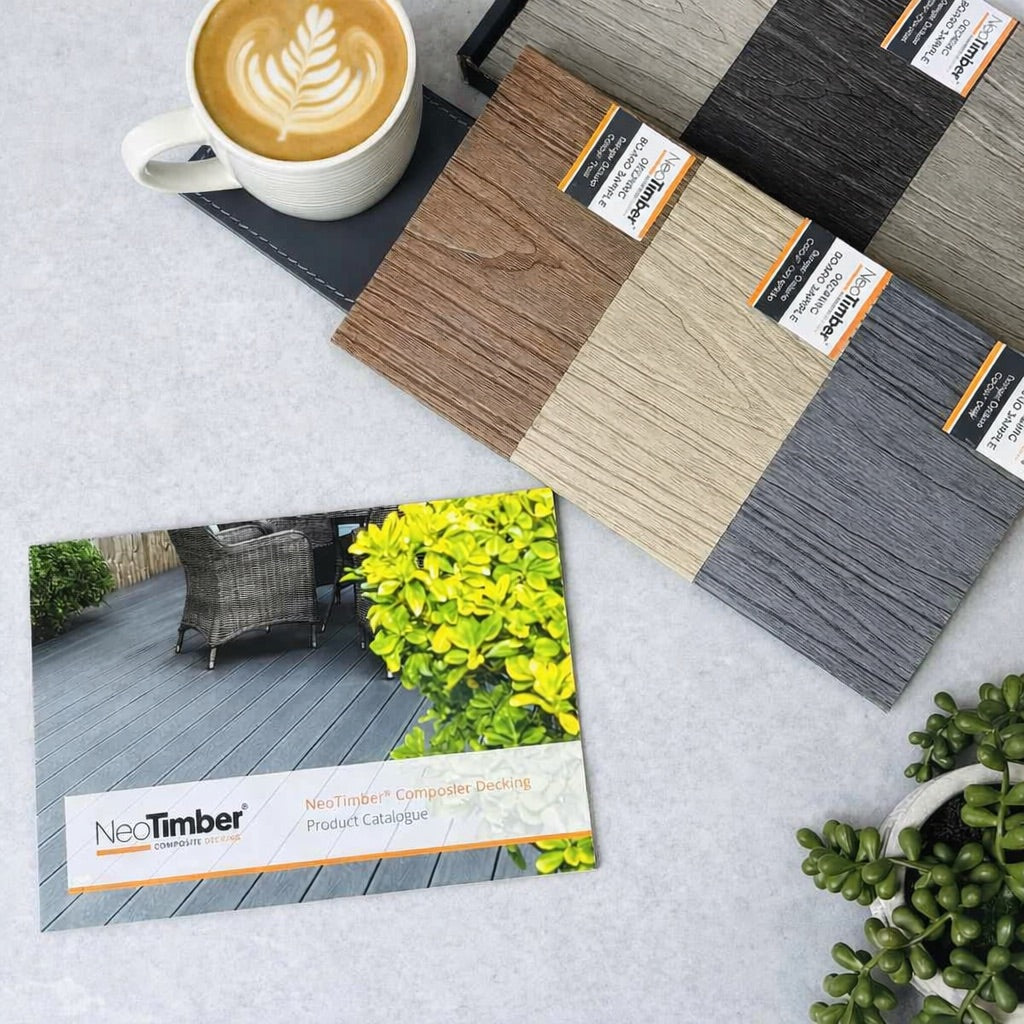
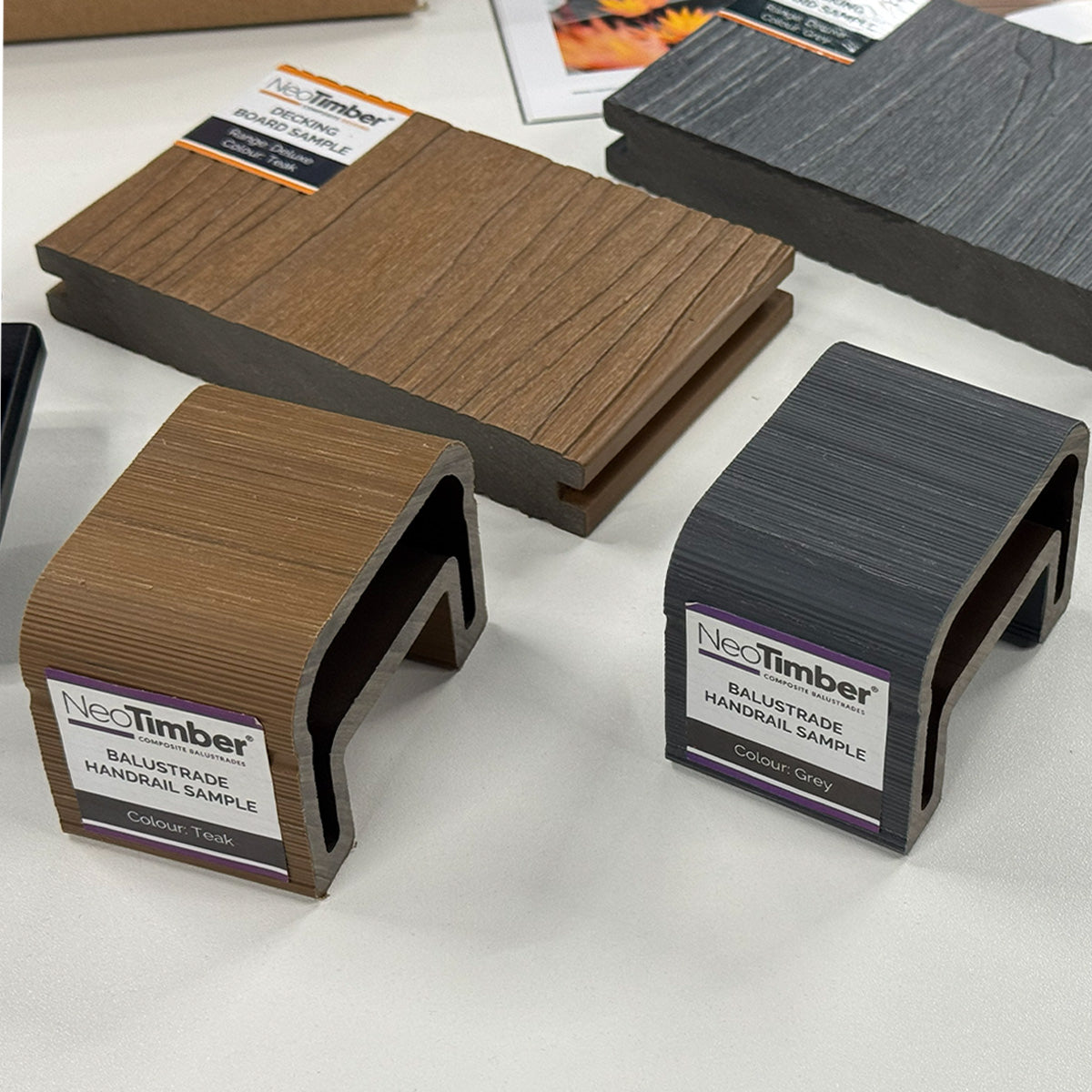
Request samples to compare appearance, and contact NeoTimber® with your layout to discuss product options. Keep the decision grounded in the whole project, not a universal price multiplier.
Frequently Asked Questions
Does composite always cost more than timber?
No. Basic softwood often has a lower purchase price, while premium timber and different composite ranges can change the comparison.
Why can recycled composite boards cost more?
Recycled ingredients still need preparation and processing. Manufacturing, surface protection and the finished profile also contribute to the price.
Will composite save money over time?
It may, but the result depends on installed quotes, care costs, repairs and the assessment period. Calculate rather than assume the saving.
Is composite maintenance-free?
No. It avoids routine staining or oiling but still needs cleaning, inspection and appropriate drainage.
Does a 25-year warranty mean a deck lasts exactly 25 years?
No. Warranty duration and service life are different. Read the coverage and exclusions for the exact product.
Should I compare price per board?
Compare dimensions and coverage, then the complete installed cost. Boards of different sizes do not offer the same coverage per piece.