
Build a Garden Boundary From Compatible Boards, Posts and Rails
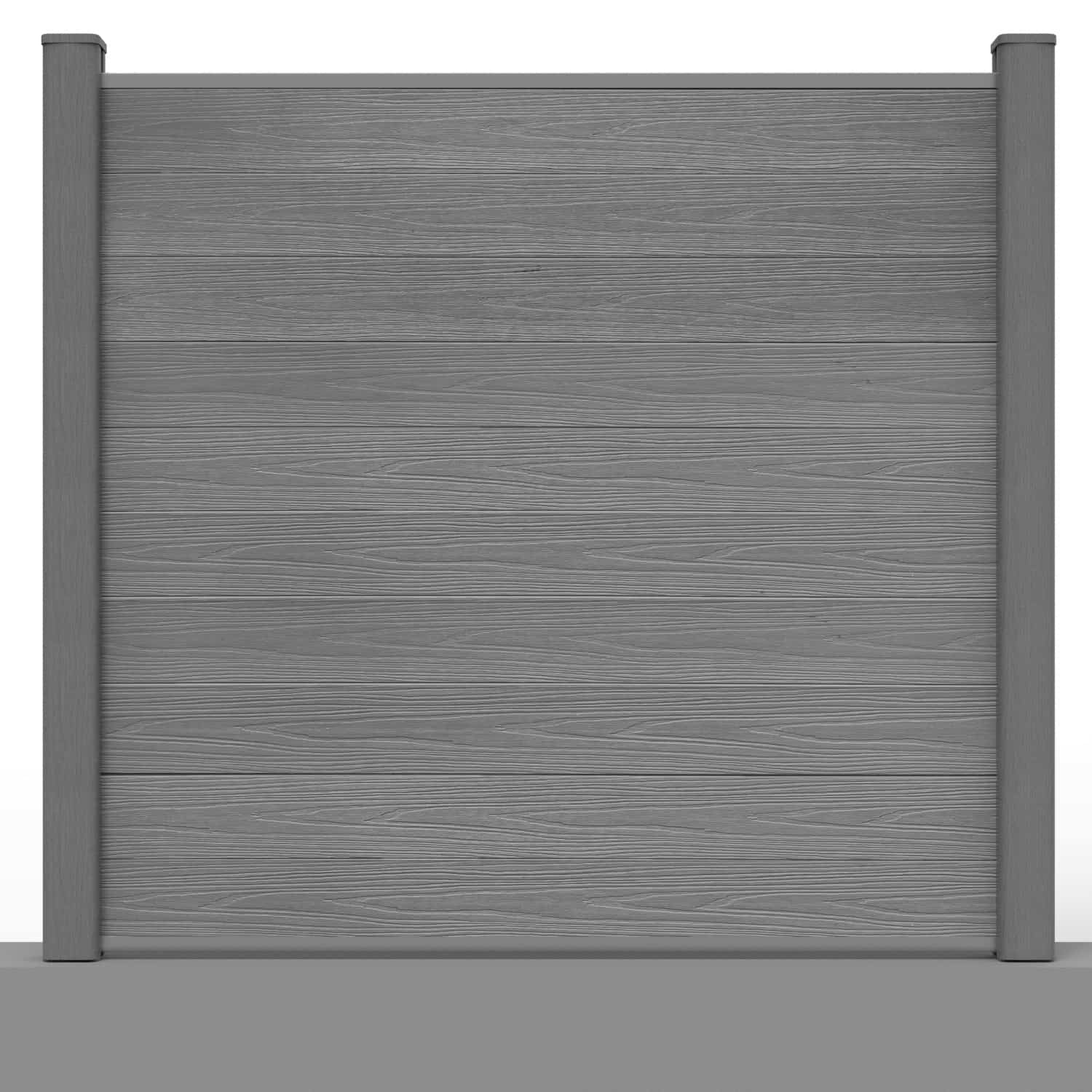
Modular fencing uses separate, compatible components to create a complete fence. Rather than treating every bay as a single preassembled panel, you plan the boards, posts, supports and rails around the layout of your boundary.
NeoTimber’s composite system offers options for new installations and for reusing suitable existing posts. Its flexibility can help with shorter bays, selected panel heights and different finishes, provided the design follows the system’s installation requirements. This guide explains what you can adapt and what to check before ordering.
Explore our fencing resources for wider project advice, or browse the composite fencing range to compare products.
In this guide: Components · Layout and heights · Retrofit options · Colours and screens · Board ranges · FAQs
How Does a Modular Fencing System Work?
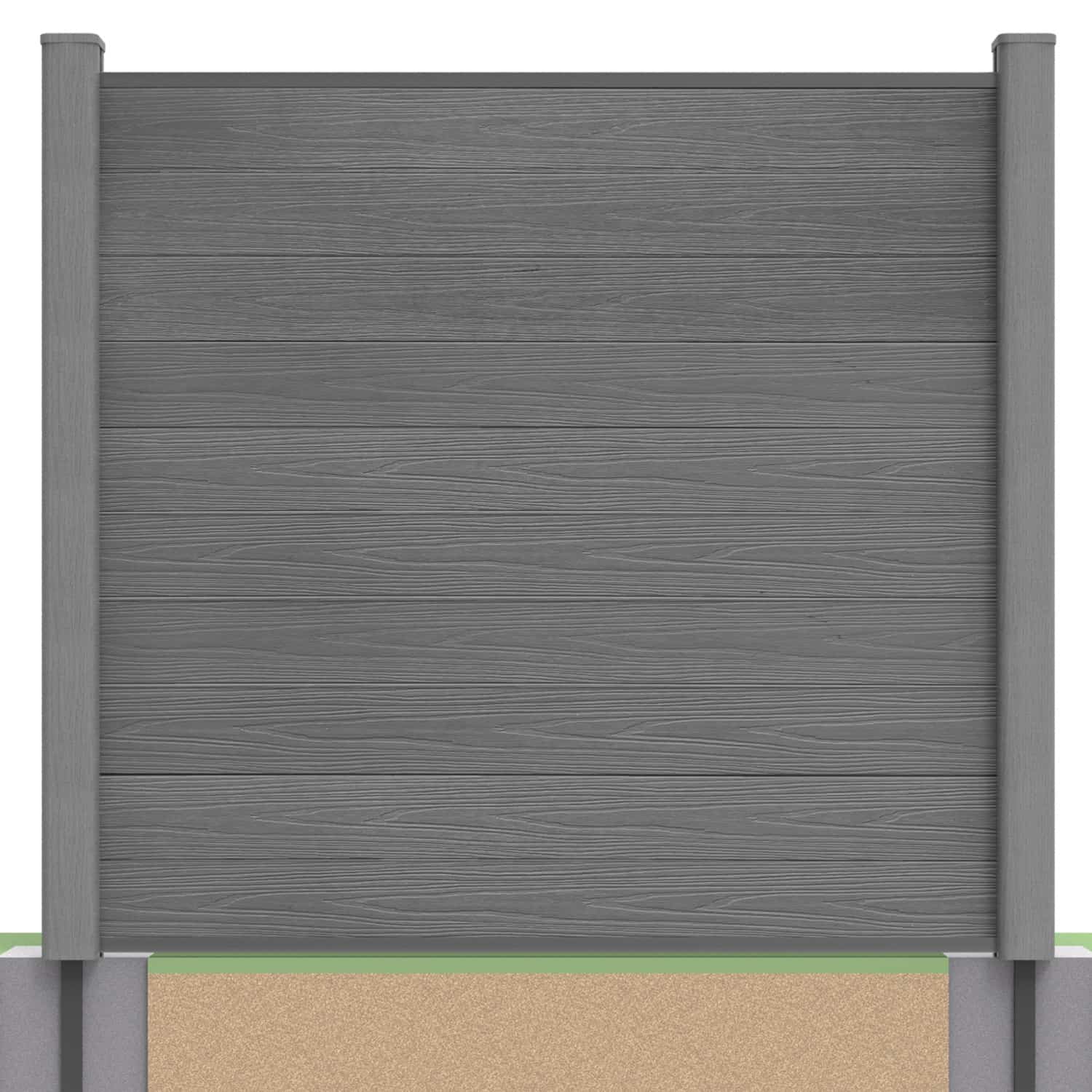
The boards are assembled within each prepared bay, using compatible post channels or inserts and the specified rails. Individual parts have different jobs, so choosing a matching system matters more than simply buying boards of the right colour.
Main components and their roles:
| Component | Purpose | Planning check |
|---|---|---|
| Composite boards | Form the panel infill and visible finish. | Choose one compatible profile and calculate its required quantity. |
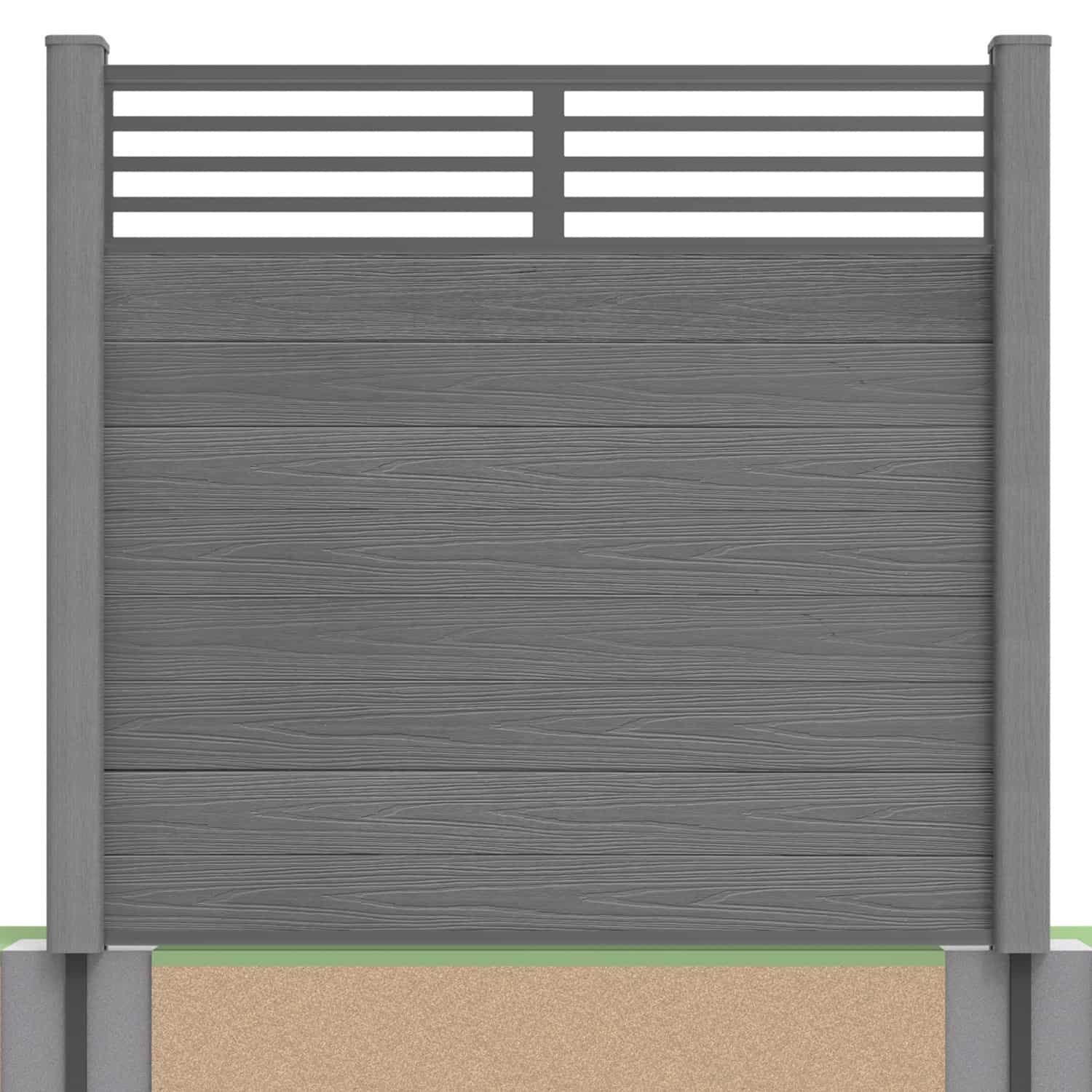
| Posts and supports | Provide channels and structural support through the specified assembly. | Match supports and foundations to the site and fence height. |
| Retrofit inserts | Connect the new infill to suitable existing posts. | Check post condition, dimensions and spacing. |
| Capping rails | Finish the top and bottom of the board section as part of the system. | Use the correct lengths, fixings and assembly method. |
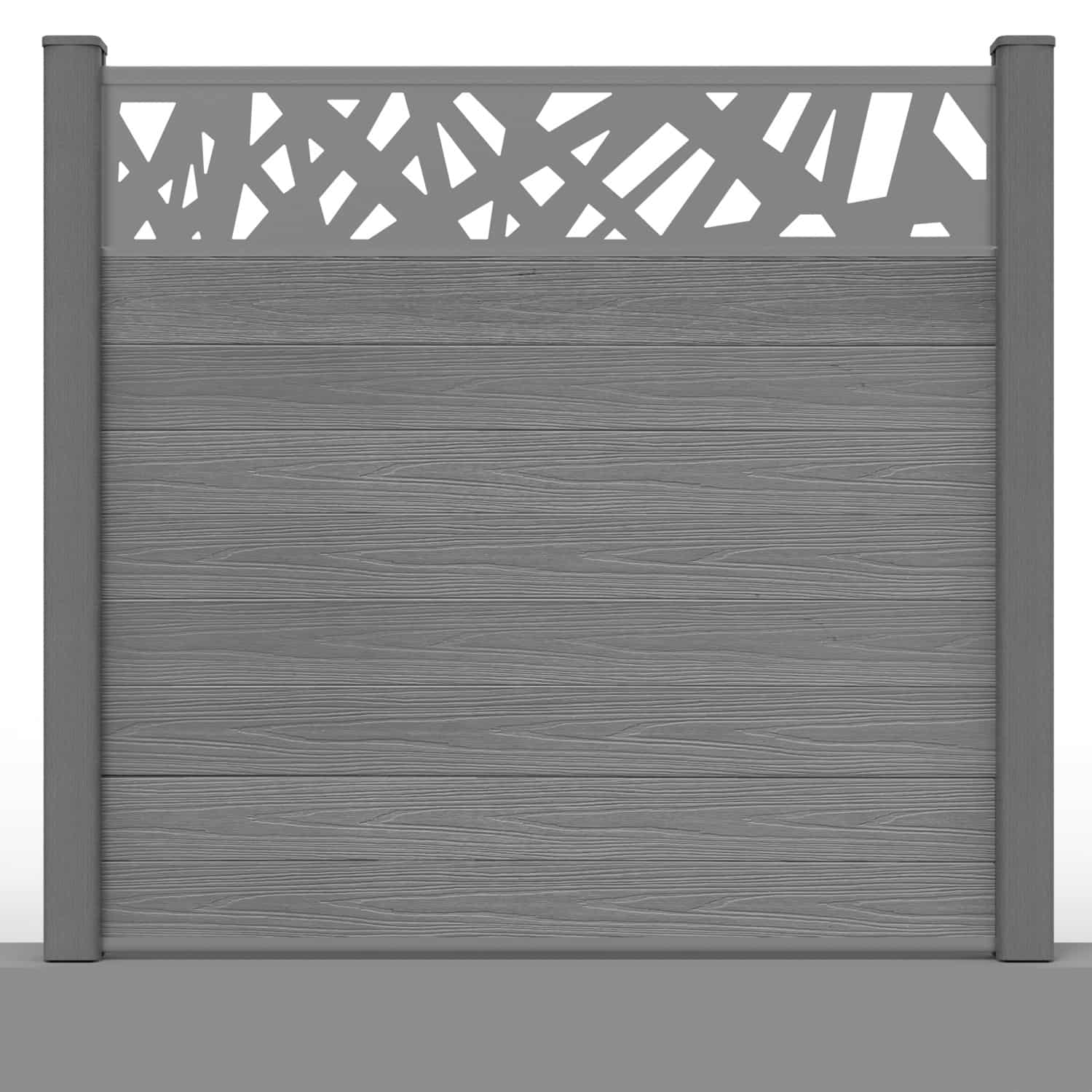
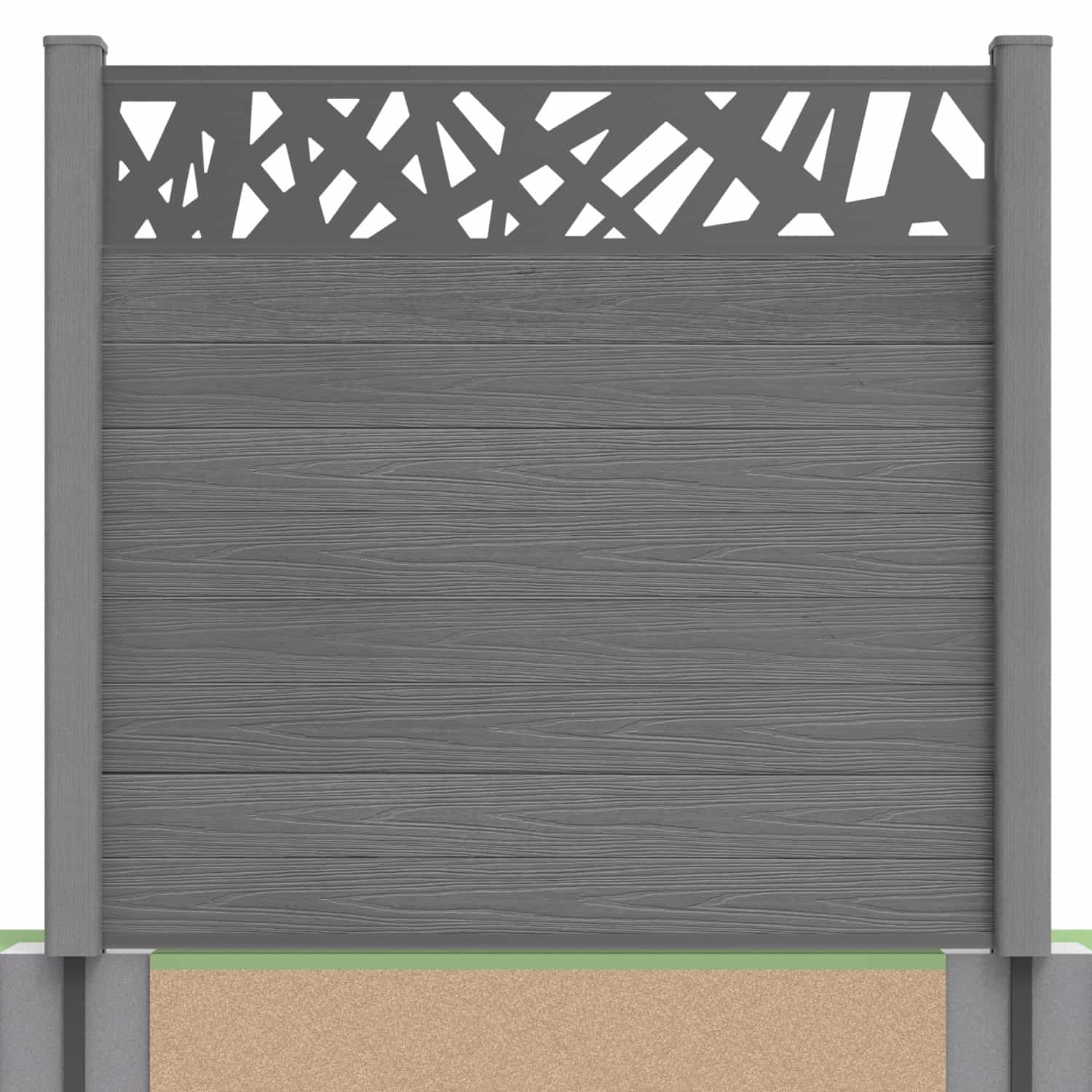
| Optional screens | Add a decorative upper section. | Confirm screen dimensions and its specific retaining components. |
Modular does not mean that every board, rail or post from different systems can be mixed. Check the component guide and current installation instructions for compatibility.
Plan Heights, Shorter Bays and Changes in Level
Individual boards give you more scope to plan a boundary than a fixed-height assembled panel alone. However, the finished height still depends on approved post lengths, support arrangements, rail positions and the selected board profile.
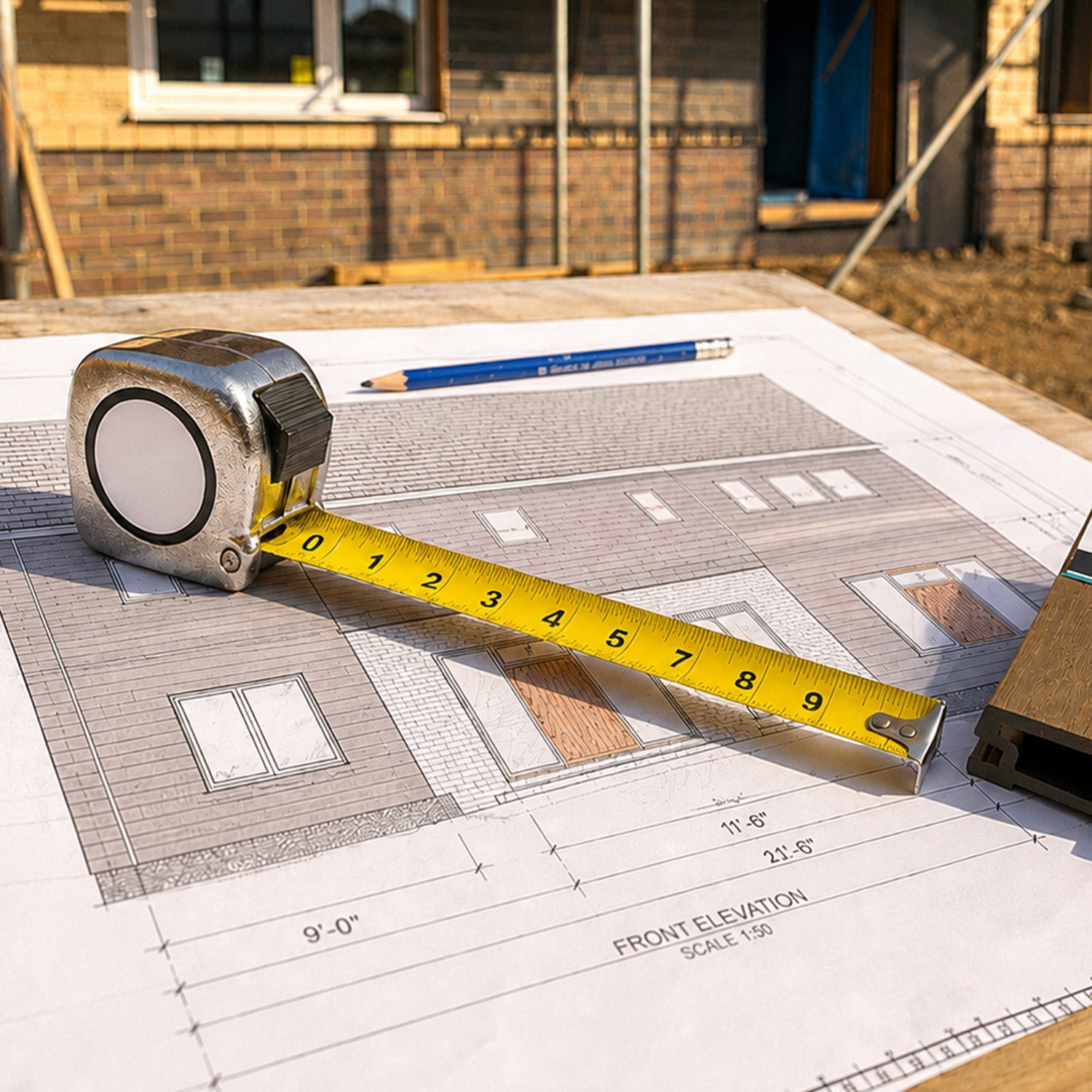
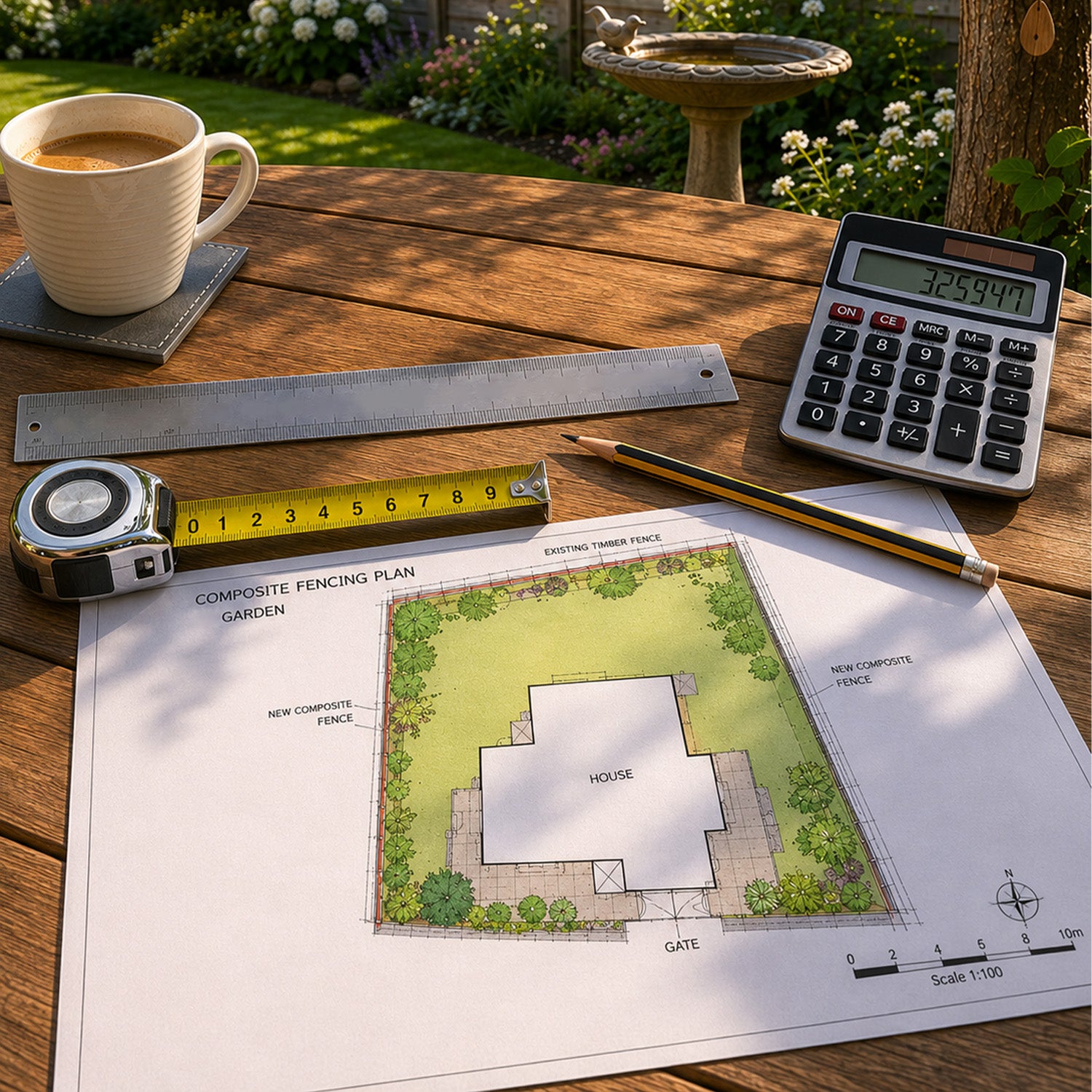
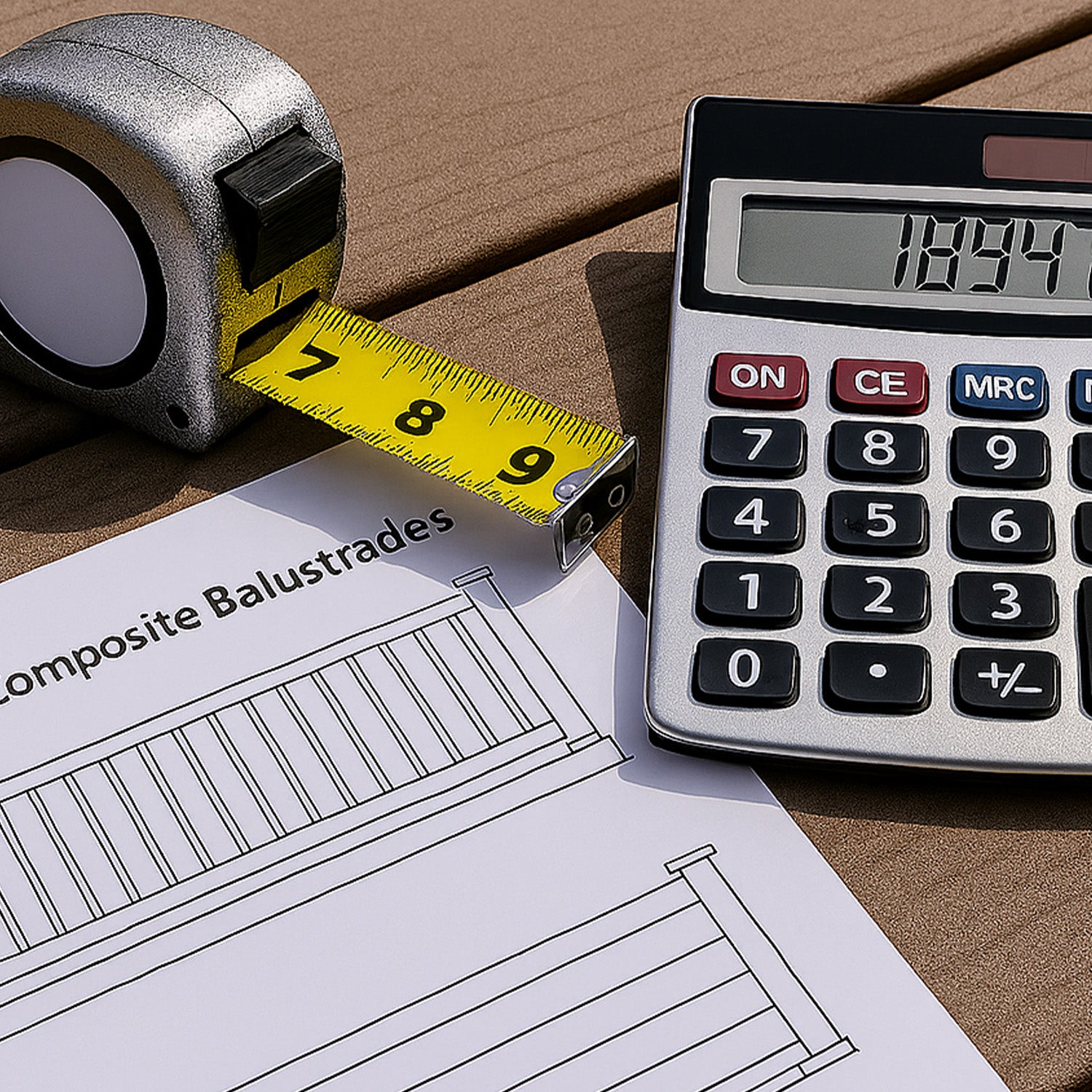
Decide the layout before fixing the posts. Mark the overall run, corners, gate openings and any changes in ground level. Calculate each bay separately where the layout changes rather than dividing the whole boundary into equal sections automatically.
- Lower panels: confirm the required board quantity and any approved changes to posts or supports.
- Shorter bays: check permitted cutting methods and movement clearances before trimming boards and rails.
- Sloping ground: plan stepped bays and suitable foundations; do not assume the assembled panel can be tilted to follow a slope.
- Taller boundaries: verify the complete specification rather than simply adding more boards.
A wall-top installation needs its own assessment of the wall, connections and loads. Likewise, a privacy fence beside a drop must not be treated as a substitute for a specified guarding system.

Can You Keep Existing Timber or Concrete Posts?
Reusing sound posts can reduce the amount of dismantling and replacement work in a project. NeoTimber® offers compatible inserts for certain timber and concrete post arrangements, allowing composite boards to form the new infill where the existing structure is suitable.
Start with the posts and foundations. Check for movement, damage, decay and unsuitable spacing. An insert provides a connection; it does not repair a weak post or make inadequate foundations suitable for the new fence.
- For timber posts, review the timber post fixing guide and check the required connection details.
- For concrete posts, review the concrete post insert guide, including channel dimensions and post condition.
If you need new posts, choose a suitable hard-ground or soft-ground arrangement. The foundation and anchorage must suit the ground, fence height and exposure; modular construction does not remove those structural requirements.
Coordinate Colours, Finishes and Decorative Screens
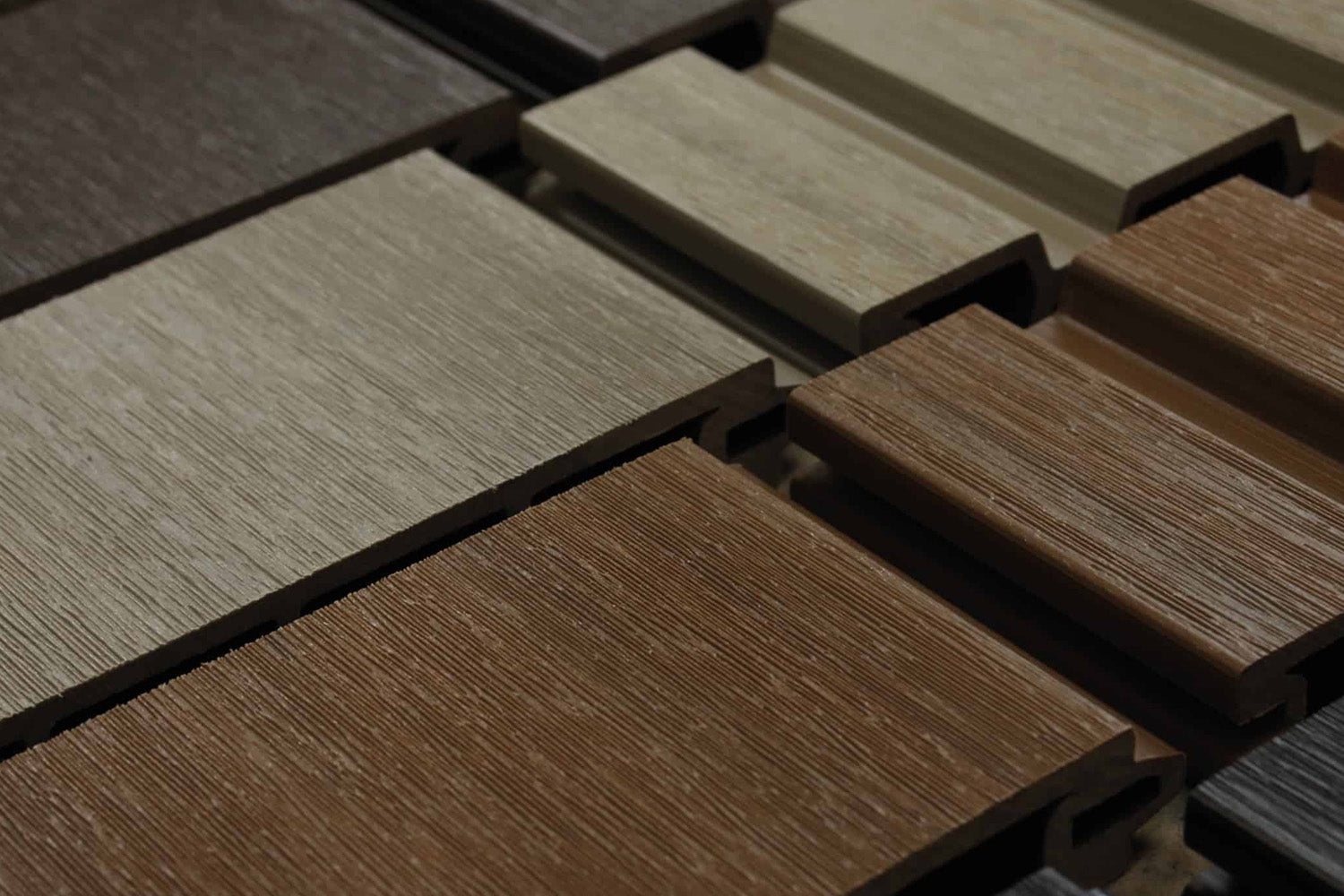
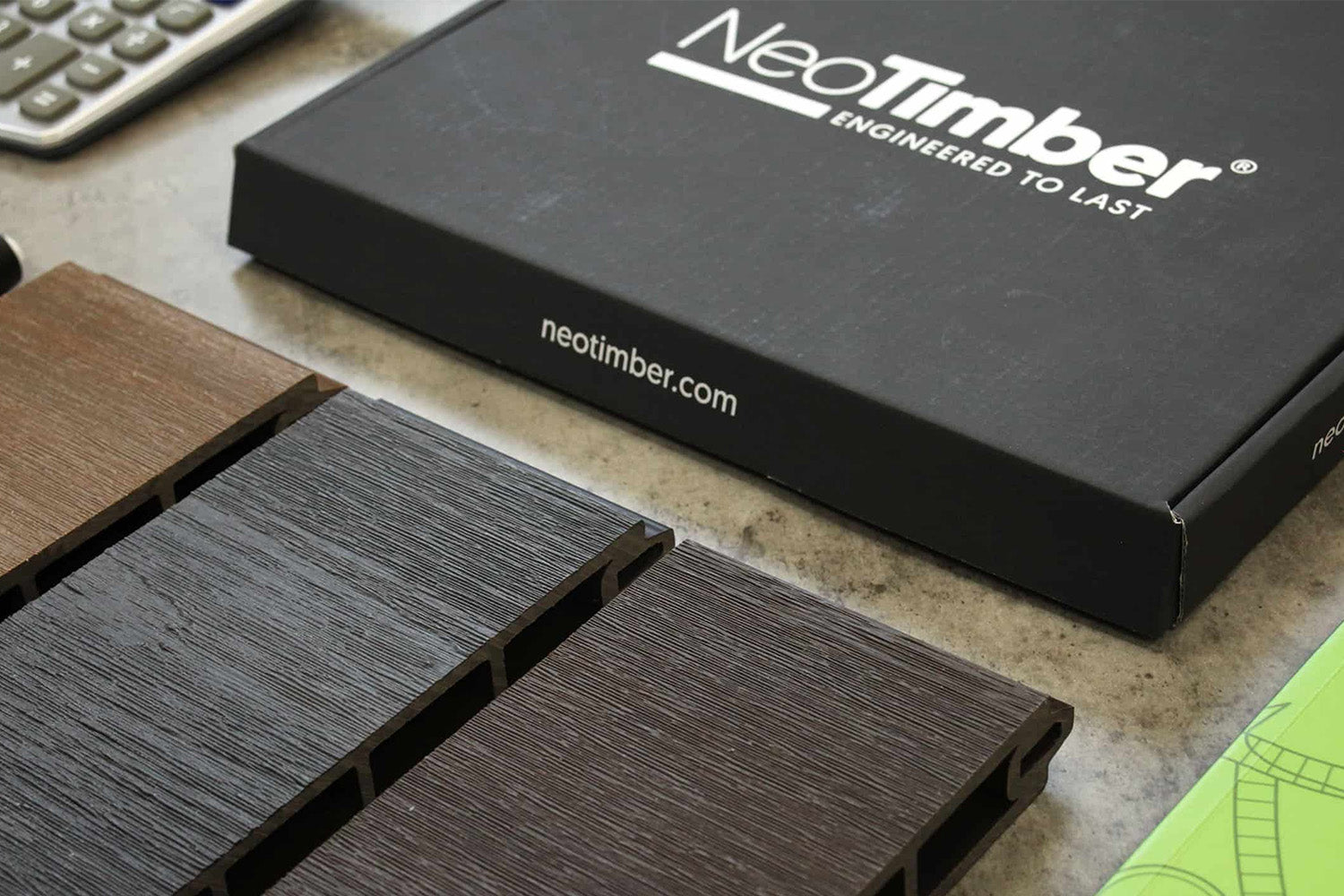
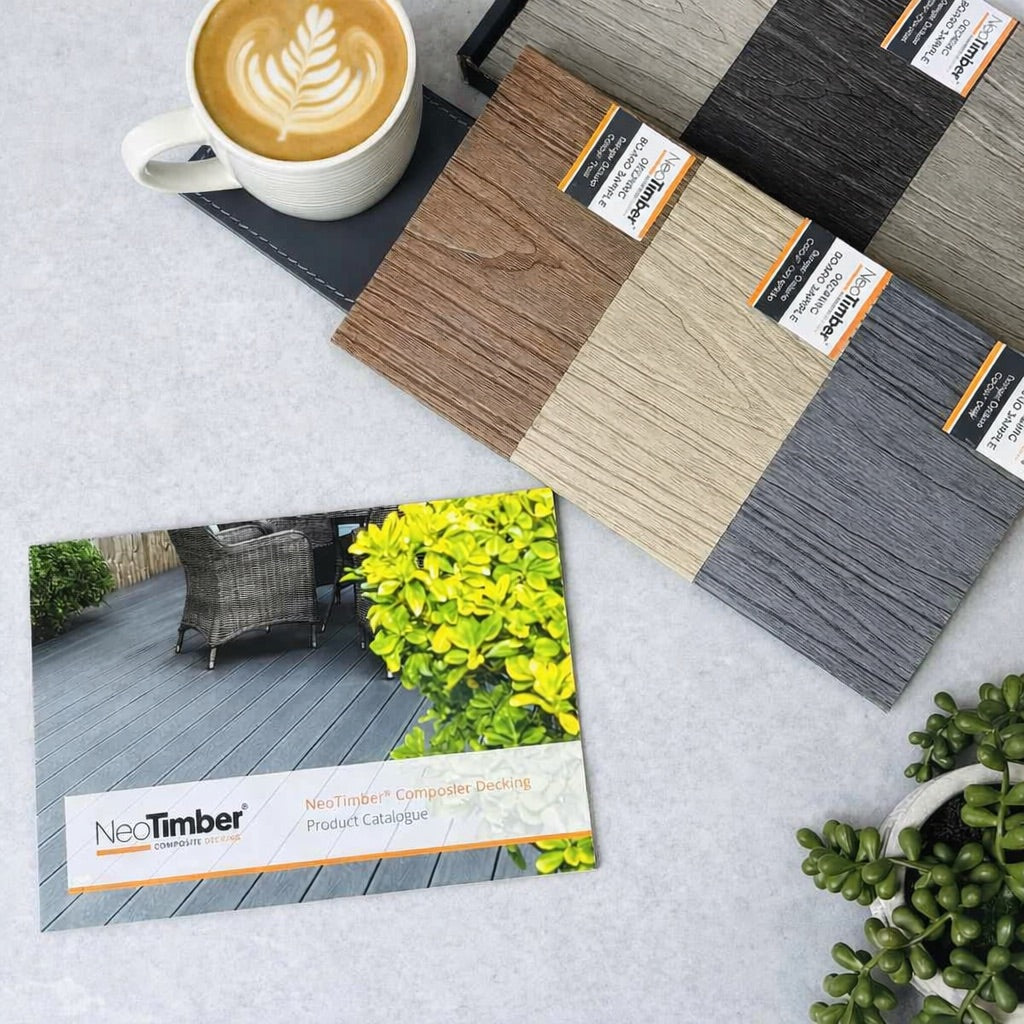
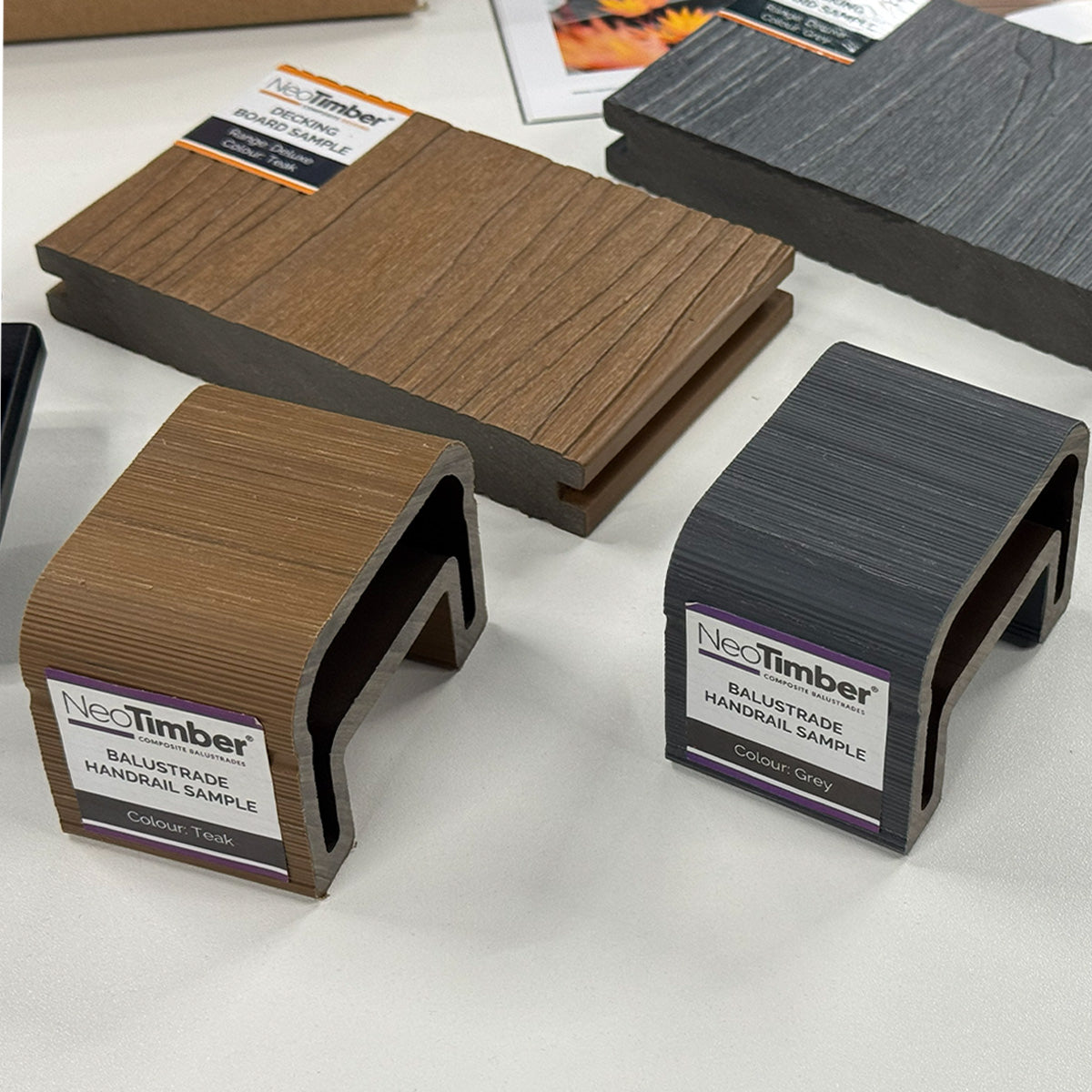
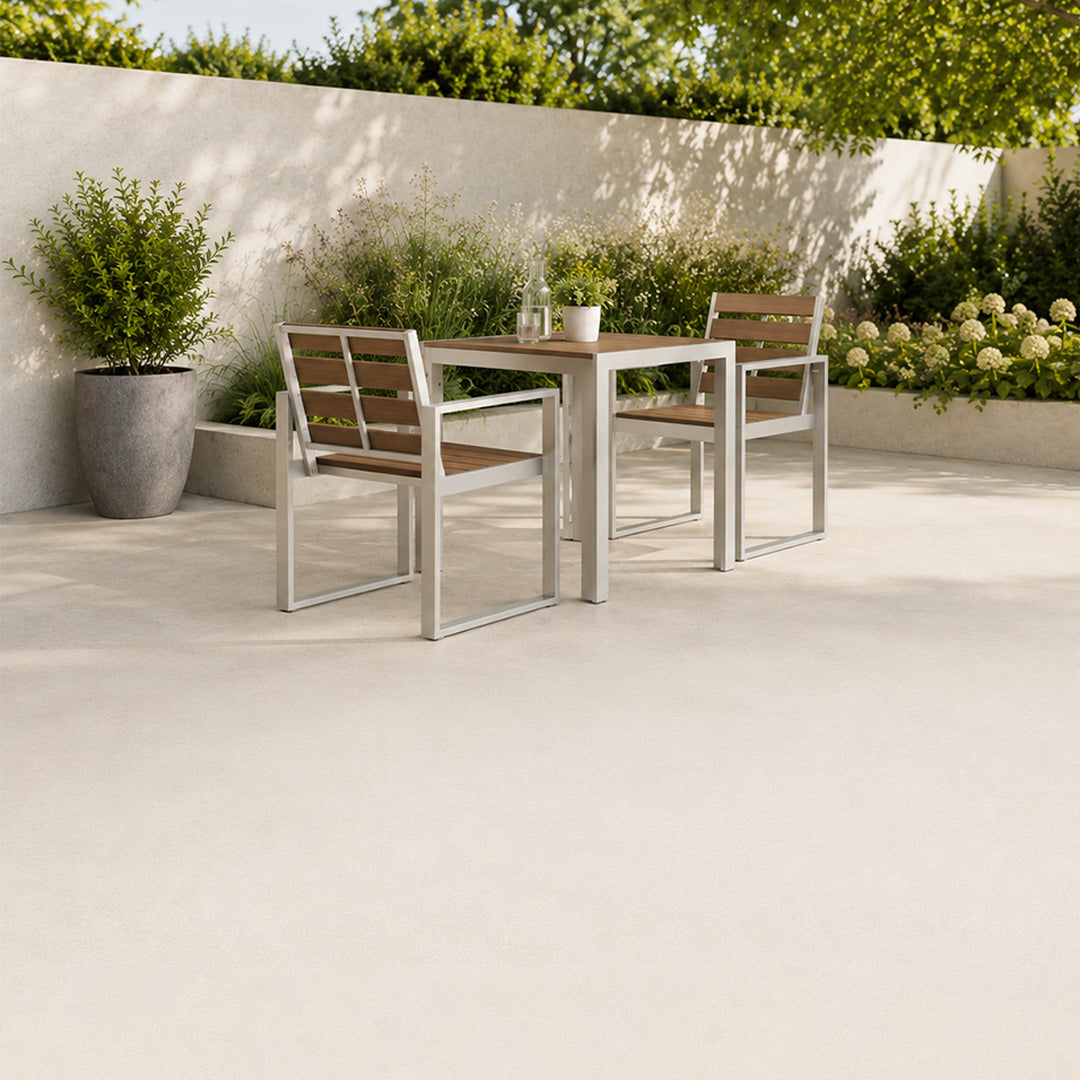
Choose the appearance as part of the whole garden design. Warm tones can complement planting and timber furniture, while neutral or dark finishes can connect the fence with paving and architectural details. Compare the current fencing colours and view physical samples outdoors.
If you are coordinating with composite decking, composite cladding or composite balustrades, compare actual finishes rather than assuming identical colour names guarantee a perfect match.
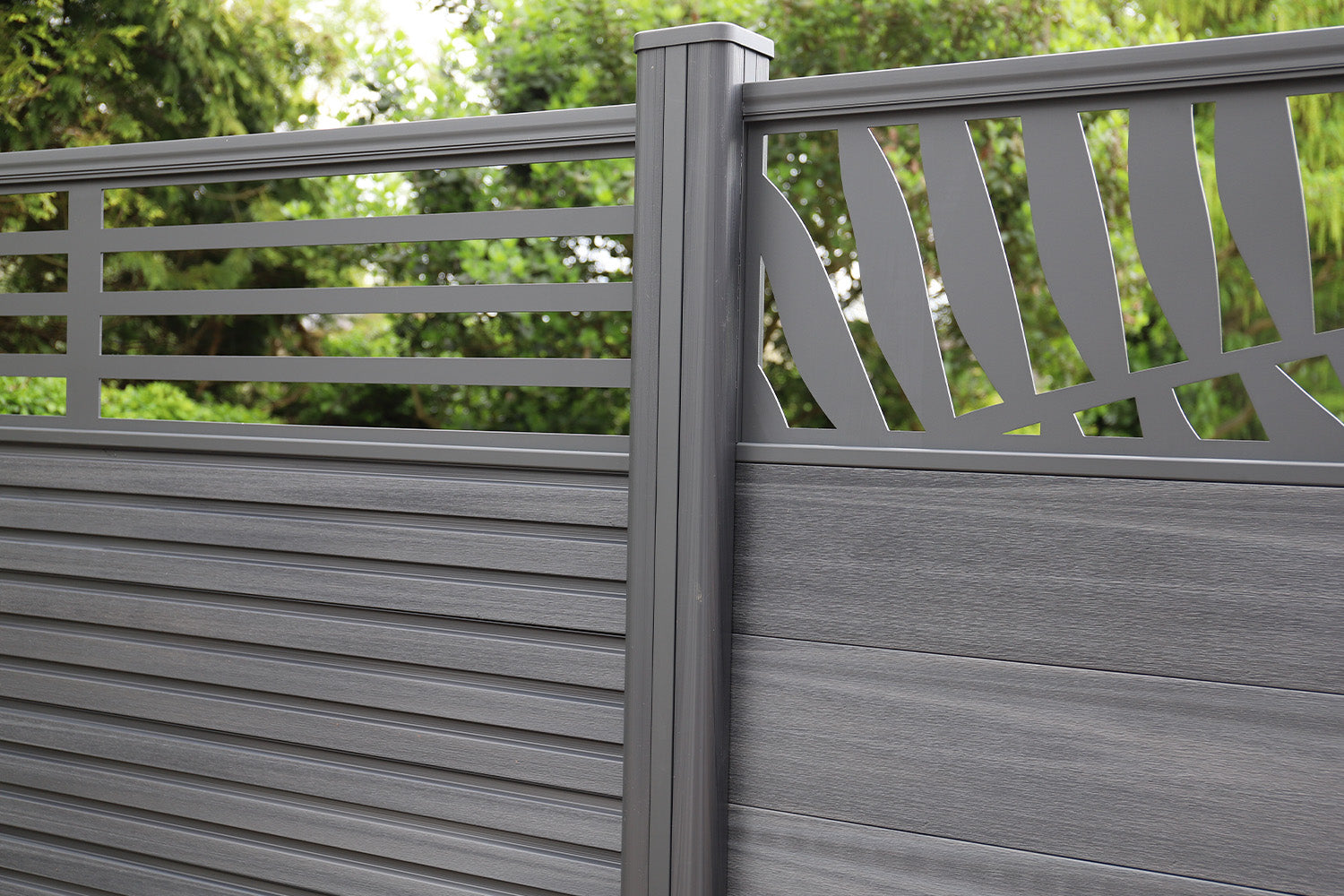
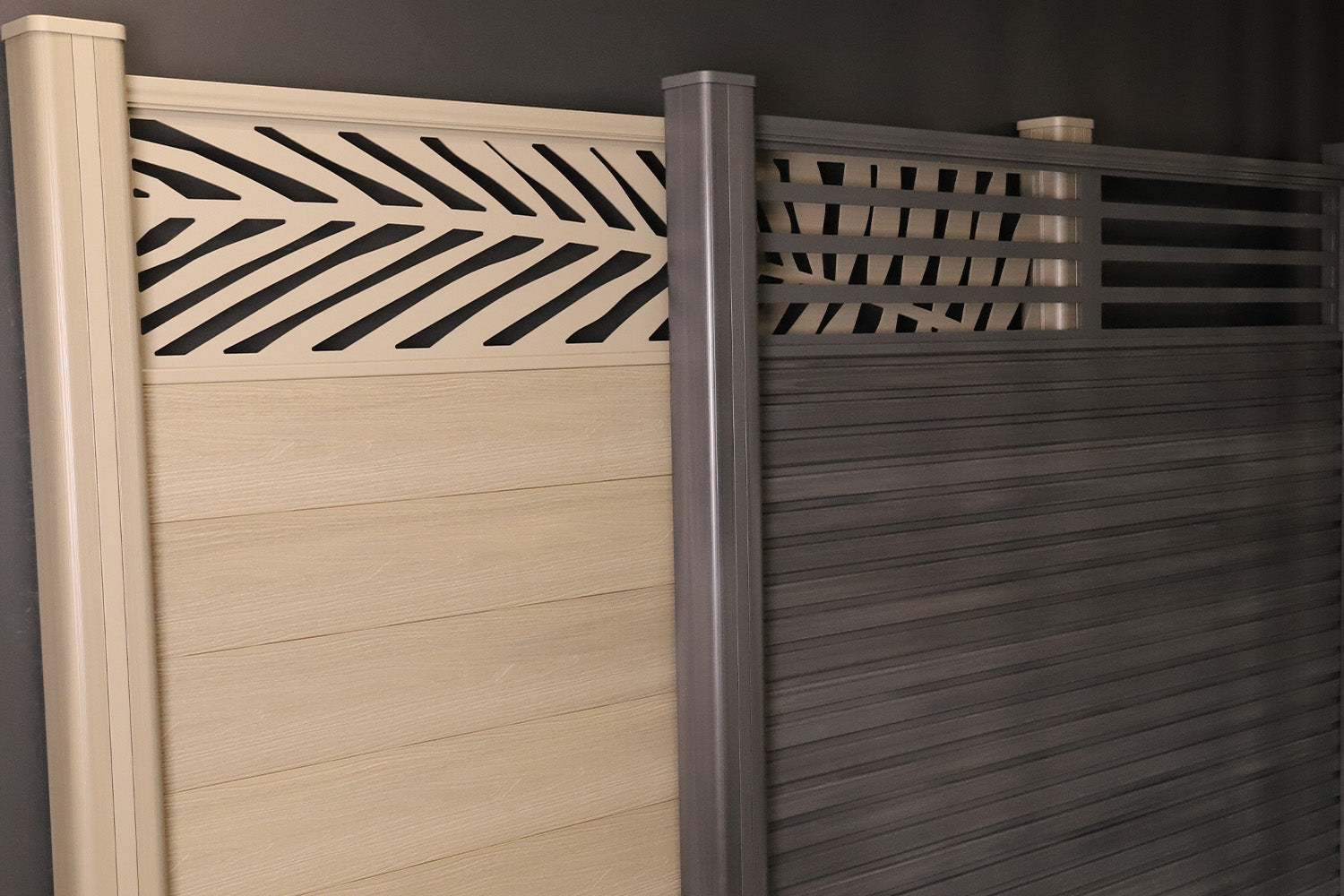
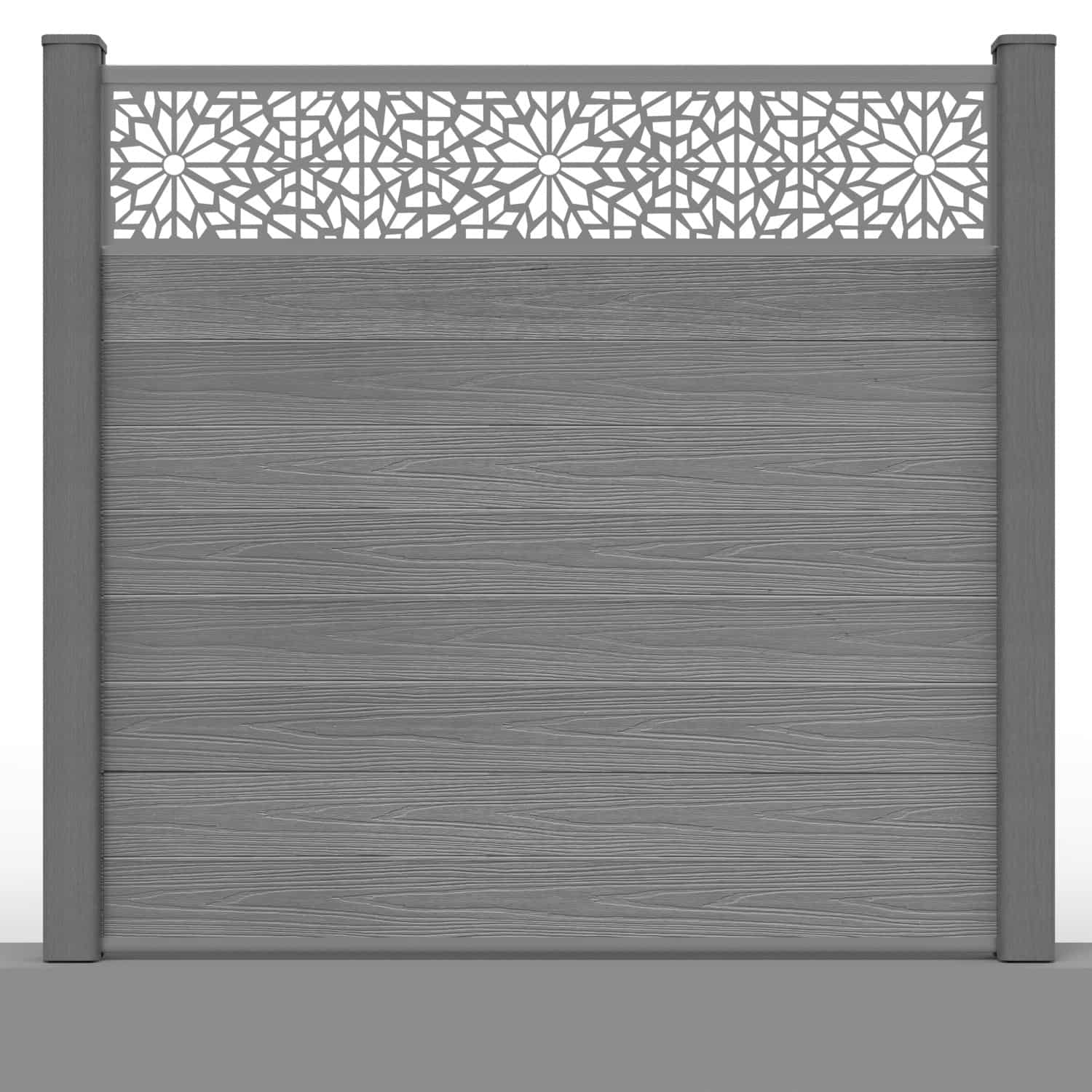
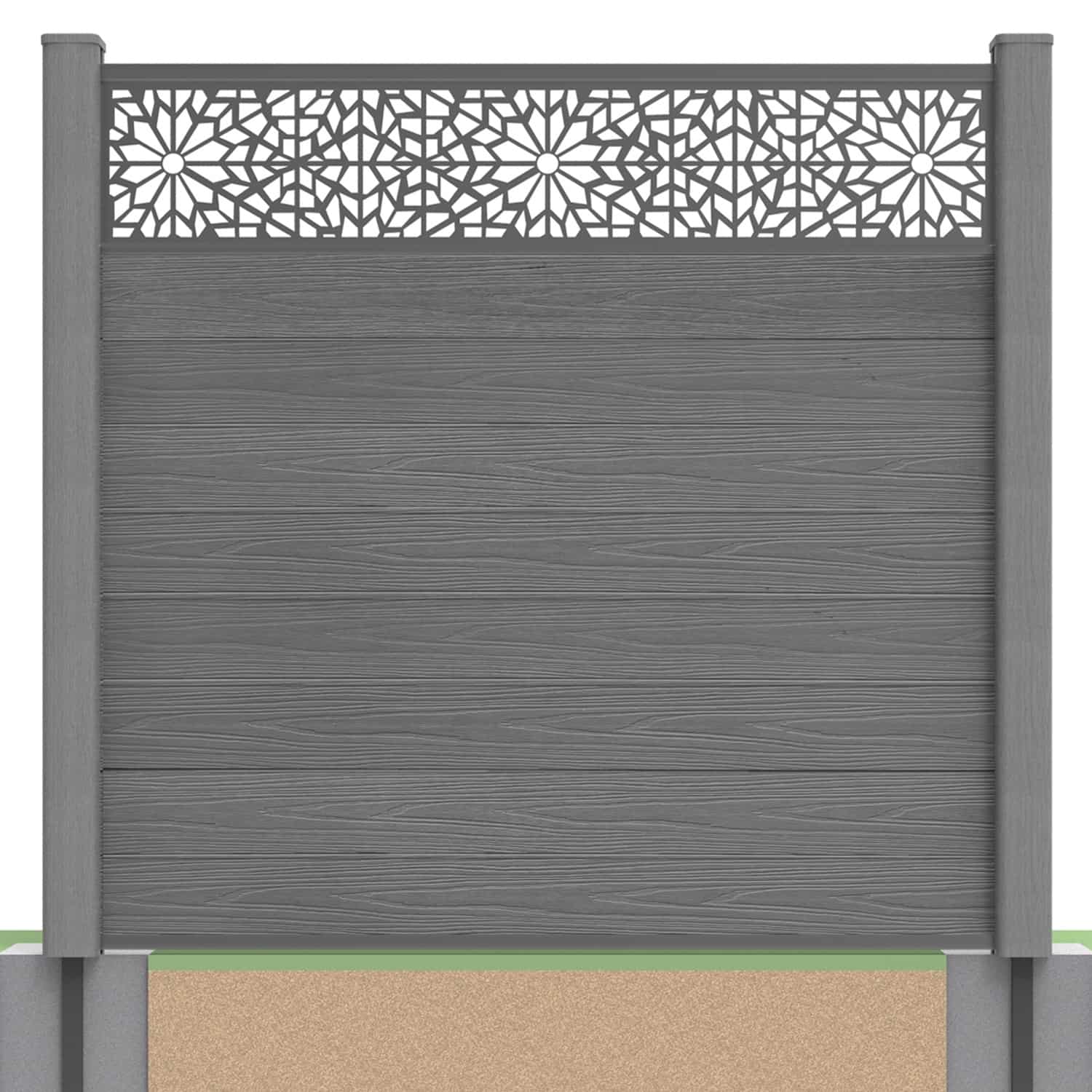
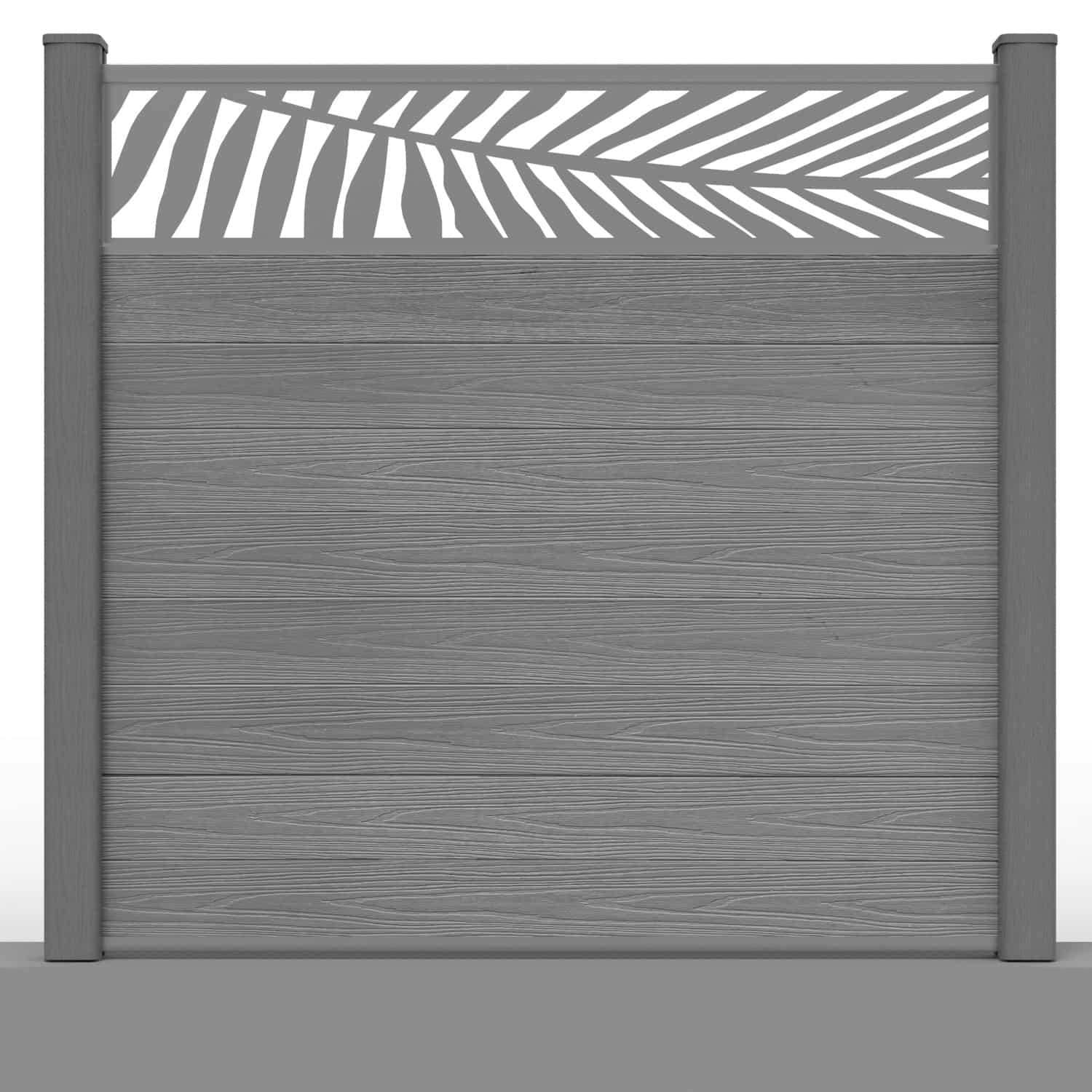
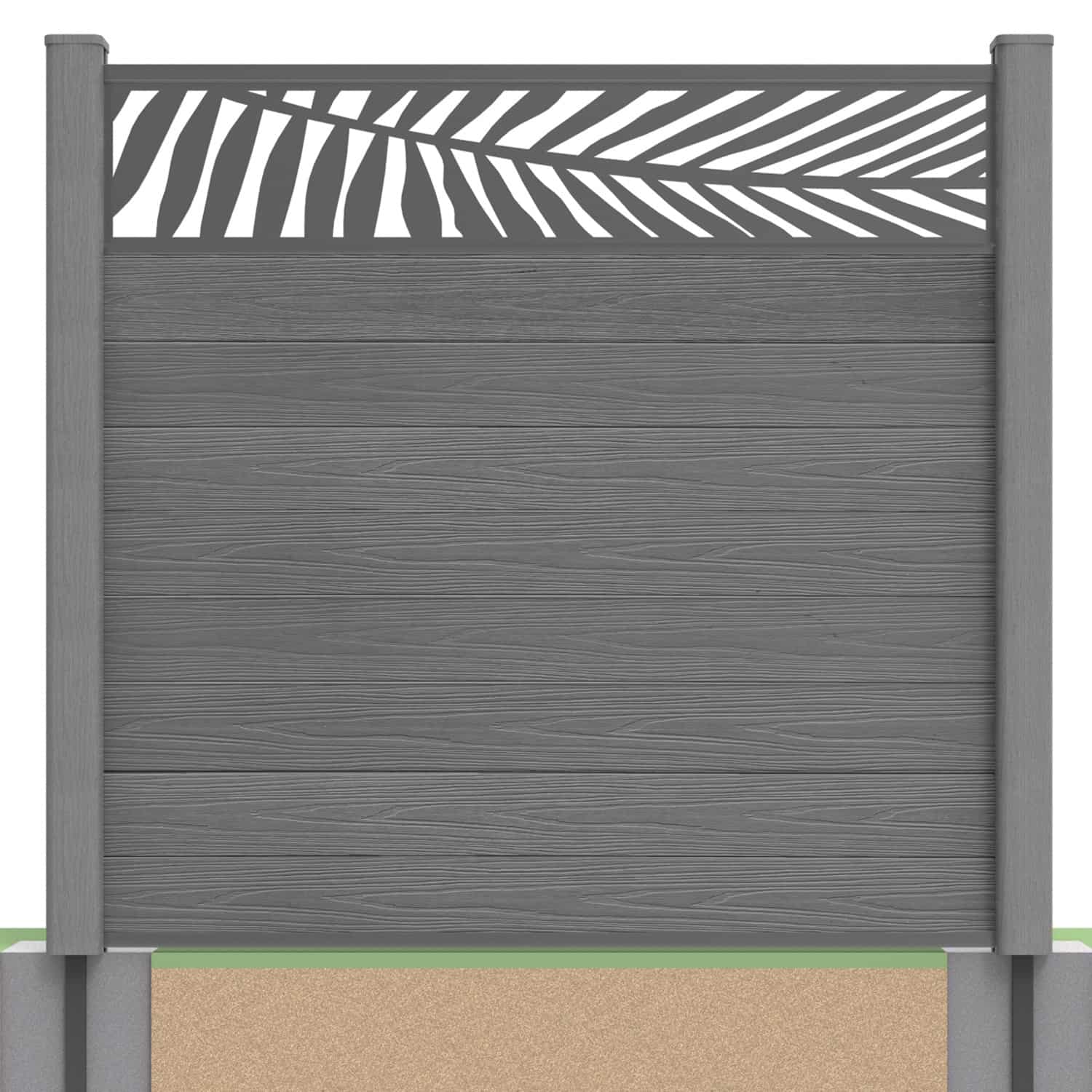
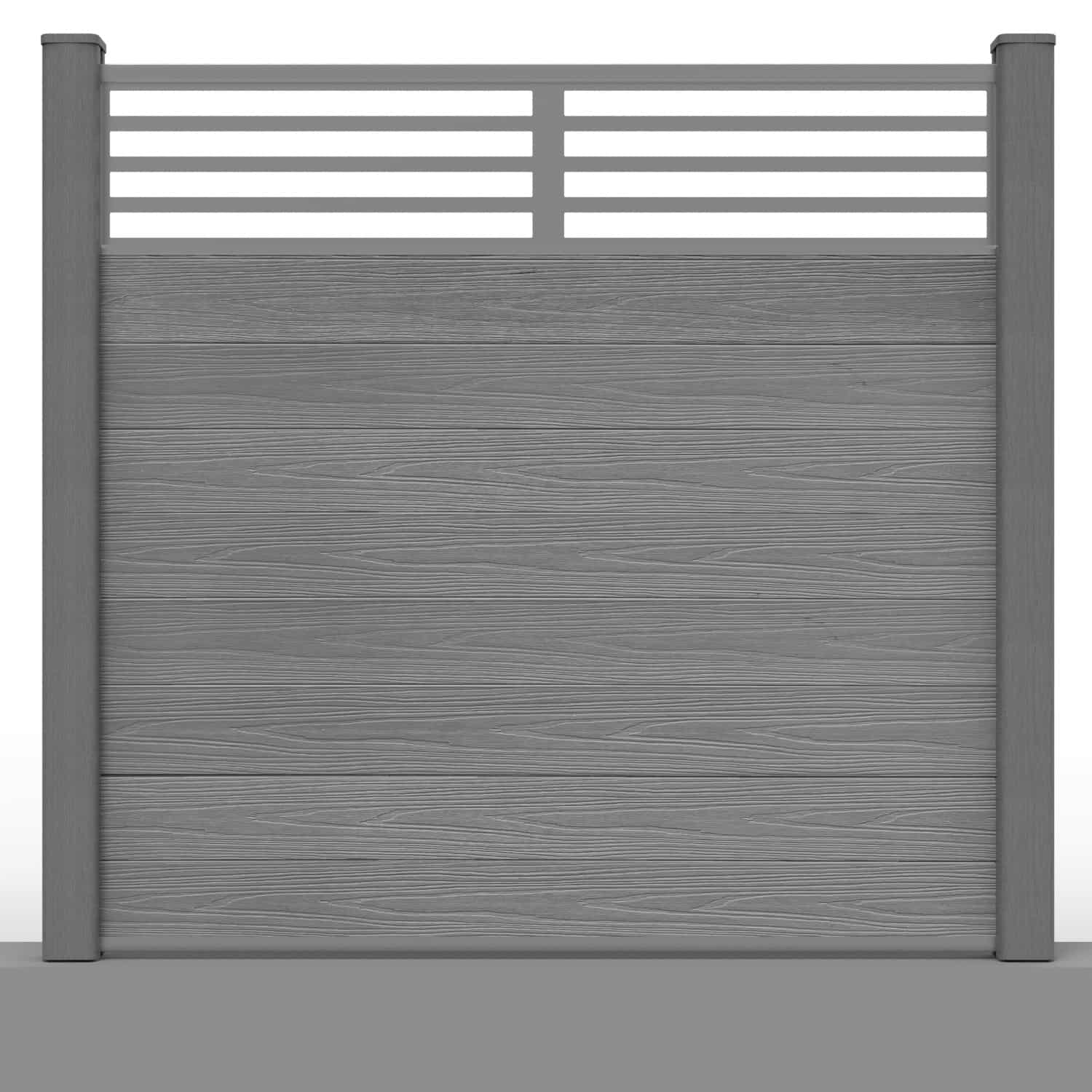
Compatible decorative aluminium screens can replace part of the upper board section in the specified configuration. Confirm board quantities and retaining rails for the selected screen. Cut-outs allow views through the top of the fence, reducing visual coverage compared with boards.

Compare NeoTimber’s Board Styles
Deluxe: Woodgrain or Brushed Faces
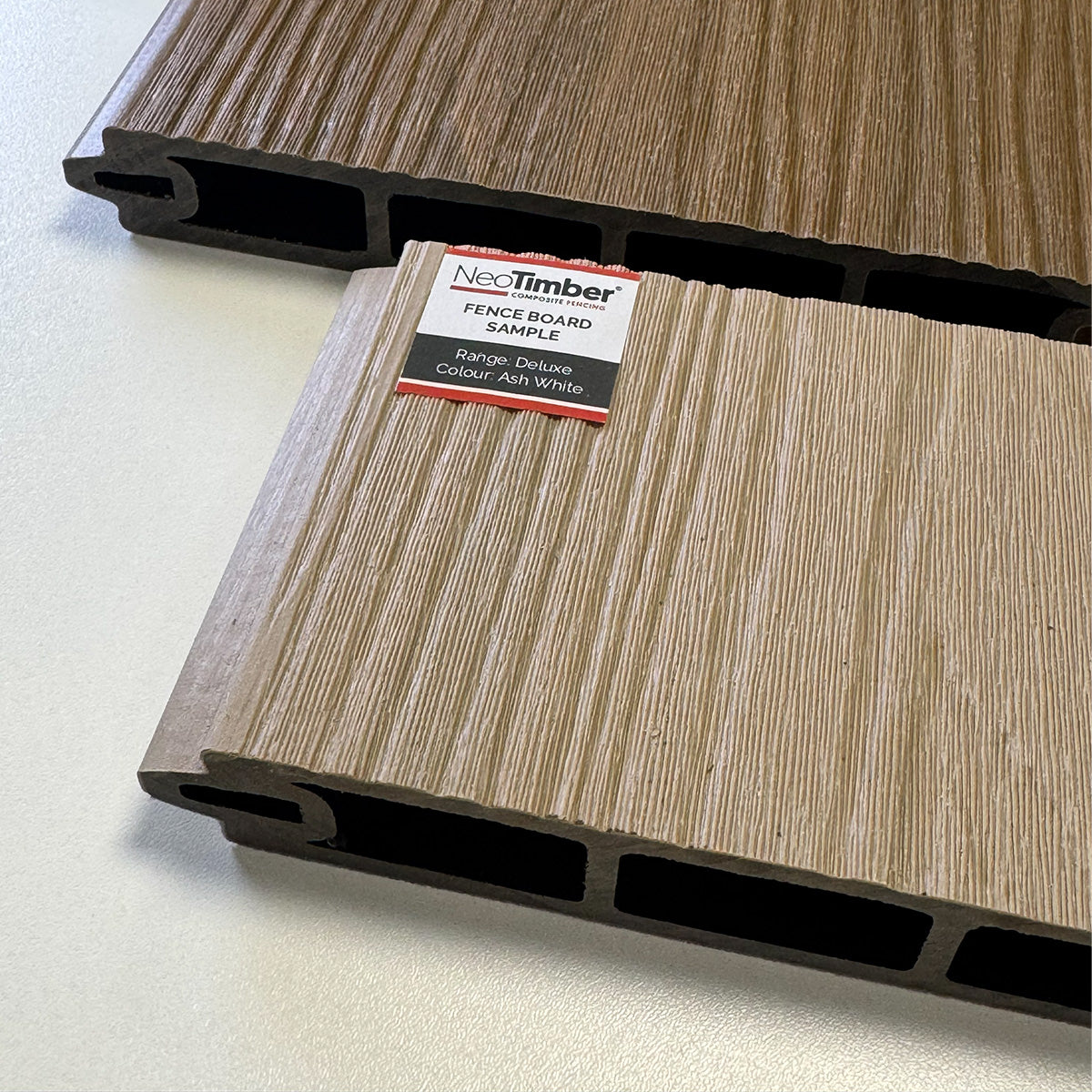
The Deluxe composite fence panel set uses capped boards with woodgrain and brushed faces. Choose the face you want to display and keep the orientation consistent during assembly.
A woodgrain surface can add detail behind simple planting, while the brushed face offers a more restrained backdrop. Compare the actual panel specification and kit contents before calculating the full run.

Slatted: A Horizontal Batten-Inspired Finish
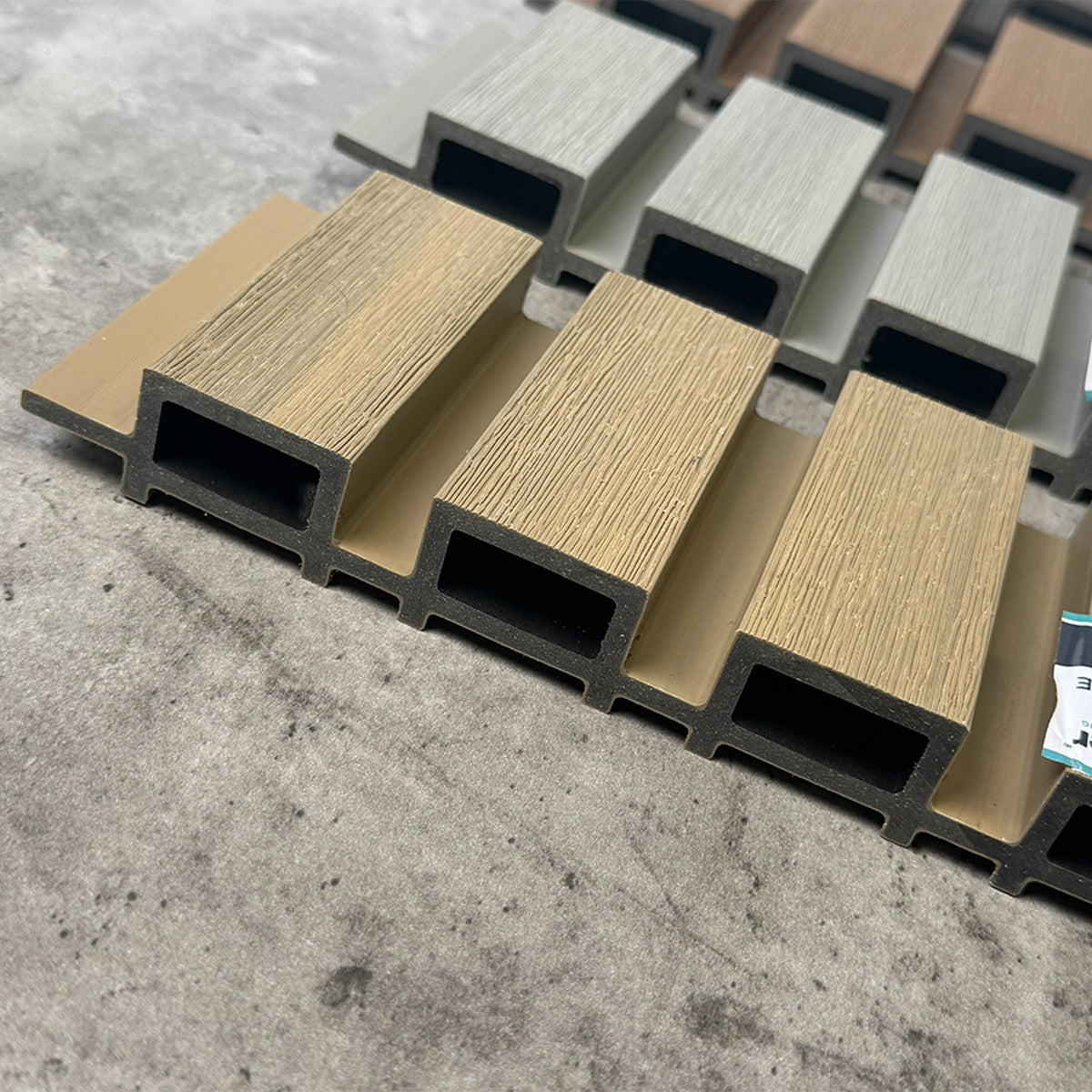
The Slatted composite fence panel set provides a repeated horizontal pattern through its board profile. This gives the appearance of narrow battens without implying open gaps between them.
Do not mix different board profiles within a panel unless the manufacturer explicitly approves the arrangement. Capping, board coverage and connection details must work as a complete system.

Budget for the Complete Installation
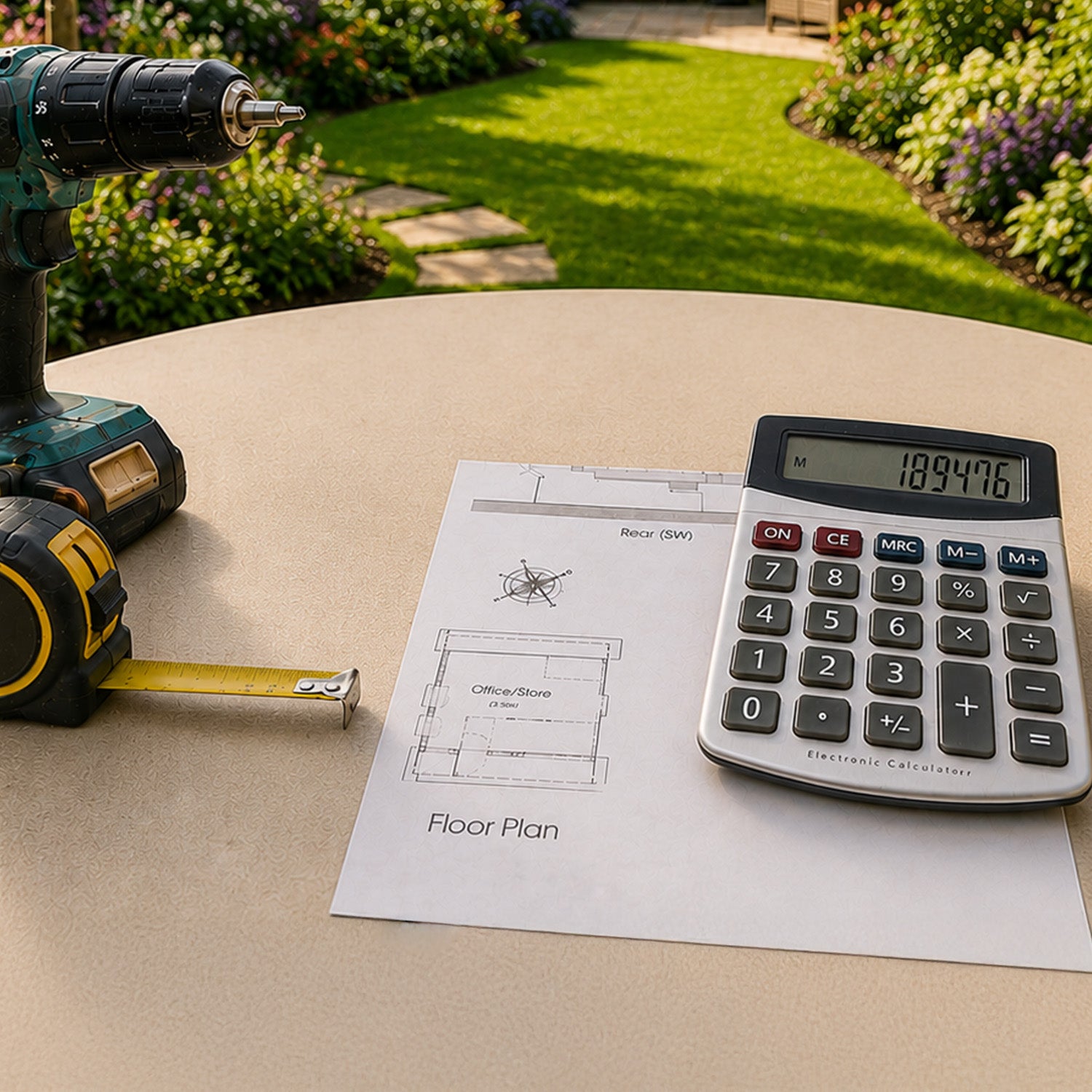
Compare the full materials list, including extra end posts, corners, inserts, supports, rails and fixings. Add foundations, delivery, removal of old fencing and installation labour where applicable. Gates need separate opening dimensions and suitable supports.
The fence panel calculator can provide an initial estimate. Check that estimate against a measured layout and the exact kit contents before ordering. Visit the product pages for current prices rather than relying on a fixed figure for every panel configuration.
Allow for Cleaning and Future Repairs
Capped boards reduce routine painting and staining, but still need appropriate cleaning and inspections. Follow the fencing maintenance guide and check the full installation periodically.
Separate components may make individual replacement possible if damage occurs. Access and assembly sequence matter: changing a lower board may require removing rails and boards above it. Keep your order information so that you can identify the correct profile and finish later.
Frequently Asked Questions
What is modular fencing?
It is a fence assembled from separate compatible components, such as boards, posts, inserts and rails. These parts form a complete system within the specified installation limits.
Can I make the fence any height?
No. Board quantities can offer flexibility, but post lengths, supports, foundations and the approved configuration determine the suitable finished height.
Can it fit between existing posts?
Potentially, where post condition, spacing, dimensions and foundations are suitable. Use the correct compatible inserts and follow the relevant retrofit instructions.
Can I replace one damaged board?
Individual replacement may be possible, depending on access and the assembly. You may need to remove rails or other boards to reach the affected component.
Can I add a decorative screen later?
Check compatibility before planning the change. The screen needs the correct dimensions and retaining components, and fitting it may require disassembly and different board quantities.
Is a modular system suitable for DIY installation?
A capable DIY installer may be able to assemble it with suitable tools and help. Uncertain foundations, existing posts or exposed sites may need assessment by a competent installer first.
Plan the Components Before You Build
A measured layout and a compatible materials list help you get the most from modular fencing. Browse the NeoTimber® composite fencing range, read the installation guidance and contact the team if you need help checking your proposed configuration.