

Choose a Pool Surround for Wet Feet, Regular Splashing and Everyday Use
Swimming pool decking needs more than an attractive finish. Wet barefoot slip performance, drainage, chemical exposure, surface temperature and the supporting structure all matter when choosing a suitable surround.
Composite boards can be considered where the exact product meets the project requirements. However, moisture resistance alone does not establish poolside suitability, and no surface should be described as safe regardless of how wet or contaminated it becomes.
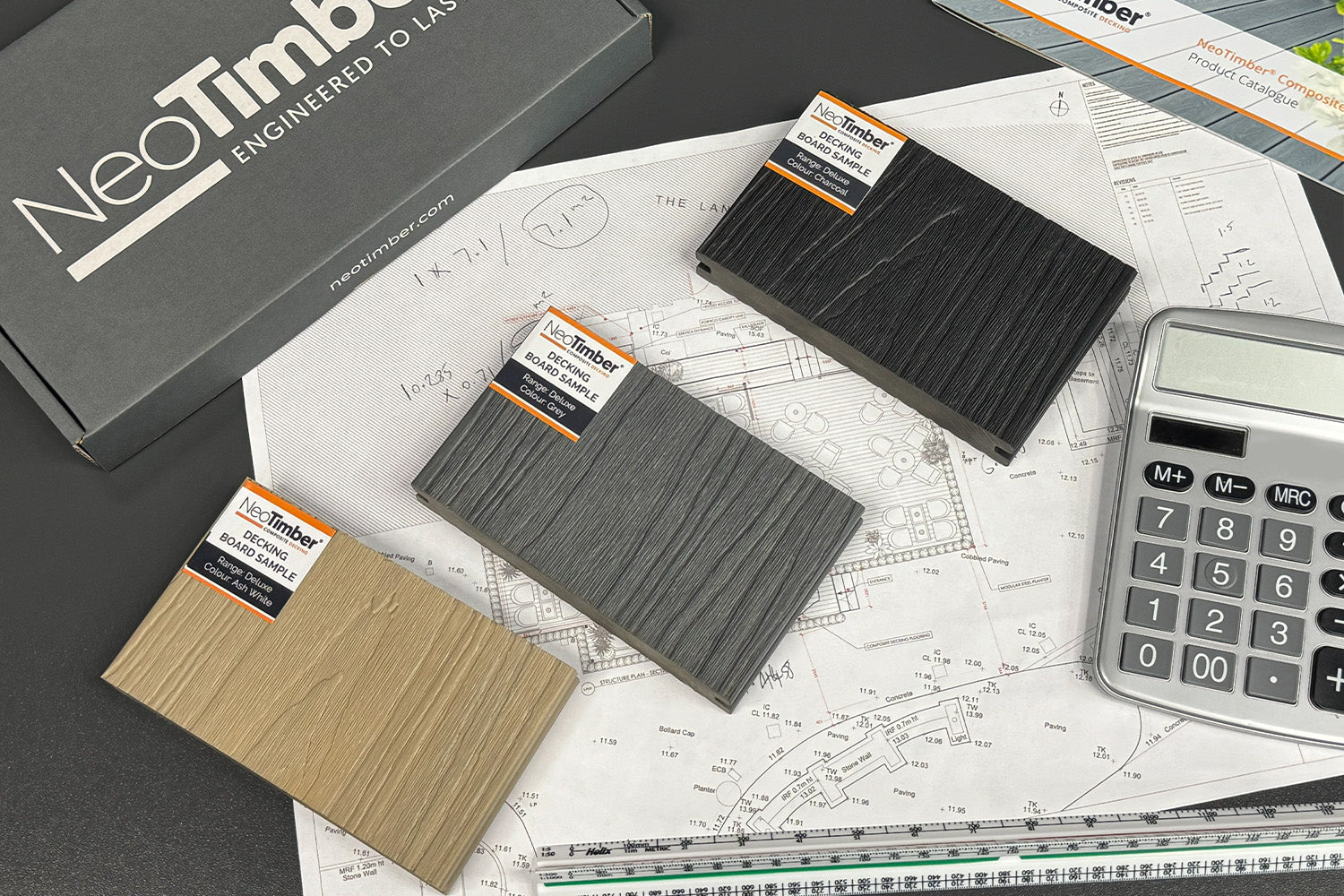
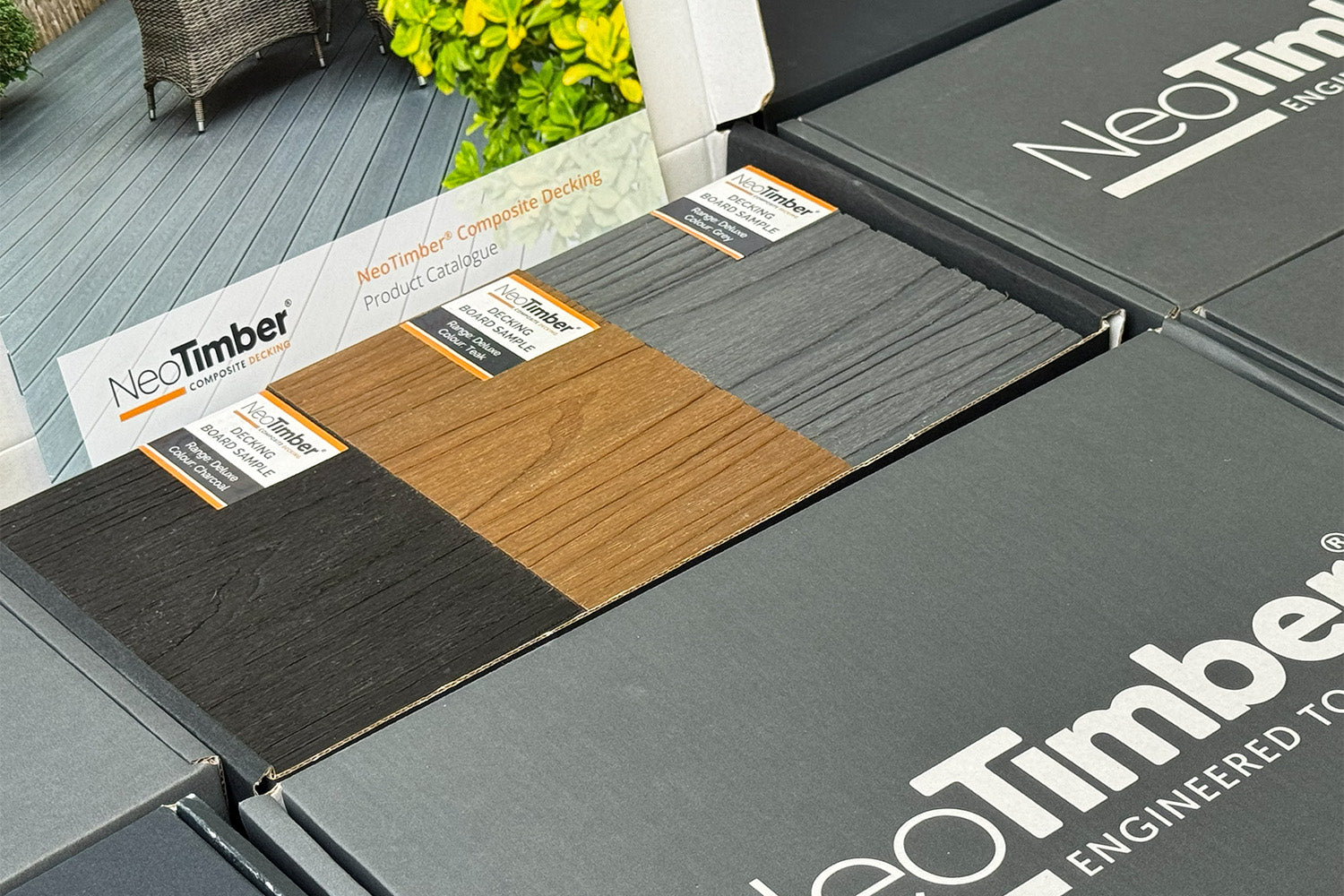
This guide explains the questions to resolve before selecting materials. Explore NeoTimber’s decking options or compare composite decking alongside the technical advice for your pool.
In this guide: Define the use · Assess wet performance · Check moisture and chemicals · Plan drainage · Specify support · Choose the finish · Maintain the area · FAQs
Start With the Pool and Its Users
A private garden pool and a busy leisure facility can have different requirements. Define the expected users, footfall and activities before comparing board samples.
Map the routes between changing areas, seating, pool entry points and maintenance equipment. Keep circulation clear and consider access for children, older users and people with restricted mobility.
Poolside seating does not replace the need for suitable pool access, barriers or supervision arrangements. For public facilities, the operator and design team should review the relevant standards and risk assessment. The HSE’s swimming pool guidance provides a useful starting point for operation and management.
Check Evidence Relevant to Wet Barefoot Use
A general claim of slip resistance is not enough for a wet pool surround. Ask for test information relevant to the exact board face, intended use and likely conditions.
The Health and Safety Authority explains why the slip test must match the application. Barefoot and shod assessments are not automatically interchangeable, and results from different methods should not be treated as equivalent.
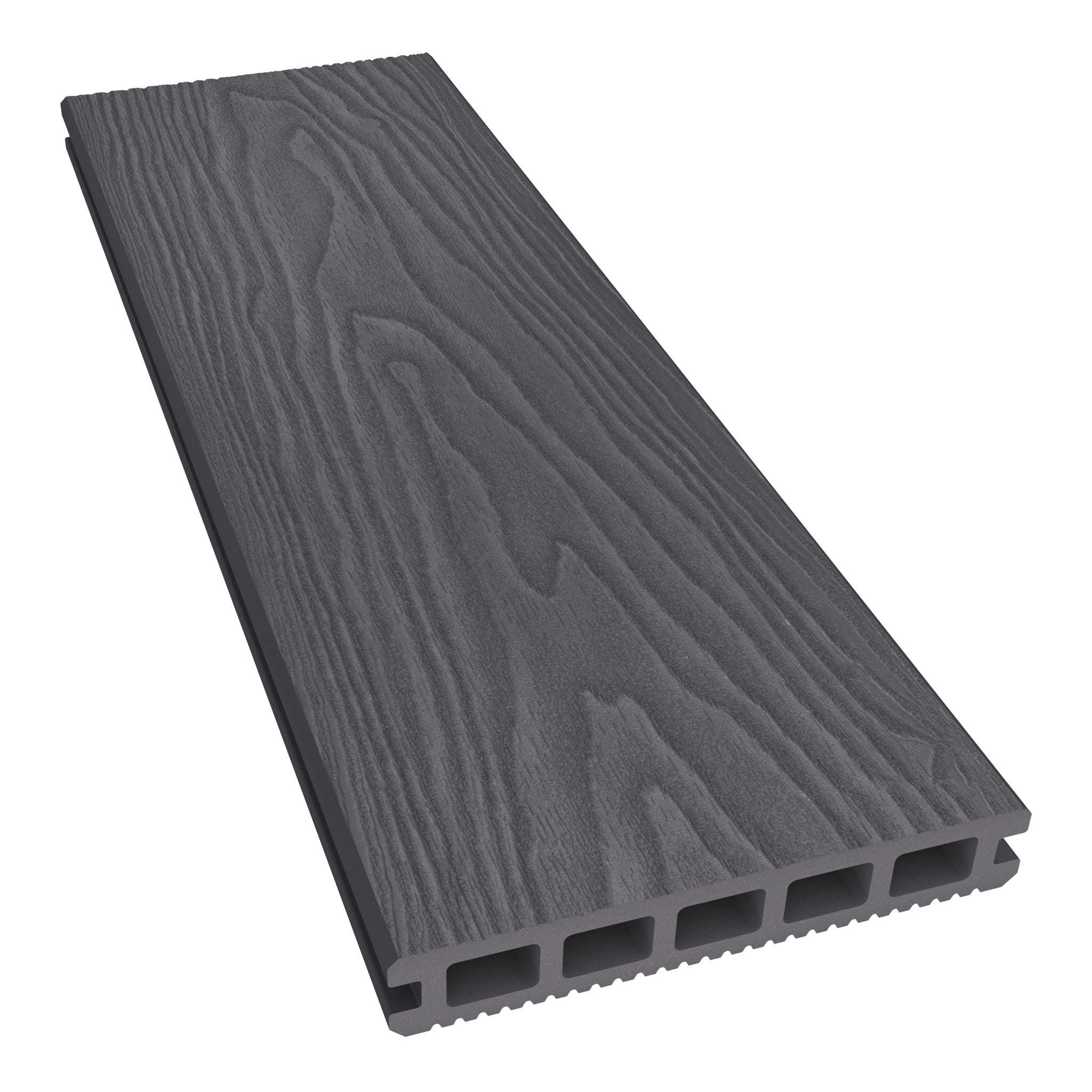
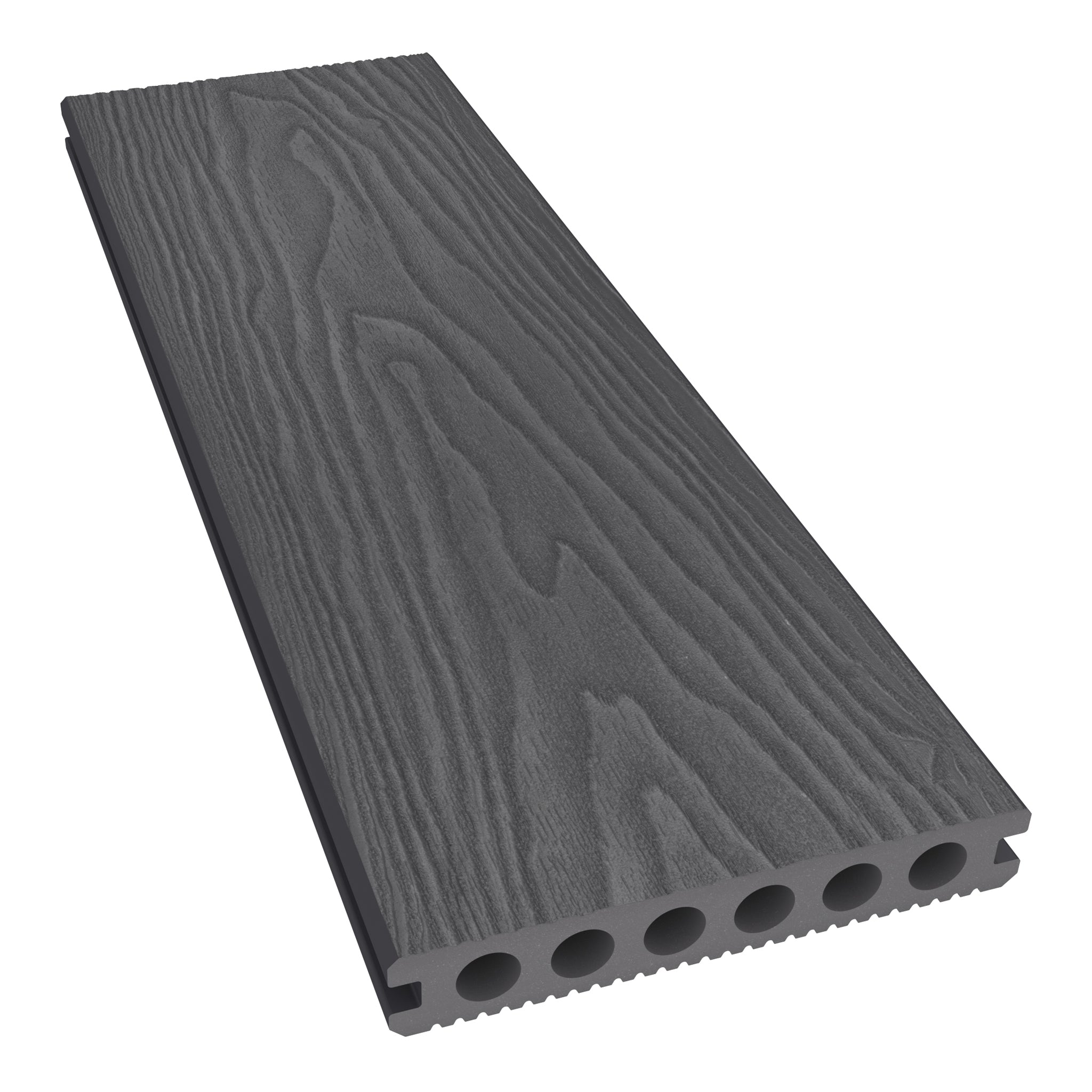
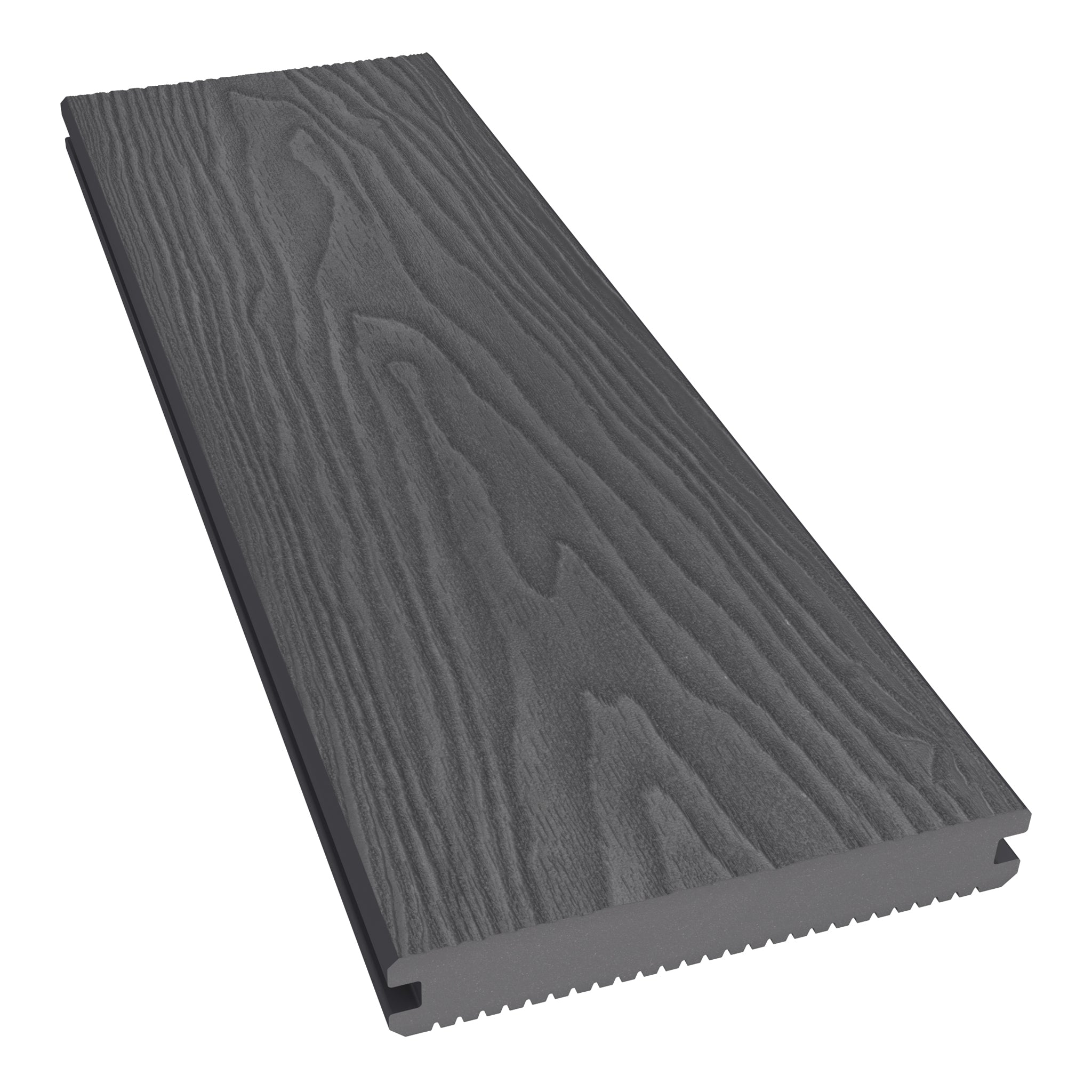
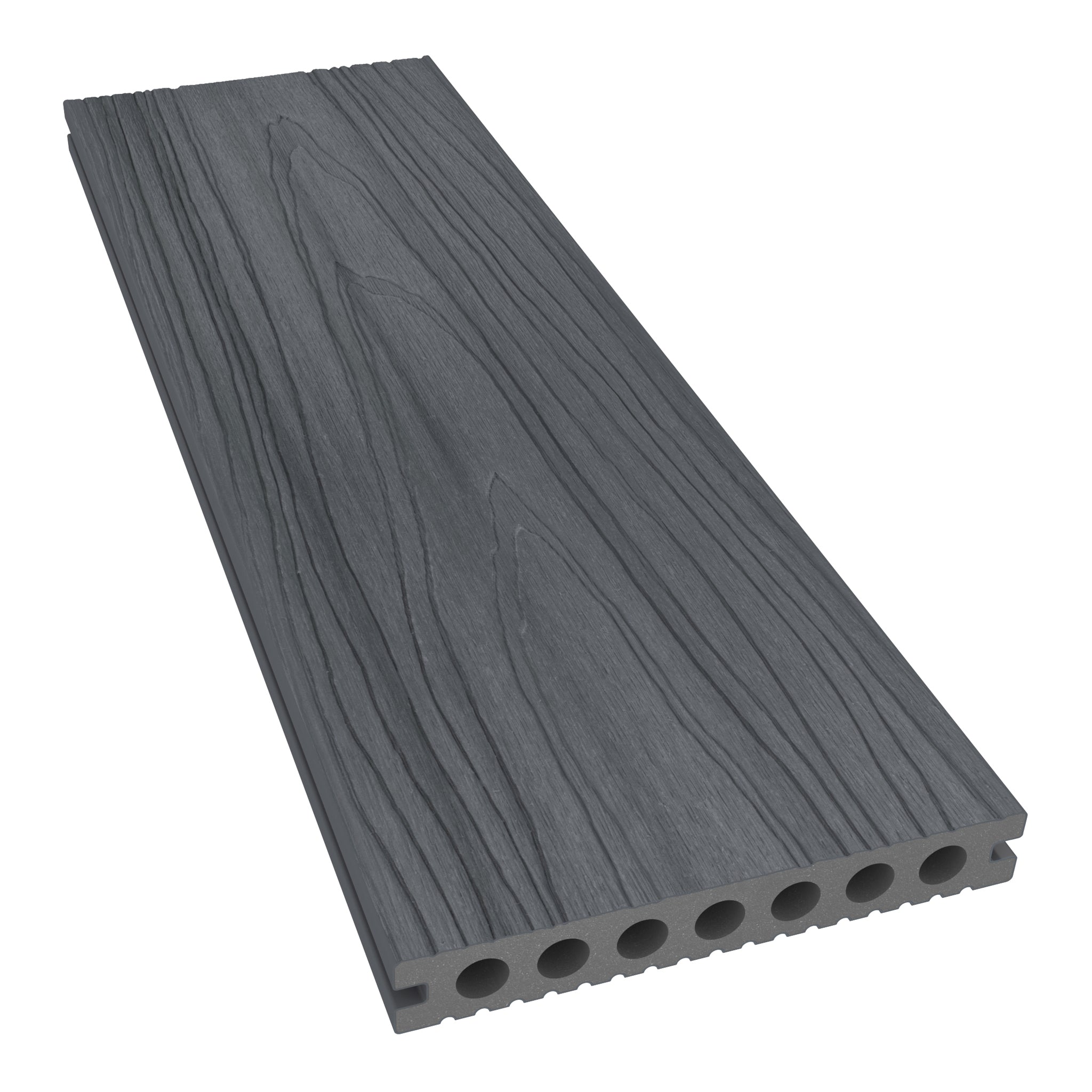
Grooves and embossed grain should not be assumed to guarantee grip. Water, sunscreen, debris, cleaning residues and surface wear can affect conditions in use. Obtain specialist advice where the available evidence does not answer the pool’s requirements.

Assess edges and transitions too. Avoid unnecessary level changes, projecting components and other trip points, while retaining the movement gaps required by the selected system.
Separate Moisture Resistance From Chemical Compatibility
Rain and splashing
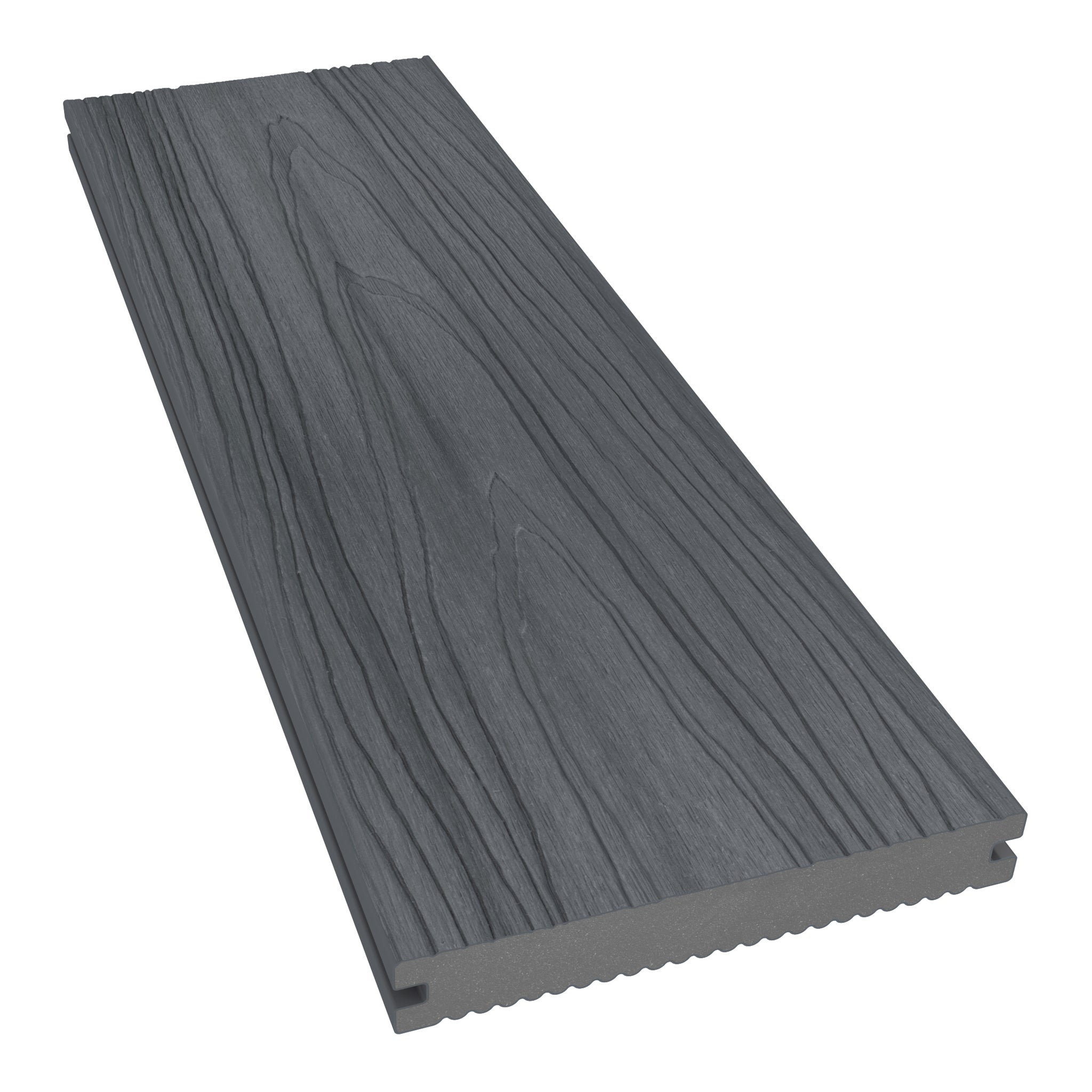
Wood-plastic composites combine wood fibres and polymers, with product-specific water absorption characteristics. A capped surface may improve protection, but does not make every board suitable for continuous immersion.
Check the intended exposure and permitted installation details. Our moisture-resistance guide explains why a water-resistant board and a watertight deck are different things.

Pool chemicals and cleaning products
Ask the manufacturer about the proposed pool environment, including chlorinated or salt-treated water, cleaning agents and occasional concentrated spills. A statement about resistance to ordinary water is not evidence of resistance to every chemical.
Do not mix or store pool chemicals on the boards. Follow the chemical label and pool specialist’s instructions if a spill occurs, and seek board-specific advice rather than applying an improvised treatment.
Capped composite options are worth comparing, but cap coverage alone does not establish chemical compatibility or wet barefoot suitability.
Plan a Complete Drainage Route
Board joints can allow water to leave the walking surface, but the water still needs somewhere to go underneath. Gaps cannot solve a blocked drain or a base that collects water.
- Coordinate the surface with the pool’s drainage and coping details.
- Confirm required falls and outlets with the pool designer.
- Prevent run-off carrying dirt or cleaning residue into the pool.
- Retain access to drains and maintenance points.
- Keep ventilation and movement clearances required by the system.
Do not copy a general garden-deck slope into a pool project without checking the design requirements. Investigate recurring pooling promptly; our standing-water guide explains common causes.
Choose the Frame for the Site and Loads
The boards, joists, bearers, foundations and connections need to be specified together. Suitable timber, recycled plastic and metal systems can have different support and fixing requirements.
Recycled plastic lumber can offer rot-resistant profiles for appropriate designs, but is not a universal direct replacement for timber. Confirm spans, orientation, movement and connections for the exact product.

Do not assume every joist can be embedded in concrete or span between supports. Likewise, a deck surrounding an above-ground pool should not support or restrain the pool itself unless that arrangement has been designed for it.
Follow the current installation instructions alongside the approved pool design. Include any concentrated loads from planters, equipment or maintenance access.
Coordinate Colour, Comfort and Edge Details
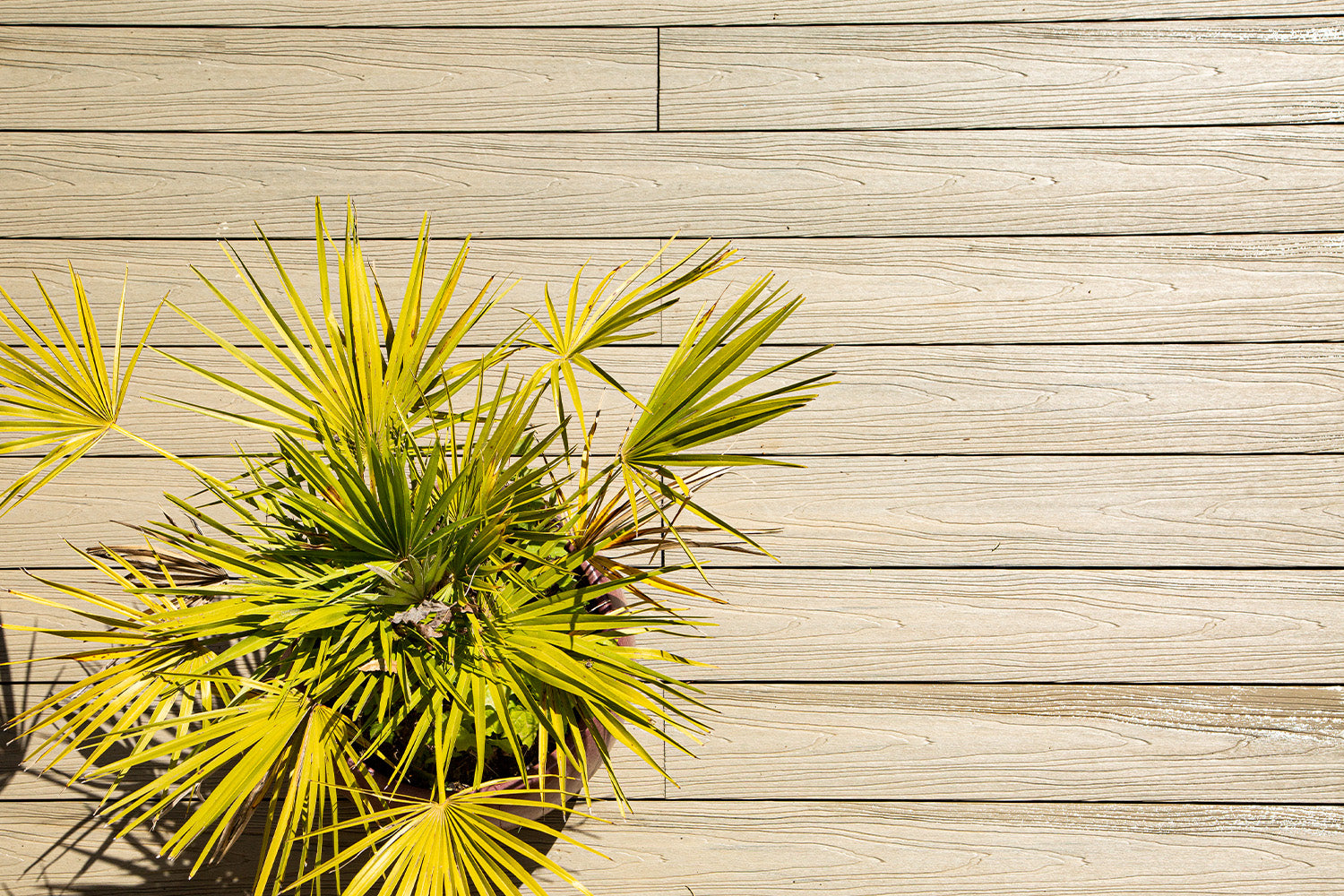
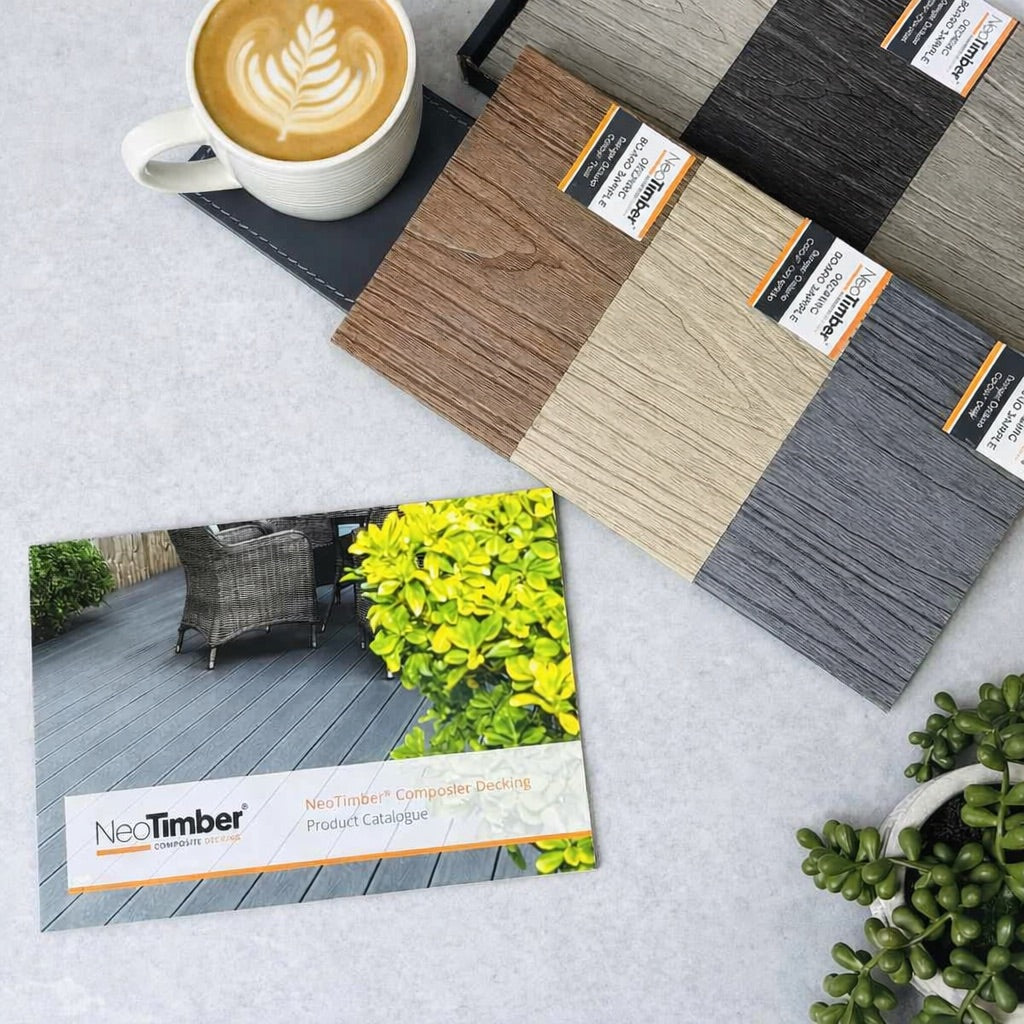
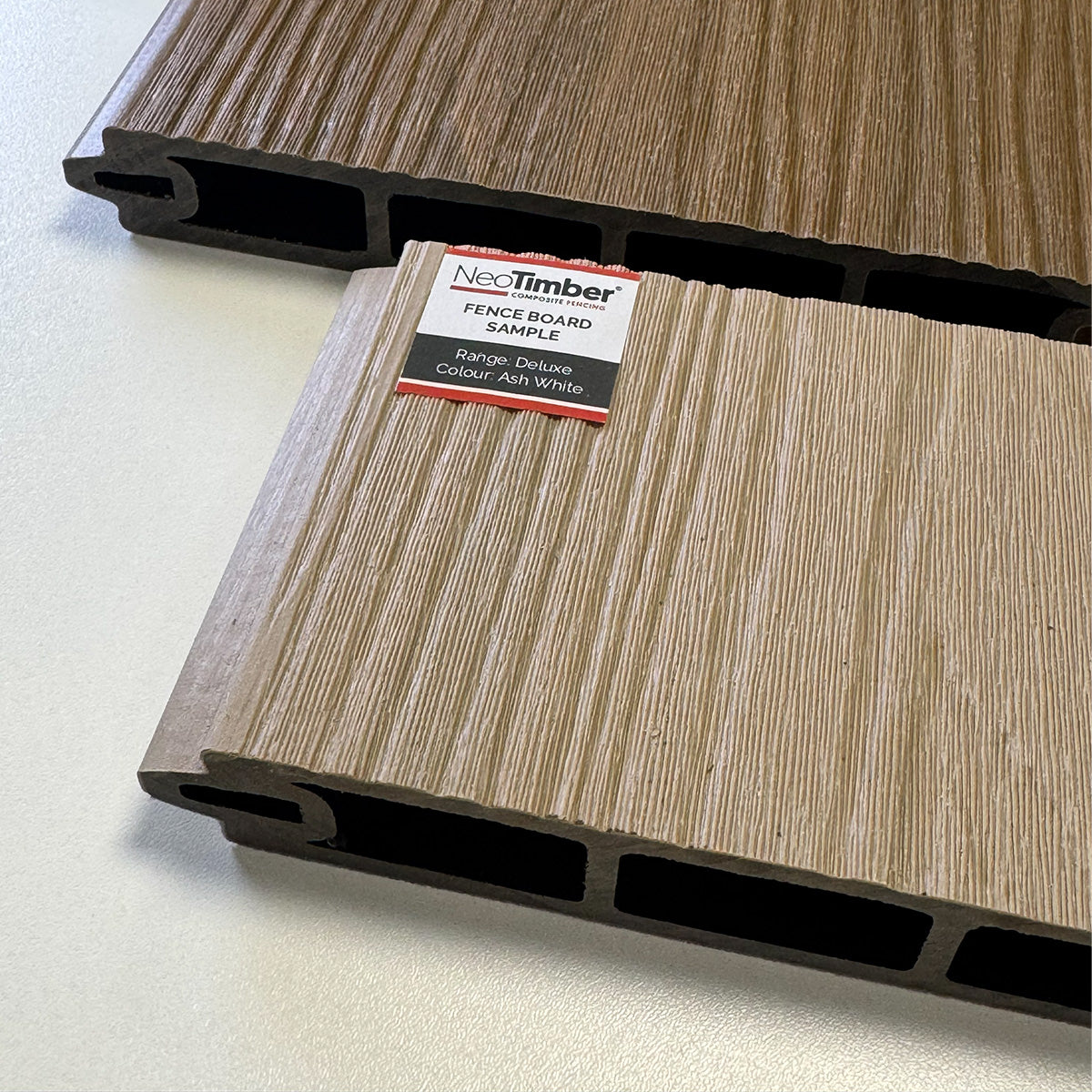
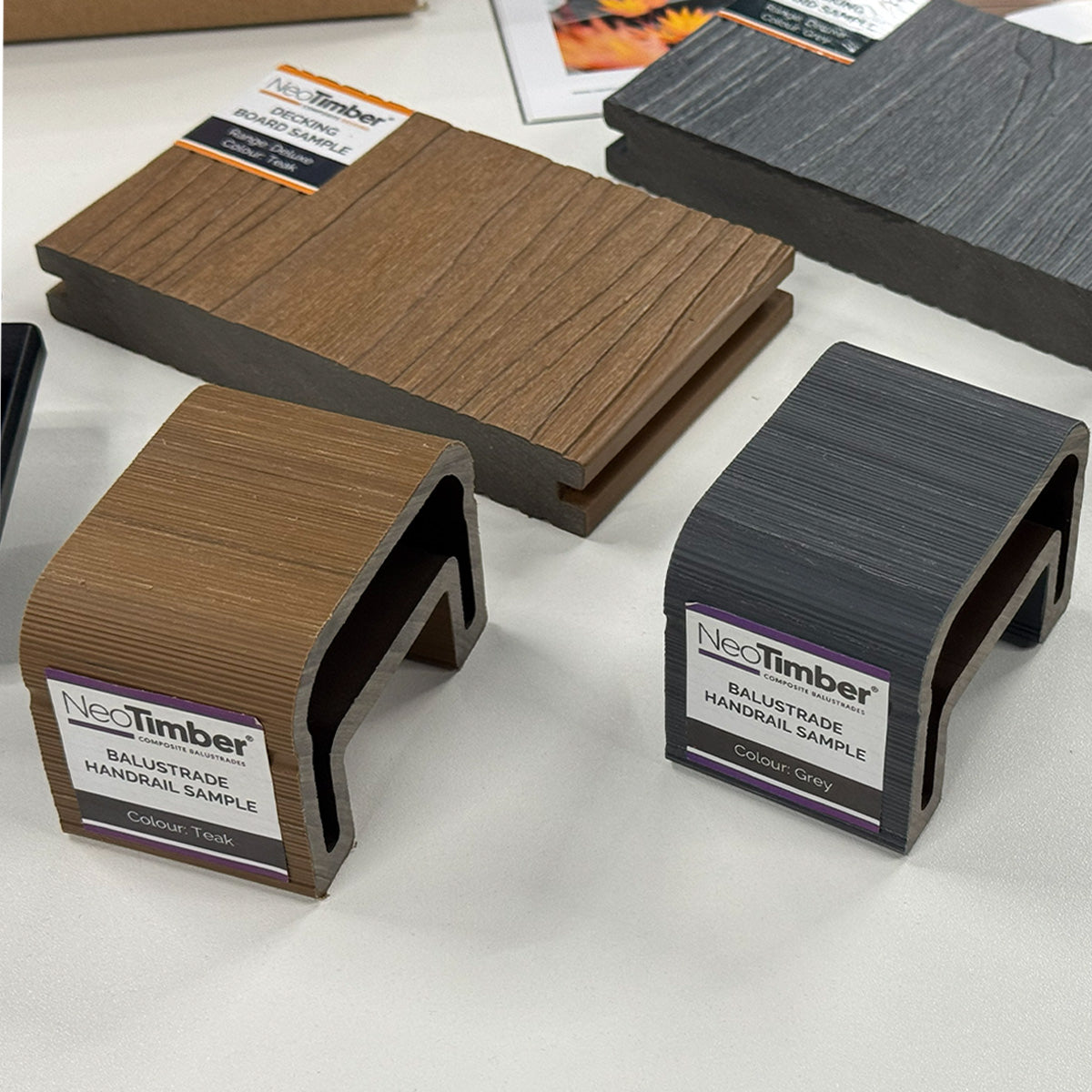
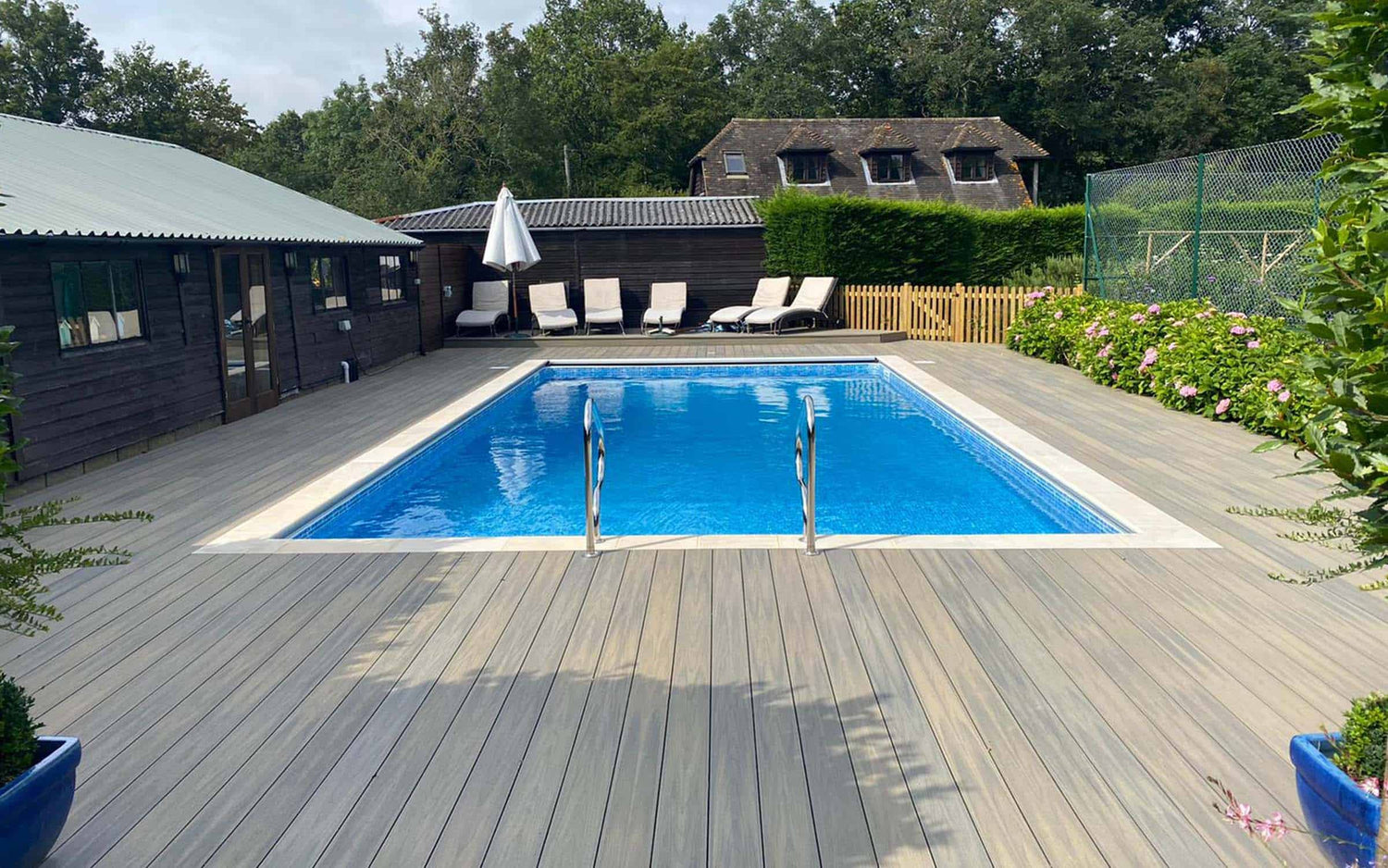
Warm timber-inspired tones can complement blue water and planting, while greys offer another backdrop. Compare samples beside the coping, paving and building rather than choosing the board colour in isolation.
All outdoor surfaces can become hot in direct sun. Do not promise a comfortable barefoot temperature from a colour name alone. Consider shade and how the area will be used during hot weather.
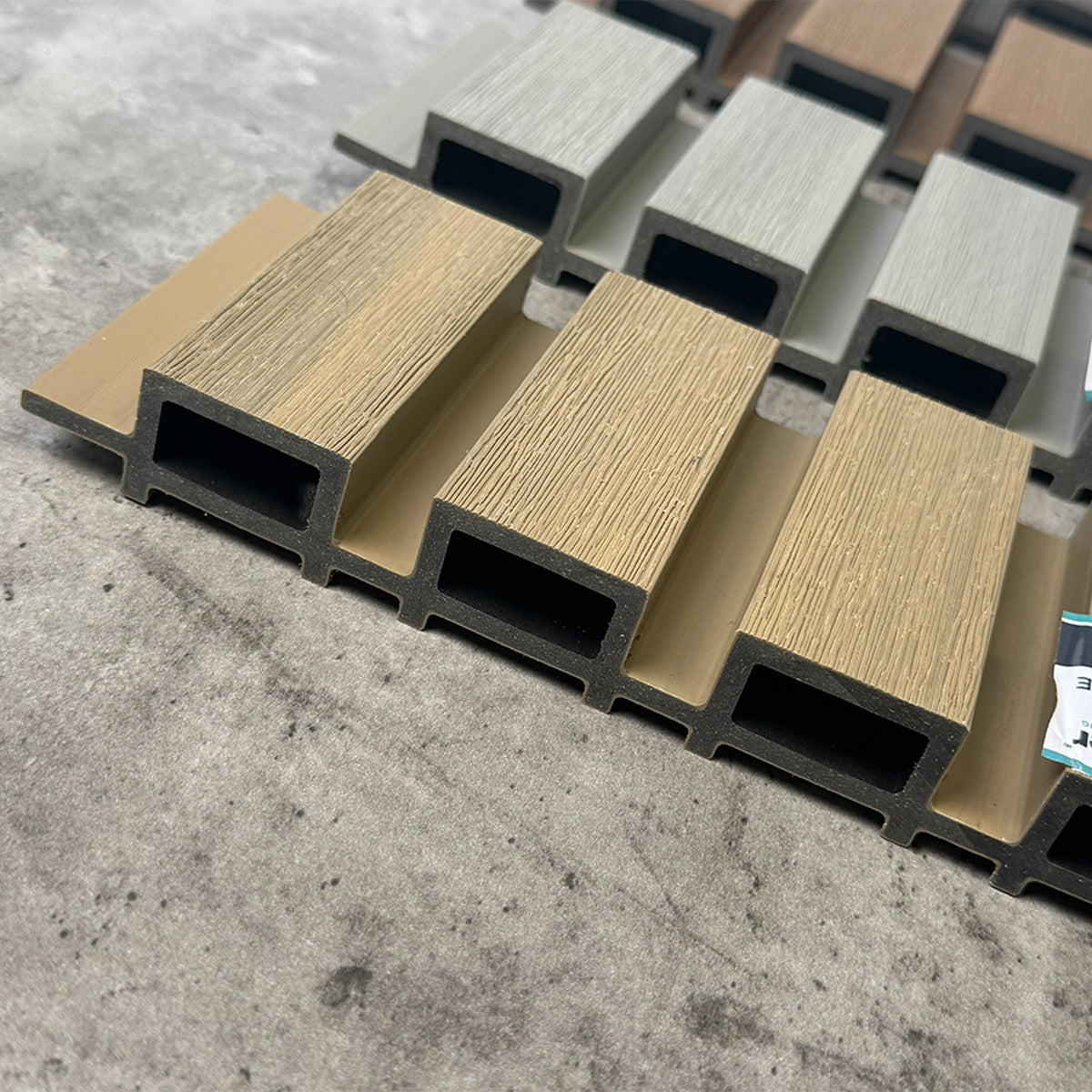
Choose coping and edge details suitable for the pool environment. Decorative trim is not automatically an appropriate pool edge, structural tread or barrier component.

Explore the colour guide and garden design ideas after the technical requirements have been established.
Make Cleaning and Inspection Part of the Plan
Pool surrounds need a routine matched to their use, rather than a seasonal wash alone. Remove debris, attend to contamination and inspect boards, fixings, edges and drainage.
Confirm that the chosen cleaners are compatible with both the deck and pool. Follow NeoTimber’s care guidance and the pool operator’s procedures, managing access while cleaning is underway.
Read the applicable warranty terms and confirm eligibility for the proposed exposure and use. A warranty period is not approval of a pool installation or a guarantee of uninterrupted performance.
Contact NeoTimber® with your pool specification and performance requirements before ordering. Samples help compare appearance; technical evidence and project design establish suitability.
Frequently Asked Questions
Can composite be used for swimming pool decking?
It can be considered where the exact product meets the project’s wet barefoot, chemical-exposure, loading and installation requirements. Confirm these before purchase.
Does a slip-resistant board guarantee poolside safety?
No. Check evidence relevant to wet barefoot use and manage contamination, drainage, cleaning and surface condition.
Is capped decking chlorine-proof?
Do not assume so. Confirm compatibility with the proposed pool water and chemicals for the exact board.
Do board gaps provide all the drainage needed?
No. The base, outlets and pool drainage arrangement must also allow water to leave appropriately.
Will the boards stay cool under bare feet?
No outdoor surface should be assumed cool in direct sunlight. Consider exposure, shade and the intended use.
Can decking support an above-ground pool?
Only where the complete structure has been specifically designed for the filled pool and associated loads. A surrounding deck is not automatically a pool foundation.