

Design a Dark Exterior With Character, Contrast and Purpose
Black cladding can give an exterior a clear identity. It can define an entrance, set a garden room against planting or introduce contrast beside pale render and warm brickwork. Its impact comes from more than darkness alone: texture, proportion and the relationship between materials determine how the finished building feels.
If you are exploring cladding for a home or garden project, begin with the role you want it to play. A small charcoal feature and a fully clad elevation require different design decisions. Both can work, but neither should be selected only because a photograph looks striking.
This guide explores black cladding as an architectural choice. We look at colour combinations, profiles, board layouts, practical planning and care, then explain how NeoTimber’s Charcoal composite finishes fit into a dark exterior palette.
What Do We Mean by Black Cladding?
Black cladding describes the appearance of an exterior covering, rather than one specific material. Timber, composite and other products can create dark surfaces, with different construction and maintenance requirements. Identify the product behind the colour before comparing performance.
NeoTimber’s composite cladding collection includes wood-polymer boards in a colour named Charcoal. That is the product designation to check when ordering. In this article, black cladding describes the wider design direction; it should not be taken as a promise that Charcoal is a pure black or an exact match for another manufacturer’s finish.
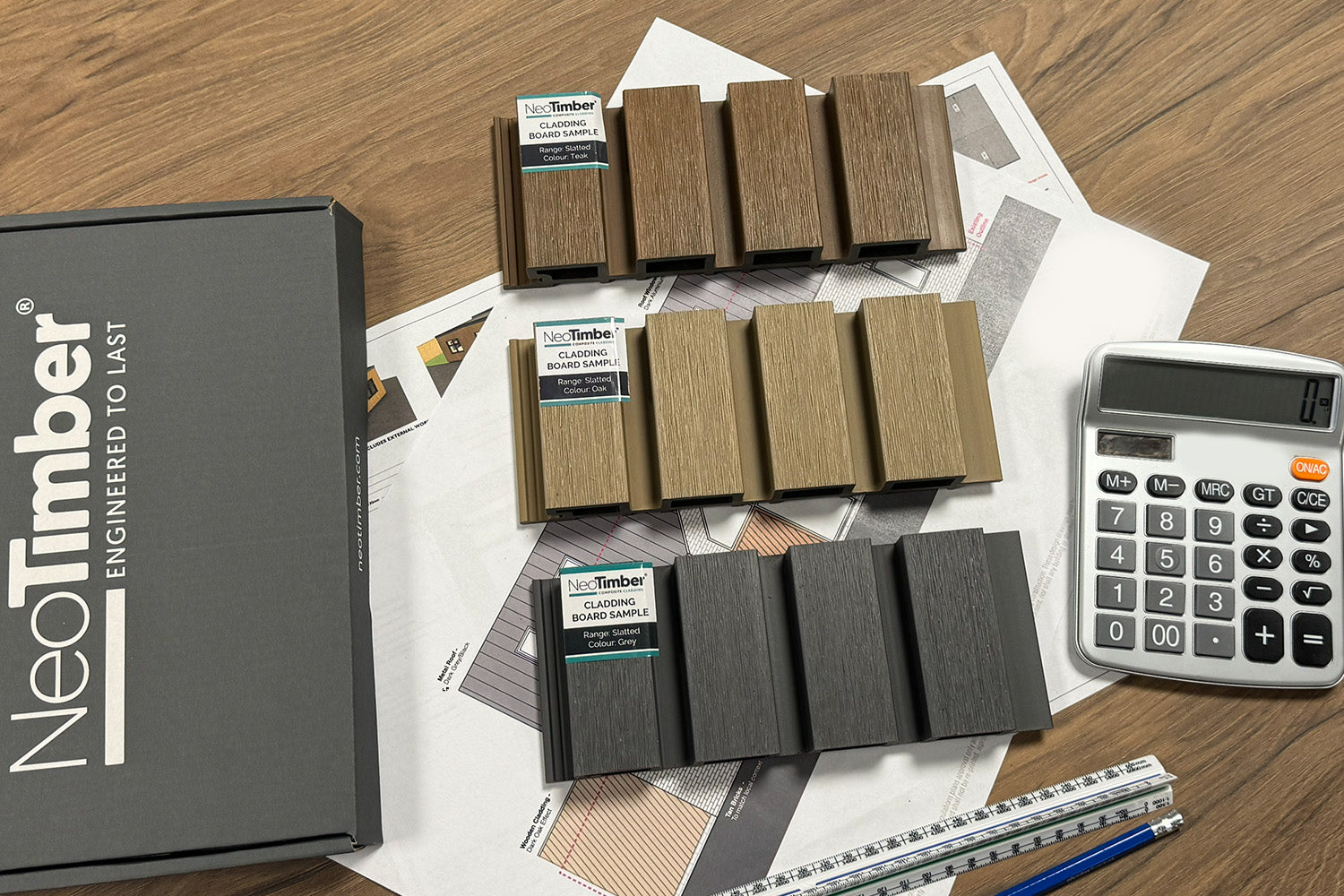
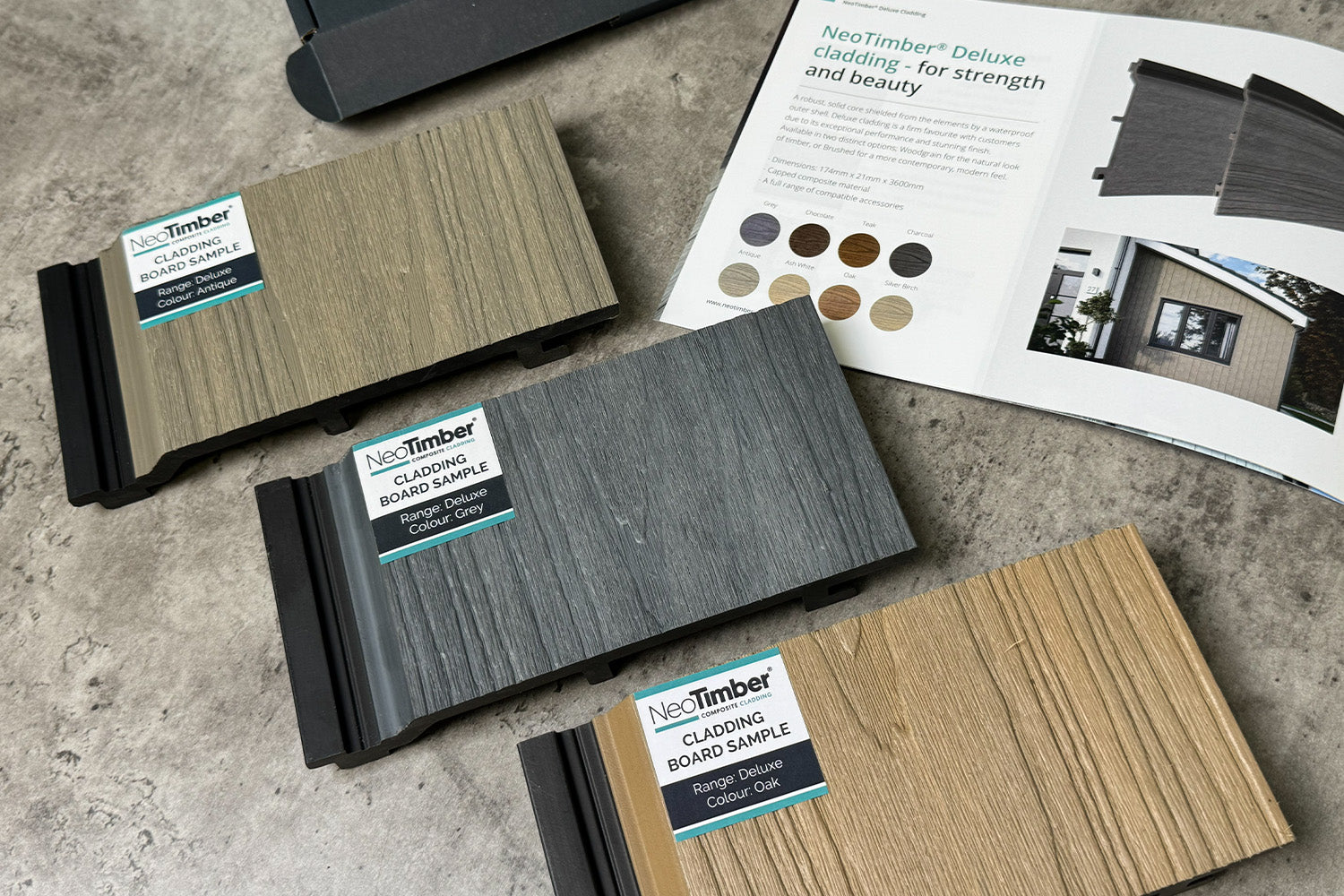
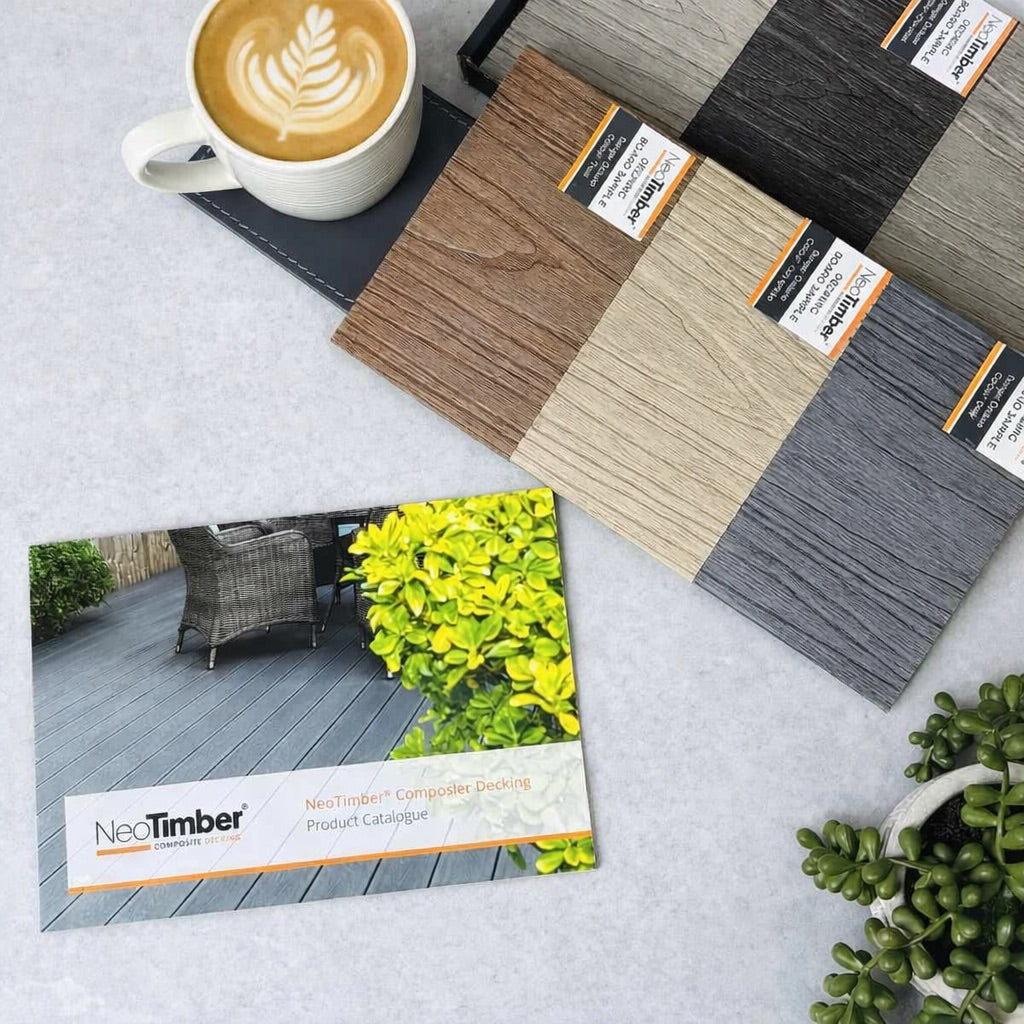
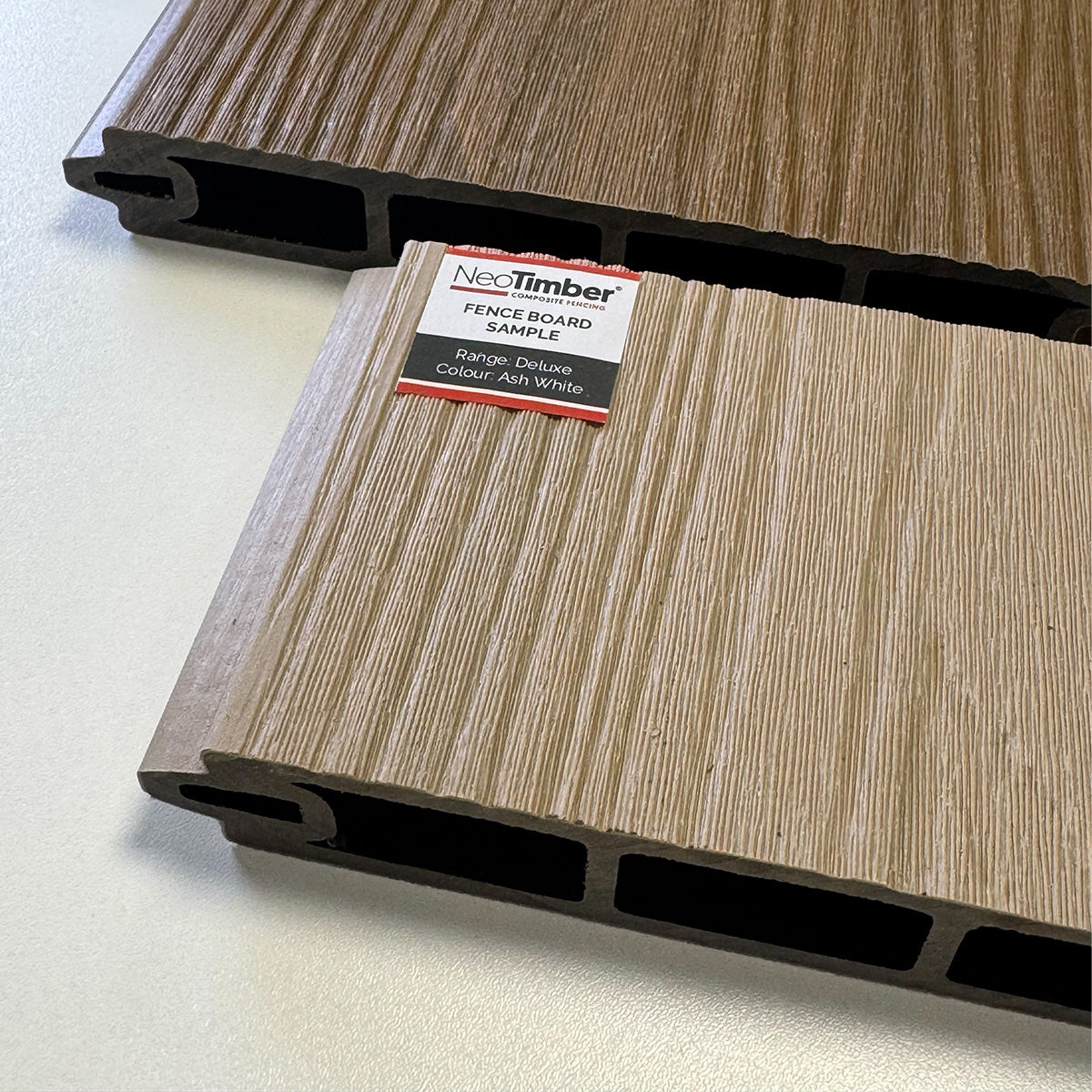
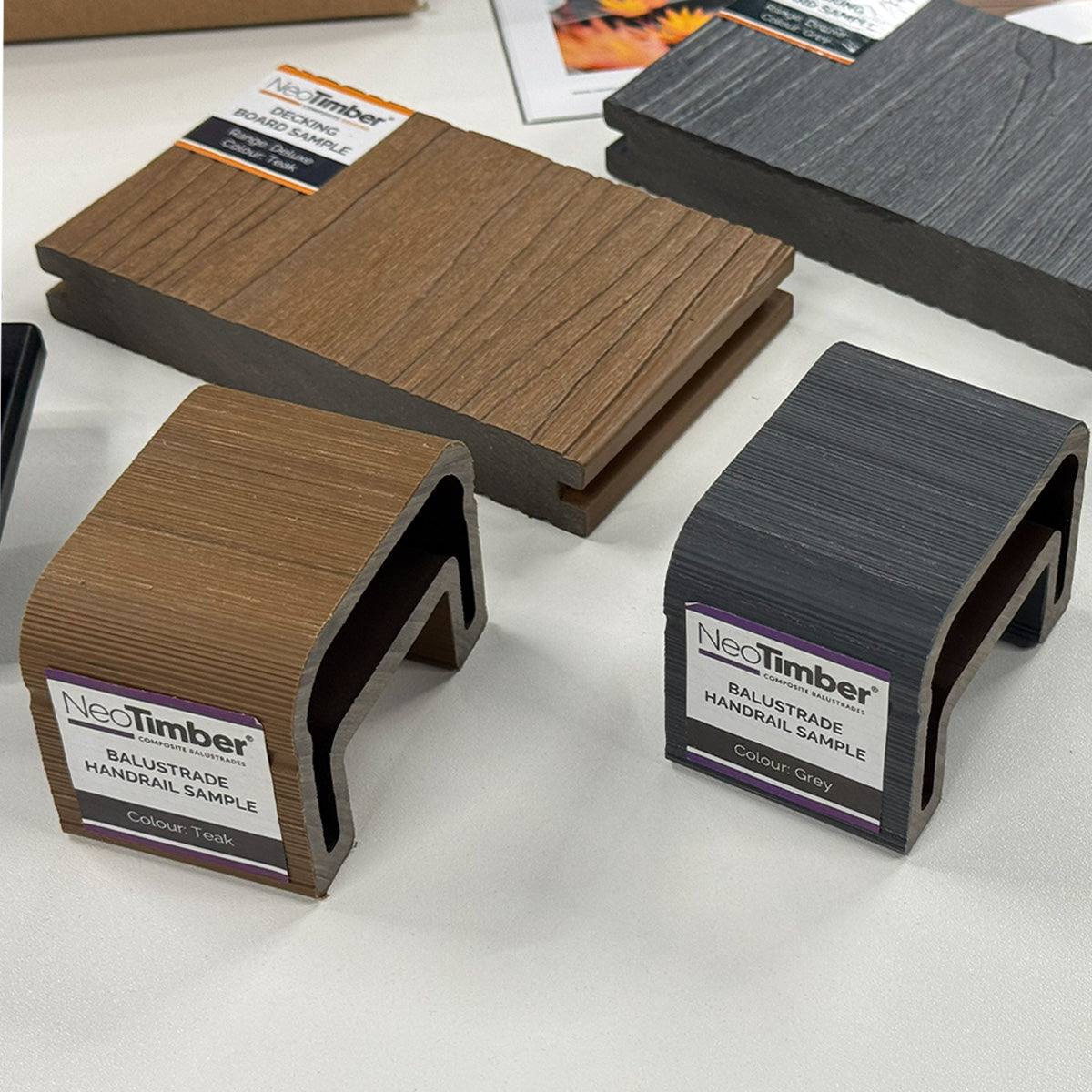
View a physical sample alongside the materials on your property. A dark surface can appear different in direct daylight, shade and artificial light, particularly when its grain or profile creates relief.
Why Black Cladding Works Best With a Clear Design Purpose
A strong exterior usually has a hierarchy: one or two elements lead the composition while others support it. Black cladding can lead that hierarchy, but it can also act as a backdrop. Decide which role you want before choosing how much of the wall to cover.
For a focal point, consider a defined entrance or a projecting section of the building. For a backdrop, think about the planting, furniture or glazing that will sit in front of the dark surface. The same colour can serve either purpose depending on the surrounding elements.
That approach makes the design more specific to the property. Instead of adding dark boards wherever space is available, use them where their lines, texture and contrast support the building’s proportions. A considered boundary often matters more than a larger area of cladding.
Black, Charcoal and Anthracite: Compare the Actual Finish
Dark exterior colour names are useful for shortlisting, but they are not always interchangeable. Black, charcoal and anthracite can describe different tones and appearances. Even two products with the same colour name can differ because of their formulation, surface texture or sheen.
Charcoal Can Offer a Softer Dark Palette
If a pure black reference feels too stark for your property, compare Charcoal samples with the existing materials. You may prefer a more visible tonal distinction between the cladding and dark window frames. Alternatively, a close relationship may suit a restrained scheme.
Judge that relationship at the location where the products will meet. Viewing each sample separately can miss differences that become obvious once they are installed beside one another.
Do Not Assume a Technical Colour Match
A general description such as black cladding does not establish a match to a RAL reference or a particular door finish. If an exact match is required, ask for explicit product information and compare the relevant samples.
Record the supplied range and colour name in the project specification. This helps avoid confusion when ordering trims, discussing a replacement component or seeking care advice later.
Colour Combinations for Black Cladding
Black Cladding With Pale Render
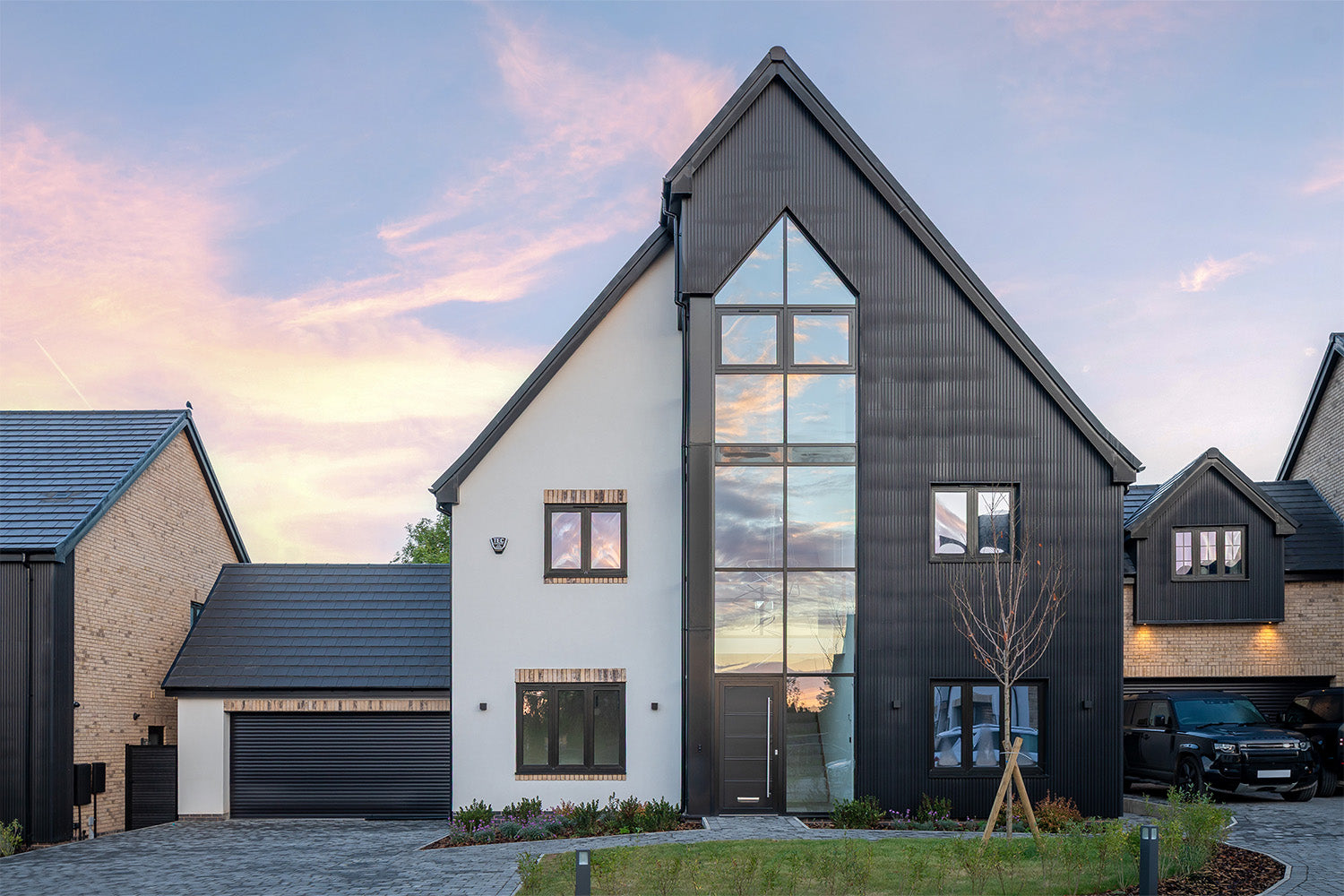
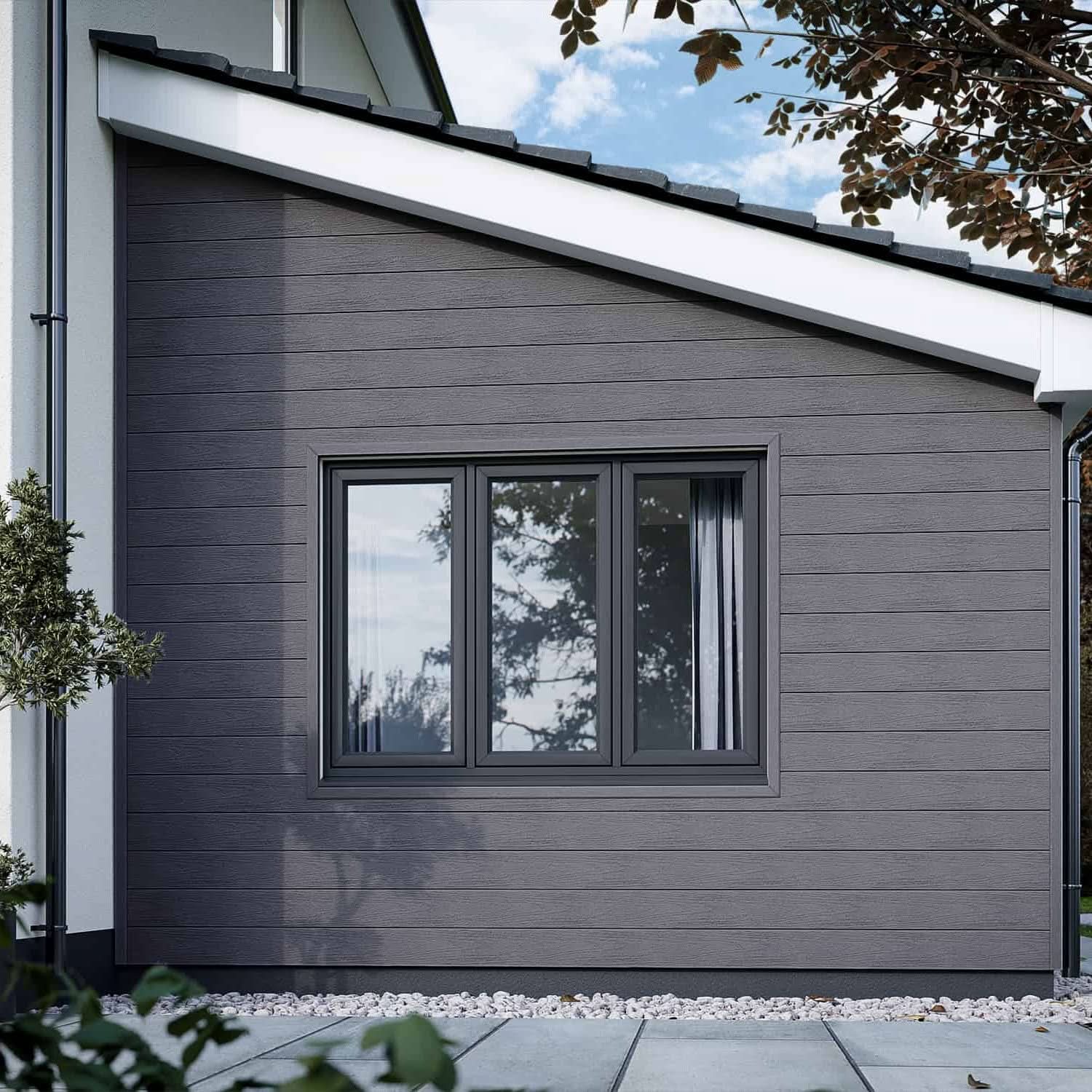
A dark surface beside pale render creates a clear contrast. Consider which material should dominate and how the boundary relates to windows, doors and roof edges. A narrow dark feature can have a different effect from a large dark elevation with a small rendered section.
Choose the render tone alongside the cladding sample. White, cream and pale grey are different decisions, and the contrast may reveal undertones that are less obvious when either material is viewed alone.
Black Cladding With Brickwork
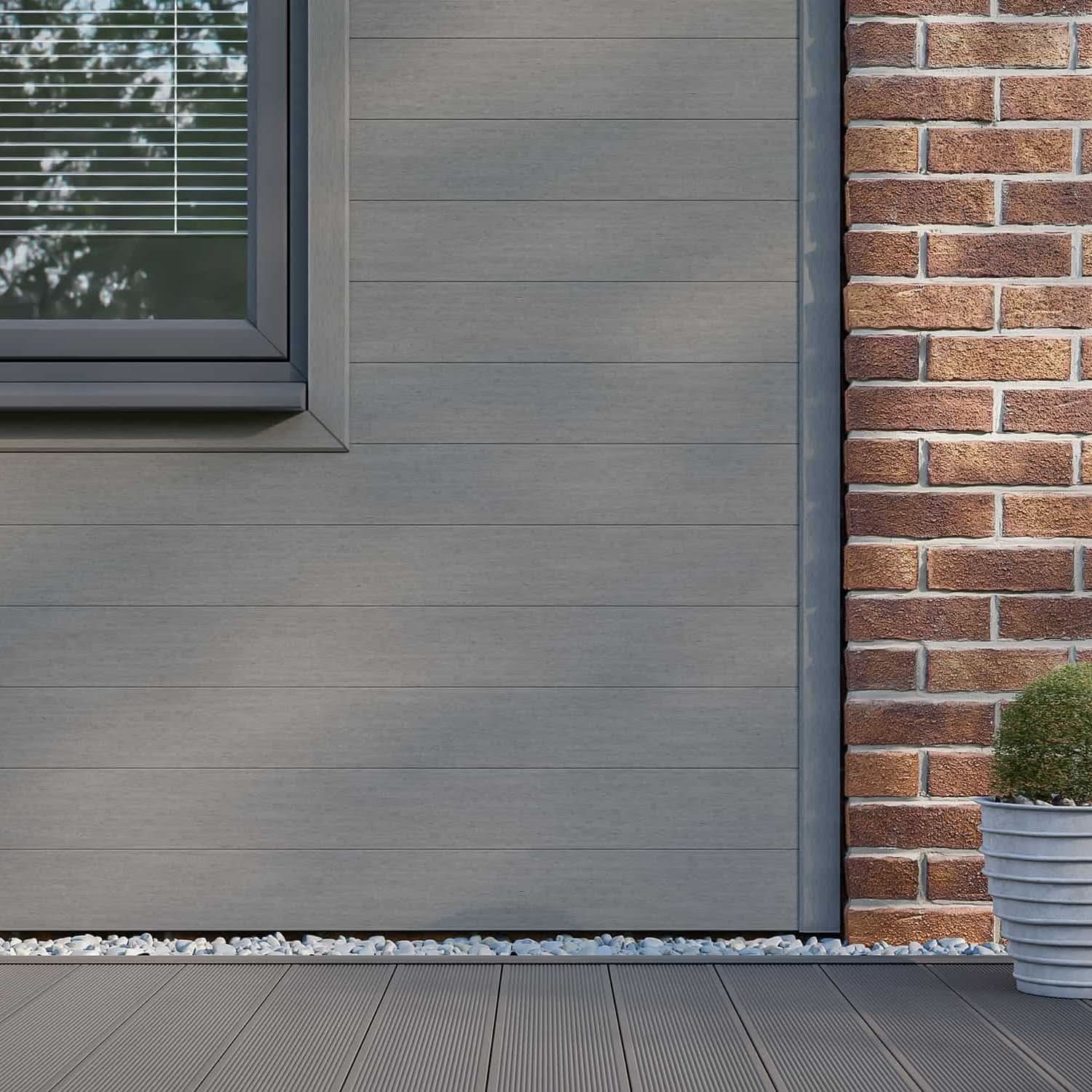
Brick introduces variation in both colour and texture. Compare the dark board against a representative section of the wall, including the mortar, rather than one isolated brick. Red, buff and darker brickwork can each create a different relationship with Charcoal.
If the brick already has a strong pattern or considerable colour variation, a quieter board texture may suit the composition. If the existing wall is more uniform, a pronounced cladding profile can introduce another layer of interest.
Black Cladding With Warm Timber Details
Warm furniture, a timber door or another wood-toned feature can stand out against a dark exterior. Decide where that warmth should be concentrated rather than repeating it everywhere. One clear accent can be easier to read than several unrelated tones.
If comparing composite cladding with timber detailing, assess the care requirements of each separately. A coordinated appearance does not mean the materials share the same cleaning or coating routine.
Black Cladding With Stone and Paving
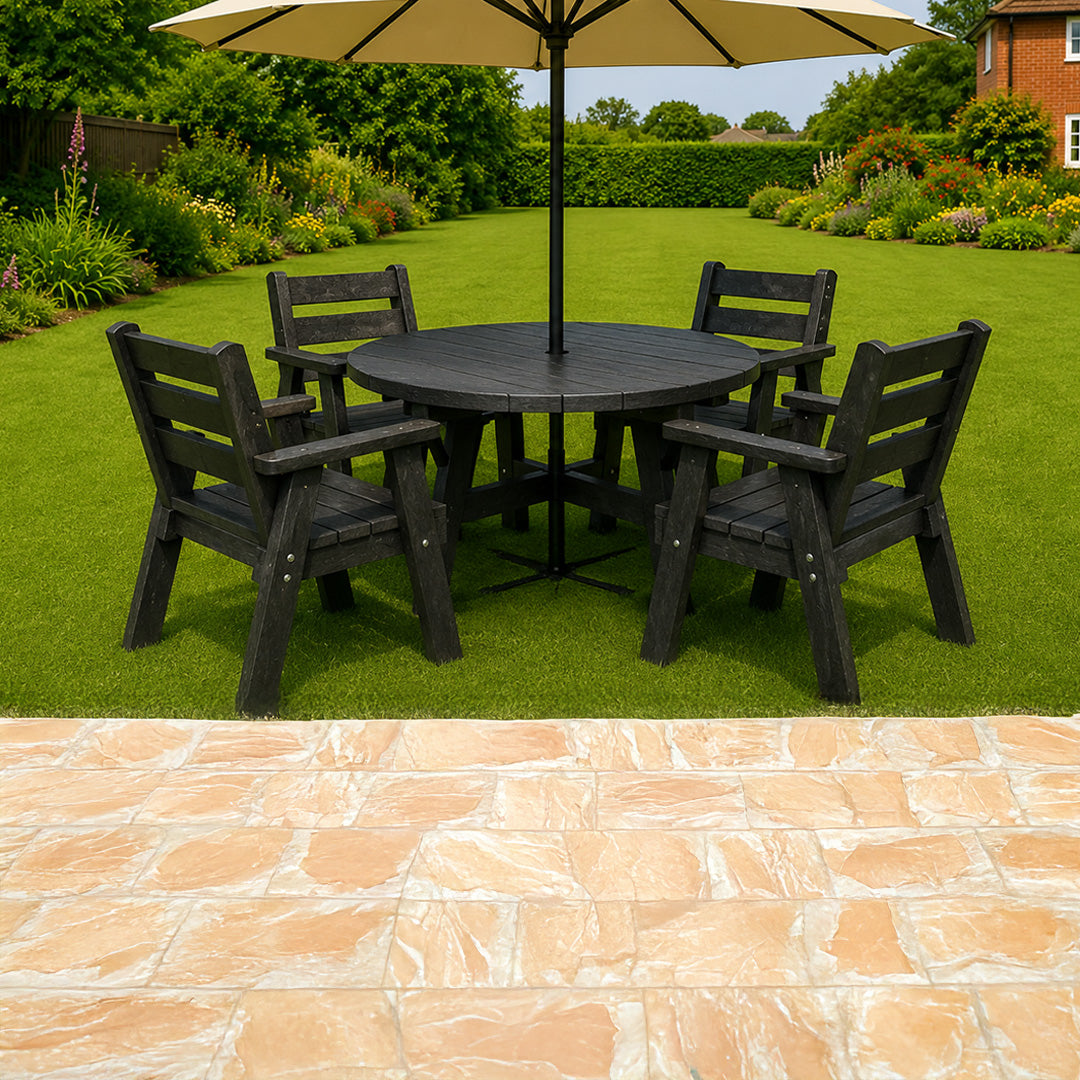
Pale paving can introduce contrast, while darker stone may create a closer tonal scheme. Review those samples together, including grout or joint colours where relevant. Natural stone may vary across the installed area, so consider the range of tones rather than a single piece.
For garden projects, you can also explore contrasting decking colours and Antique decking inspiration. Compare actual samples from different ranges before assuming they will coordinate exactly.

Texture Makes a Dark Exterior More Than a Flat Colour
A dark palette can still contain considerable visual detail. Grain, sanded surfaces and slatted profiles create different patterns of light and shadow. Their effect changes with the angle of view and the amount of wall covered.
Start with close-up samples to judge the surface, then look at completed project photographs to understand repetition. A texture that appears subtle on one board may become a defining feature across a full elevation.
Grain for a Timber-Inspired Appearance
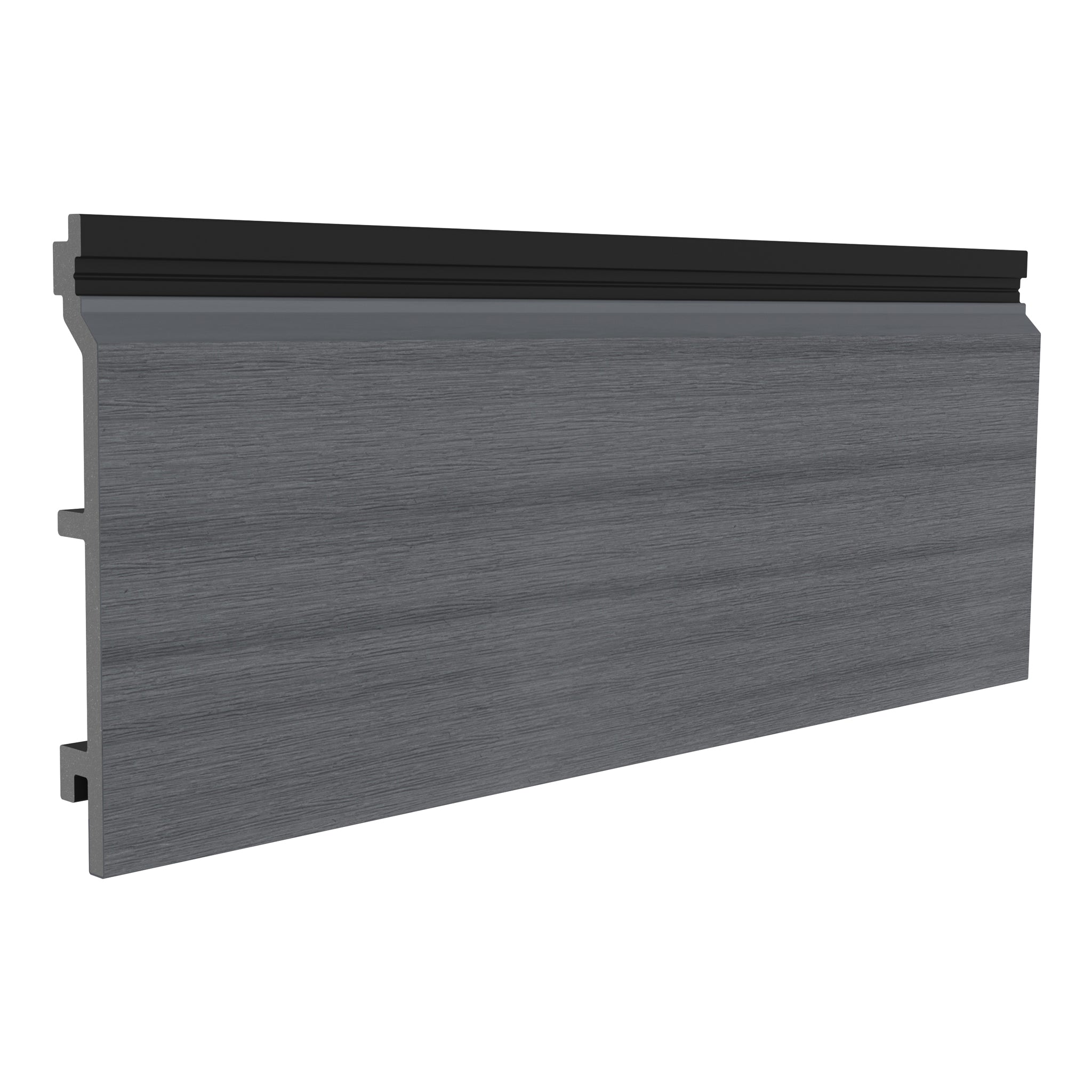
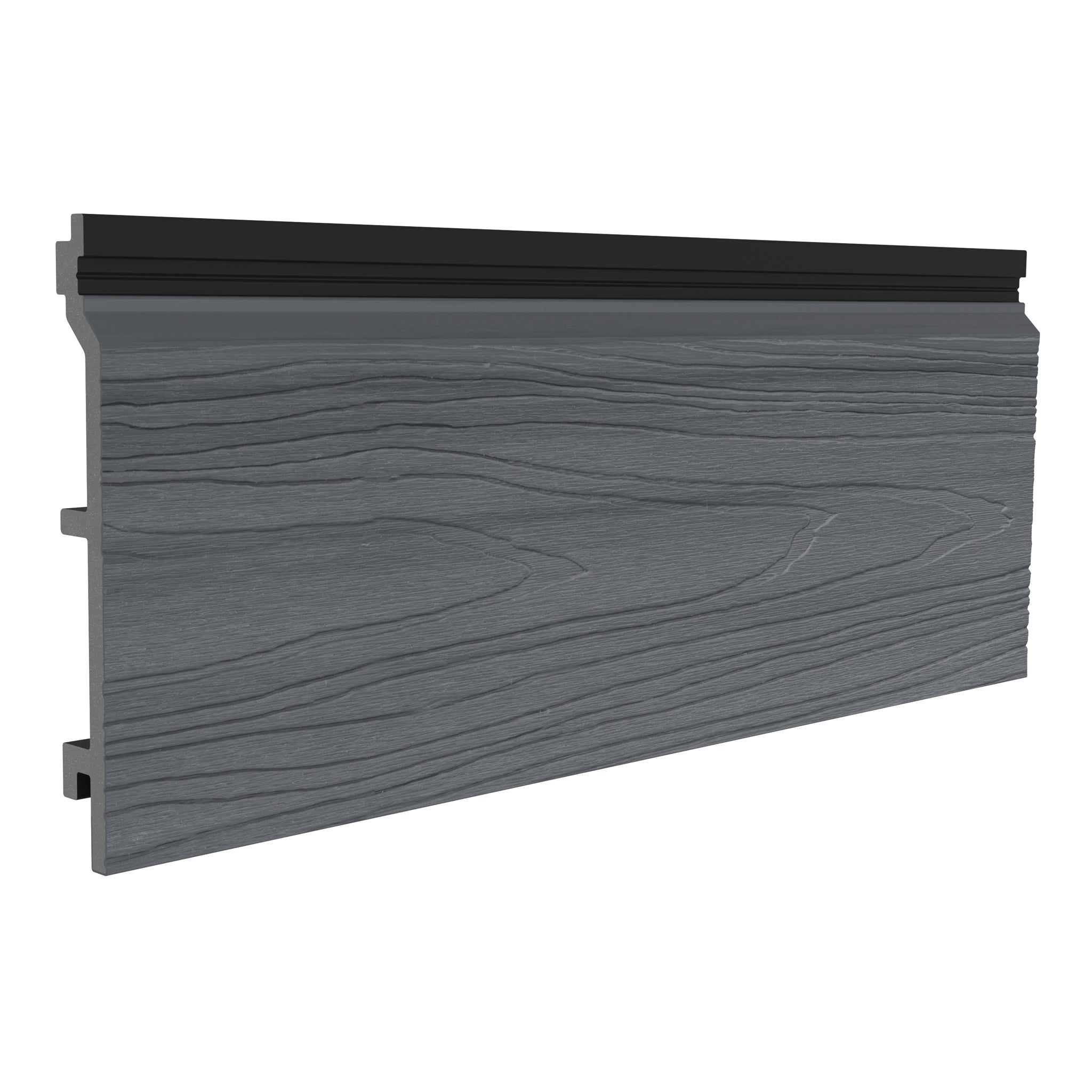
If visible grain is central to the design, compare an embossed woodgrain finish. It can introduce a recognisable timber-inspired character while retaining the chosen dark palette. Manufactured boards will still have a different character from individual timber planks with natural knots and variation.
Slats for a Stronger Linear Rhythm
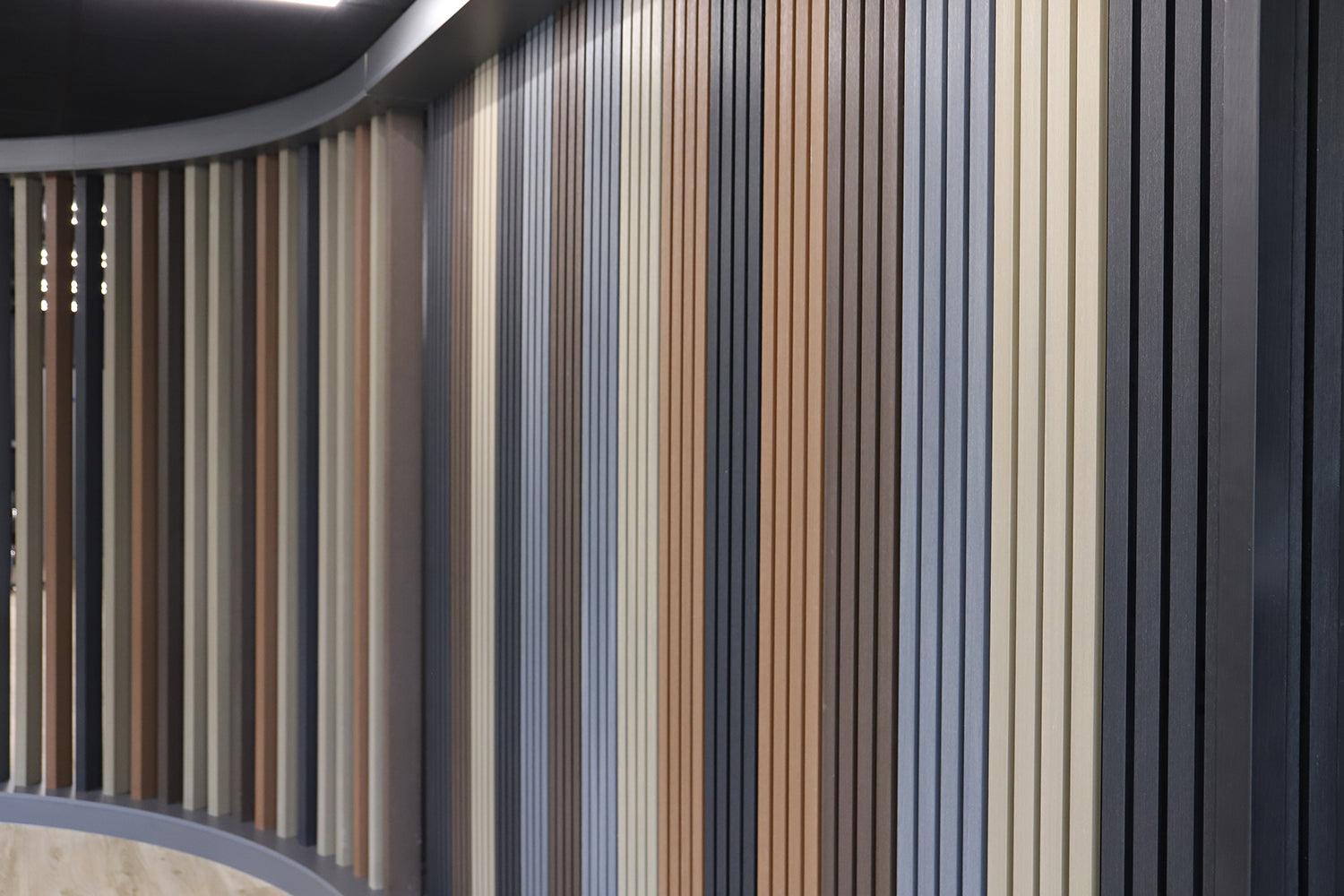
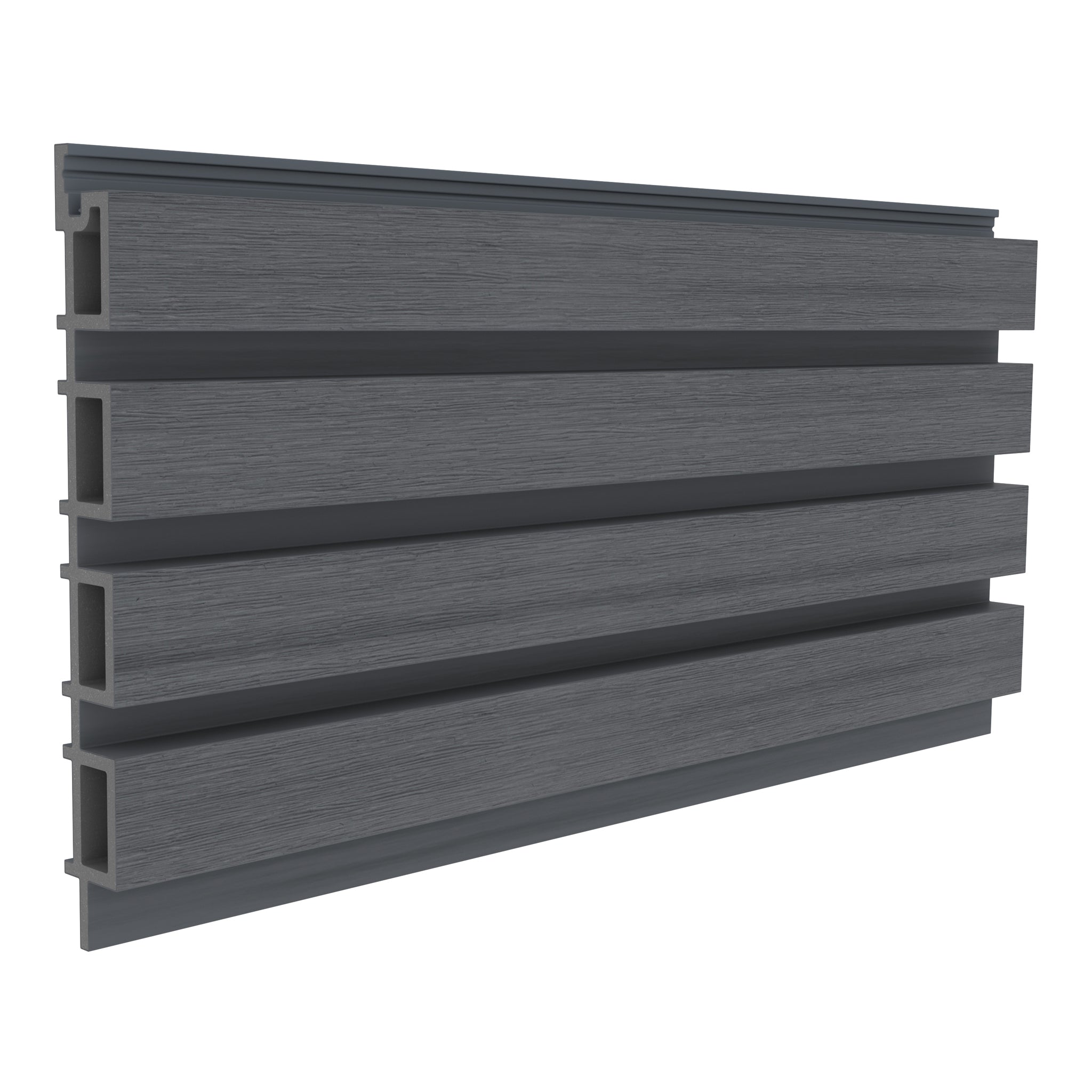
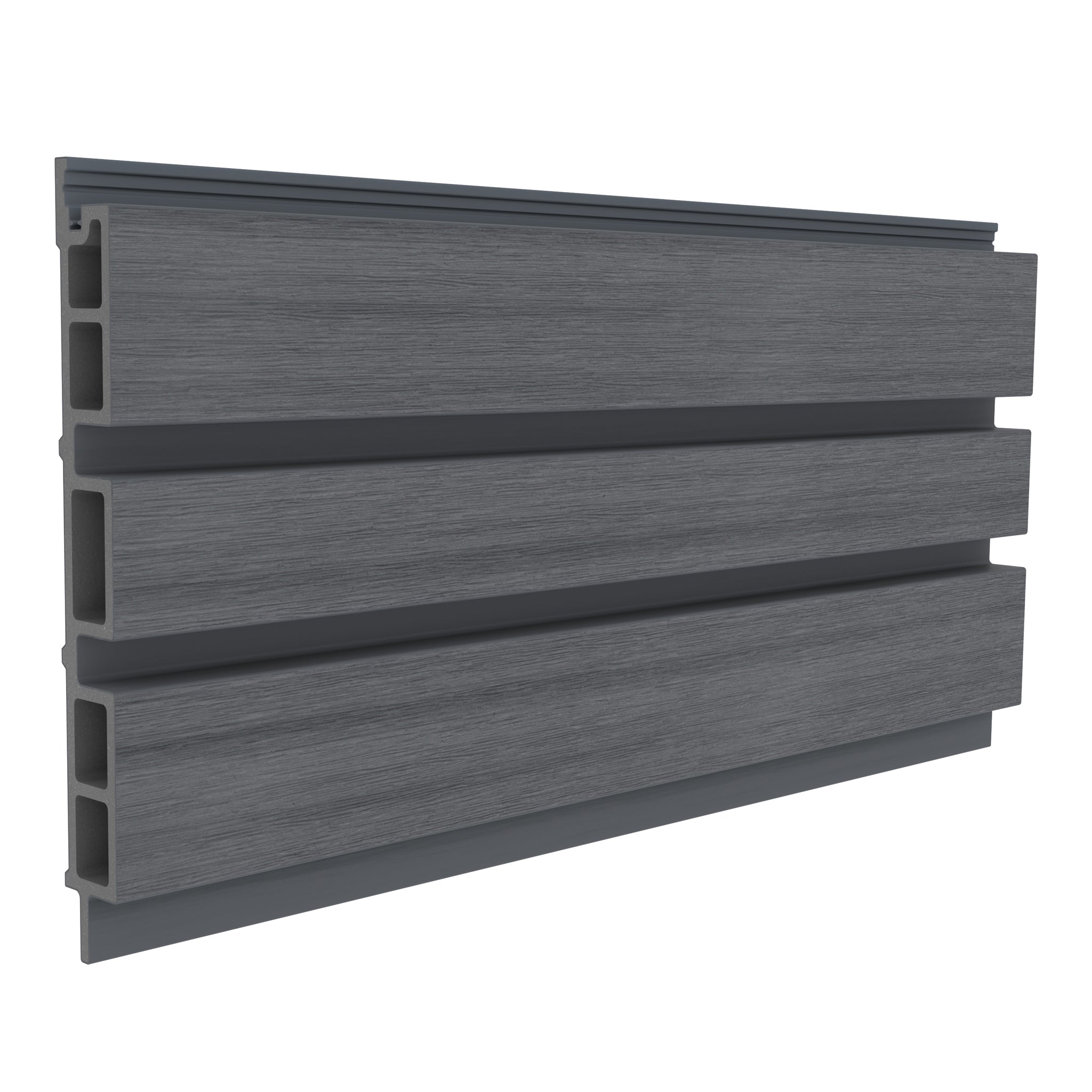
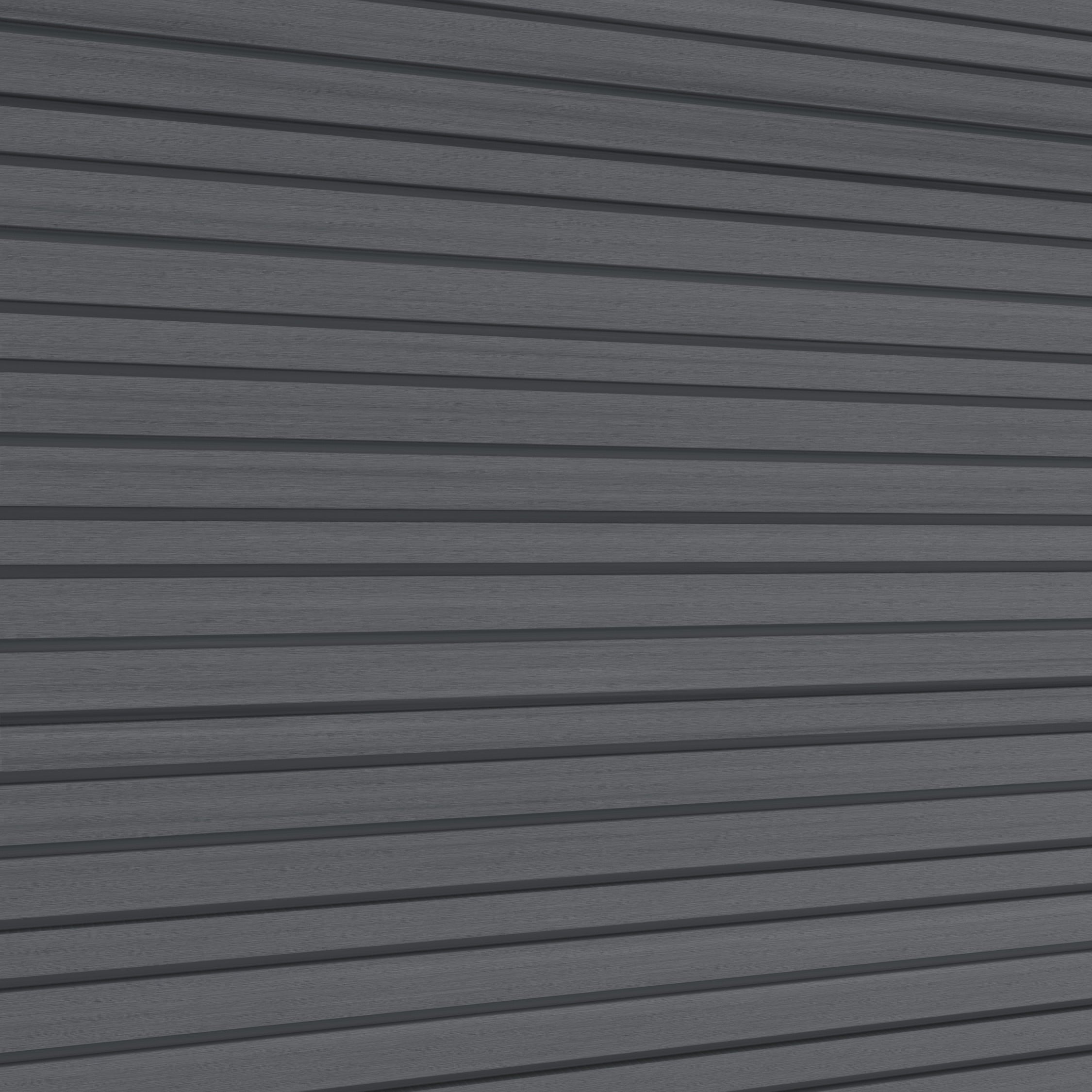
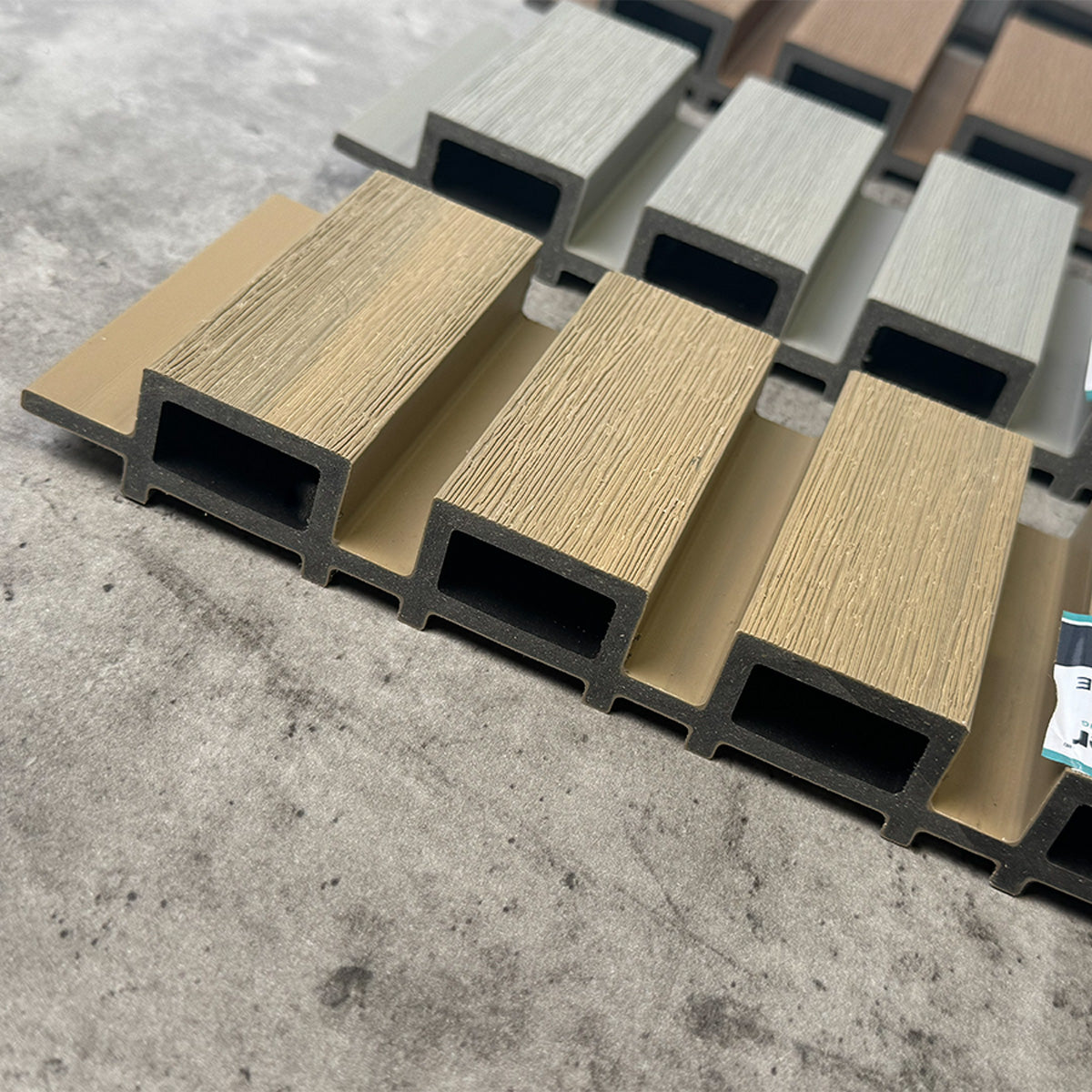
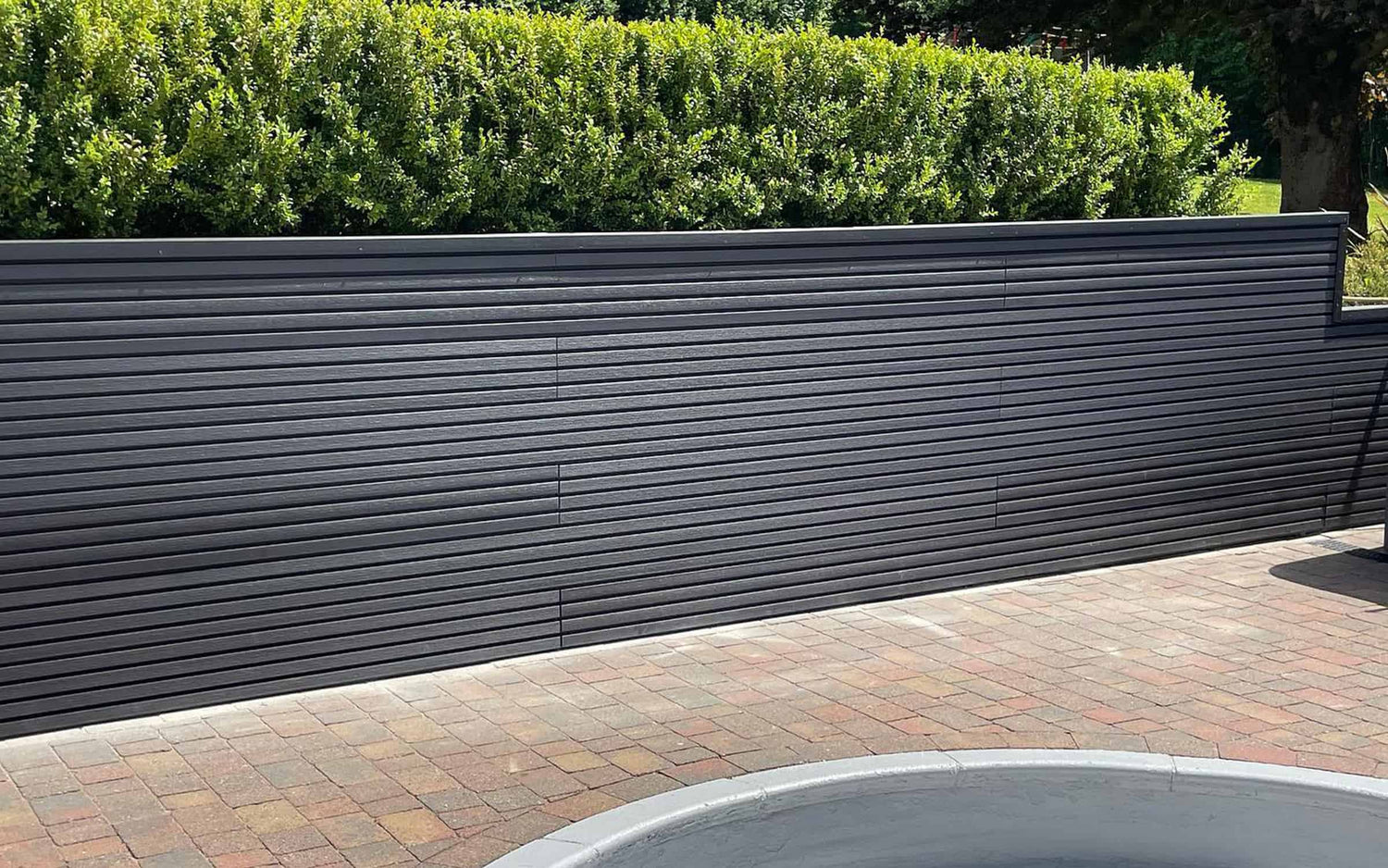
A slatted profile brings repeated relief to the wall. Consider how its lines meet openings and whether that rhythm complements the building’s geometry. Around a small feature, it may feel contained; across a larger area, it can become a principal part of the design.
A Subtle Surface for a Quieter Composition
A restrained texture can be useful beside busy brickwork or where the building already has several prominent features. It allows the dark colour and board layout to contribute without every surface competing for attention.
Compare NeoTimber’s Charcoal Cladding Options
NeoTimber® offers Charcoal within its Classic, Deluxe Woodgrain and Slatted product listings. Compare the current specifications and samples to choose the surface that suits the project. The range name and construction matter alongside the colour.
Classic Charcoal Composite Cladding
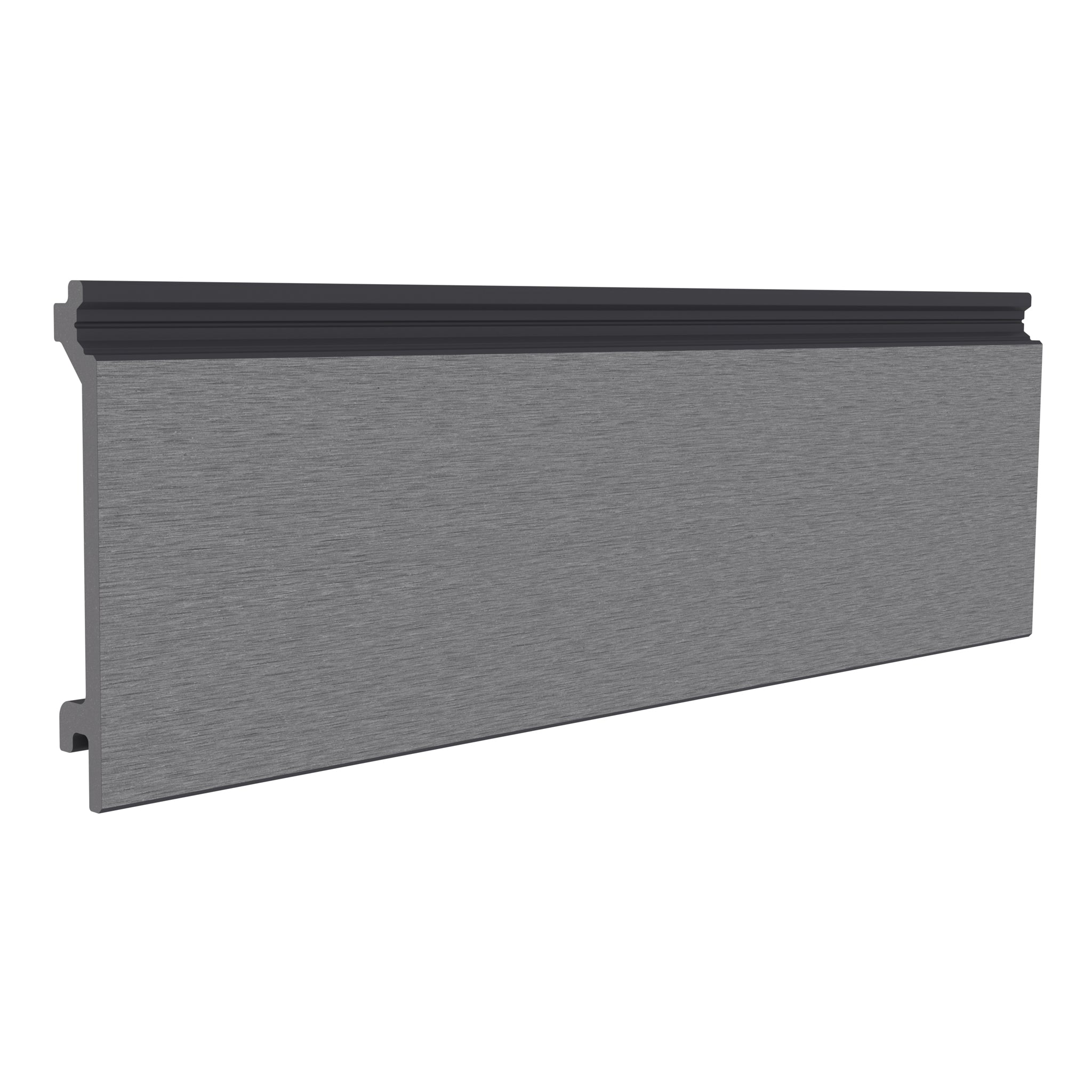
The Classic range uses an uncapped wood-polymer construction with a sanded surface. It offers a restrained texture to consider for a dark exterior. Read its weathering information so the choice includes how the finish may develop outdoors.
Our traditional composite cladding guide provides further context for this type of board construction.
Deluxe Charcoal Woodgrain Cladding
Deluxe Woodgrain cladding has an embossed grain with tonal variation and a capped construction designed to improve fade and stain resistance. It is an option where a defined timber-inspired surface supports the design.
Explore the wood-effect cladding guide when comparing grain finishes. Resistance should not be confused with a guarantee that the outdoor surface will never change or become marked.
Slatted Charcoal Composite Cladding
The Slatted collection offers a batten-inspired appearance. Compare that profile with the broader boarded look of other options and consider how it will repeat over the selected area.
For more information about protective surface construction, read the capped composite cladding guide. Product-specific instructions remain the reference for care and fitting.

How Much Black Cladding Should You Use?
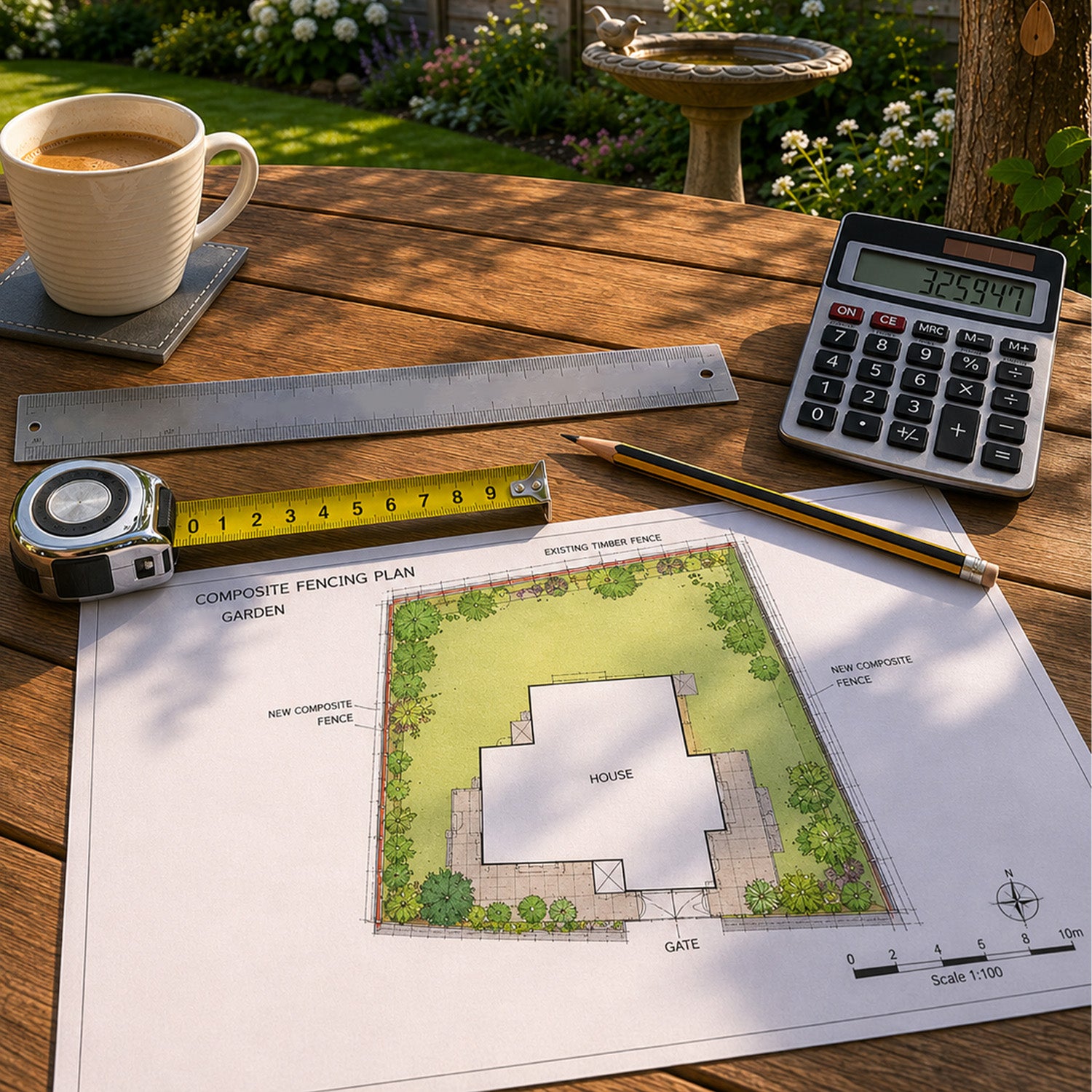
Begin with an elevation sketch rather than a fixed percentage of coverage. Show the windows, doors, roof edges and materials that will remain. Test a smaller feature against a larger clad area to see how each changes the composition.
Define an Entrance or Feature
A dark entrance surround can make a doorway easier to read within the facade. Align its boundaries with the surrounding geometry and plan any lighting or signage at the same time. Narrow areas may create awkward cuts, so check the proposed board profile against the available width.
Clad a Garden-Facing Elevation
A garden-facing wall may be viewed mainly from inside the house or across a seating area. Assess the finish from those positions. A close-up sample shows the texture, but the broader view helps you judge how much visual weight the dark wall will have.
Use a Larger Dark Surface
For a broad elevation, pay particular attention to repetition, joints and corners. A large wall can make small inconsistencies more noticeable. Review the board lengths and cutting layout before ordering so the installation supports the intended pattern.
Our house cladding guide and design ideas guide can help you explore the scope of a project.
Board Direction and the Character of the Wall
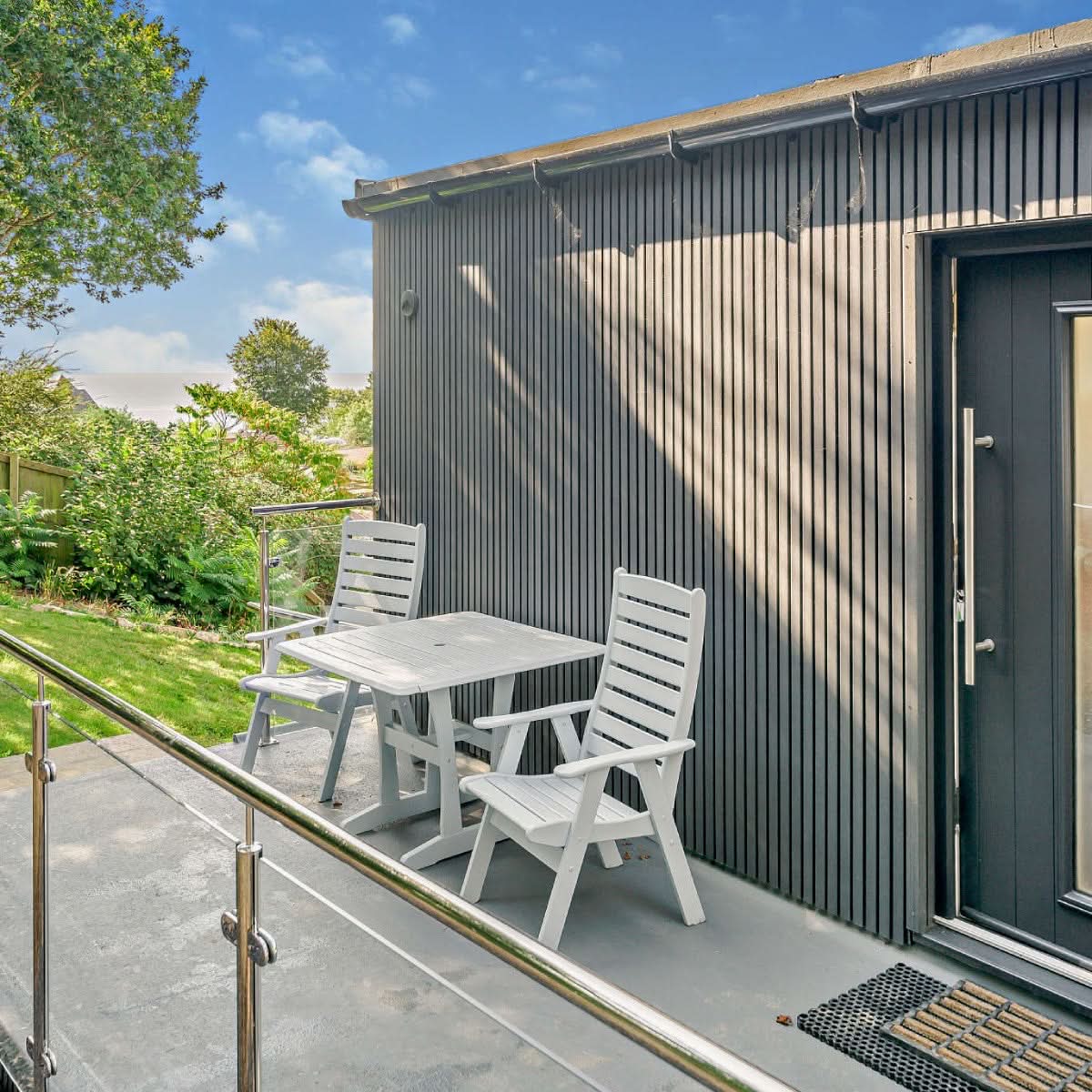
Horizontal lines draw attention across an elevation, while vertical lines direct the eye upwards. The effect depends on the profile, the size of the wall and its openings. Select the orientation as part of the design rather than leaving it to the fitting stage.
Confirm that the chosen product supports the proposed arrangement. A change in board direction can affect the framework and moisture-management details. Use the installation instructions for the selected range rather than simply rotating a generic layout.
Plan board-end joints and edge trims at the same time. Their positions influence both the visual pattern and the support required behind the boards.
Black Cladding in the Garden
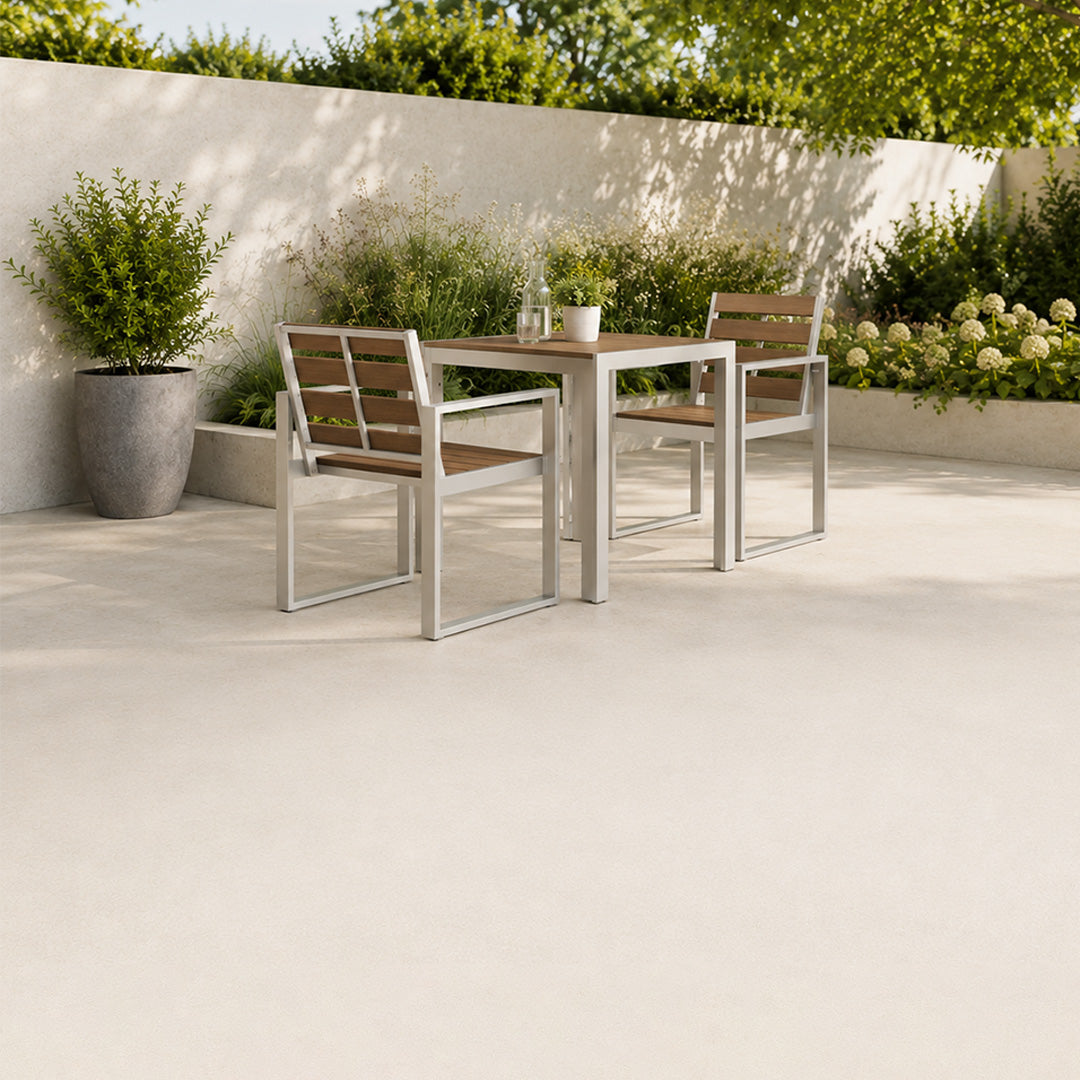
A dark backdrop can help planting, furniture and pale paving become more prominent. Consider what will sit in front of the wall throughout the year, including the areas that remain visible when plants are less full. The garden changes with the seasons, while the building provides a more constant element.
For a garden room, decide whether it should share a material relationship with the main house or have its own identity. One repeated element can connect the buildings without making them identical. View the garden room from the house, then look back towards the house from the garden.
Explore garden room cladding ideas when planning that relationship. Leave practical access for cleaning and preserve the required clearances around the installation.

Daylight and Exterior Lighting
A dark finish can look different across an exposed wall and a sheltered corner. View samples at the intended location and at more than one time of day where practical. Consider the conditions in which you will usually see the building.
Lighting positioned along a textured surface can emphasise its relief, while more even illumination can produce a quieter effect. Plan that relationship before fixing lights, and coordinate wiring and penetrations with the installer.
A sample can help you assess the visual result, but it is not a complete thermal assessment. Where solar exposure is an important project consideration, review the selected product’s installation and movement requirements with the designer or installer. Colour alone does not establish the performance of the complete wall.
Black Cladding, Weathering and Long-Term Care
An exterior finish should be chosen with its expected outdoor behaviour in mind. Capped composite is designed to improve resistance, but no colour description establishes immunity to dirt or guarantees an unchanged appearance. Read the specific range’s weathering information.
NeoTimber® composite cladding does not require routine painting or staining to maintain its intended finish. Cleaning remains necessary, and a dark wall should not be assumed to hide every mark. Dust, deposits or other marks can still be visible depending on the surface and light.
Follow the maintenance guide before choosing cleaners or using pressure-washing equipment. Cleaning frequency depends on the setting and exposure. Keep drainage and ventilation paths clear and investigate loose components or damage when noticed.
Retain the range, colour, installation details and care information with the project records. Review the warranty terms for coverage, conditions and exclusions rather than treating a warranty period as a forecast of unchanged appearance.
Installation Quality Supports the Design
The colour and profile are the visible choices, but the supporting construction determines whether those choices are properly delivered. Assess the existing wall, establish suitable supports and resolve joints around openings before fitting the boards.
Composite boards can expand and contract with temperature changes. Their movement allowances, fixings and framework must follow the current installation guidance. The visible covering does not replace appropriate drainage, ventilation and weatherproofing details.
Ask your installer or designer to confirm suitability and applicable building requirements, including fire performance. A striking dark finish does not establish that a product can be used on every building or in every location.
Budget for the Complete Exterior
Compare the full project cost rather than the board price alone. Supports, fixings, trims, access, labour and cutting waste all contribute. A small area with several openings can require more finishing work than its size suggests.
Resolve the chosen range, colour and board layout before seeking a final quotation. Ask proposals to identify the same scope so you can compare them fairly. If existing defects need repair, include that work rather than treating the cladding as a way to conceal the problem.
For material comparisons, consider appearance and care alongside initial cost. Natural timber offers individual variation and different possibilities for refinishing. Composite offers a manufactured finish with reduced routine treatment requirements. Our composite cladding vs wood guide explores that choice.
Explore the Black Cladding Project Video
The video supplied with this article offers another way to explore a dark cladding project. Use it as visual inspiration: look at the amount of wall covered, the board profile and the surrounding materials, then assess how those choices might translate to your own space.
Watch the black cladding project video on YouTube, or explore the cladding gallery for further exterior ideas.
A Practical Brief for Your Black Cladding Project
- Define the purpose: decide whether the dark surface should be a feature, a backdrop or the main exterior finish.
- Compare samples: assess Charcoal alongside the actual brickwork, frames and other retained materials.
- Choose the texture: compare a restrained surface, pronounced grain and slatted profile.
- Sketch the elevation: show boundaries, joints, openings and trims.
- Plan practical details: include lighting, services, cleaning access and the existing wall condition.
- Confirm the specification: agree products, supports, fixings, suitability and care information before ordering.
This brief gives the installer a clear design intention and makes quotations easier to compare. It also helps prevent colour selection from becoming disconnected from the construction needed to support it.
Black Cladding FAQs
Is Charcoal Cladding the Same as Black Cladding?
Charcoal is the colour name used for relevant NeoTimber® composite products. Black cladding describes a broader dark design direction. Compare a sample rather than assuming Charcoal is pure black or matches another finish exactly.
Does Black Cladding Work With White Render?
A dark finish can create a clear contrast with pale render. Compare samples and decide which surface should dominate, then resolve the junction and proportions as part of the whole elevation.
Will Black Cladding Match Anthracite Windows?
A match should not be assumed. Frame sheen and colour can differ from the board. Compare them directly and consider whether a deliberate contrast would work better than a near match.
Can Black Cladding Be Used on a Garden Room?
It can be considered as part of a suitable garden room design. Confirm the selected product’s application, supporting construction and relevant requirements with the installer or designer.
Does Black Composite Cladding Need Painting?
NeoTimber® composite cladding does not need routine painting or staining. Maintain the supplied finish using the recommended care instructions.
Can Dark Composite Cladding Fade?
Colour behaviour varies with the product and exposure. Capped construction improves fade resistance, but does not guarantee that an outdoor finish remains completely unchanged.
Is Black Cladding Always the Best Choice for a Modern Home?
No single colour suits every property. Compare the dark palette with the building’s proportions, existing materials and setting. Choose it because it supports the design you want.
Find Your Preferred Dark Exterior Finish
A successful black cladding scheme combines a clear purpose with suitable products and considered details. Start with your property’s character, compare physical samples and plan the layout before ordering.
Order free NeoTimber® cladding samples to assess Charcoal finishes at home, or browse the composite cladding collection to explore boards and accessories for your project. For further colour context, visit the cladding colour guide and black composite cladding guide.