Find a Timber-Effect Exterior With Reduced Decorative Upkeep
Plastic wood cladding is often used to describe wood-plastic composite boards: a manufactured material combining wood fibres and plastic polymers. It offers a timber-inspired exterior finish with a different construction and care routine from solid timber.
Whether you search for plastic composite cladding, plastic timber cladding or plastic wood effect cladding, start by checking the actual product behind the name. These broad descriptions do not establish one material specification or performance level.
Here, we explain NeoTimber’s cladding options and how to choose a finish that suits the appearance, installation and care requirements of your project.
Plastic Composite Cladding Is Not Necessarily All-Plastic
Wood-polymer composite contains both wood fibres and a polymer, along with other ingredients used in the product formulation. It differs from solid timber and from all-plastic products such as some uPVC cladding systems.
Do not assume products are equivalent because their names sound similar. Compare the exact board construction, dimensions, effective coverage and intended application before deciding.
NeoTimber’s composite cladding collection includes uncapped and capped ranges with several textures and profiles. The choice should reflect the whole specification, rather than the word “plastic” alone.
Why Choose Plastic Timber Cladding?
A Wood-Inspired Finish
Composite provides a timber-effect appearance through colour, surface treatment and profile. It can introduce warm tones, a neutral backdrop or a defined feature area without relying on a painted finish.
Less Routine Painting and Staining
NeoTimber® boards provide their chosen finish without routine decorative coating. That can reduce repeated preparation and treatment work, especially on elevations where access is more involved.
Cleaning and inspection remain part of ownership. Low maintenance should not be confused with a surface that never needs care.
A Choice of Profiles
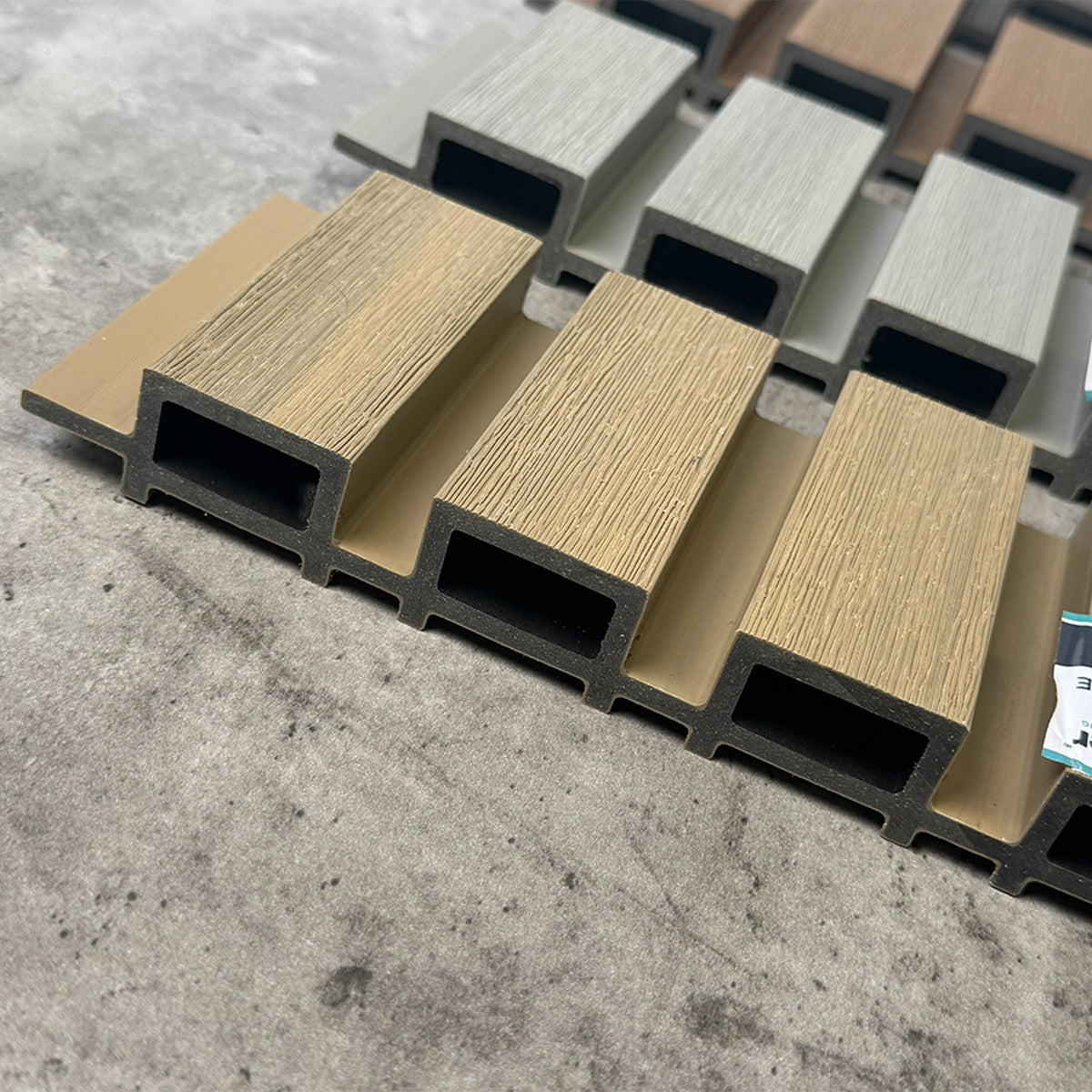
A subtle sanded board, embossed woodgrain and a slatted pattern create different effects. Compare samples and larger project photographs to assess how the texture works across a wall.

Classic, Deluxe and Slatted Plastic Wood Cladding
Classic: An Understated Uncapped Surface
The Classic range offers traditional uncapped composite construction and a sanded finish. Its appearance can mellow with outdoor exposure, so review the weathering guidance alongside the initial sample.
Deluxe: Brushed and Woodgrain Options
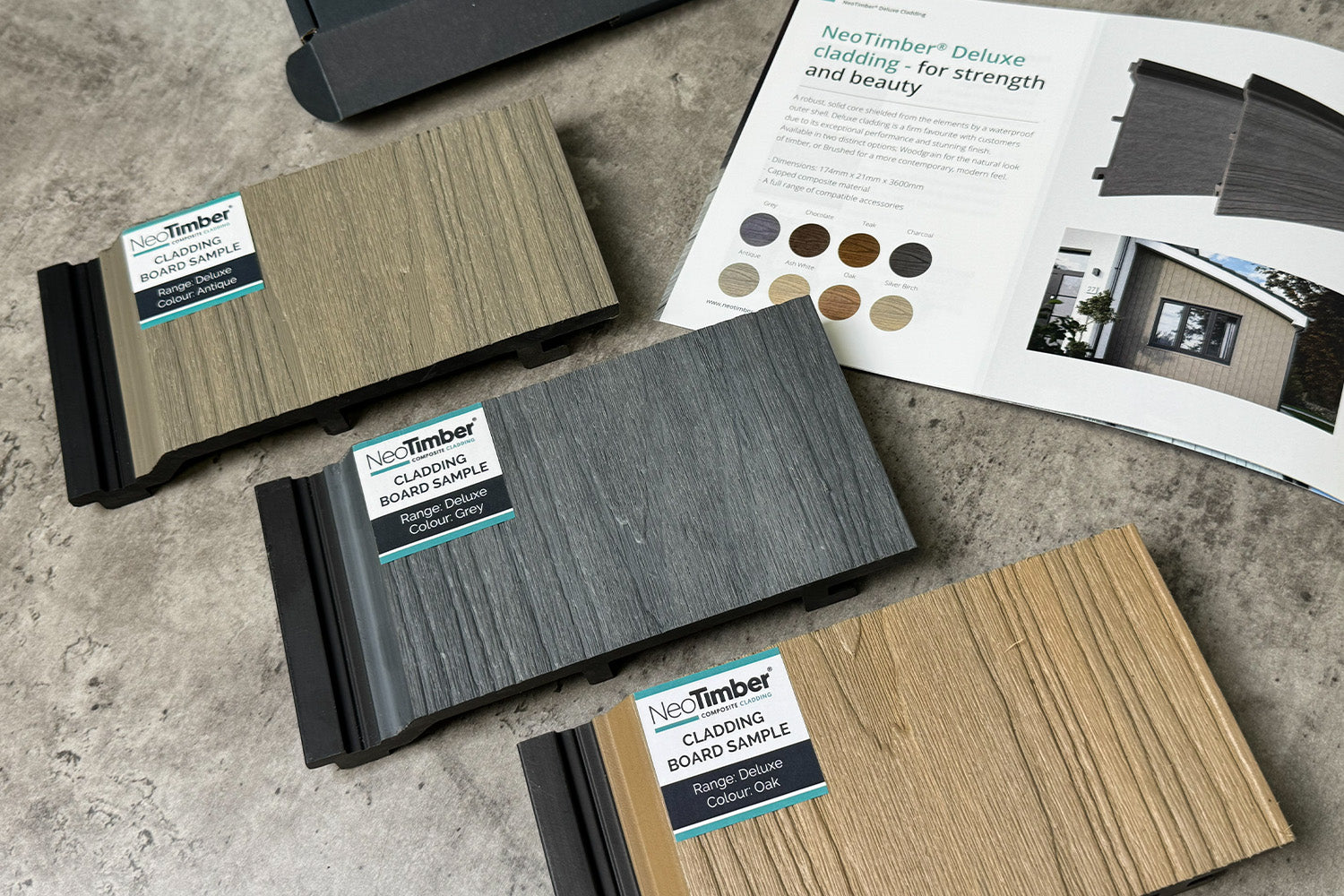
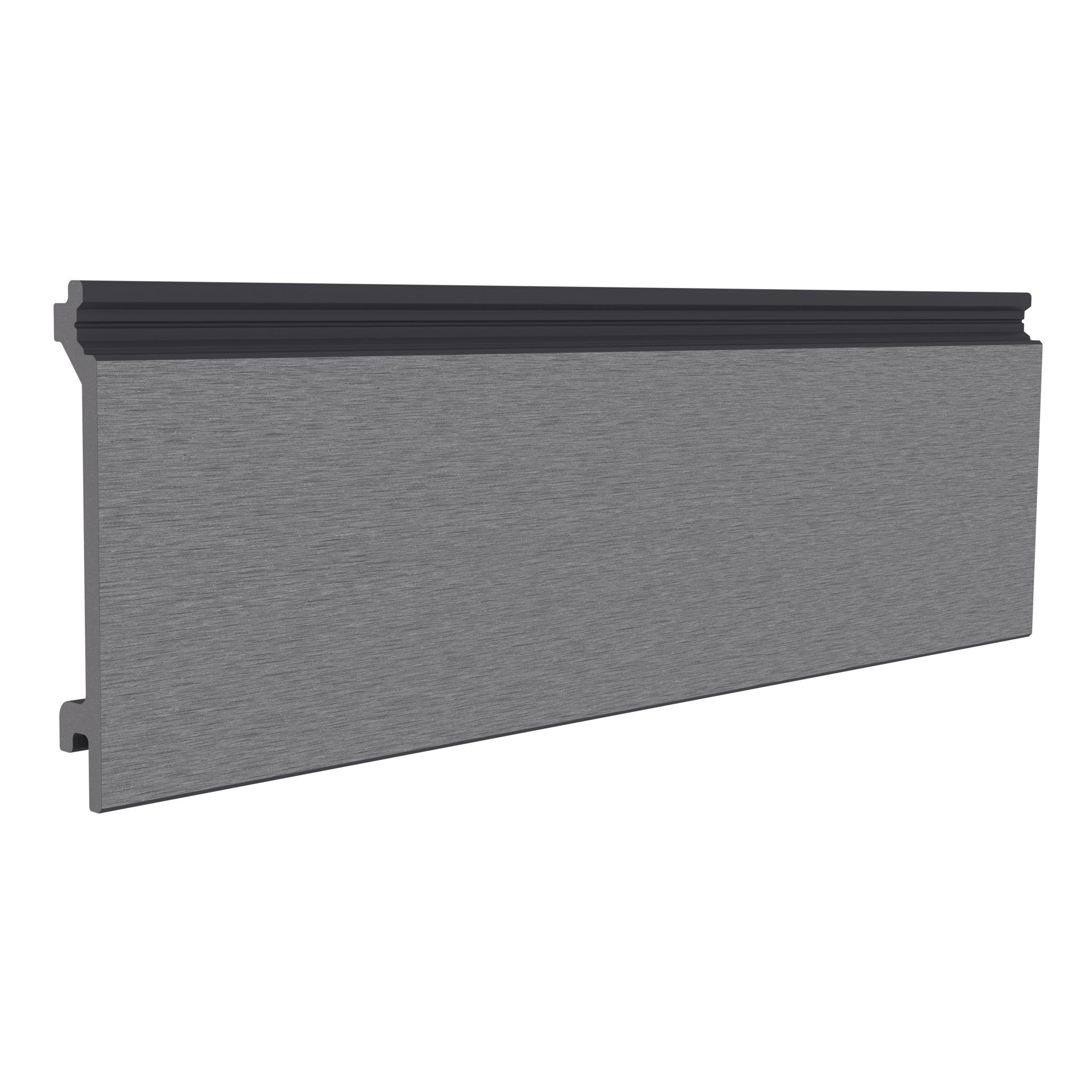
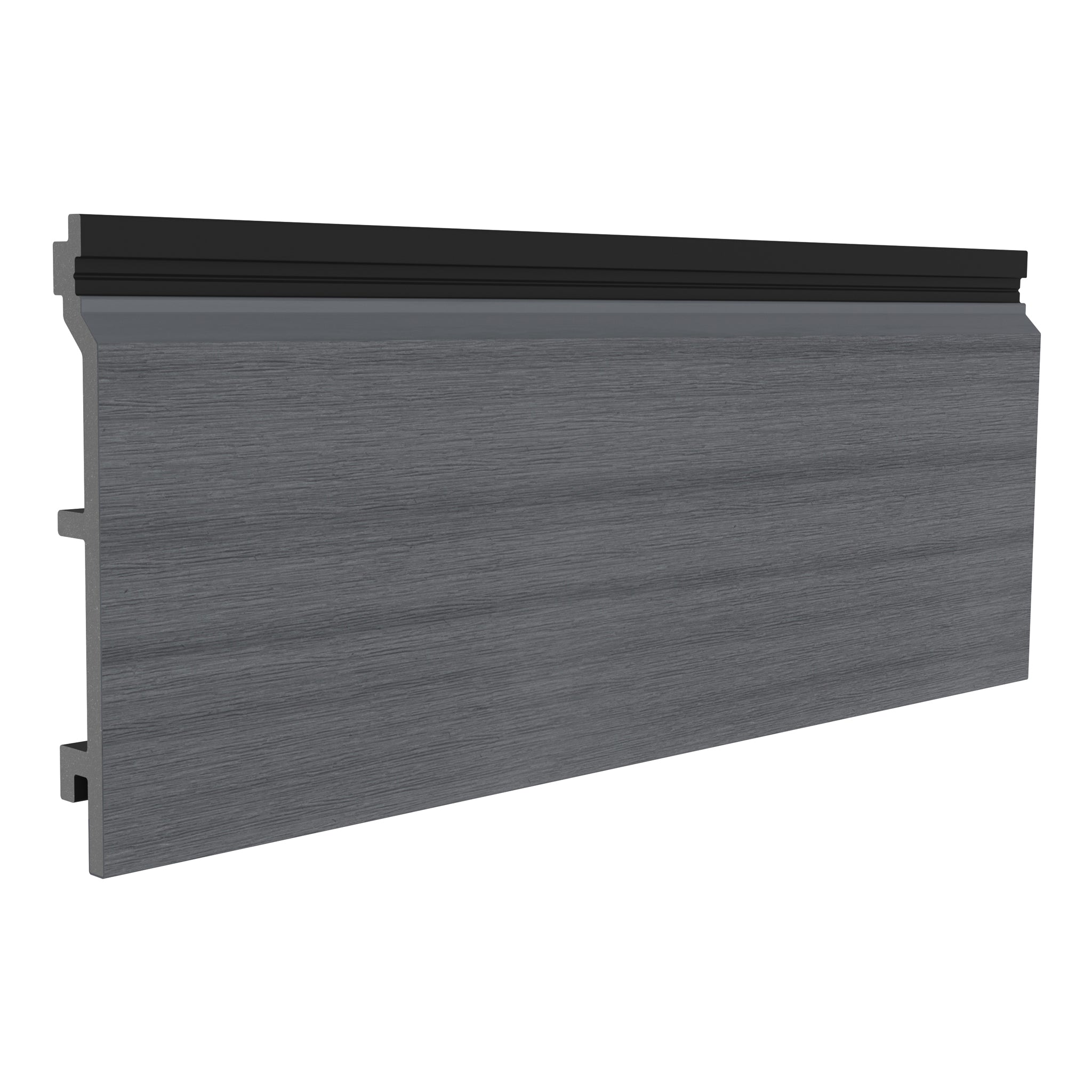
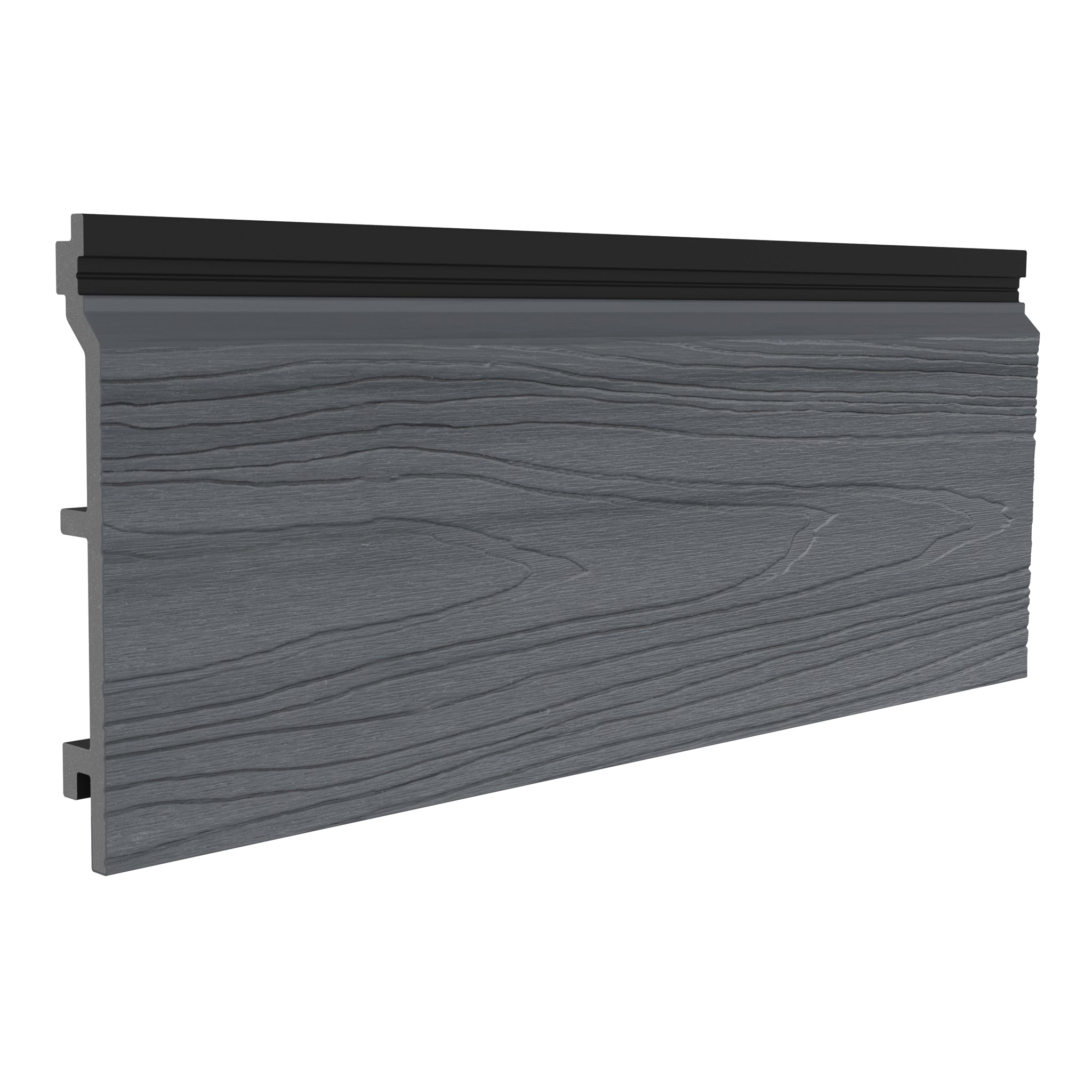
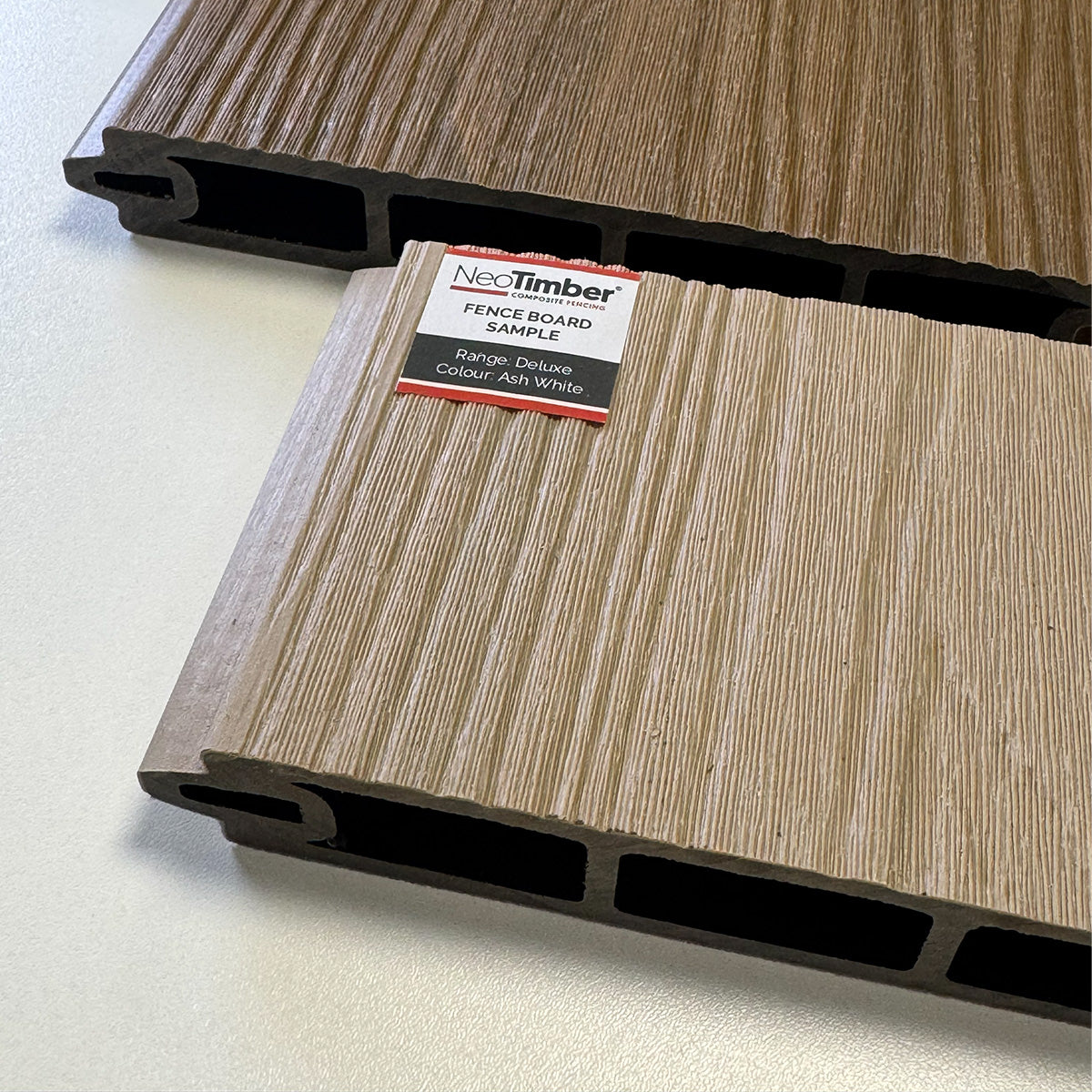
Deluxe boards have a protective capped surface, with brushed and woodgrain finishes available. The cap improves resistance to fading and staining, rather than guaranteeing that the appearance never changes.
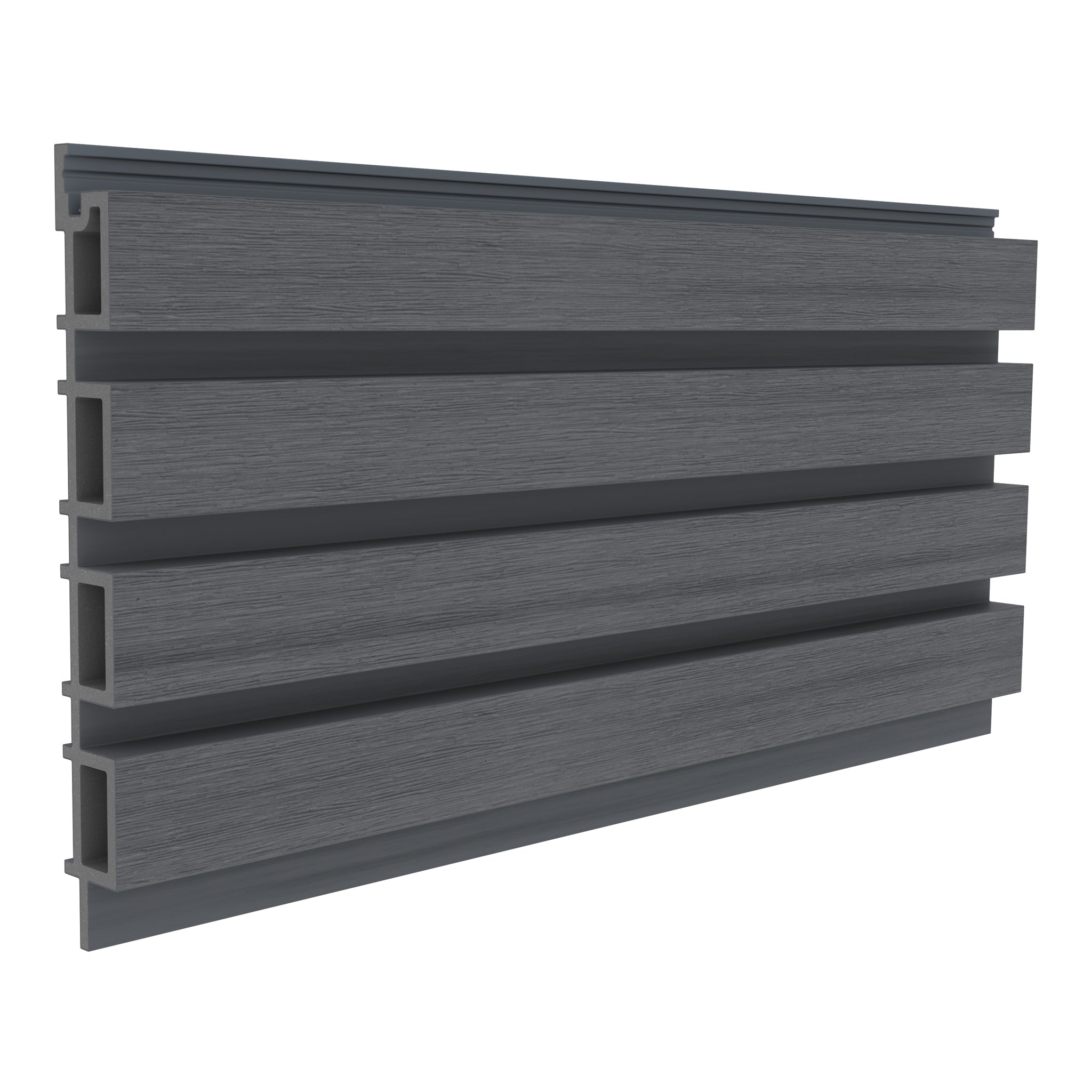
Slatted: A More Defined Pattern
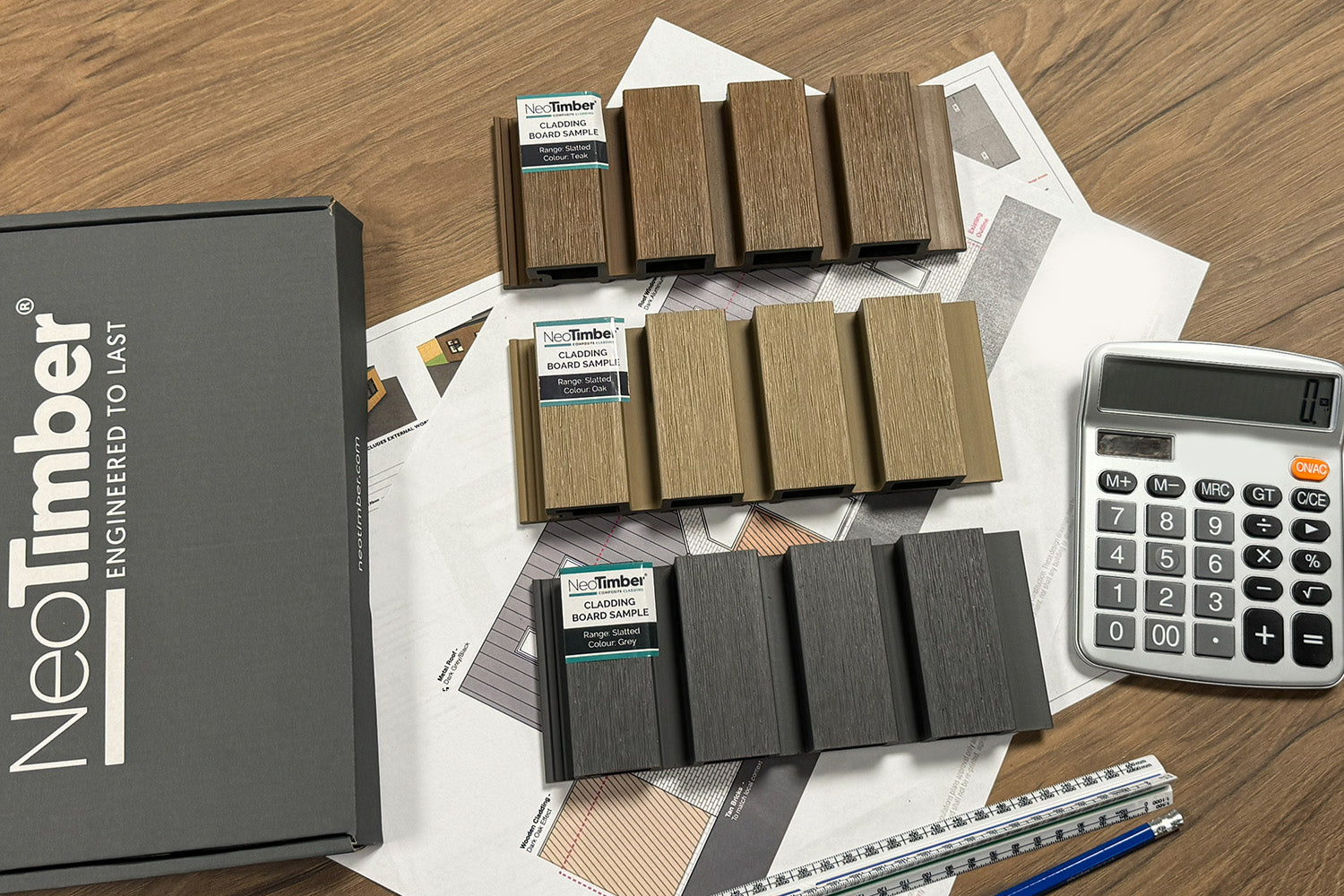
The Slatted collection creates repeated raised and recessed details. Compare the individual profiles and dimensions to find a pattern suited to the scale of the façade.
Read the capped composite guide and wood-effect texture guide for further information.
Colour Ideas for Plastic Wood Effect Cladding
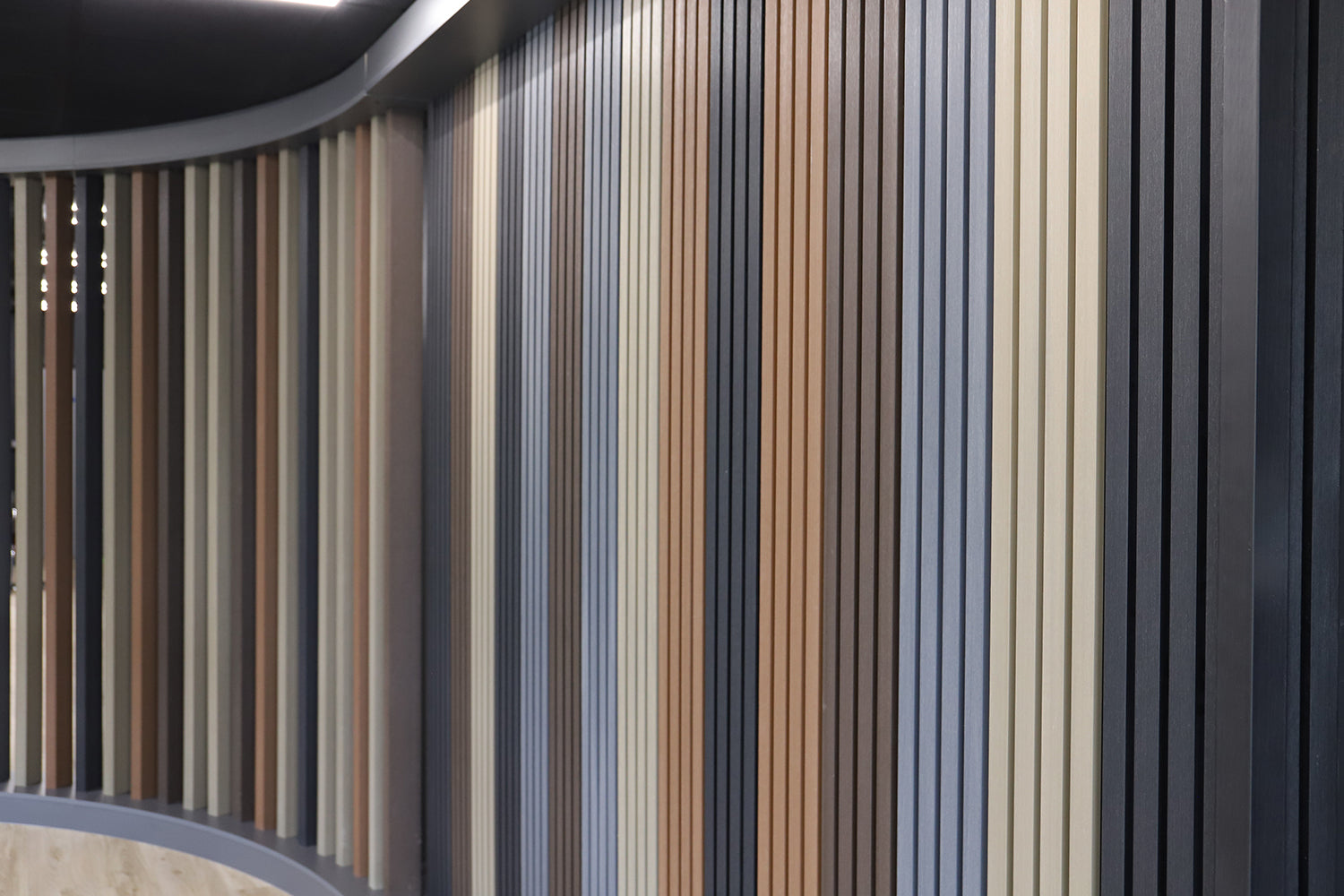
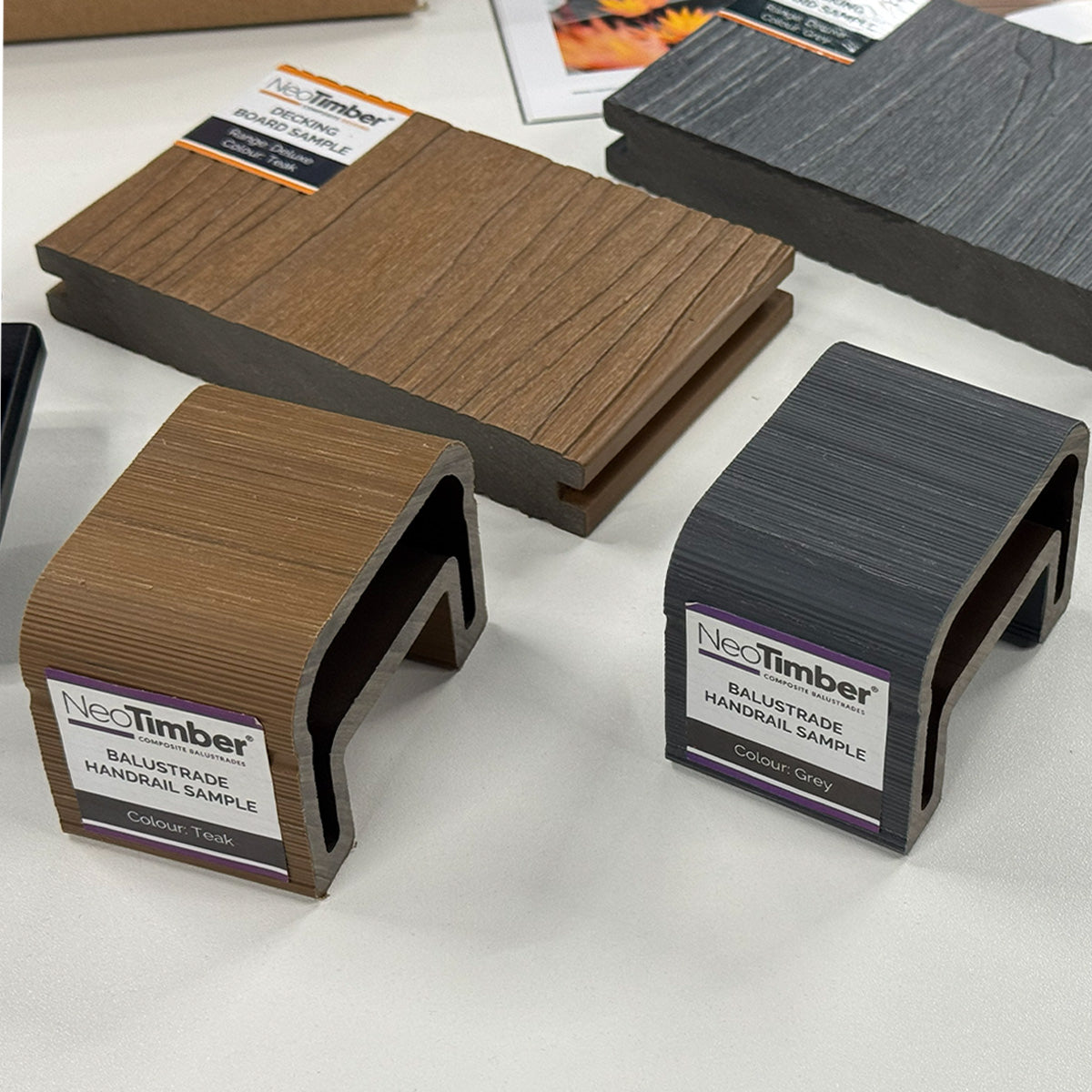
Colour should work with the property’s windows, masonry, roof and paving. Warm Teak and Chocolate offer different timber-inspired tones, while Grey or Charcoal can support a neutral scheme.
The capped collections also include Antique, Ash White, Oak and Silver Birch. Check the current colour guide for availability by range.
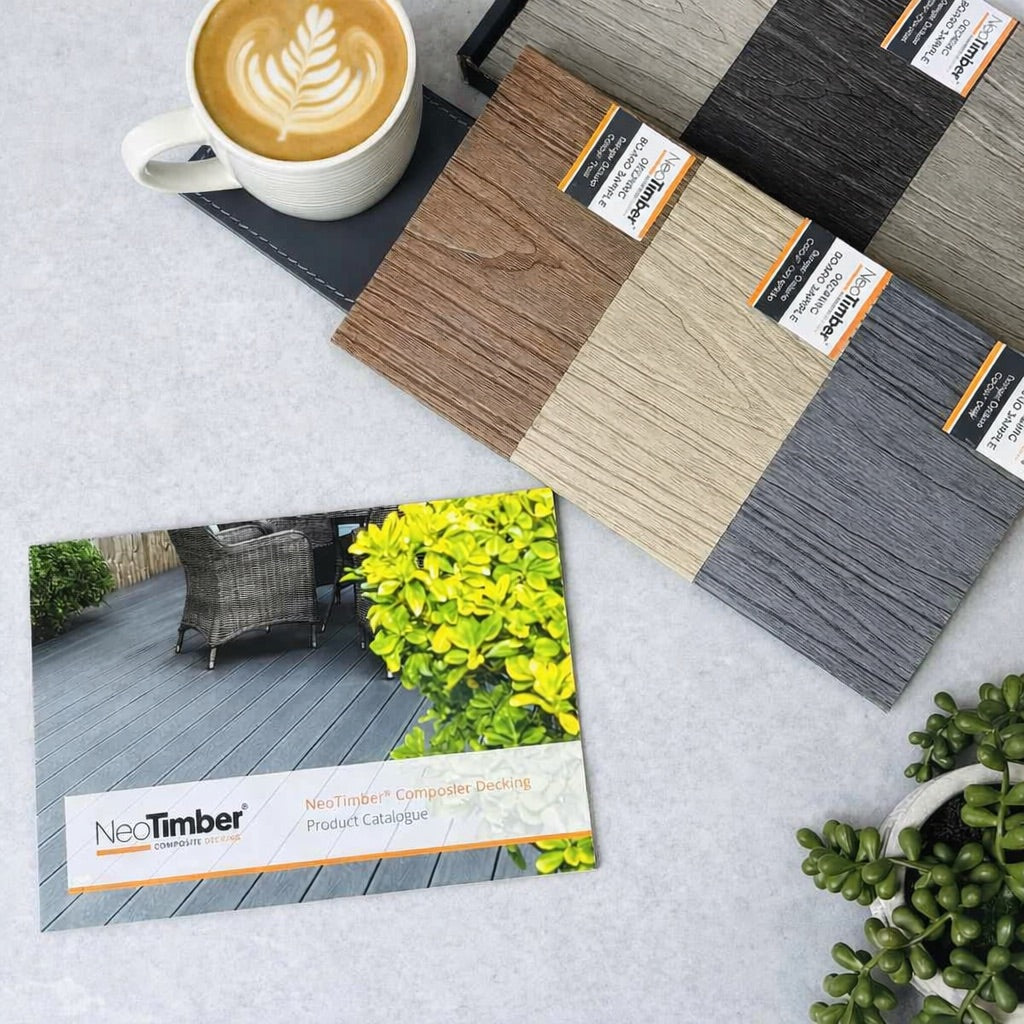
If you are coordinating decking, fencing or balustrades, compare physical samples. Matching colour names do not necessarily guarantee identical tones across different products.
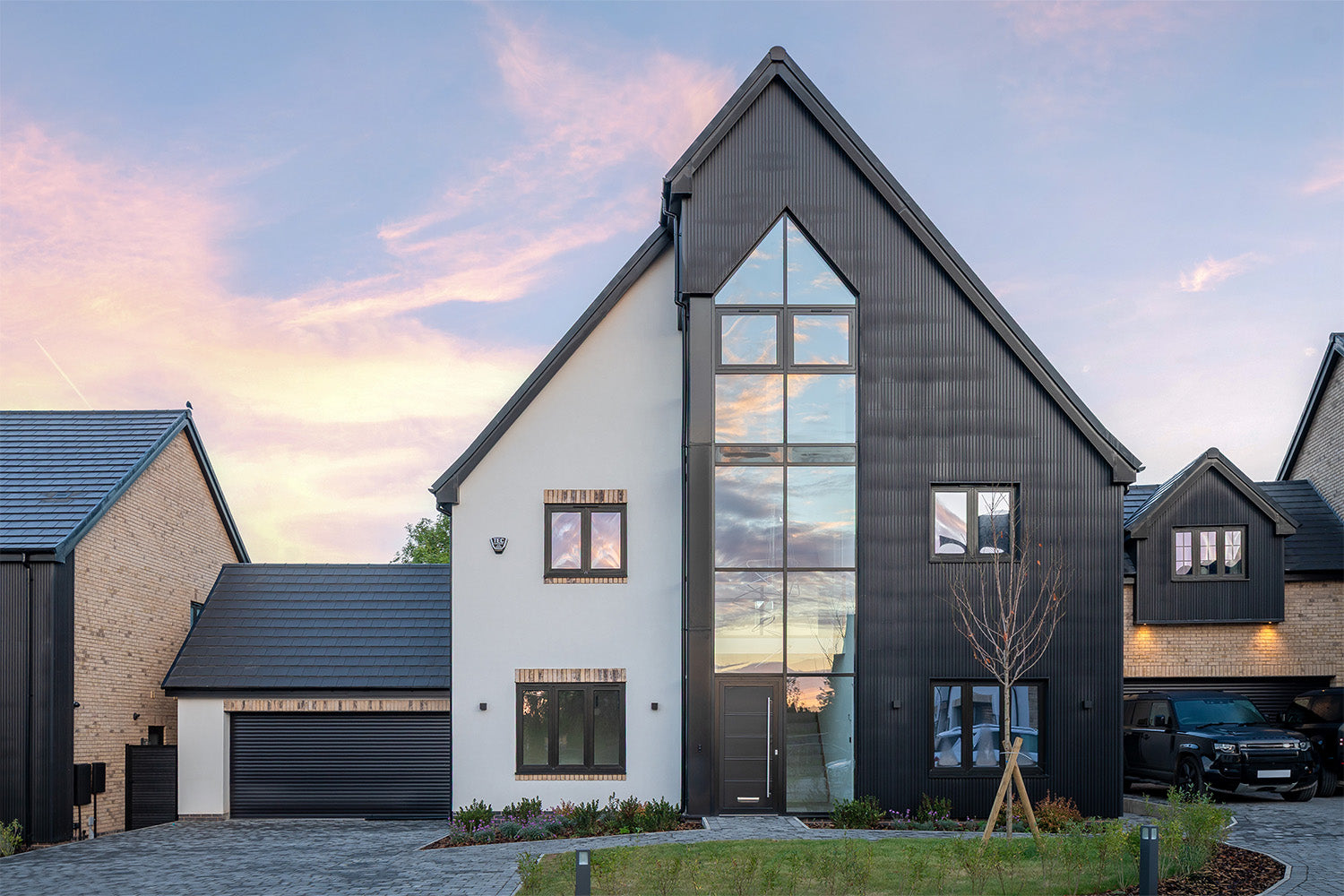
Browse the gallery and case studies to see how colours and profiles work in complete exterior schemes.
Plan the Finishing Details
Corners, window reveals and transitions to other materials influence the finished appearance. Select compatible trims for the chosen board profile and plan their positions before installation.
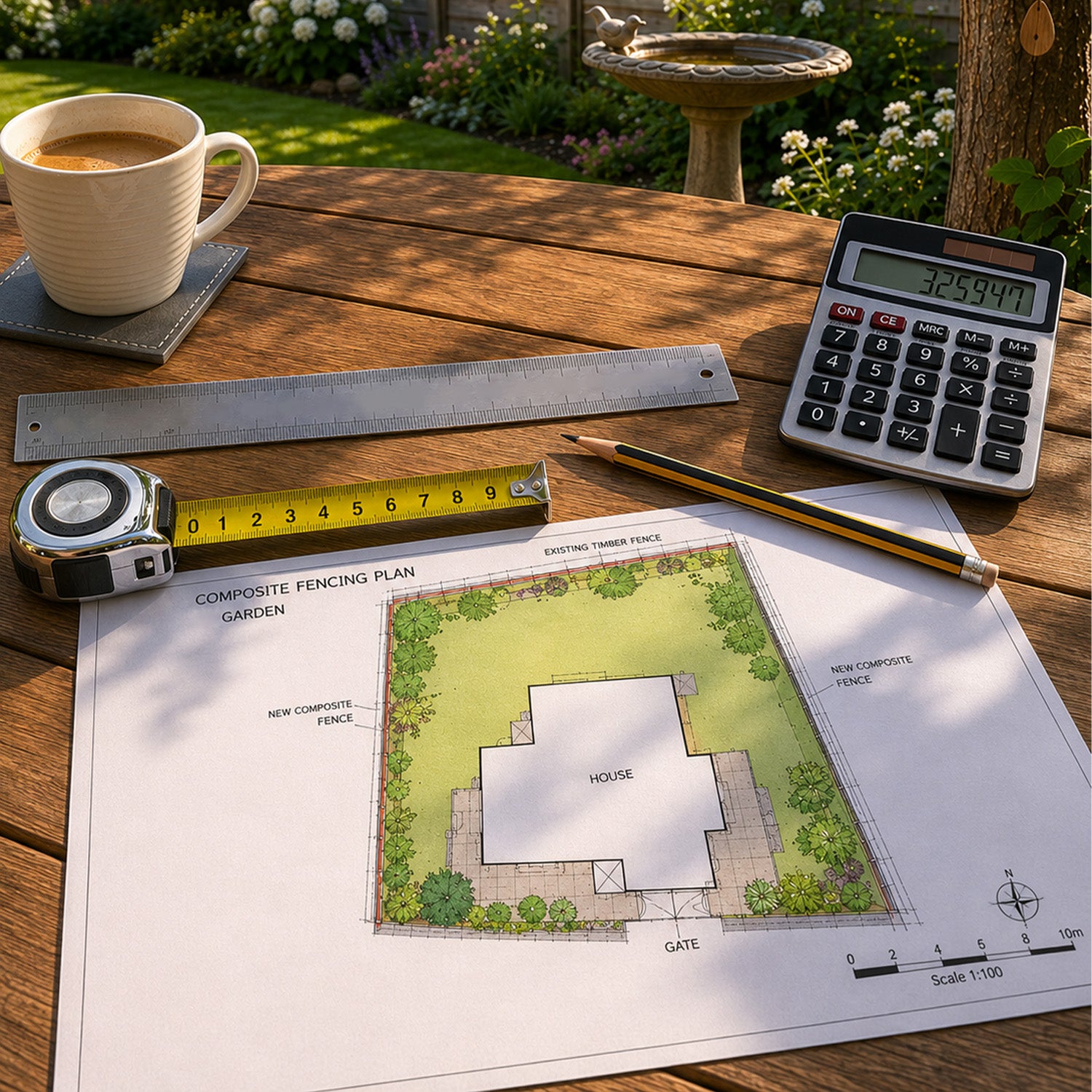
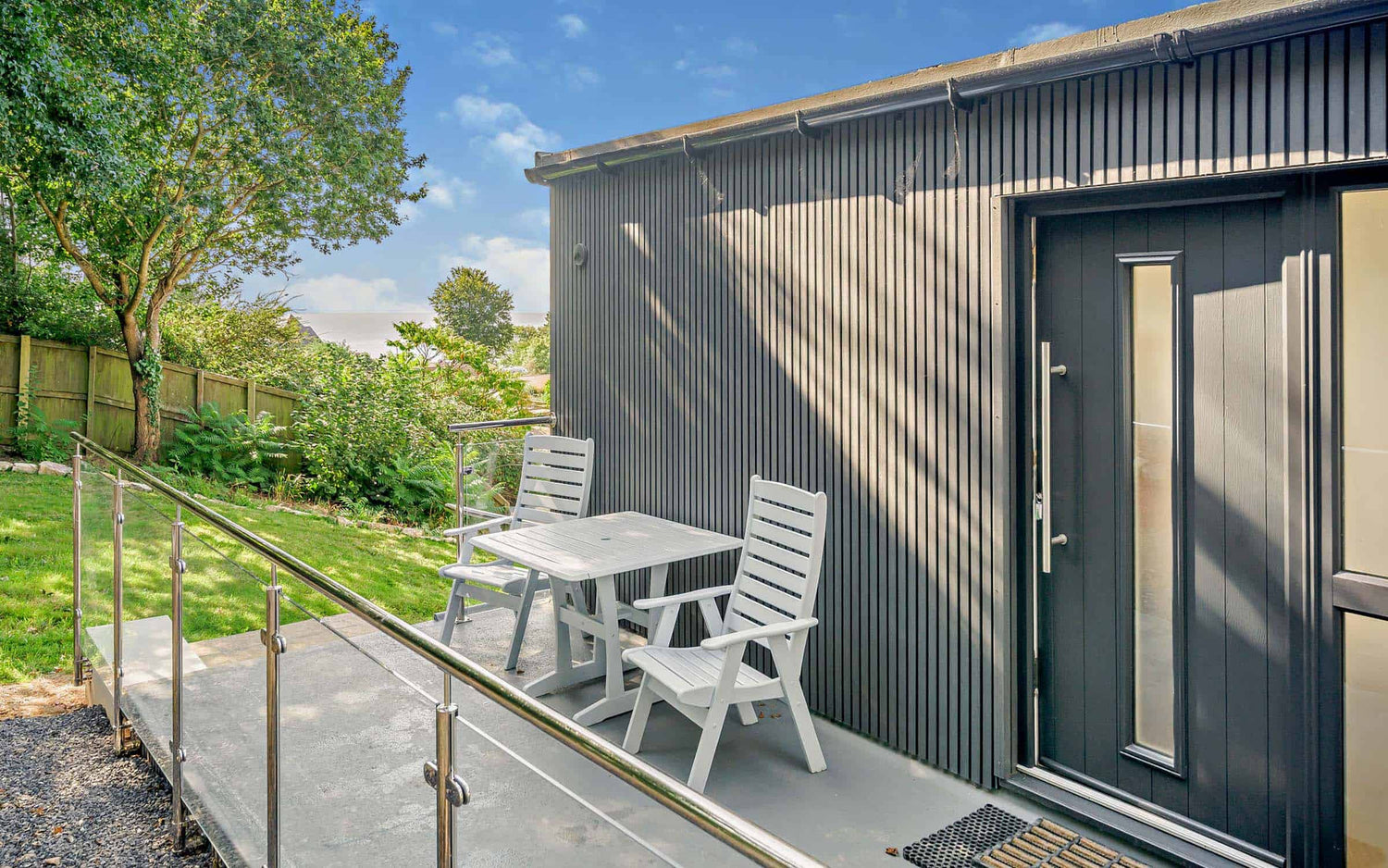
A defined feature area may be more effective than covering every surface. Decide whether the cladding should highlight an entrance, distinguish an extension or connect a garden room with its setting.

Care and Colour Over Time
Plastic wood cladding is designed for reduced decorative upkeep, but dirt and marks can still collect outdoors. Follow the care guide for the exact board range.
Do not sand capped Deluxe or Slatted surfaces. Seek advice before using unfamiliar cleaners or treatments, and avoid assuming that every stain will disappear. Our fade-resistance guide explains why protection should not be described as immunity to colour change.
Compare timber fairly. Its upkeep varies by species, finish and exposure; a naturally weathering façade has different requirements from a painted one. Use the composite versus wood guide to assess actual alternatives.
Technical Suitability Comes Before Installation
A board’s appearance or material name does not approve it for every building. Confirm suitability for the intended application, including relevant fire and building requirements, before buying.
NeoTimber’s ranges have different reaction-to-fire classifications. Review the current product documentation and fire-rating guide; do not rely on a universal height rule to decide compliance.
Use the installation resources to plan supporting battens, wall connections, board movement, ventilation and drainage. The outer boards do not make the complete wall waterproof.

Compare the Complete Cost and Warranty
Price the installed system, including boards, cutting allowances, support, fixings, trims, delivery, labour and access. A lower price per board does not necessarily mean a lower cost per finished square metre.
Read the warranty terms alongside the specification. Check the covered issues, conditions and exclusions, and retain the order and installation records needed for future enquiries.
Frequently Asked Questions
Is plastic wood cladding the same as uPVC?
No. NeoTimber® wood-polymer composite combines wood fibres and plastic polymers. Compare specific products rather than treating all plastic-based finishes as identical.
Will plastic composite cladding never fade?
Do not assume that. Capping improves fade resistance, but appearance can still change with exposure and care.
Can I see the finish before ordering?
Yes. Request samples and compare them outdoors beside your existing materials.
Find Your Composite Exterior Finish
Plastic timber cladding can offer a practical timber-effect alternative with reduced decorative upkeep. Choose the profile, colour and installation specification together for a considered result.
Explore NeoTimber® composite cladding and request free samples to assess the options at your property.