Choosing Artificial Decking for a Natural-Looking Outdoor Space
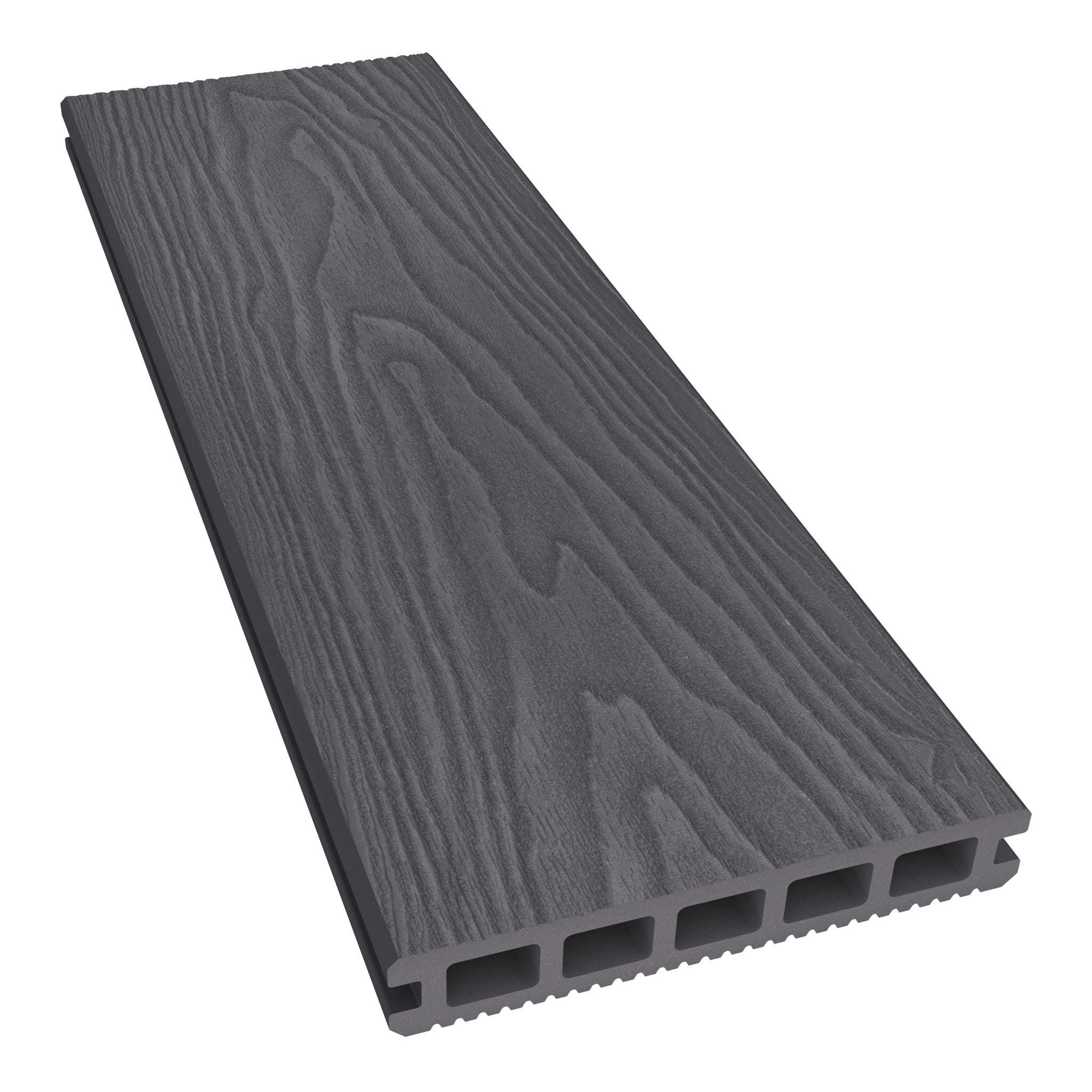
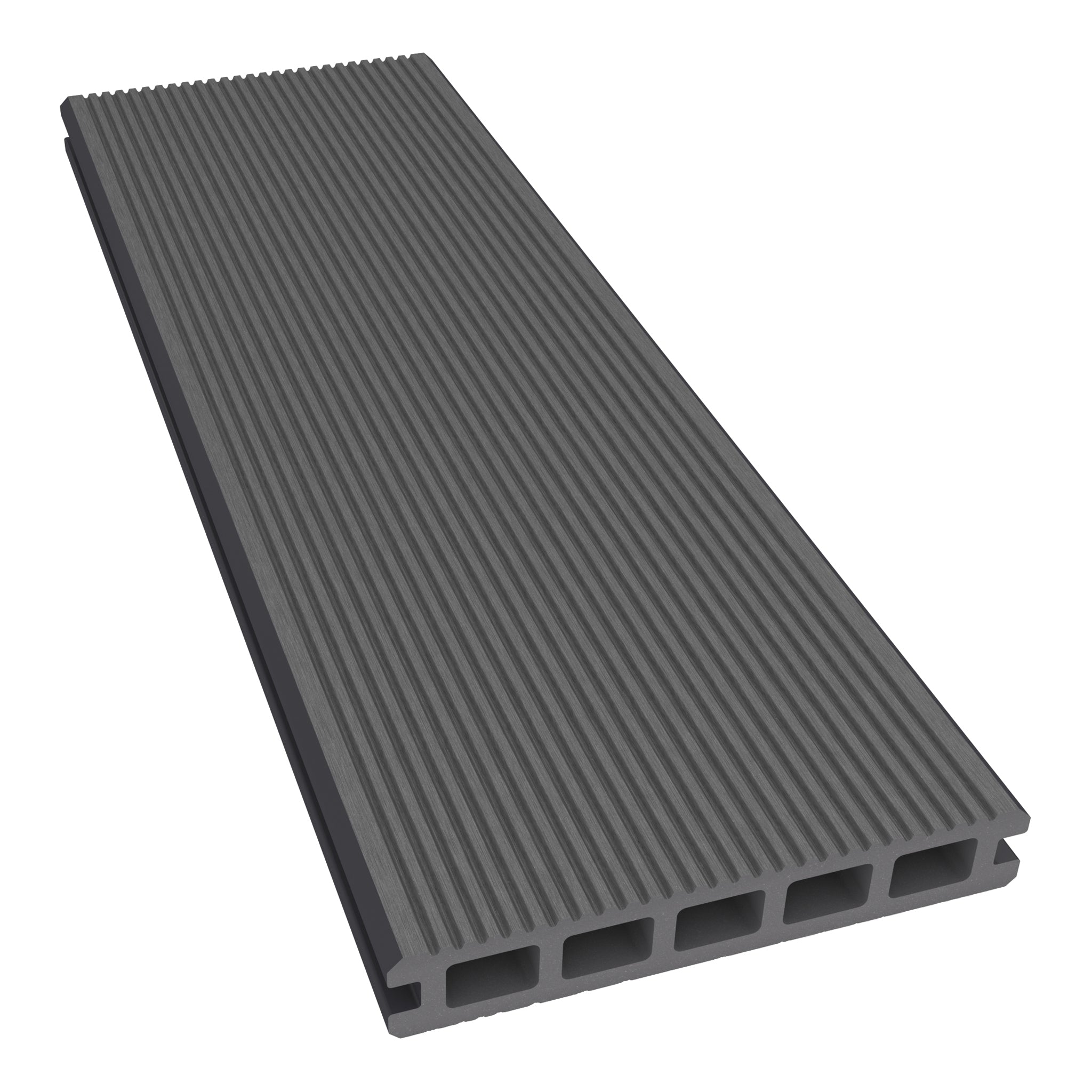
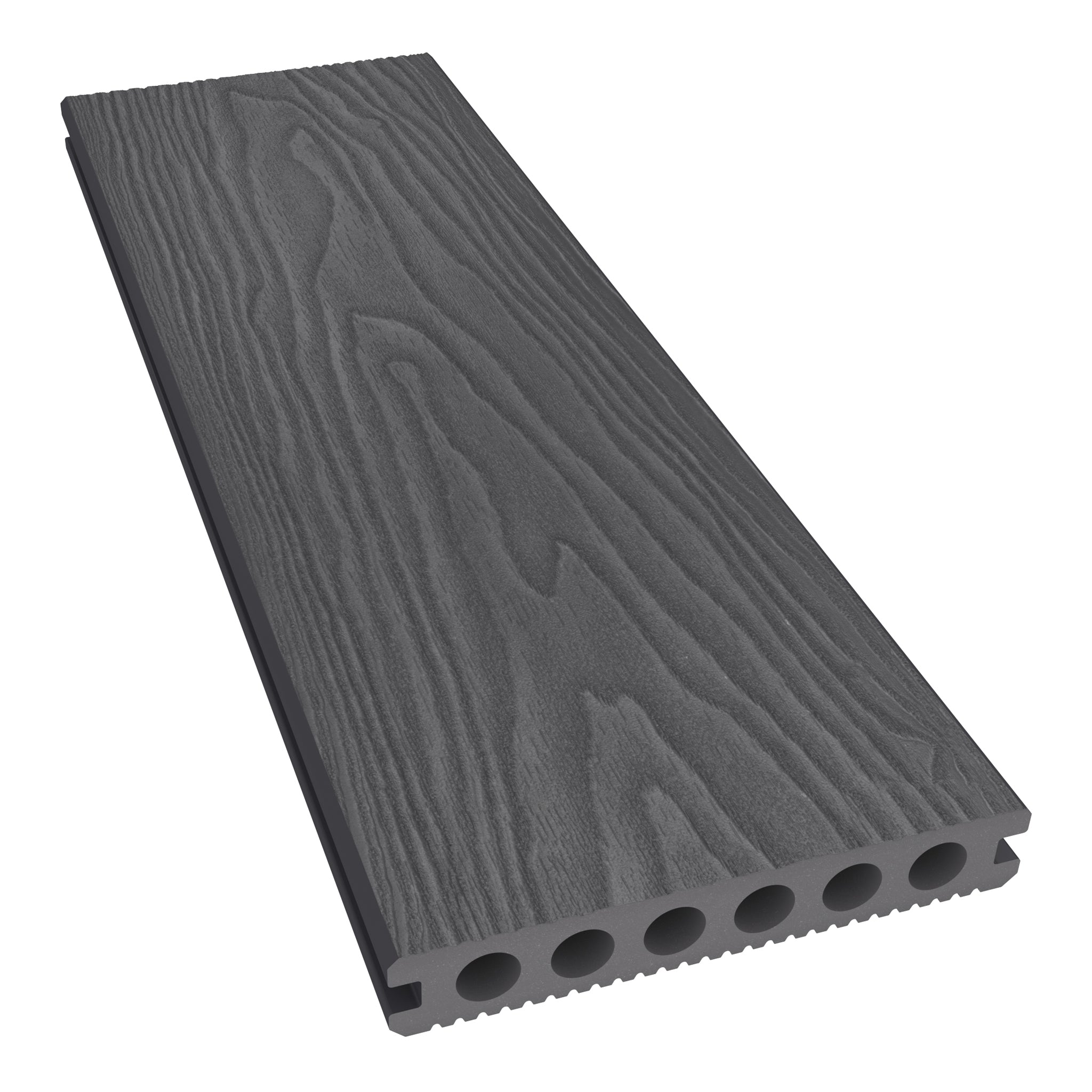
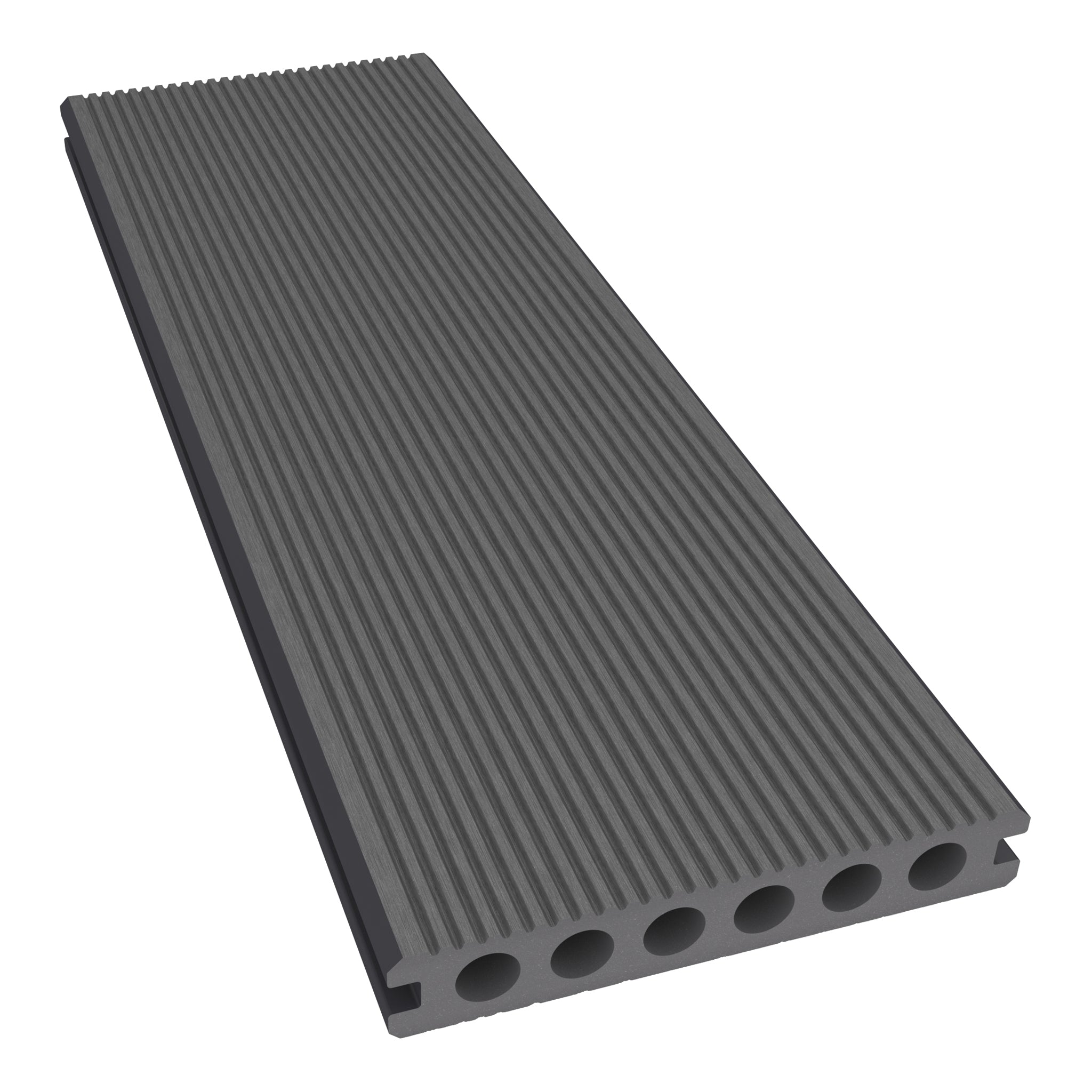
Artificial decking is a broad term for manufactured alternatives to traditional timber boards. Options include composite decking, which combines wood fibres and plastic, and aluminium decking, which offers a different construction with woodgrain-effect or solid colour finishes.
A well-chosen artificial deck can bring timber-inspired colour and texture to a garden without the routine sanding, staining or sealing associated with natural wood. NeoTimber® composite decking uses recycled plastic and wood fibres to create boards for outdoor living. Here, we explore the materials, finishes and maintenance considerations that help you choose the right option.

How Artificial Wood Decking Creates a Timber-Inspired Finish
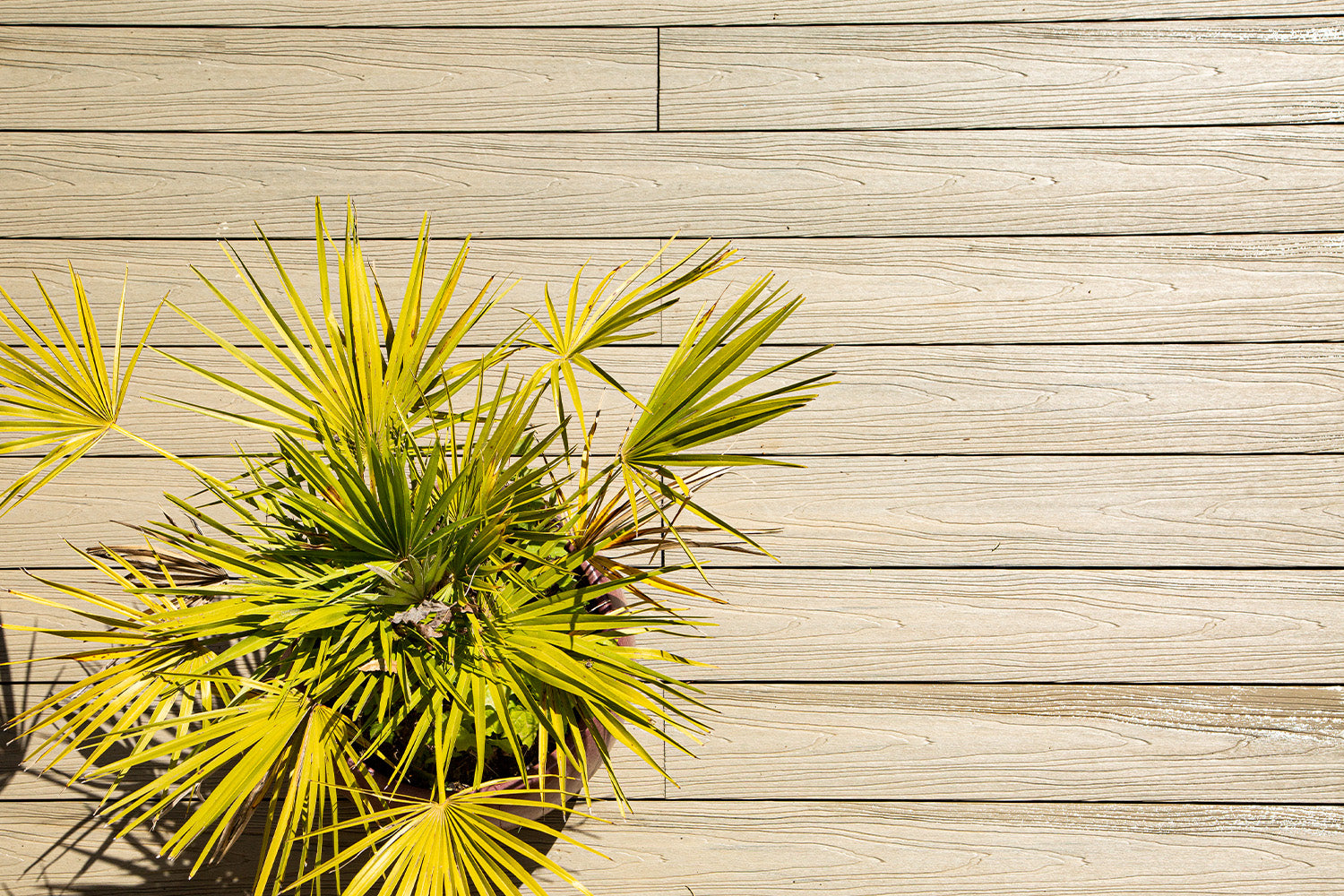
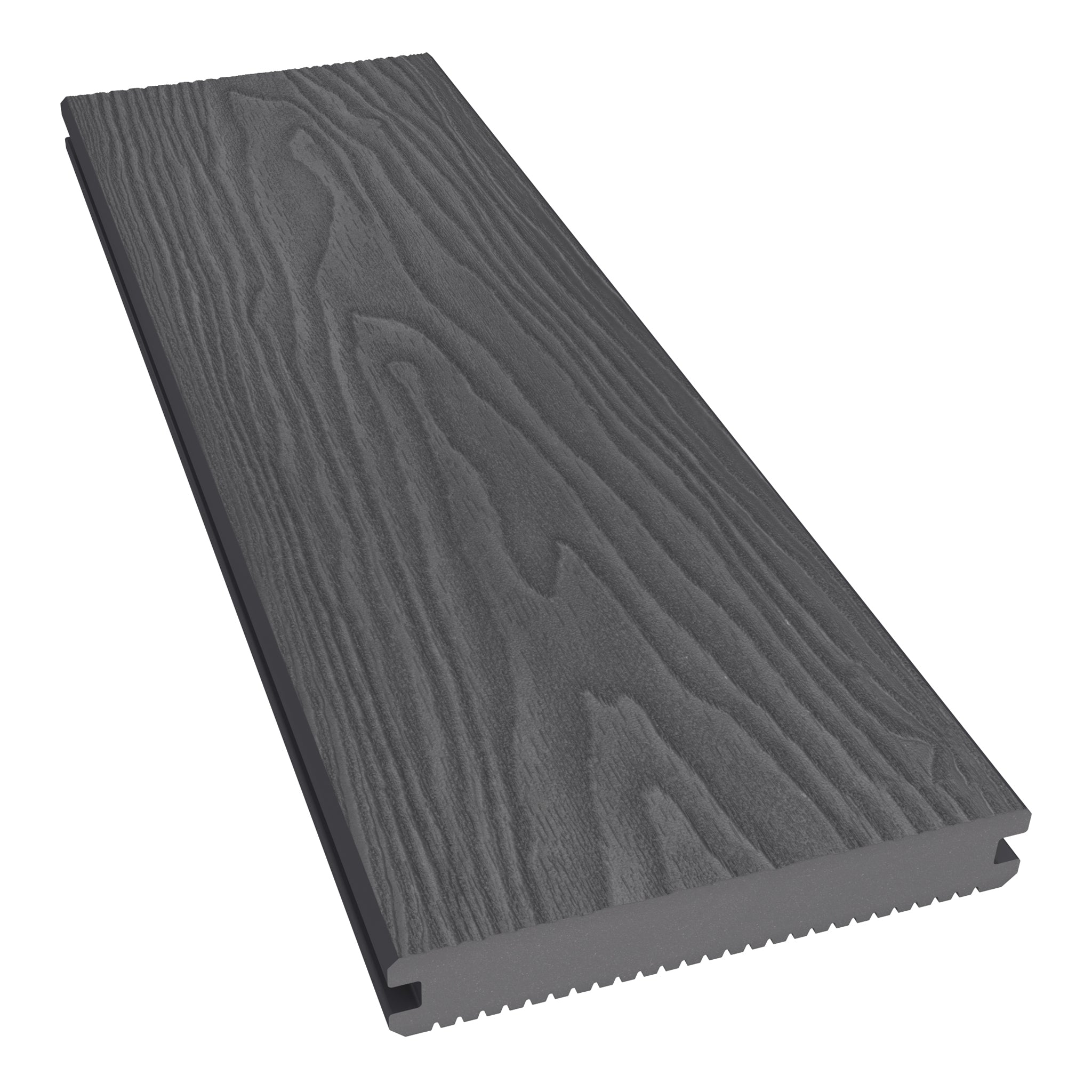
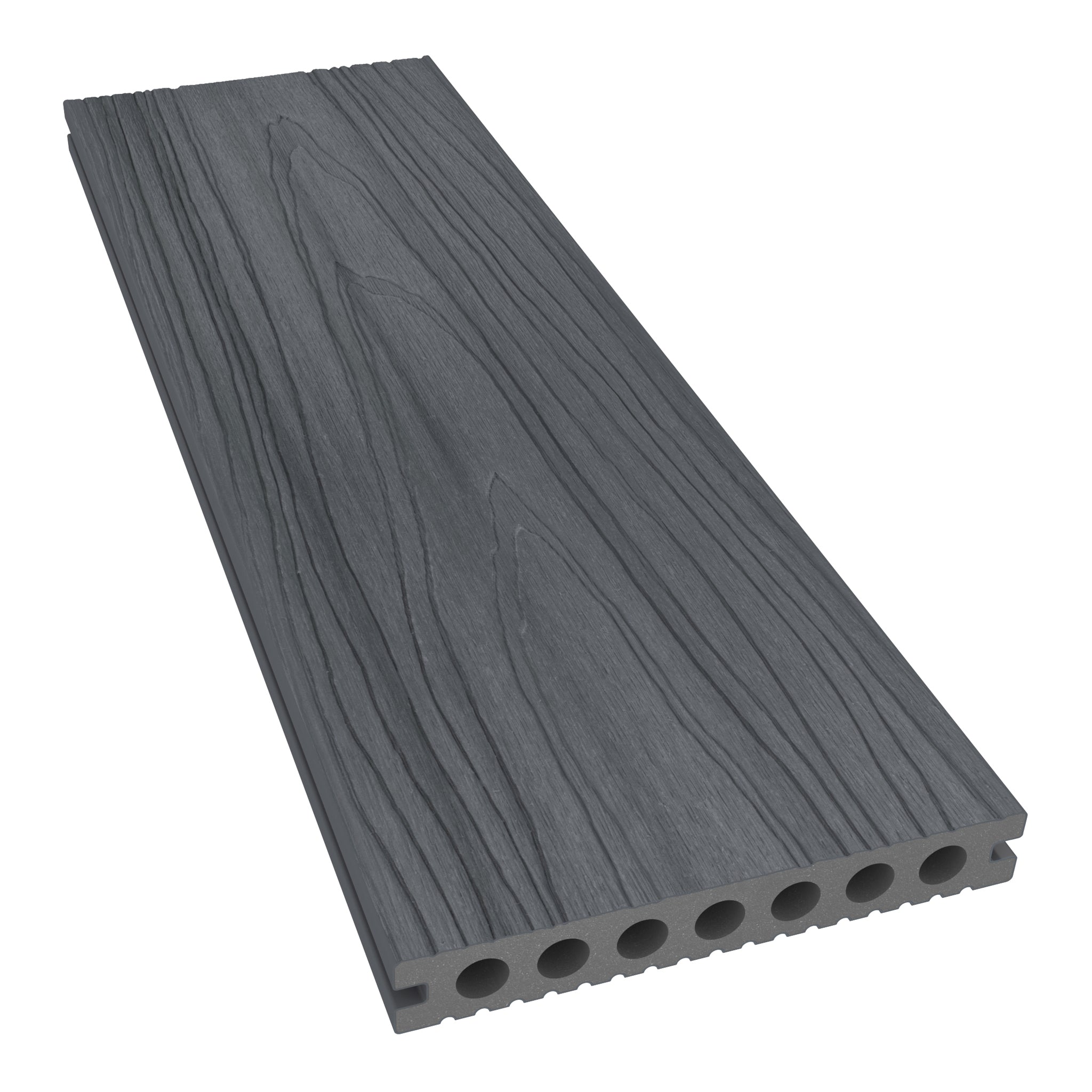
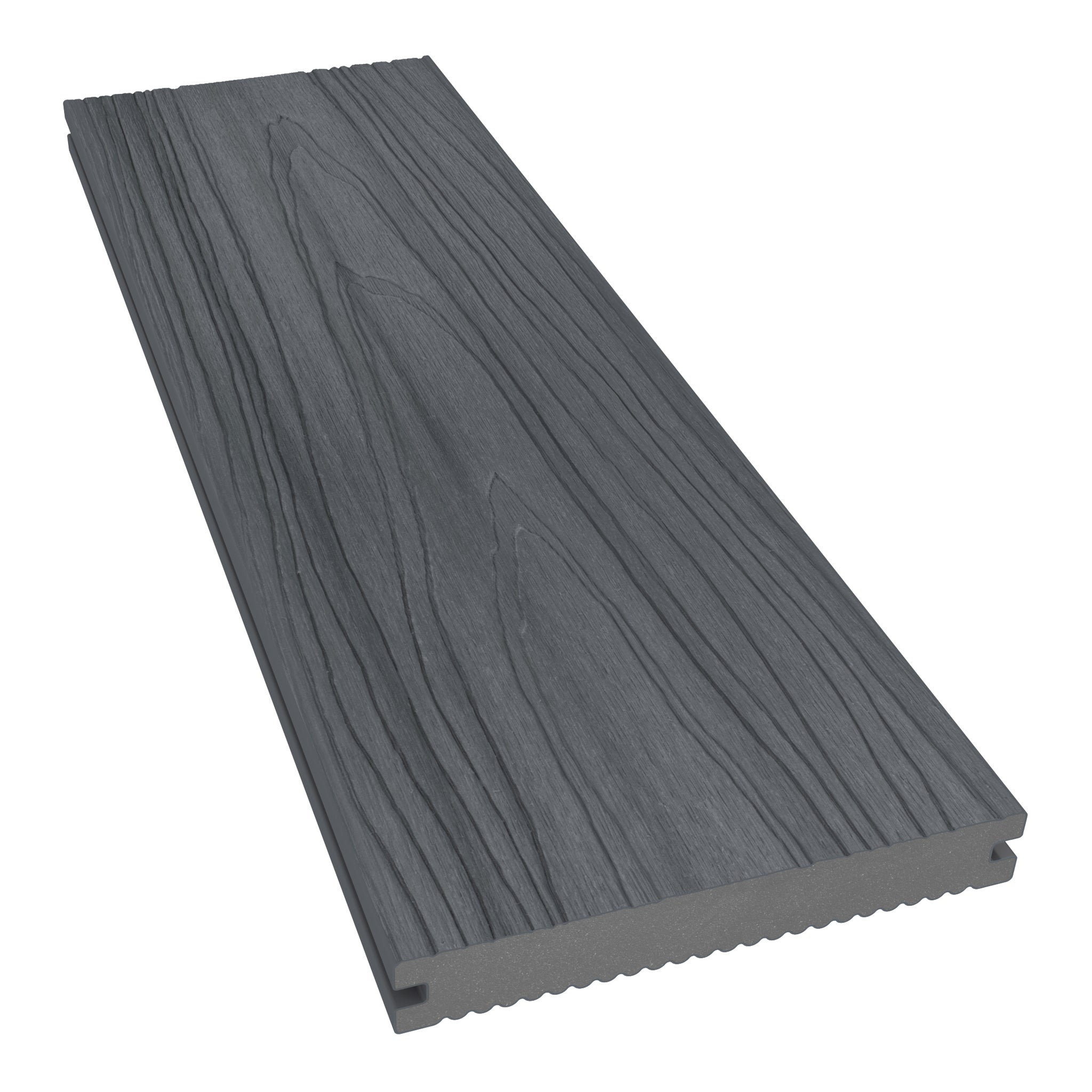
Convincing artificial wood decking relies on more than colour. Grain patterns, surface texture and tonal variation help recreate the character of timber, while the choice of finish influences how the deck sits alongside planting, paving and brickwork.
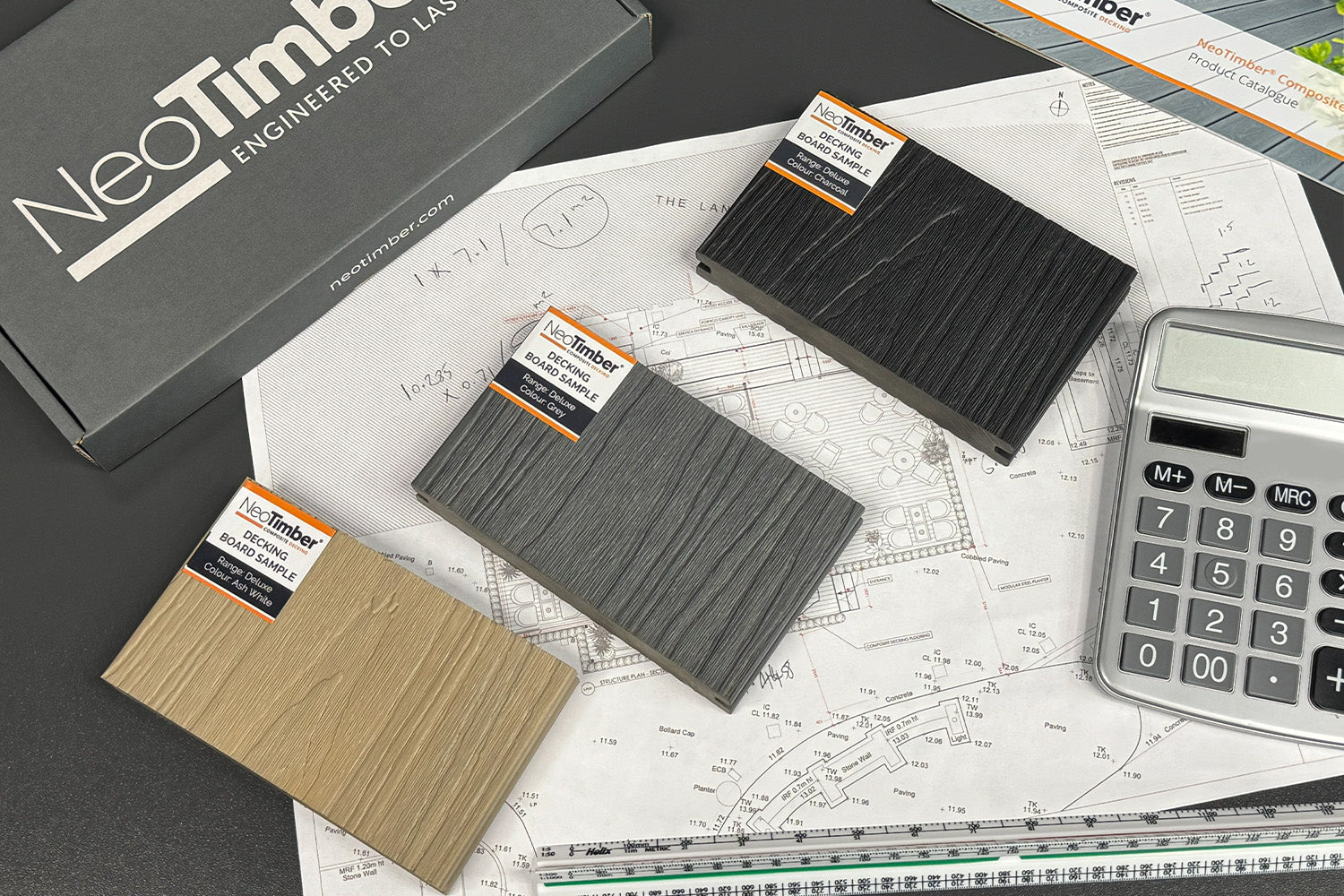
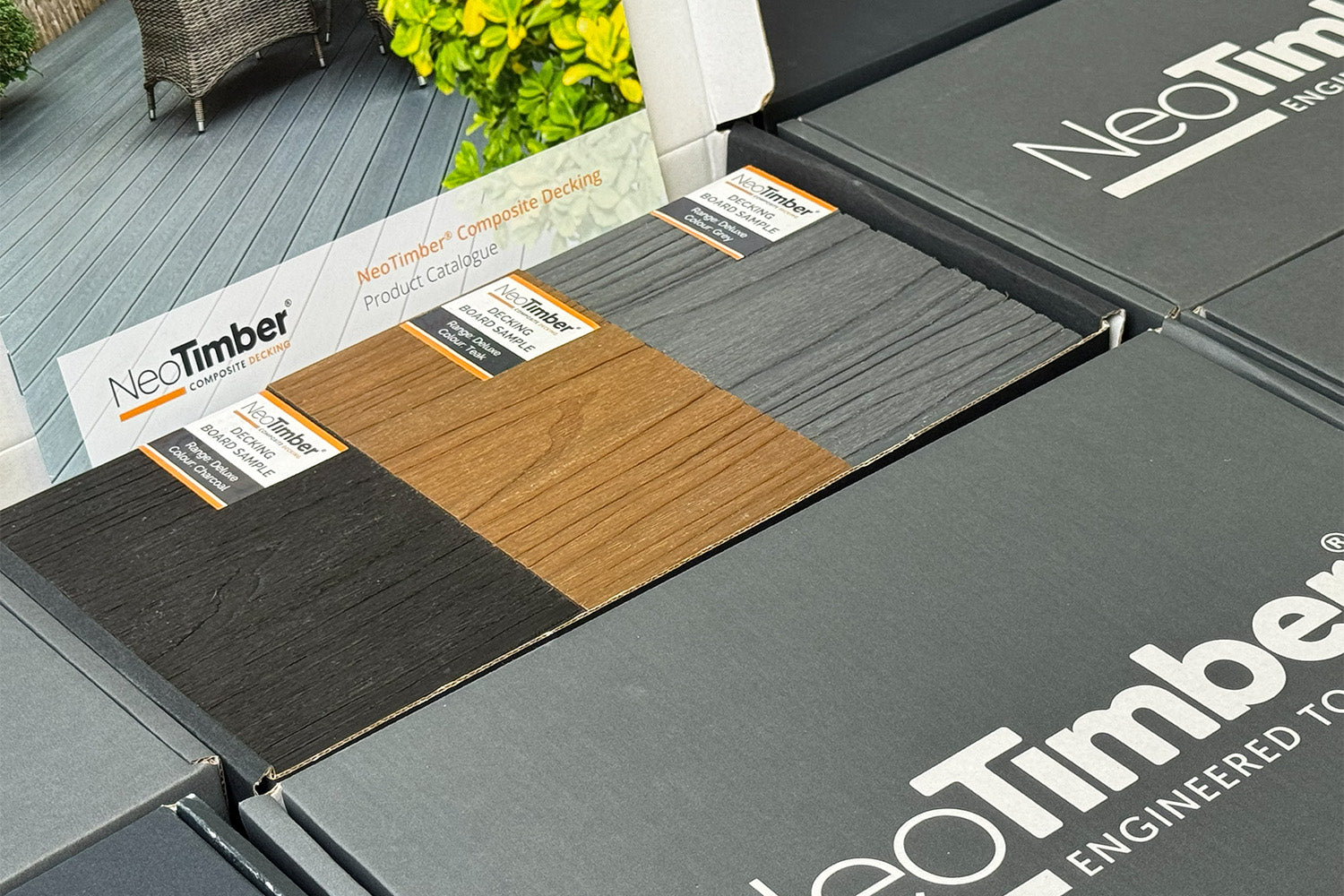
NeoTimber® offers everything from familiar Oak and Teak tones to contemporary greys and deeper shades. Woodgrain finishes add another layer of character, allowing wood effect decking to sit comfortably alongside planting, brickwork and other natural materials. Compare physical samples outdoors to see how each finish works with the light and materials around your space.

Types of Artificial Decking Boards: Composite and Aluminium
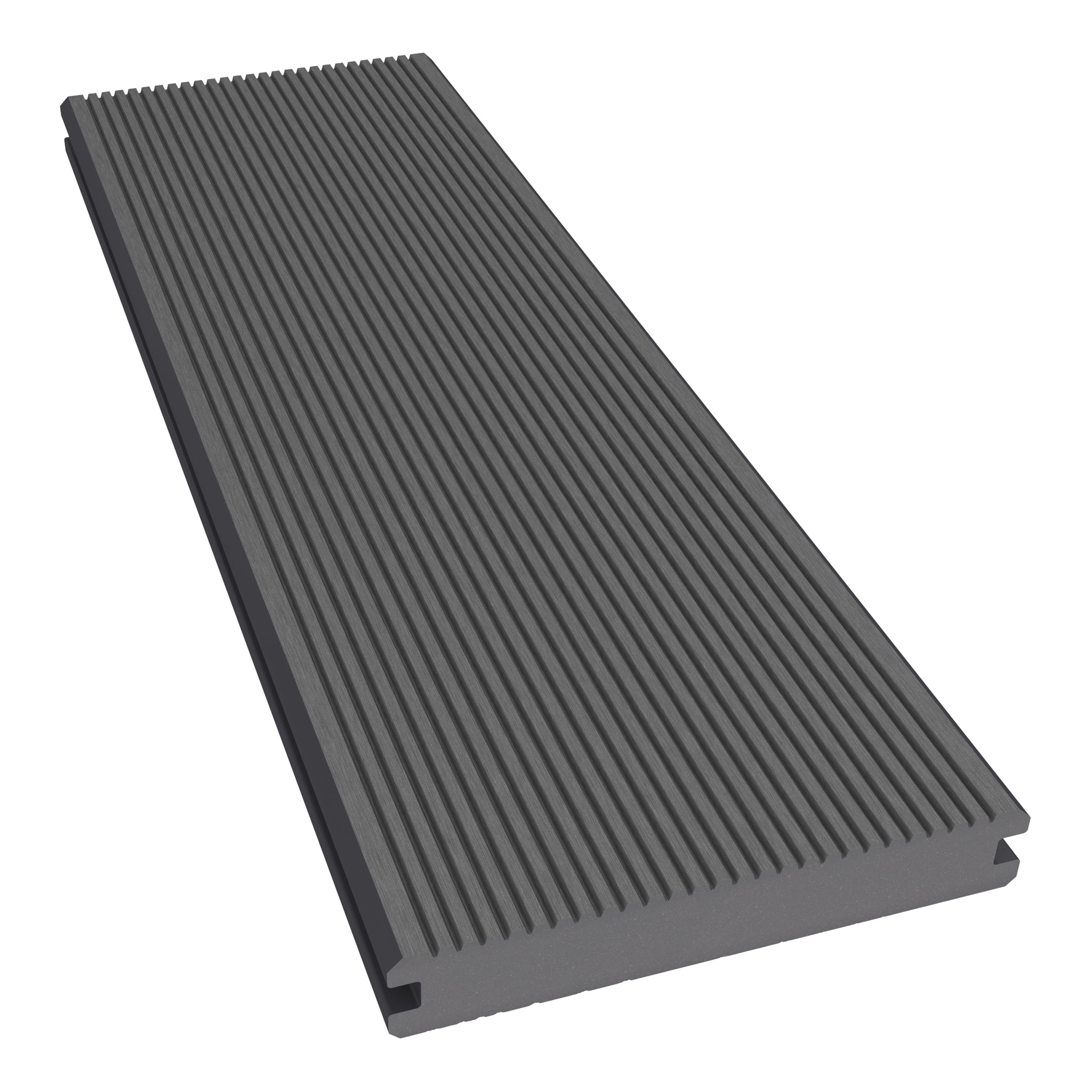
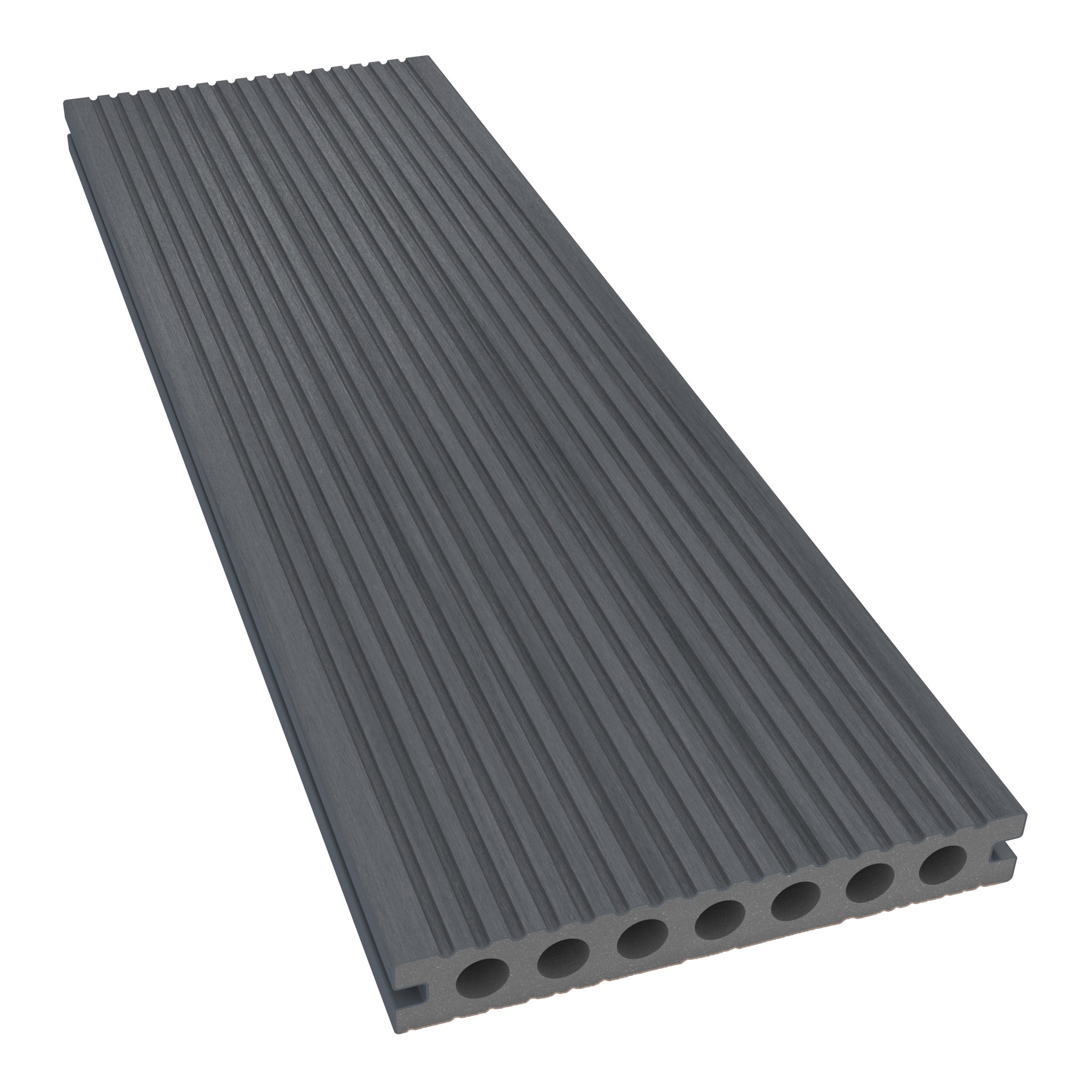
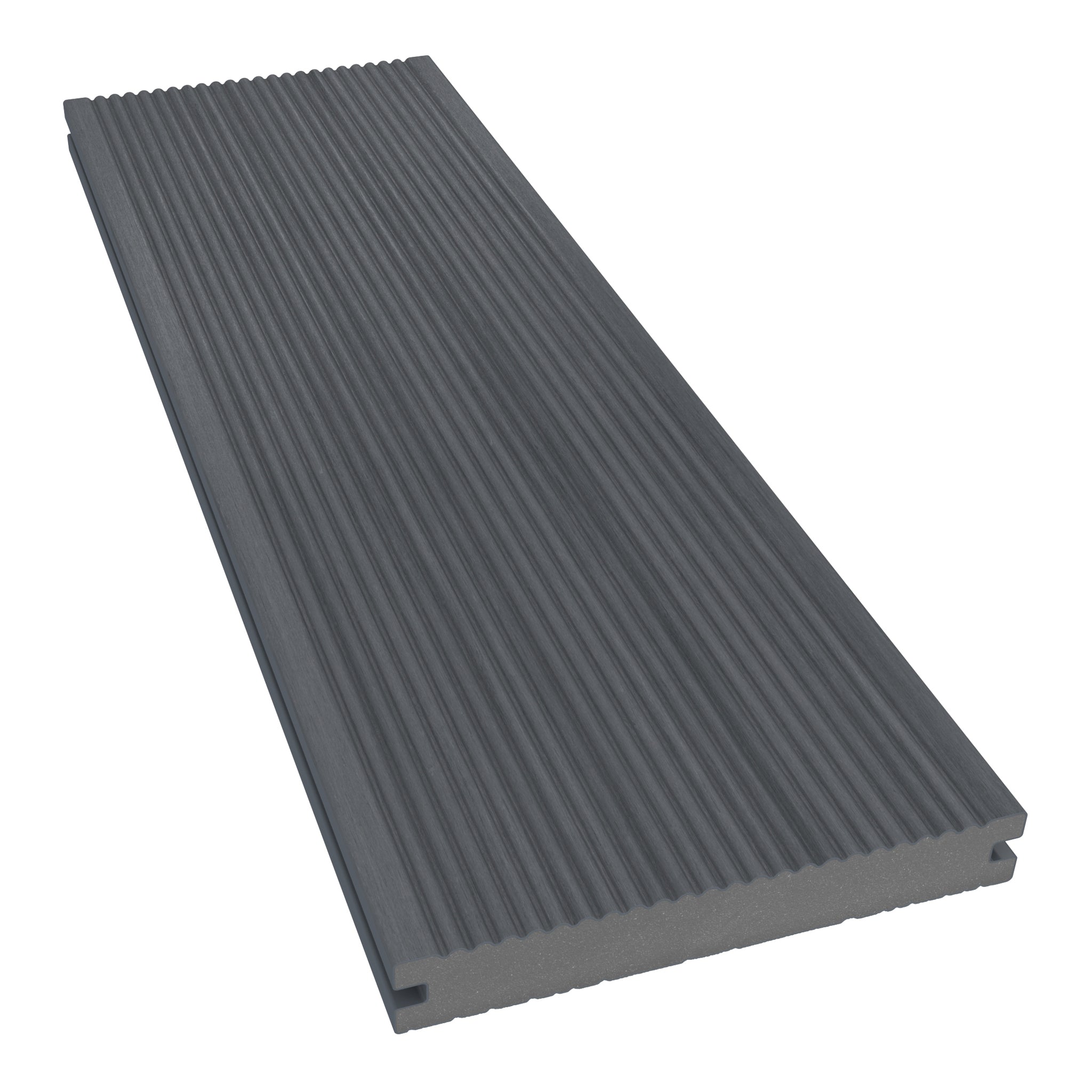
Artificial decking is a broad term, covering products that can differ considerably in material, construction and quality. NeoTimber® composite decking combines responsibly sourced wood fibres with recycled plastic. Our aluminium decking provides a completely different manufactured alternative. Within the composite range, you can choose hollow boards or solid boards, depending on the specification. Capped options add a protective outer layer. Profile and surface construction are separate considerations, so check both when comparing boards.
| Feature | NeoTimber® Composite Decking | NeoTimber® Aluminium Decking |
|---|---|---|
| Style | Timber-inspired and contemporary finishes. | Woodgrain-effect and solid colour finishes. |
| Construction | Responsibly sourced wood fibres and recycled plastic. | Lightweight aluminium construction. |
| Key Benefits | Rot and splinter resistant, with several board styles available. | Corrosion resistant, with an A2fl-s1 reaction-to-fire classification. |
| Maintenance | Low maintenance, with no routine sanding, staining or sealing. | Low maintenance, with no routine sanding, staining or sealing. |
| Warranty | Up to 25 years residential and 10 years commercial, subject to range and terms. | 25 years residential and 10 years commercial, subject to terms. |
Those differences mean there is no single NeoTimber® option for every setting. A garden terrace may place greater emphasis on colour and texture. A balcony can introduce different structural and fire requirements. Match the boards and supporting structure to the intended use. For balconies and other projects with specific fire requirements, check the complete system specification rather than relying on the appearance or material of the boards alone.
Where Can You Use an Artificial Deck?
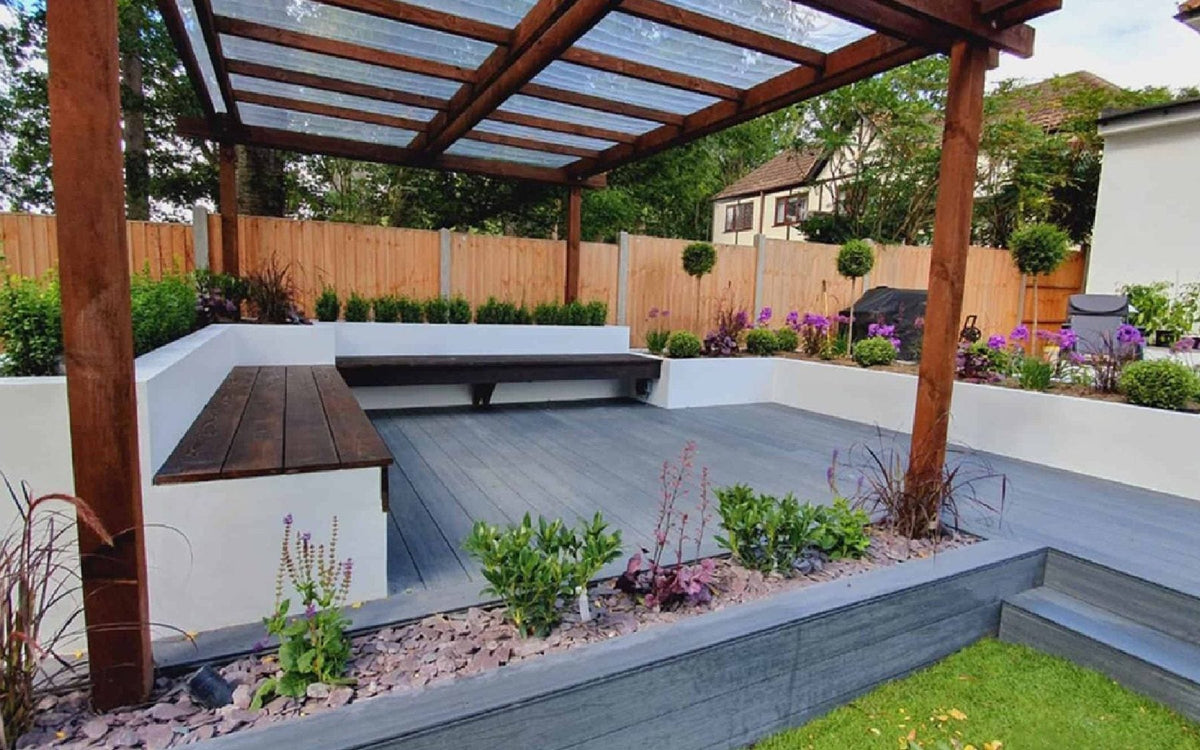
A well-designed artificial deck connects the house and garden through colour, layout and materials. Around an extension, timber-inspired tones can soften the transition between house and garden. This grey composite garden decking project shows how the right finish can complement a new extension and its surrounding outdoor space with a timeless, contemporary feel. Darker boards can introduce contrast against pale render, while lighter shades can keep smaller terraces feeling open.
There is plenty of scope beyond the traditional back garden too. Artificial decking can bring warmth to balconies, roof terraces, hospitality spaces and commercial developments. Depending on the range, different colours, board profiles and laying patterns offer further design choices. Well-chosen composite decking ideas can turn the material itself into part of the overall exterior scheme.
What Maintenance Does Artificial Decking Need?
The timber look may draw people in, but artificial decking also changes what happens after installation. Traditional wood needs ongoing care to protect it from weathering. Composite alternatives do not require the same routine staining, sealing or painting, leaving more time to enjoy the finished space.
NeoTimber® low maintenance decking is designed for outdoor life without the upkeep associated with traditional timber. The boards resist rot and splintering, while regular cleaning helps keep the surface looking its best. Low maintenance still means clearing leaves, dirt and other debris and following the care guidance for your chosen range. For homeowners and commercial settings alike, artificial wood decking can offer timber-inspired character with a considerably lighter maintenance routine.
Artificial Decking Boards vs Traditional Timber
Looks are only one side of the comparison. Timber is a natural material, so its colour and condition can change considerably over time. If you are planning an artificial lumber deck, the material will usually be described as composite or another manufactured decking alternative. These boards offer a timber-inspired appearance with different care requirements. Colour stability and weathering vary by product, so review the information for the specific range.
Some of the differences become particularly noticeable over the longer term:
- No routine staining, sealing or painting is required.
- Composite boards resist the rot and splintering associated with traditional timber.
- A choice of colours and textures helps create a coordinated finish.
- Different profiles suit different applications, subject to the product specification.
- Routine cleaning replaces many traditional timber maintenance jobs.
That balance helps explain why composite decking vs wood is about more than choosing between natural and manufactured materials. Maintenance, design, intended use and long-term expectations all play a part in deciding which approach suits the project.

How to Style Artificial Timber Decking
Artificial timber decking can complement both traditional brick homes and contemporary extensions. Warmer wood tones can soften stone and masonry, while greys can complement rendered walls, metalwork and modern glazing.
There is also no reason for the deck to exist in isolation. Coordinating or contrasting it with fencing and cladding can help shape the wider exterior palette. Furniture, planting and lighting then add further layers. This makes garden decking ideas useful for considering the entire space, rather than choosing boards as a standalone feature.
Choose a Finish That Works for Your Space
Start with the appearance you want, then compare board construction, maintenance and installation requirements. Artificial decking can combine timber-inspired grain and colour with a simpler care routine, but the right specification matters as much as the finish.
NeoTimber® offers composite and aluminium choices for gardens, terraces, balconies and commercial spaces. From warm timber-inspired finishes to more contemporary designs, the decking range provides plenty of scope for different exterior styles. Decking samples can also help compare colours and textures alongside the materials already surrounding the space.
Artificial Decking FAQs
Is NeoTimber® composite decking made from recycled materials?
Yes. NeoTimber® composite decking combines recycled plastic with responsibly sourced wood fibres. This reduces reliance on virgin materials while creating boards designed for long-term outdoor use. Material composition, durability and maintenance can all influence environmental impact. These considerations make eco-friendly decking relevant when comparing composite with traditional timber alternatives.
Is NeoTimber® composite decking slippery when wet?
NeoTimber® composite decking is designed with textured surfaces to provide grip in wet and dry conditions. Where a board offers a choice of grooved and woodgrain faces, check the range-specific slip-test results and installation guidance before selecting the walking surface. Leaves, algae and surface contamination can affect grip, so regular cleaning remains important. Slip-resistant composite decking can therefore be particularly useful in exposed outdoor spaces.
Where can NeoTimber® composite decking be installed?
NeoTimber® composite decking ranges can suit a wide variety of residential and commercial settings. Gardens, patios, terraces, balconies and poolside areas are just some examples. It can also work across hotels, restaurants, holiday parks and other commercial spaces. The right board and supporting structure will depend on the project. Composite decking applications demonstrate just how versatile the material can be.
How do you clean NeoTimber® composite decking?
For routine cleaning, use warm soapy water and a soft-bristled brush. Follow the cleaning schedule recommended for your board range and clean spills promptly. Stubborn oil or grease stains can be treated with a water-based composite decking cleaner. Only use a pressure washer where the manufacturer permits it, following the specified pressure and distance limits. The composite decking care guide provides the appropriate cleaning method for different marks and board ranges.