
Choosing Composite Railing for Decks, Gardens and Stairs
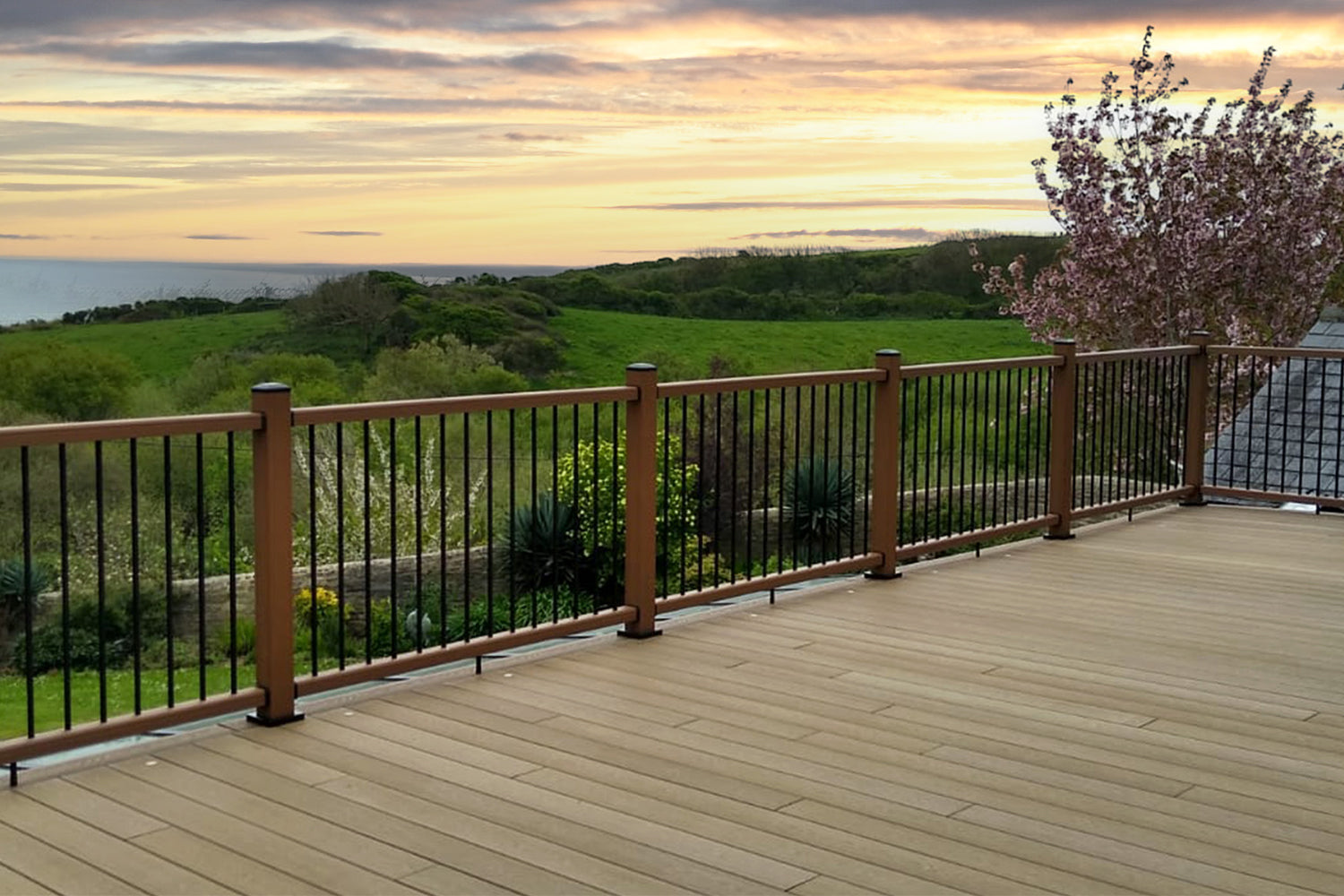
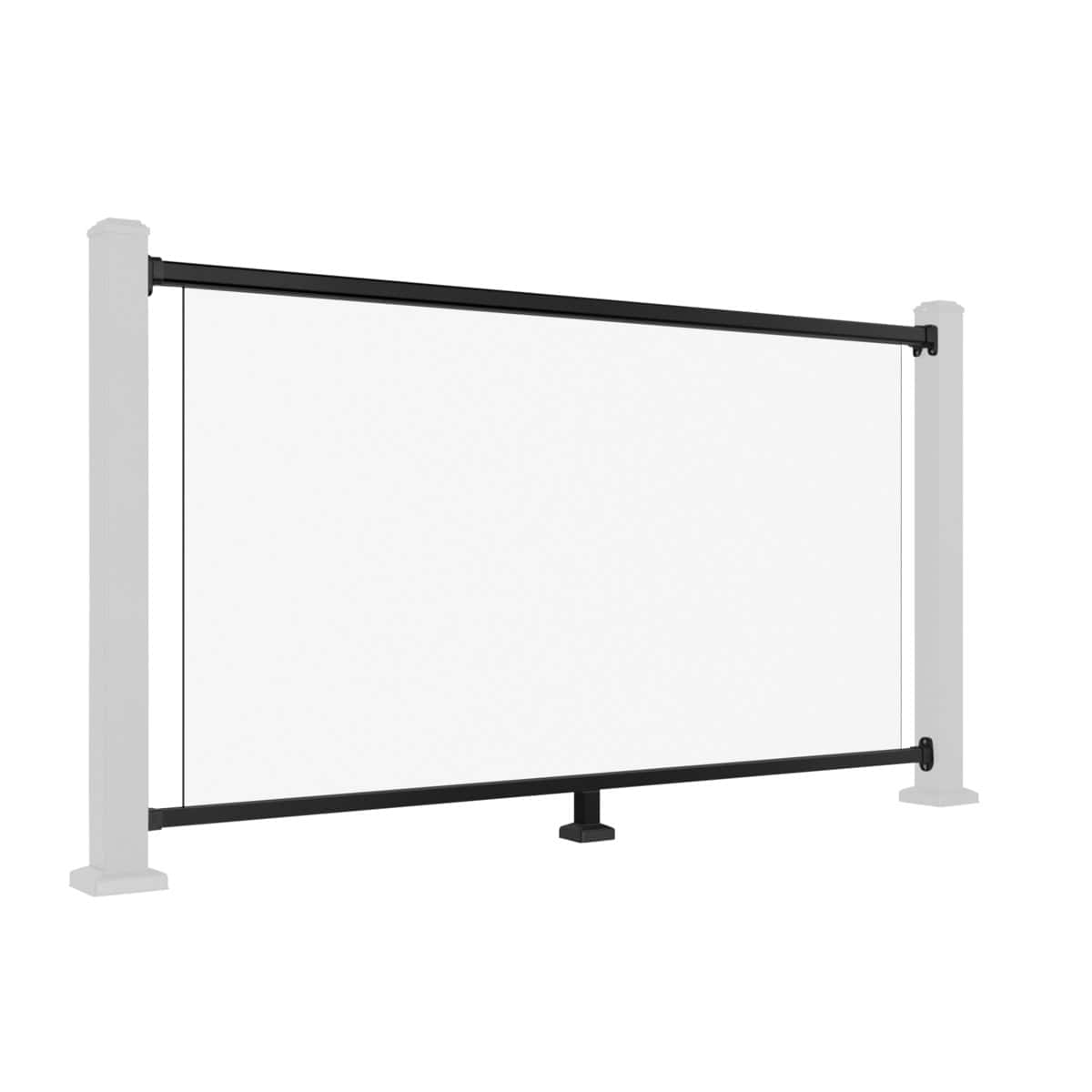
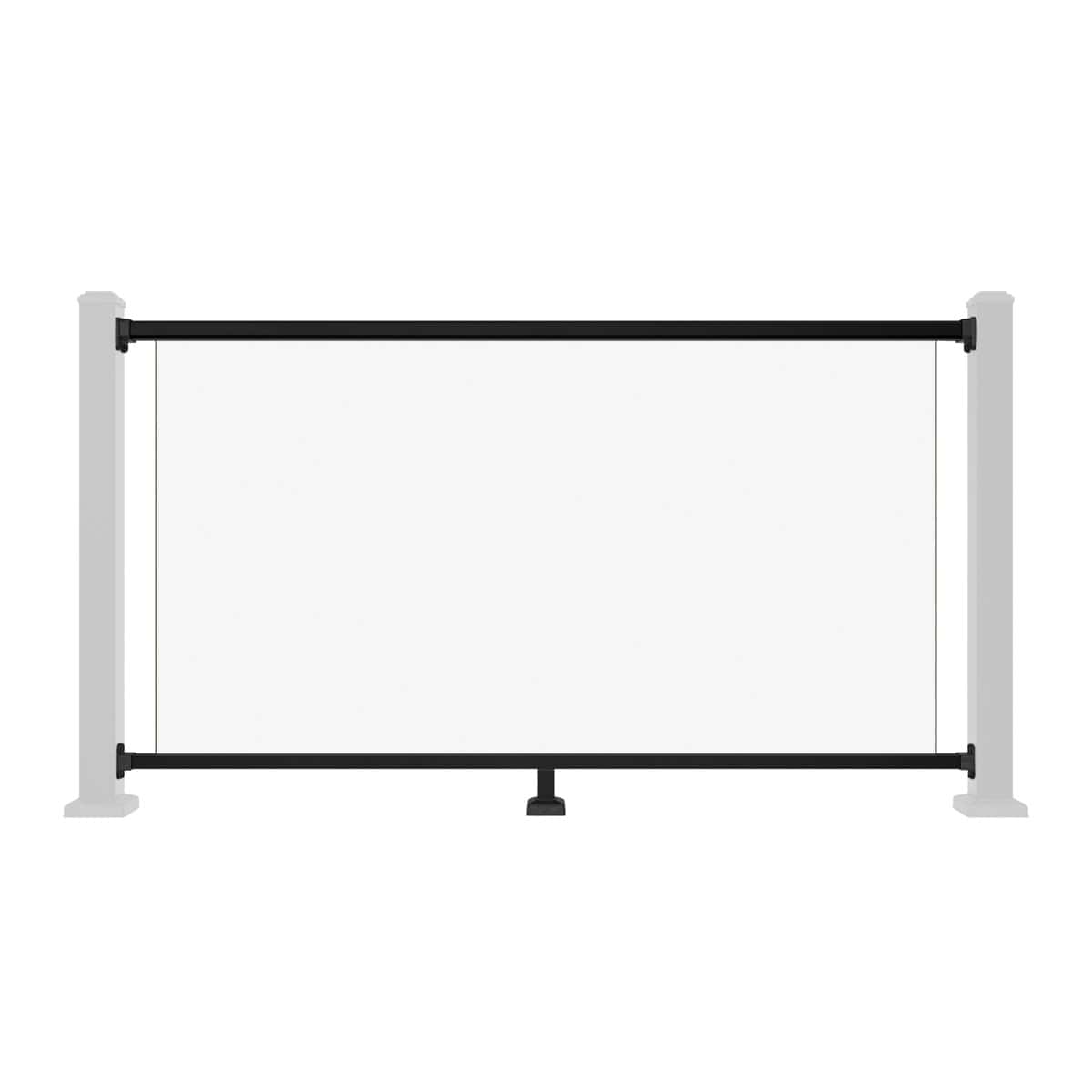
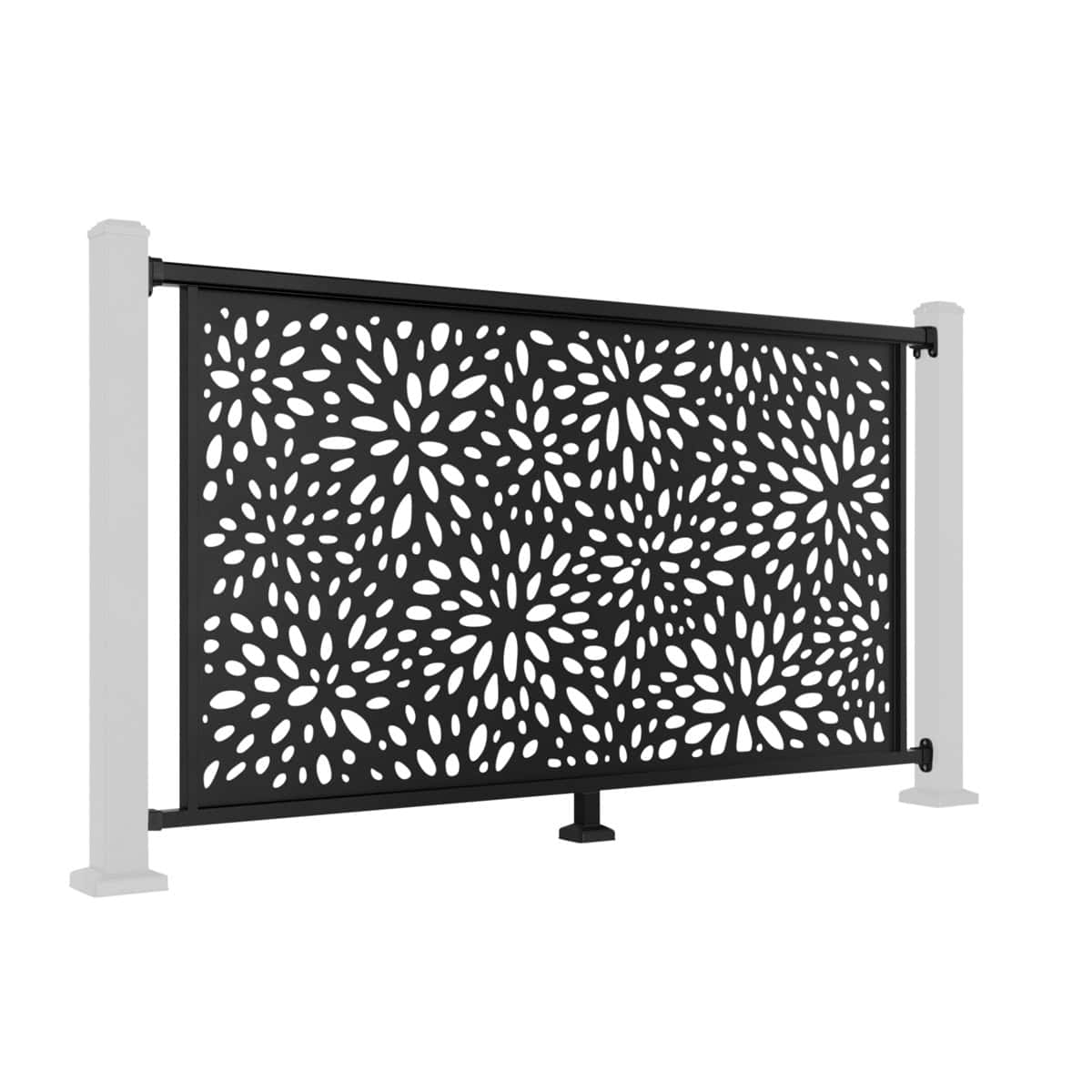
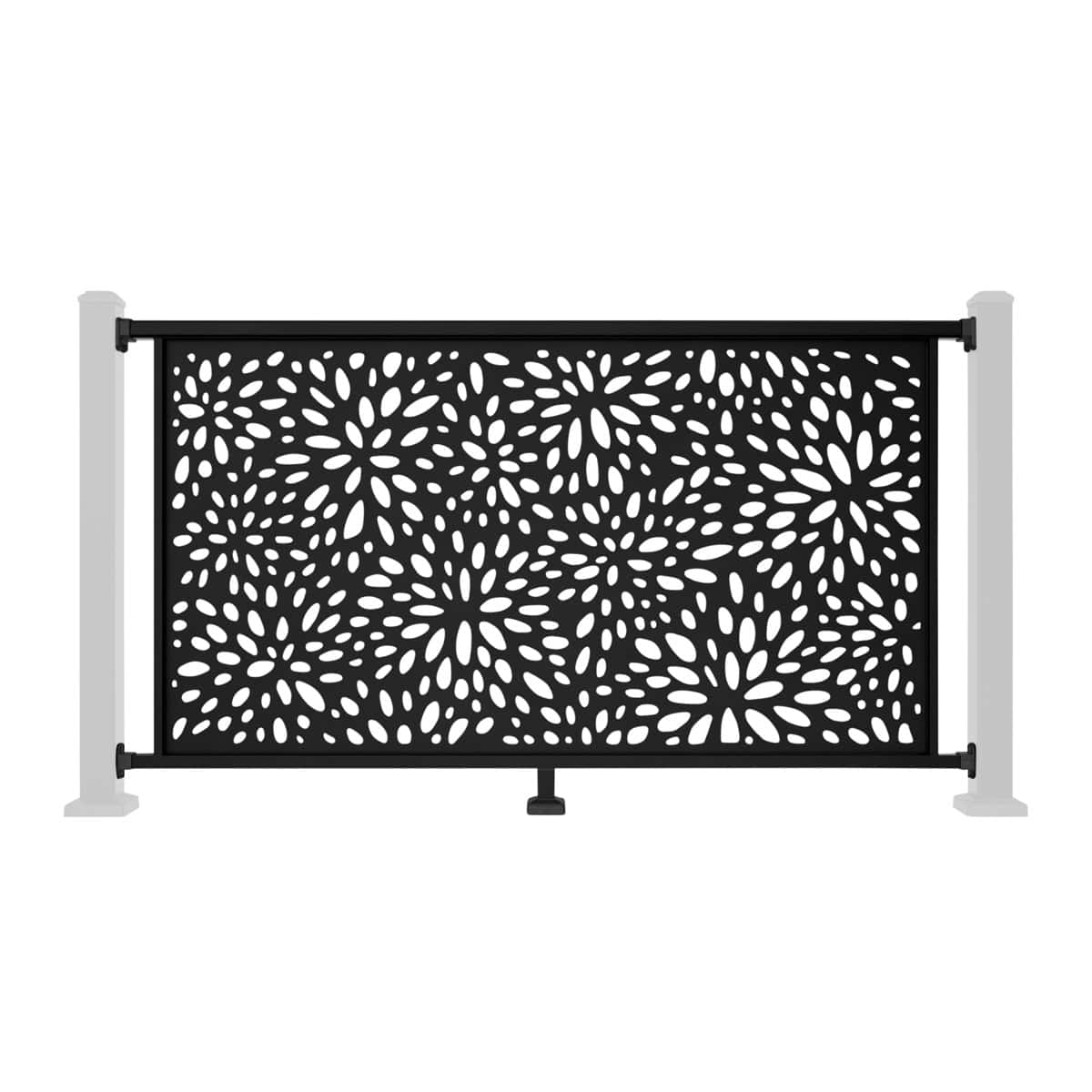
Composite deck railing defines the edge of an outdoor space and brings posts, rails and infill together as a coordinated system. NeoTimber® helps you finish your deck with matching balustrades. Our capped composite railings, supplied in a component form, can suit appropriately specified commercial and residential projects, with guidance available for those planning DIY deck installation.
This guide explains composite balustrade railing construction, colour choices and installation considerations. Compared with timber that may need periodic treatment, composite offers a simpler routine care approach. The right choice still depends on the location, supporting structure and requirements of the complete installation.
How Is Composite Balustrade Railing Constructed?
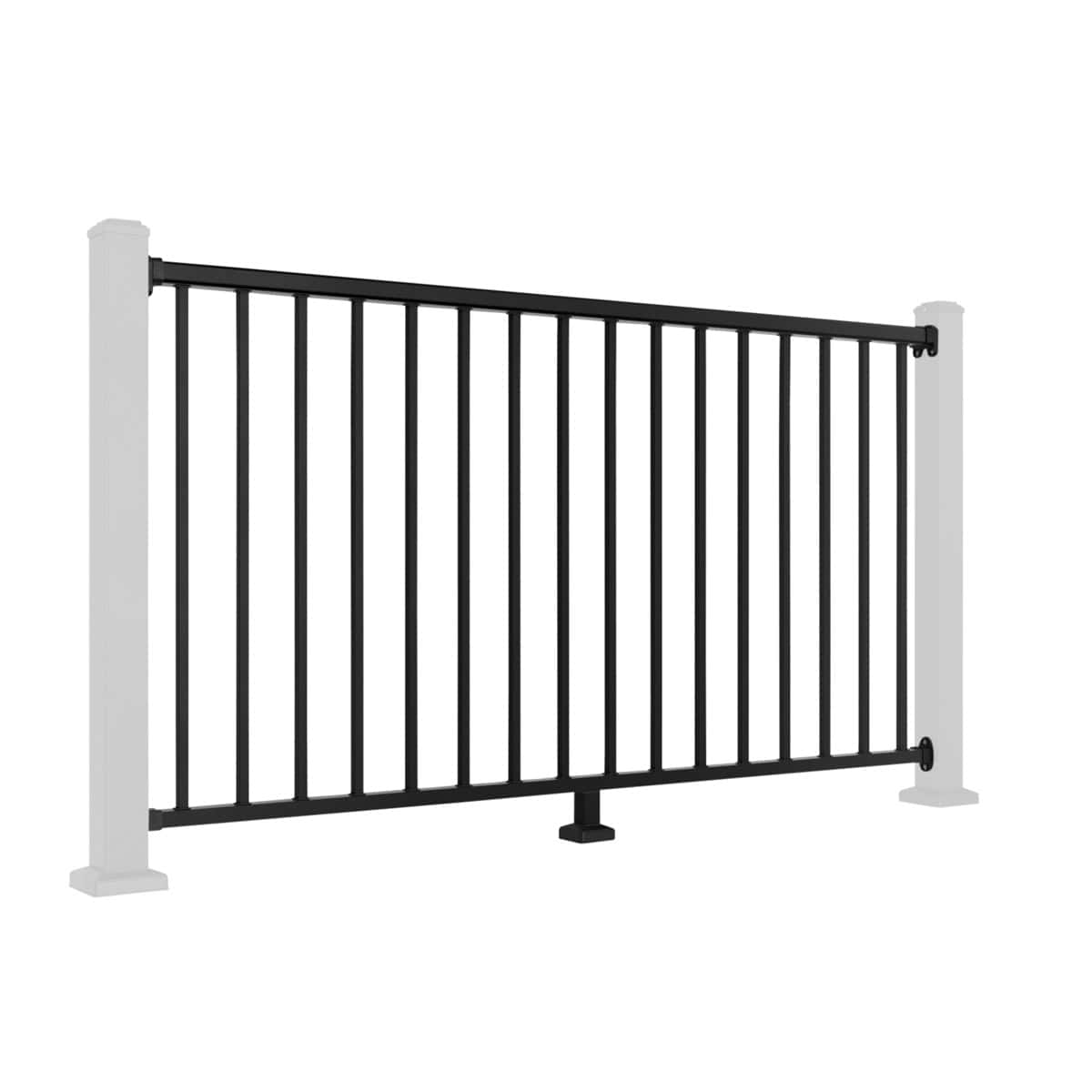
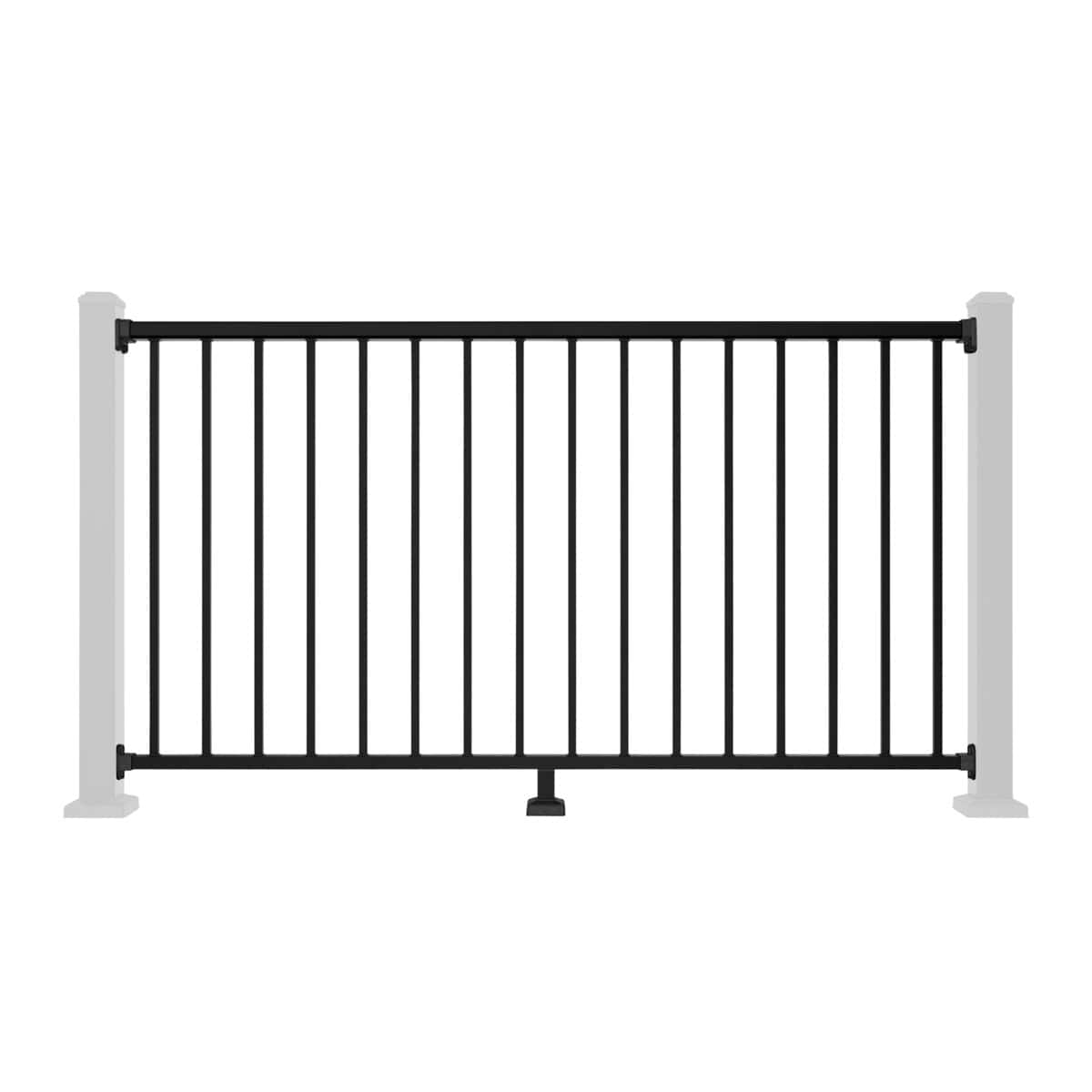
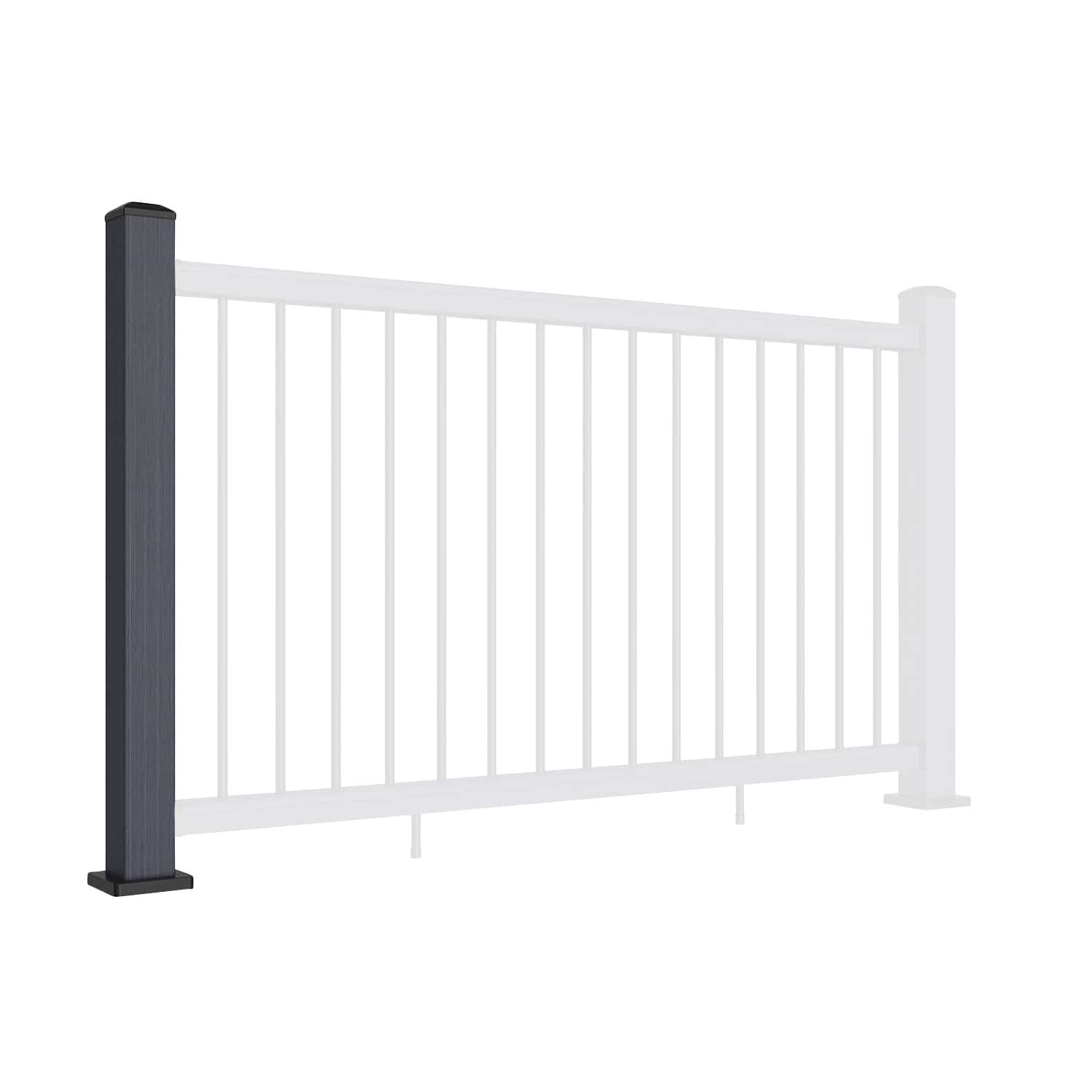
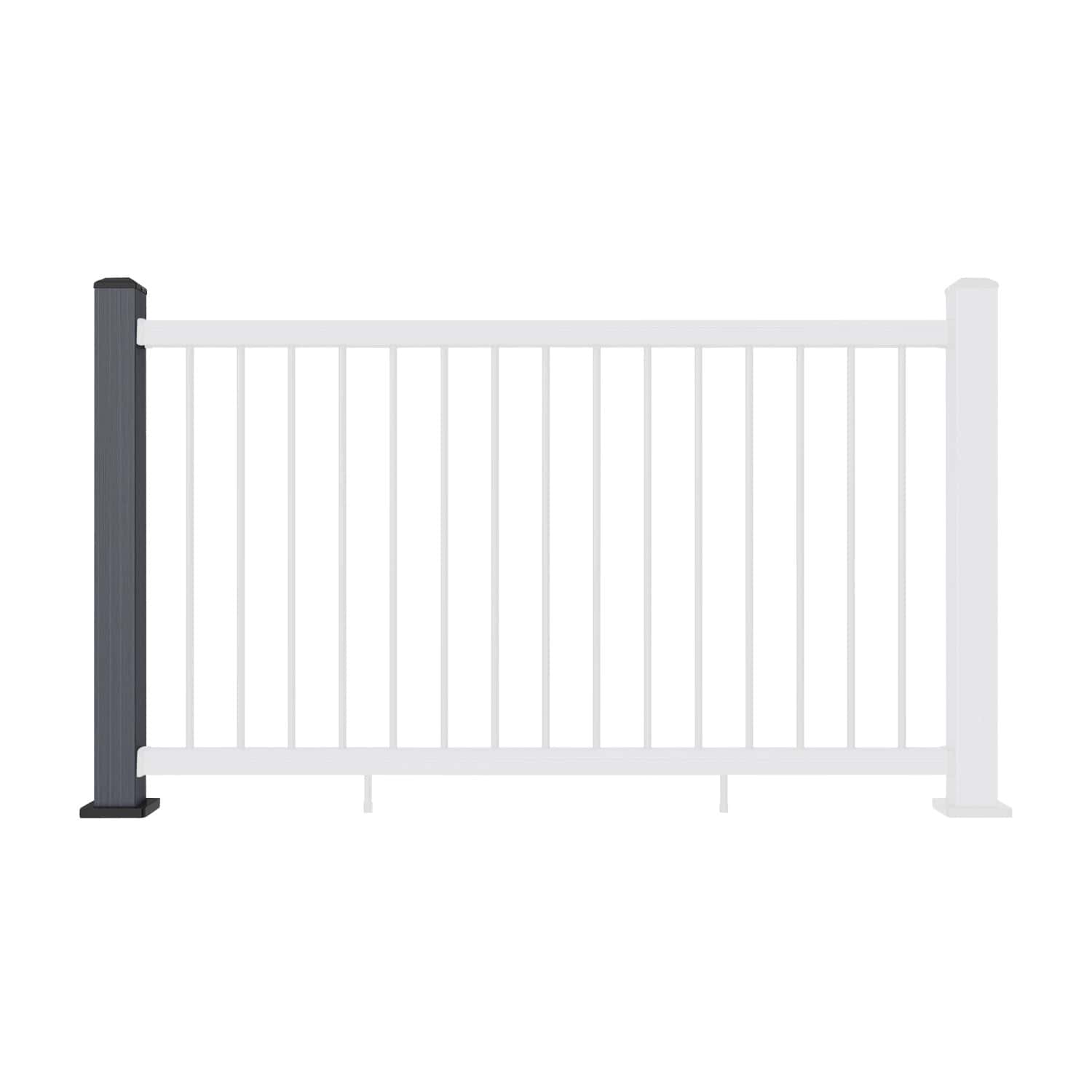
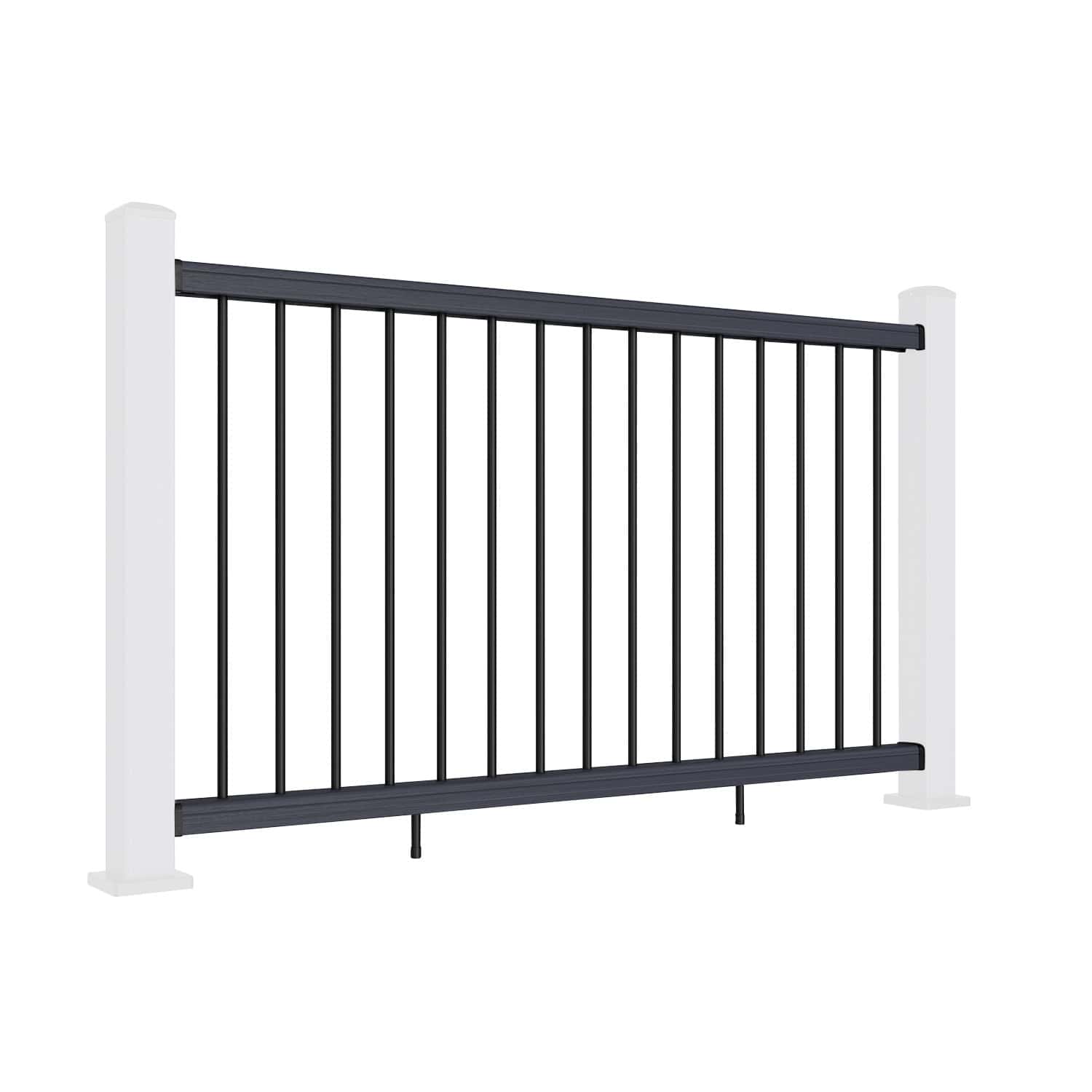
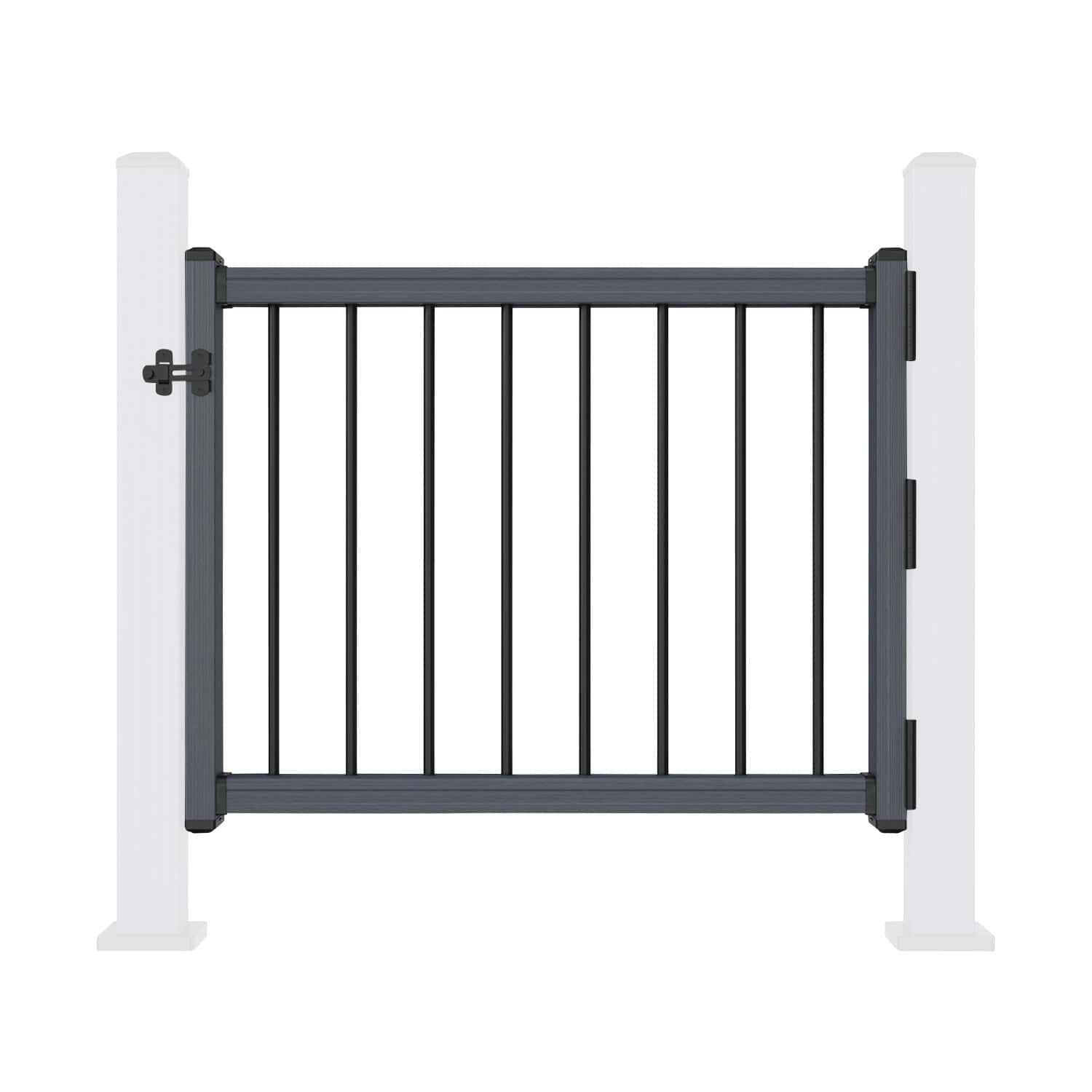
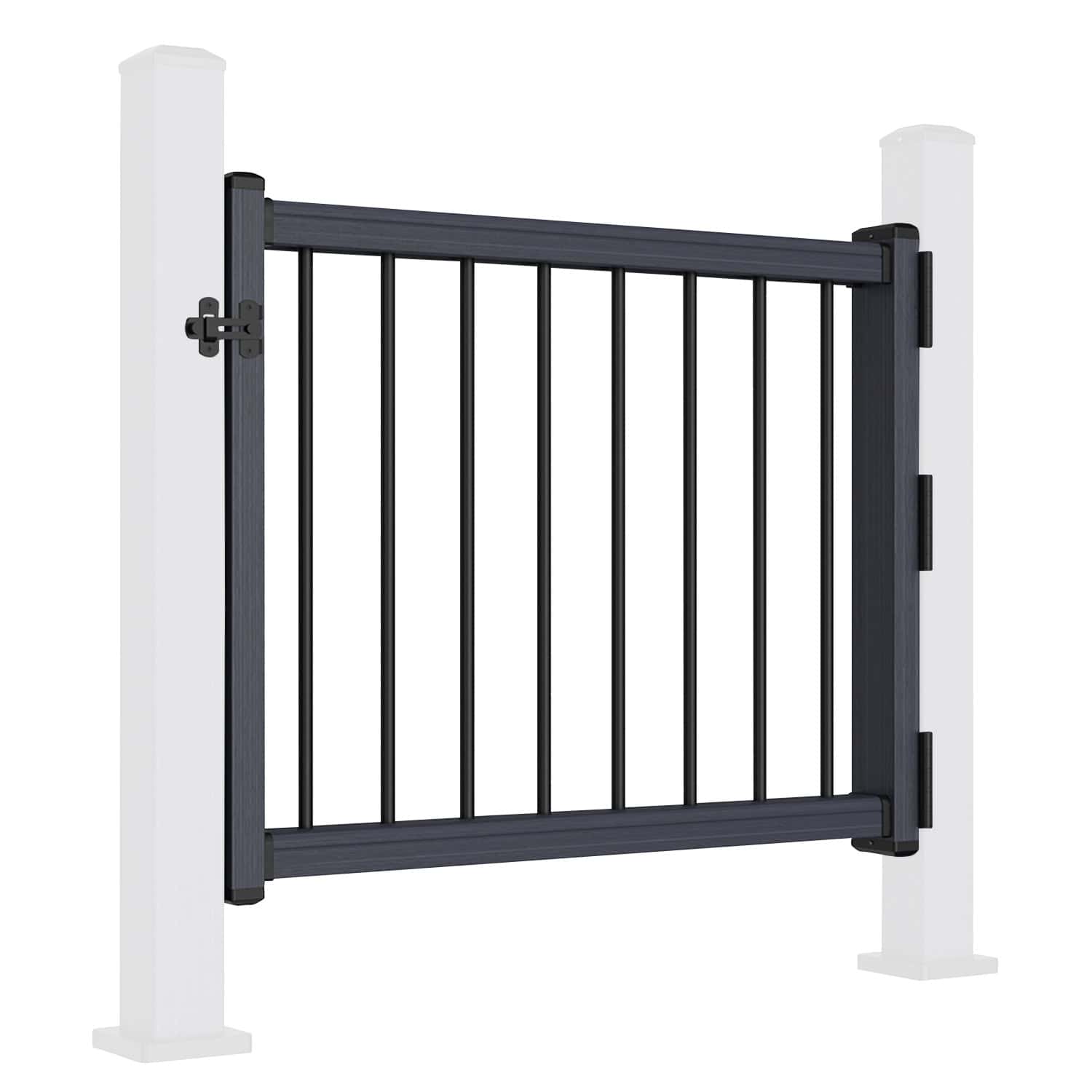
NeoTimber® composite railing is made using a wood–plastic composite with a protective capped surface. Steel reinforcement and post mounts provide support within the whole balustrade set when assembled and fixed according to the system specification. The rails include pre-formed positions for the balustrade spindles, helping establish the specified infill arrangement. Check the complete system documentation for the required configuration.
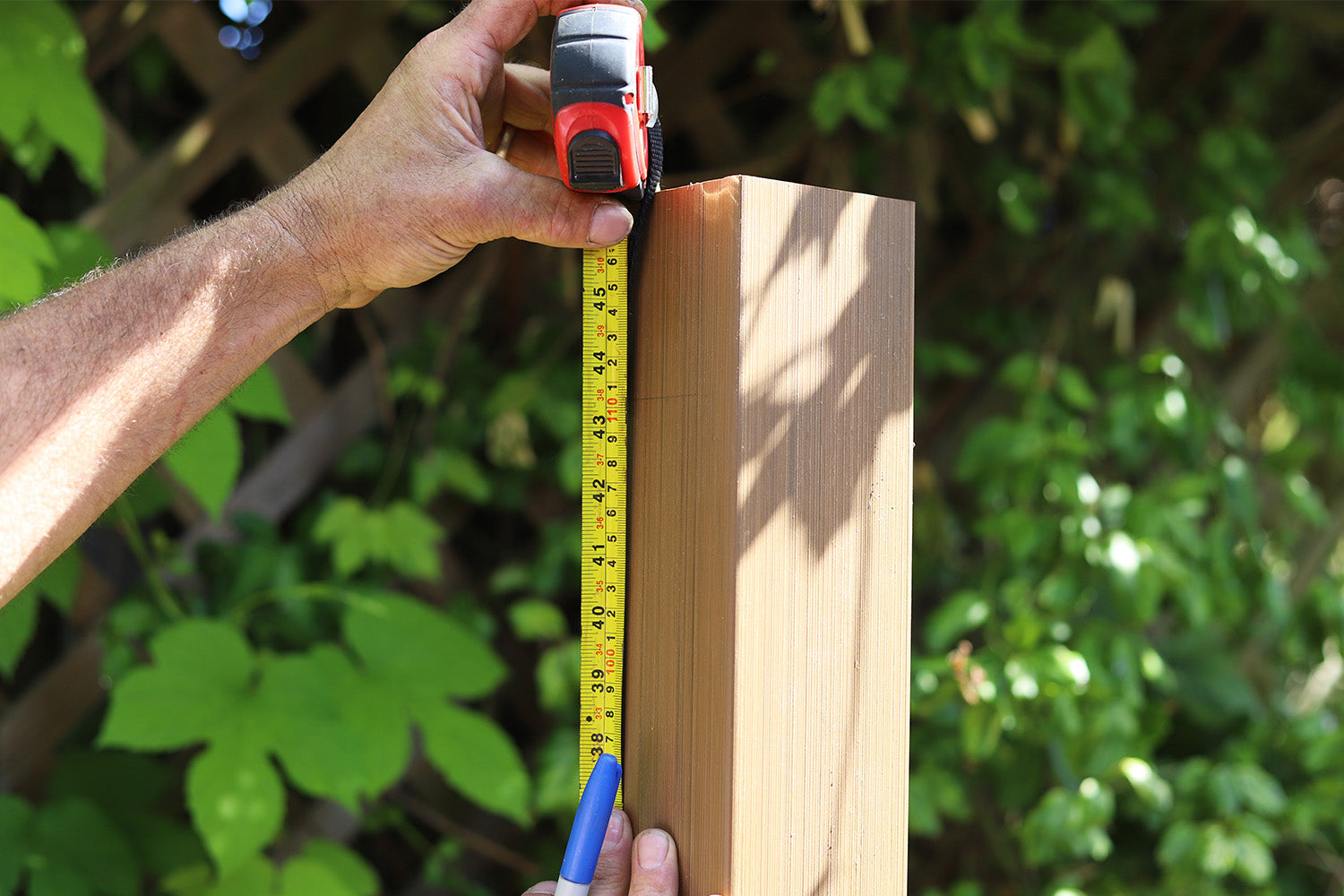
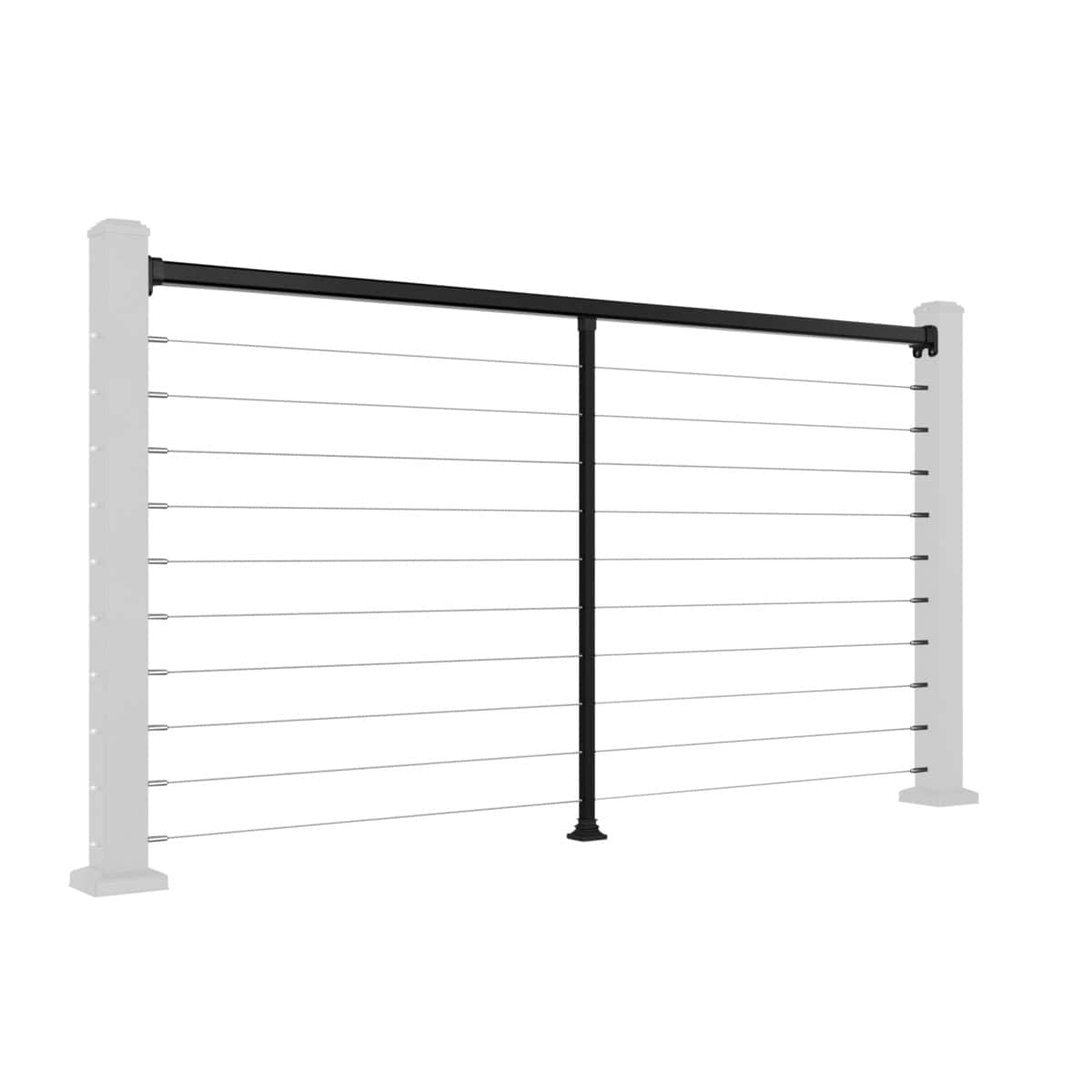
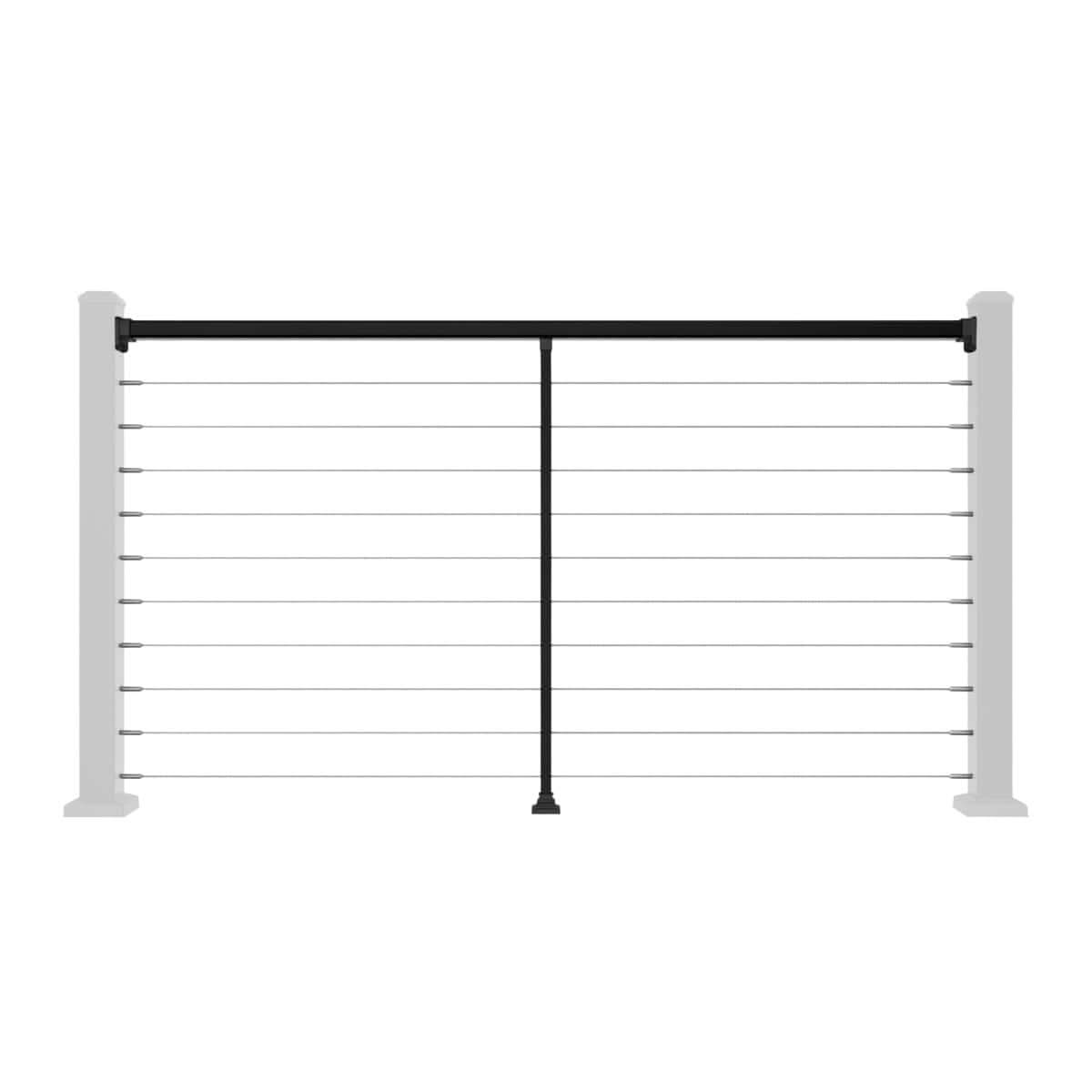
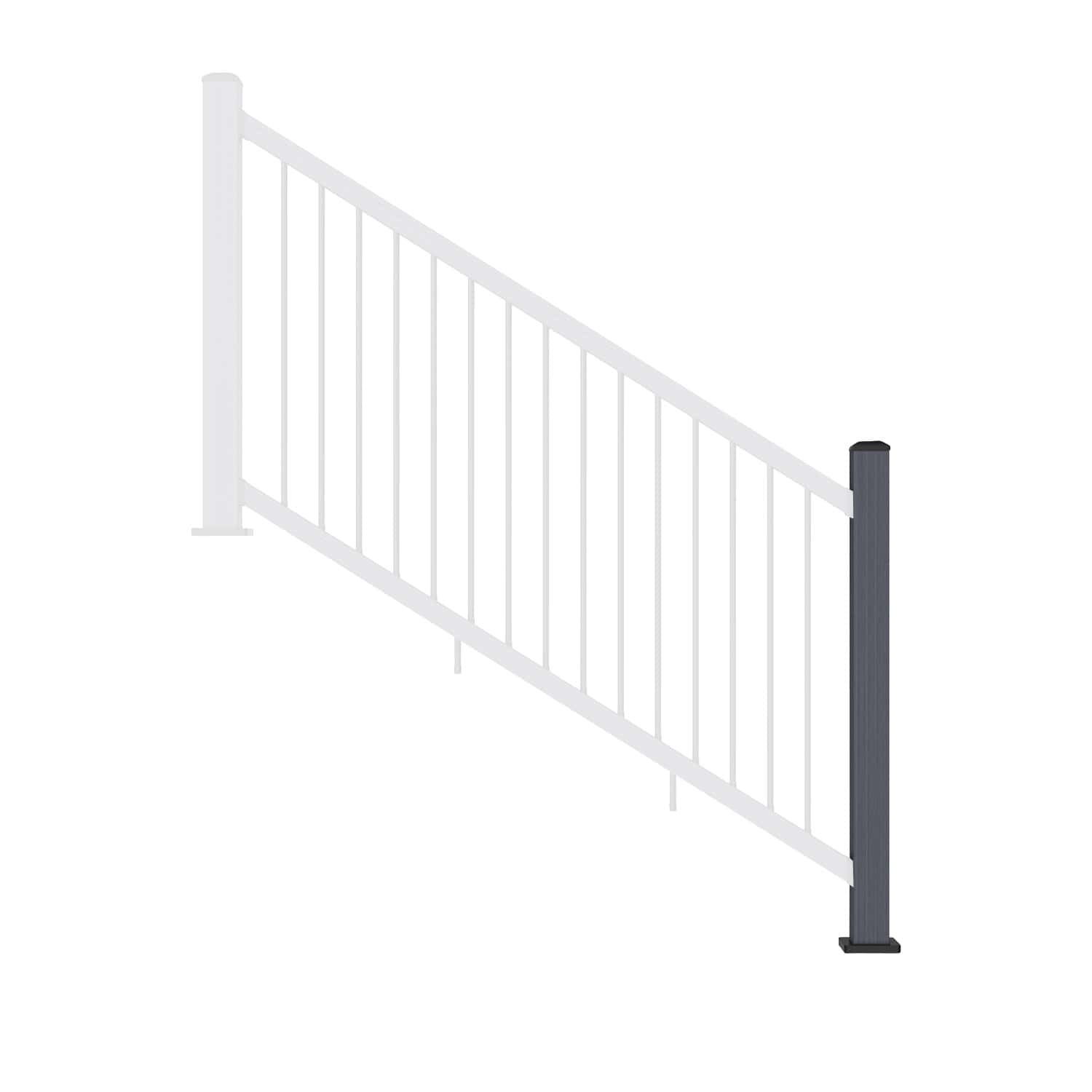
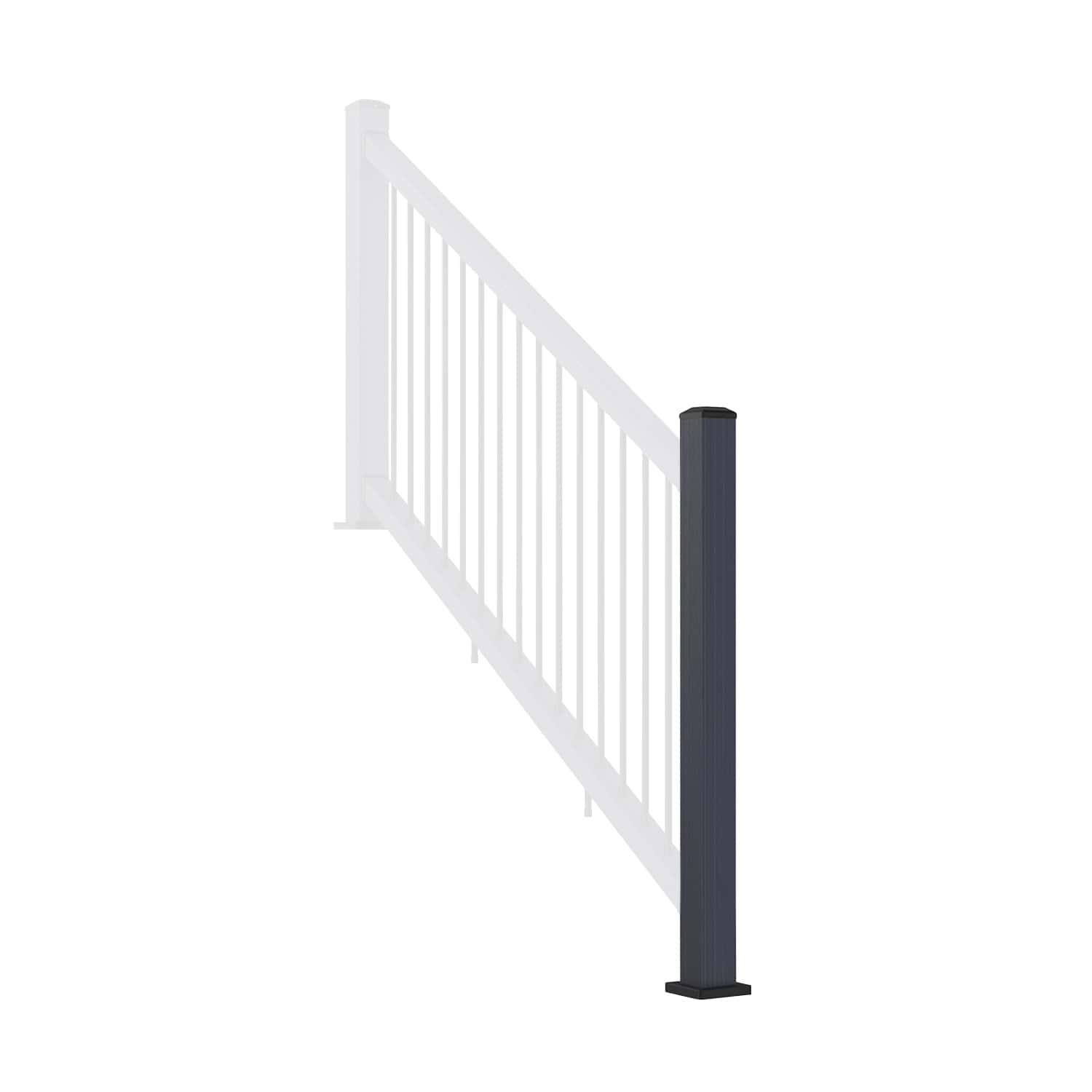
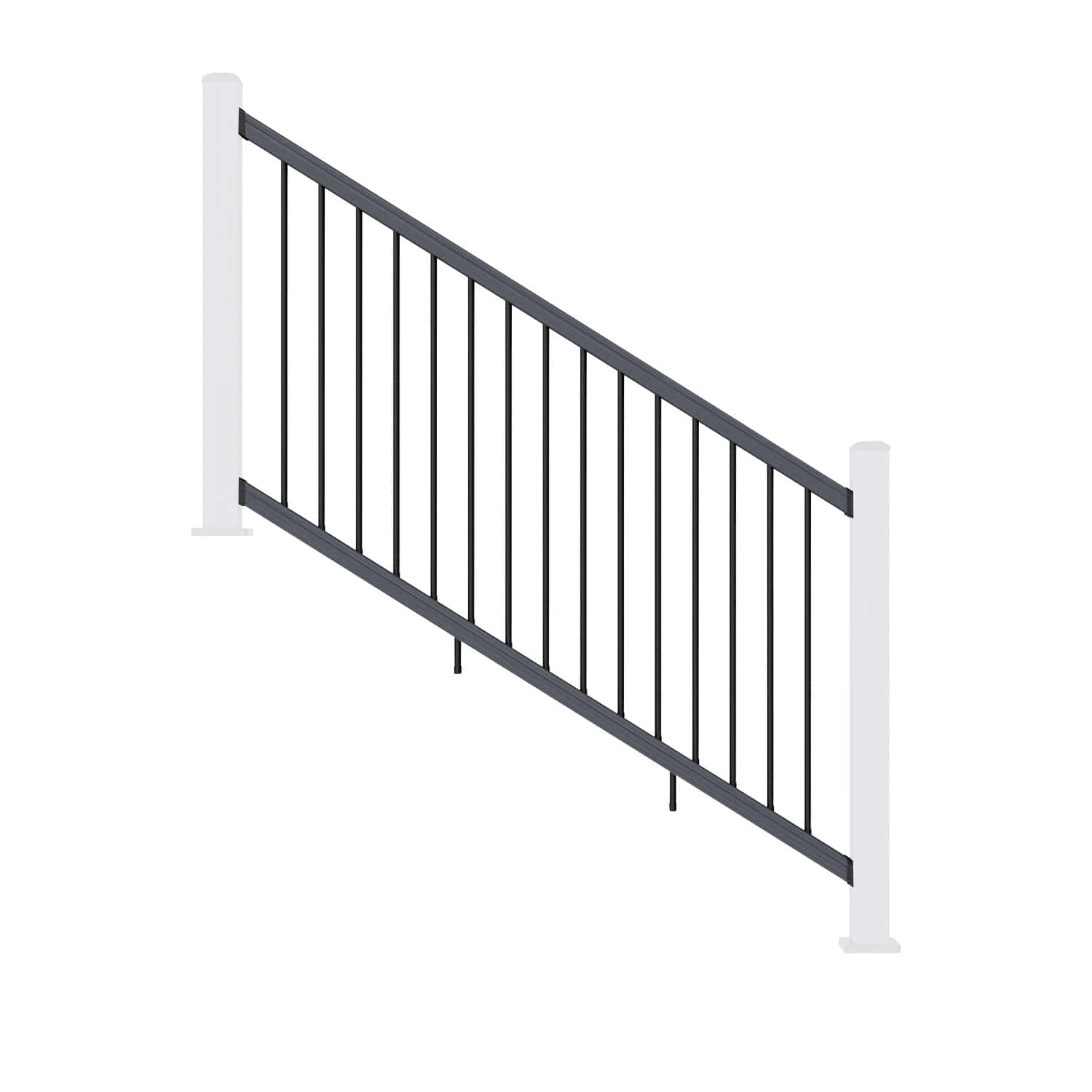
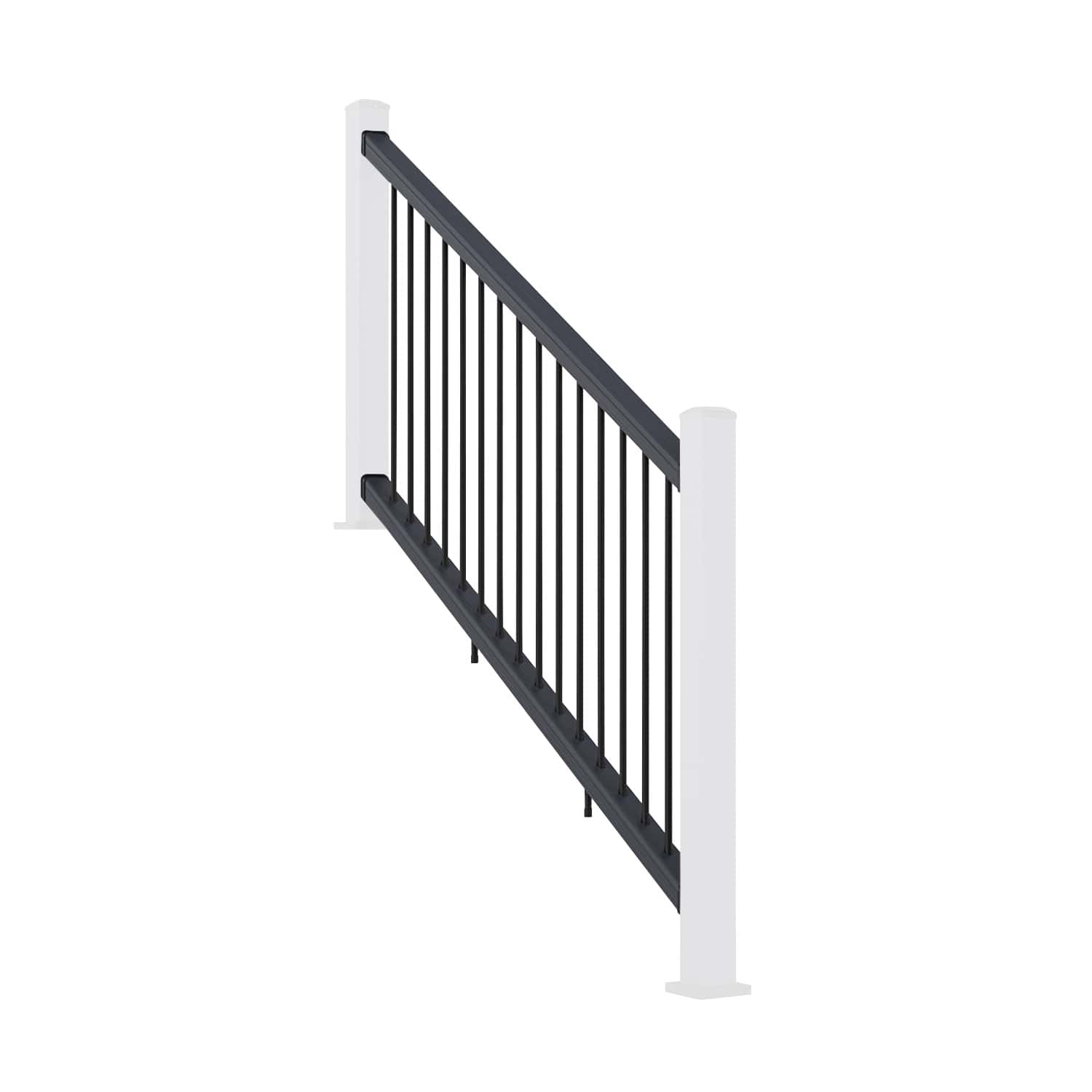
Select the rail length and components to suit the opening and whether the rails will be used on a straight, level run or on an angle for stairs. Balustrade posts and their mounts must be selected to suit the installation type and required finished height. Only cut the posts and post mounts where directed by the installation guide.
Benefits of Composite Deck Railing
Capped Composite Material
A capped composite surface adds a protective outer layer designed to improve resistance to moisture, staining and fading. It also reduces the routine painting and staining associated with timber. Protection does not mean the material is immune to damage or weathering, so follow the recommended care instructions.
Choose a system suitable for the intended application, and keep posts, rails, infill and fixings in good condition. Regular cleaning and checks remain part of caring for any outdoor balustrade.

Composite Rails with Contrasting Aluminium Spindles
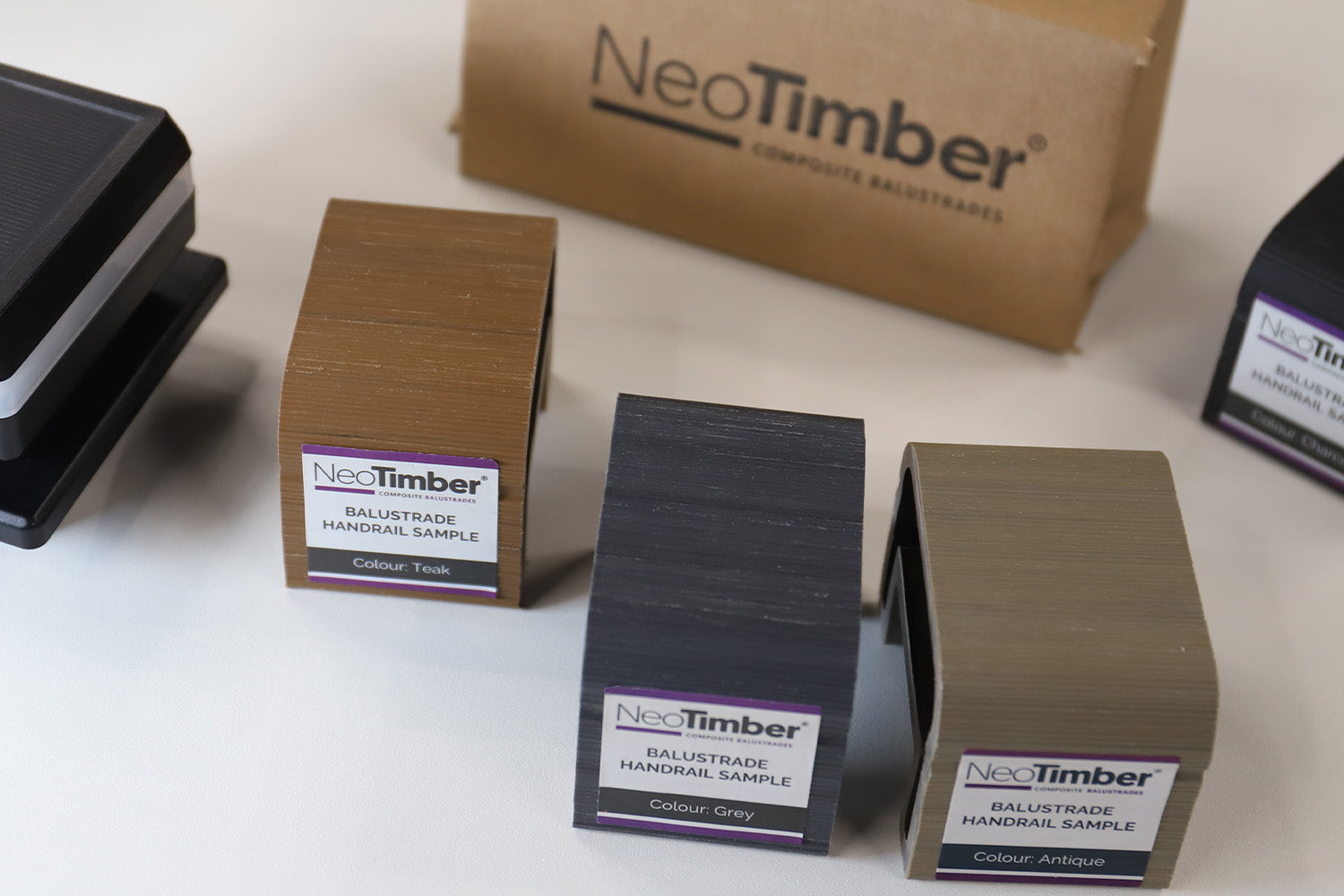
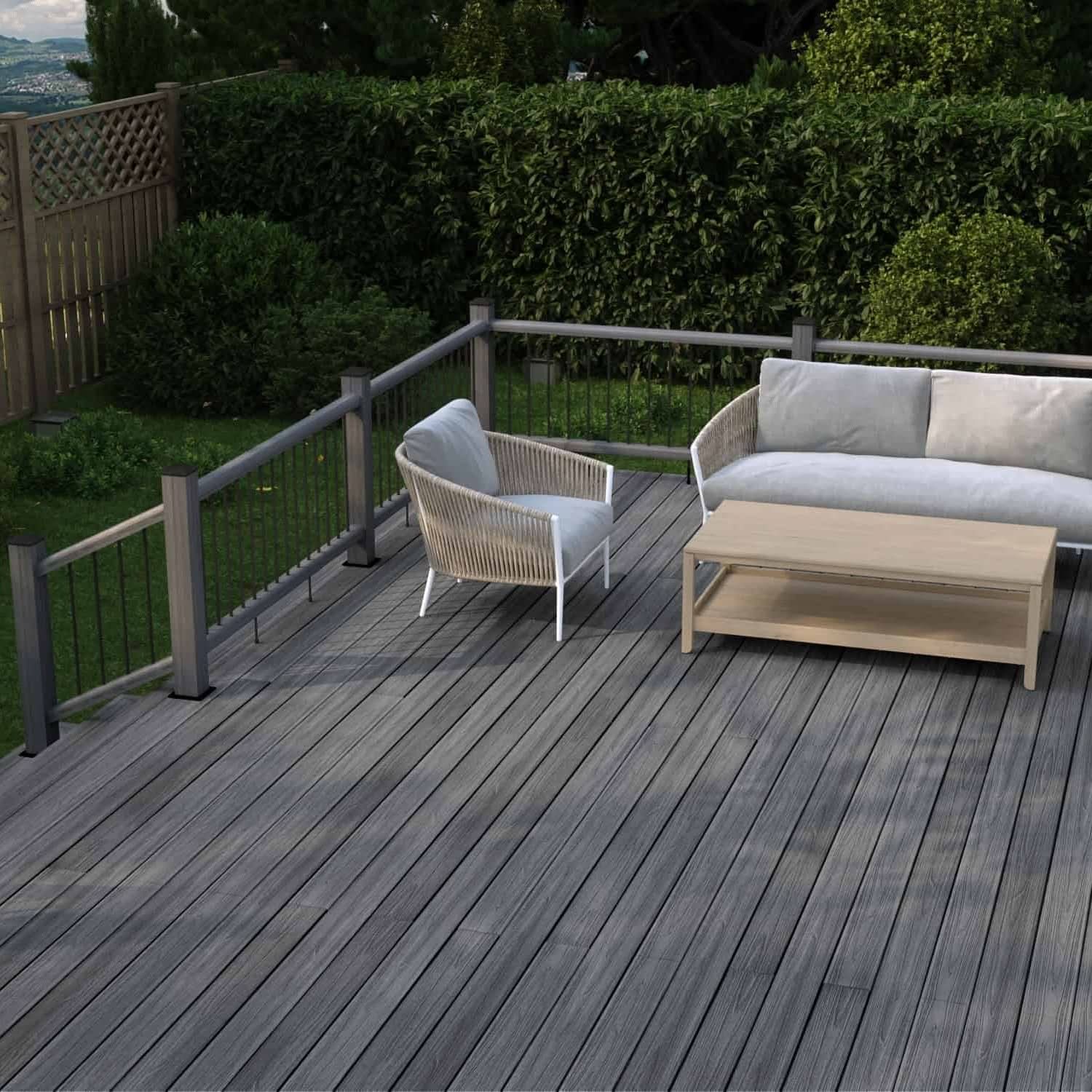
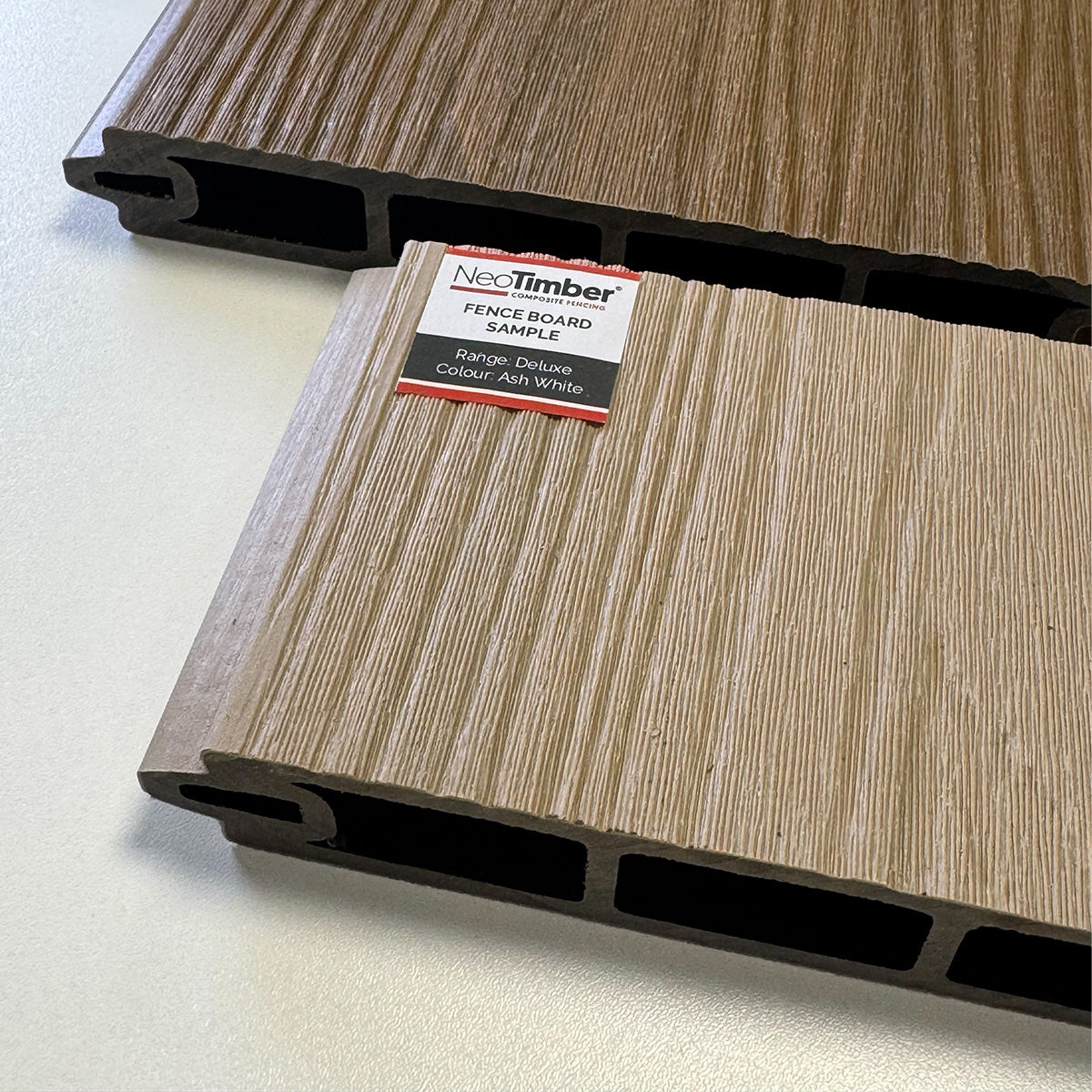
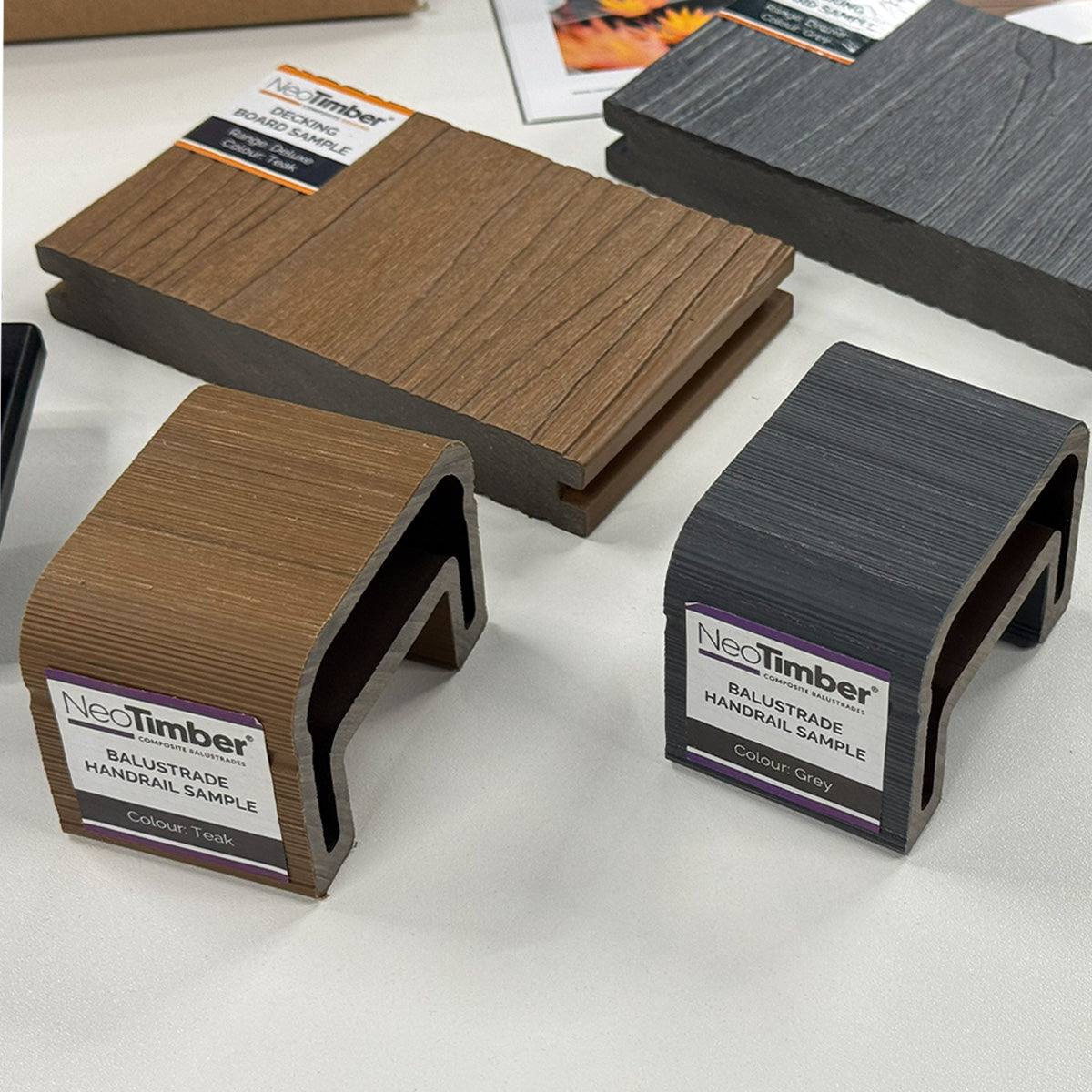
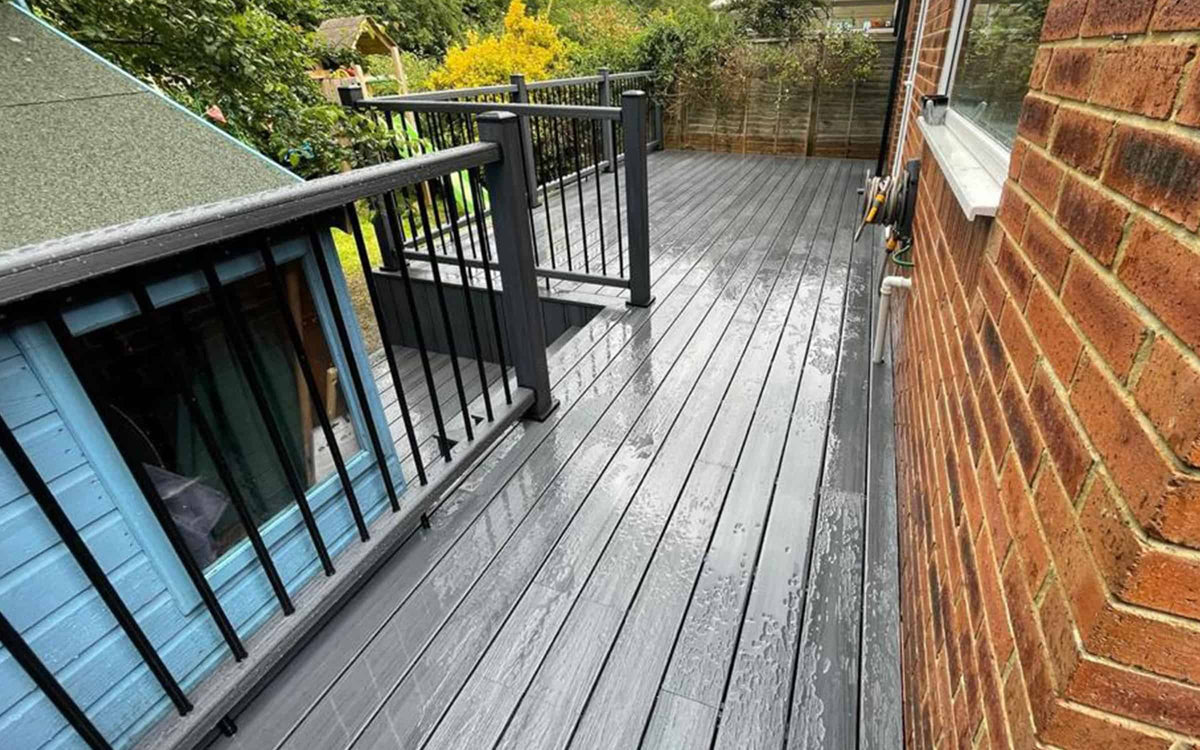
Our capped composite railings are available in eight colours, charcoal, antique, chocolate, grey, ash white, oak, silver birch, and teak. With contrasting black powder coated aluminium spindles, the NeoTimber® deck railing is a smart, striking alternative to timber or steel. Matching in with post caps, skirts and handrail end caps, the spindles sit vertically between the rails in the specified infill layout. Confirm the opening sizes and installation requirements for your balustrades. Consider a grey composite deck with black railing for a contrasting finish.

Planning and Installing Your Balustrade Railing
Installing composite deck railing starts with a suitable supporting base and an accurate layout. The balustrade railing is supplied as a set of components with installation guidance. This means that you can install your balustrade section by section, following the specified fixing and assembly sequence. Seek suitable assistance where the structure or installation requirements are unclear. When installing composite deck railing posts choose the fixing method for the supporting base beneath timber decking, concrete or composite decking. Deck boards alone should not be treated as the structural fixing base. Following the installation sequence, fit the composite sleeves, handrails and spindles. Check alignment and connections before use.

Match or Contrast Your Composite Railing Colours
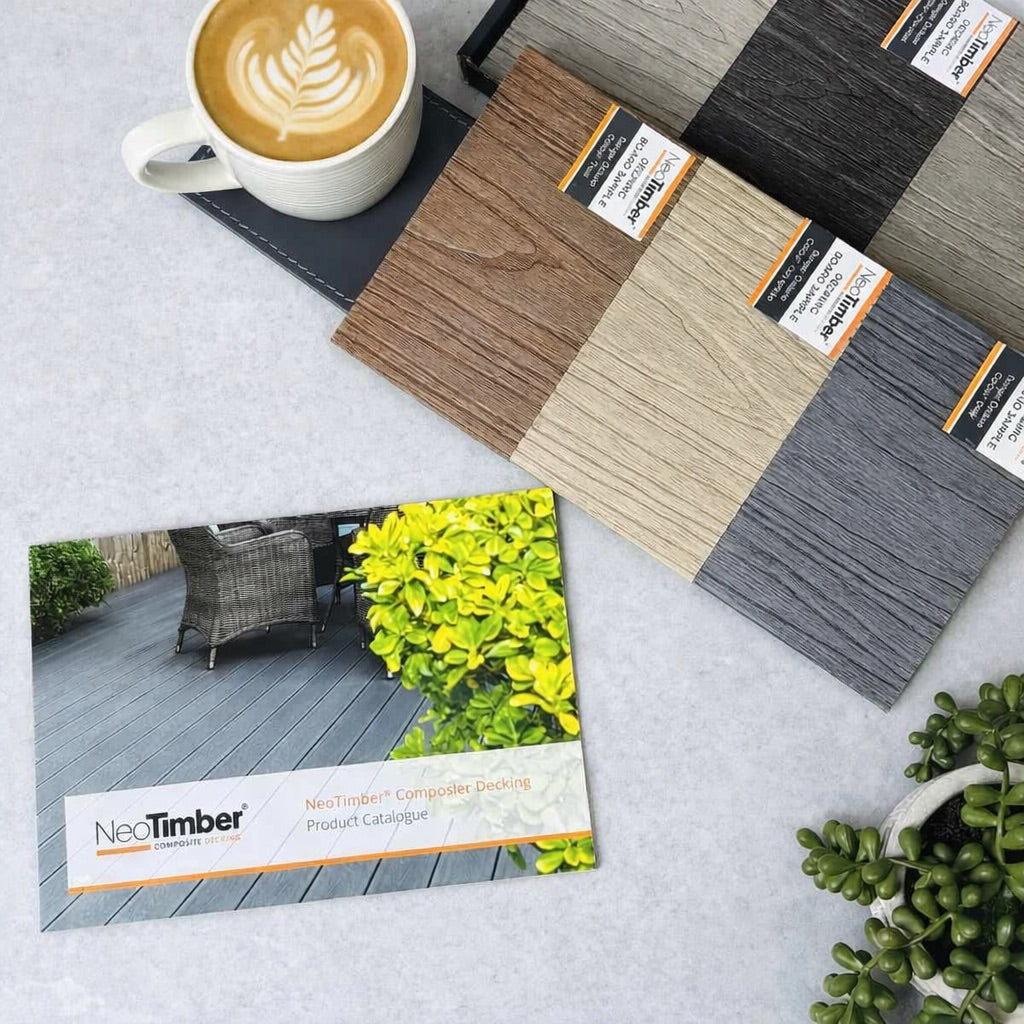
To coordinate with our composite decking colour range, our composite deck railings are available in eight stunning colour options. Choose teak composite railings which look like wood. Grey works well with contemporary paving and exterior finishes. Chocolate brown adds a deeper brown tone, antique white offers a lighter, neutral finish, while charcoal black creates stronger contrast. Compare samples in daylight alongside the decking and other materials in your space.

Composite Balustrade Railing FAQs
What is the difference between composite railing and a complete balustrade?
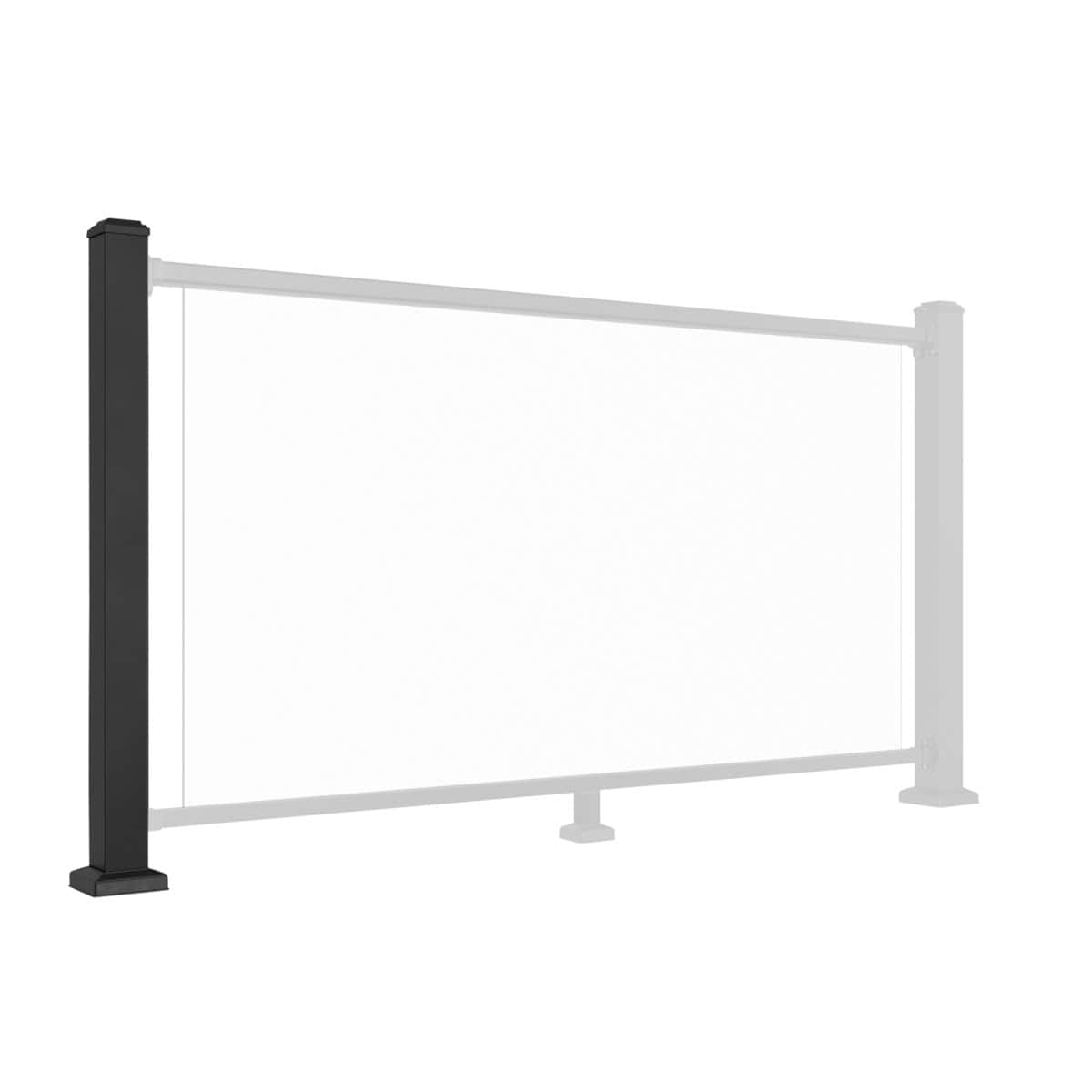
The railing is one part of the system. A complete balustrade includes posts, rails, infill, brackets and fixings, together with suitable connections to the supporting structure. Check which components are included before ordering.
Can composite deck railing be used on stairs?
Use the stair-specific components and installation method for an inclined run. Straight and stair configurations have different connection requirements, so do not assume the same parts can be used interchangeably.
Can balustrade posts be fixed only to decking boards?
Do not rely on the boards alone as the structural fixing base. Post mounts need an appropriate connection to a suitable supporting framework or other approved base, following the installation instructions.
Does composite railing need painting or staining?
Composite does not need the routine painting or staining associated with timber. It still needs cleaning to remove dirt and debris. Follow the care guidance before using cleaners or applying any treatment.
Are all composite balustrades suitable for balconies?
No single product description establishes suitability for every balcony. Confirm the system's performance, height, openings and fixing details against the requirements of the individual project before choosing components.
Can I combine railing components from different ranges?
Only combine components where compatibility is confirmed. Rail connections, post dimensions and fixing arrangements can differ between systems.
Choose Straight or Stair Composite Balustrade Railing
Choose the configuration that matches your layout, then check the product details for dimensions, included components, compatible posts and current pricing. Specify straight and stair sections together where the deck includes changes in level.

Composite Balustrade Straight Railing