
Choose a Wood-Inspired Exterior With Less Decorative Upkeep
Synthetic cladding offers a manufactured alternative to solid timber boards. For homeowners who enjoy a wood-inspired exterior but want to reduce routine painting and staining, composite can be an option worth comparing.
NeoTimber’s synthetic timber cladding is wood-polymer composite: a combination of wood fibres and plastic polymers. It is not solid timber, but it is also not an entirely plastic material.
This guide explains what synthetic wood cladding means, compares the available finishes and outlines the questions to ask before choosing cladding for your property.
What Is Synthetic Timber Cladding?
“Synthetic” is a broad description rather than a precise technical specification. Products described this way can have different compositions and performance, so identify the actual material before comparing options.
For NeoTimber® boards, the relevant construction is wood-polymer composite. The colour, surface treatment and profile create the timber-inspired appearance, while the product information explains how the board should be used and cared for.
Do not assume that every manufactured wood-effect product has the same characteristics. A finish name or photograph cannot replace the specifications for the exact board.
Compare NeoTimber’s Synthetic Cladding Ranges
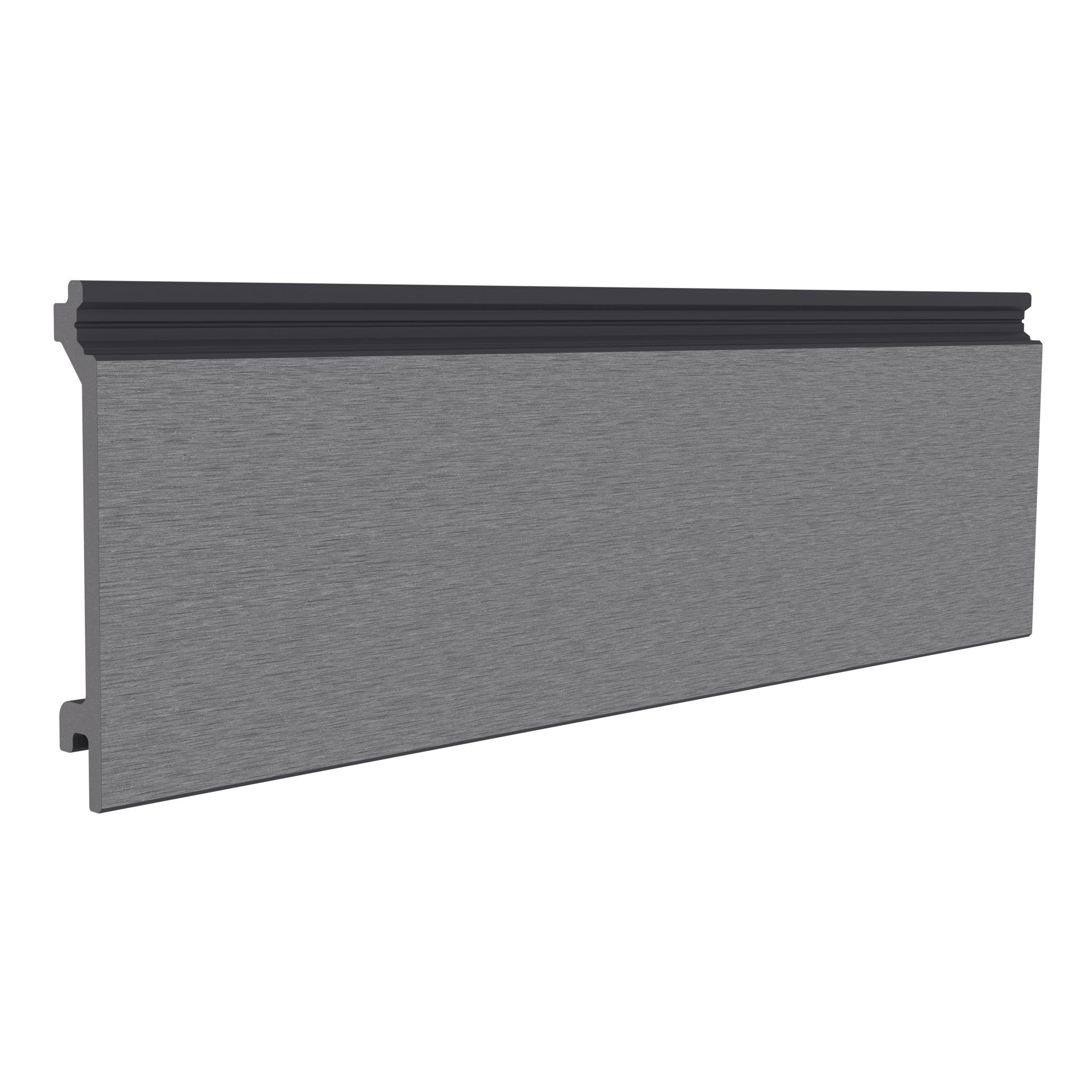
Classic: An Understated Sanded Surface
The Classic range is our entry-level uncapped option with a sanded finish. It can suit designs where a quieter timber-effect texture complements the existing building materials.
Its appearance can mellow with outdoor exposure. Review the traditional composite guide and current product information alongside your sample.
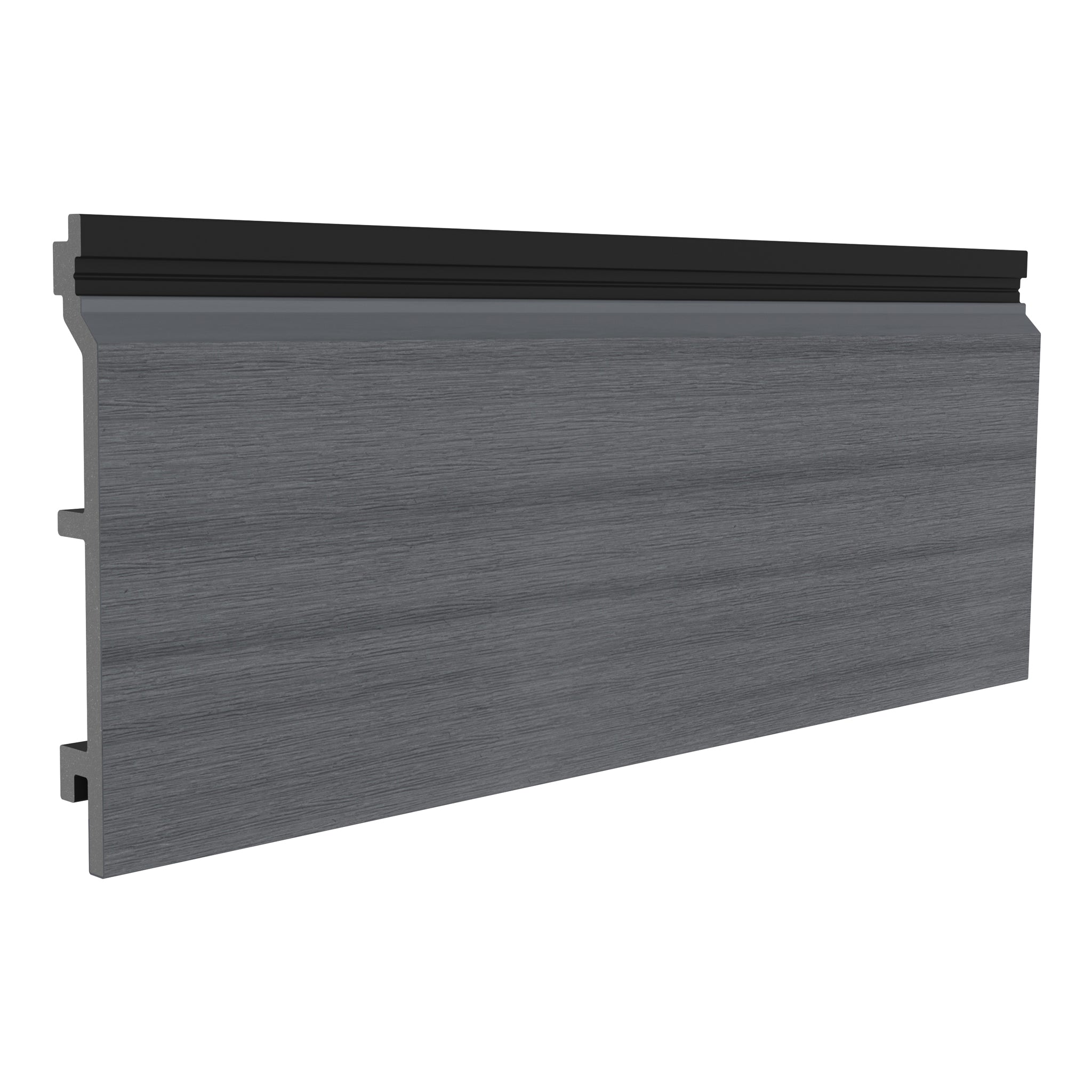
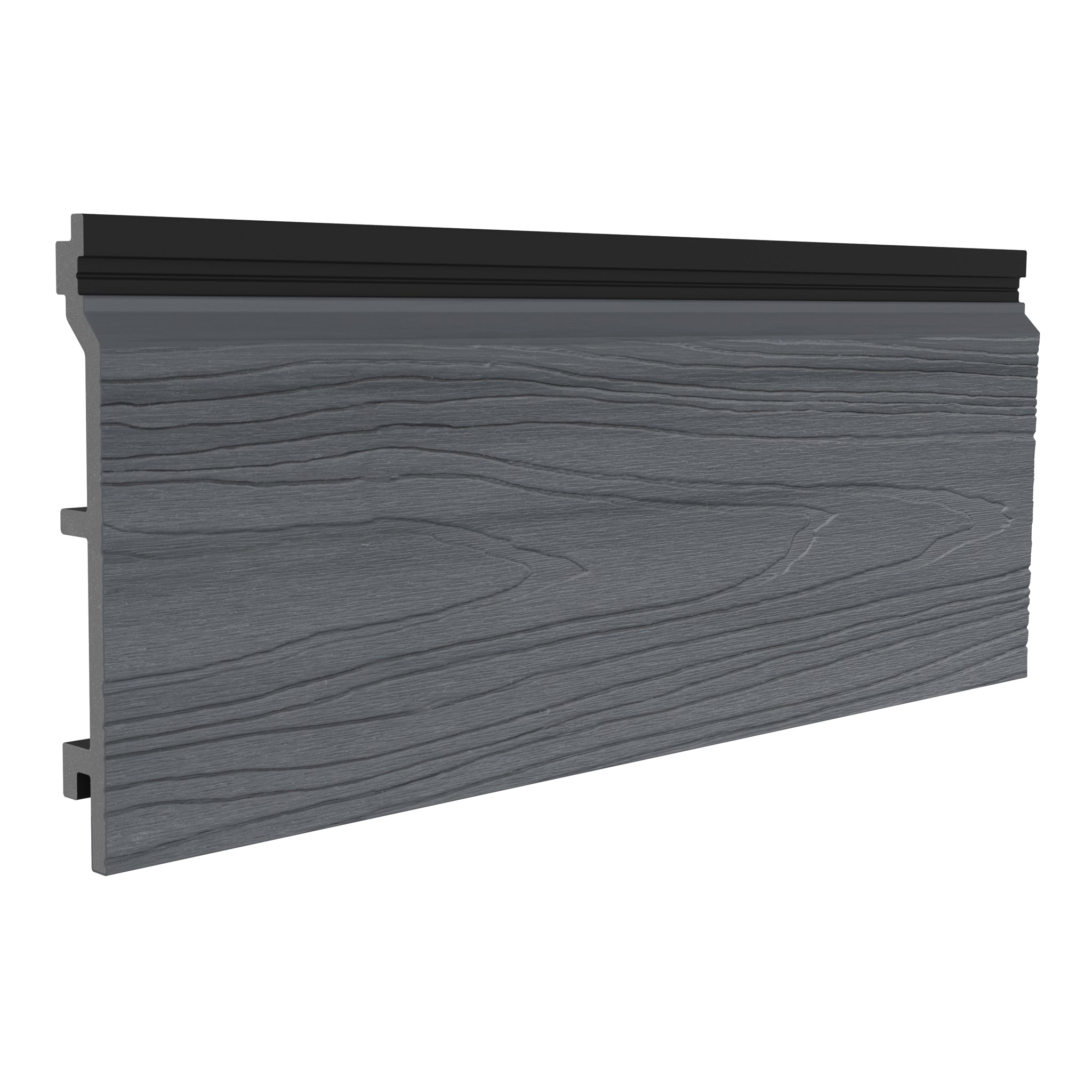
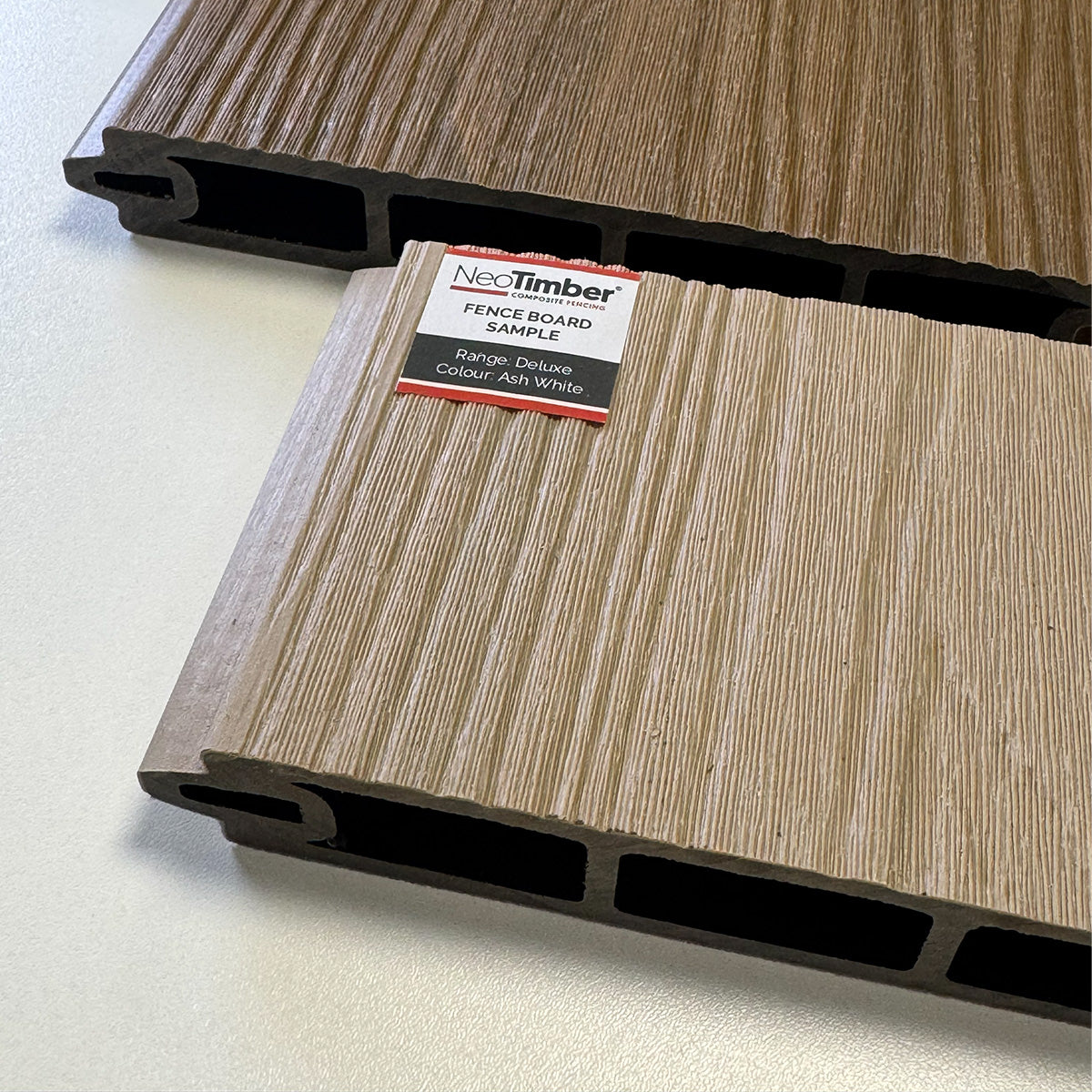
Deluxe: Brushed and Woodgrain Finishes
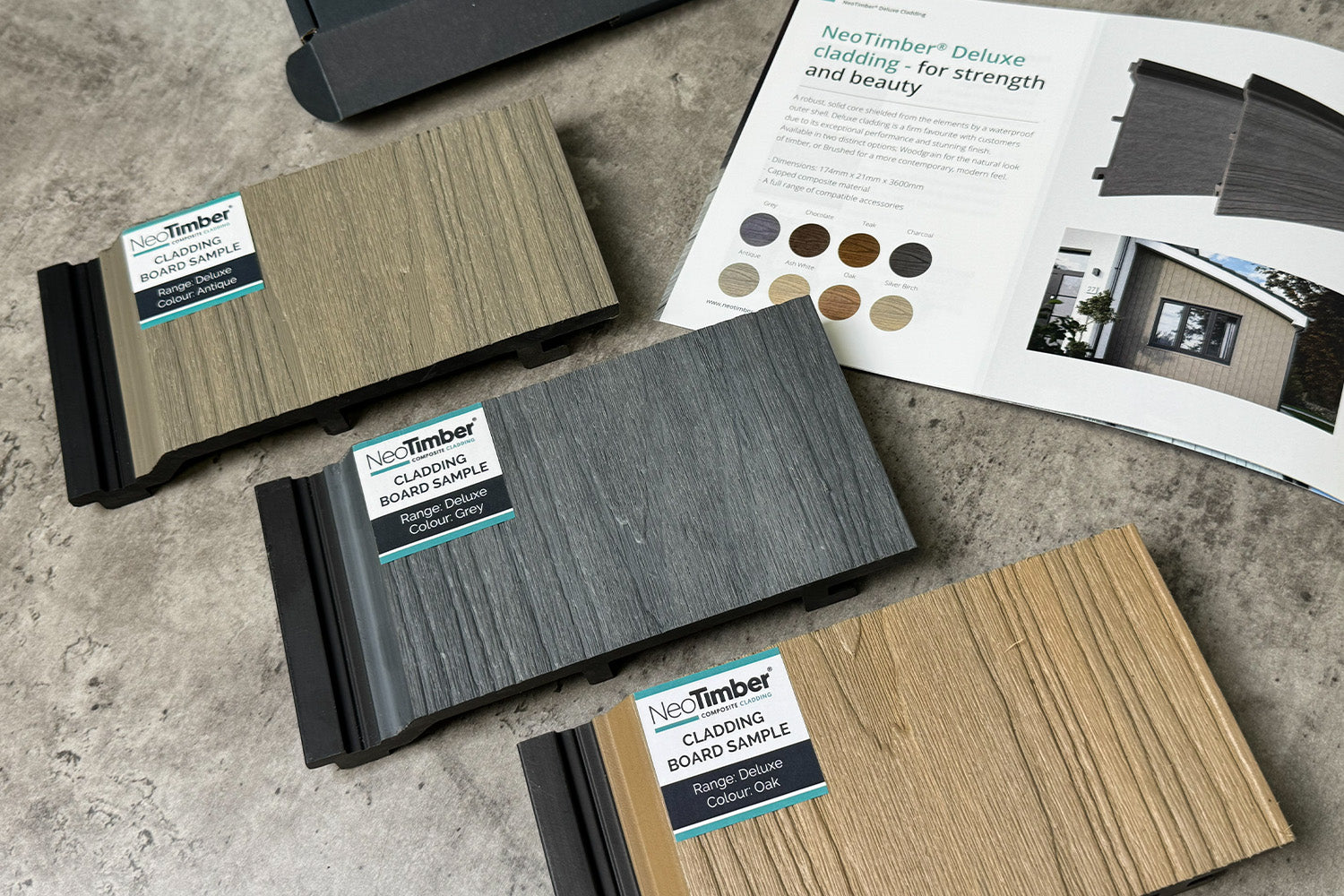
Deluxe offers capped boards with brushed and embossed woodgrain appearances. The protective surface improves resistance to fading and staining, rather than guaranteeing that every mark or colour change is prevented.
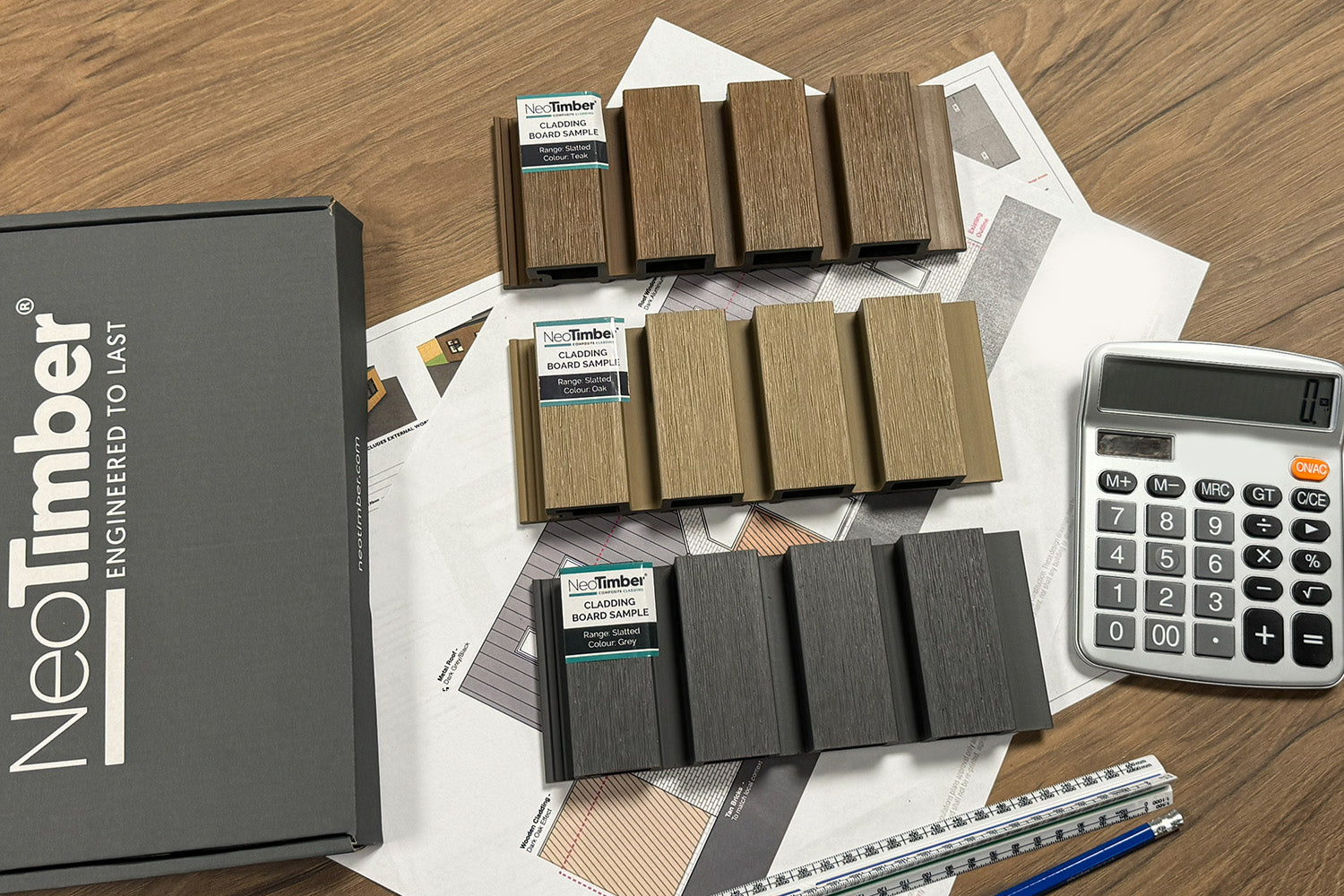
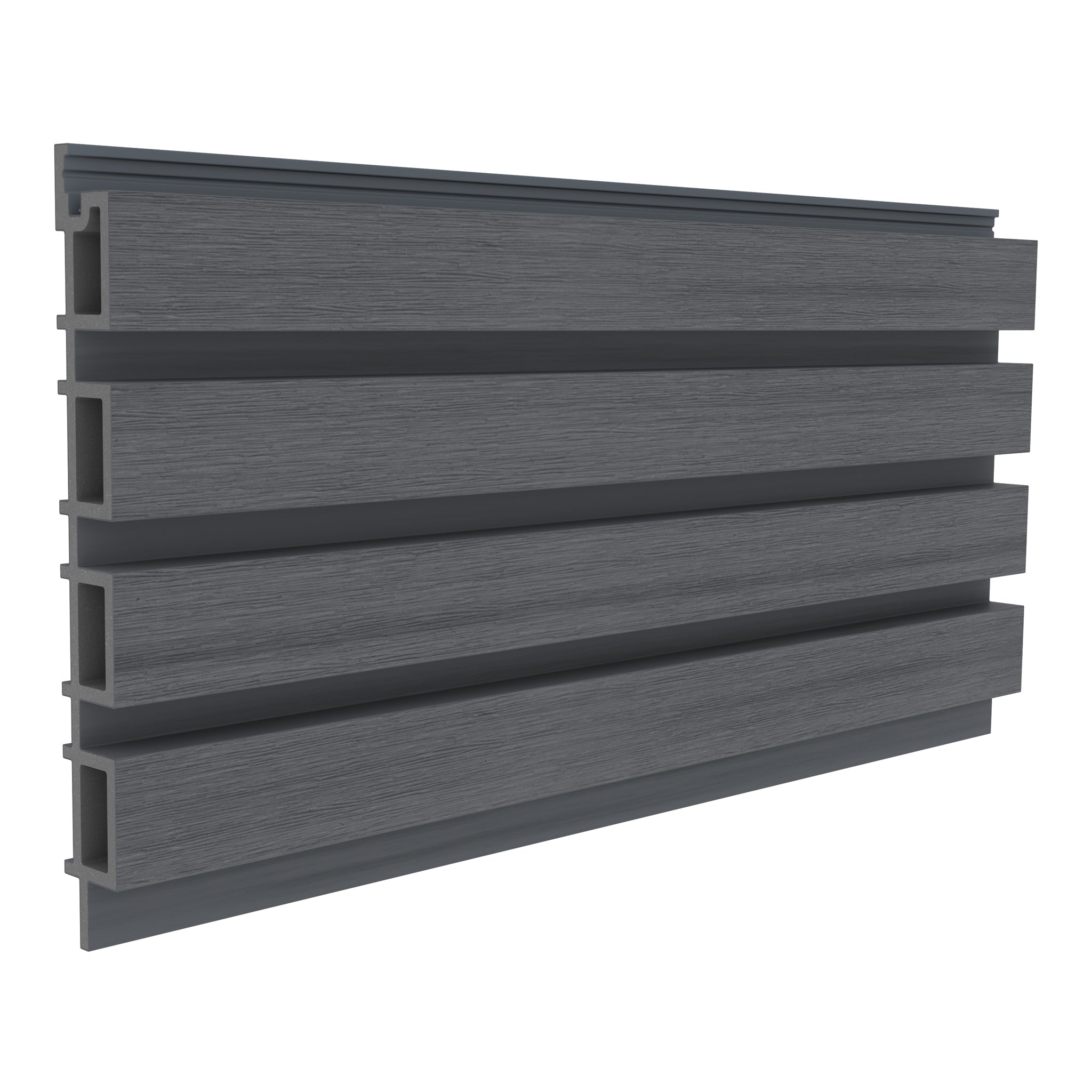
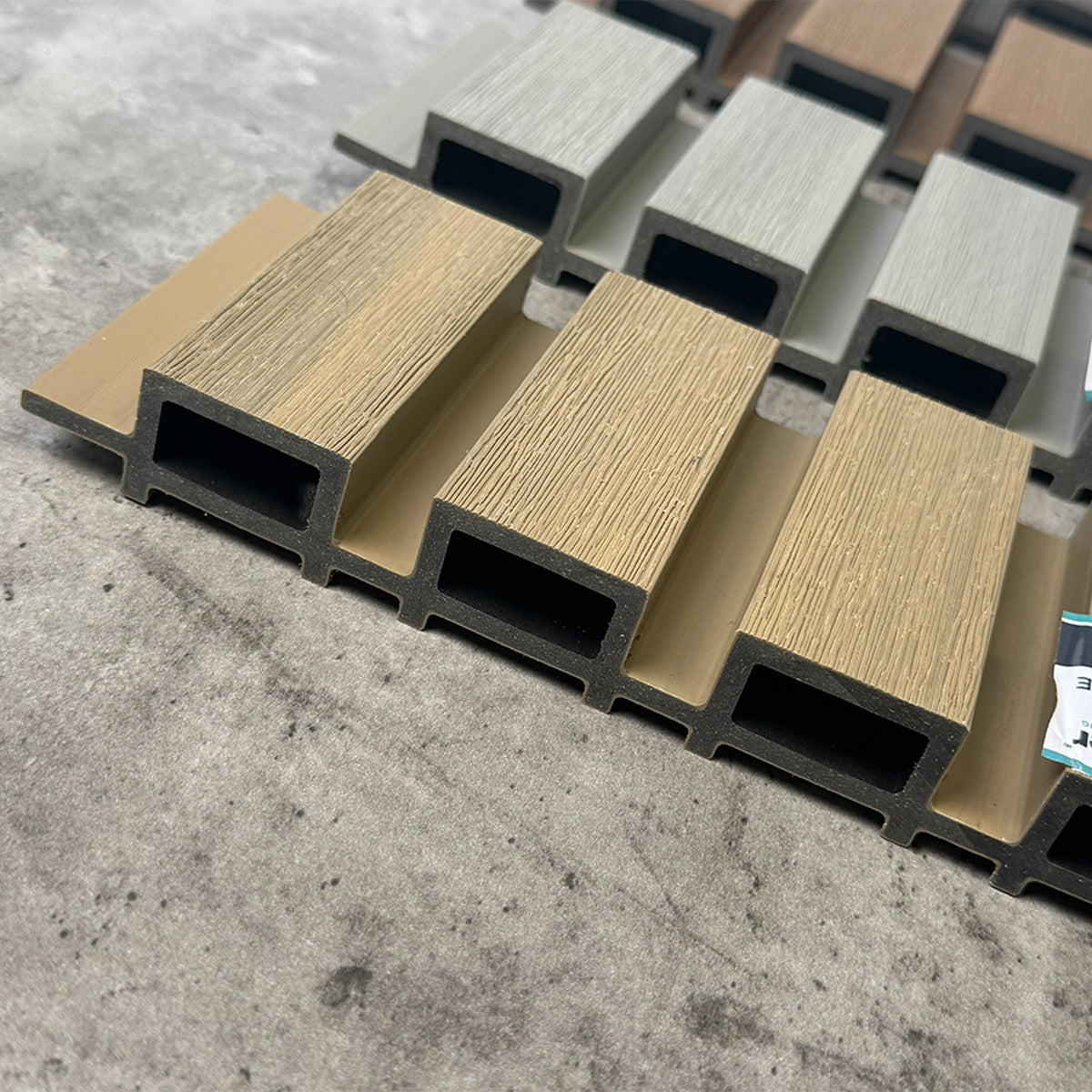
Slatted: A Defined Linear Pattern
The Slatted collection uses raised and recessed details to create a repeated pattern. Compare the individual profiles and their dimensions to find an effect suited to the scale of your wall.
Use the texture guide and capped composite guide to narrow your shortlist.

Colour Choices for Synthetic Wood Cladding
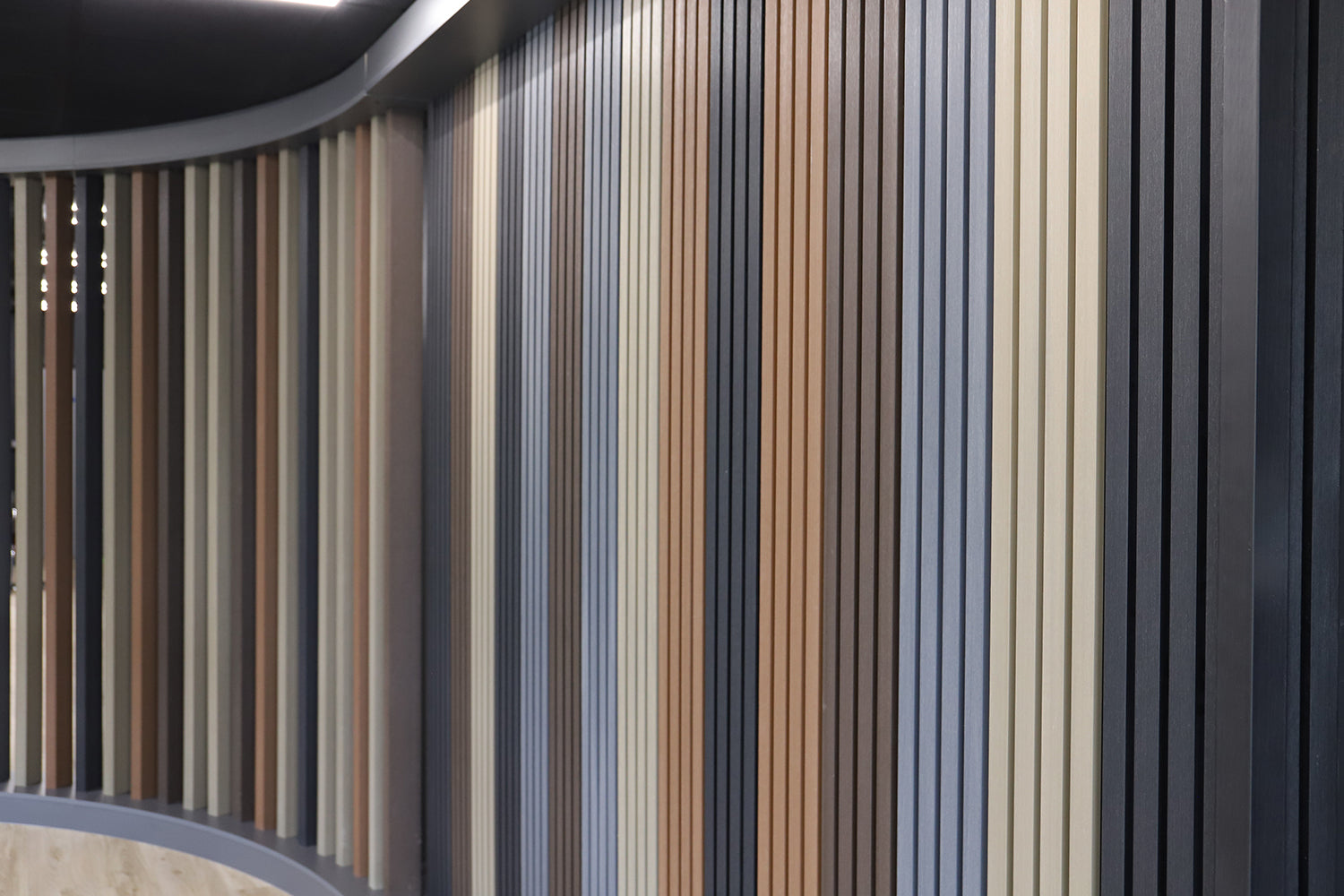
Classic is available in Grey, Teak, Chocolate and Charcoal. Capped collections also include Antique, Ash White, Oak and Silver Birch.
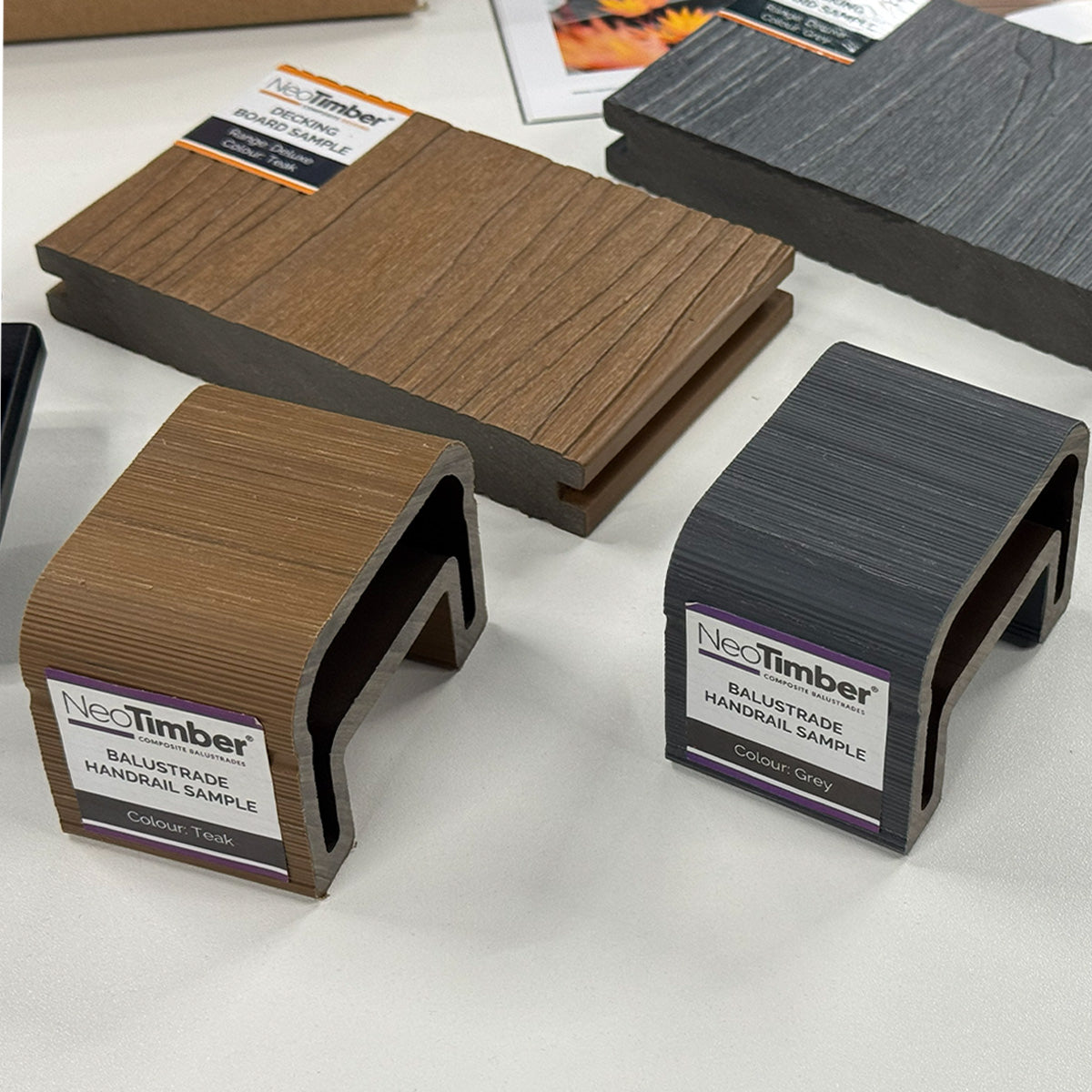
Check the colour guide and current product availability before deciding. Compare samples with window frames, masonry and paving to assess the whole palette.
A warm tone can soften darker architectural details, while a neutral colour can provide a quieter backdrop. The profile matters too: a slatted pattern and a flatter woodgrain surface create different effects even in the same colour.
Design for the Whole Building
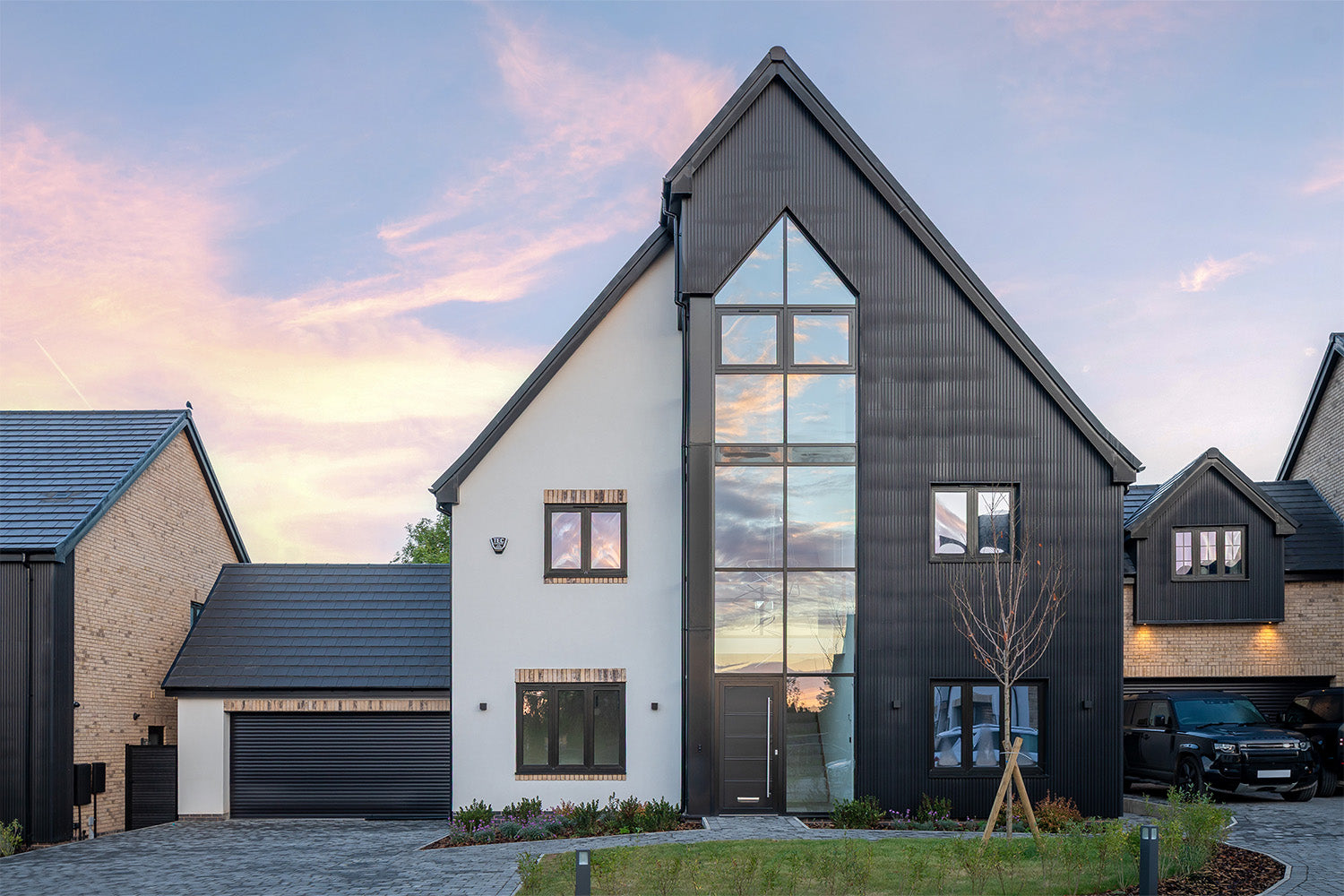
Synthetic timber cladding can define an entrance, distinguish an extension or bring texture to a house exterior. For a commercial property, it can form part of a coordinated scheme with doors, glazing and signage.
Decide what the clad area should do before selecting the finish. A carefully placed feature can be more effective than covering every available surface.
Browse the gallery and consider how board direction, joints and trims work around openings. Photographs provide inspiration, rather than approval of a specification for another site.

Synthetic Cladding or Natural Timber?
Compare the actual products rather than assuming one material always lasts longer or looks better. Timber offers individual grain and natural weathering, while composite provides manufactured finishes with a different care routine.
Timber upkeep varies by species, coating and intended appearance. A naturally weathering façade has different requirements from a painted one. Our composite versus wood guide helps frame that comparison.
Include the complete installed cost and expected care in your budget. Current quotations are more reliable than a fixed board price in an older article.
Low Maintenance Still Requires Care
NeoTimber® boards provide their chosen finish without routine painting or staining. Cleaning and checks remain part of ownership, so plan access for care when designing the elevation.
Follow the maintenance guide for the selected range. Use compatible methods, do not sand capped surfaces and seek advice for persistent marks. Not every stain can be assumed to disappear with washing.
The low-maintenance guide and fade-resistance advice explain realistic expectations for an outdoor finish.
Technical Details Behind the Exterior
The board is the visible finish of a wider wall system. It does not independently establish weatherproofing or deliver a quantified insulation improvement. Supporting construction, insulation where required, drainage, ventilation and junctions need their own design.
Confirm suitability for the building and application, including relevant fire requirements. Review the fire-rating guide and exact product documentation rather than treating a single height threshold as permission to use any board.
Follow the installation resources for the framework, fixing method and movement allowances. Select compatible accessories and resolve details around windows and corners before fitting.

Review Warranty and Product Information
Read the warranty terms before purchasing. Check the applicable conditions, covered issues and exclusions rather than interpreting a warranty period as a guarantee of an unchanged appearance.
Keep the range, colour and installation records with your order documents. These details help you obtain relevant advice if a question arises later.
Frequently Asked Questions
Is synthetic wood cladding entirely plastic?
Not necessarily. NeoTimber® boards combine wood fibres and plastic polymers. Check the composition of the actual product.
Does synthetic timber cladding need painting?
NeoTimber® boards provide their finish without routine painting or staining. Cleaning and checks still matter.
Can I compare finishes before buying?
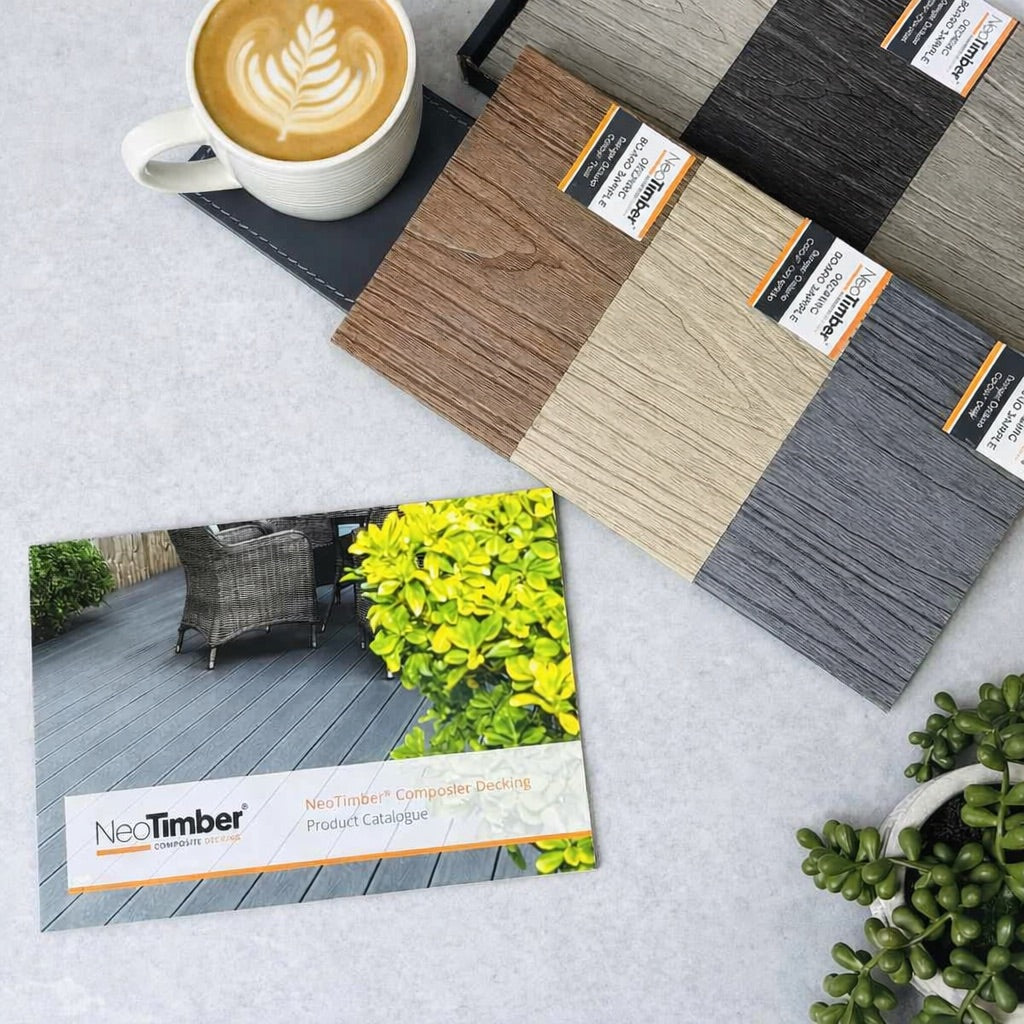
Yes. Request samples and view them outdoors alongside the existing materials at your property.
Find the Synthetic Finish for Your Project
Synthetic cladding can offer a timber-inspired appearance with reduced decorative upkeep. Choose the texture, colour and complete specification together for a coherent result.
Explore NeoTimber® composite cladding and request free samples to assess your preferred options.