Compare Board Profiles Before Choosing Your Decking
Hollow composite decking has cavities within its profile, while solid composite decking has a continuous core. That difference affects the quantity of material in a board and can influence handling, price and performance. It does not, on its own, establish which board is right for every project.
Compare the exact products alongside the supporting structure, intended use and complete budget. This guide explains the main questions to ask. Visit our general decking page for wider planning advice or browse the composite decking range while making your shortlist.
Hollow vs Solid Composite Decking at a Glance
| Feature | Hollow composite decking | Solid composite decking |
|---|---|---|
| Core | Internal cavities within the profile | Continuous composite core |
| Handling | May offer a weight advantage over a comparable solid board | Check the actual board weight and handling needs |
| Price | Can offer a lower initial price within a comparable range | Compare the selected product and complete system cost |
| Surface options | Capped and uncapped products are available | Capped and uncapped products are available |
| Support | Must follow product-specific requirements | Must follow product-specific requirements |
| Suitability | Depends on tested performance and intended application | Depends on tested performance and intended application |
What Is Hollow Composite Decking?
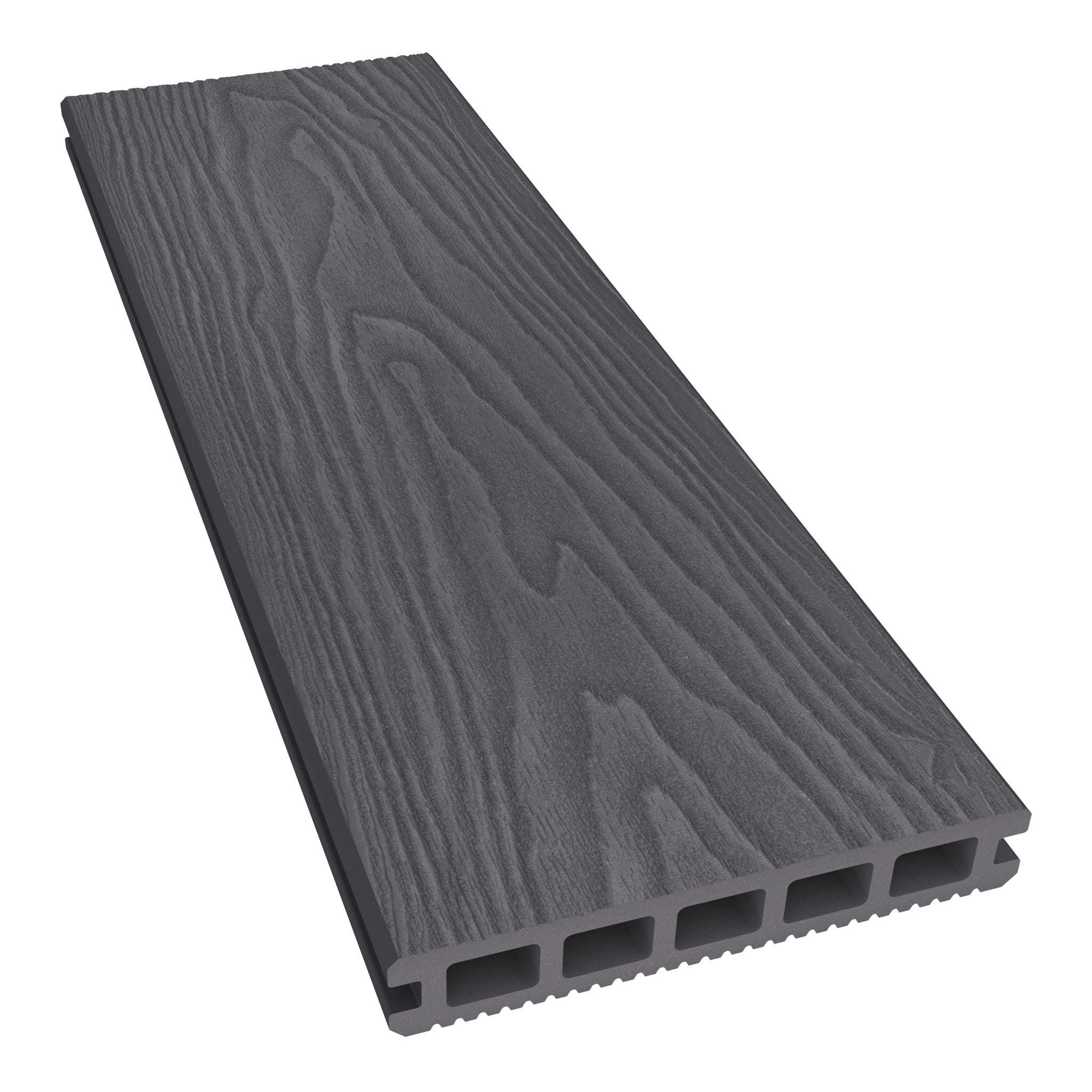
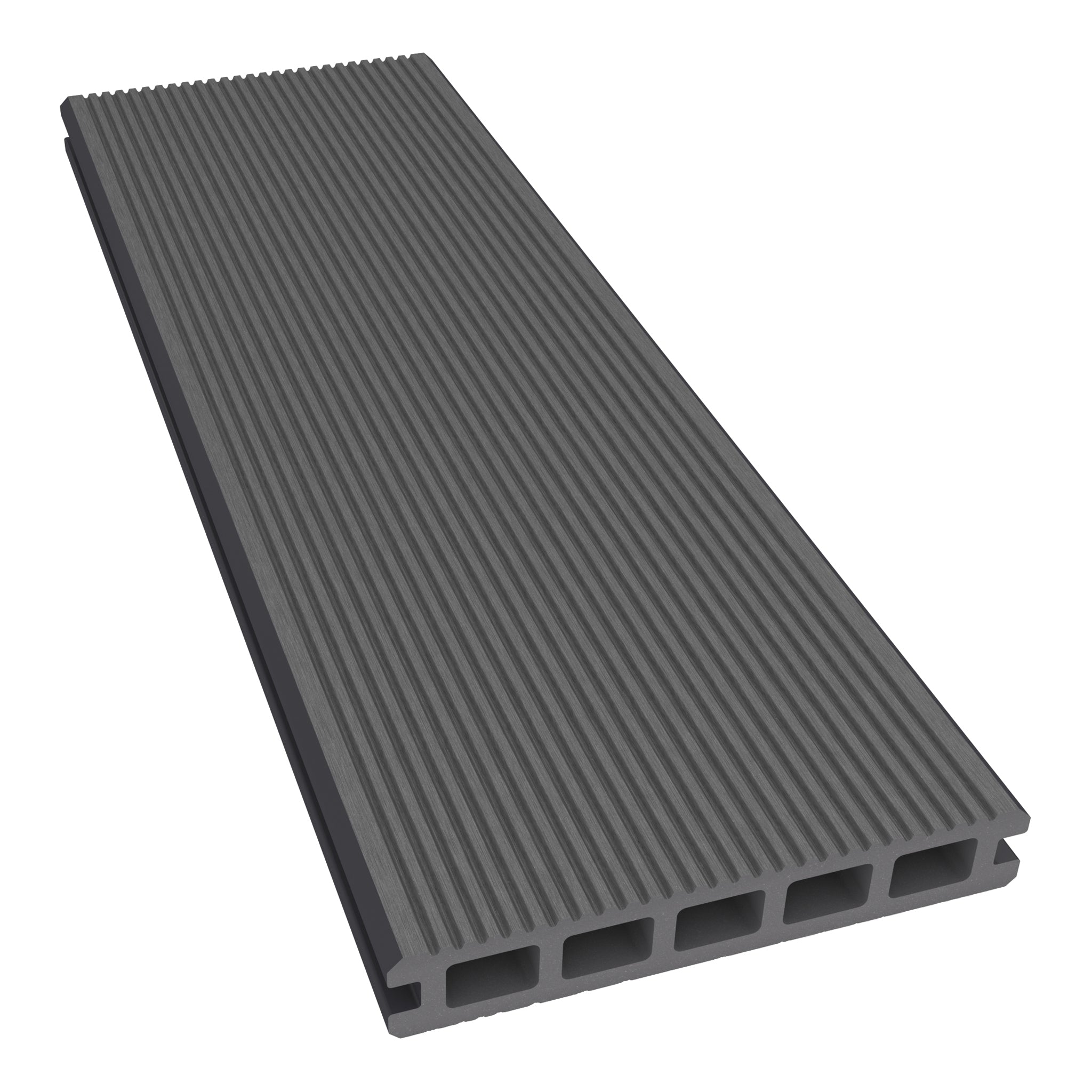
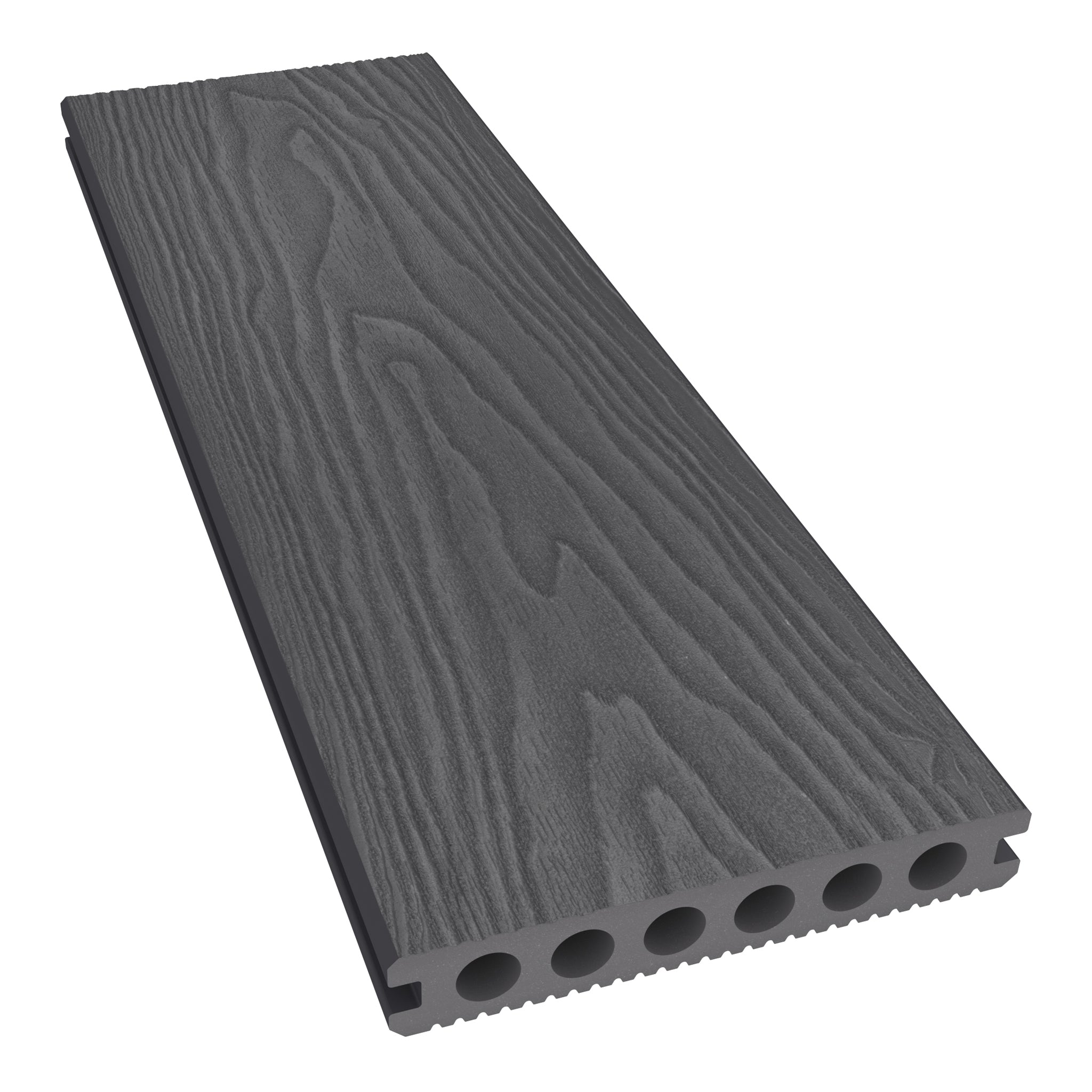
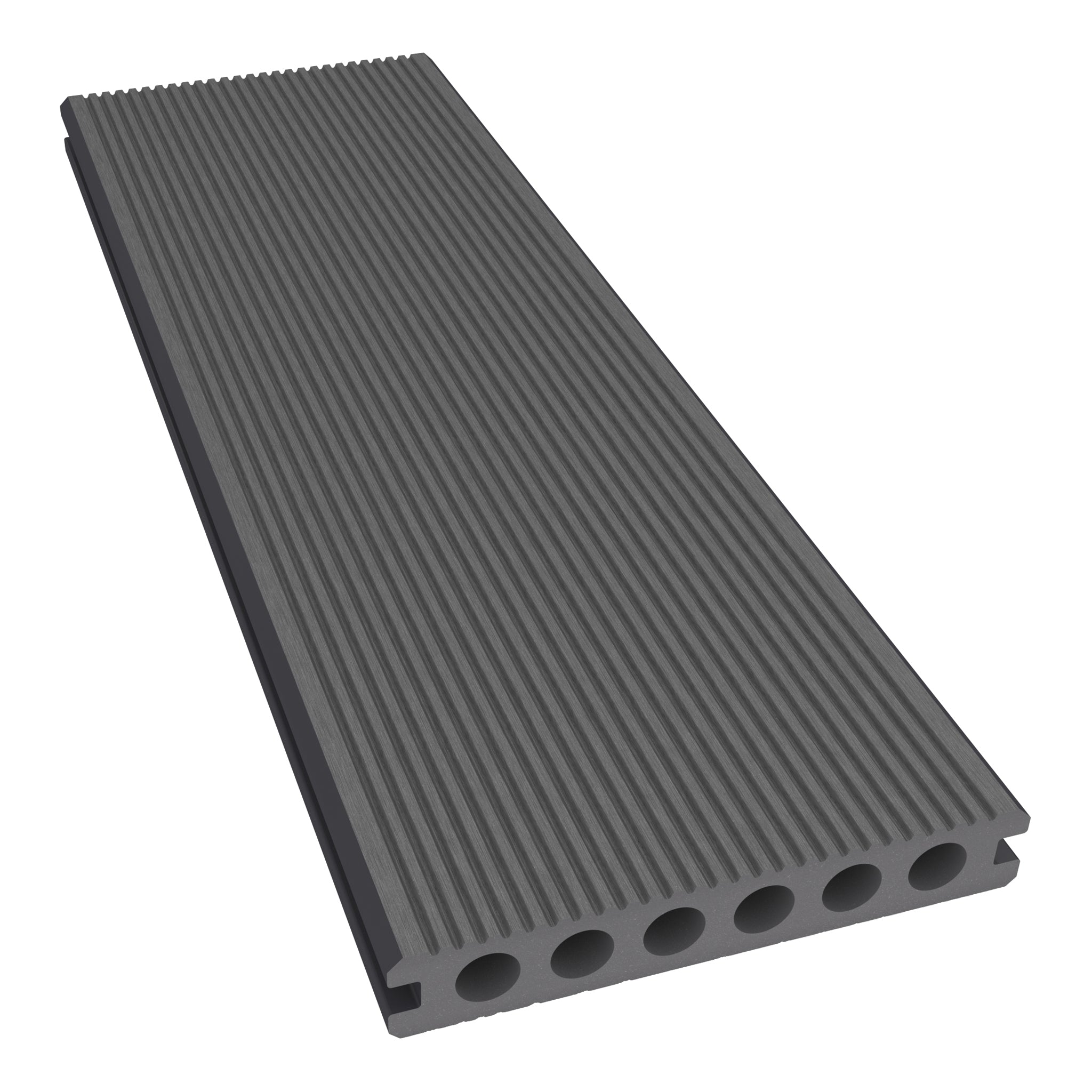
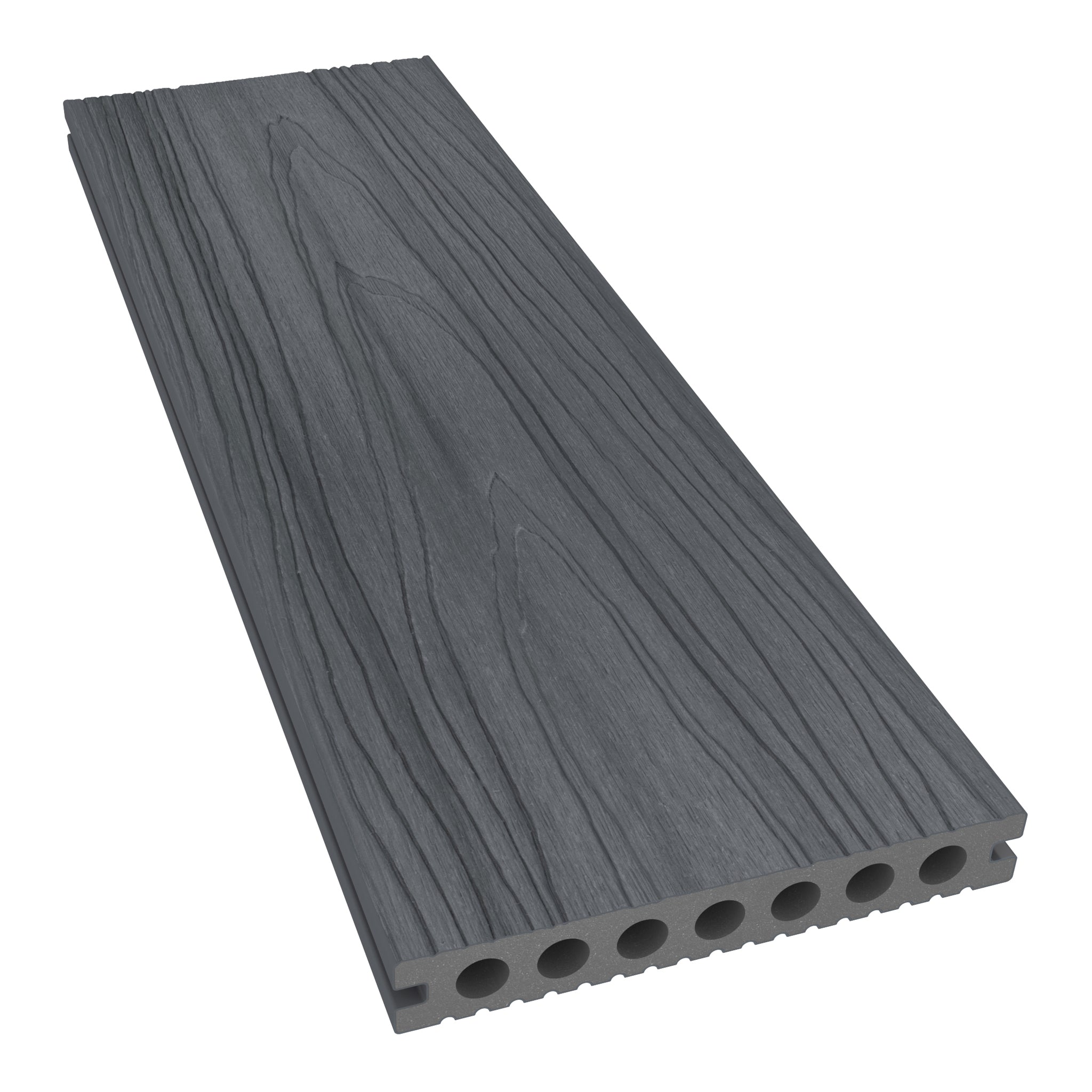
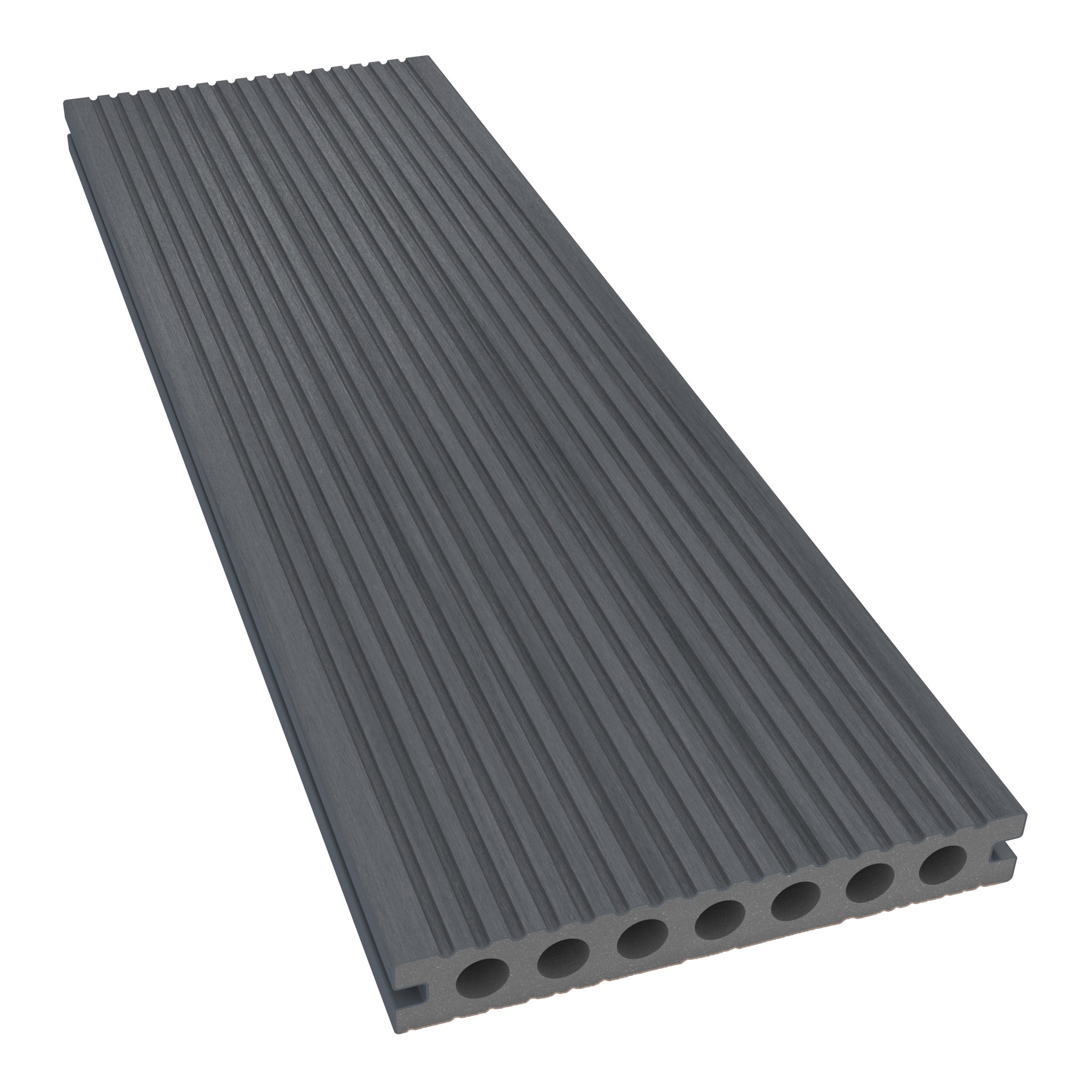
Hollow boards use a profile containing internal voids rather than a continuous core. The shape, wall thickness, material formulation and dimensions all contribute to performance. Round or rectangular cavities alone are not proof that one product is stronger than another.
Reducing material within the profile can make a board easier to handle than a comparable solid option. Check the actual weight per metre or per full board: comparisons are misleading if lengths, widths or thicknesses differ.
NeoTimber® offers Classic Hollow and Deluxe Hollow options. Confirm the specification for the selected board rather than assuming all hollow products share the same construction or warranty.

What Is Solid Composite Decking?
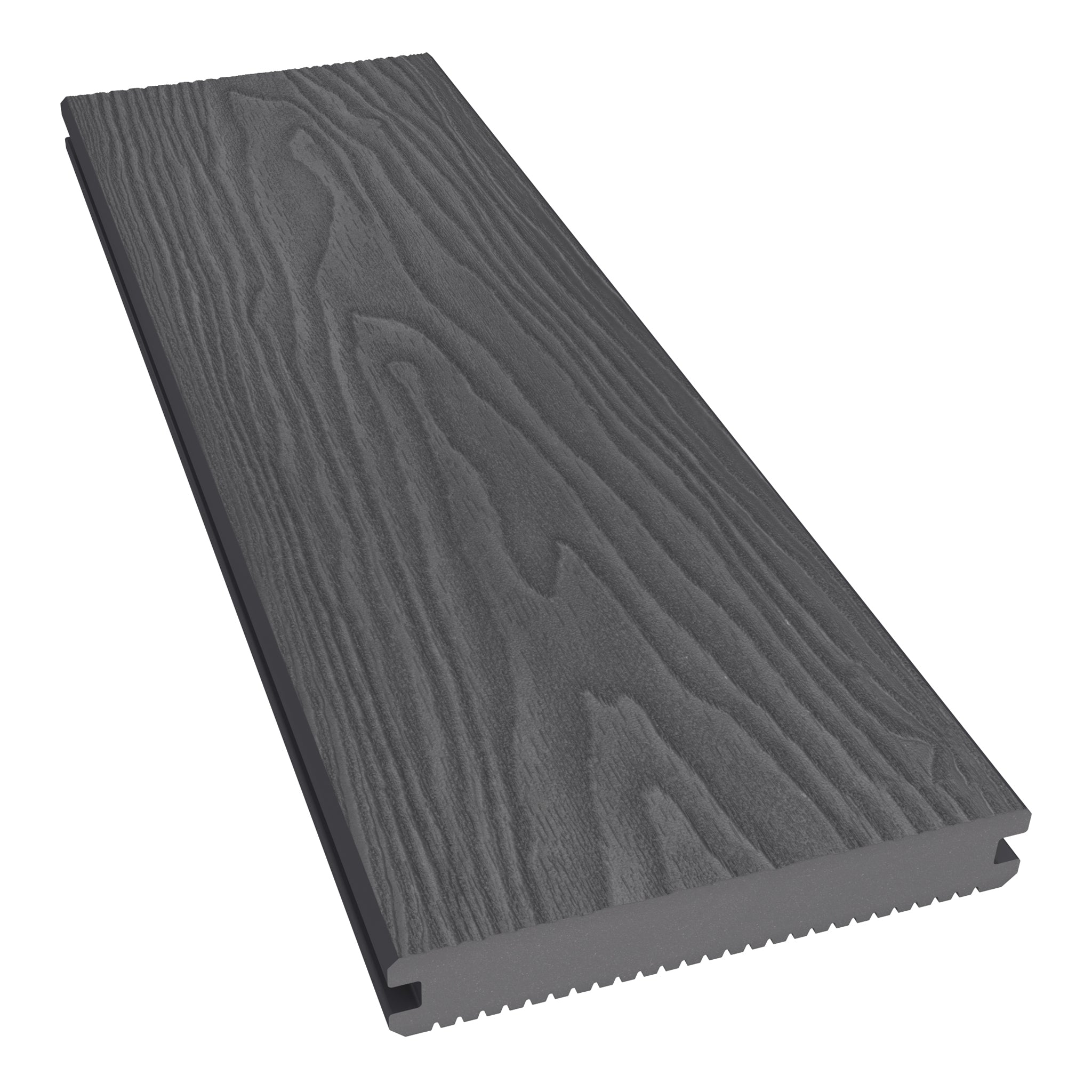
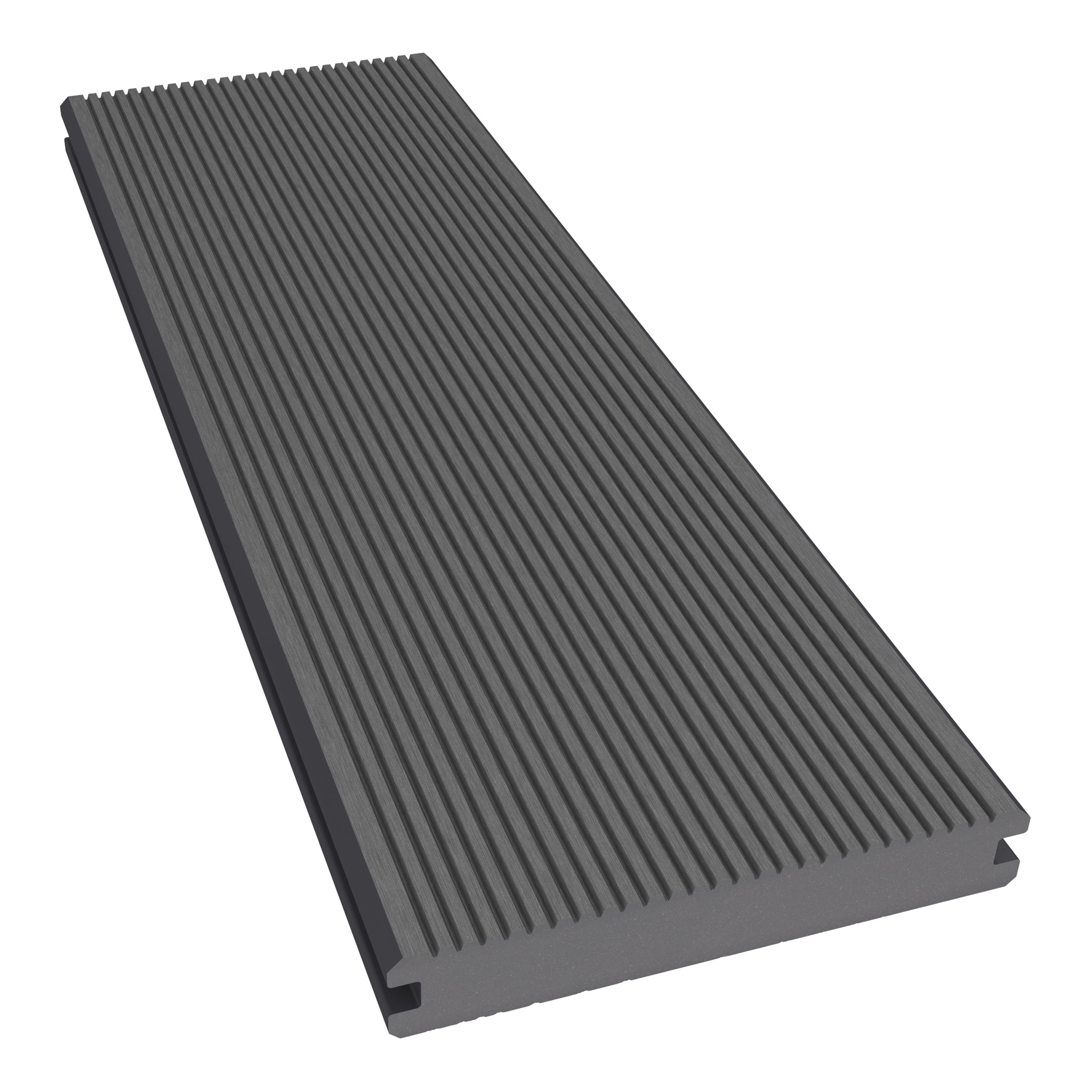
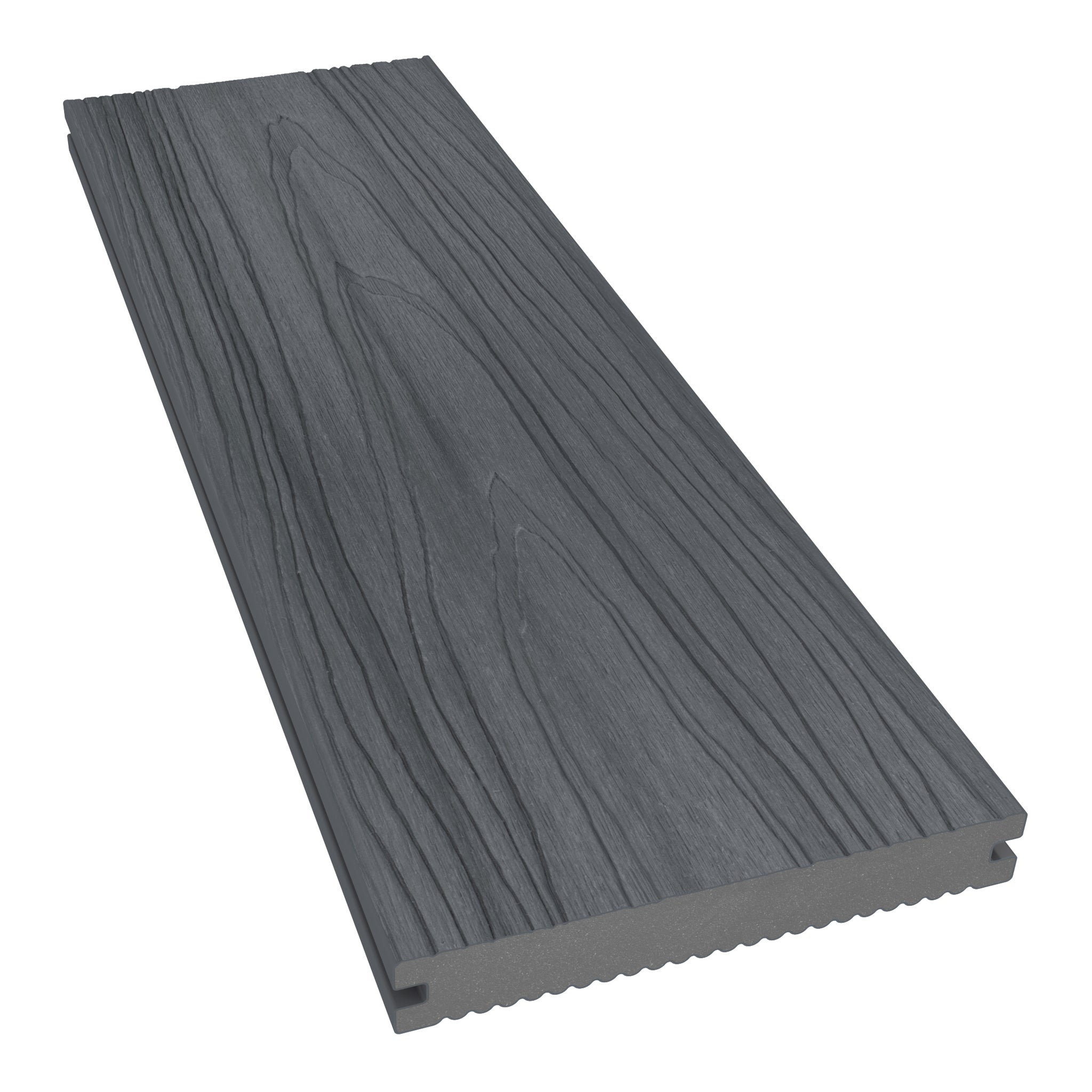
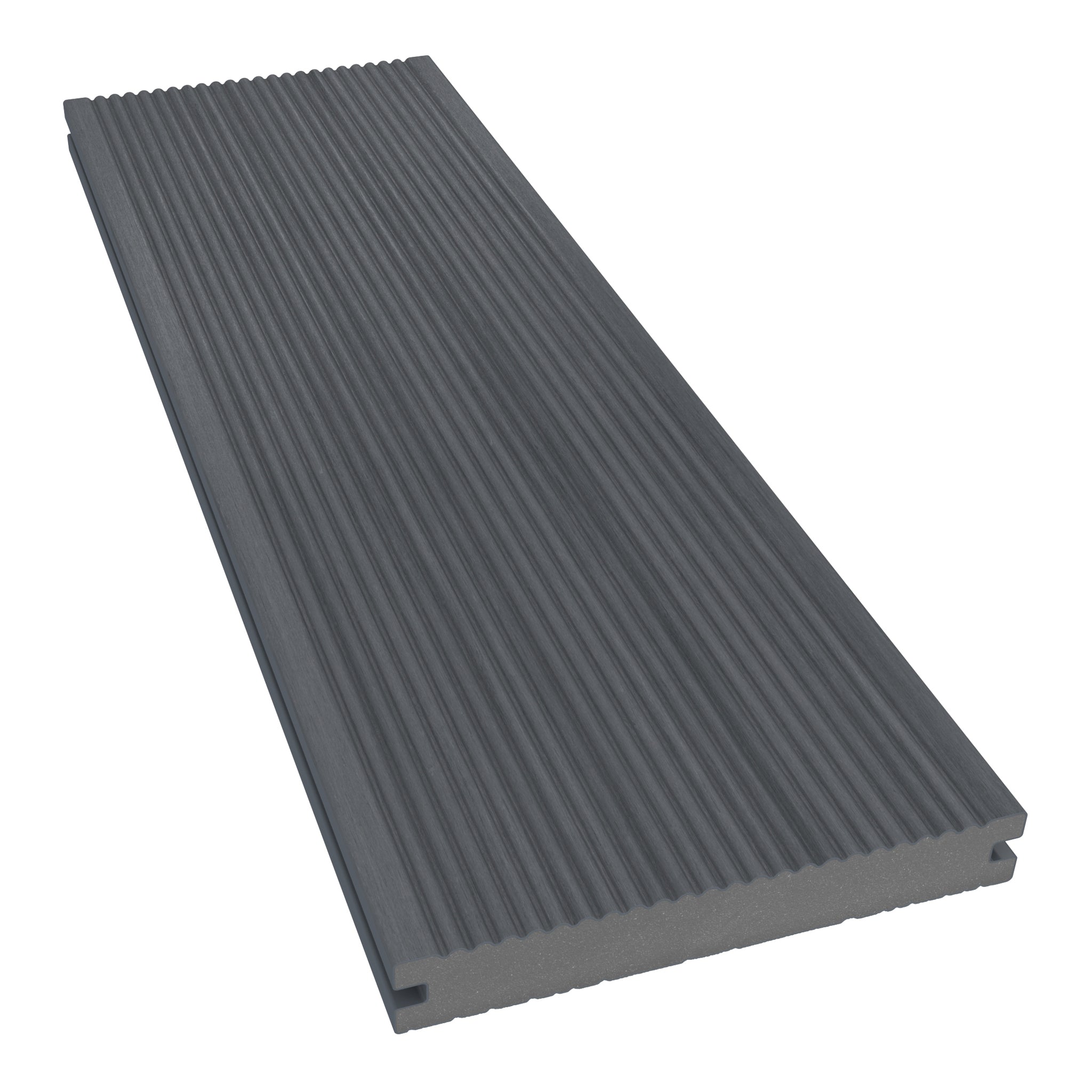
Solid boards have a continuous composite core. This is an alternative profile to compare where the product's performance, finish and intended use align with the project requirements.
NeoTimber® offers Classic Solid and Deluxe Solid options. Compare their actual product data with the alternatives, rather than interpreting solid as a guarantee of suitability for unlimited loads or every commercial setting.
A solid board still needs the correct supporting structure. It can be affected by an unsuitable frame, missing support, incorrect fixings or inadequate movement gaps. The core profile does not remove those installation requirements.

Hollow or Solid Is Different From Capped or Uncapped
Core profile and surface construction are separate choices. A hollow board can be capped; a solid board can be uncapped. Capping is a protective outer layer designed to enhance resistance to staining and fading, rather than a synonym for a solid core.
Compare the walking surface, colour and care requirements as well as the cross-section. Our composite decking types guide and capped decking guide explain these distinctions.
How to Choose Between Hollow and Solid Boards
Start With the Intended Use
Describe whether the deck is for a private garden, shared area or commercial project. Ask which products are specified for that use and what evidence supports the choice. Do not assume every hollow board is residential-only or every solid board is suitable for heavy footfall.
Assess Loads Across the Whole Structure
A hot tub, heavy planter or fixed feature needs appropriate foundations and structural support. Selecting solid boards is not a substitute for checking the complete load path. Our hot tub decking guide covers further planning considerations.
Likewise, a lighter board does not automatically establish suitability for a balcony or roof terrace. Fire requirements, structural capacity and the complete system need project-specific assessment.
Compare Complete Costs
Look beyond the price of one board. Compare usable coverage, cutting allowance, supporting materials, compatible fixings, finishing details, labour and delivery. A decorative layout can alter costs regardless of core profile.
Use the composite decking calculator for an initial estimate and have the design checked before ordering.
Installation Details Matter for Both Profiles
Follow the current installation guidance for the exact product and layout. Confirm joist centres, support at joints, movement gaps and compatible fasteners.
Plan exposed ends and perimeter finishes before fitting the main boards. Hollow and solid products may have different edge details, while picture framing introduces extra support requirements. See our picture framing guide when considering a border.
Check handling and storage instructions too. A lower board weight does not automatically make a full installation a one-person job.
Compare Samples Alongside the Specification
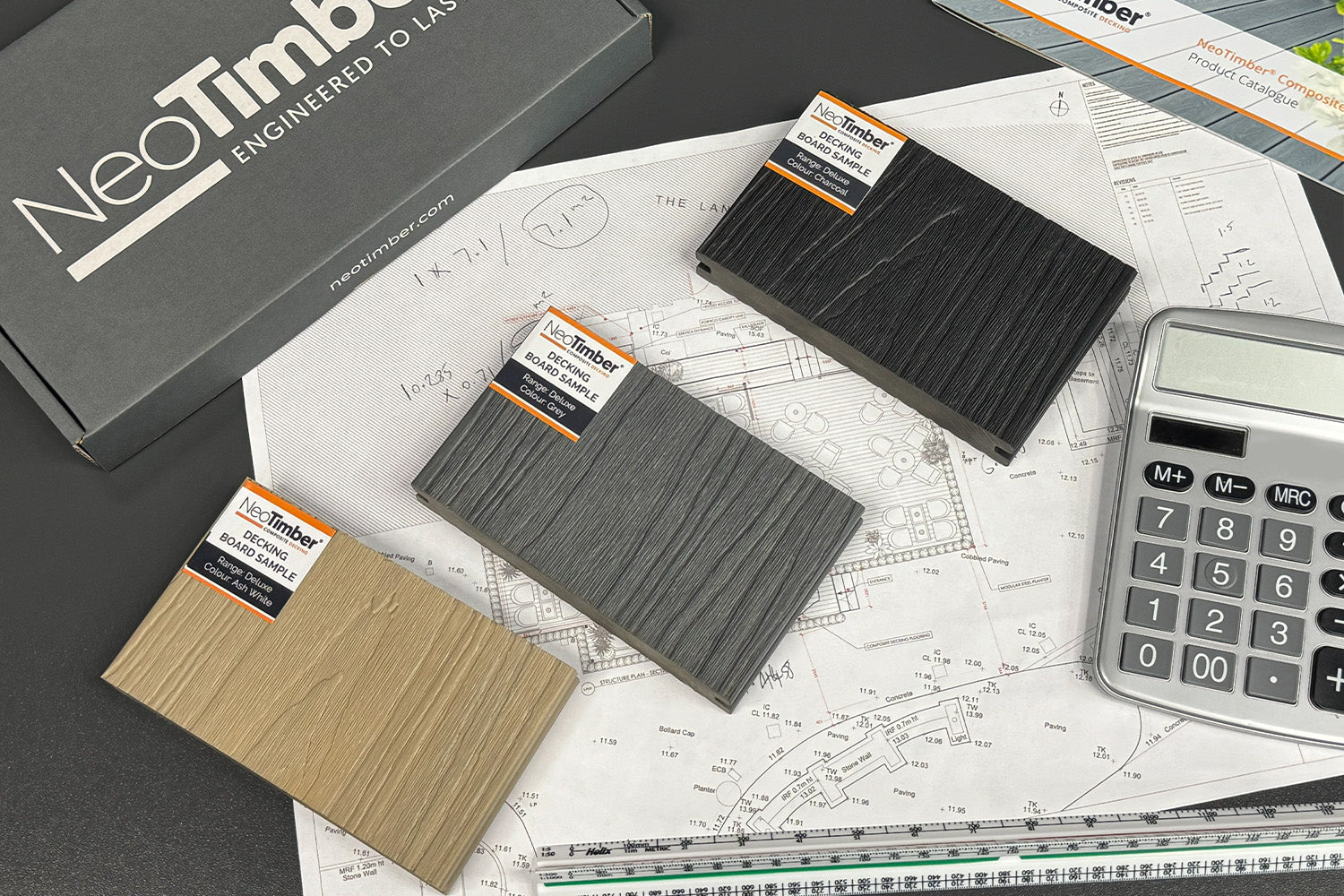
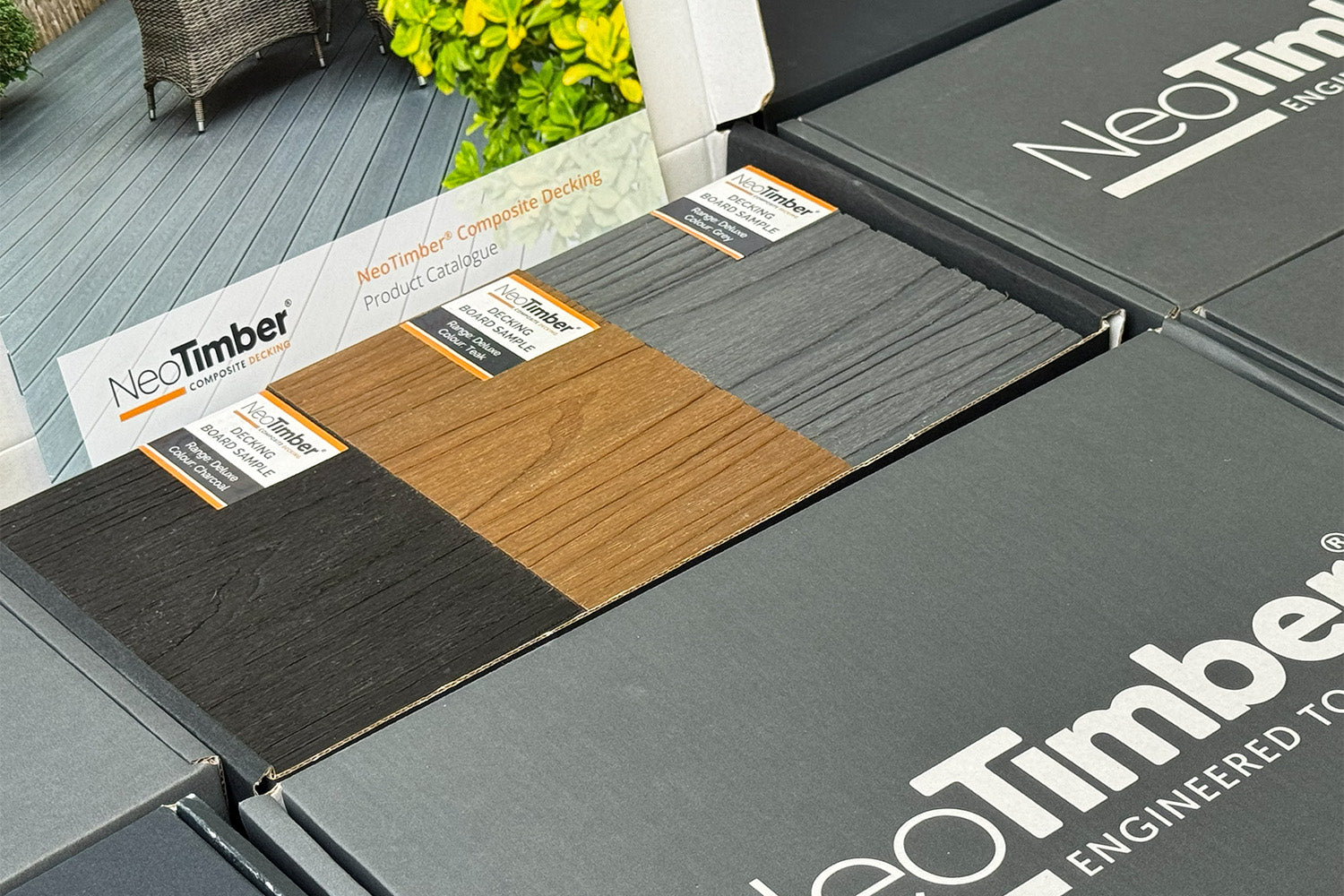
Samples help you inspect colour, texture and the cross-section. They do not replace structural or slip-performance data. Compare equivalent full-board weights and specifications where those affect your decision.
Read the selected range's warranty terms and care guidance. Avoid assuming every hollow and solid option has identical cover.

Hollow and Solid Composite Decking FAQs
Is solid composite decking always better?
No. Choose against the exact performance, application, finish and budget. A solid profile does not automatically make a board the best fit for every project.
Is hollow composite decking weaker?
Compare the actual product data. Dimensions, formulation and profile design all matter, so the presence of cavities alone is not a complete strength assessment.
Are hollow boards always lighter?
They may be lighter than comparable solid boards, but compare actual weights using the same length or area basis. Different dimensions can change the result.
Can hollow boards have a capped surface?
Yes. Surface protection and core profile are separate features. NeoTimber® offers hollow and solid choices with different surface constructions.
Can I use solid boards beneath a hot tub?
The full structure must be assessed for the filled appliance and its occupants. A board's solid core alone does not establish adequate capacity.
Do both types need maintenance?
Yes. NeoTimber® composite boards avoid routine timber refinishing but still need cleaning and inspection. Follow the instructions for the specific range.
Choose the Profile That Matches Your Project
Compare hollow composite decking and solid composite decking through their specifications, not a blanket ranking. Browse the NeoTimber® composite decking range, request free samples and contact the team with your layout and product questions.