Choose the Right Finish for Your Deck’s Perimeter
Composite decking edging brings the visible details of a project together. An appropriate edge board or trim can conceal an exposed fixing groove, finish a corner or cover the face of the supporting frame. Choosing the detail before building helps the perimeter feel deliberate rather than added as an afterthought.
The options have different roles. Edge boards, skirting, fascia and corner trims are not interchangeable simply because they share a colour. This guide explains what to consider when selecting NeoTimber's finishing components for your layout.
Explore our decking options for an overview, or compare composite decking alongside the edging products you intend to use.
What Does Composite Decking Edging Do?
The best starting point is the view of the finished deck. Which sides will be visible? Are there steps, a picture-frame border or a raised fascia? Mark those details on a plan before calculating quantities.
Side channels used for fixing clips are different from grooves on a walking surface. At a visible perimeter, you may want a dedicated edge profile to avoid leaving a clip channel exposed. Vertical fascia areas call for a different finishing arrangement.
Common edging components and their intended roles:
| Component | Typical purpose | What to check |
|---|---|---|
| Edge board | Finish the visible perimeter or a specified border detail | Profile, support and approved fixing method |
| Skirting trim | Dress a suitable vertical edge or fascia area | Coverage, fixing positions and movement allowances |
| Corner trim | Cover a compatible exposed corner or board-end detail | Fit, clearances and whether it projects into a walking route |
| Fascia board | Cover the visible vertical face beneath the deck surface | Required height, support and ventilation |
Composite Edge Boards for a Defined Perimeter
NeoTimber® edge boards provide a finished outer profile for appropriate perimeter details. They can be considered for picture framing and specified step details, subject to the selected product's installation requirements.
Plan the supporting frame around the border. Board ends and joints need the correct support, and corners must retain the movement clearances required by the system. An attractive edge is not a substitute for that construction.

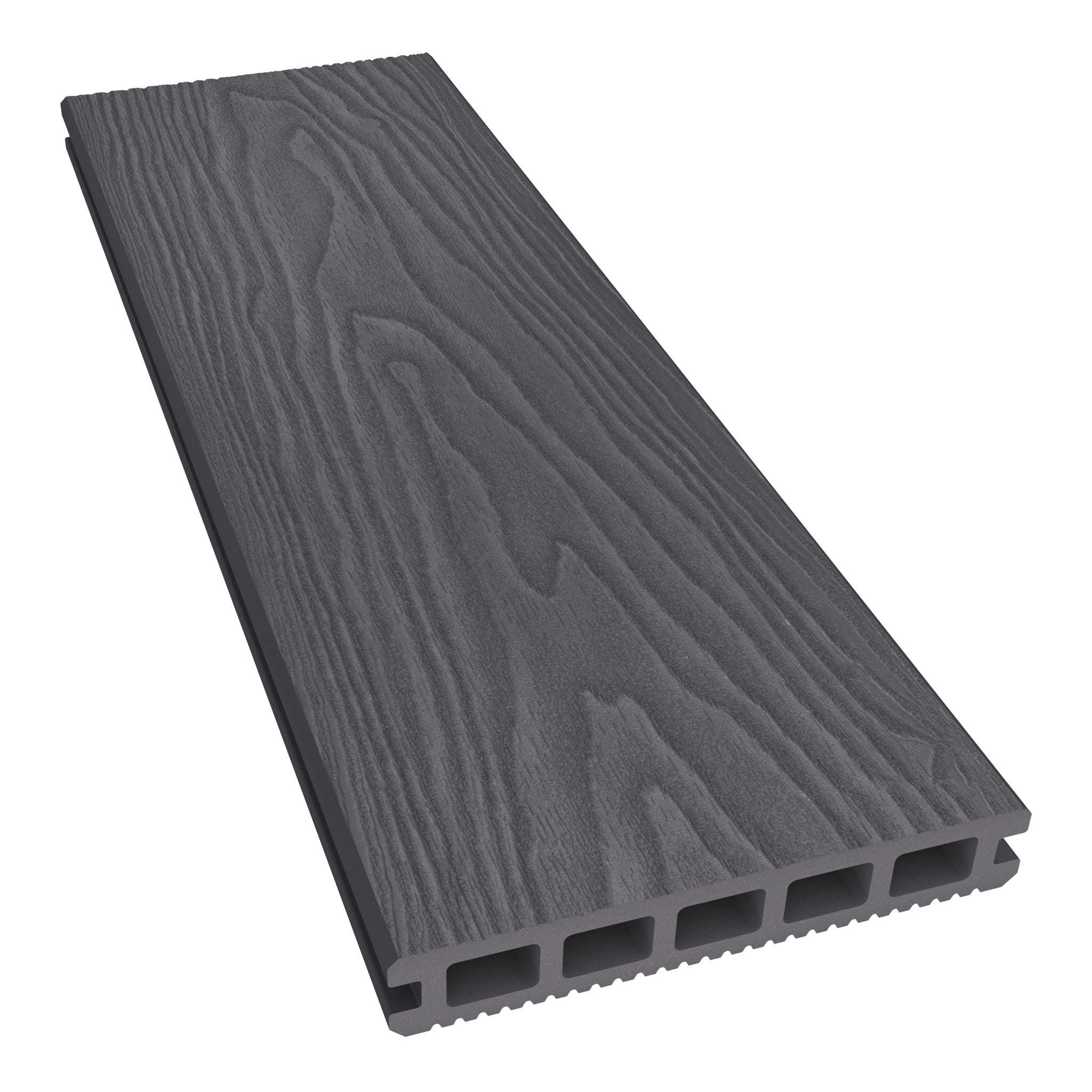
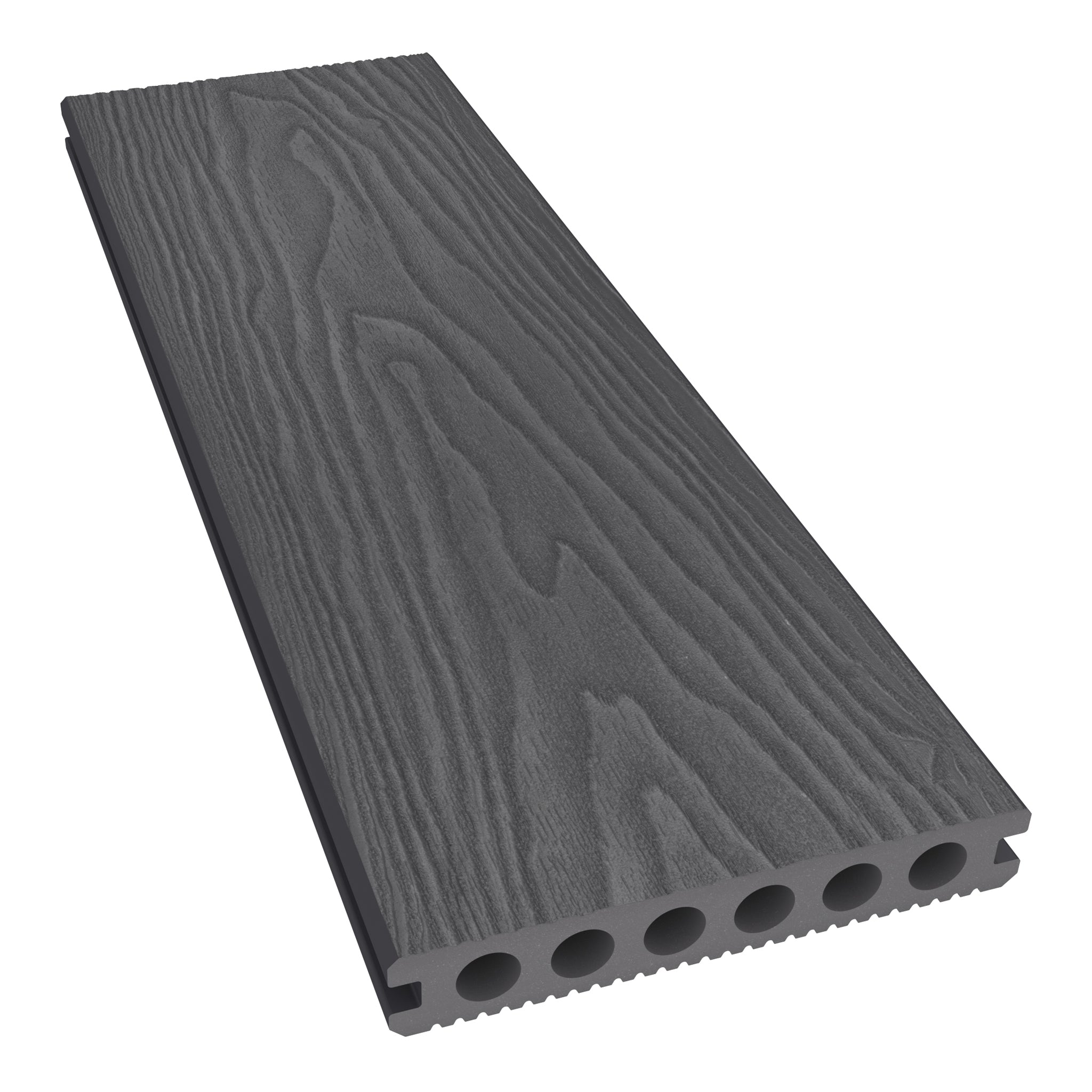
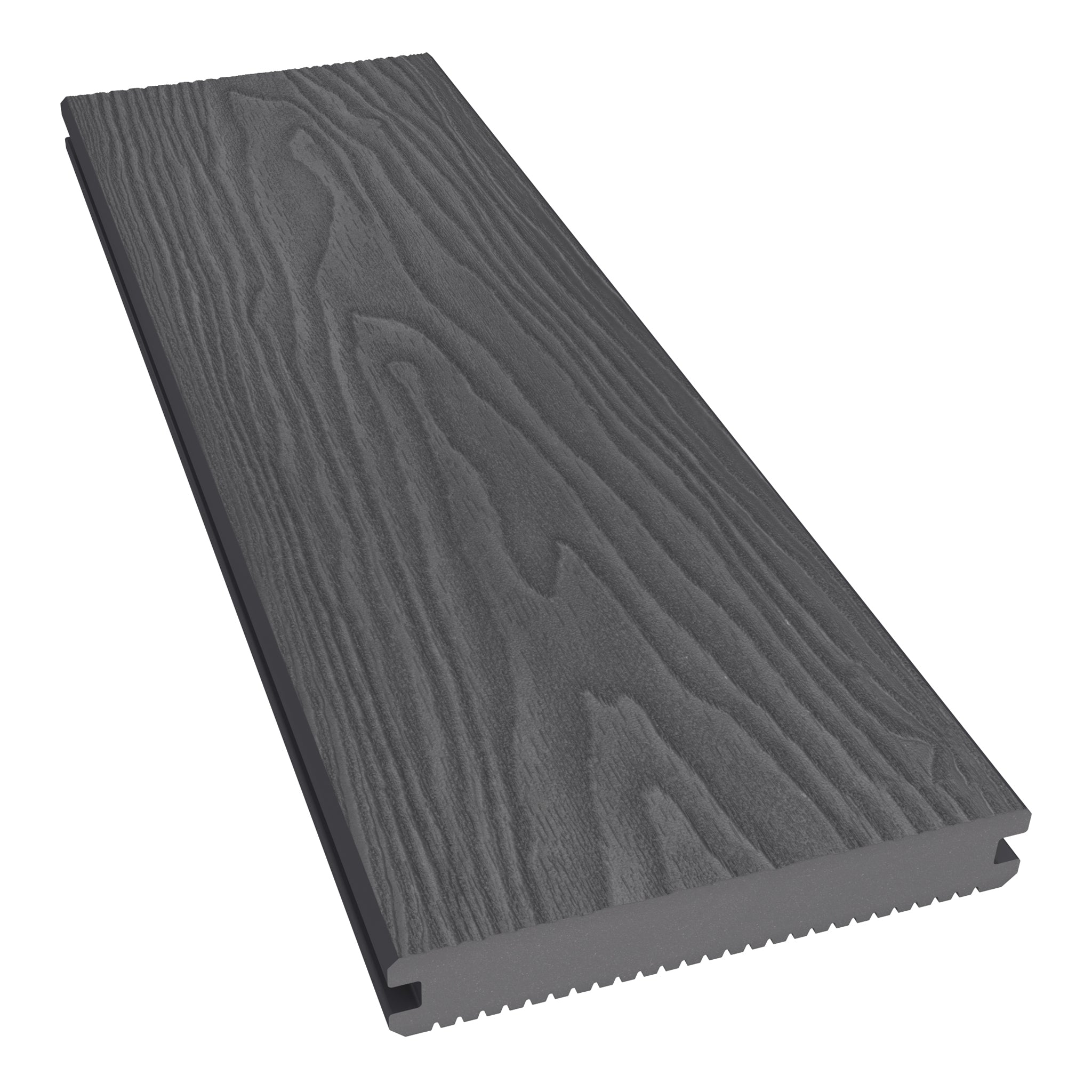
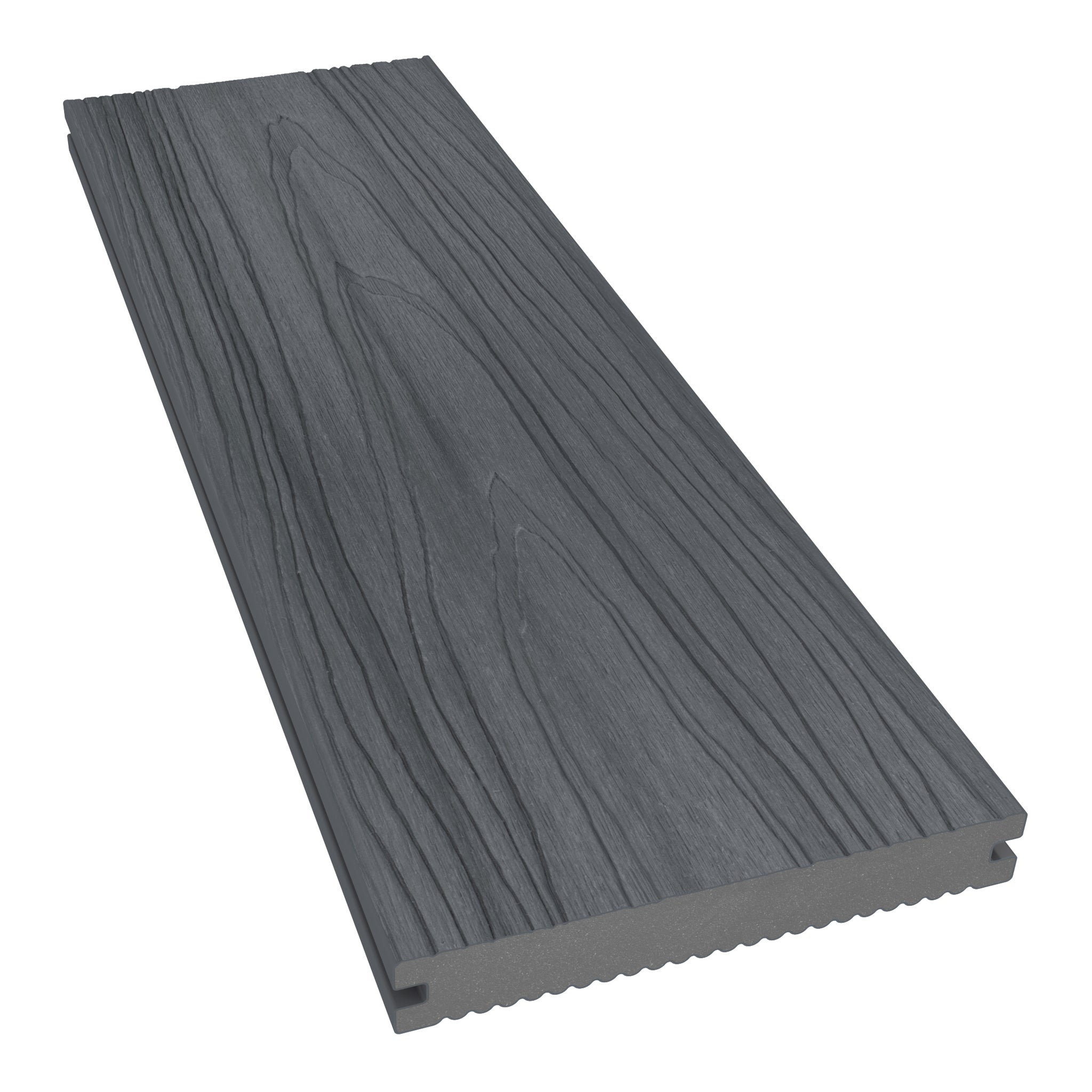
Classic Woodgrain Edge Board
The Classic Woodgrain edge board offers a wood-inspired surface for a coordinated Classic finish. Compare the exact colour and profile with your chosen main board before ordering.

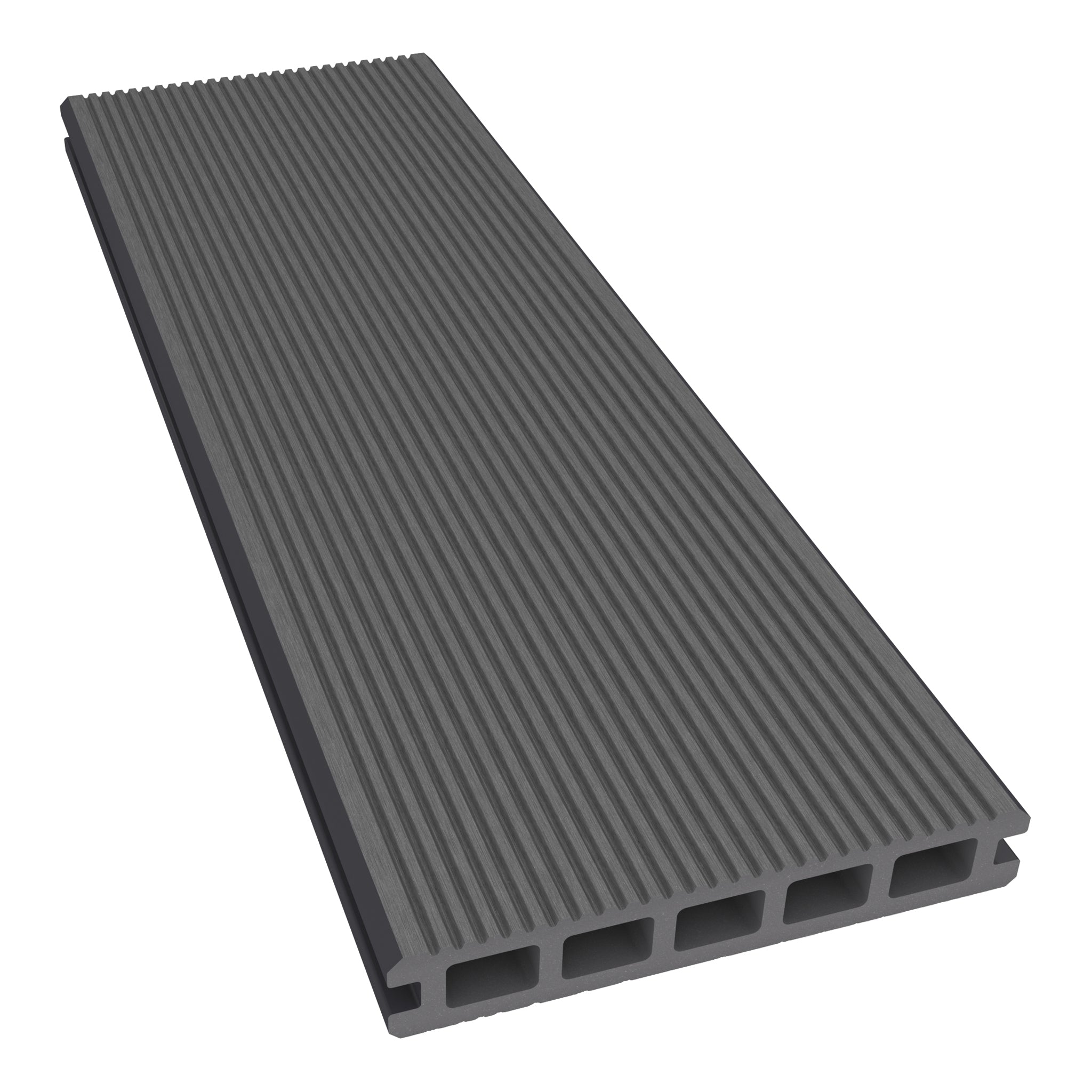
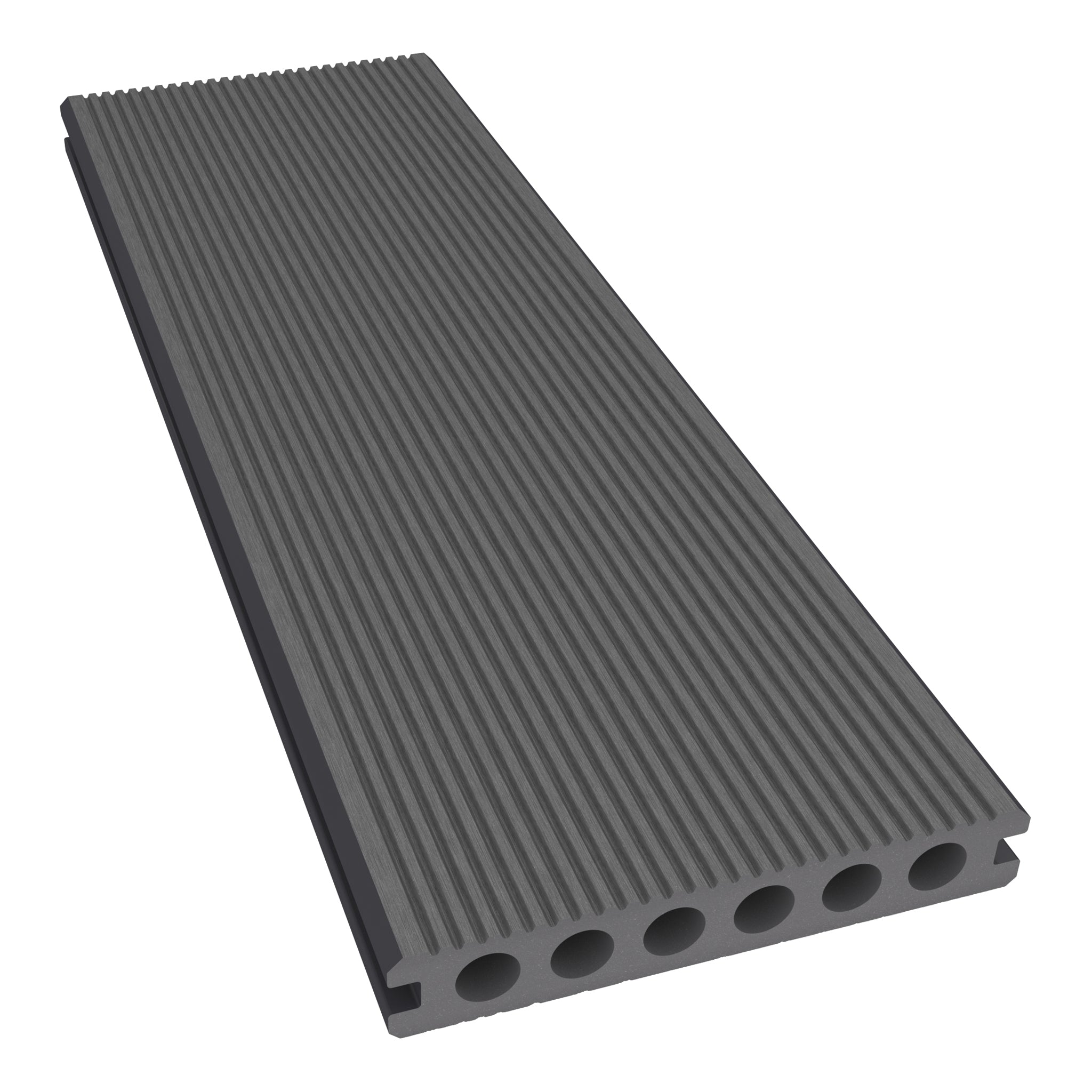
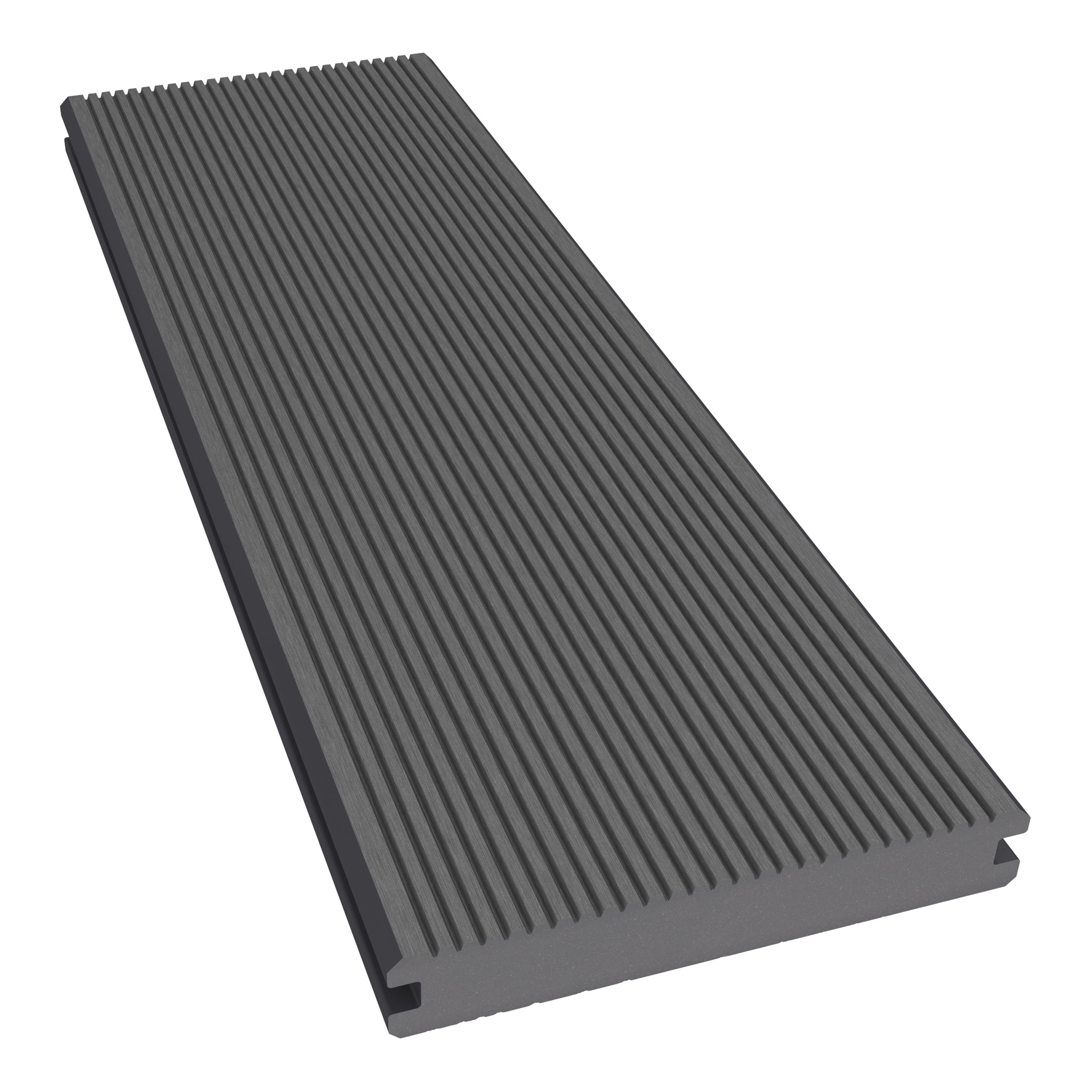
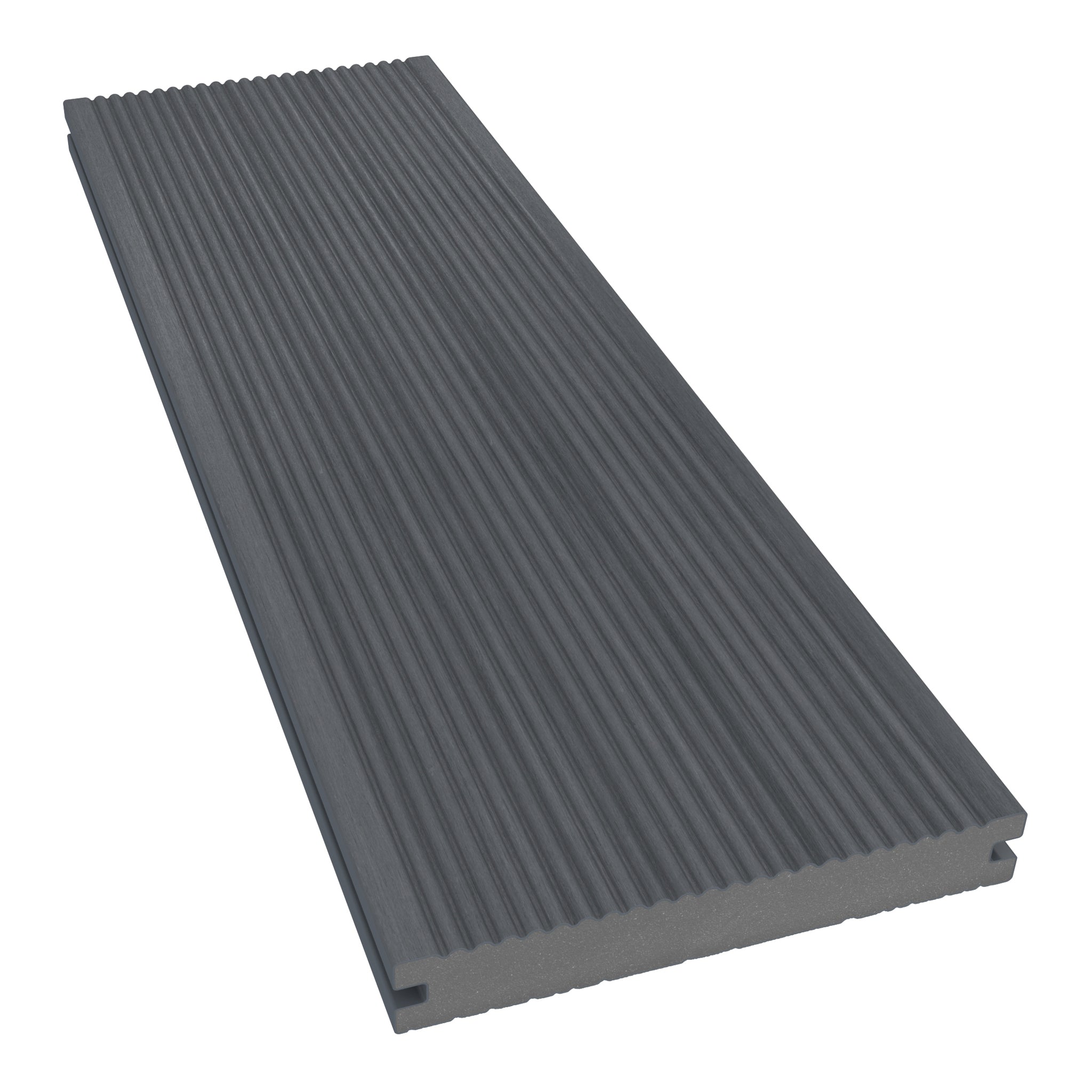
Classic Grooved Edge Board
The Classic Grooved edge board provides an alternative surface texture. Choose the permitted finish and fixing arrangement that suit the overall layout.

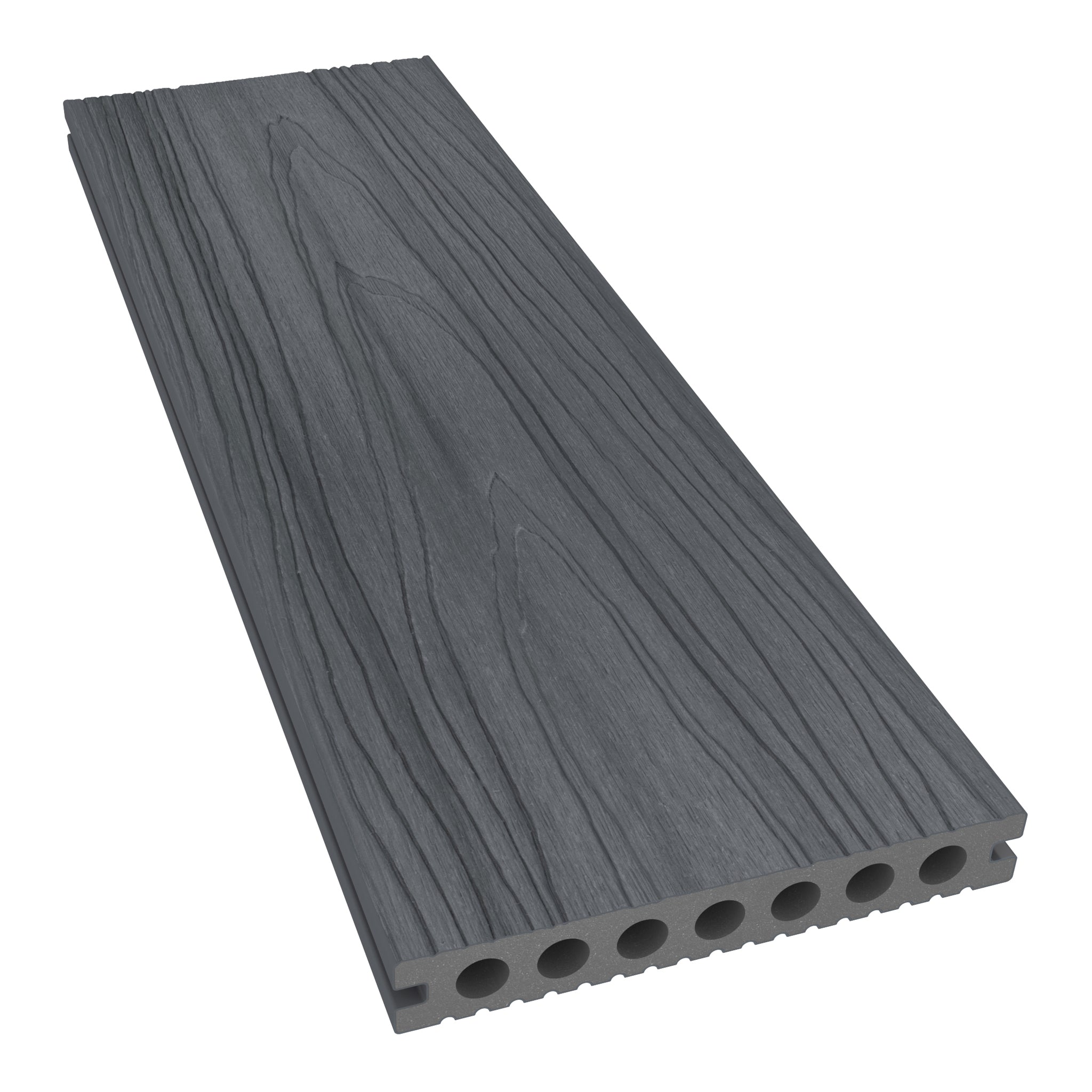
Deluxe Woodgrain Edge Board
The Deluxe Woodgrain edge board is an option to compare alongside a Deluxe deck. Check its dimensions and compatibility rather than assuming it matches a Classic component.

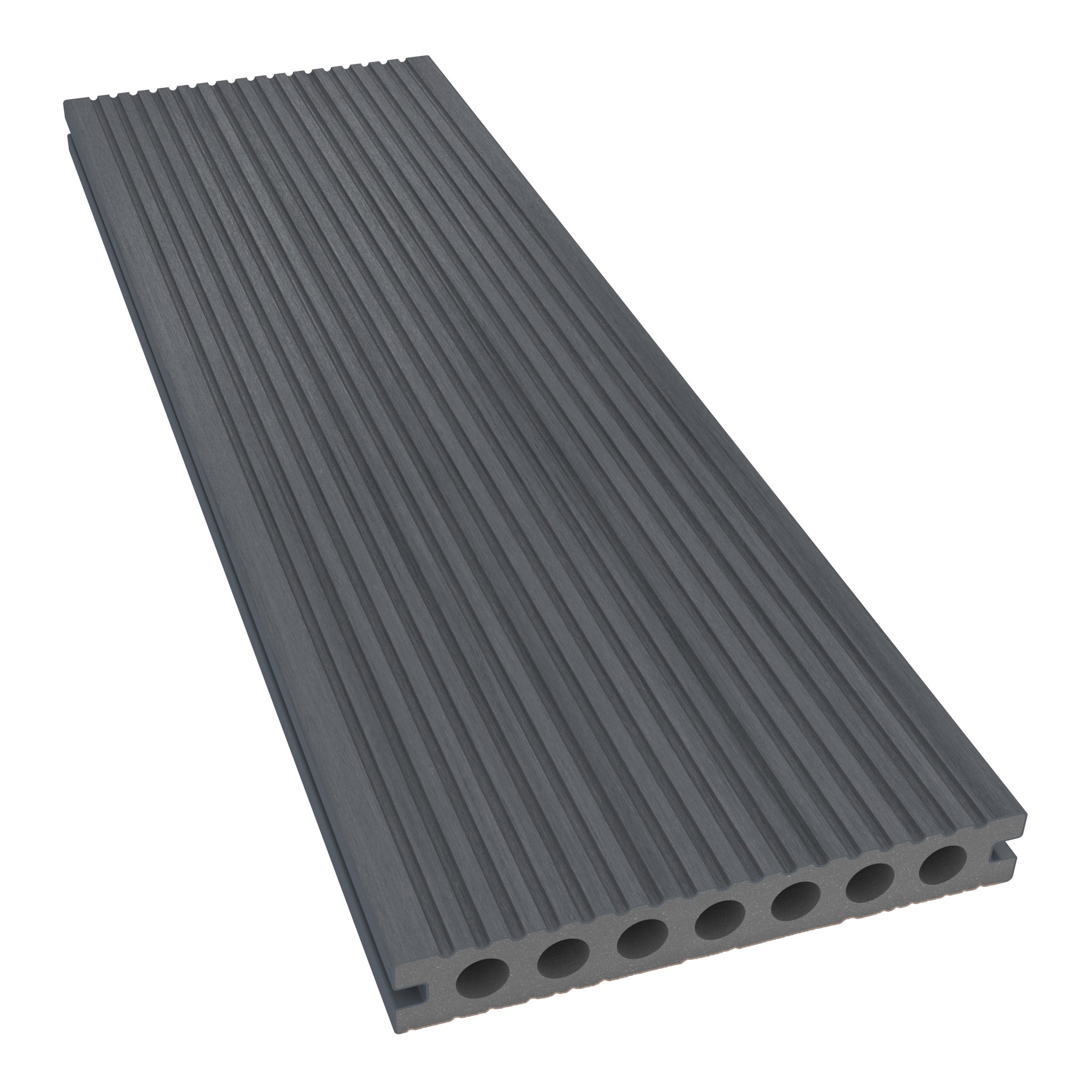
Deluxe Grooved Edge Board
The Deluxe Grooved edge board offers another finishing face within the Deluxe selection. Review the current listing and fitting guidance for the intended detail.

Skirting Trims and Fascia Areas
Skirting can dress a suitable vertical edge where the frame would otherwise remain visible. Measure the required height as well as the length; a deeper raised deck may need a different arrangement from a low-level perimeter.
Do not assume strips can simply be stacked to any height without checking the support, fixing and ventilation requirements. Finishing the frame should not seal a space that needs airflow or prevent water from draining away.
A dedicated fascia board may provide another option. Compare the current products within the composite decking collection and confirm the detail against your actual frame.

Corner Trims for Compatible Exposed Details
A corner trim can cover an appropriate exposed corner or board-end arrangement. Its shape creates a different finish from an edge board, so consider both its appearance and how it meets the surrounding surface.
At steps or walking edges, avoid a raised or loose lip that could catch footwear. Use the specified fixings and position the trim in accordance with the installation guidance. Decorative trim should not be treated as a load-bearing tread or structural component.

Coordinate Colour Without Overlooking Compatibility
A matching shade can create a continuous finish, while a contrasting border can outline the deck. Compare samples of the actual components: different textures and profiles may look different even when they share a colour name.
Check availability for the selected range rather than relying on a blanket colour count. Main boards and edging components may have different specifications, so confirm that the products can be combined in the intended arrangement.
Our deck board selection guide can help you compare the underlying board choices before finalising the perimeter.
Plan Installation and Quantities Before Ordering
- Measure each exposed edge and identify corners, joints and step faces.
- Select the component appropriate to each detail.
- Check support, fixing positions and required clearances.
- Prepare a cutting plan with an allowance suited to the actual layout.
- Confirm compatible screws, colour options and availability.
Use the current installation instructions for the selected products. Do not rely on a generic screw spacing or overhang measurement across different profiles. For help resolving the detail, contact our team before cutting or fitting.
Composite Decking Edging FAQs
Are edge boards and corner trims the same thing?
No. They have different profiles and fixing details. Choose according to the role the component needs to perform and the approved installation arrangement.
Can I add edging after the deck is built?
Some details may be added later, but first check access, compatibility and whether the required support exists. Planning edging with the frame is more straightforward.
Can trim be used as a step tread?
Do not use a decorative trim as a structural tread. A step needs an appropriate framework and a board approved for the intended surface and support arrangement.
Complete Your Deck With a Considered Edge
Composite decking edging works best when it is planned alongside the boards and frame. Choose the profile for the job, check compatibility and preserve the drainage and movement details the installation needs.
Explore NeoTimber® decking, browse composite decking or contact our team for help comparing edge boards and trims for your project.