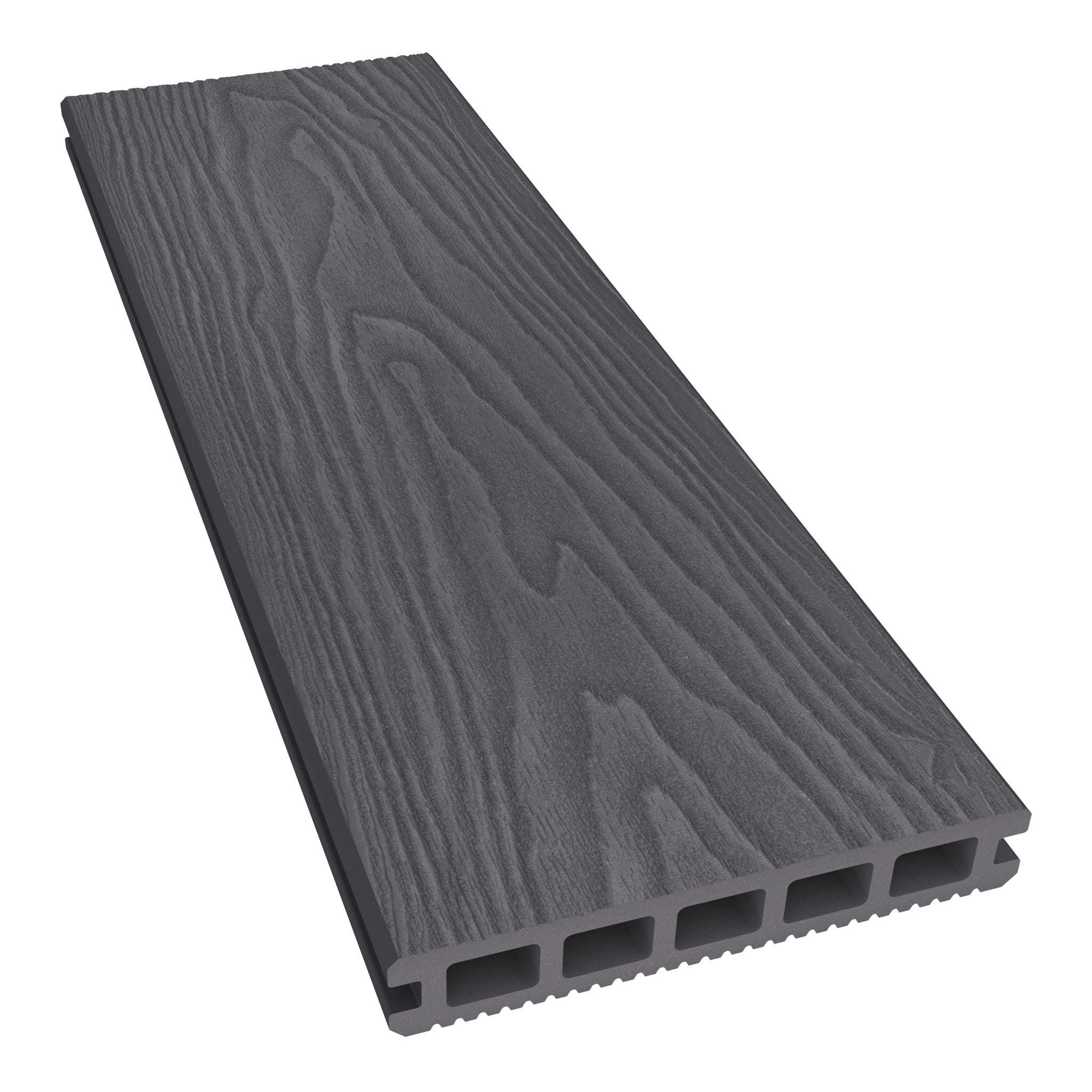
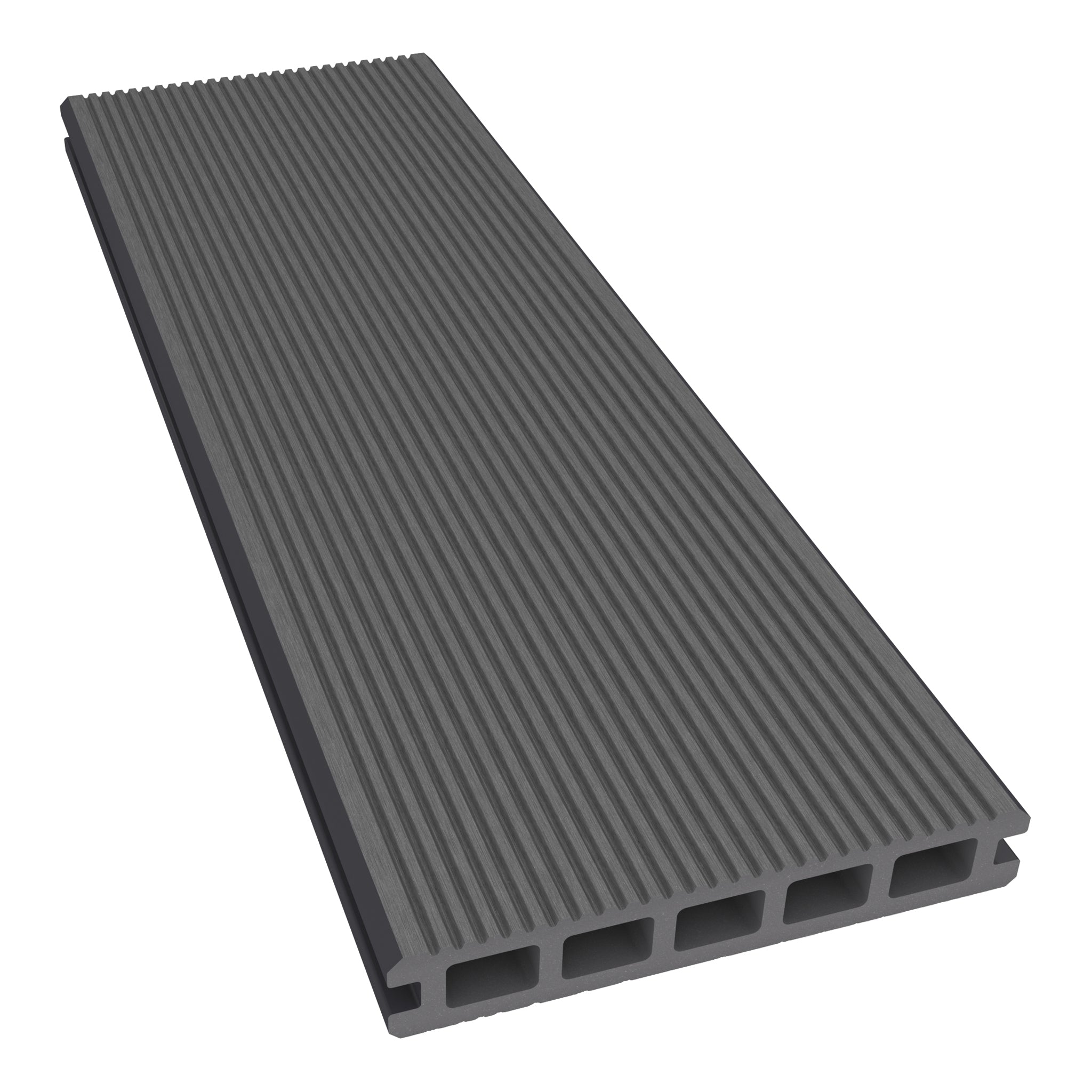
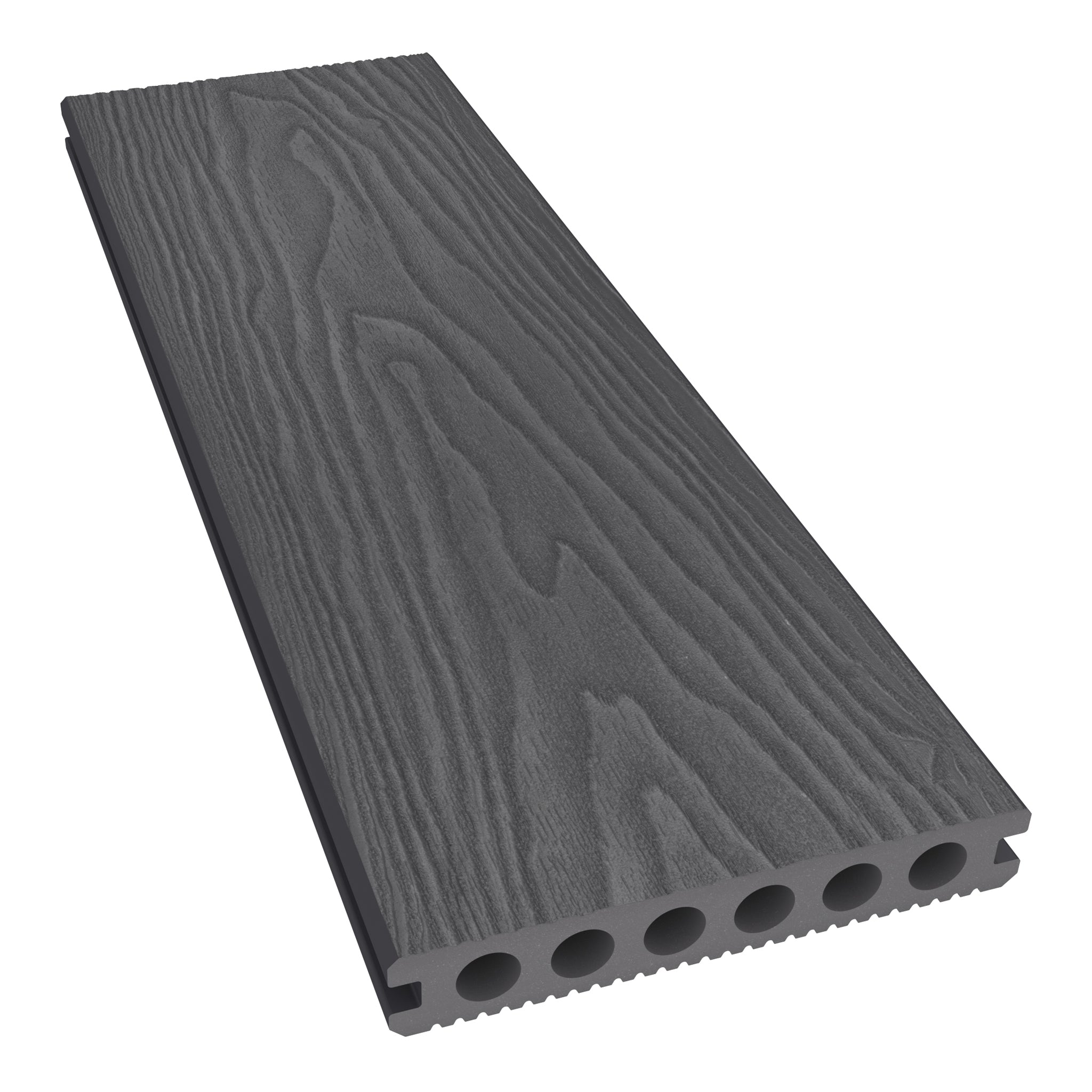
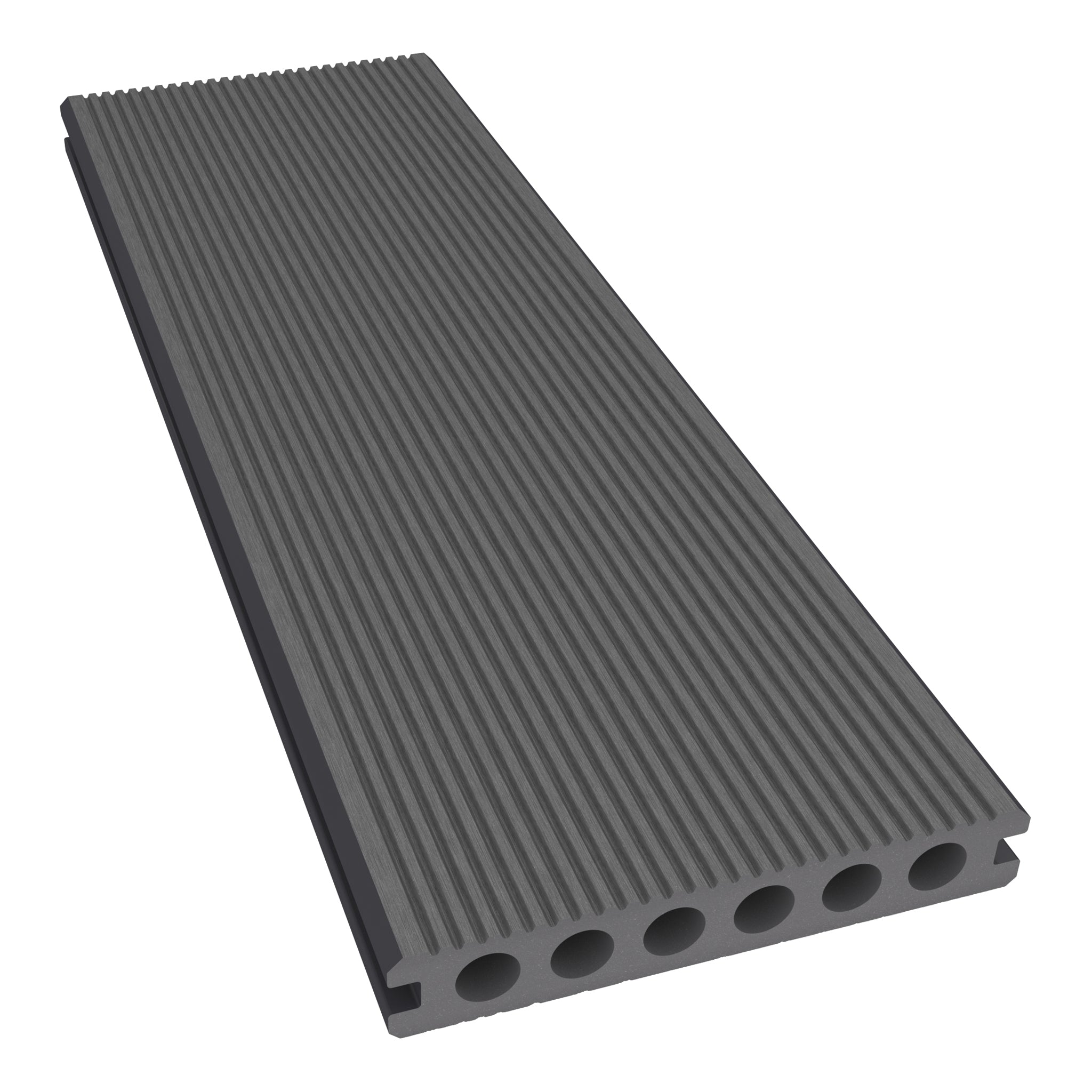
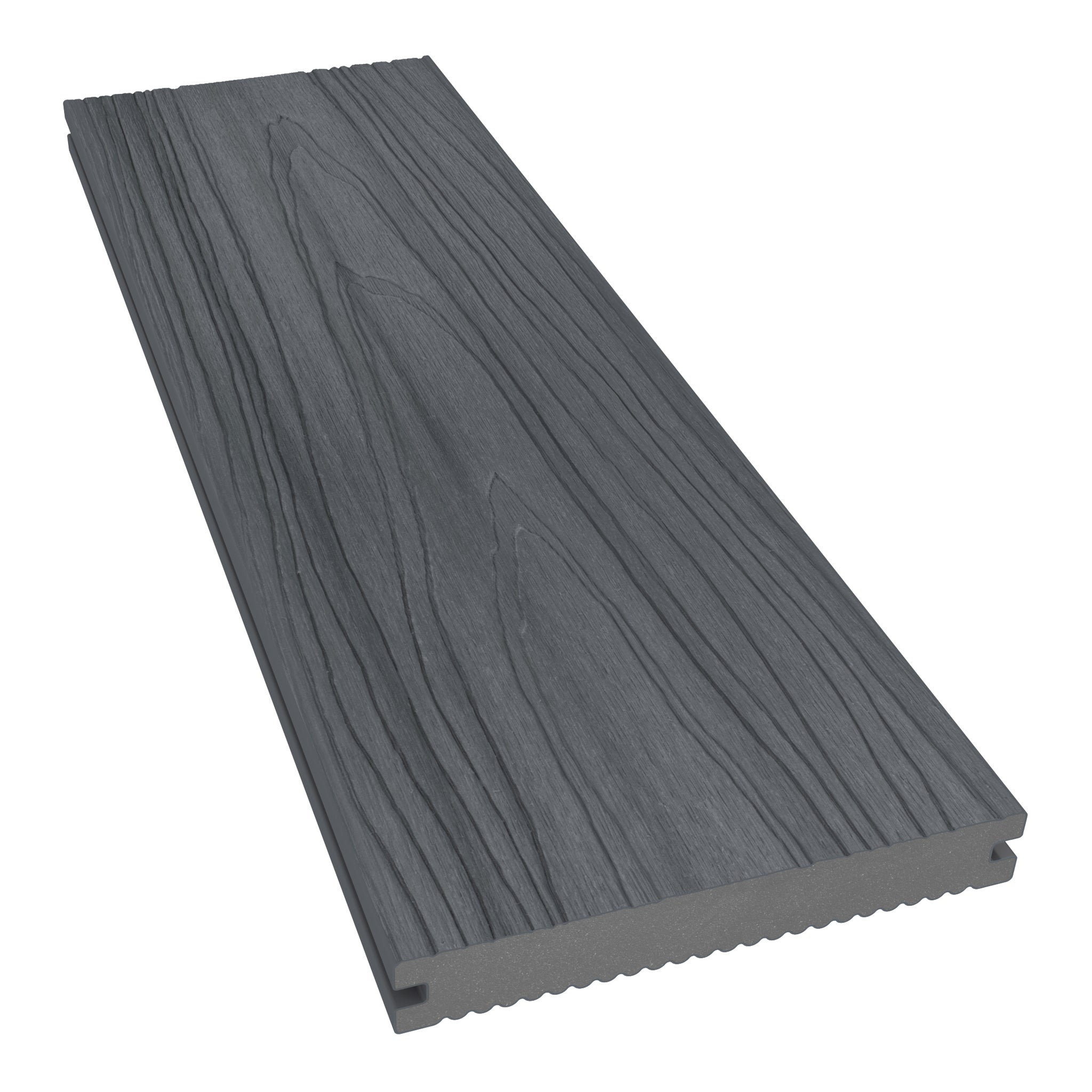
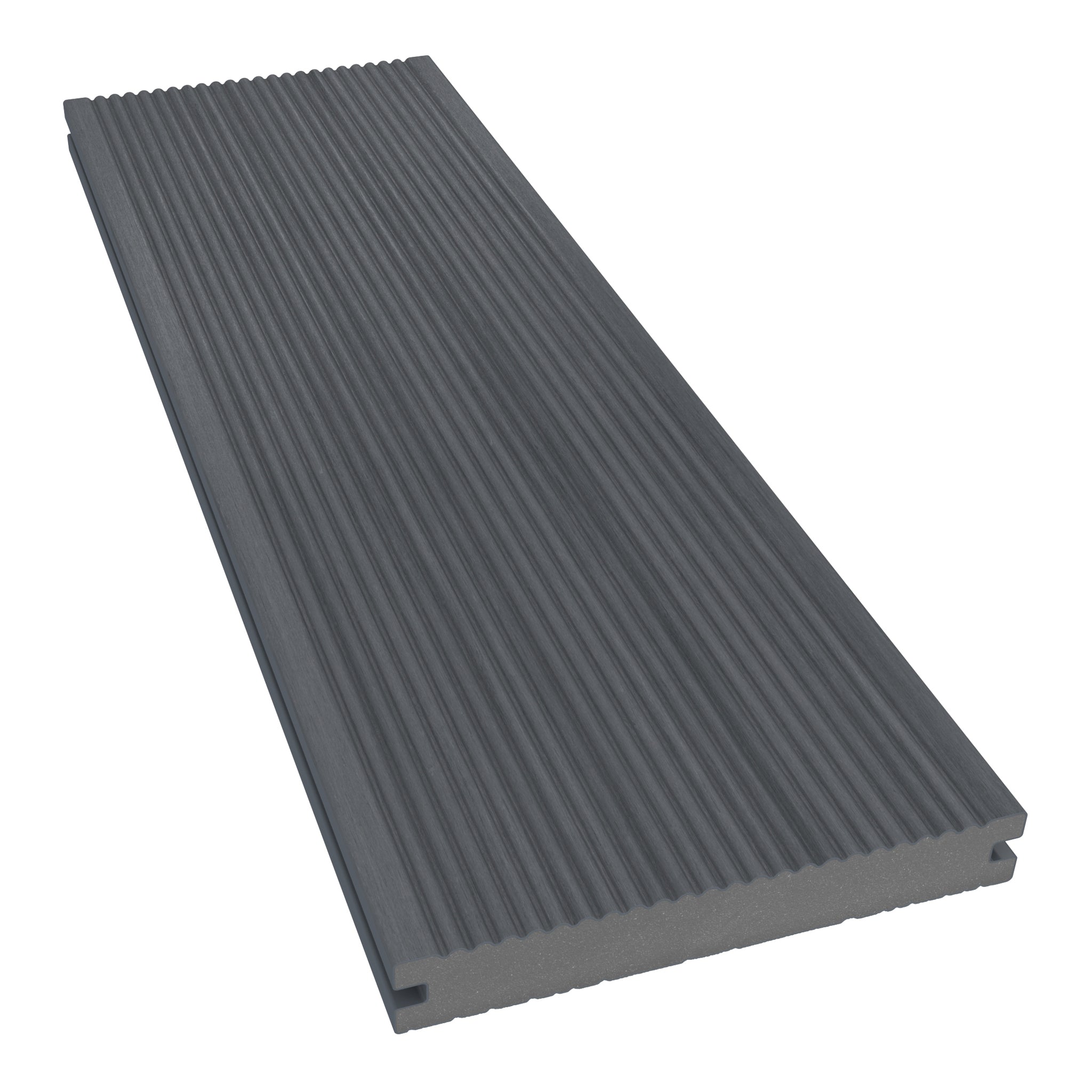
Replacing a Timber Deck? Check What Can Stay and What Should Go
Laying composite decking over wood can sound like a shortcut when an existing deck looks tired. However, fitting NeoTimber® boards directly over the old timber surface is different from removing those boards and reusing a suitable timber frame.
The practical answer: do not install NeoTimber® composite boards directly on top of existing wooden deck boards. Remove the old surface so the structure can be inspected, then retain or replace the frame according to its condition and the new system’s requirements.
This guide explains why the distinction matters and how to assess your next steps. Explore our general decking guidance and composite decking collection, with product-specific details in our installation resources.
Jump to: Boards vs frame · Overlay risks · Frame assessment · Spacing · Drainage · Joist tape · Replacement process · FAQs
Old Deck Boards and Timber Joists Are Different Things
The deck boards form the walking surface. The joists, supports and connections beneath them form the substructure. A surface can look worn while the frame remains serviceable, or appear presentable while serious defects are hidden below.
Two approaches that should not be confused:
| Proposal | What it means | Recommended approach |
|---|---|---|
| Cover existing timber boards | Keep the old walking surface and add composite directly above it. | Do not use this as a direct installation method for NeoTimber® deck boards. |
| Reuse the timber frame | Remove old boards and fit composite onto a retained joist network. | Consider only after assessing condition, loading, spacing and compatibility. |
For the second approach, our wooden subframe installation guide explains the timber-specific checks.
Why Not Cover the Existing Wooden Deck?
It Conceals the Structure You Need to Inspect
Old boards can hide damaged joists, loose connections and areas that stay damp. A new surface does not repair those problems, and covering them makes future inspection more difficult.
It Does Not Provide the Intended Support Detail
NeoTimber® boards need the specified joist layout and compatible fixings. An old walking surface is not a substitute for that arrangement. Screwing through layers or improvising extra clips does not establish a suitable installation.
It Can Complicate Drainage and Ventilation
Adding one surface above another can create places where debris and moisture collect. Adequate airflow and a clear water route need to be designed, rather than assumed because the original deck had gaps.
It Changes Levels and Loads
An overlay raises the finished surface and adds weight. That can affect doors, steps, thresholds and guarding, as well as the structure below. A seemingly small shortcut can therefore change several parts of the project.

Can the Existing Timber Frame Be Reused?
Possibly, but condition and suitability must be established before new boards are fitted. There is no universal frame age at which replacement becomes mandatory, nor does a frame become suitable simply because it looks straight.
Arrange access and removal safely. Do not walk on a deck you suspect is unstable in order to inspect it. If the structure is raised, difficult to access or visibly damaged, use competent help.
- Check joists and posts for deterioration or damaged sections.
- Inspect connections, supports and foundations for movement or defects.
- Confirm the frame can support the new decking and intended use.
- Assess joist centres and board-joint support.
- Check drainage, ventilation and access to services.
- Review steps, perimeter details and required guarding.
Extra joists may form part of a suitable redesign, but they do not repair defective foundations or make an inadequate connection safe. Resolve the cause of any problem before covering the frame.

Match the Joist Layout to the New Boards
Existing timber-board spacing may not meet the selected composite board’s requirements. Use the current instructions for the exact range, orientation and intended loading rather than applying a generic 250–350mm spacing to every project.
Distinguish joist centres from the support span along each joist. The boards rely on the first, while the timber structure also needs an appropriate design for the second.
Plan joints, borders and steps before fitting. Each board end needs the specified support and fixing positions. A change in board direction or a picture-frame border may require additional framing.
Check Drainage and Ventilation Before Setting Levels
Confirm how water will leave the surface and the area beneath it. Clear outlets and ventilation routes, and avoid blocking them with new trims. Retain access to drains that need maintenance.
Where the selected system specifies a 1:100 fall, that is 10mm per metre, or 1%. Confirm the applicable detail for your installation; that figure alone does not resolve an unsuitable base or water trapped below the frame.
Review the finished height at the house. Do not compromise damp protection or drainage to create a flush appearance at a doorway. Thresholds and steps need their own considered details.

Use Joist Tape as Additional Protection
Joist tape can help protect the top of suitable timber joists when applied according to its instructions. It belongs on a sound, appropriately prepared component, not over decay that needs repair or replacement.
Tape does not make the complete frame waterproof, correct drainage or replace required cut-end preservative. Follow the timber supplier’s treatment guidance where cutting or drilling exposes areas needing protection.
Assess tape width, junction details and application conditions before use. Good timber selection and moisture management remain important whether or not tape forms part of the design.

A Practical Route From Old Timber to Composite
- Assess the project. Establish access, intended use and any signs of instability before removal begins.
- Remove the old walking surface safely. Allow for waste handling and protection of the surrounding area.
- Inspect the exposed structure. Decide what can be retained, altered or replaced using competent assessment where needed.
- Prepare a compatible frame. Resolve supports, joints, treatment, ventilation and drainage.
- Fit the selected board system. Use approved clips and screws with the required movement gaps.
- Finish and inspect. Check edges, steps, fixings and access before regular use.
Our laying guide explains the overall sequence, while the board and edging guide covers the fitting stage.

Budget for What the Inspection Reveals
Comparing only the price of new boards can understate the replacement cost. Include removal, disposal, frame alterations, fixings, trims, delivery and labour, with an allowance for defects discovered during opening-up.
Reusing a suitable frame may reduce work, but replacing an inadequate one can avoid dismantling the new surface later. Ask for a quotation that identifies assumptions and how unexpected work will be agreed.
Review the applicable warranty terms separately. Do not assume coverage for an improvised overlay or pre-existing structural defects, and avoid treating every installation issue as automatically voiding every aspect of cover.
Laying Composite Decking Over Wood FAQs
Can I lay NeoTimber® boards directly over old wooden boards?
No. Remove the old surface and provide a suitable joist network with the required support, fixings, drainage and ventilation.
Can I keep the wooden frame?
Only if it is sound and suitable for the new system and intended loads. Check the complete structure, not just the visible joist tops.
Will adding more joists make an old frame suitable?
It may address spacing, but it does not correct decay, poor connections or unsuitable foundations. Those issues need assessment separately.
Does joist tape repair deteriorated timber?
No. Tape provides additional surface protection on suitable components. Repair or replace inadequate timber before proceeding.
Can I leave old boards in place and add battens above?
Do not assume that resolves the issue. It still conceals the structure and changes height, loads and drainage. Use a designed, approved arrangement rather than an improvised overlay.
Who can help assess the replacement?
Use our Find an Installer service for fitting support, or contact our team about the selected board’s requirements.
Expose the Frame Before Deciding What to Retain
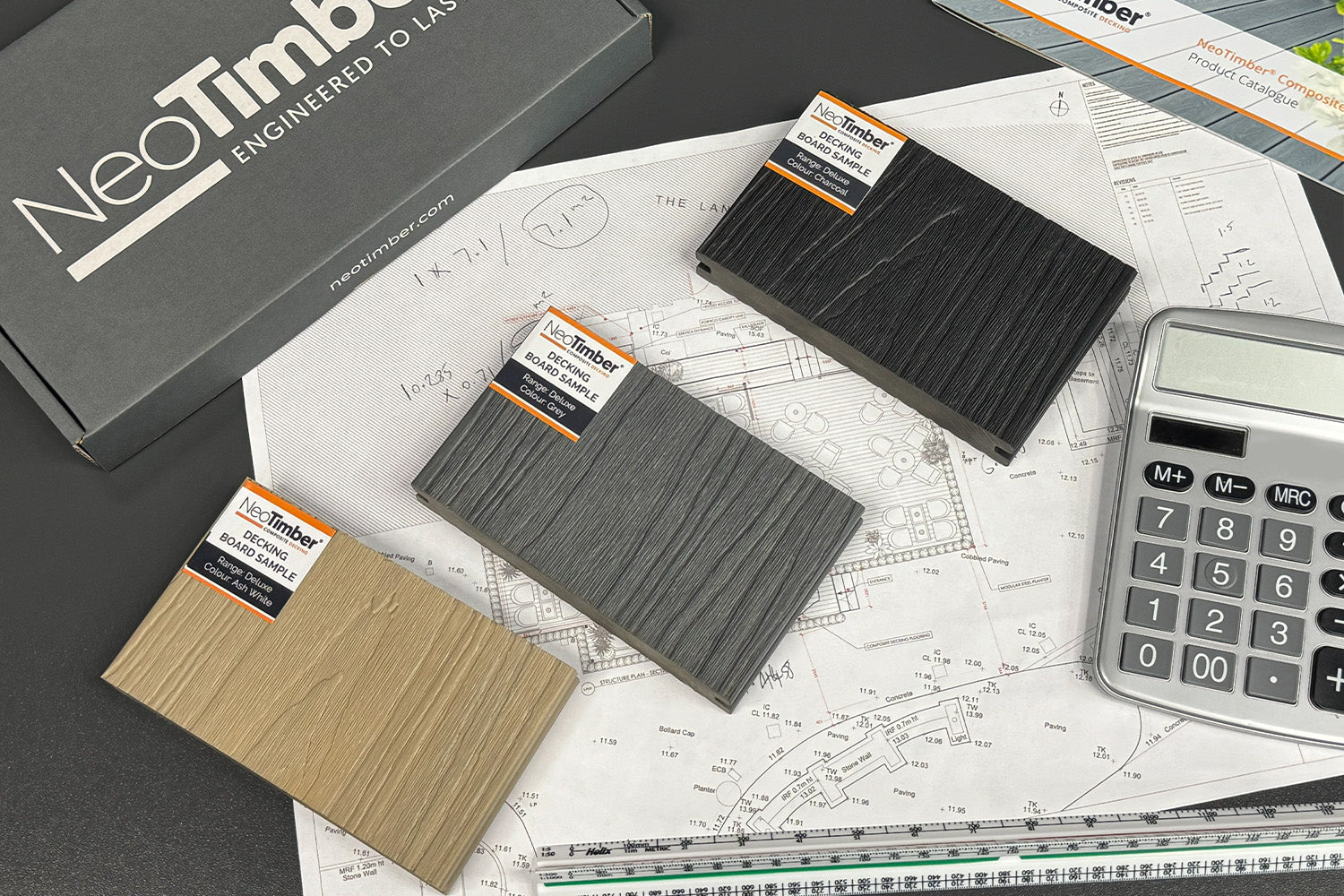
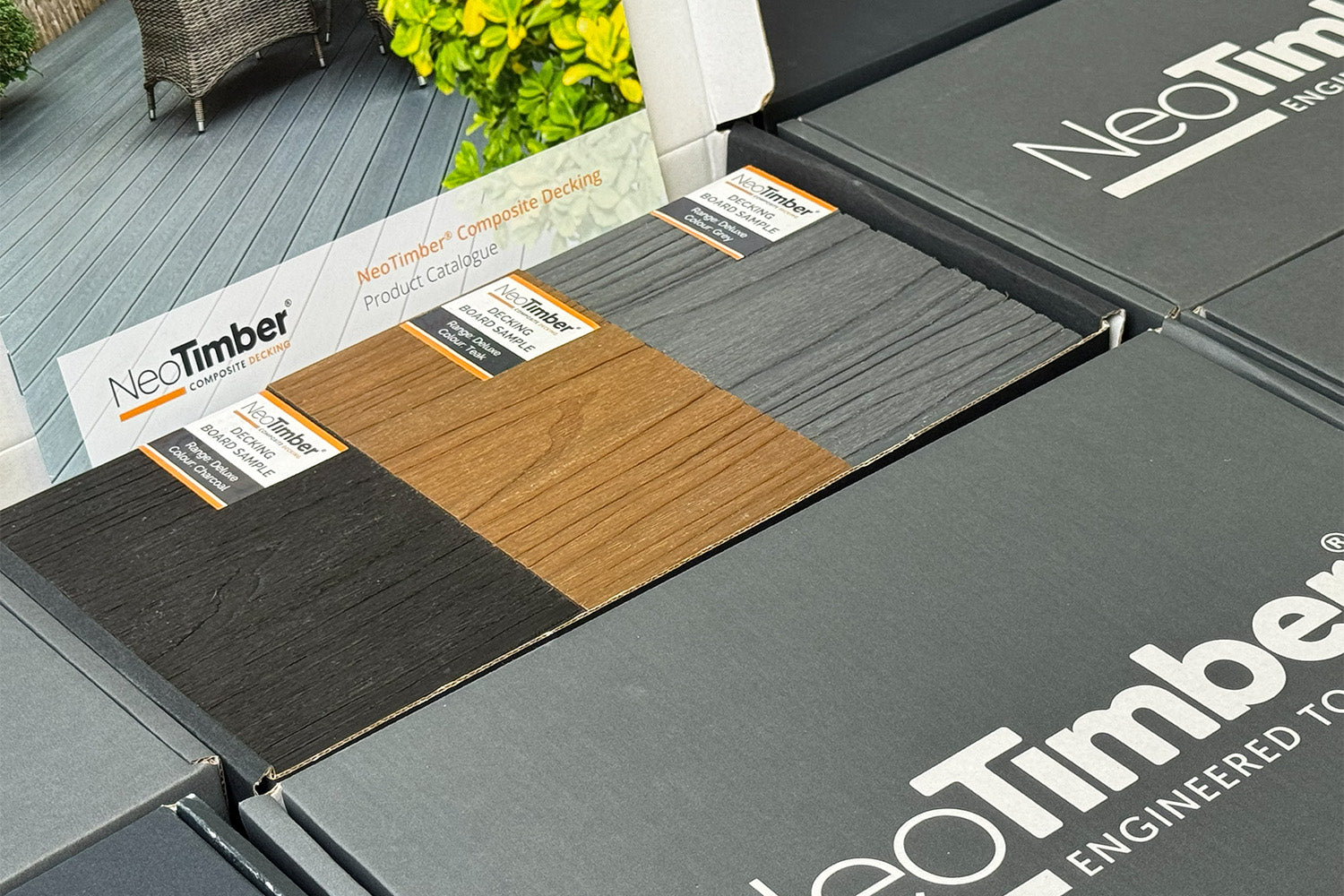
The useful distinction is between covering an old deck and replacing its surface on a suitable structure. Inspect first, resolve the support details and then fit the new boards. If you are choosing a finish, request free composite decking samples while the technical assessment is underway.